
Anıtkabir and Atatürk Museum | Ankara, 1973
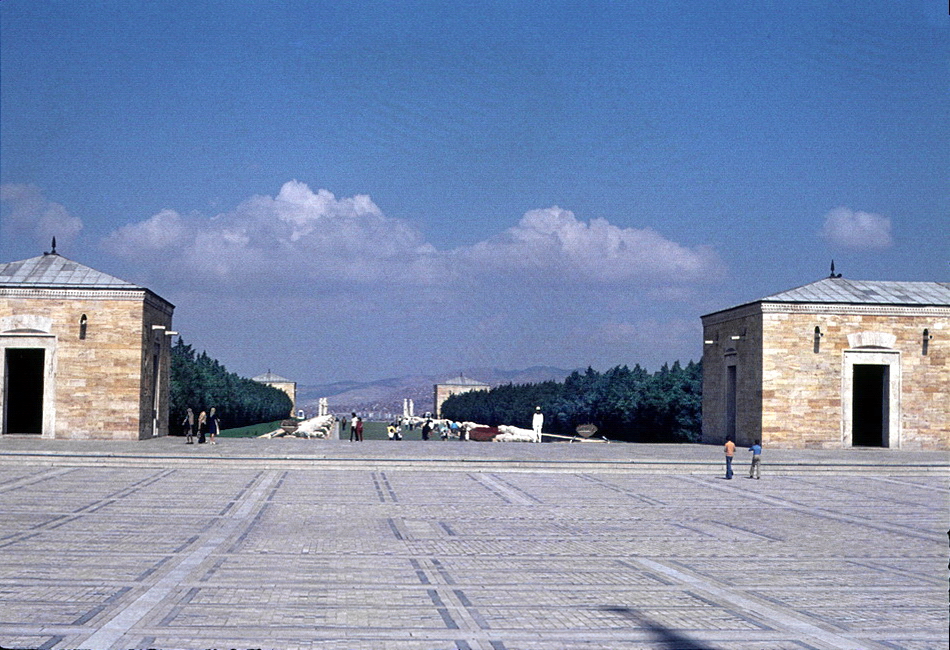
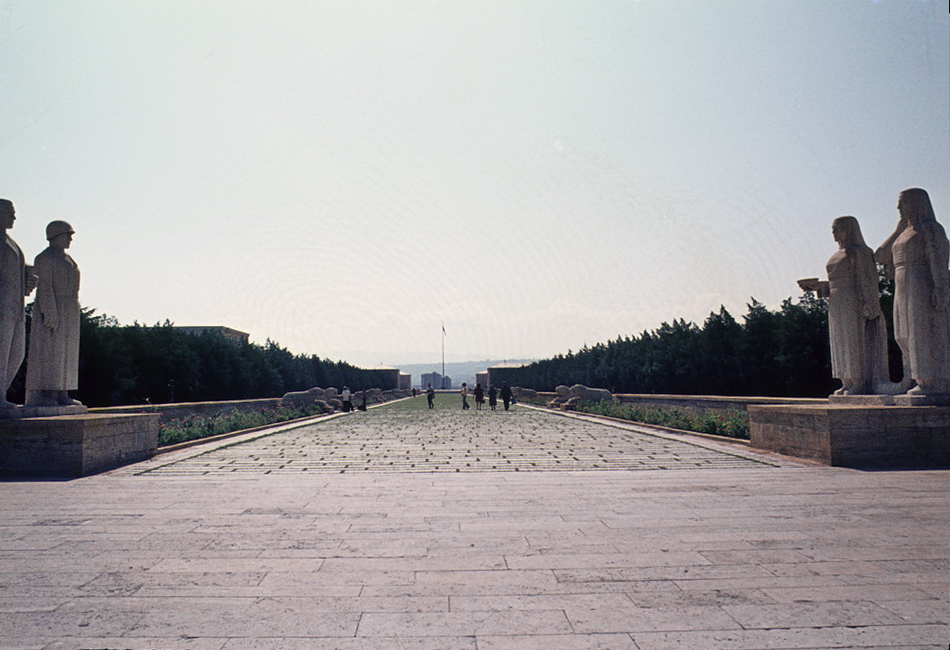
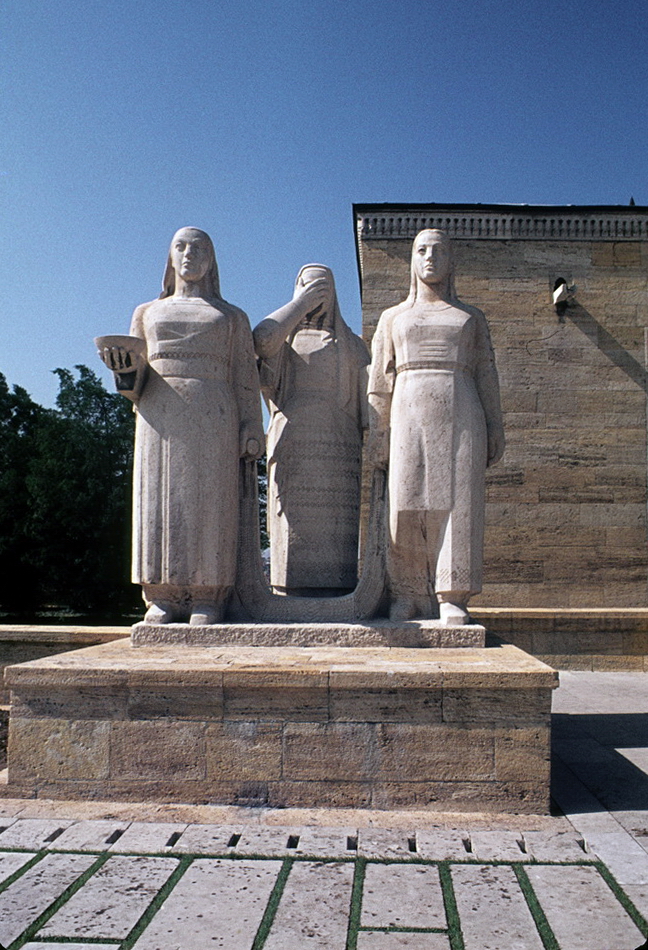
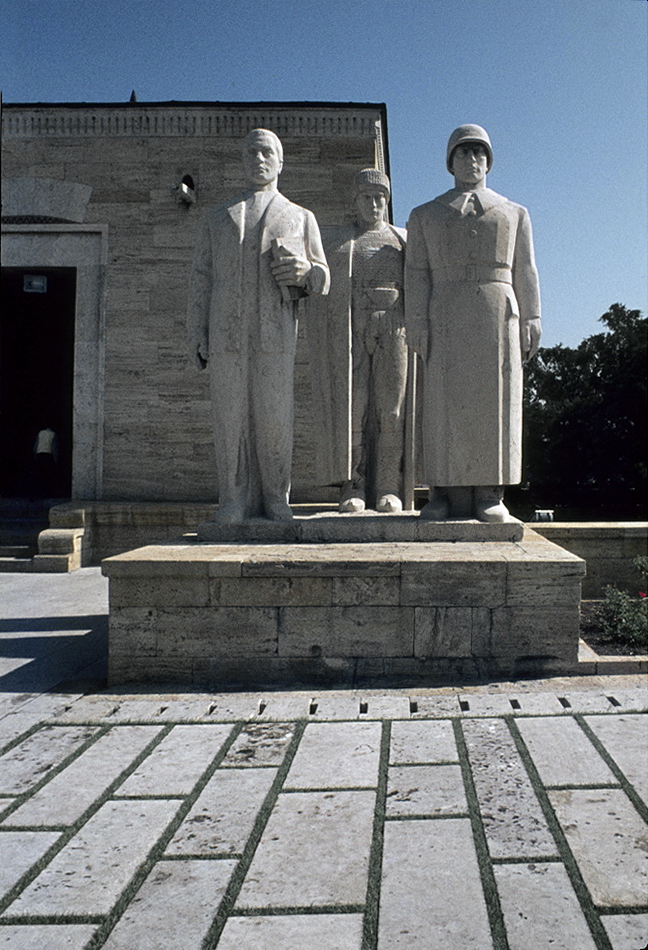
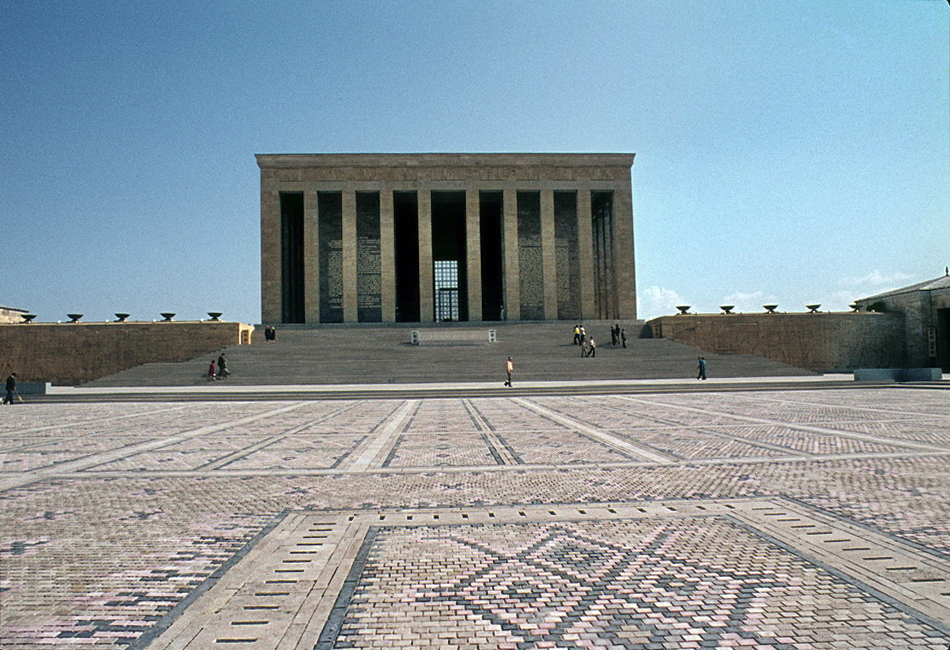
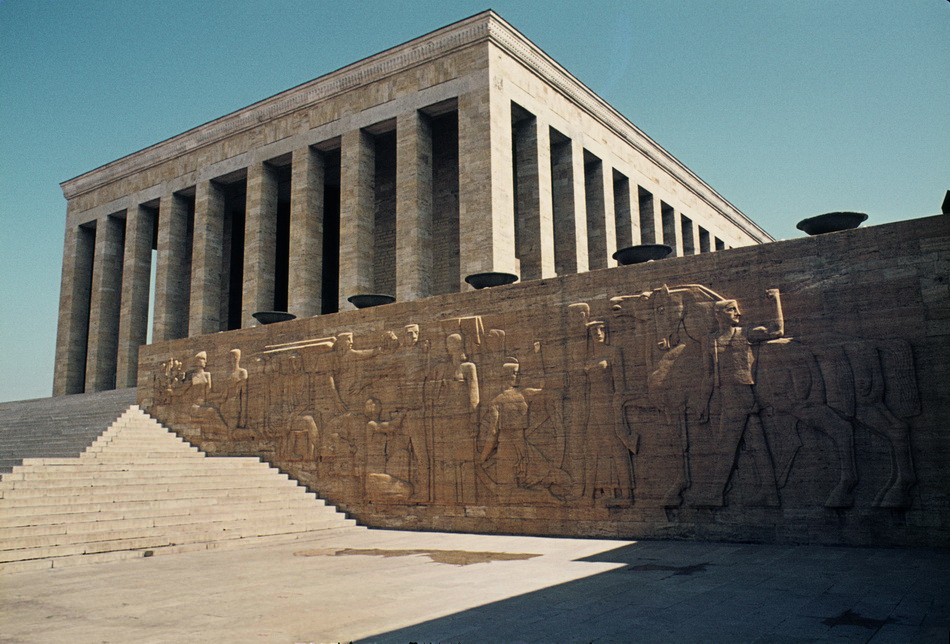
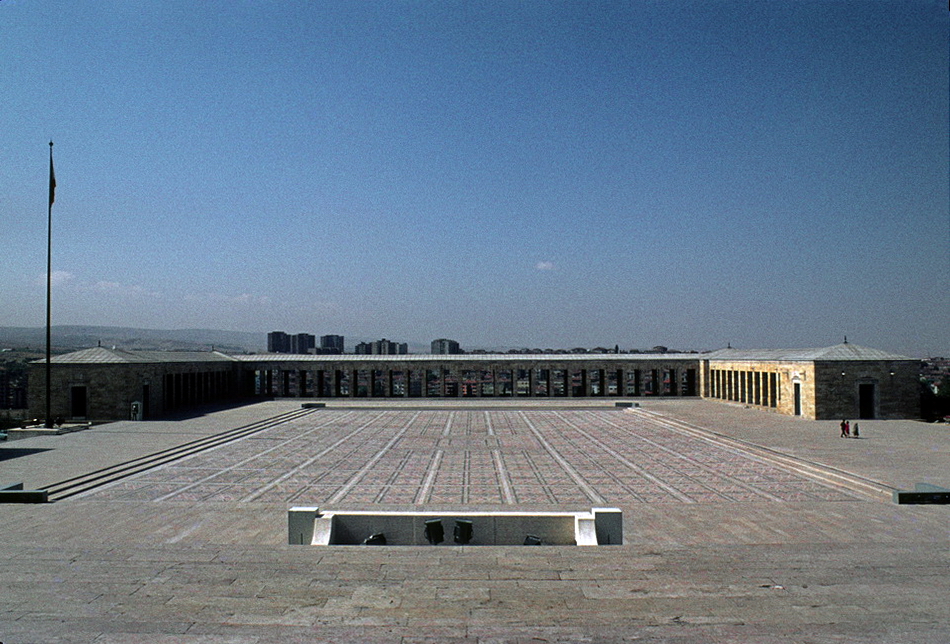
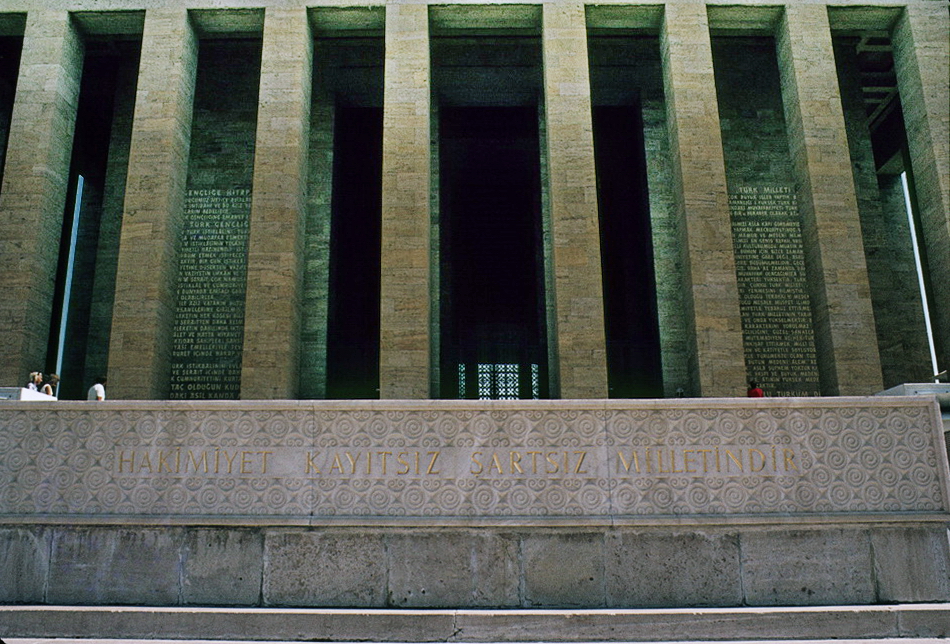
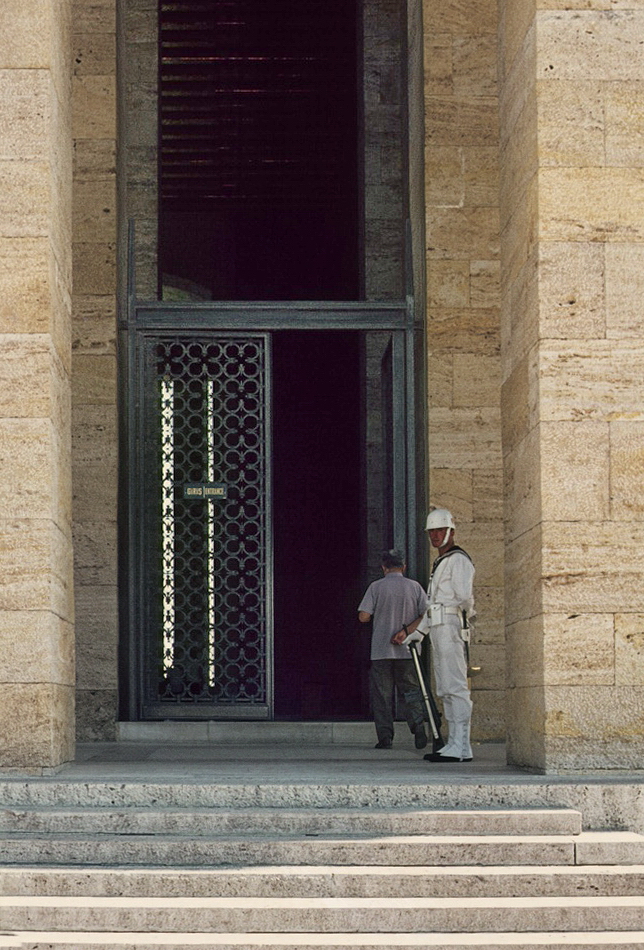
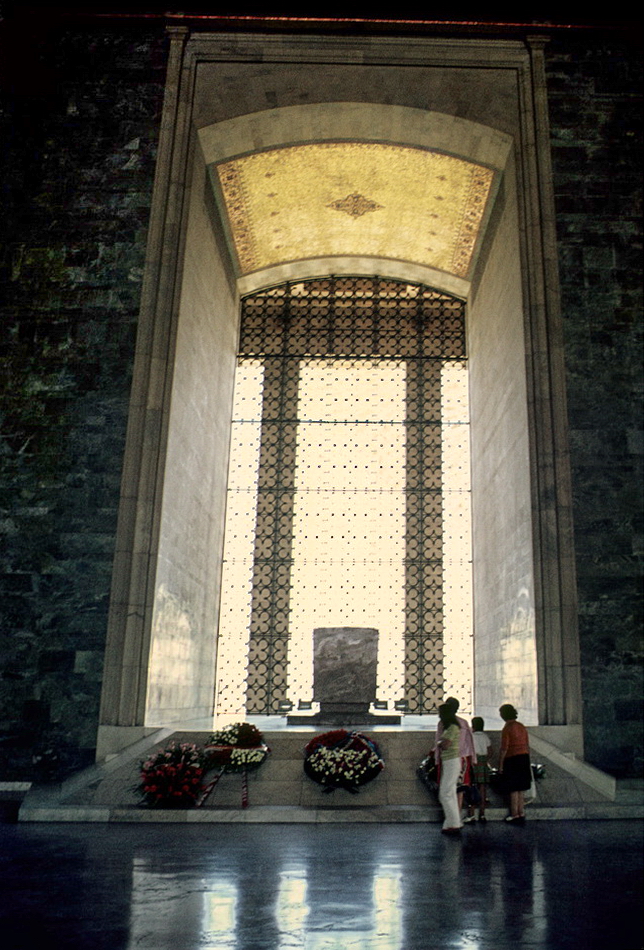
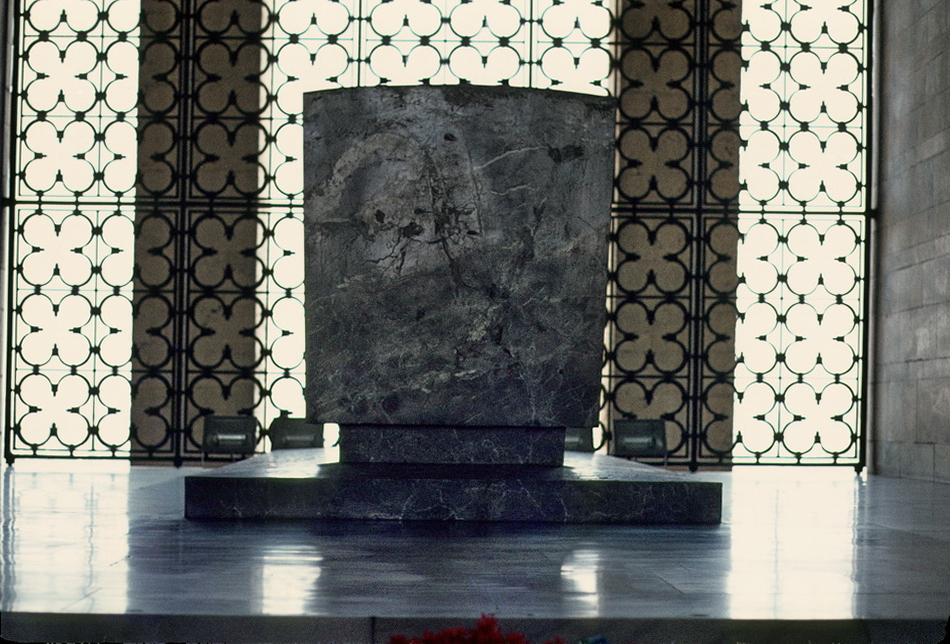
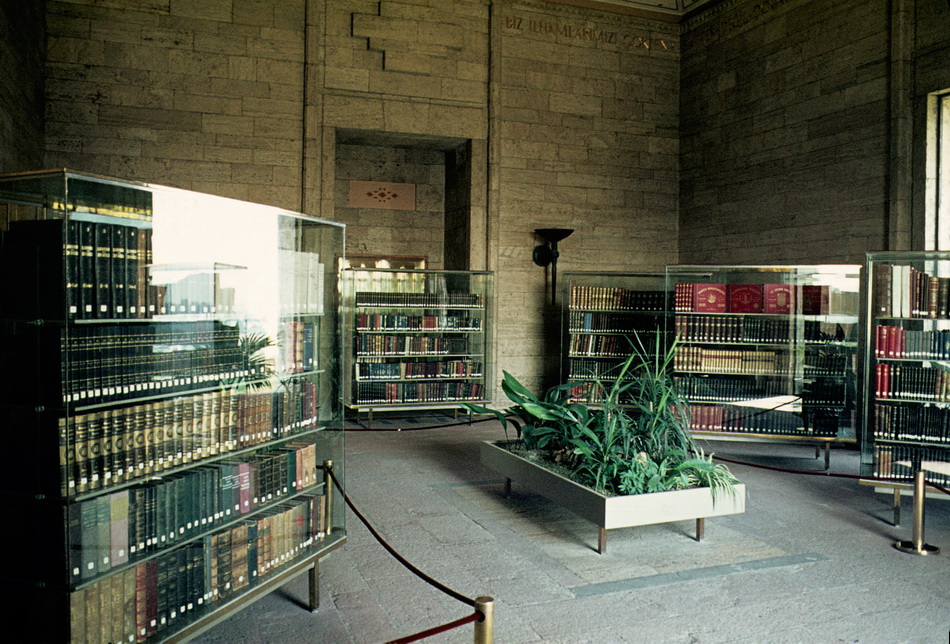
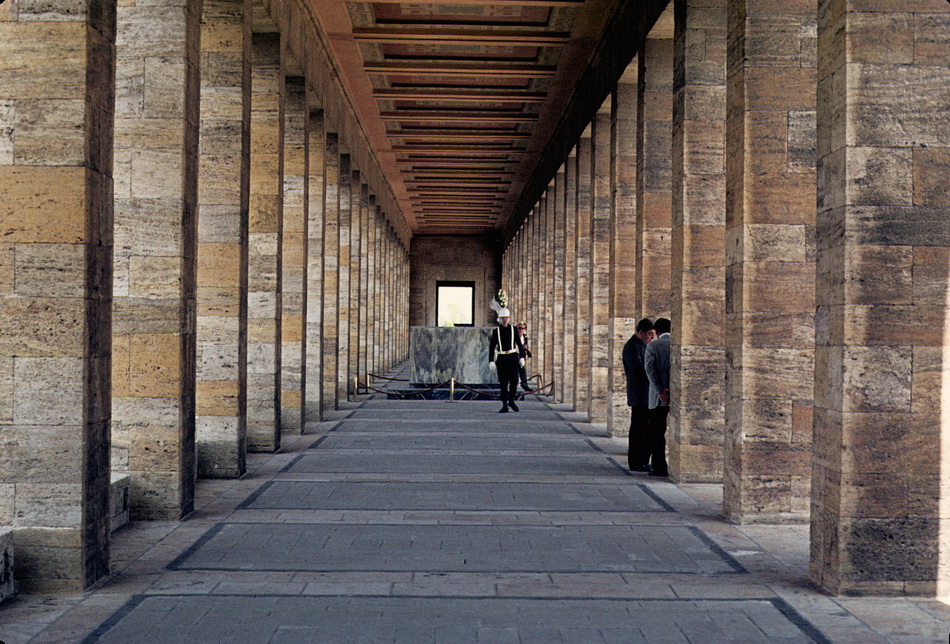
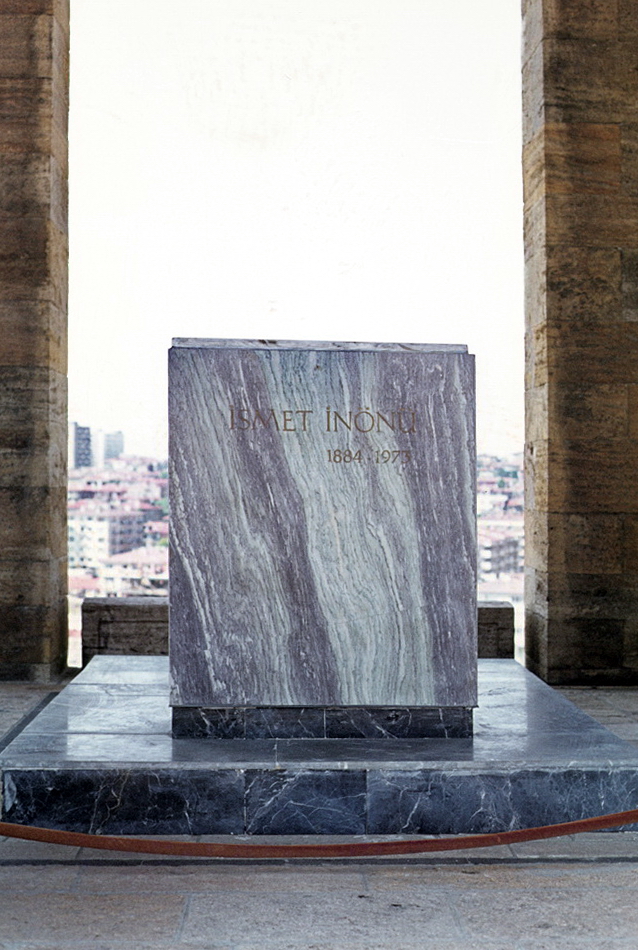
I visited Anıtkabir in 1973, when I was just nineteen years old. As far as I remember, I had travelled to Ankara to complete my university registration after the entrance examinations. I was carrying the Pentax Spotmatic camera I used at the time, loaded with Kodachrome 25 colour slide film. More than half a century later, when I returned to these transparencies, I found not only images from my youth but also a record of parts of Anıtkabir that have since changed.
Anıtkabir, the mausoleum of Mustafa Kemal Atatürk, is among the most important architectural symbols of the Turkish Republic and its War of Independence. Construction began in 1944 and was completed in 1953. Designed by Emin Onat and Orhan Arda, the complex reflects the monumental language of the Second National Architectural Movement. Its Ceremonial Plaza, Road of Lions, sculptural groups, reliefs and colonnaded mausoleum occupy a special place in the architectural memory of the Republic.
In my photographs I recorded the open squares, monumental structures, sculptures and gardens. Looking at them today, I see not only architecture but also the atmosphere of 1973. The visitors' clothing, the quietness of the plazas, the trees and the landscaping as they appeared then give these photographs a documentary value I could not have fully anticipated at nineteen. Small details I photographed as a young man have become windows into another time.
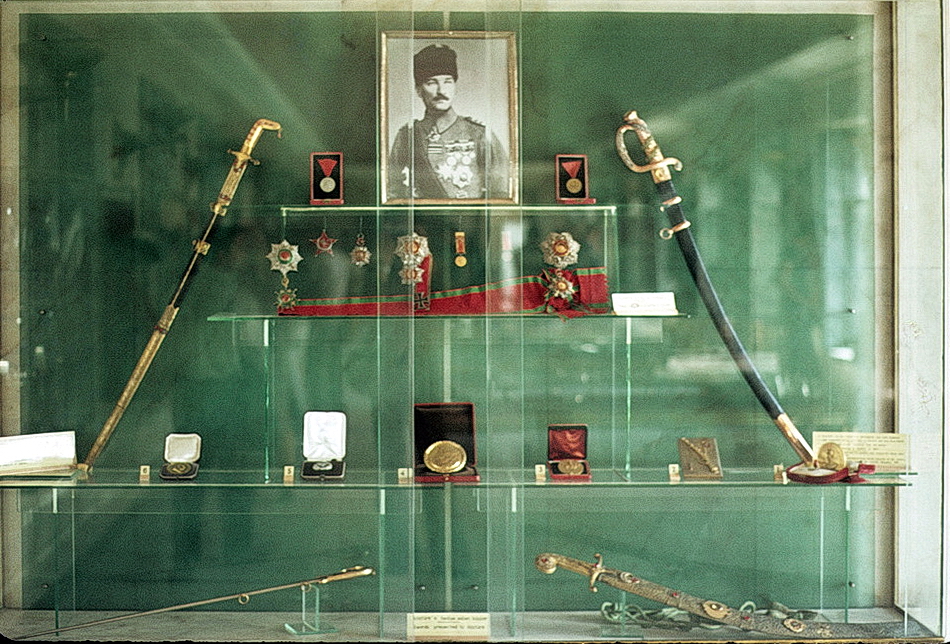
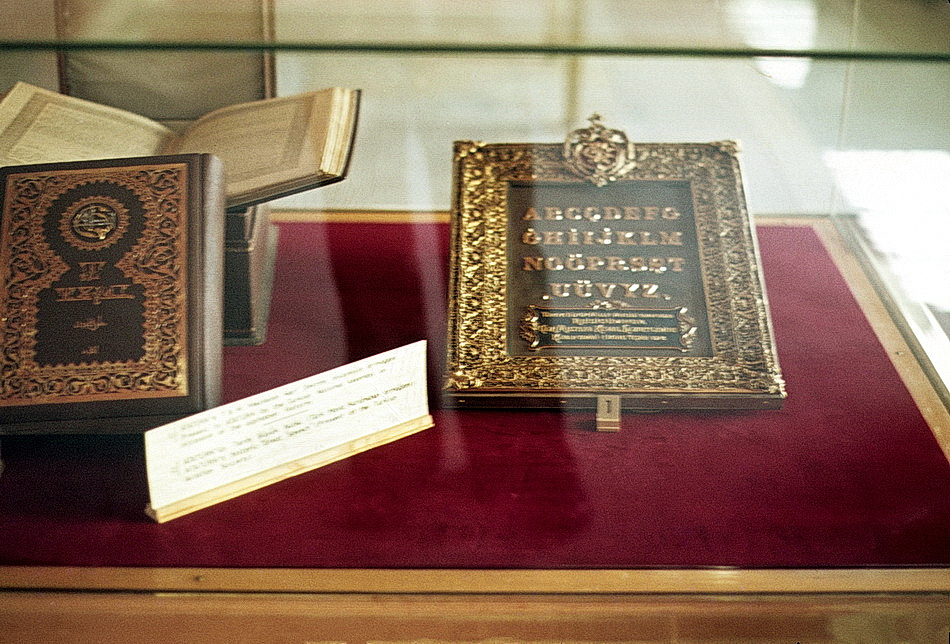
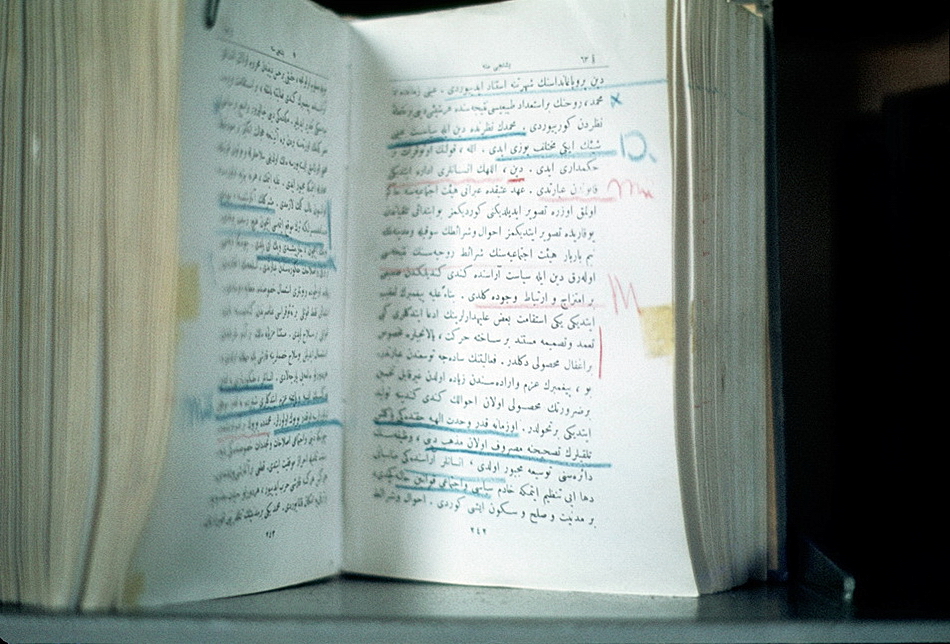
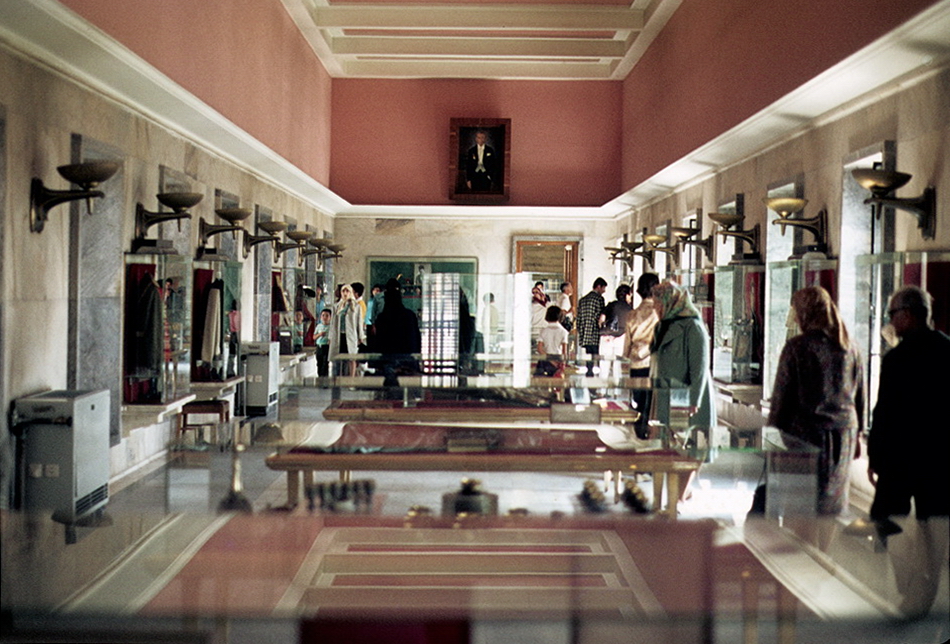
I also spent part of my visit inside the Atatürk Museum as it was arranged in those years. Opened in 1960, the earlier museum displayed Atatürk's personal belongings, documents, books and mementoes. My slides preserve glimpses of its display cases, the arrangement of objects and the character of the rooms. In 2002, the opening of the expanded Atatürk and War of Independence Museum brought substantial changes to the exhibition spaces and their presentation. My 1973 photographs therefore also document a museum arrangement that can no longer be seen in quite the same form.
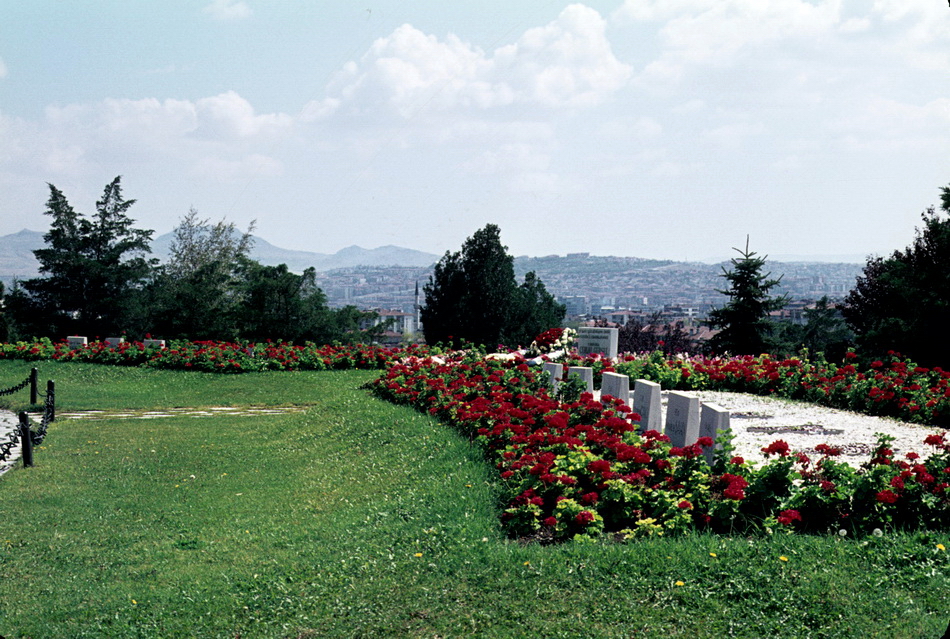
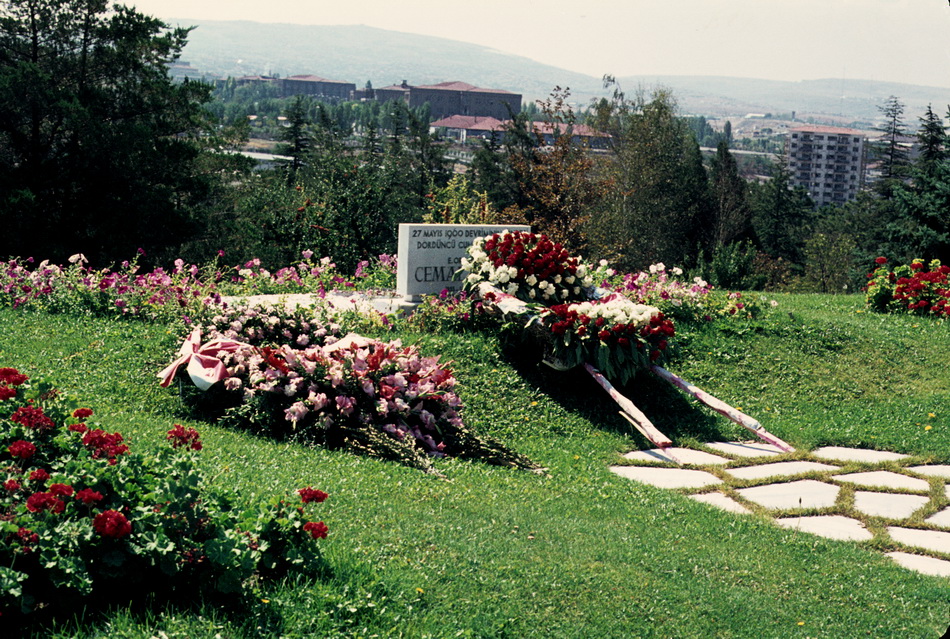
Another place that caught my attention in Anıtkabir's grounds was the burial area known as the Cemetery of the Revolution Martyrs. It contained the graves of people commemorated in connection with the events of 27 May 1960. In photograph 19, the grave of Turkey's fourth president, Cemal Gürsel, stands among the flower-bordered graves. Gürsel died in 1966 and was buried at Anıtkabir. In 1988 his remains were transferred to the State Cemetery, while the graves of the Revolution Martyrs were moved to Cebeci Military Cemetery. The scene I photographed in 1973 is no longer part of Anıtkabir's present-day landscape.
These photographs also belong to the earliest years of my life in photography. Kodachrome 25 was a slow film, and photographing the museum interiors demanded careful attention to the available light. There were no digital previews: each exposure was one frame from a limited roll of slides, and I could not see the result immediately. Photography required patience, deliberation and a certain willingness to trust one's judgement.
Rediscovering these slides while organising my archive became an unexpected journey. Some parts of the Anıtkabir I photographed at nineteen have changed, while others have disappeared. A photograph may begin as a memory of an ordinary visit; with the passage of time it can become a historical record of architecture, people and places in transition.
I share these photographs, made with my Pentax Spotmatic and Kodachrome 25 in 1973, both as a personal memory of my youth and as a visual document of Anıtkabir more than fifty years ago.