
Great Wall, Beijing-China
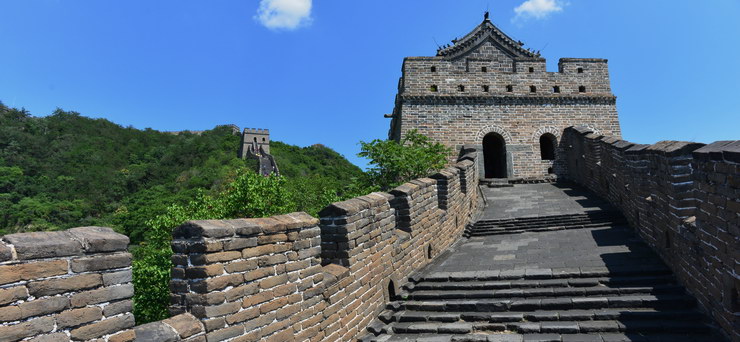
The Great Wall of China is a series of fortifications that were built across the historical northern borders of ancient Chinese states and Imperial China as protection against various nomadic groups from the Eurasian Steppe. Several walls were built from as early as the 7th century BC, with selective stretches later joined together by Qin Shi Huang (220-206 BC), the first emperor of China. Little of the Qin wall remains. Later on, many successive dynasties have built and maintained multiple stretches of border walls. The most well-known sections of the wall were built by the Ming dynasty (1368-1644). (Source:wikipedia.org)
Daily Life in Buddhist Temples, Bangkok-Thailand
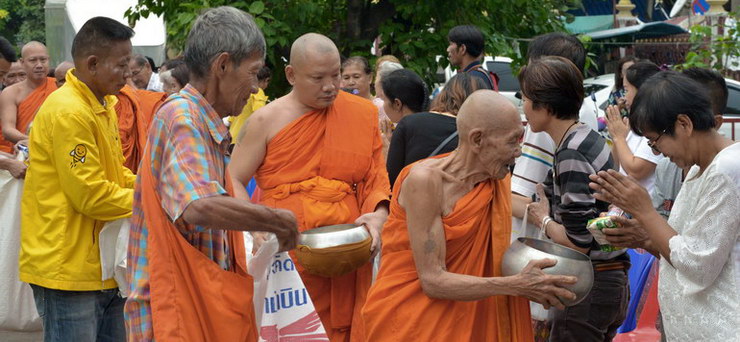
Buddhist temples in Bangkok are not only places of worship, but also part of the rhythm of everyday life. Monks begin their days early, receiving food offered by local people, while prayer, meditation and communal activities continue within the temple grounds. The relationship between monks and laypeople is based on a long tradition of mutual support: people provide the material needs of the monastic community, while monks offer religious teaching and spiritual guidance.
During my visits to Bangkok, I was particularly interested in these ordinary encounters rather than only in the monumental architecture of the temples. The ceremonies, offerings and small gestures of daily life revealed a living Buddhist tradition in which religion remains closely connected with the surrounding community.
Kukeri Tradition, Stara Zagora-Bulgaria
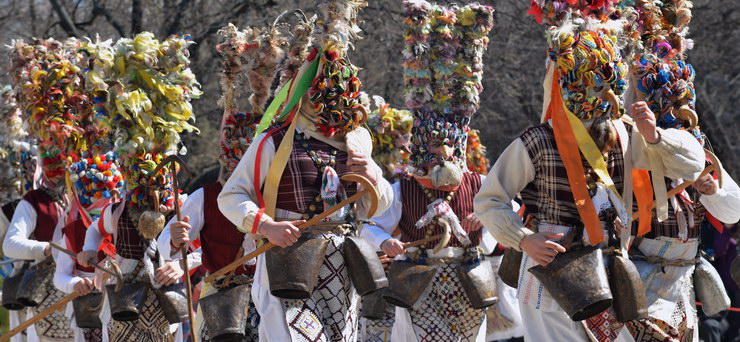
Kukeri are elaborately costumed men who perform traditional rituals intended to scare away evil spirits. The costumes cover most of the body and include decorated wooden masks of animals (sometimes double-faced) and large bells attached to the belt. Around New Year and before Lent, the kukeri walk and dance through villages to scare away evil spirits with their costumes and the sound of their bells. They are also believed to provide a good harvest, health, and happiness to the village during the year.
Ahrweiler Wine Festival, Germany
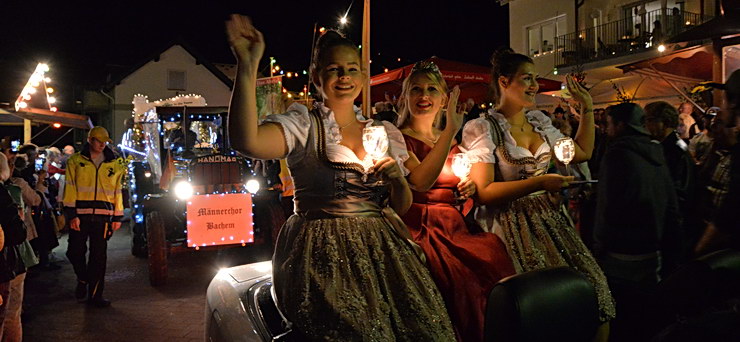
Ahrweiler is one of the northernmost wine regions of Germany. The slopes of the city consist of vineyards of wine. Ahrweiler wines are mostly red wines made from the local Spatburgunder and Fruhburgunder. Wine production and trade in Ahrweiler has been going on for over 1000 years. There are many family businesses in the city that deal with grapes and wine. In September, a traditional annual wine festival is held in Ahrweiler, where the "Wine Queen" is chosen. This is Ahr's largest and oldest festival.
Bucharest Christmas Market, Romania
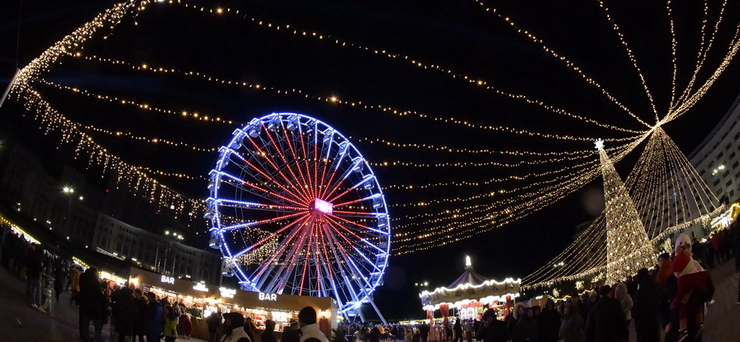
Christmas markets are a traditional event in Europe held for 1 month in December every year. In 2023, I had the opportunity to visit and photograph the Christmas market opened by the Bucharest municipality in Constitution Square on November 30. Constitution Square is the area in front of the Parliament Palace, which has become the symbol of the socialist order in Romania in the past. What made the area colorful was the 30-meter-high decorated Christmas tree and the working Ferris wheel with variable colored lights. The amusement park entertainment set up in different places in the area took me back to my childhood.
The Day of The Dead Parade, San Miguel Allende-Mexico
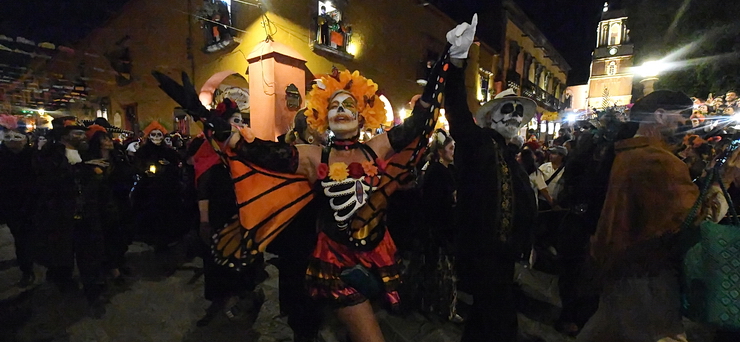
The Day of the Dead is a holiday traditionally celebrated on November 1 and 2. The multi-day holiday involves family and friends gathering to pay respects and remember friends and family members who have died. the Day of the Dead has become a way to remember those forebears of Mexican culture. Traditions connected with the holiday include honoring the deceased using calaveras and marigold flowers known as cempazuchitl, building home altars called ofrendas with the favorite foods and beverages of the departed, and visiting graves with these items as gifts for the deceased. Day of the Dead, unlike Halloween, is not intended to be frightening. The skeletons here symbolize the deceased. According to their beliefs, true death occurs when one is forgotten, and the purpose of the festival is to ensure that the dead are not forgotten. To this end, altars are made featuring sugar skull figurines symbolizing the deceased, as well as decorations and scents they may have loved. Day of the Dead was added to the UNESCO Intangible Cultural Heritage list in 2008.