During the 2021 Balkan Summer School, my walks through Plovdiv repeatedly brought me across layers of religious and urban history. Directly opposite the Bishop’s Basilica of ancient Philippopolis stands the Catholic Cathedral of St. Louis. The proximity is striking: the remains of one of the great early Christian churches of the Roman city face a Catholic cathedral that belongs to a much later chapter of Plovdiv’s Christian history.
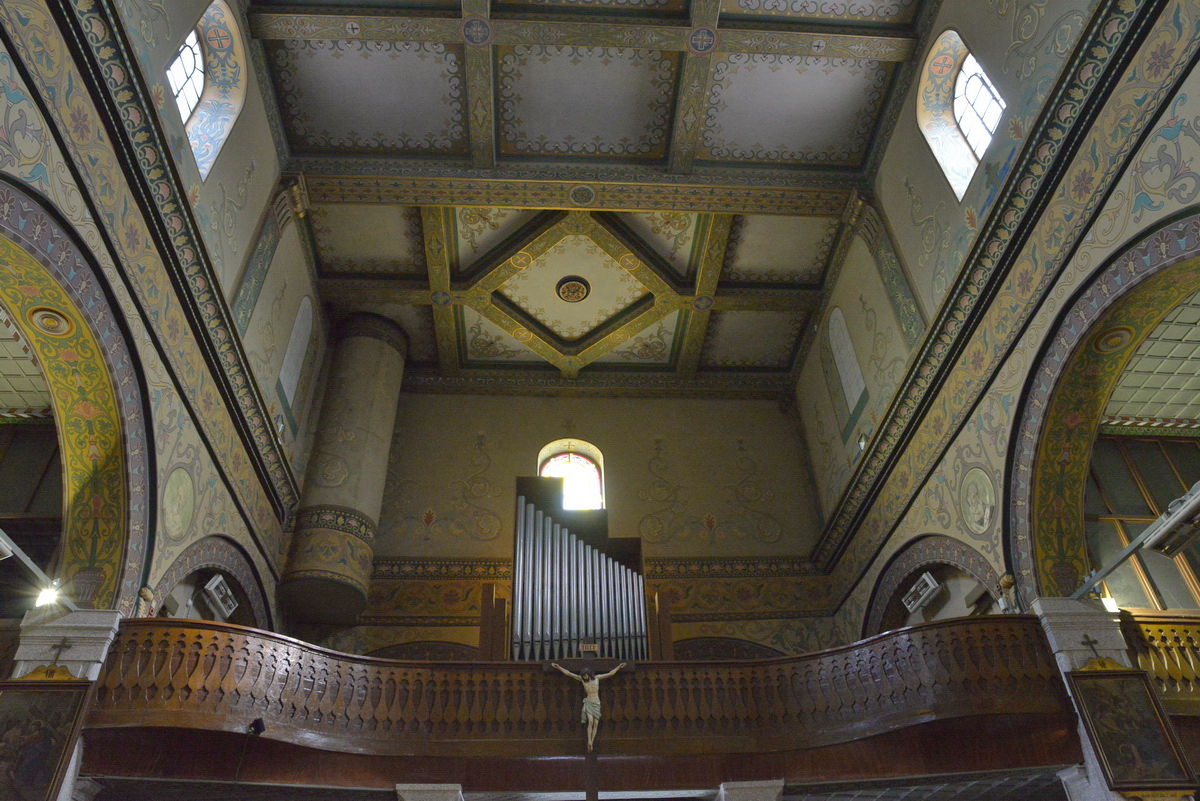
The cathedral was built between 1858 and 1861, when Plovdiv was still part of the Ottoman Empire and the city’s Catholic community was becoming increasingly visible. Its dedication to Saint Louis recalls King Louis IX of France. The church later became the cathedral of the Catholic Diocese of Sofia and Plovdiv. In 1861 Bulgaria’s first organ was installed here, making music part of the building’s history from its earliest years.
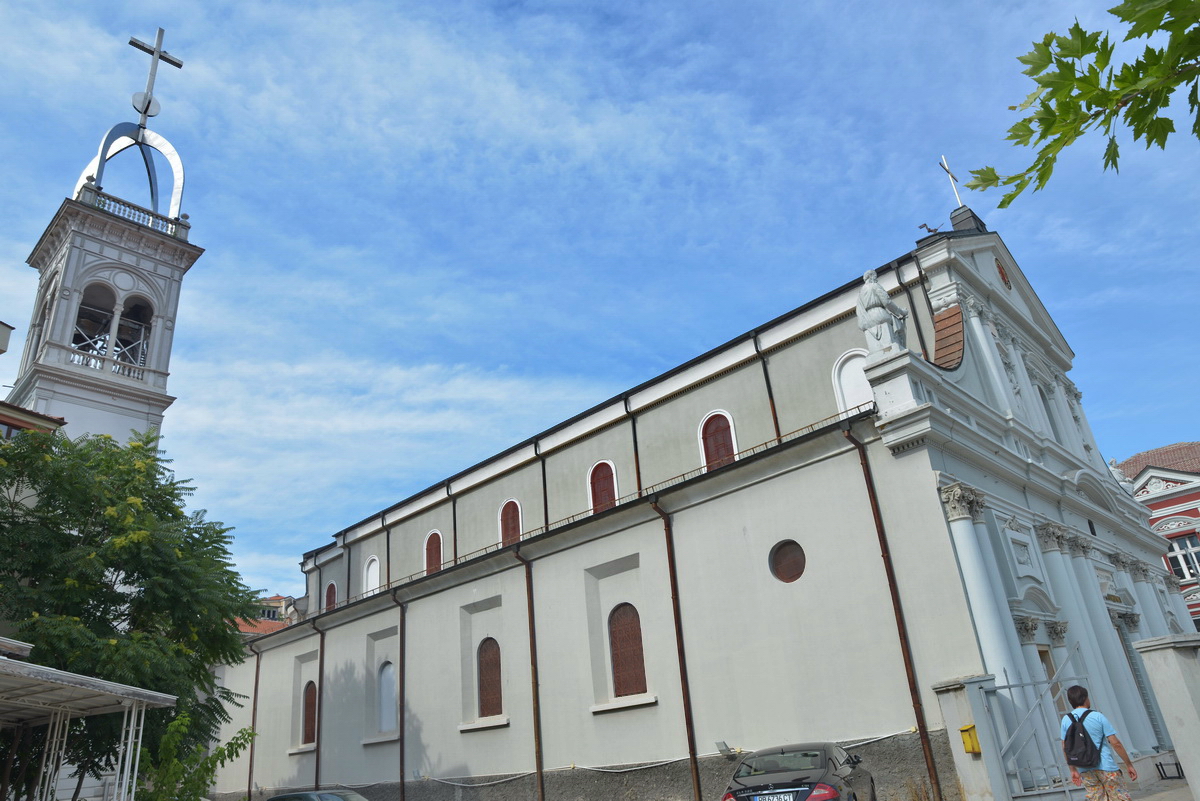
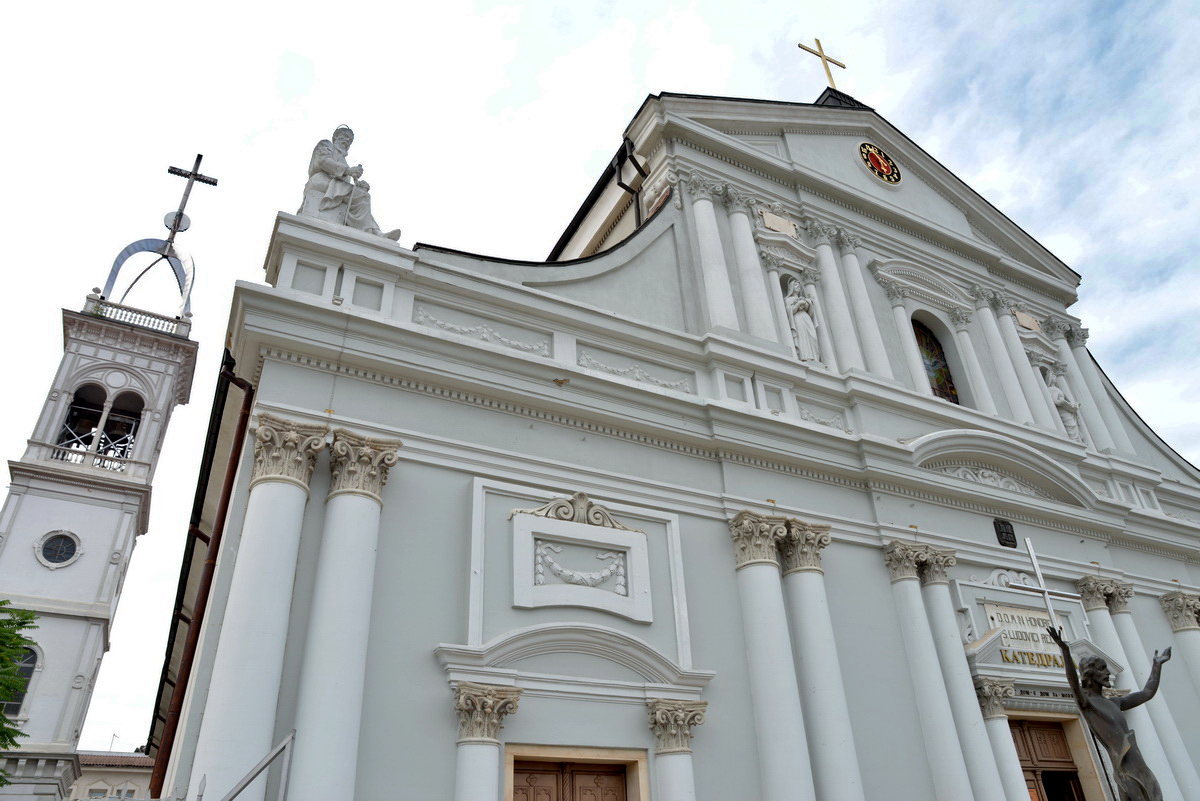
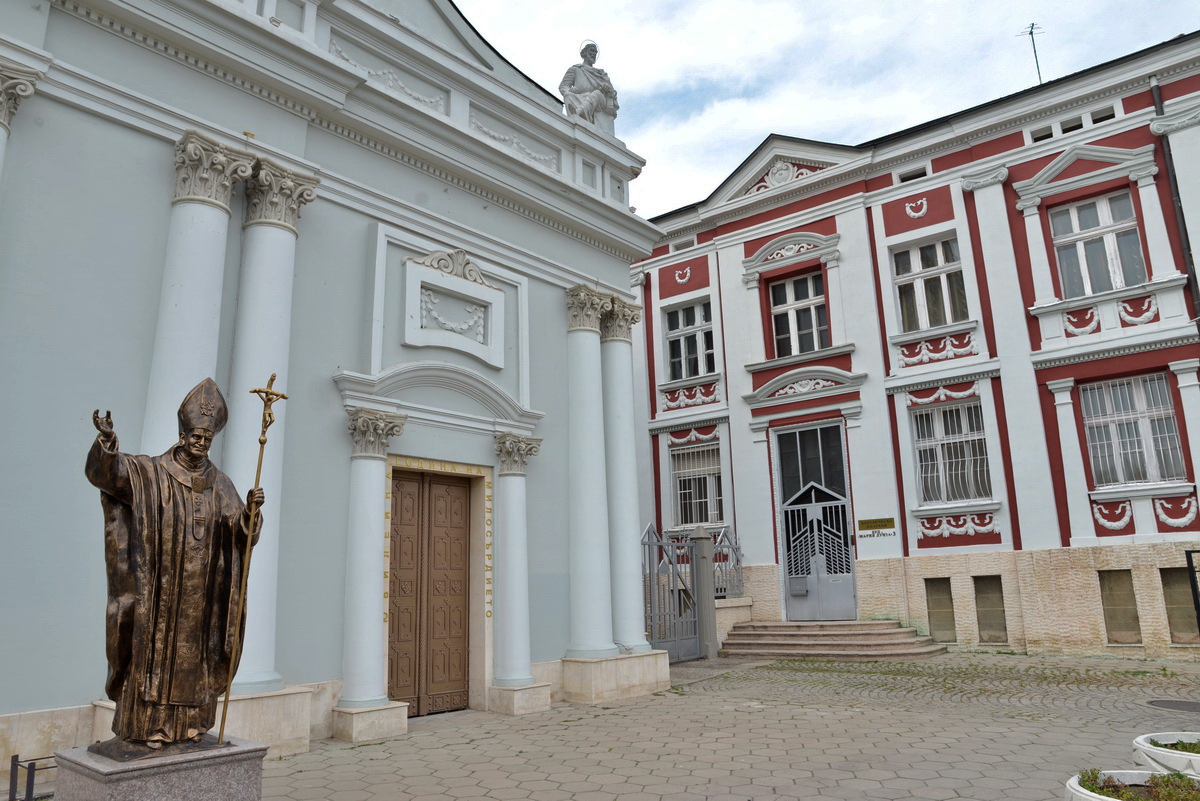
From outside, what first caught my attention was that the bell tower seemed to speak a different architectural language from the church itself. This is not accidental. The freestanding tower belongs to a later phase of the complex. Known as the Leontiana Tower, it was erected in 1898 and is associated with the Italian architect Mariano Pernigoni. Its five bells, cast in Bochum, were a gift from Pope Leo XIII. The slender Italianate tower and the restrained monumental façade therefore record different moments in the life of the cathedral.
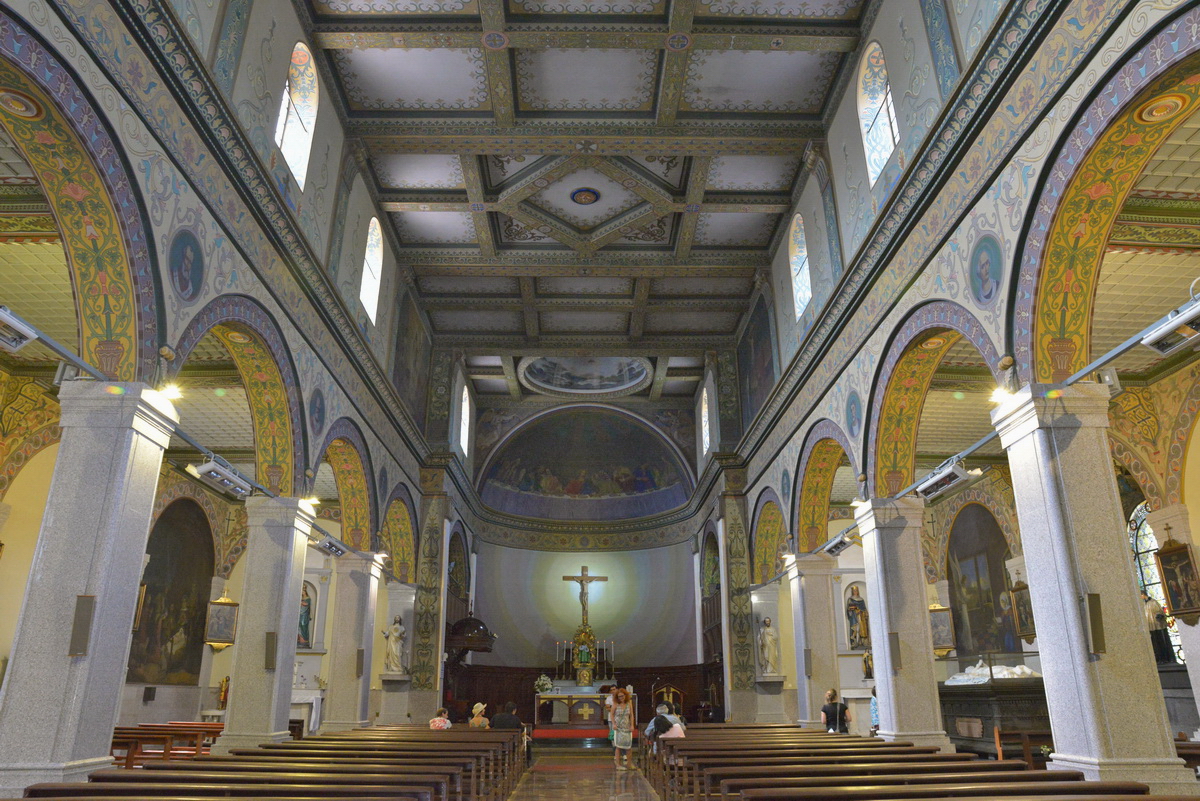
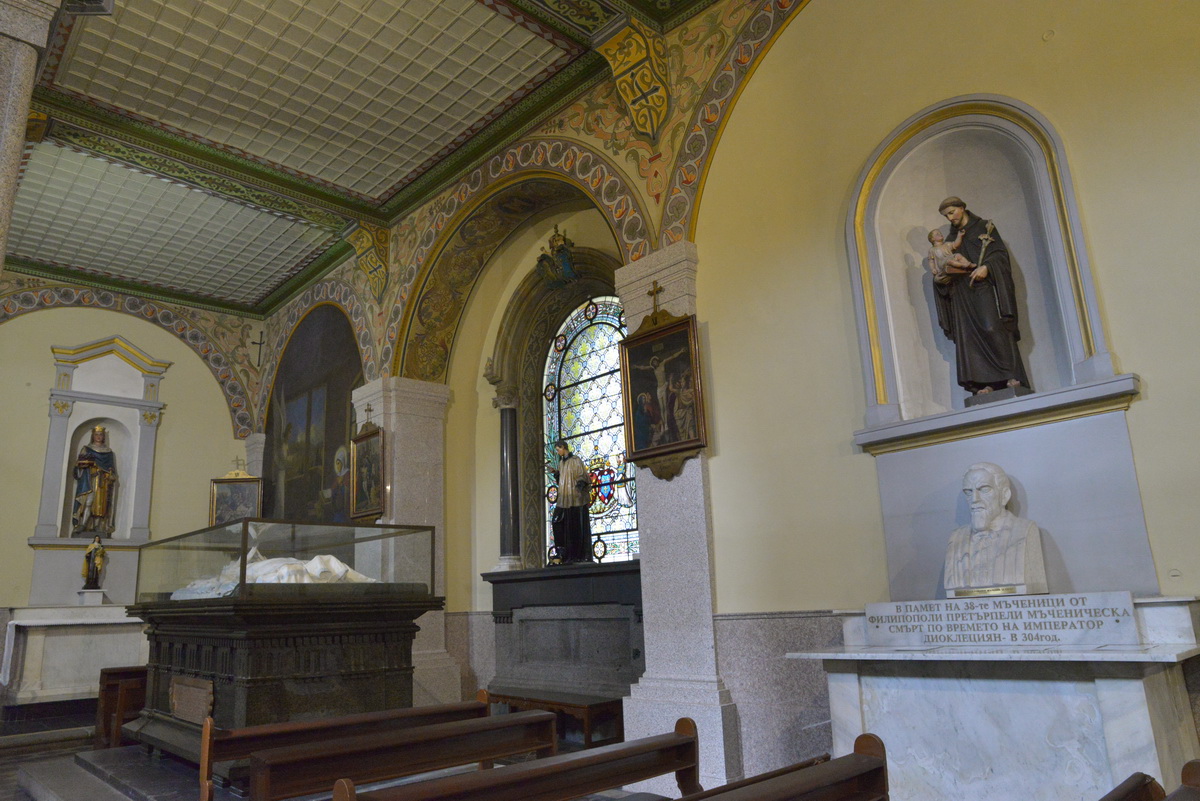
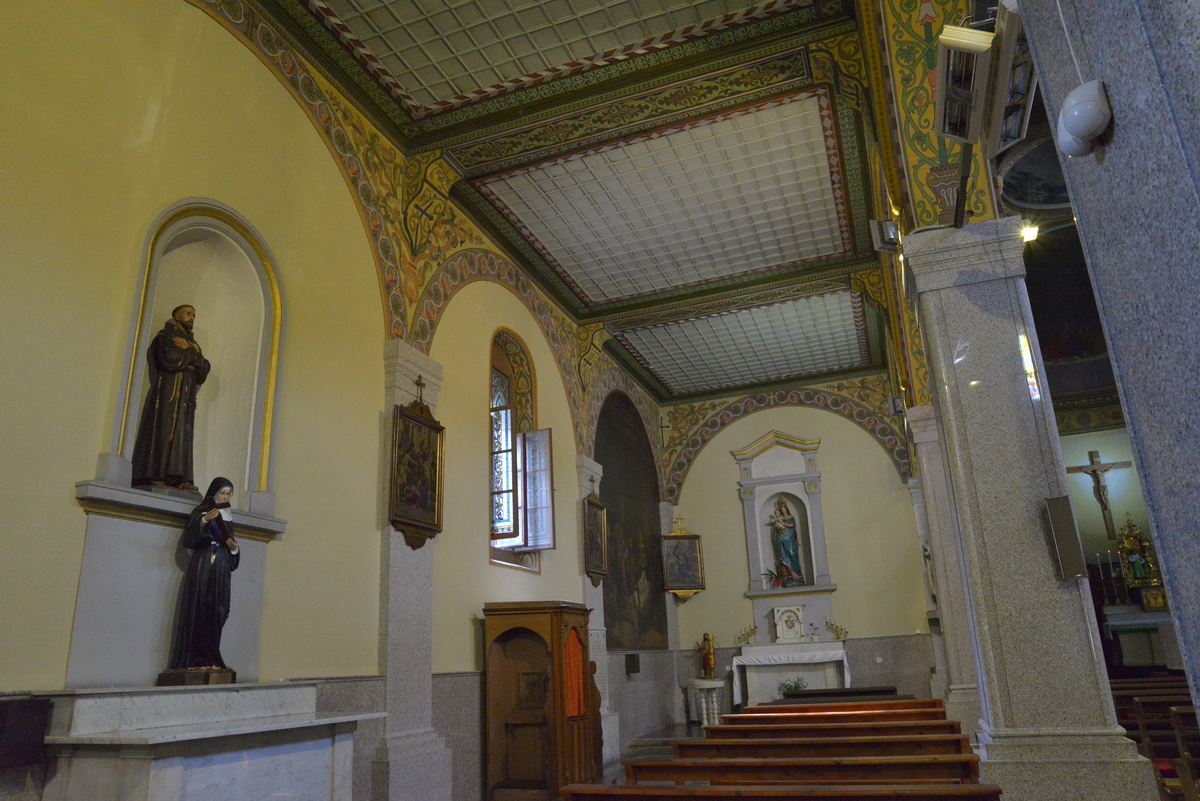
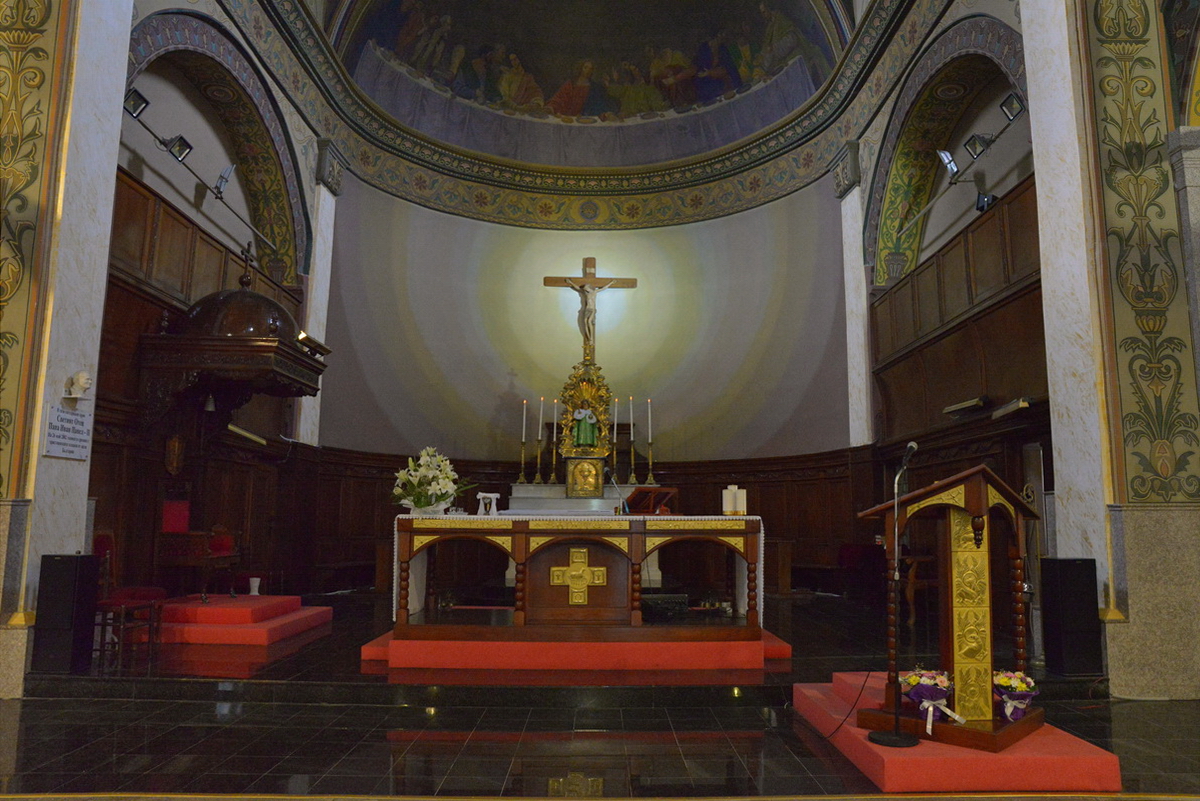
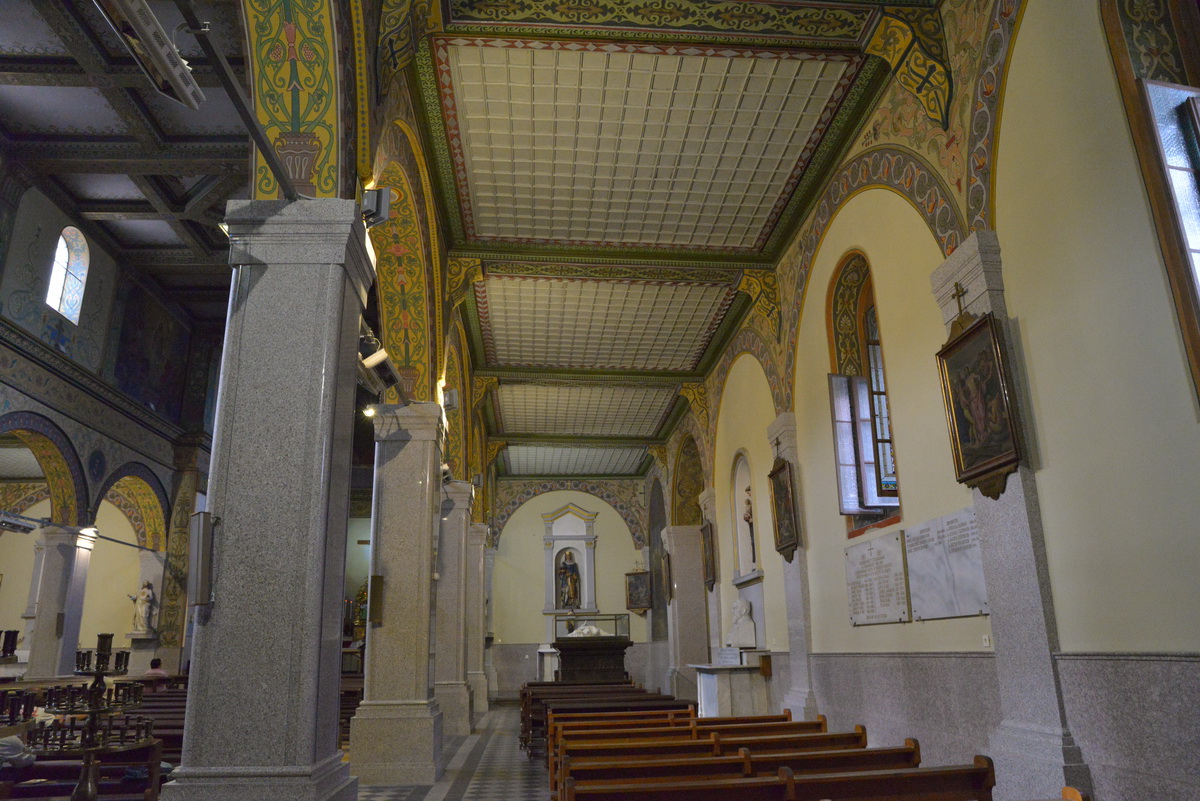
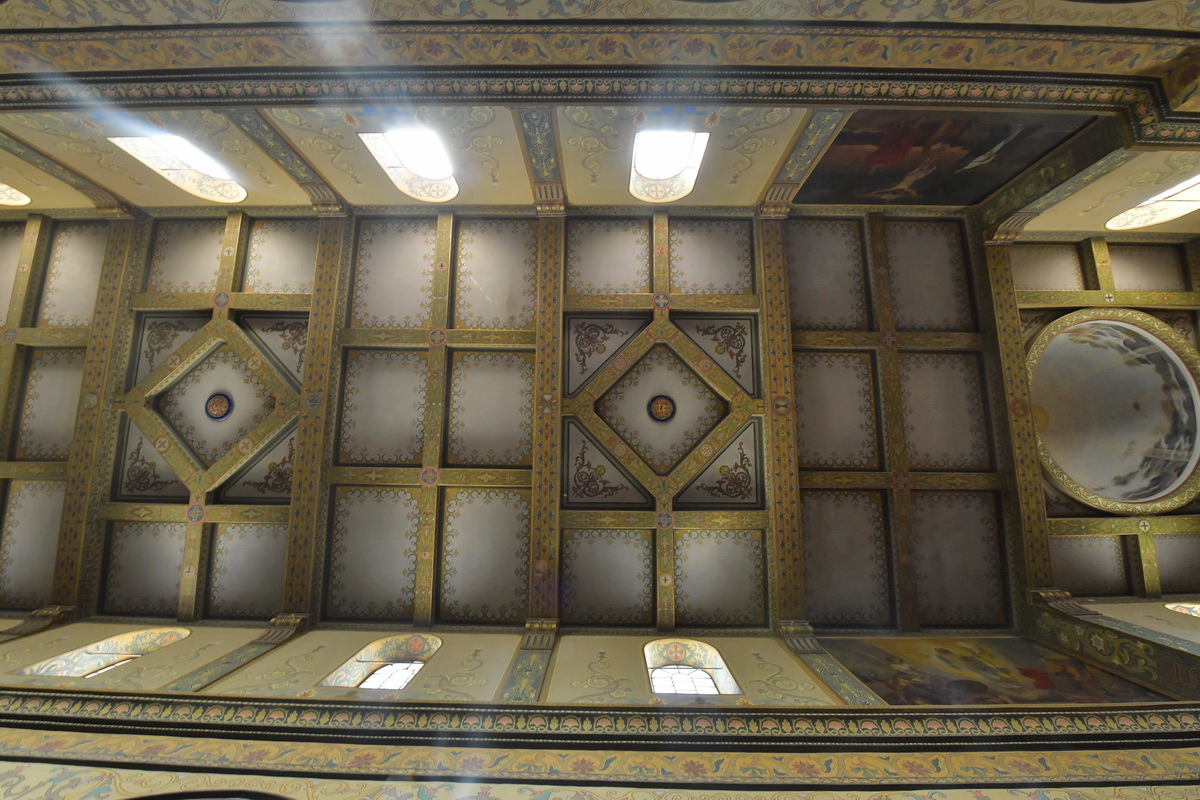
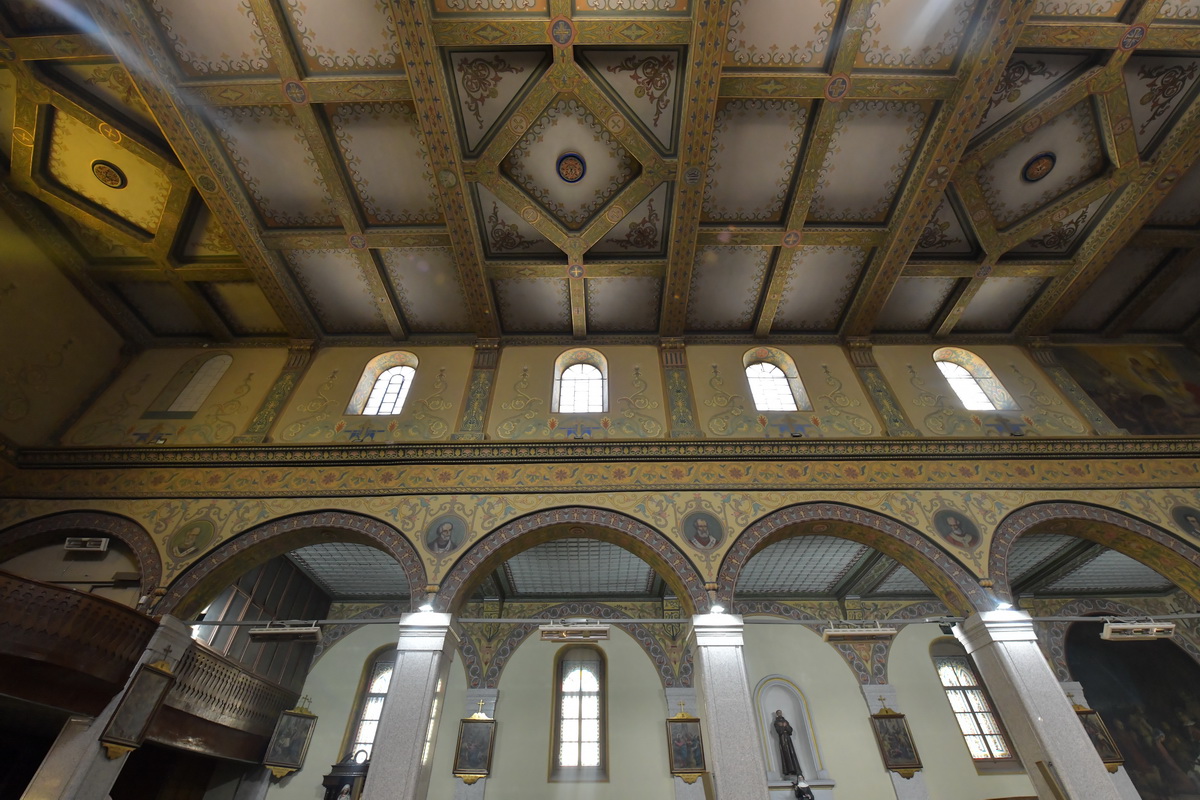
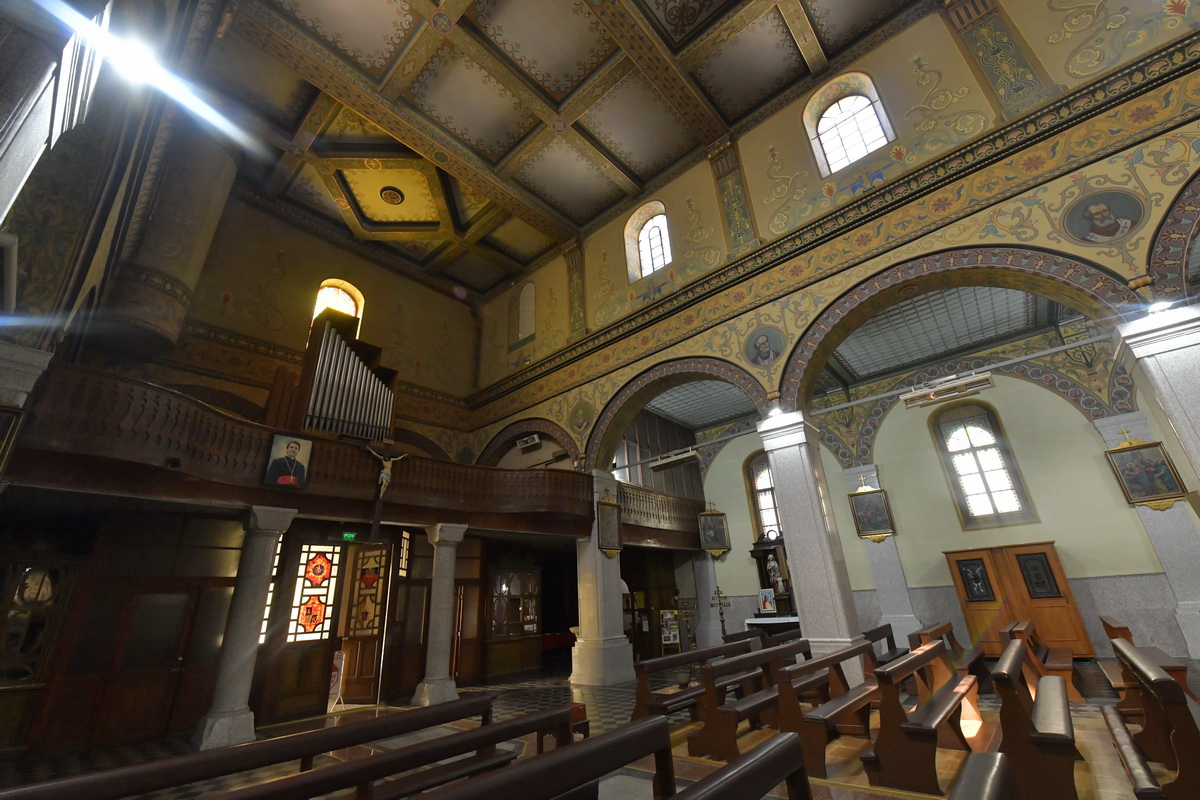
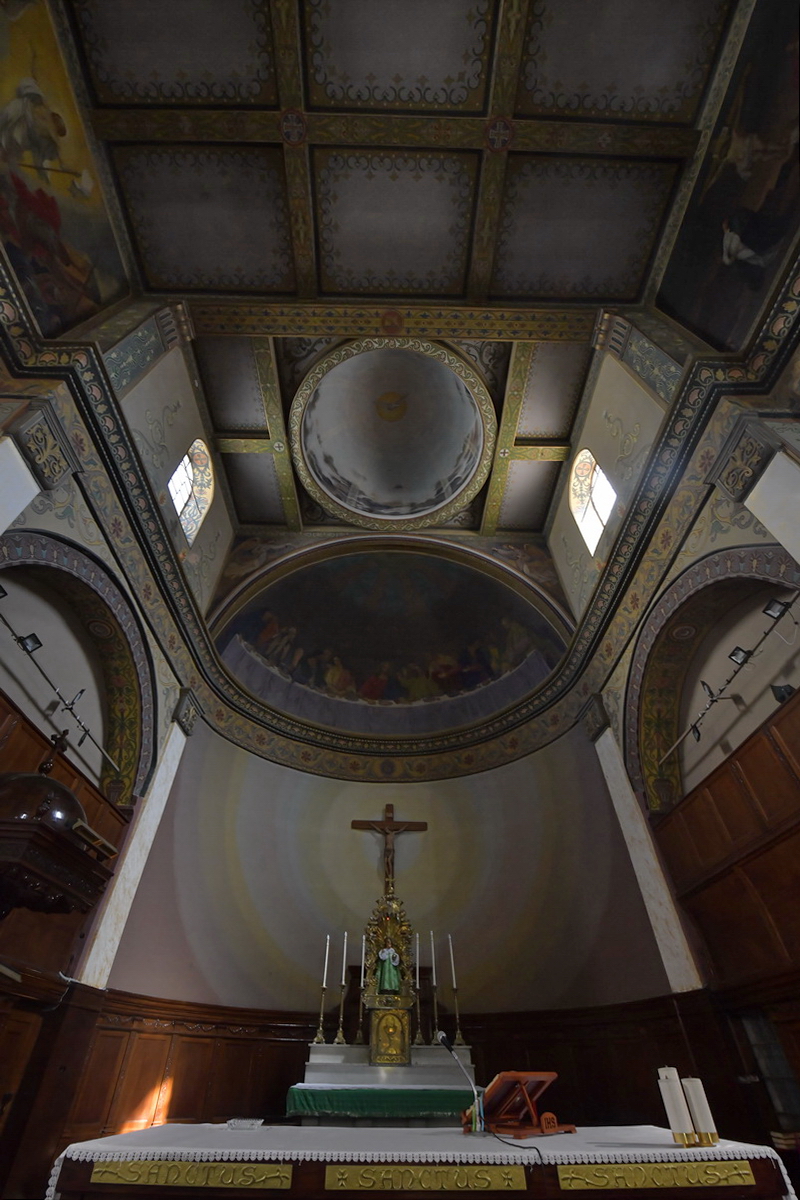
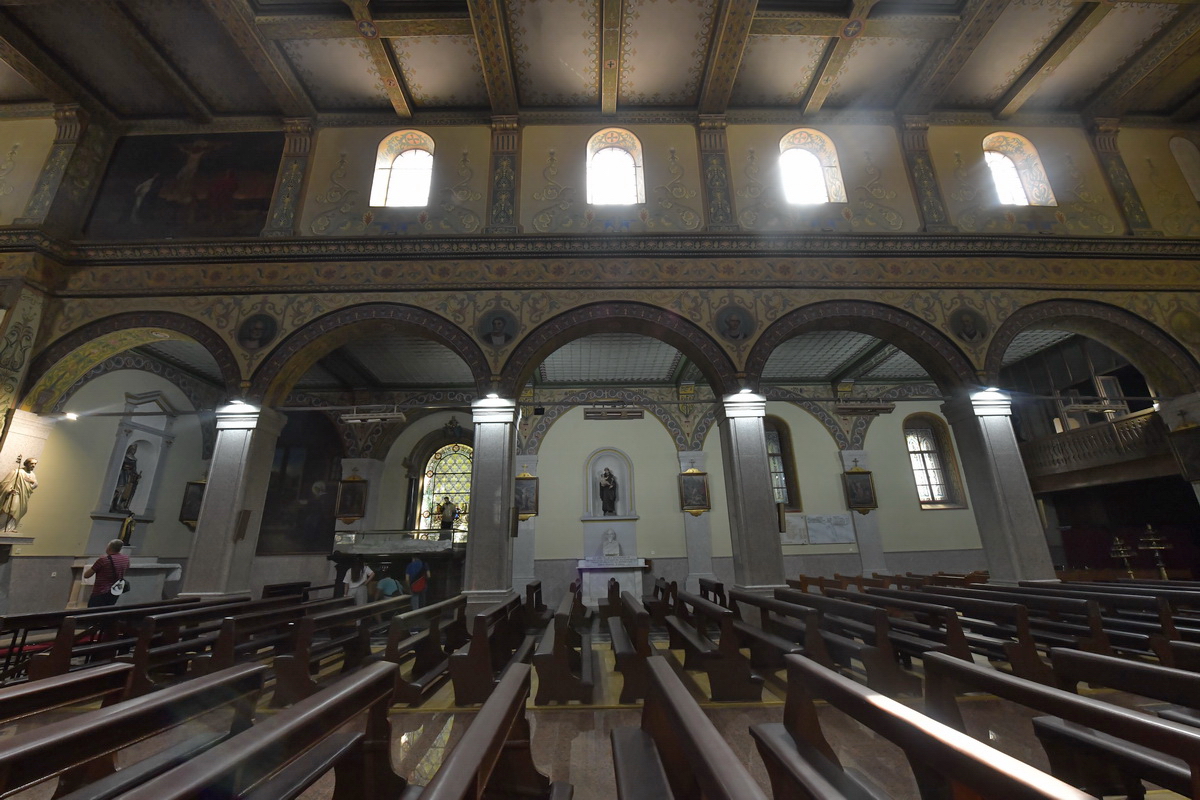
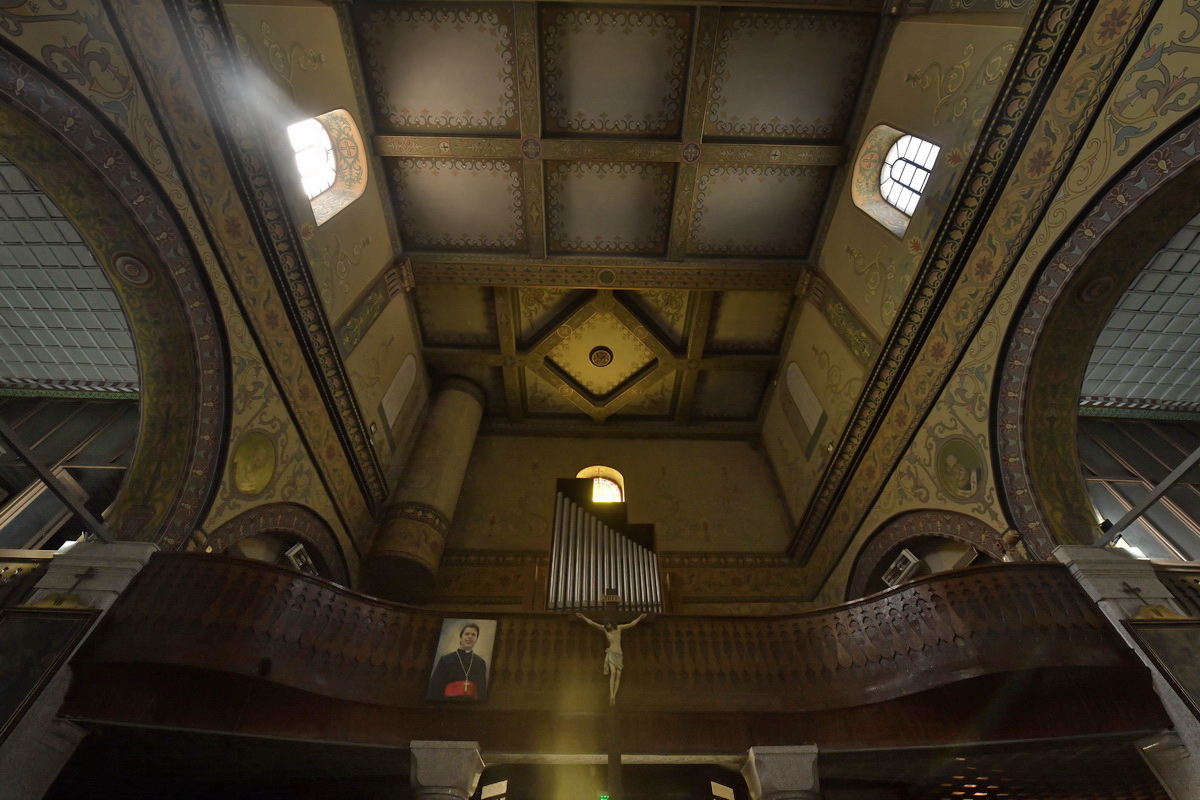
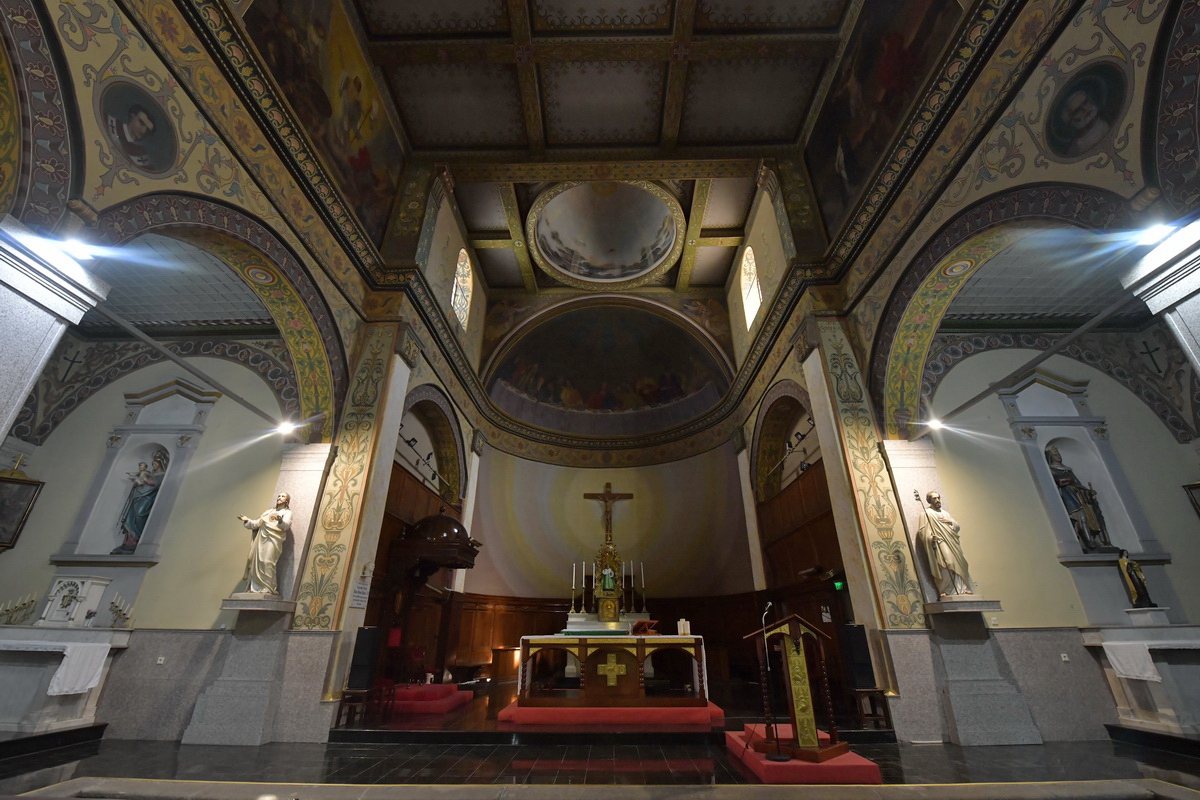
The building itself also carries the marks of catastrophe and reconstruction. The great earthquake of 1928 damaged the cathedral. A few years later a devastating fire destroyed much of its interior, including the original organ and carved wooden ceiling. The subsequent reconstruction, associated with the Bulgarian architect Kamen Petkov, gave the church much of the appearance I photographed in 2021. The coffered ceiling, broad arches and measured rhythm of the nave create an interior very different from the dense iconographic world of the Greek Catholic Church of the Holy Ascension that I had also photographed in Plovdiv.
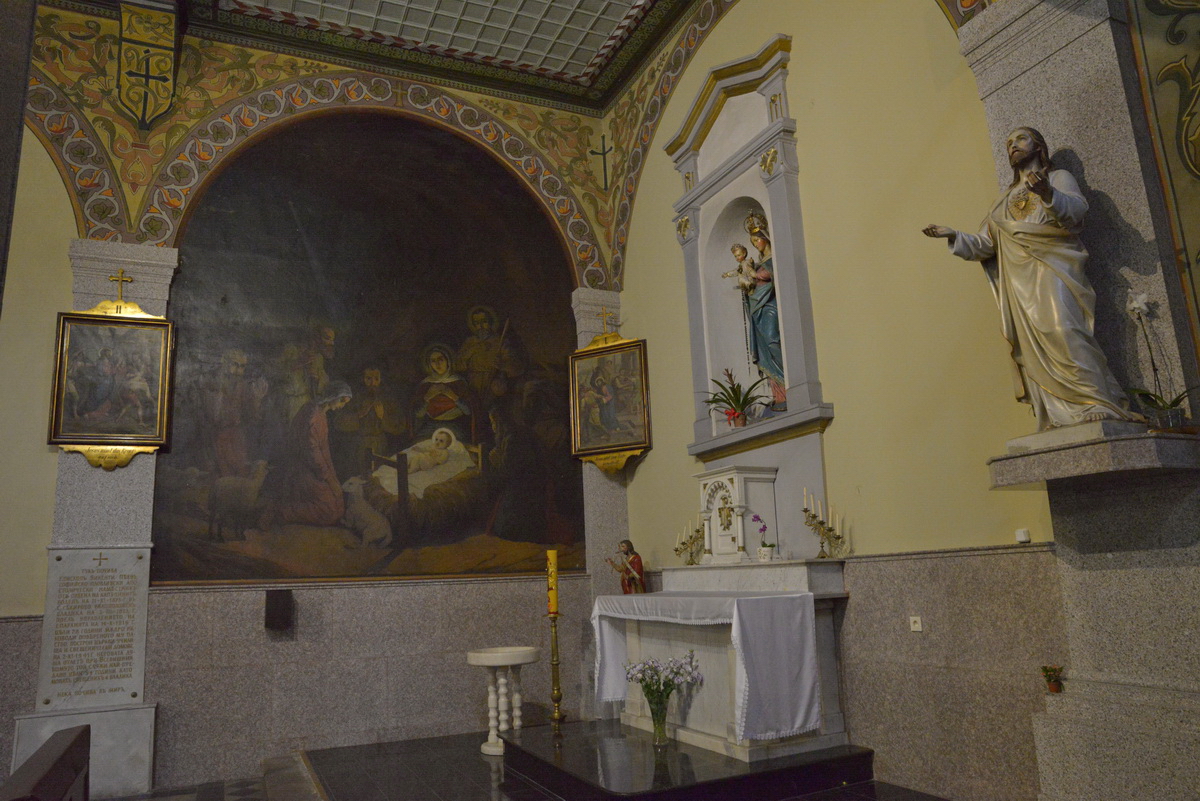
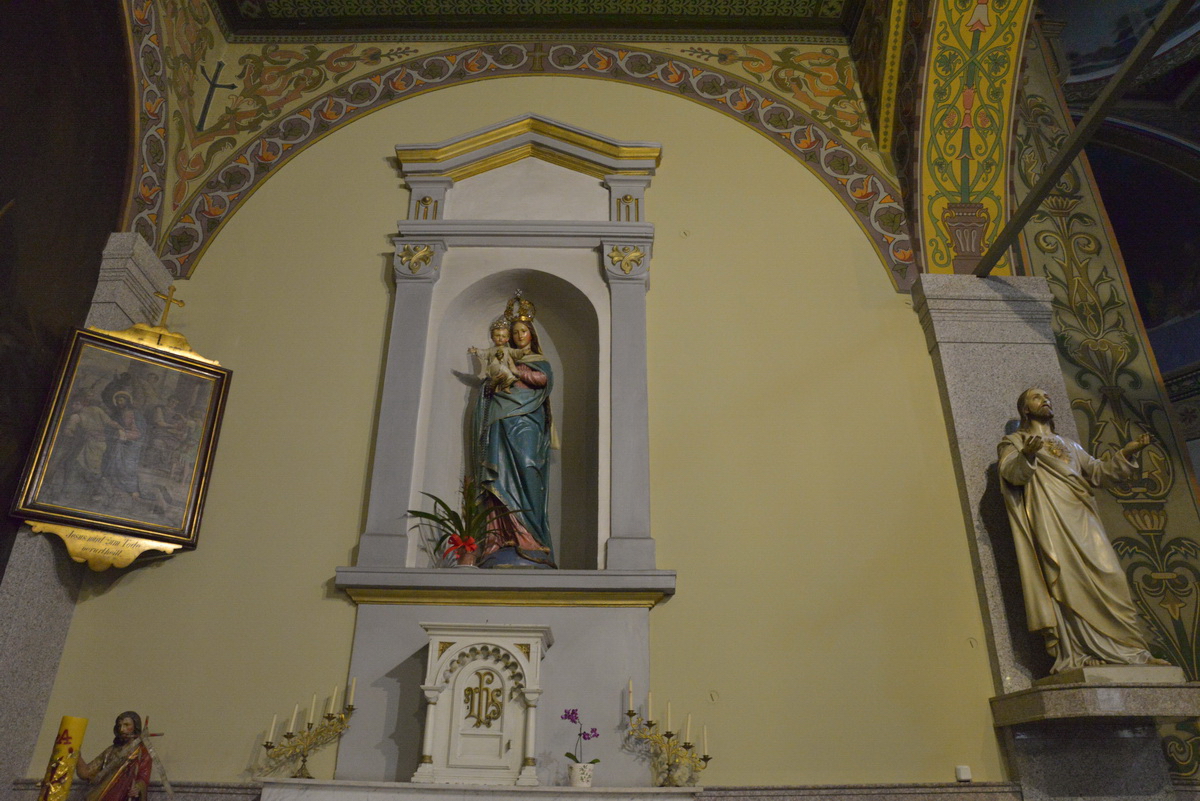
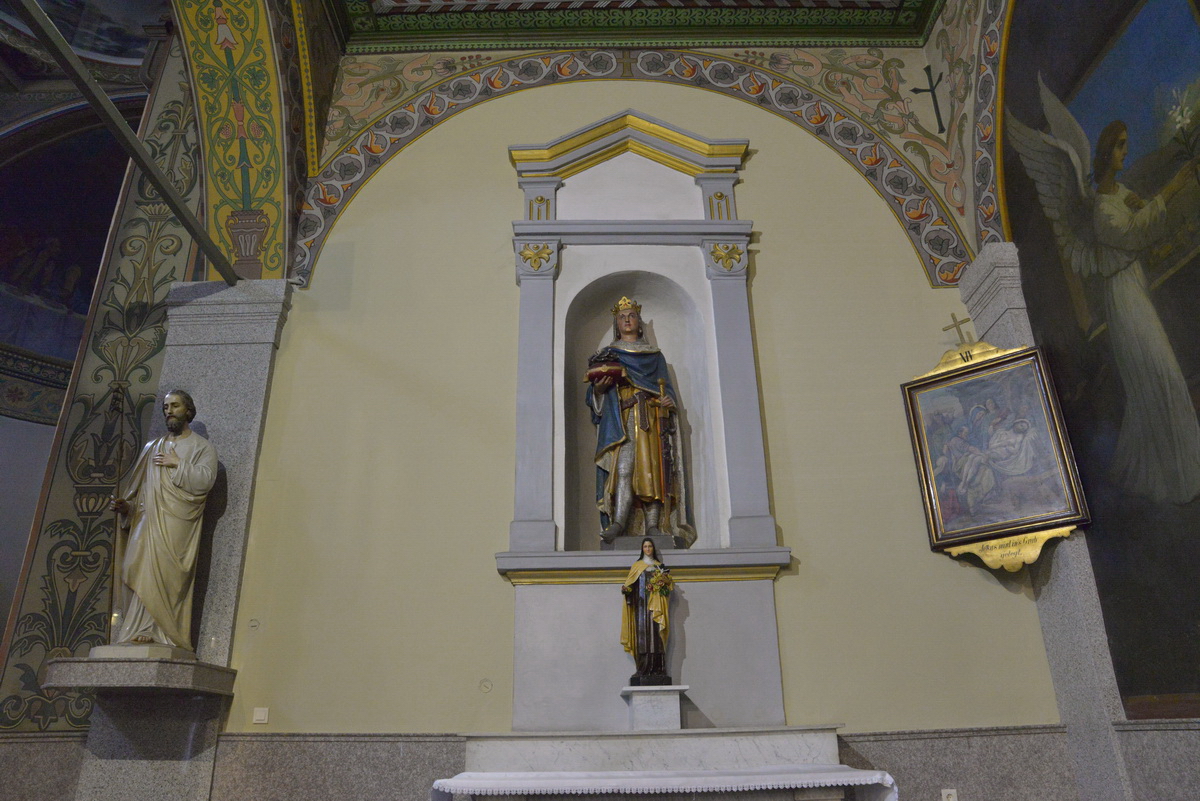
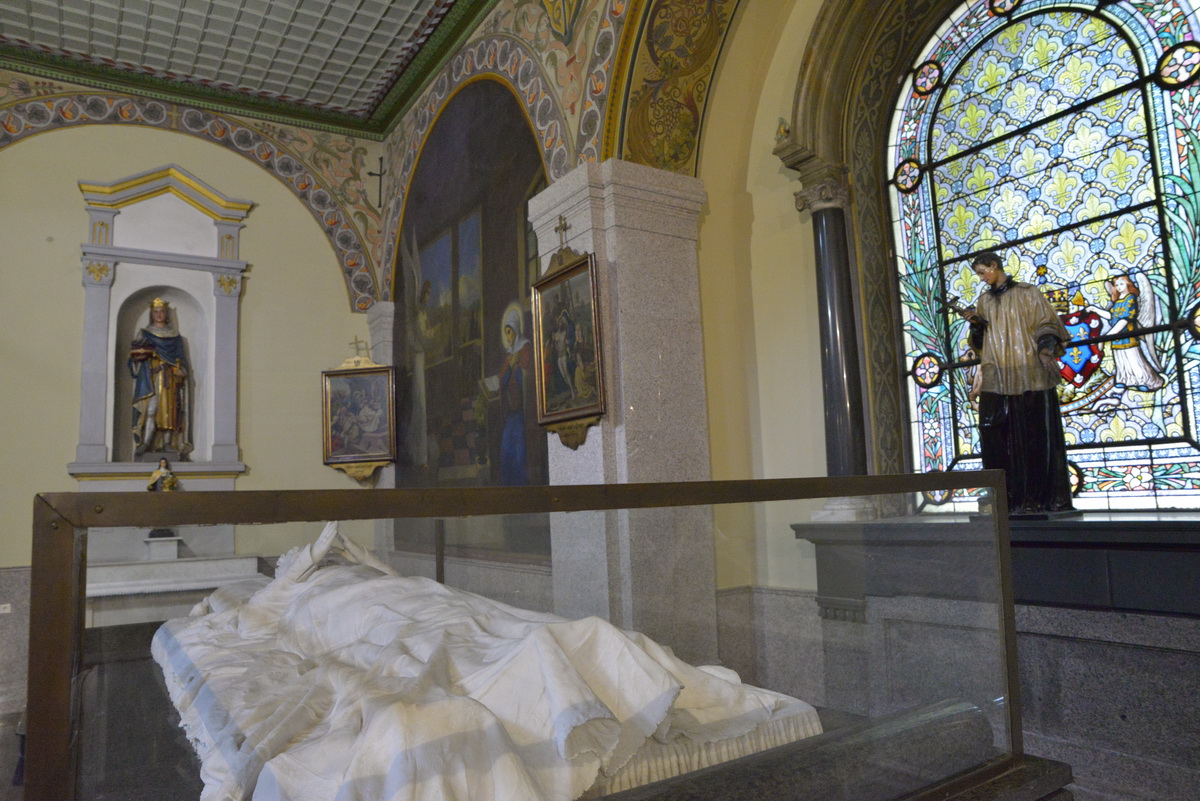
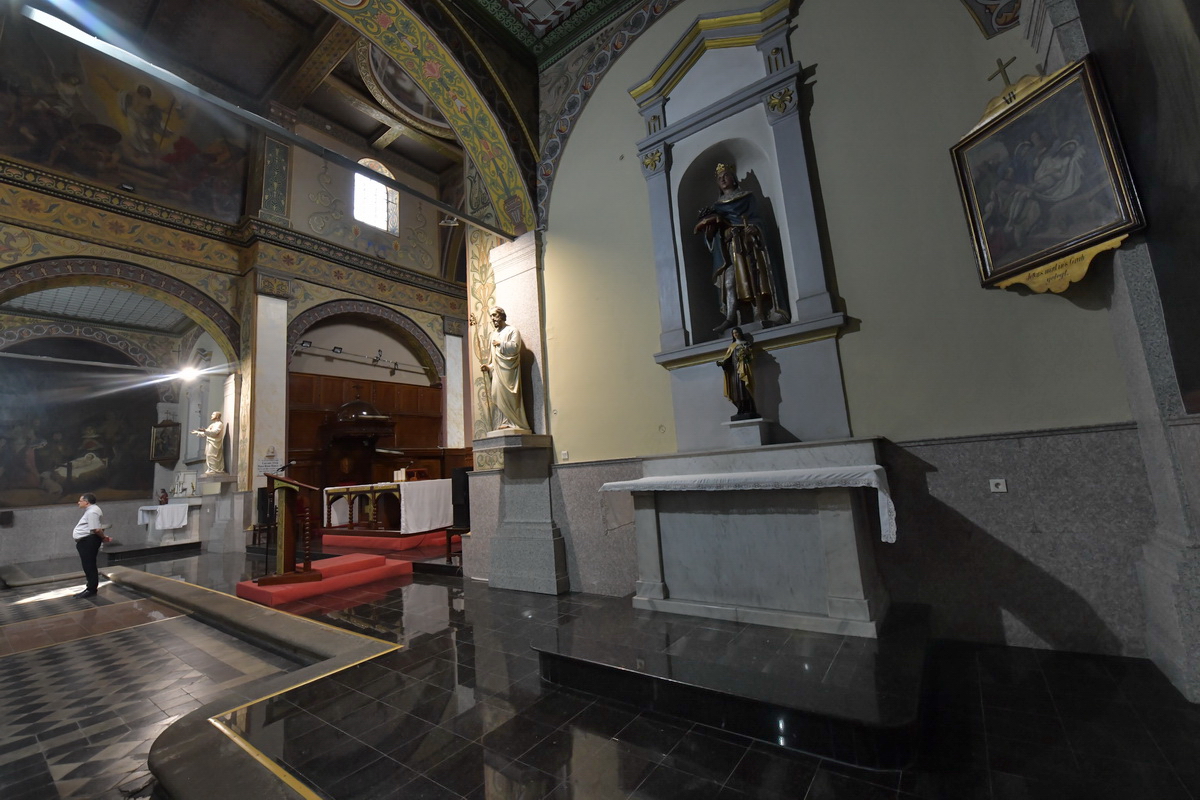
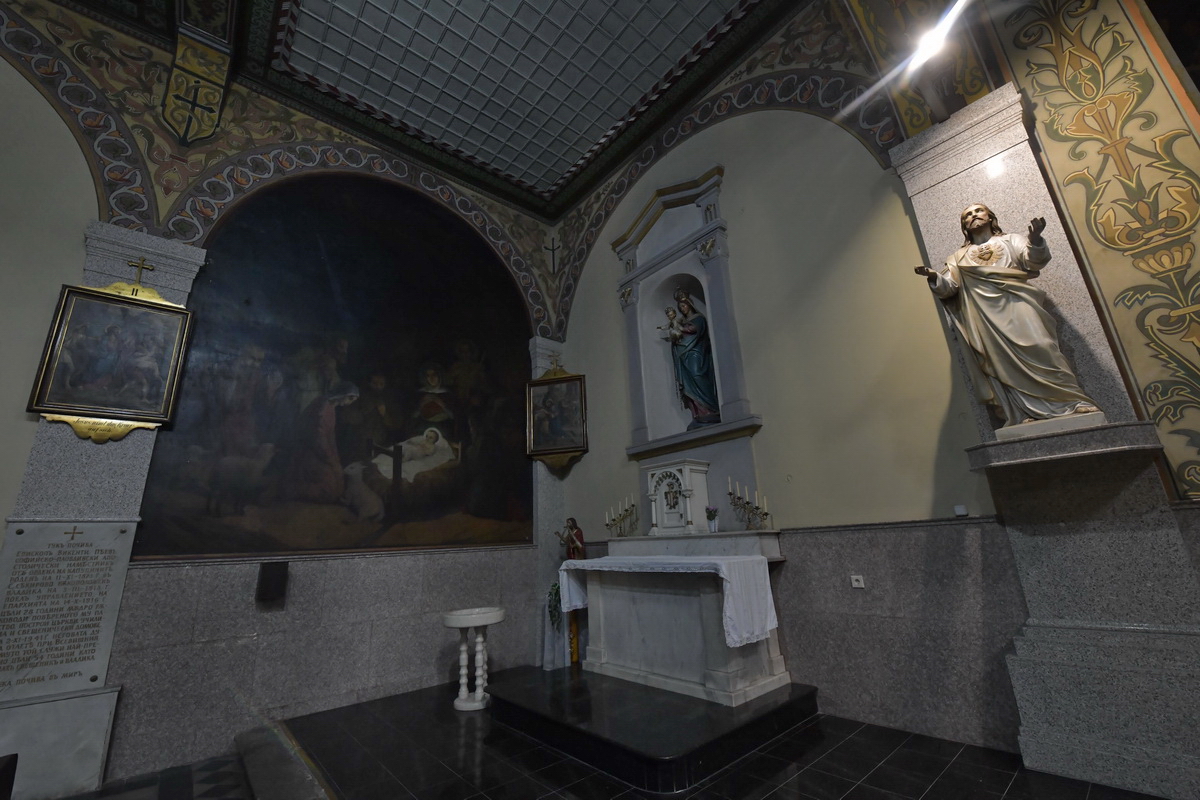
Moving through the nave, I photographed not only the altar and overall architecture but also the side chapels, statues, stained glass and painted surfaces. Catholic imagery is integrated into a comparatively open architectural space. Light from the upper windows falls across the large ceiling coffers and the arcades, while individual devotional images occupy niches along the side walls. The photographs gradually move from the scale of the building to these quieter details.
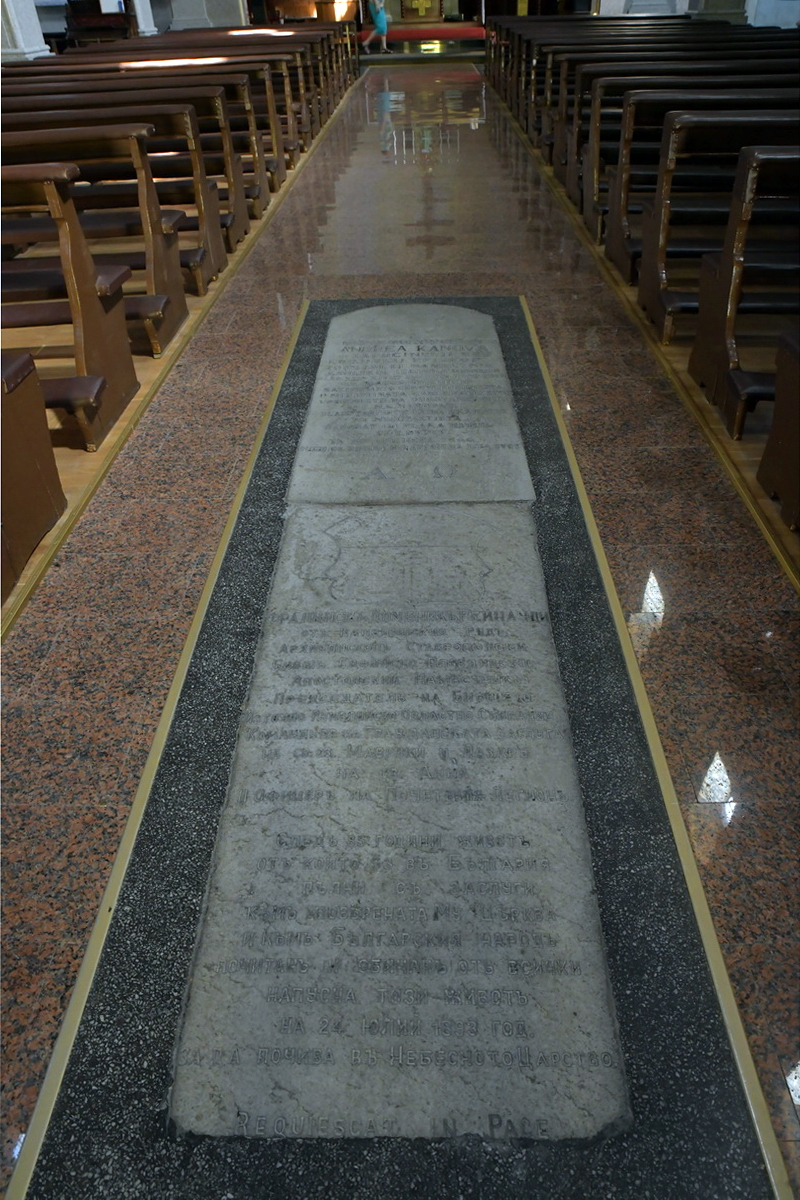
One of the most unusual presences in the cathedral is the tomb of Princess Marie Louise of Bourbon-Parma, the first wife of Ferdinand I of Bulgaria. A Catholic princess in a predominantly Orthodox country, she died in 1899 and was buried here. Her tomb connects this religious building with the political history of modern Bulgaria and with the complicated European dynastic networks of the period.
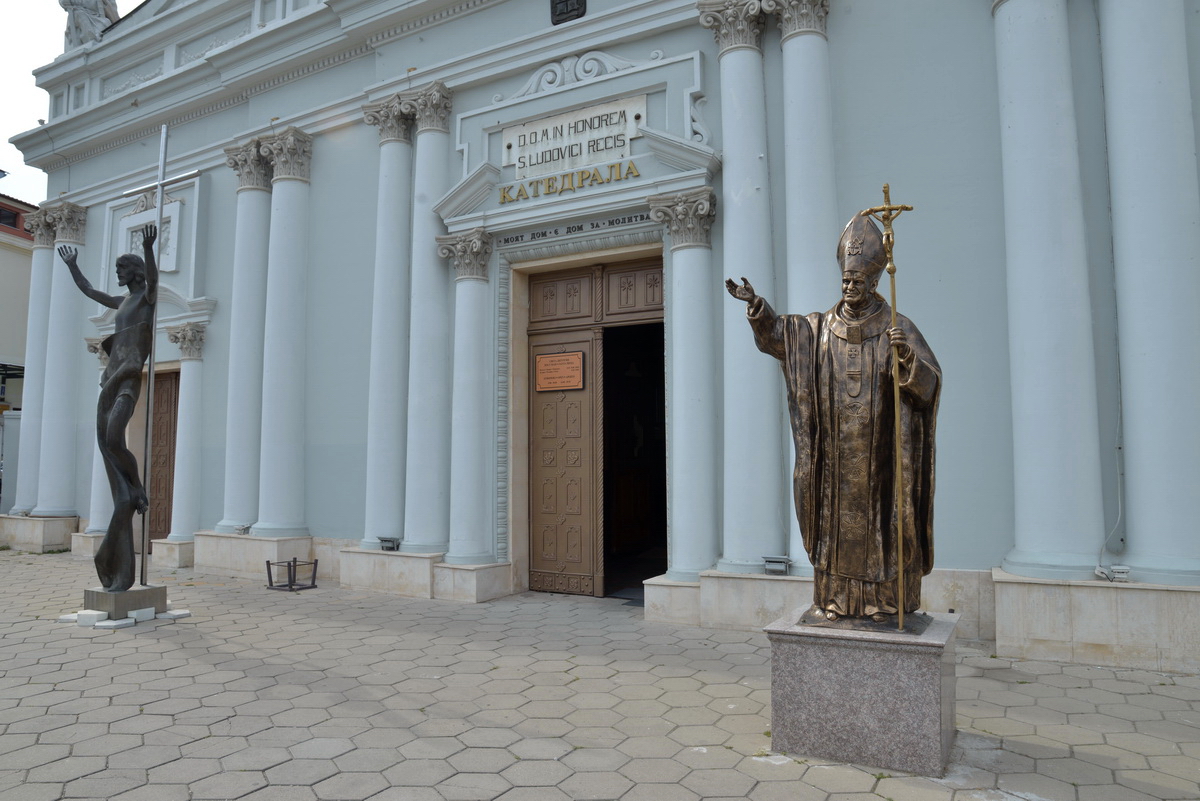
The cathedral continued to accumulate memories during the twentieth and twenty-first centuries. Pope John Paul II visited it during his journey to Bulgaria in May 2002. Yet what interested me most while photographing was not a sequence of famous names, but the way the building itself had survived change: Ottoman Plovdiv, the new Bulgarian state, earthquake, fire, reconstruction and the transformations of the city around it.
Standing between the cathedral and the Bishop’s Basilica, two very different periods of Christianity in Plovdiv can be seen almost at the same time. One survives beneath the modern city as archaeology and mosaic; the other remains a functioning place of worship. For me, photographing St. Louis was therefore also a way of photographing continuity—not as an unbroken line, but as a history repeatedly damaged, rebuilt and reinterpreted.