
-
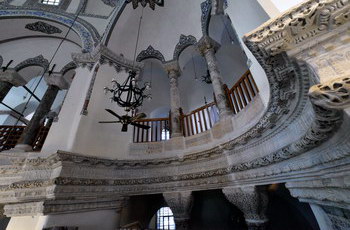
Little Hagia Sophia Mosque (Istanbul) Built as the Church of Saints Sergius and Bacchus in the Byzantine period, Little Hagia Sophia later became a mosque and preserves the layered architectural memory of Istanbul.
-
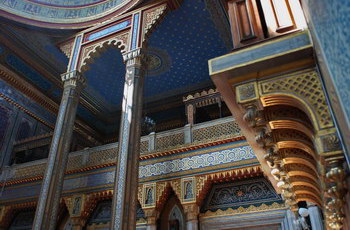
Yildiz Hamidiye Mosque (Istanbul) Yildiz Hamidiye Mosque was built for Sultan Abdulhamid II in Istanbul. Its architecture combines Ottoman forms with decorative influences of the nineteenth century and reflects the imperial character of Yildiz.
-
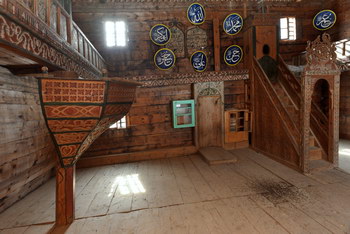
Velikoy Wooden Mosque (Artvin) Velikoy Wooden Mosque in Savsat, Artvin, dates to 1882 according to its inscription. Its timber construction and richly painted interior preserve an important example of the region’s rural mosque tradition.
-
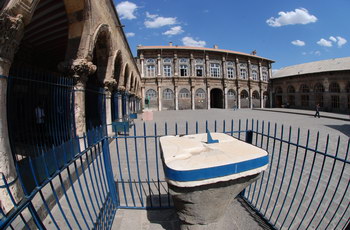
The Great Mosque of Diyarbakir The Great Mosque of Diyarbakir is among Anatolia’s earliest major mosques. Developed over centuries around a broad courtyard, it reflects the city’s long religious history and distinctive basalt architecture.
-
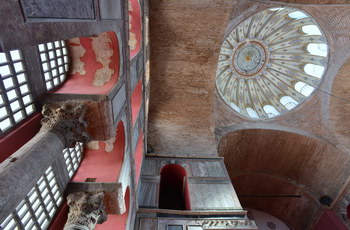
Kalenderhane Mosque (Istanbul) Kalenderhane Mosque began as a Byzantine church and was later converted into a mosque during the Ottoman period. Its surviving masonry and interior spaces reveal several layers of Istanbul’s architectural history.
-
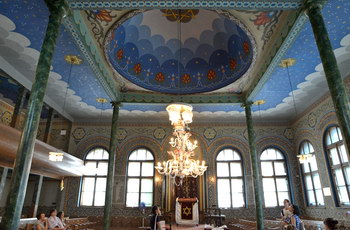
The Zion Plovdiv Synagogue The Zion Synagogue in Plovdiv is one of Bulgaria’s surviving active synagogues. Its richly decorated interior reflects the Sephardic Jewish heritage that has been part of the city for centuries.
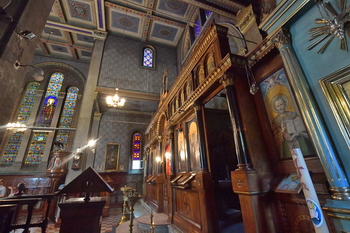
Holy Ascension of the Lord – Greek Catholic Church (Plovdiv) A Byzantine-rite Catholic church in Plovdiv, where Eastern Christian iconography and liturgical tradition continue within communion with Rome.
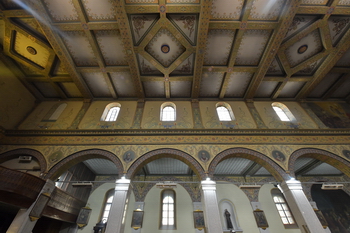
St. Louis Catholic Cathedral (Plovdiv) Plovdiv’s Roman Catholic cathedral brings together a nineteenth-century church, the distinctive Leontiana bell tower and a history marked by earthquake, fire and reconstruction.
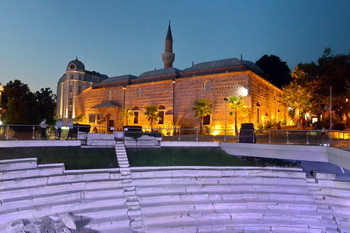
Dzhumaya Mosque (Plovdiv) Beside the Roman Stadium, Plovdiv’s principal Friday mosque preserves one of the city’s strongest encounters between ancient, Ottoman and contemporary urban layers.
-
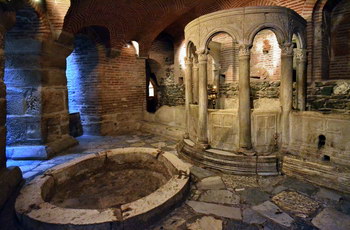
Church of Saint Demetrius (Thessaloniki) The Church of Saint Demetrius is Thessaloniki’s principal sanctuary dedicated to the city’s patron saint. Its long history, crypt and Byzantine fabric make it one of Greece’s important Christian monuments.
-
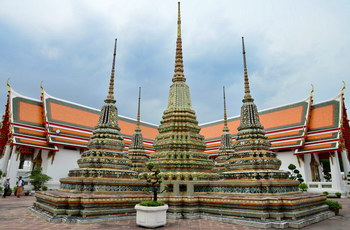
Wat Pho Buddhist Temple (Bangkok) Wat Pho is one of Bangkok’s most important Buddhist temple complexes, famous for the monumental Reclining Buddha. Its courtyards, stupas and decorated halls form a remarkable ensemble of Thai religious art.
-
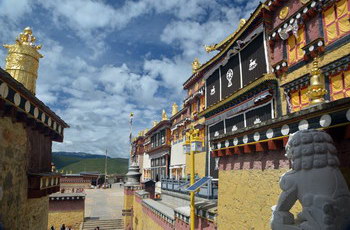
Ganden Sumtseling Monastery (Shangri-La) Ganden Sumtseling Monastery near Shangri-La is one of Yunnan’s major Tibetan Buddhist monasteries. Its large prayer halls, gilded roofs and monastic courtyards reflect the region’s strong Tibetan cultural tradition.
-
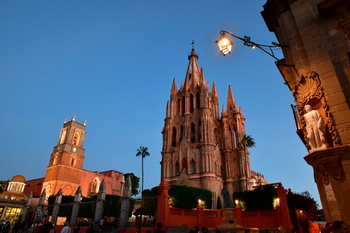
Churches of San Miguel de Allende, Mexico The churches of San Miguel de Allende shape both the skyline and daily life of the historic city. Their varied façades, towers and interiors reveal layers of Mexican Catholic architecture.
-
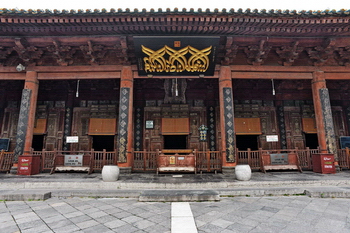
Great Mosque of Xi'an - China The Great Mosque of Xi’an is a rare meeting of Islamic worship and traditional Chinese architecture. Courtyards, timber halls and calligraphic details express a distinctive Muslim heritage within the ancient city.
-
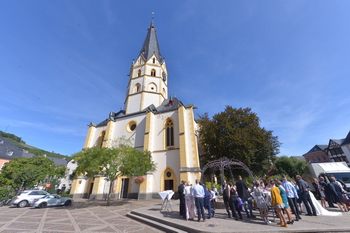
St. Laurentius Church, Bad Neuenahr-Ahrweiler, Germany St. Laurentius Church dominates the historic centre of Ahrweiler with its Gothic form and tall tower. Photographed in 2019, its interior also preserves the town’s distinctive medieval forked cross.