

St. Laurentius Church and the Mystery of the Forked Cross — Bad Neuenahr-Ahrweiler, Germany · 2019
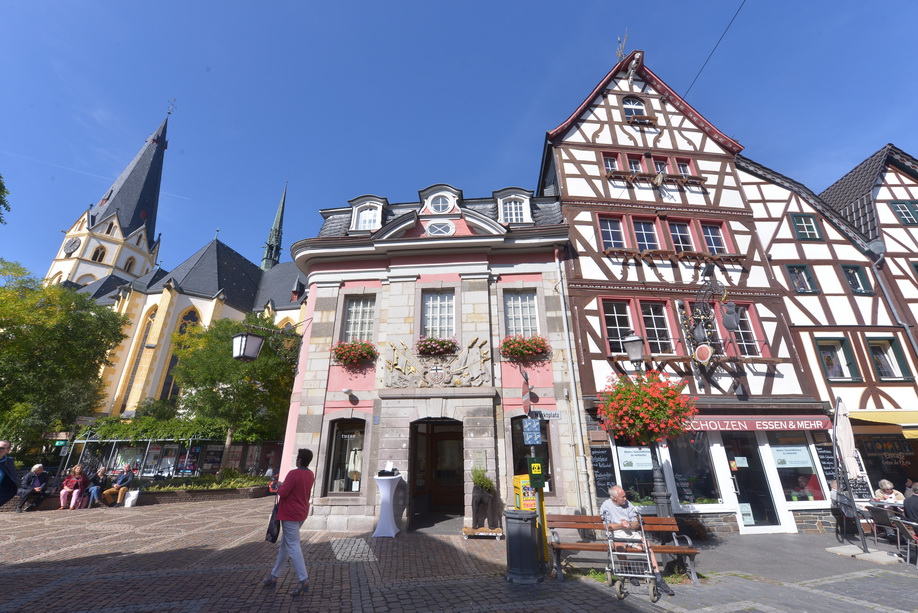
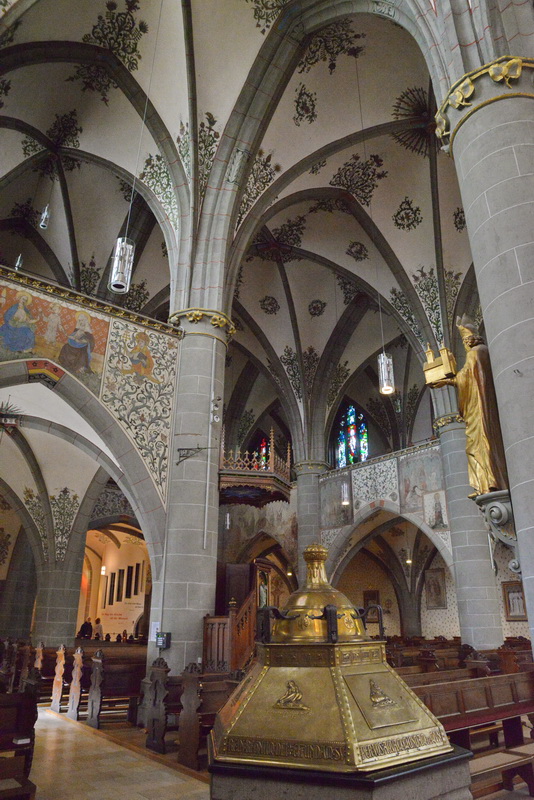
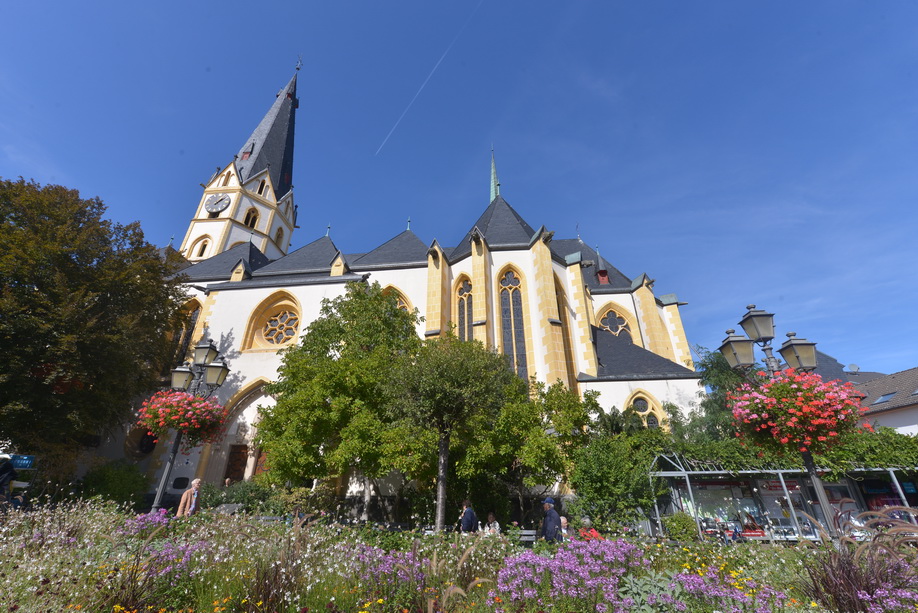
Located in the town of Bad Neuenahr-Ahrweiler, Germany, St. Laurentius Church (Pfarrkirche St. Laurentius) stands as one of the region's most significant historical and architectural landmarks. The foundations of this captivating structure were laid in 1269 by the Benedictine monks of Prum Abbey. Today, it holds the prestigious title of being the oldest hall church in the Rhineland region. For the local community, the church carries immense emotional and spiritual value, as it is the only historic Gothic structure in the Old Town (Altstadt) to completely survive centuries of wars, fires, destruction, and plague epidemics.
Architectural Features and Artistic Heritage
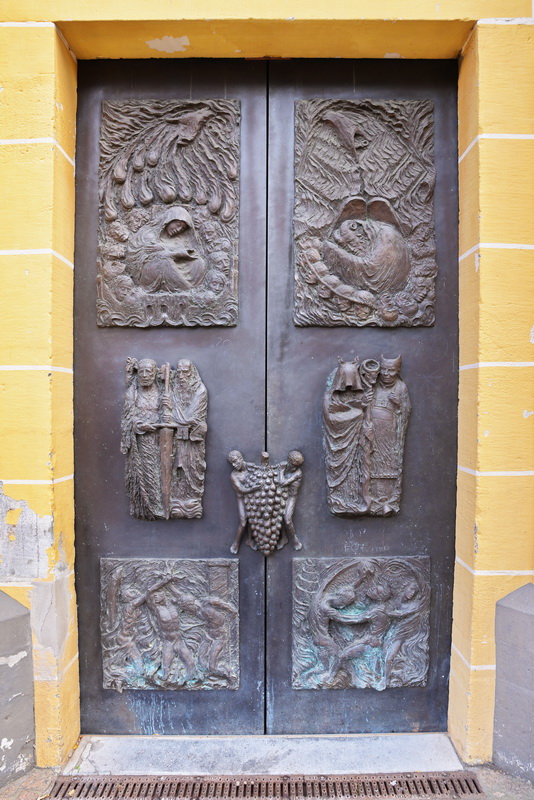
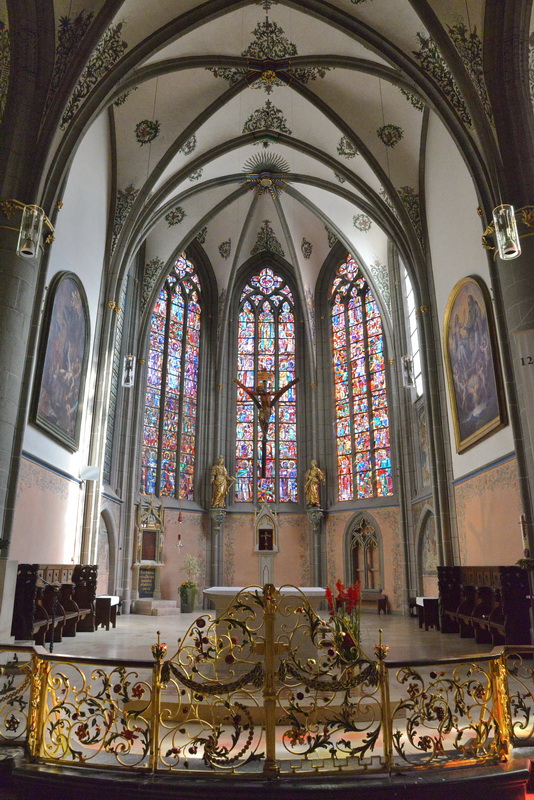
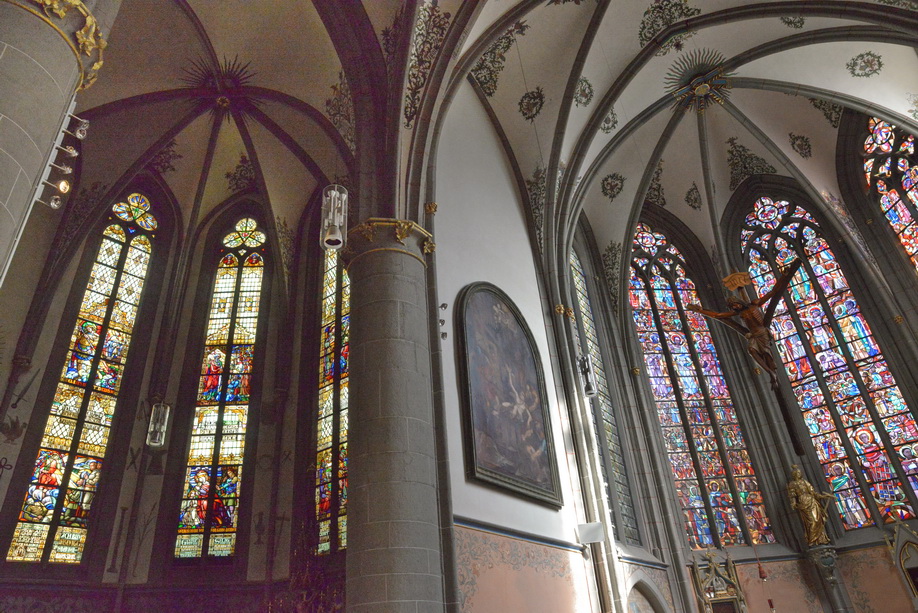
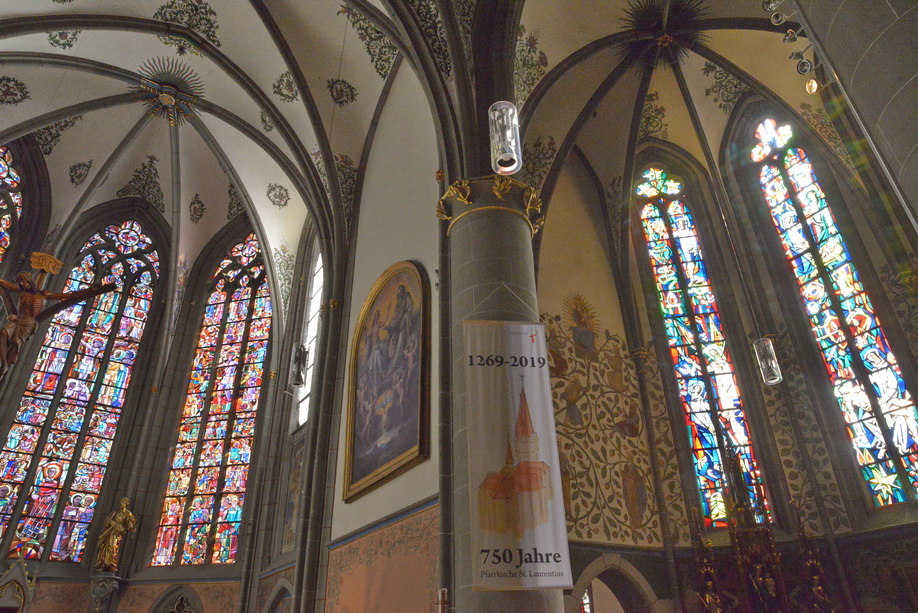
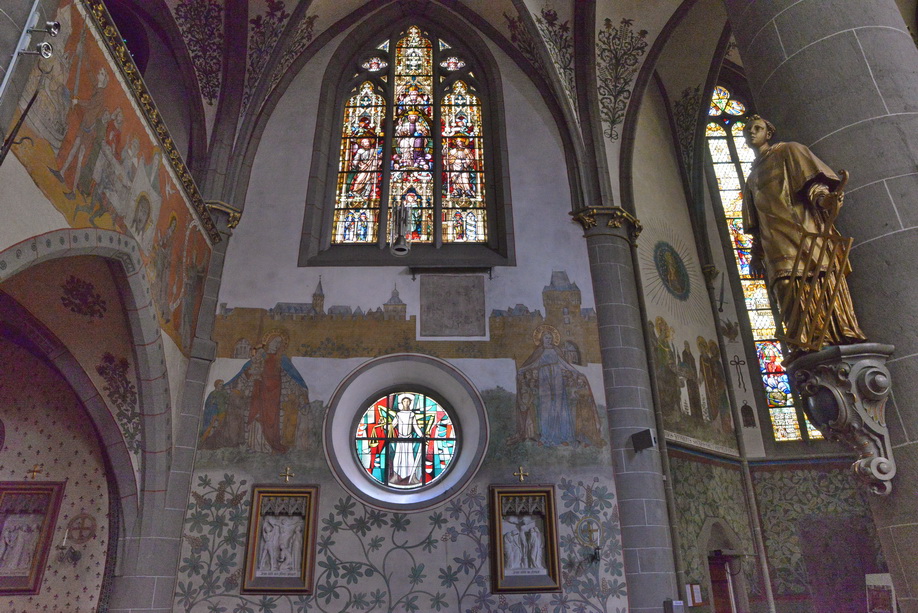
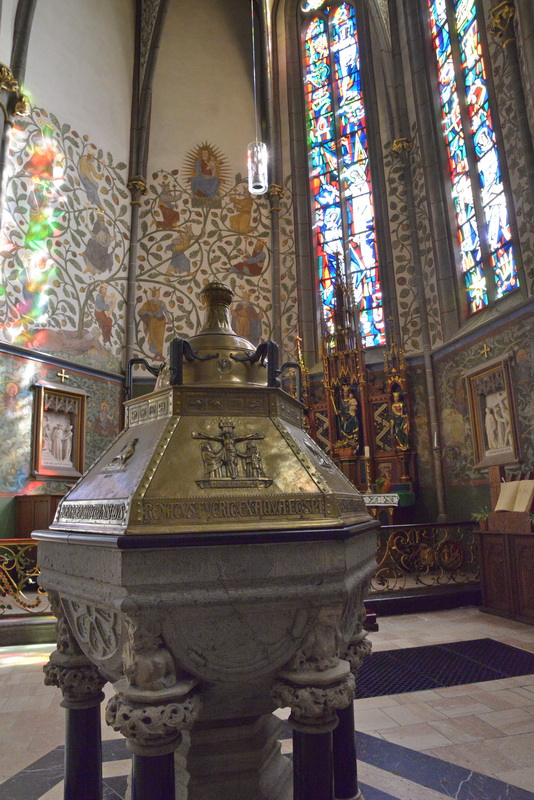
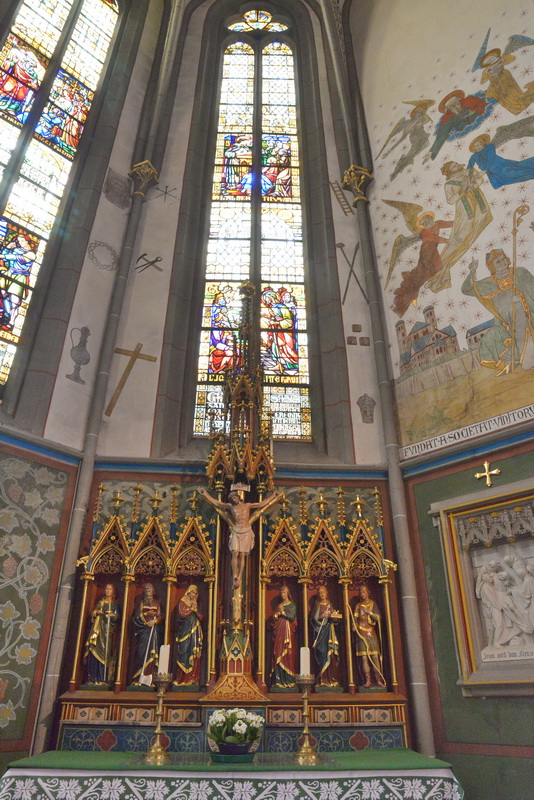
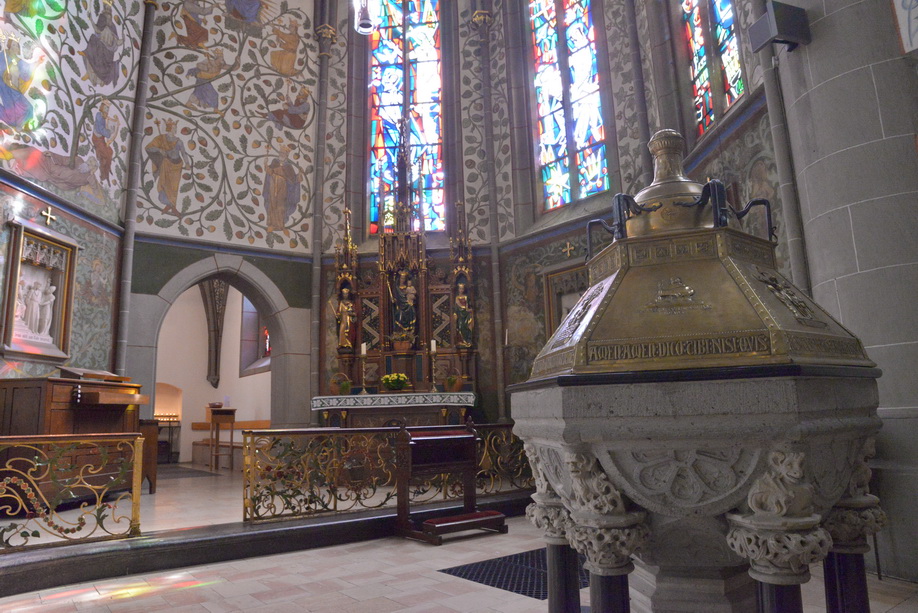
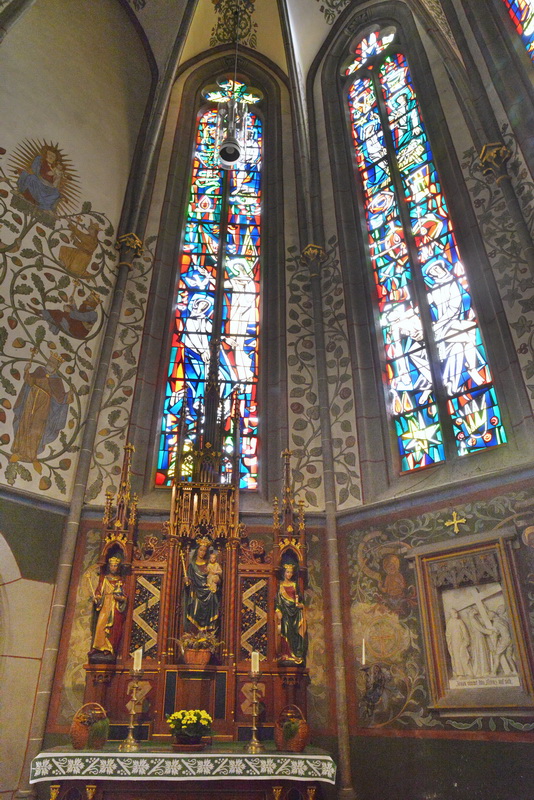
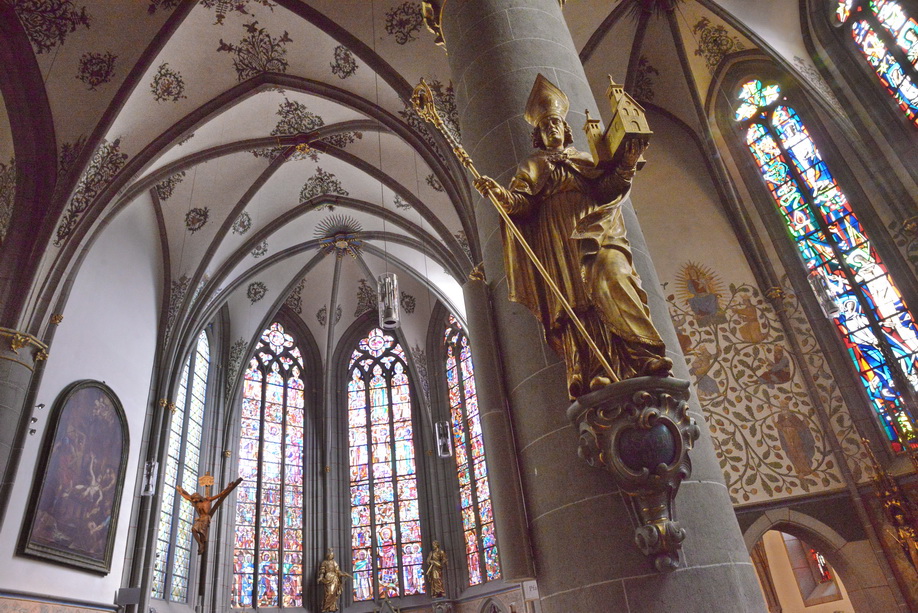
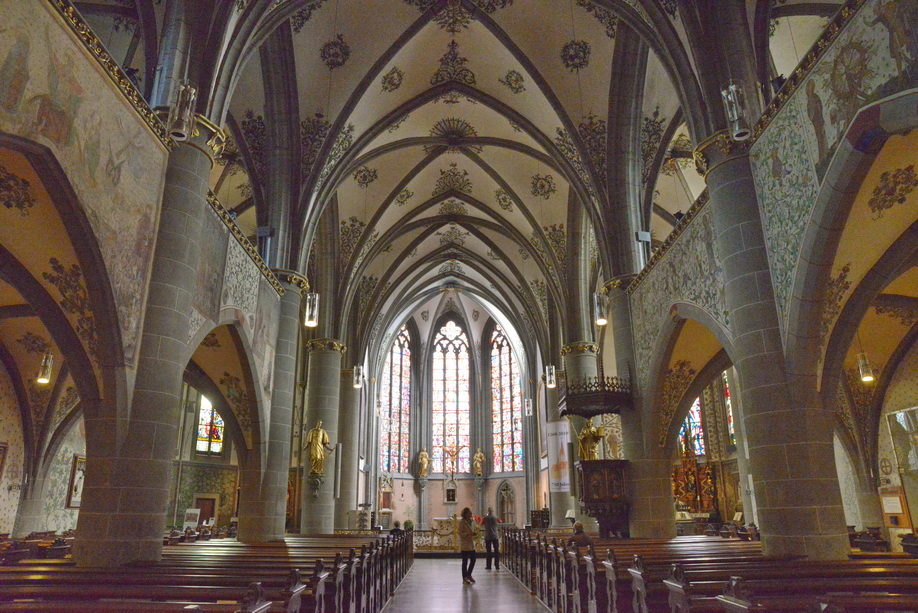
Built predominantly in the Gothic style while incorporating distinct Romanesque elements, the church features a classic three-nave hall design. Its walls are crafted from plastered rubble stone, supported externally by striking, powerful buttresses. Inside, visitors are greeted by breathtaking 15th-century frescoes discovered under layers of paint during a 1903 restoration. These historic paintings vividly depict biblical scenes and various saints.The spiritual atmosphere of the interior is illuminated by vibrant stained-glass windows, complemented by a magnificent bronze main portal created by the renowned artist Ernst Alt in 2002. Furthermore, the church's modern organ is housed within a beautifully preserved antique Baroque casing dating back to the 16th century.
A Symbol of Agony and Hope: The Forked Cross (Gabelkreuz)
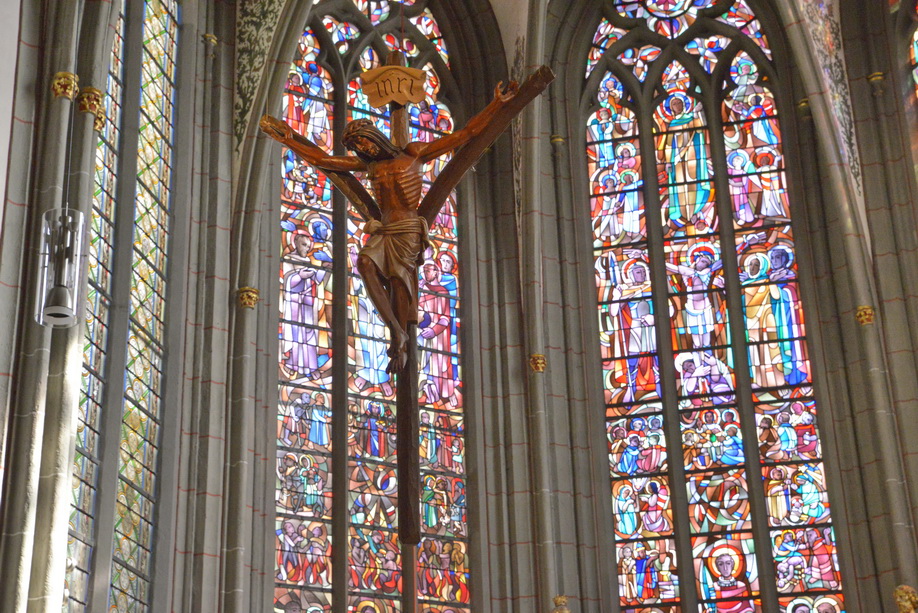
The most striking element within the church's interior is the unique, Y-shaped cross depicting the crucifixion of Jesus. Known in Christian art as the "Gabelkreuz" (Forked Cross) or "Pestkreuz" (Plague Cross), this unique design emerged during the devastating plague epidemics that swept through Europe in the Middle Ages.The upward-stretching arms of the cross resemble tree branches. Theologically, this design symbolizes that the crucifix was not merely an instrument of death, but rather the "Tree of Life" offering eternal salvation to humanity.Unlike traditional flat or Latin crosses, the angled design portrays Jesus's arms thrust upward, showing his body weight collapsing downward. This emphasizes the extreme physical agony of the crucifixion. During the Middle Ages, when the local population was devastated by the plague, this dramatic depiction allowed suffering believers to connect their own agony with Christ's passion, finding profound spiritual solace within the church. Thus, the cross stands both as a theological symbol of death turning into life and a tangible artistic imprint of medieval epidemics.
Rising from the Waters: The 2021 Flood and Grand Reopening
In recent history, St. Laurentius Church faced yet another monumental trial. In July 2021, a catastrophic flood swept through the Ahr Valley (Ahrtal), devastating the region and leaving the historic church severely damaged. Floodwaters reached a height of approximately 1.5 meters inside the nave, damaging much of the historical interior.Following four years of meticulous and comprehensive restoration work, the church officially reopened its doors in August 2025 with a grand service led by the Bishop of Trier. As a poignant nod to its recent history, a modern altar crafted from Belgian blue stone was installed, featuring engraved lines that mark the exact height the floodwaters reached. Today, this resilient monument is once again open to the public, welcoming visitors outside of regular service hours.