
Archaeological Museum of Thessaloniki | December 2013
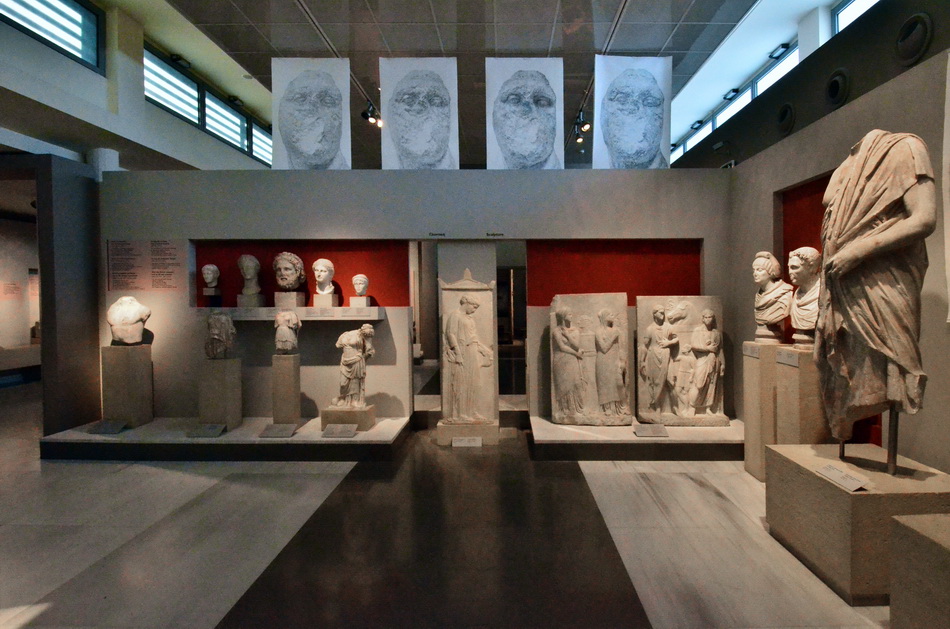
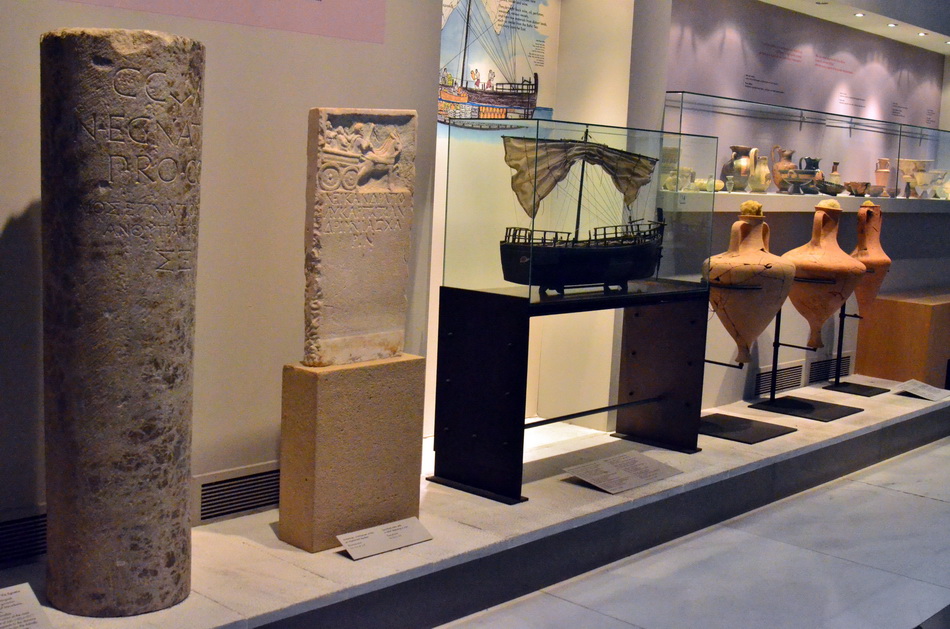
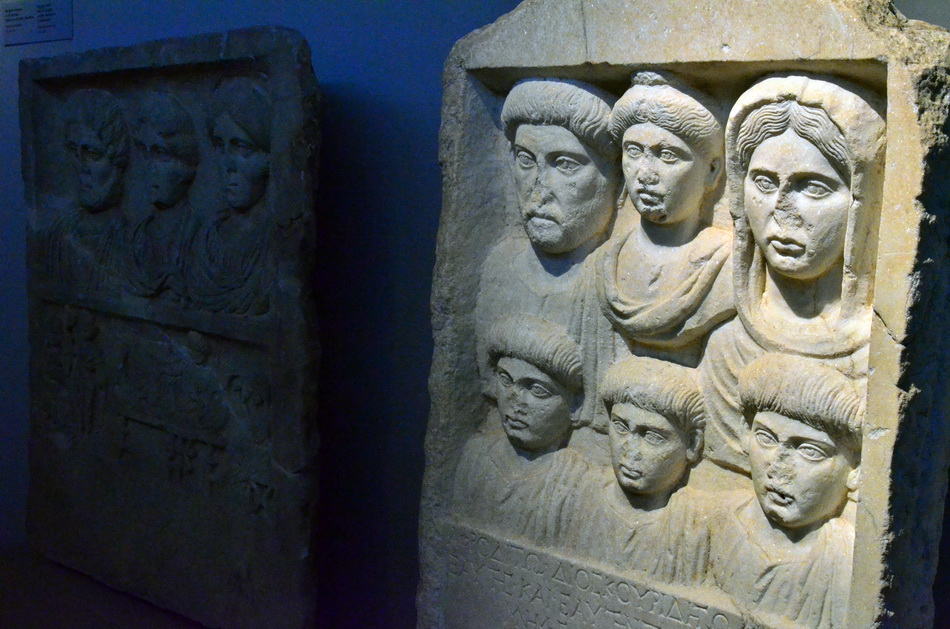
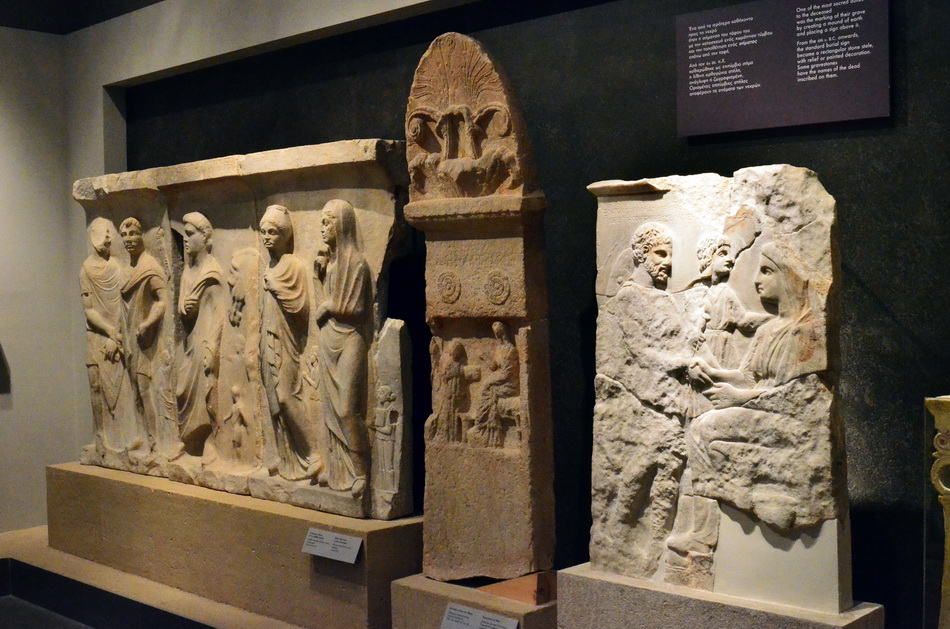
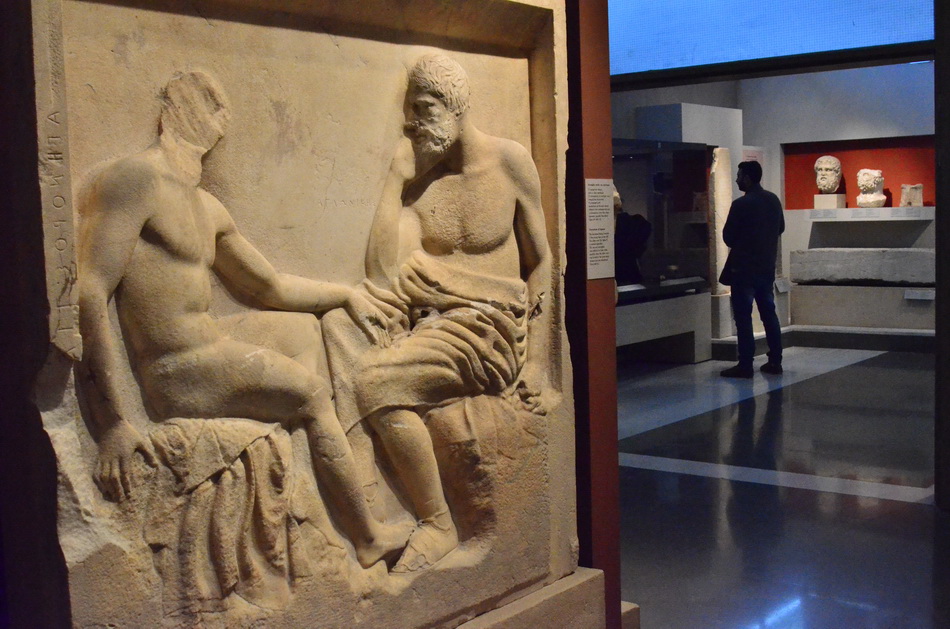
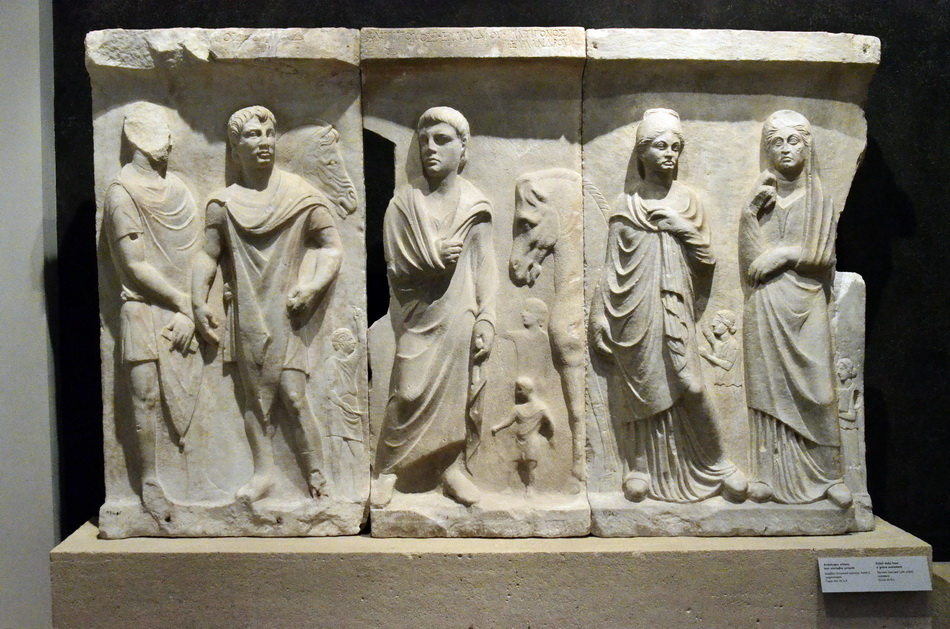
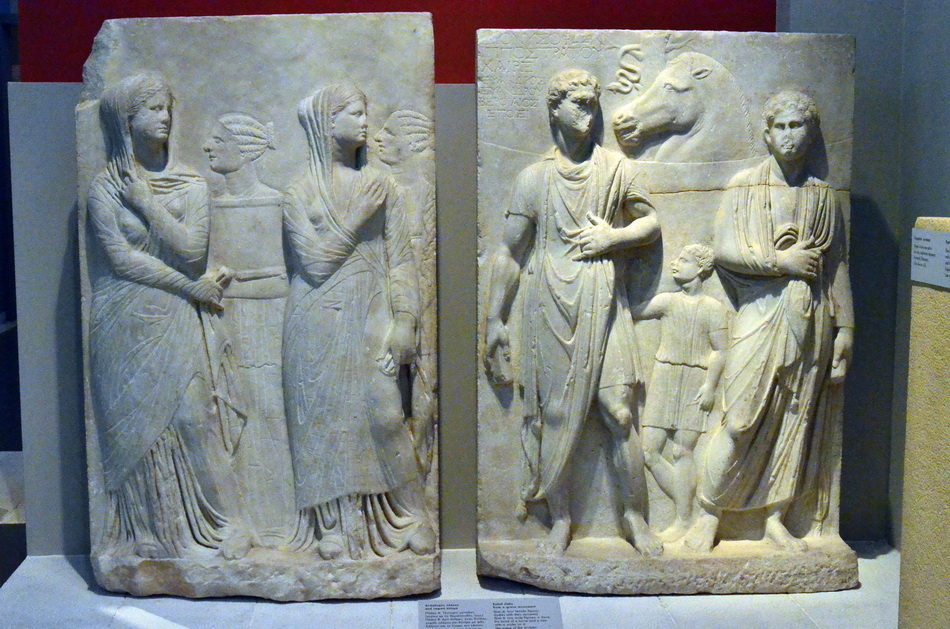
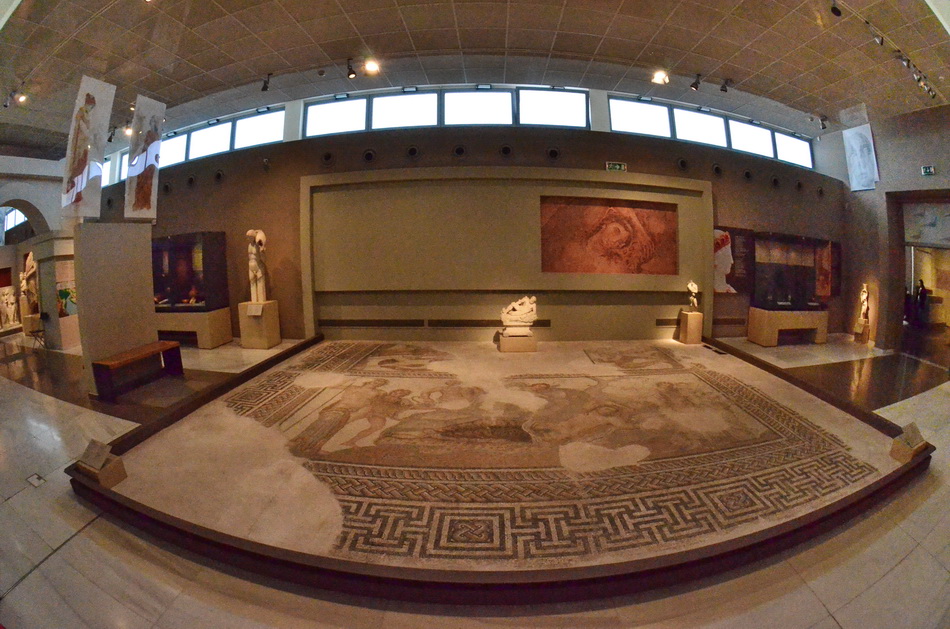
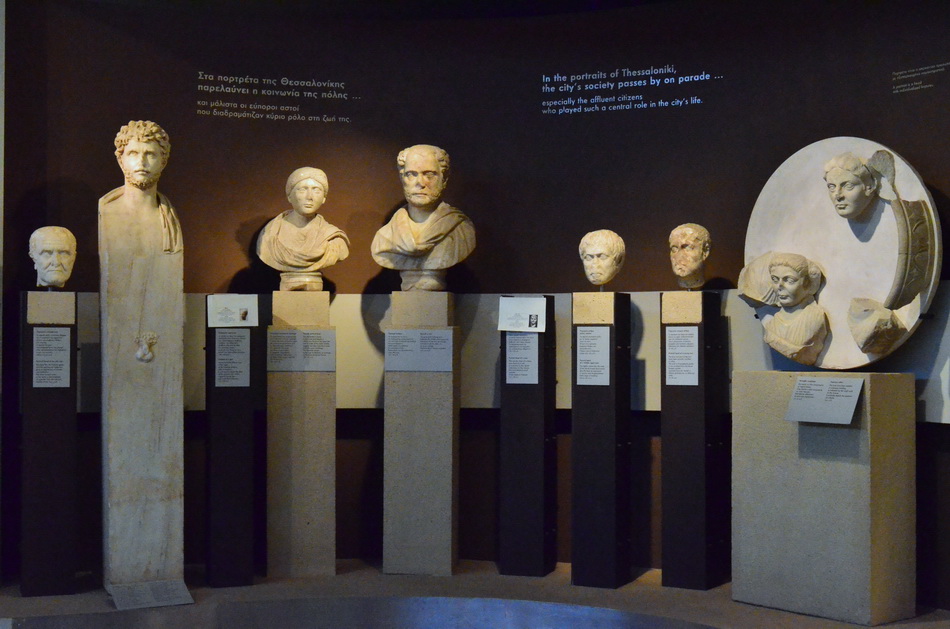
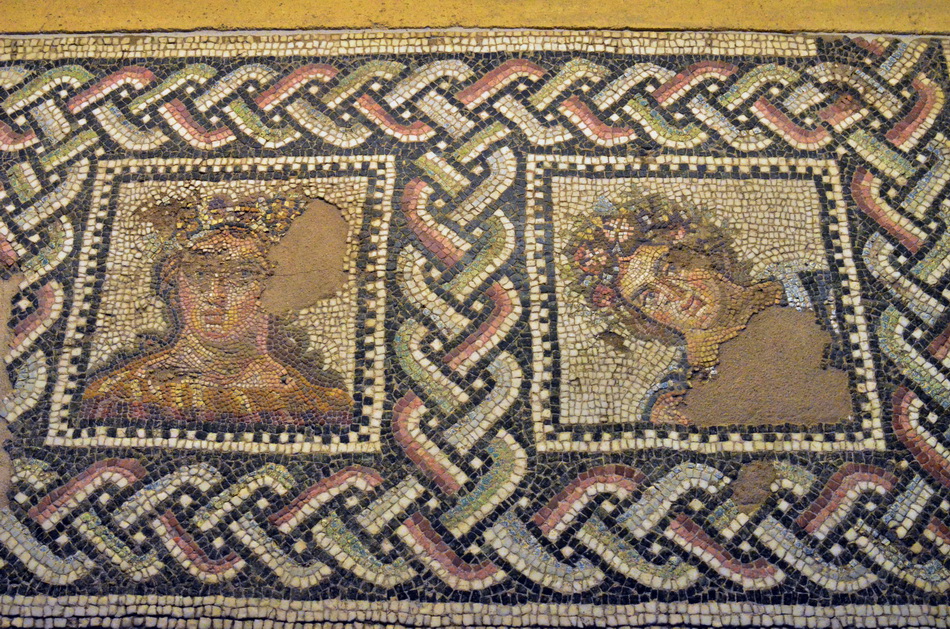
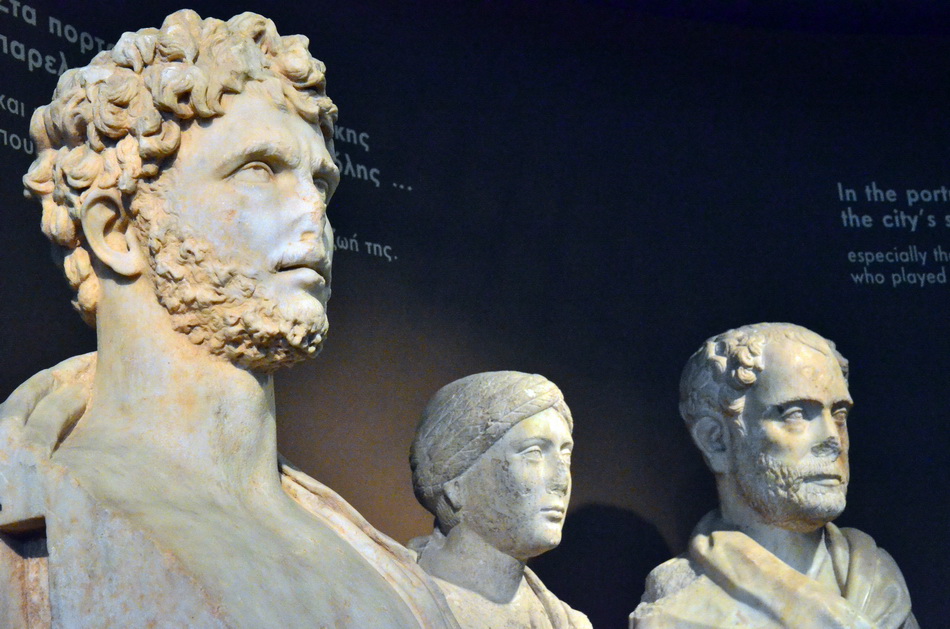
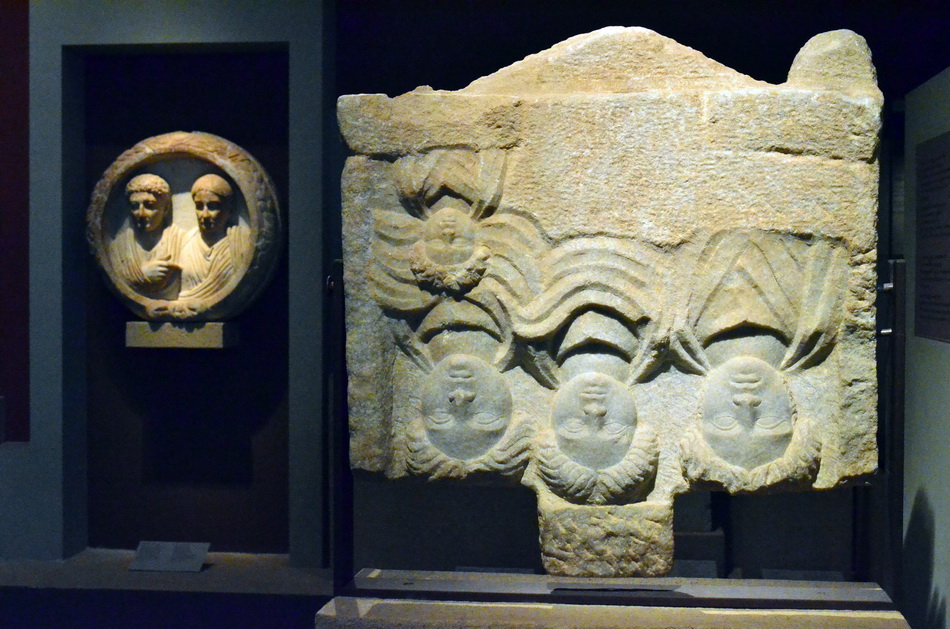
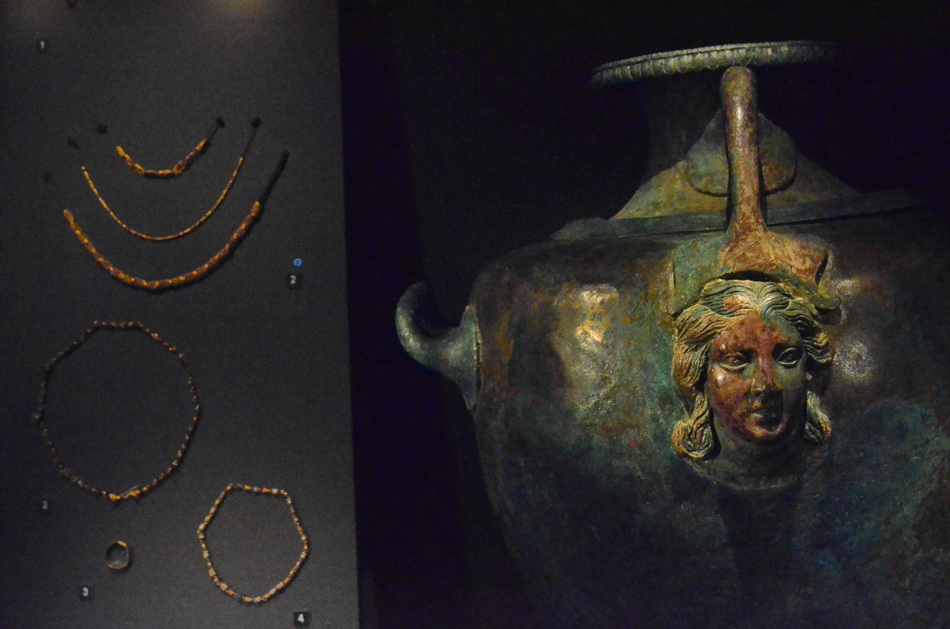
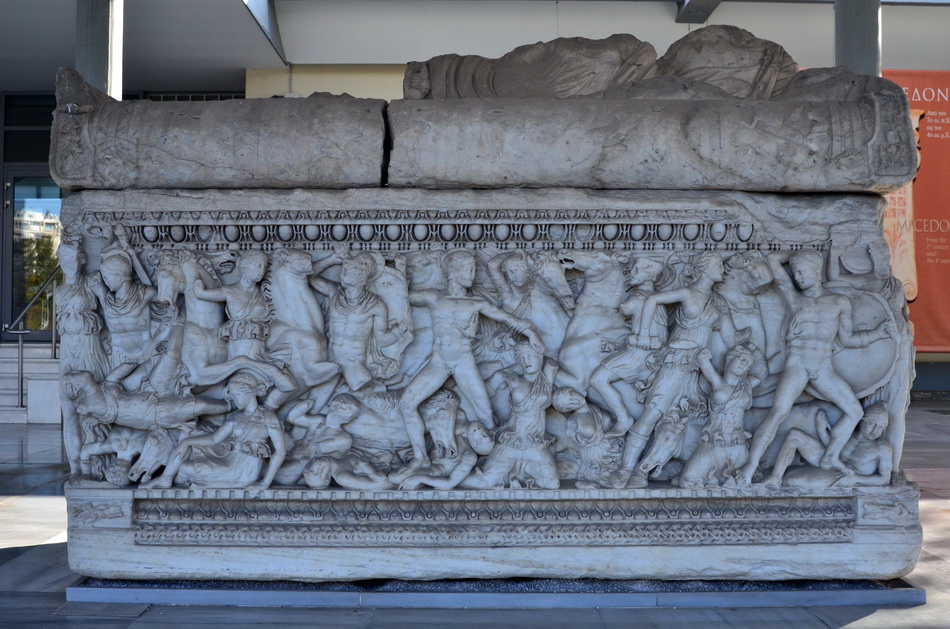
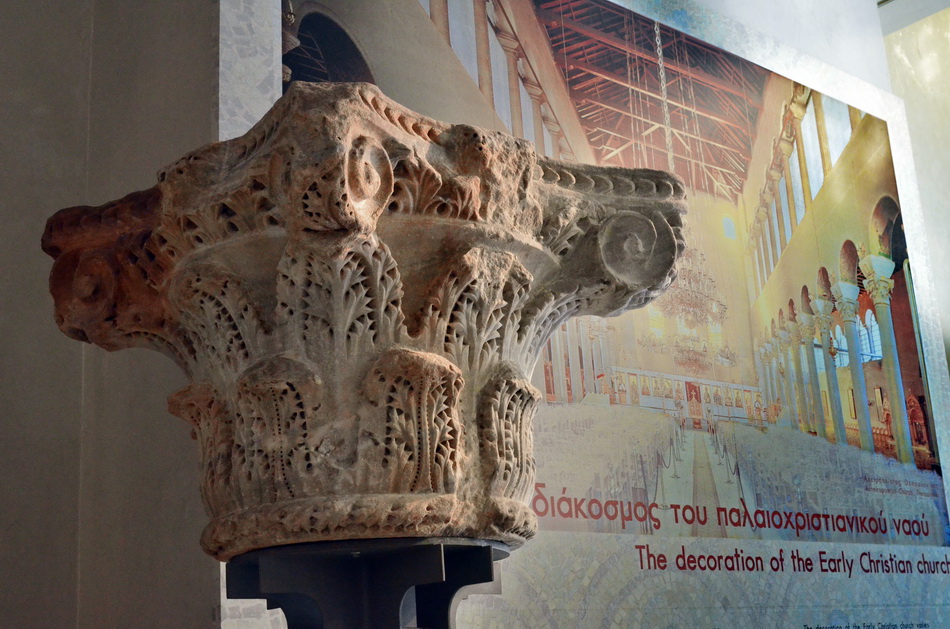
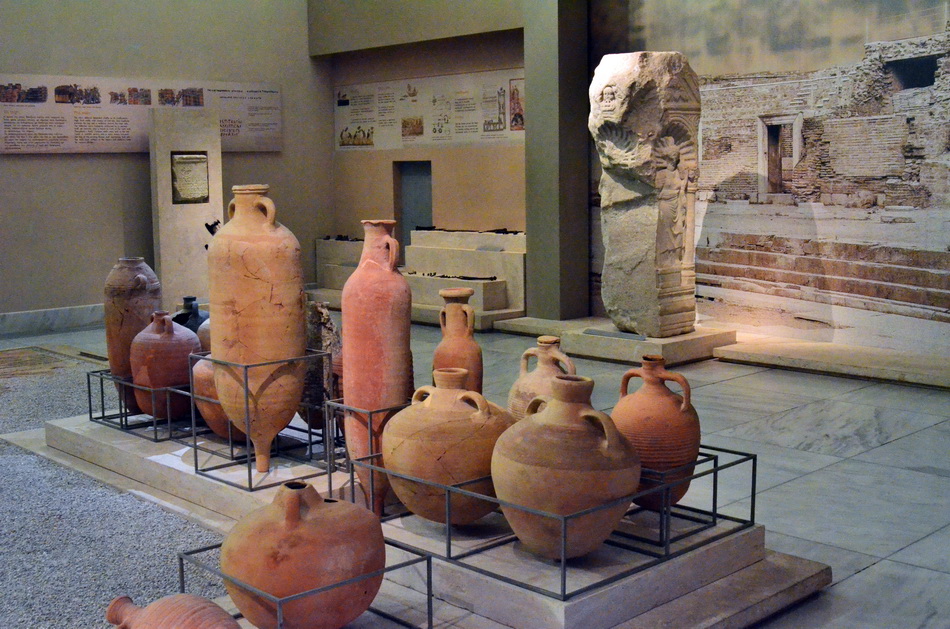
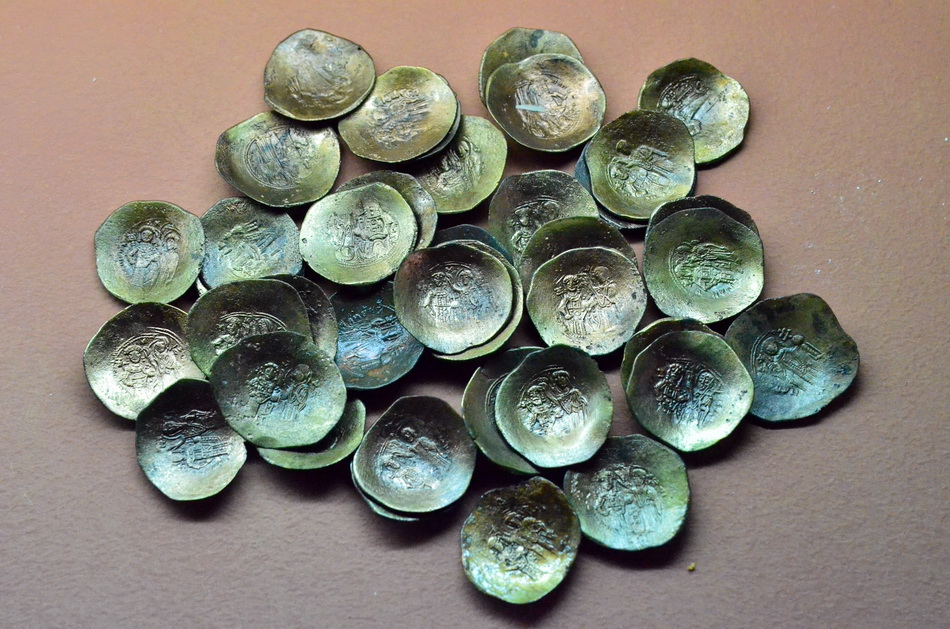
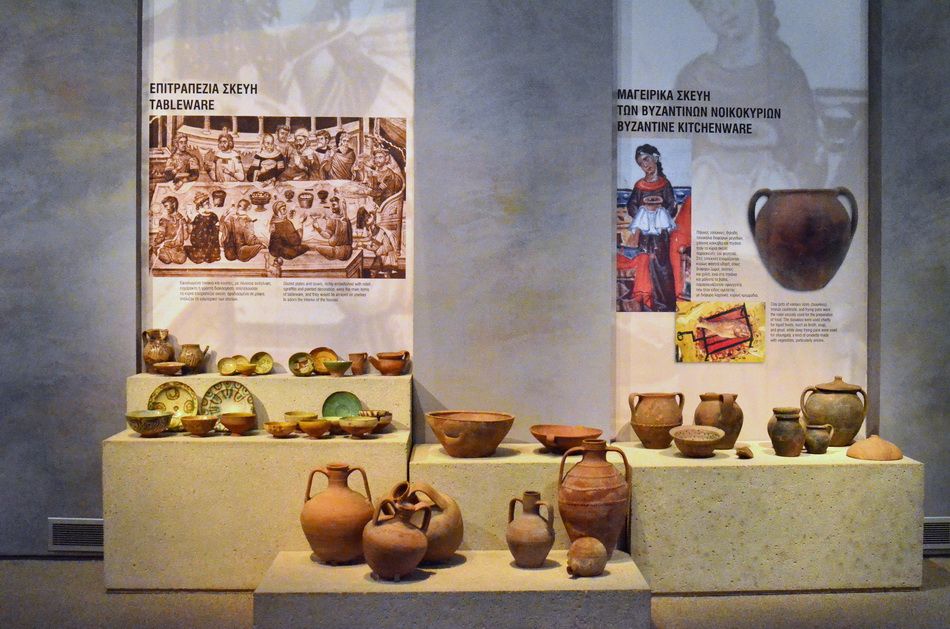
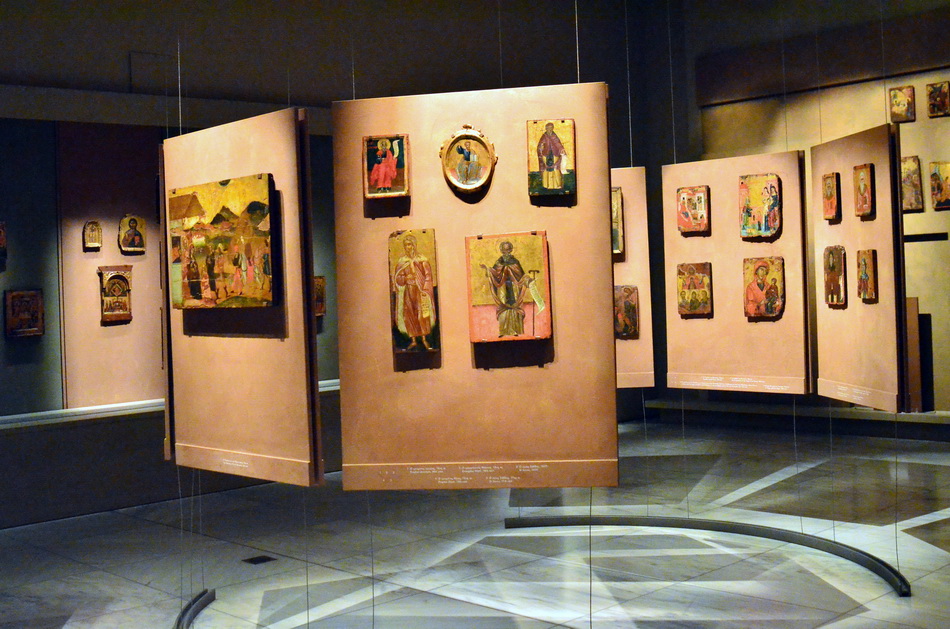
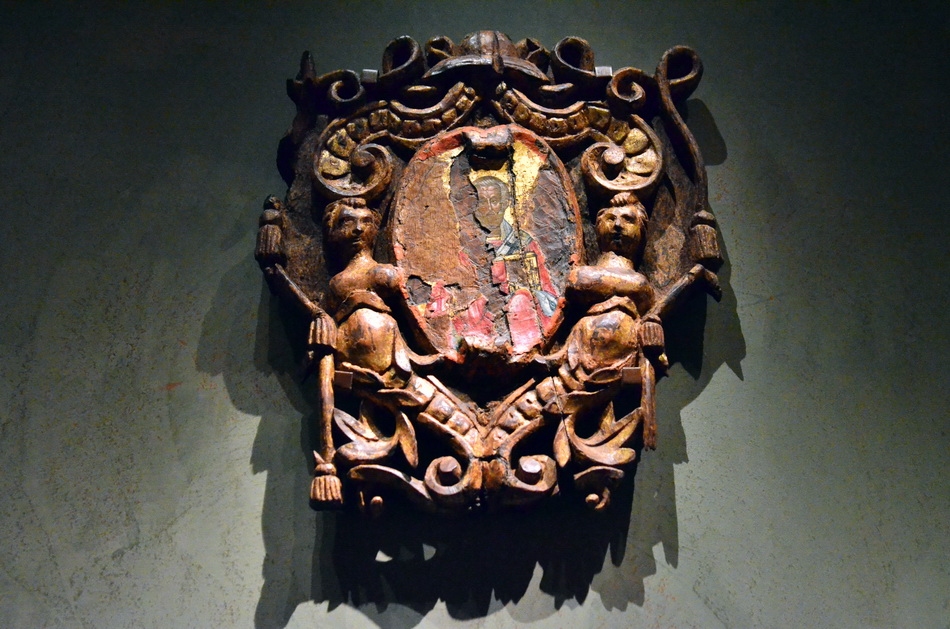
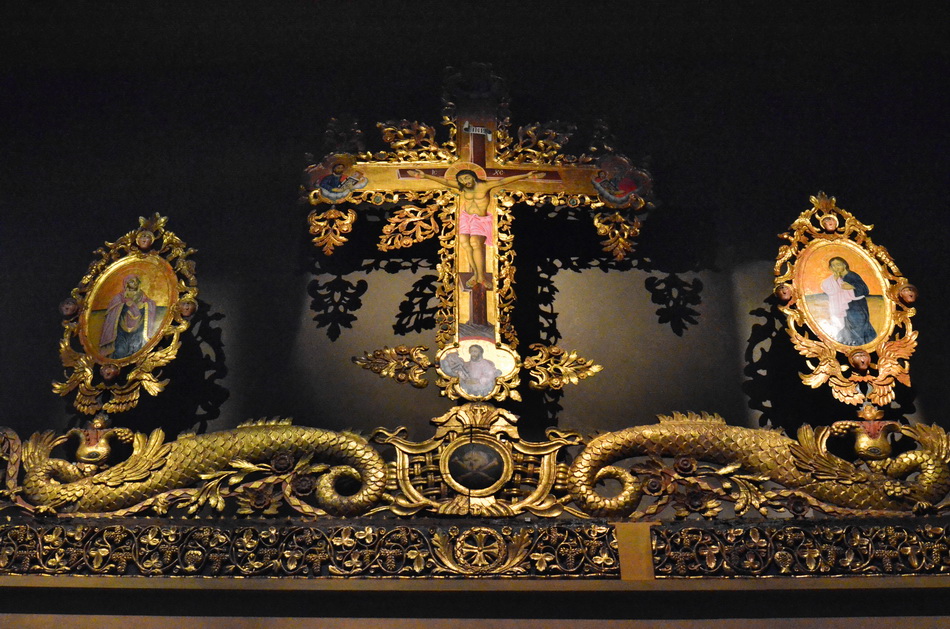
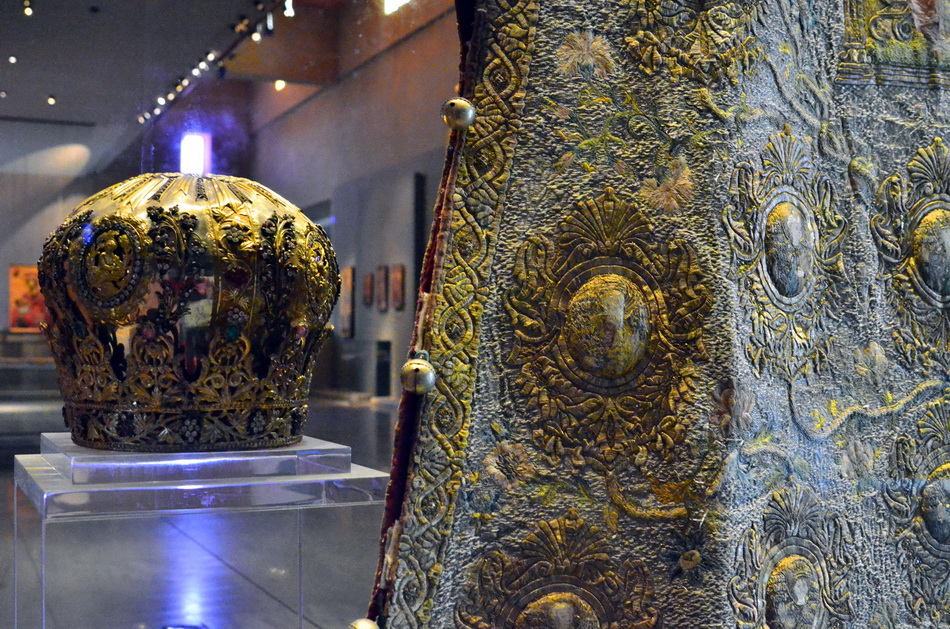
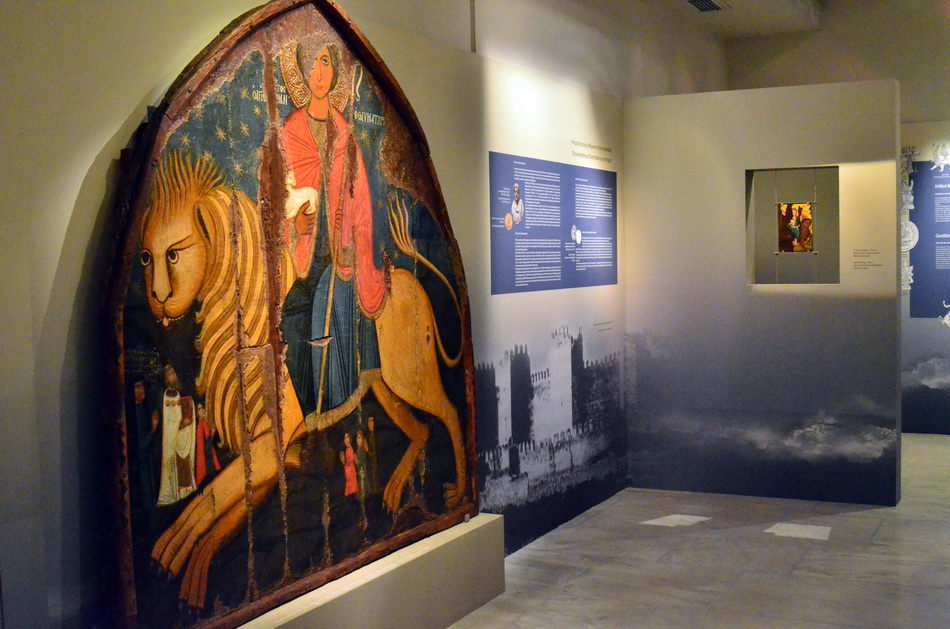
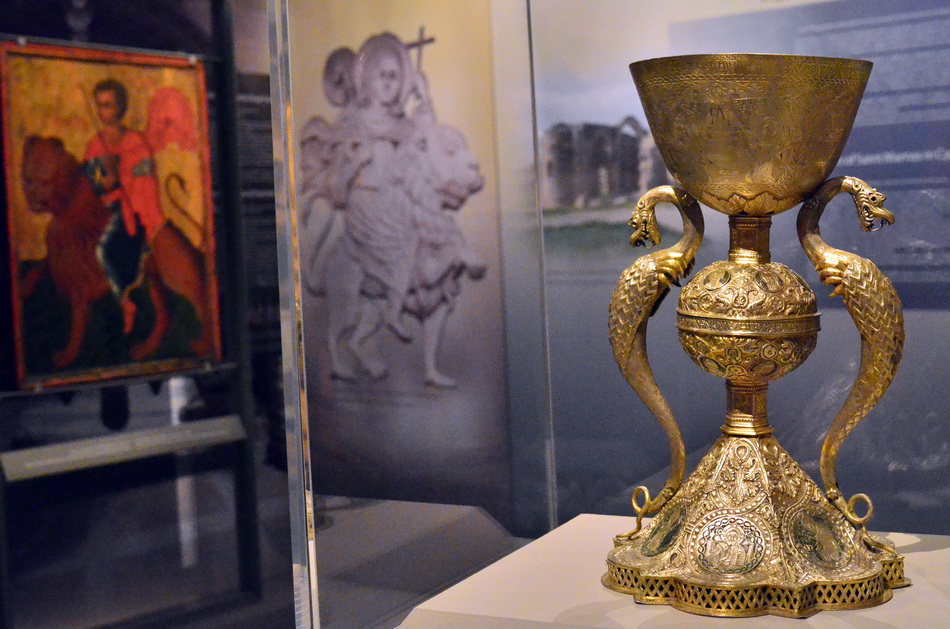
In December 2013, during a journey to Thessaloniki, I visited the Archaeological Museum to explore the cultural heritage of ancient Macedonia. Thessaloniki has long stood at a meeting point between the Balkans and the Mediterranean. The museum's collections illuminate a history that reaches from prehistoric communities through the Roman period.
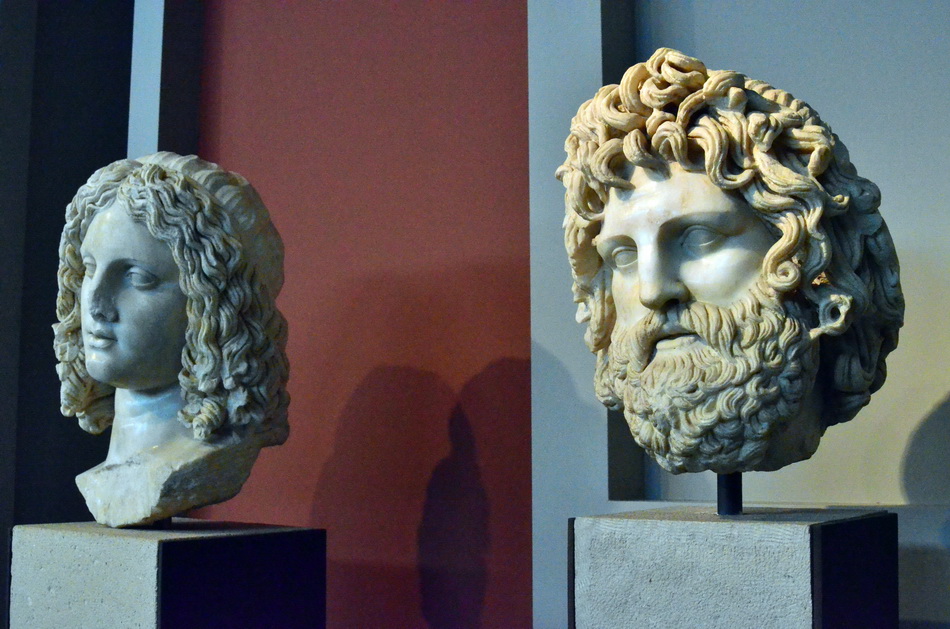
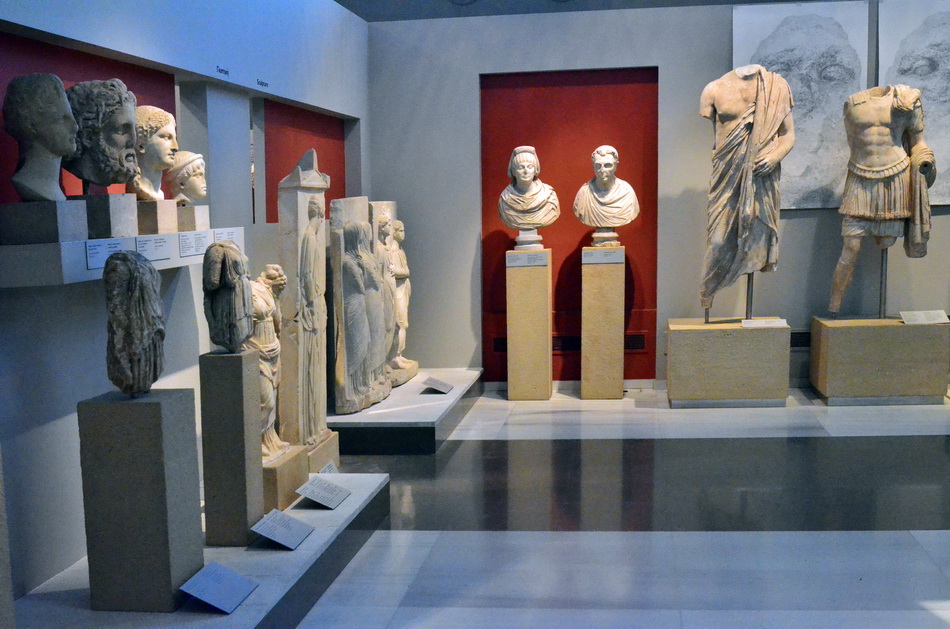
As I walked through the galleries, I was struck by the variety of stone and marble works. Sculptures, portraits, funerary stelae, reliefs and architectural fragments reveal not only the artistic traditions of their time, but also the ways people represented themselves and the world around them. The expressions on faces, the folds of garments and the finely worked surfaces reminded me of the skill with which ancient craftspeople brought stone to life.
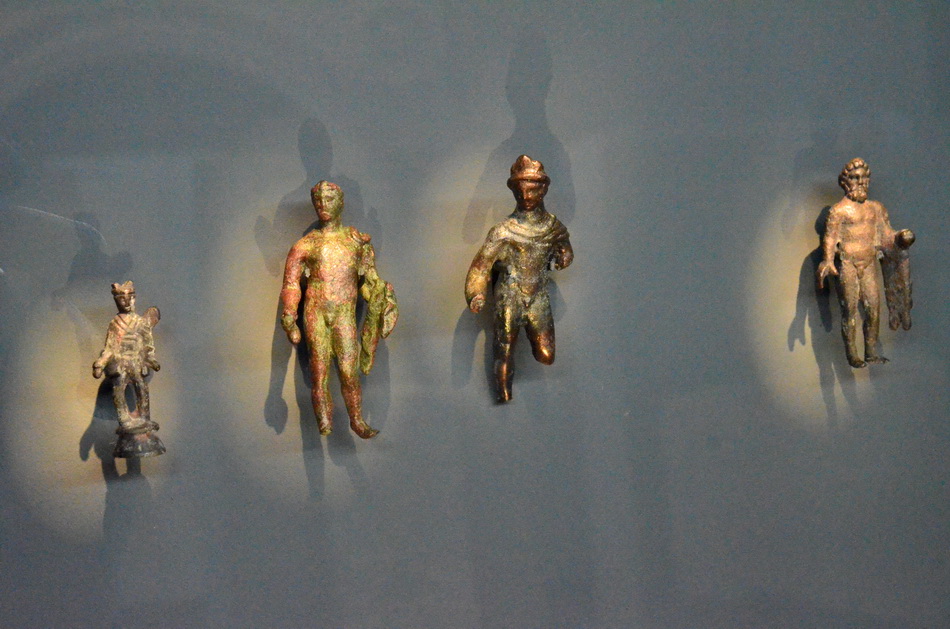
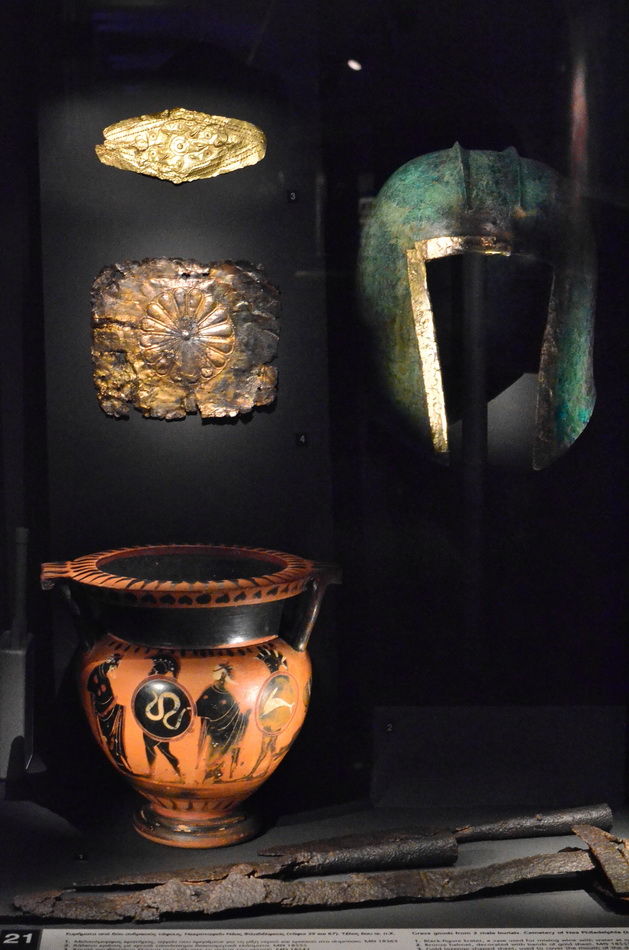
One of the defining chapters of Macedonian history belongs to the fourth century BCE, the age of Philip II and his son Alexander the Great. Yet the museum makes clear that the history of the region is far more than a succession of rulers and conquests. Pottery, small figurines, personal ornaments and objects recovered from graves also preserve traces of ordinary lives, beliefs and customs.
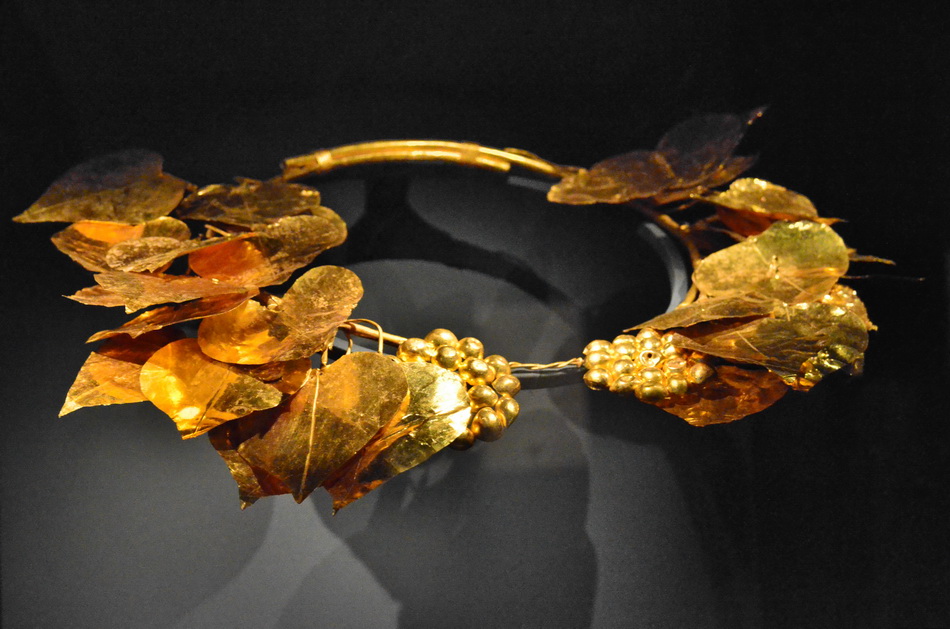
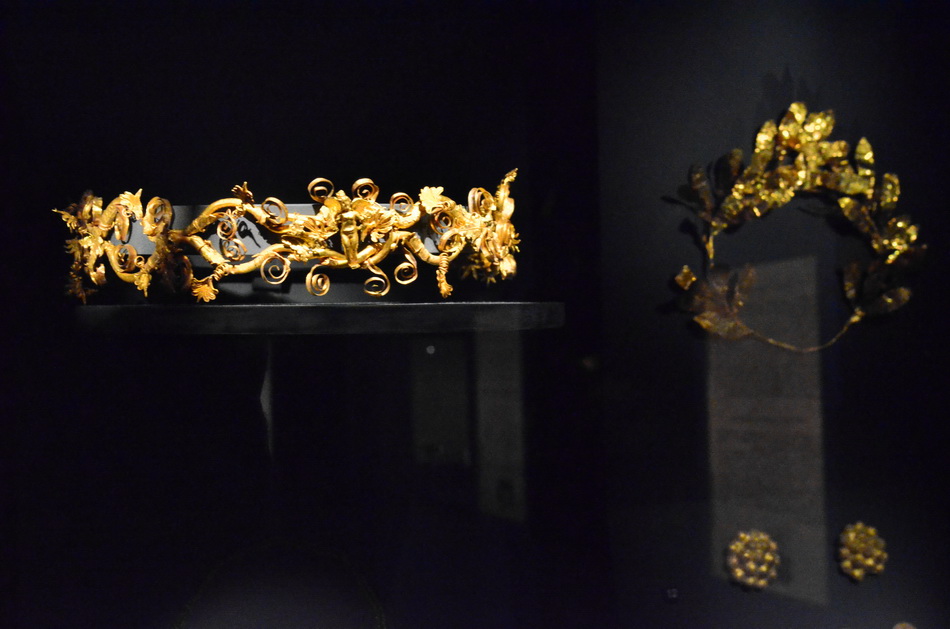
Among the most memorable objects were the gold ornaments that reflect the extraordinary craftsmanship of ancient Macedonia. Delicate leaves, flowers and botanical forms were fashioned with remarkable precision. Finds from ancient burials speak not only of wealth and social standing, but also of ideas about death and remembrance. Looking at these small works, I found myself thinking of the patience and ingenuity of the artisans who made them centuries ago.
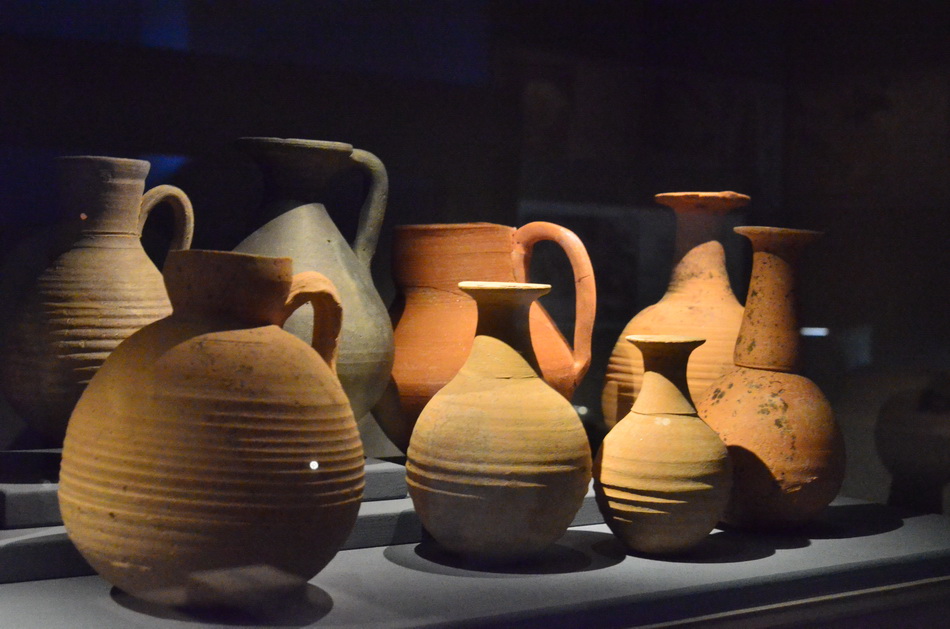
The ceramics and objects of everyday use offered another perspective on the past. Beyond the great events recorded in history, daily life often survives through modest things: a vessel, an ornament, a carved stone. Such objects help us imagine the habits, aesthetic choices and relationships of people whose names have disappeared. For me, this is one of the most valuable qualities of an archaeological museum: it allows us to encounter history through the material traces of ordinary human experience.
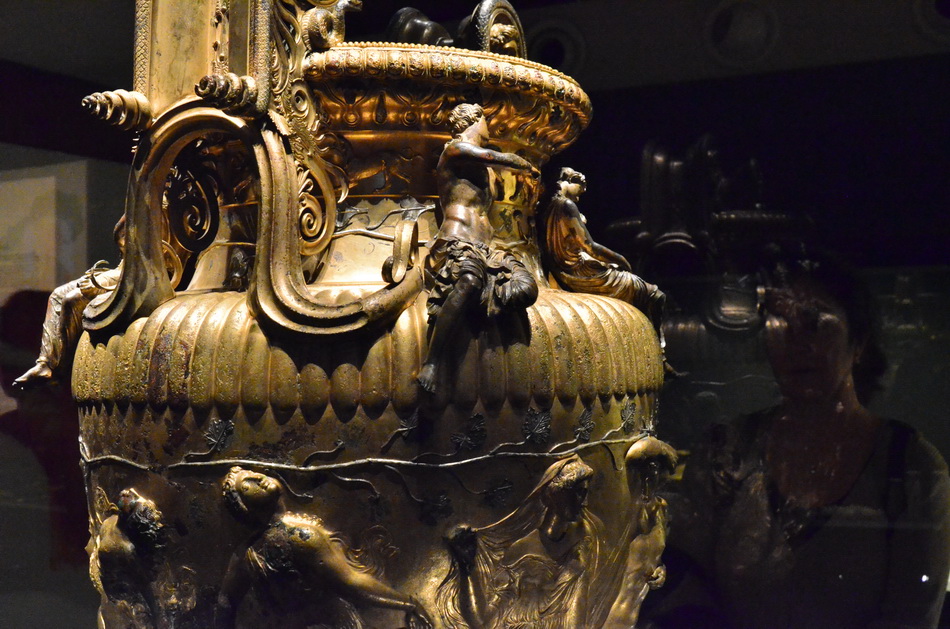
I was interested not only in the objects themselves, but also in how they were presented. The position of a sculpture within a gallery, the lighting of a small object in a display case and the visual relationships between neighbouring works all shaped my experience. Sometimes I photographed an entire piece; at other moments, a detail drew my attention. Through these choices I tried to create a visual record of the museum as I encountered it in December 2013.
Today these photographs mean more to me than memories of a museum visit. They are also a personal document of the artistic and cultural heritage of ancient Macedonia. The objects shaped in stone, marble, clay and gold have endured for centuries. I share this series with respect for the museums that preserve them and for the many unnamed craftspeople whose work continues to speak across time.