
San Miguel de Allende: A City Alive on Its Walls Oct - Nov.2025
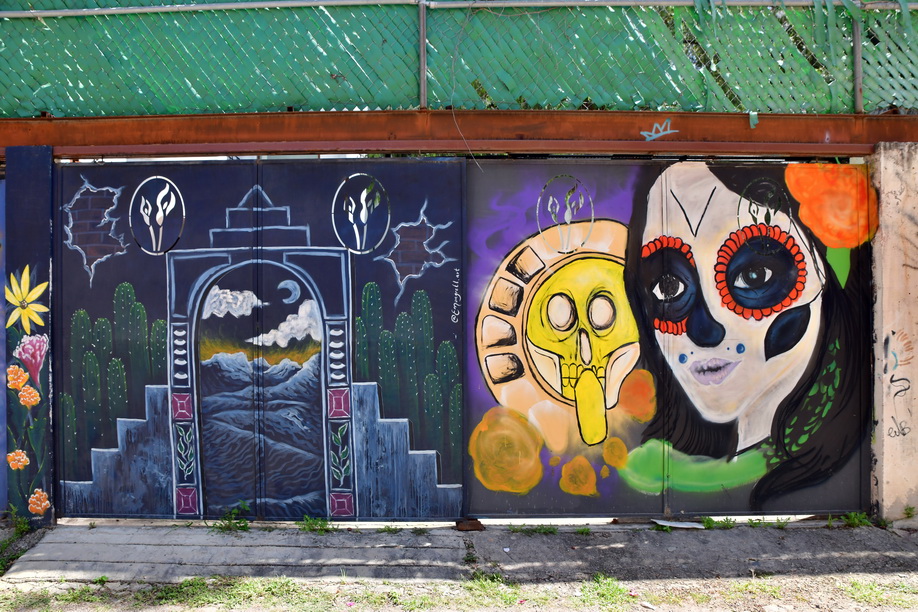
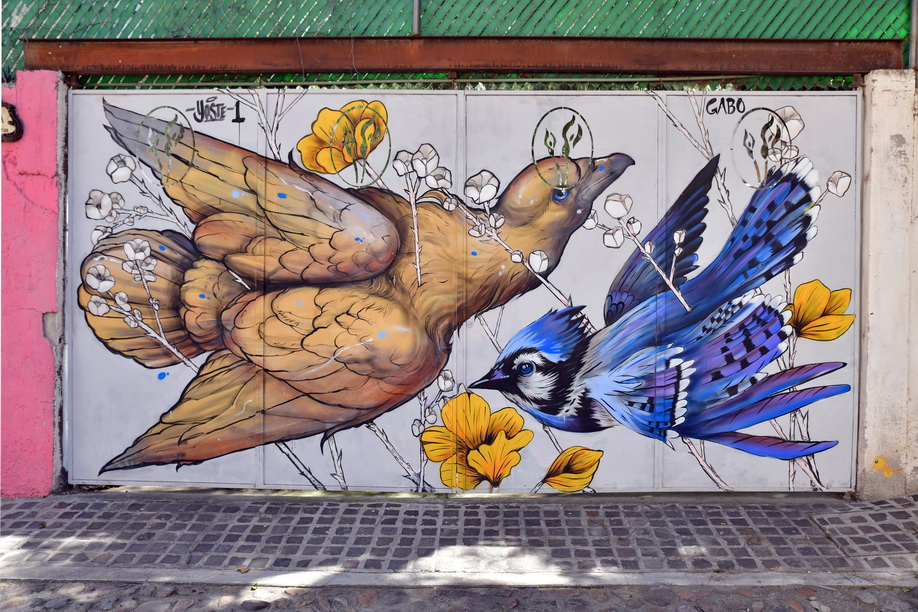
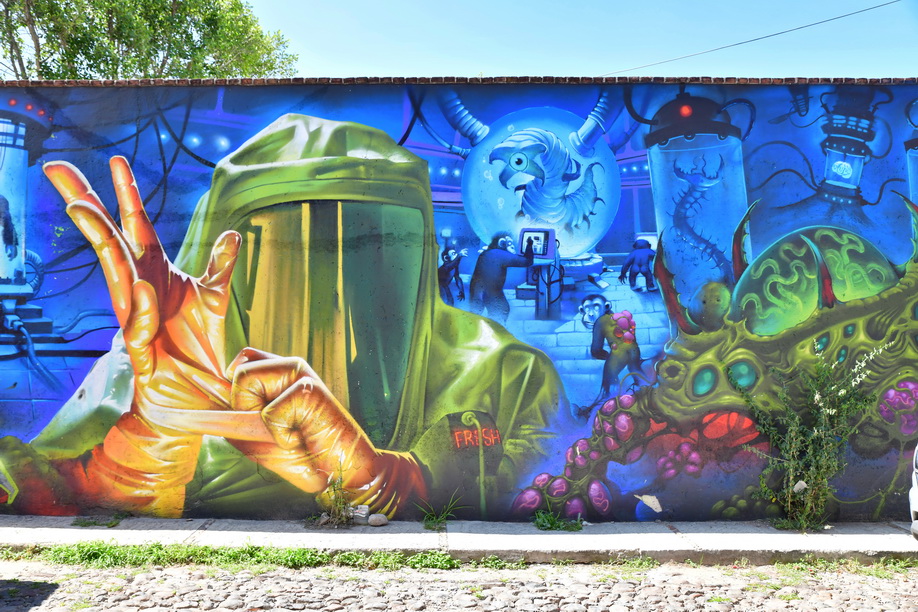
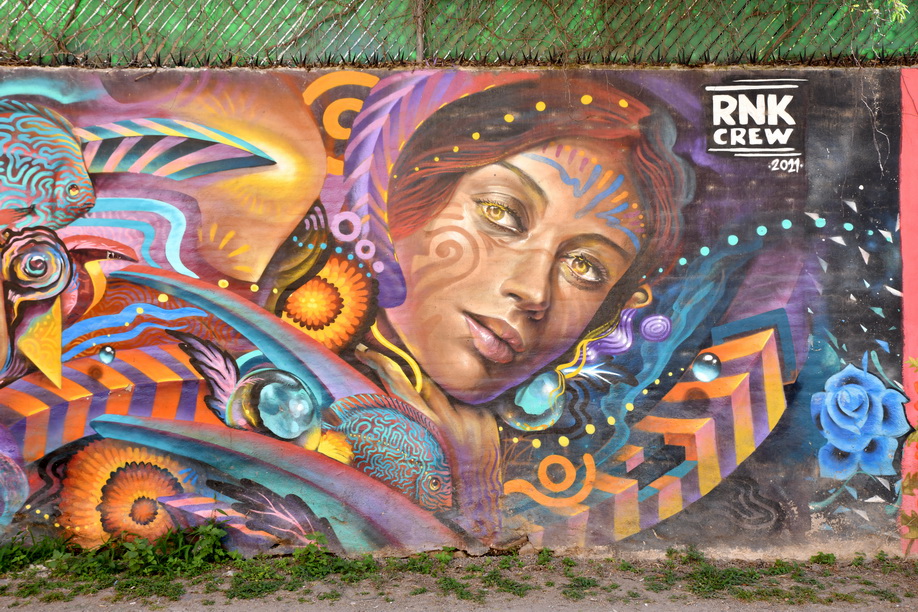
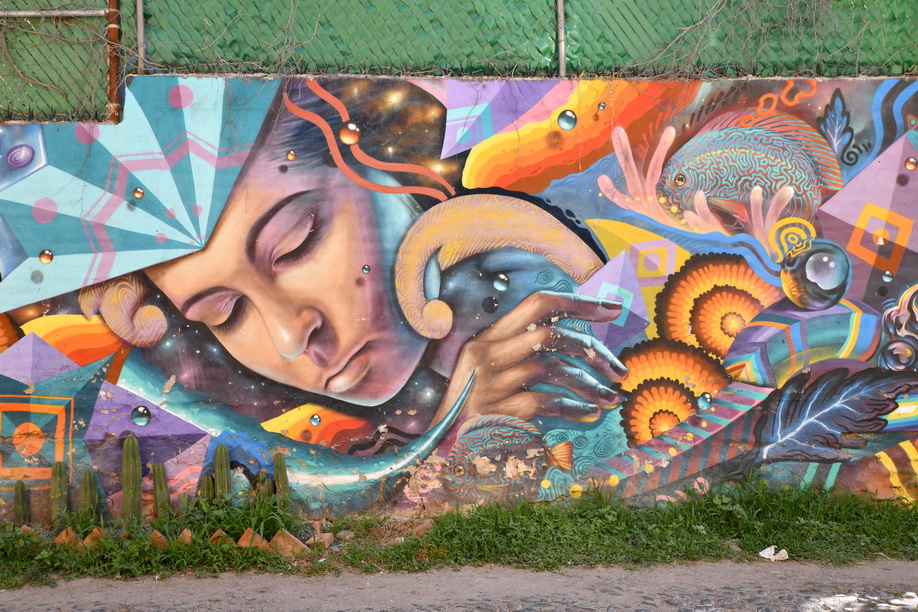
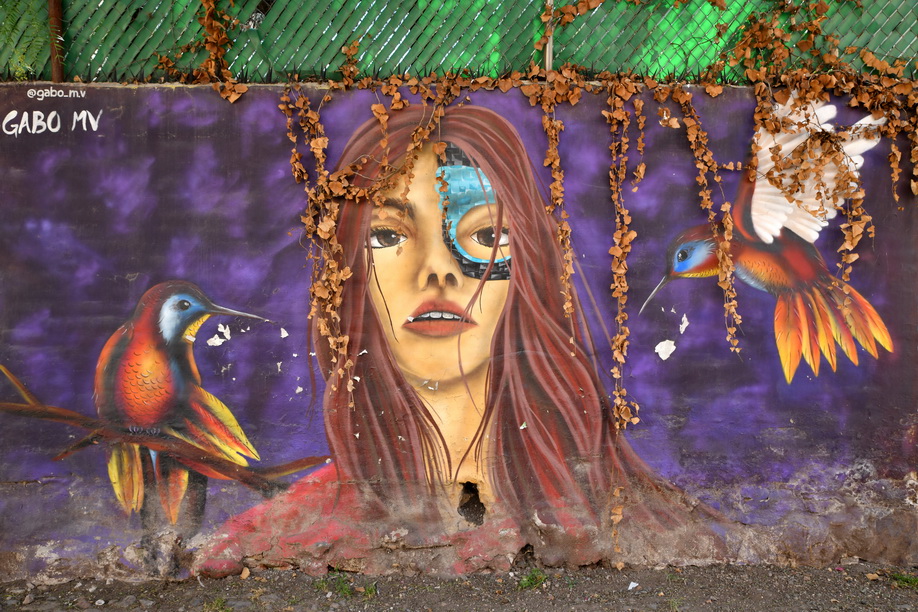
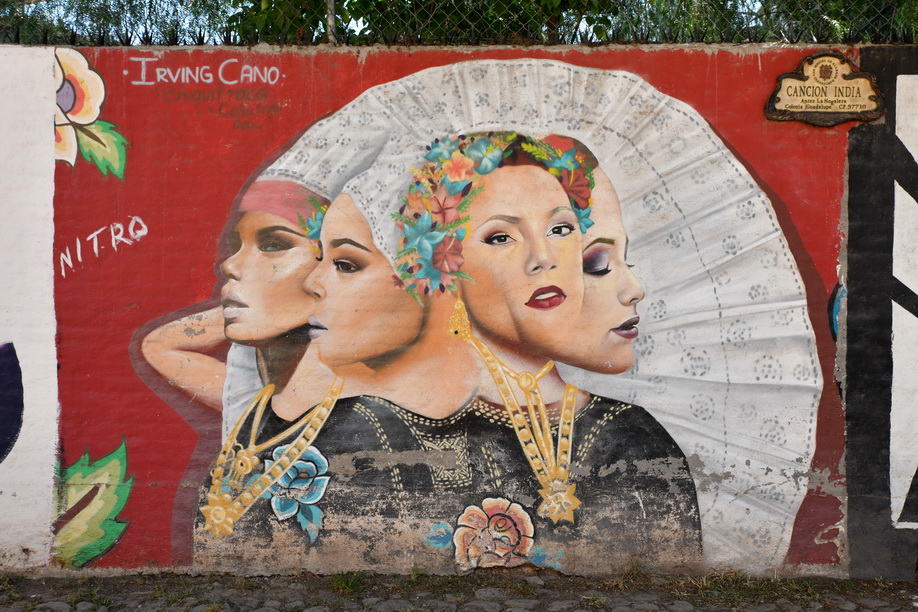
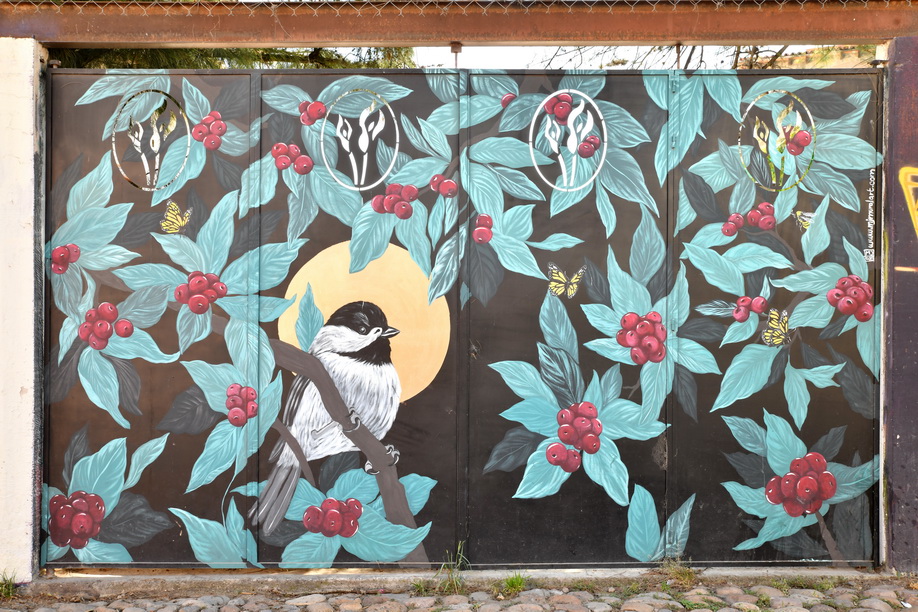
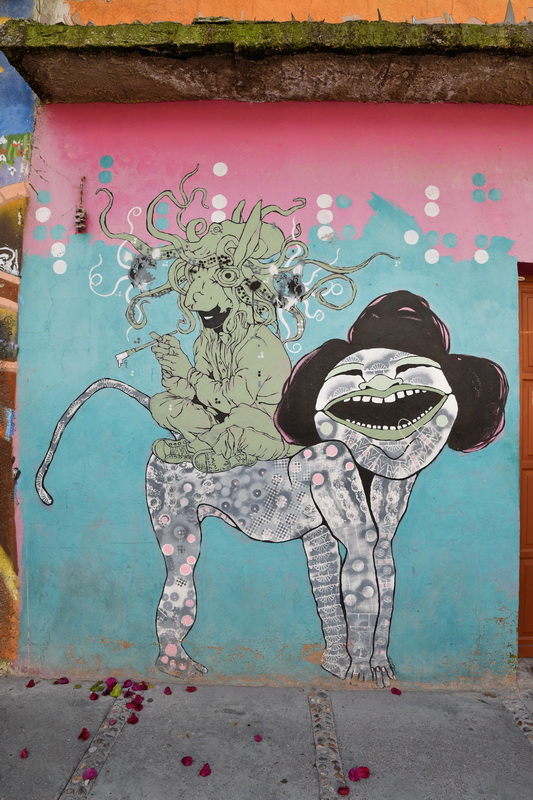
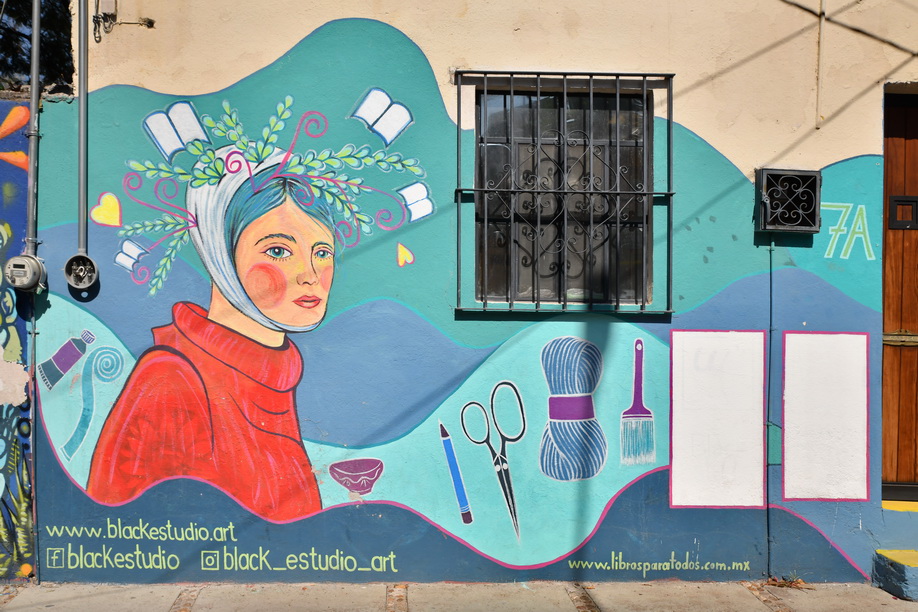
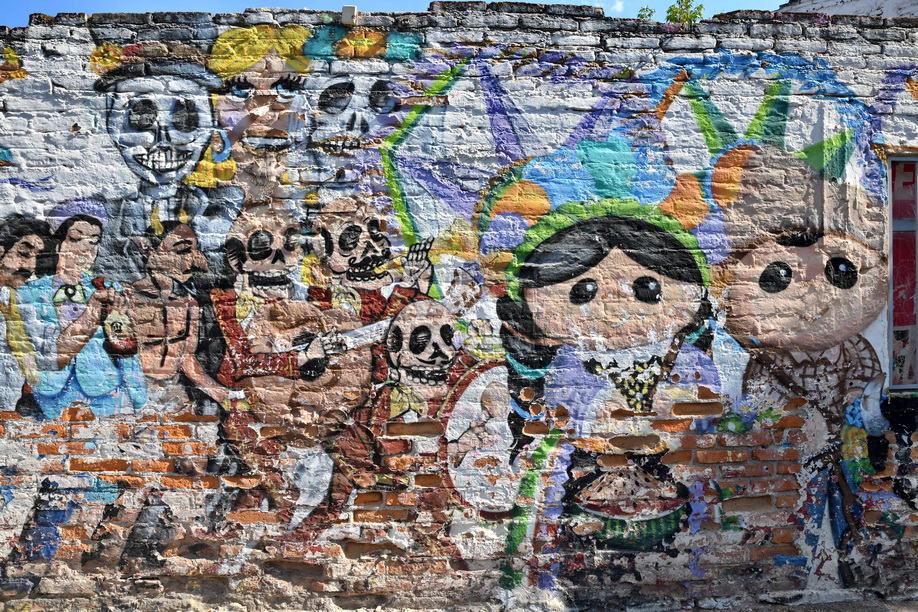
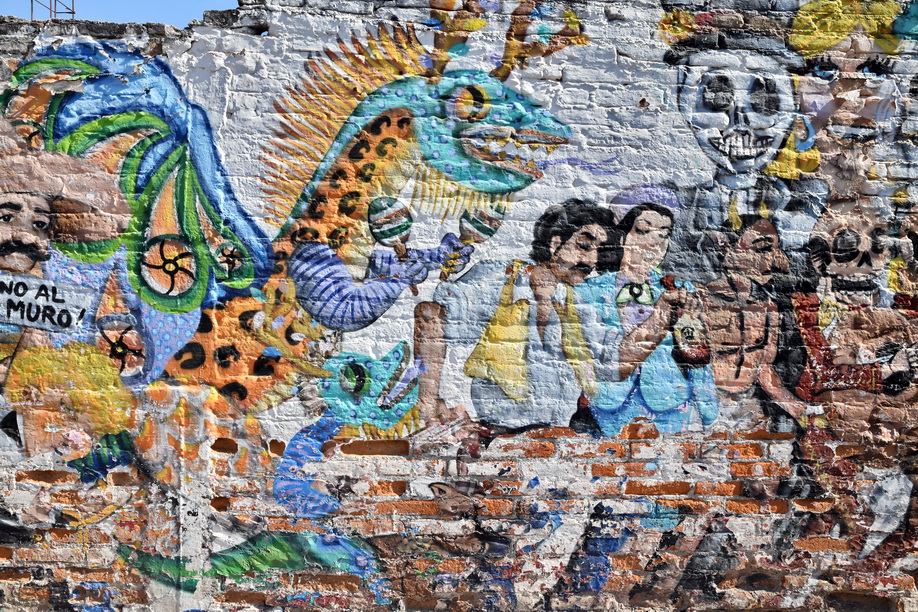
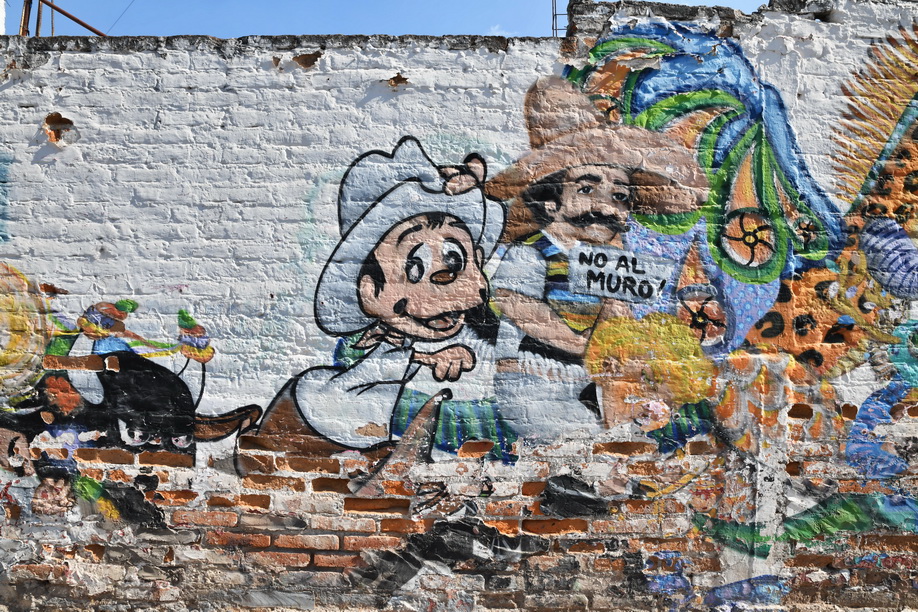
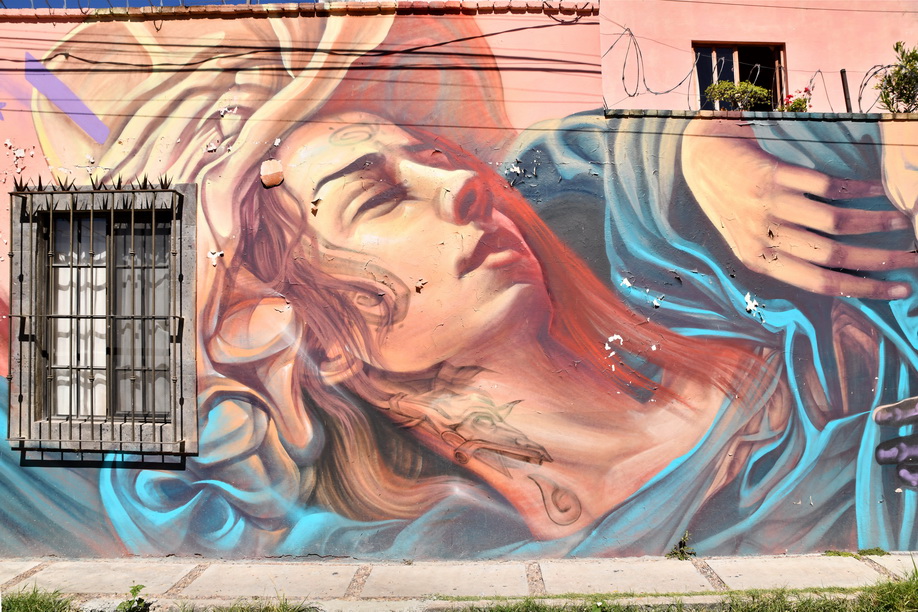
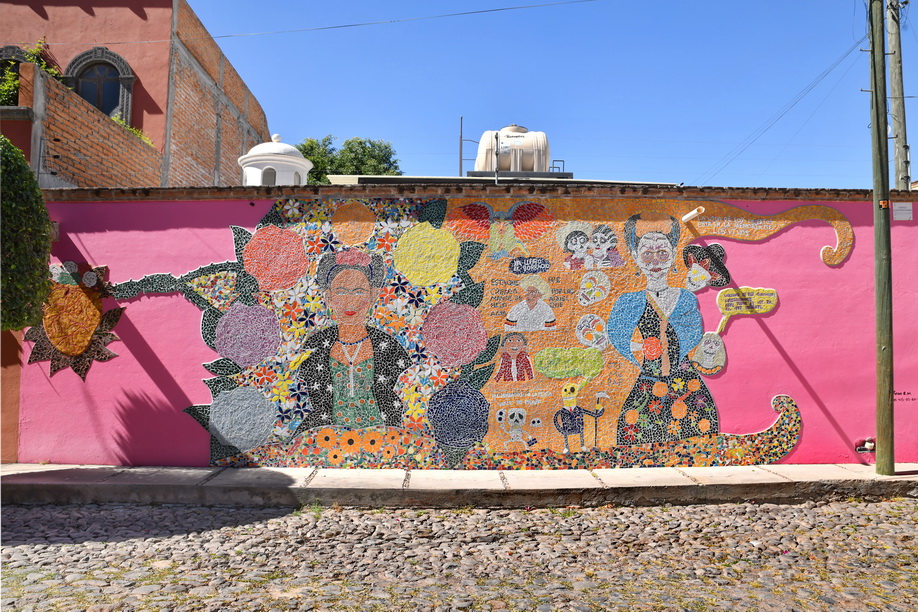
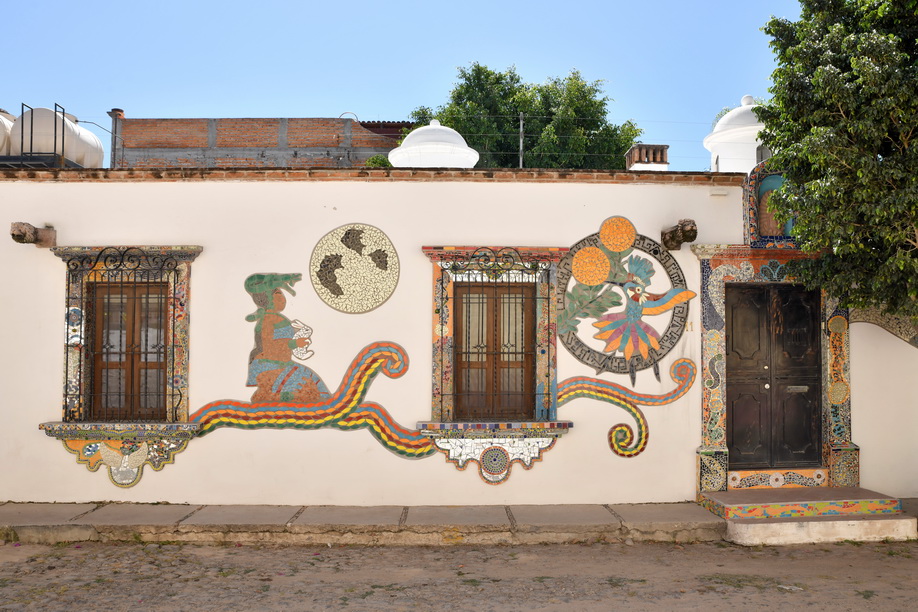
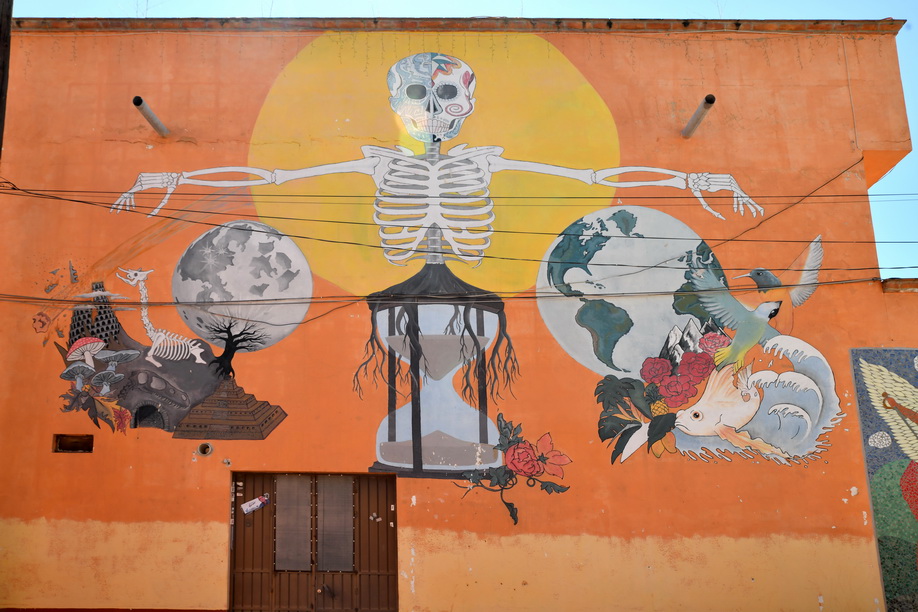
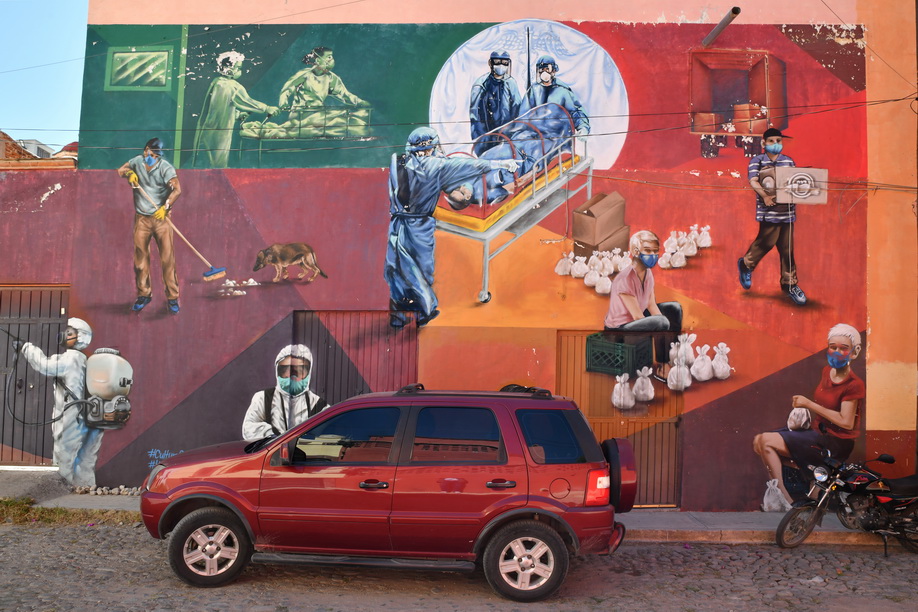
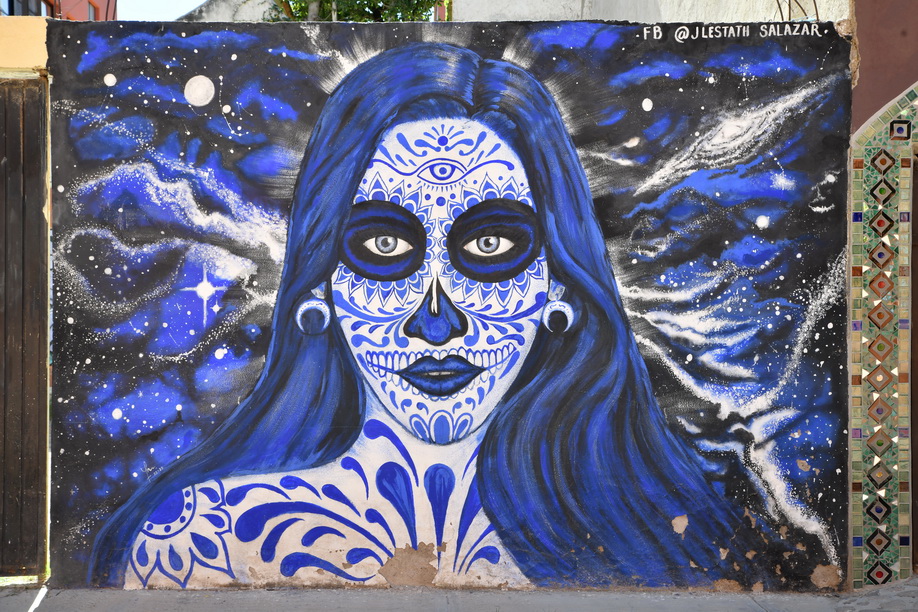
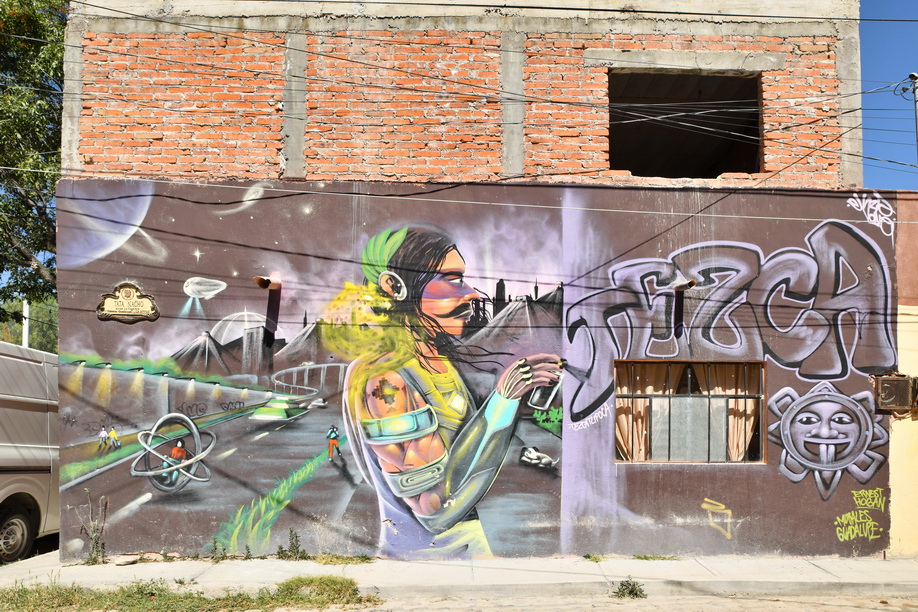
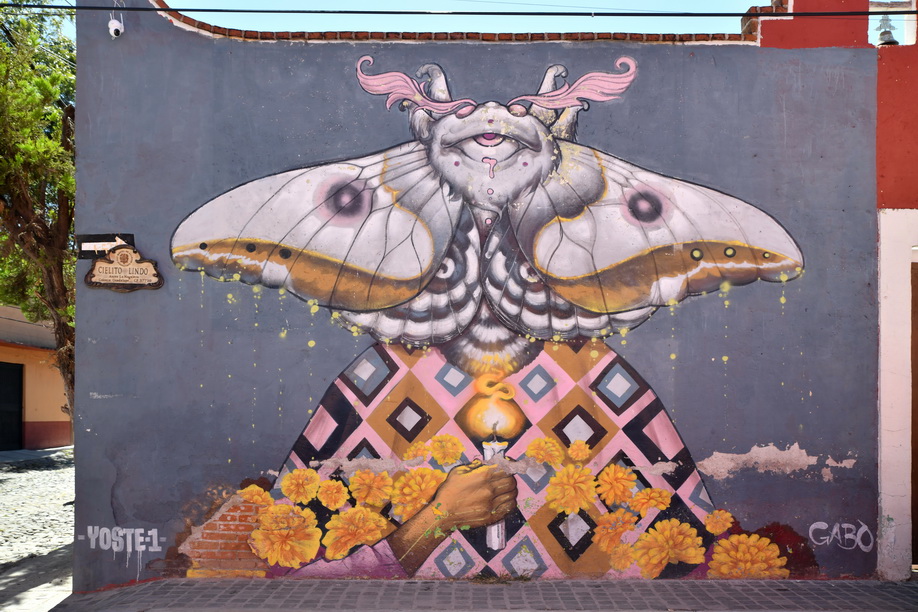
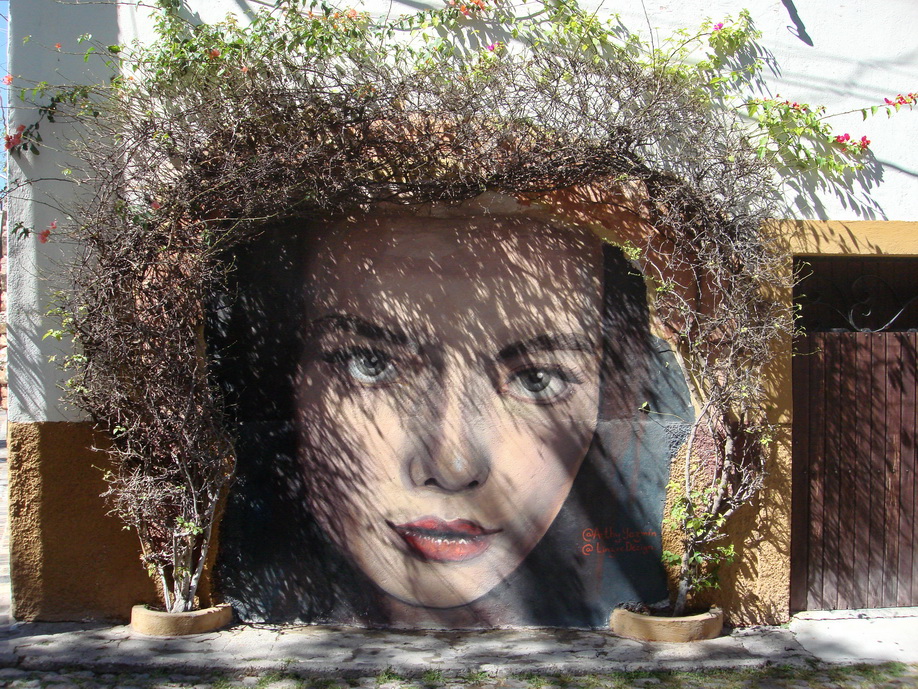
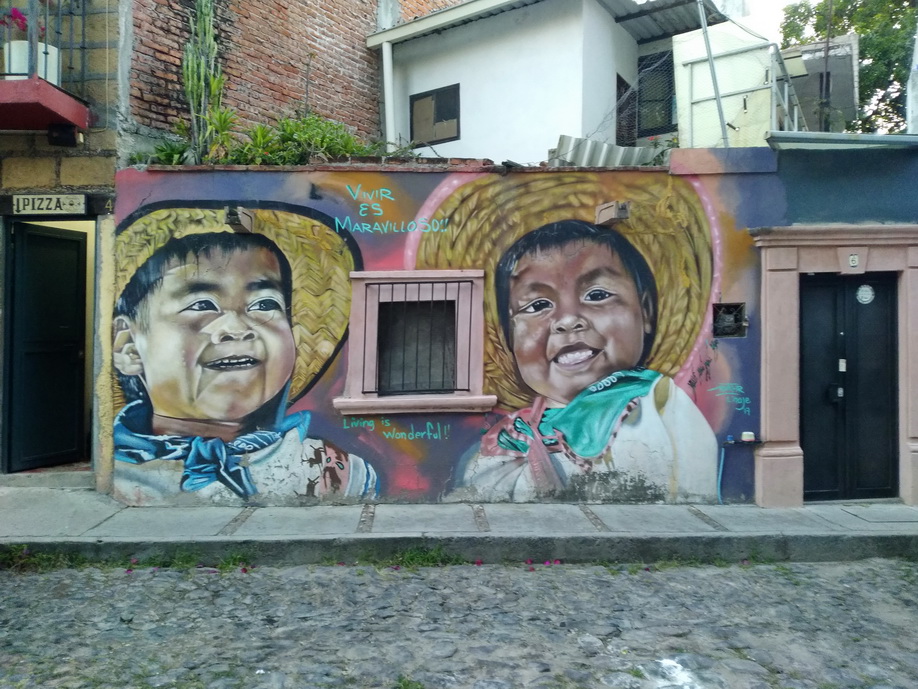
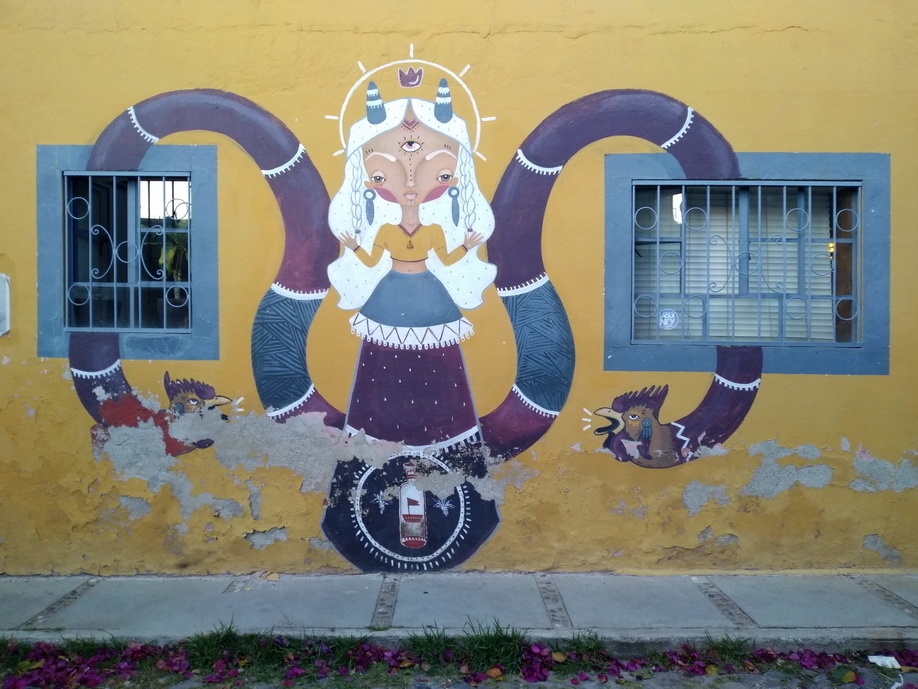
As I walked through San Miguel de Allende, there was something that caught my attention almost as much as the city's colonial architecture: its walls. On the facades of houses, garden walls and garage doors, and sometimes across old, weathered plaster, murals kept appearing before me. Some were small works covering only a few square metres, while others spread across entire facades. After a while, I began photographing them one by one. What I saw on these walls was more than decoration adding colour to the city; it was another language of San Miguel de Allende, bringing together its past and present, its traditions and contemporary concerns. Images drawn from Mexico's cultural memory were immediately recognizable. Skeletons and calaveras, flowers, butterflies, birds, fantastic creatures and figures evoking Indigenous cultures appeared again and again. The imagery of the Day of the Dead was only one part of this visual world. On one wall there was a mariachi with his guitar, on another a brightly coloured fantastic creature, and elsewhere Frida Kahlo and female figures. Portraits surrounded by flowers, birds and elements of nature could be followed, only a few streets away, by an entirely different visual language. Traditional Mexican imagery was being reinterpreted through the freedom of contemporary street art. What interested me even more was that the walls did not speak only of the past. The present was finding its way onto them almost as events unfolded. In a large mural devoted to the Covid pandemic, healthcare workers carry a patient, while cleaners, food distributors and ordinary people who continued working during the crisis share the same composition. On another wall, a figure holding the words "NO AL MURO!" - "No to the Wall!" refers directly to the debate over the wall along the Mexico-United States border. Street art thus goes beyond being simply an aesthetic presence; at times it protests, at others it bears witness, becoming a space for collective memory. Women are among the strongest figures on these walls. I encountered many different representations, from realistic portraits and dreamlike women to Frida Kahlo and faces painted in ways that evoke the imagery of death. Children, birds and flowers bring a quieter sense of life into this dense symbolic world. The smiling faces of two children beside the words "Vivir es maravilloso - Living is wonderful" made me think about how strongly life is celebrated within a visual culture in which images of death are also so present. On the walls of San Miguel de Allende, life and death seem less like opposites than two parts of the same story. When photographing the murals, I tried as much as possible not to separate them from their surroundings. The wall itself was part of the image for me. Peeling plaster, exposed bricks, barred windows, electrical cables, garage doors, climbing plants, paving stones, and sometimes a car or motorcycle parked in front of the mural all revealed the city continuing to live around the artwork. Unlike works protected on gallery walls, these murals existed in sunlight and rain, exposed to time. Their colours faded, plaster crumbled, plants grew over them; as the city changed, they changed with it. Looking at these 24 photographs together, I now see a much more coherent body of work than I had initially imagined. They were all photographed in San Miguel de Allende, on the streets of the same city, yet each tells a different story. From Indigenous cultures to contemporary Mexico, from the Day of the Dead to the pandemic, from migration and the border debate to children, nature and imaginary worlds, these walls contain a remarkably broad narrative. Different as they are from one another, they all become part of the memory of the same city. I remember San Miguel de Allende for its churches, squares, cobbled streets and colonial buildings. But when I look back at my photographs, I realize that another face of the city remains on these walls. They remind me that the history of a city is not preserved only in old buildings and museums. Sometimes people leave the traces of the time they are living through directly on the walls. As I walked through the streets, I simply followed those traces.