
Chichen-Itza, The Mysterious City of The Mayans 11.Nov.2025 - Mexico
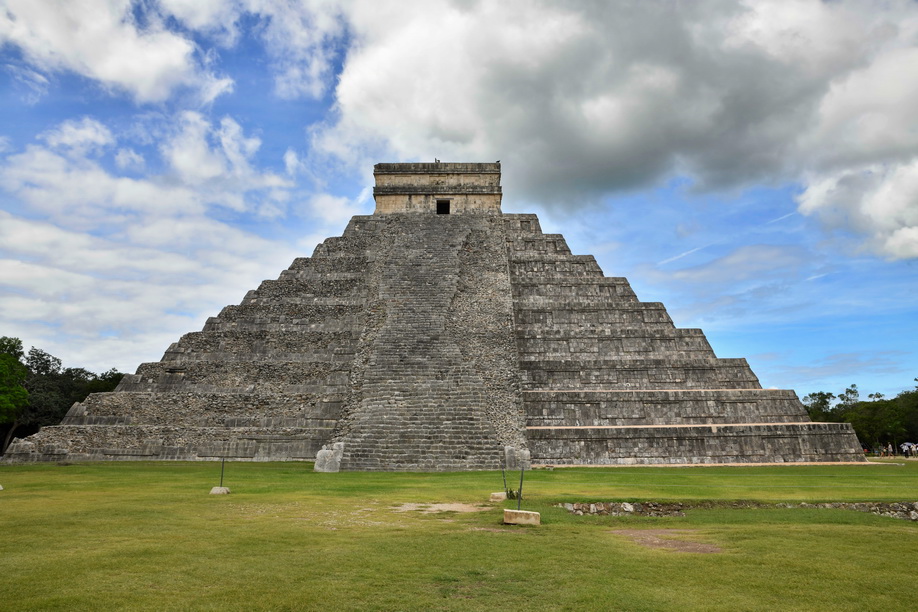
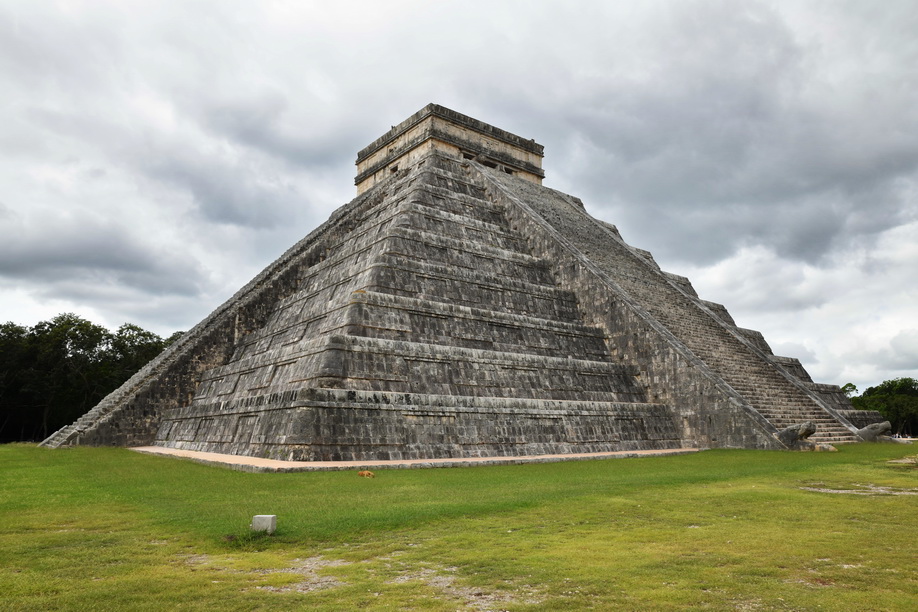
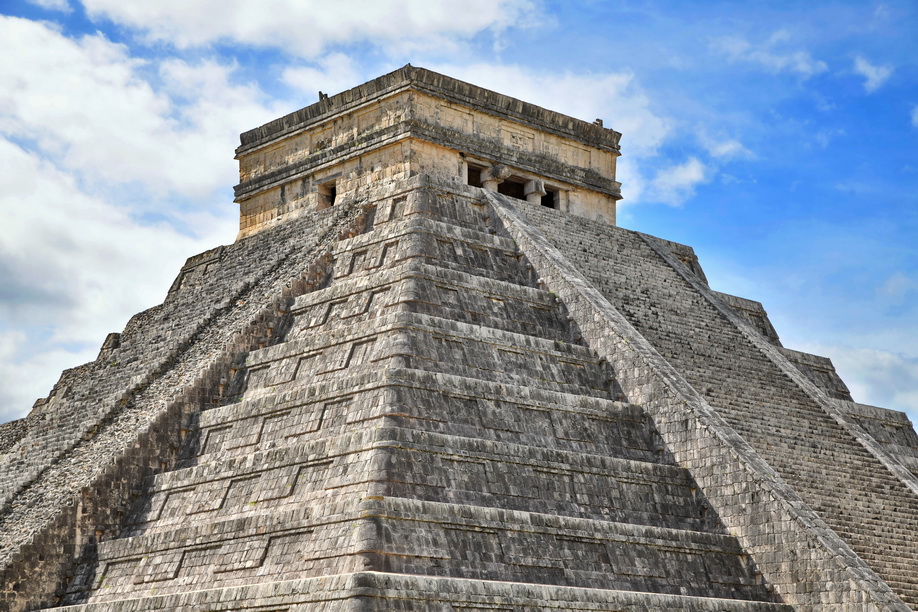
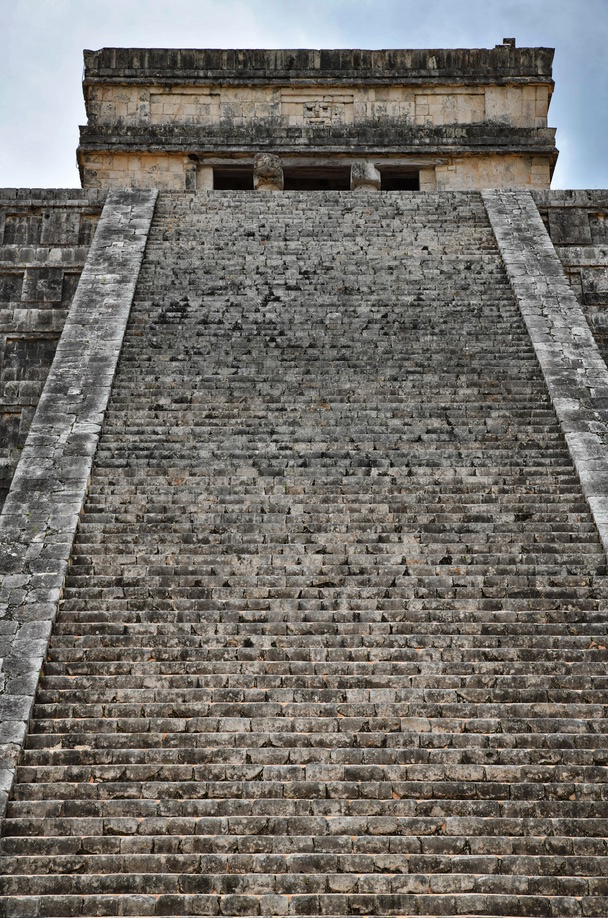
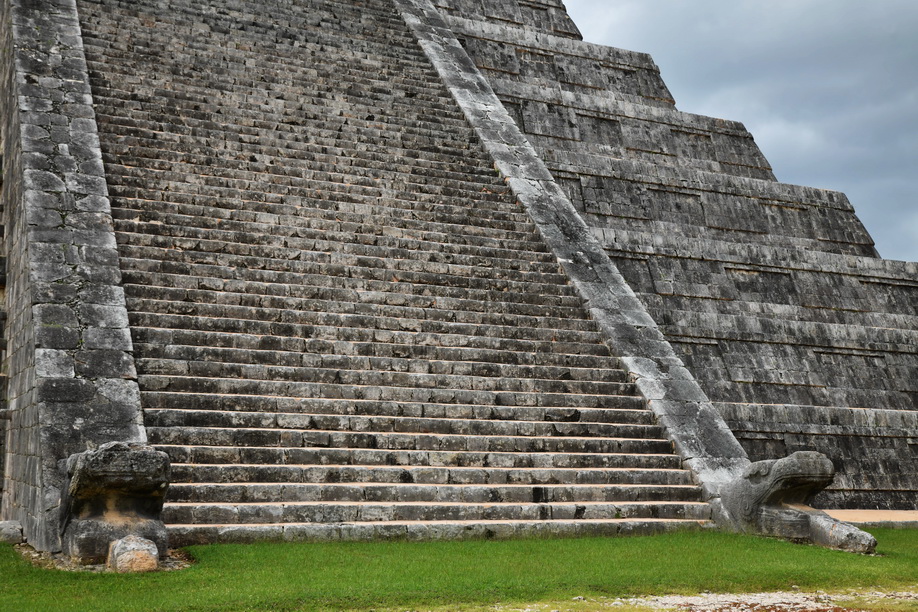
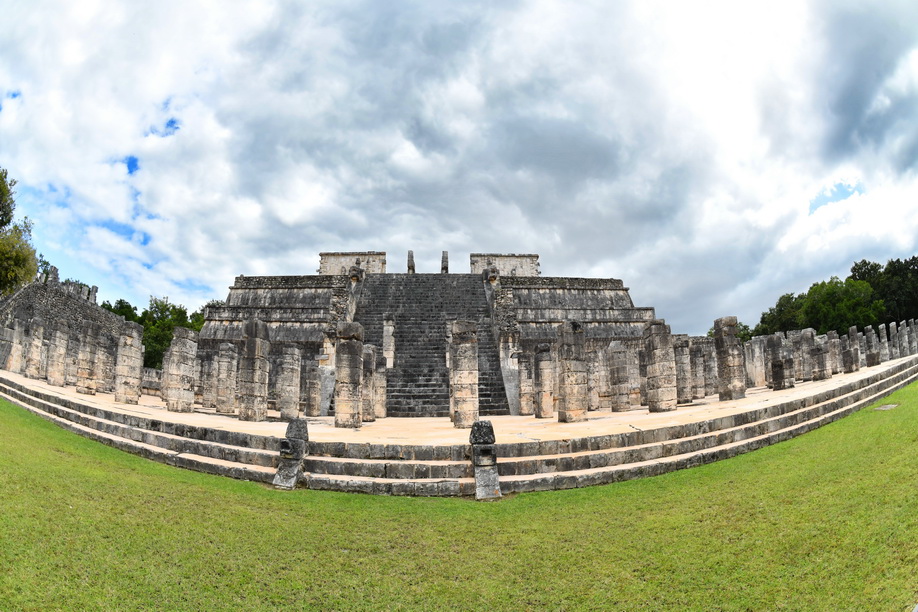
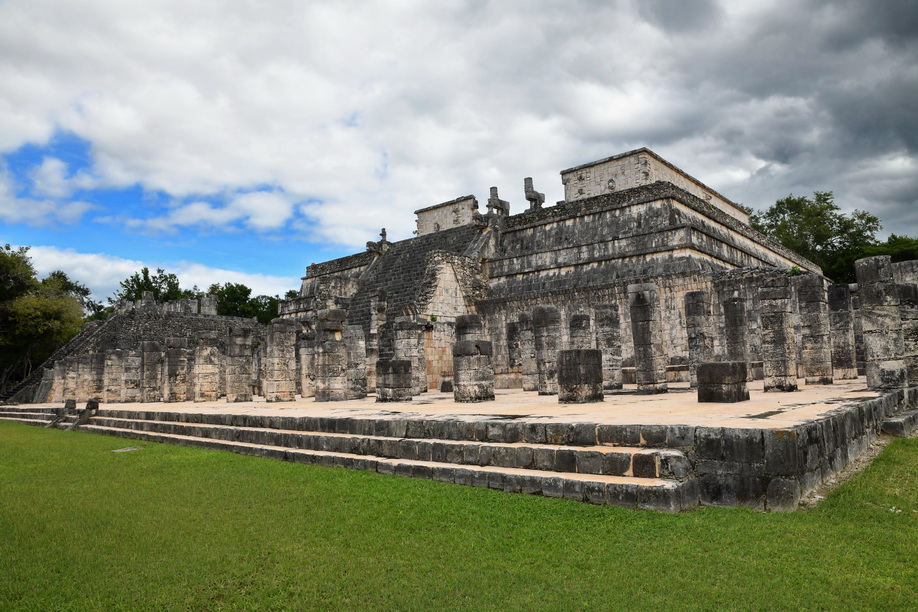
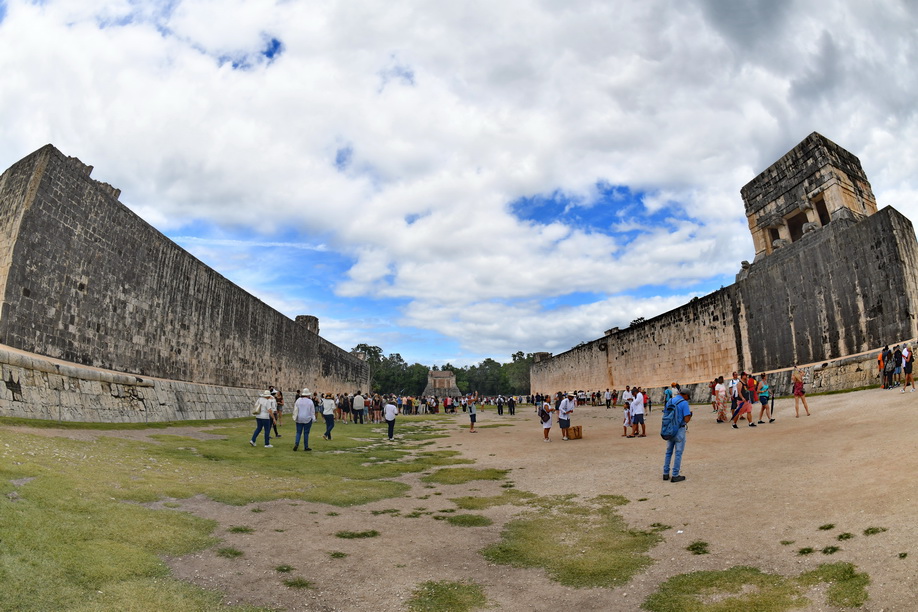
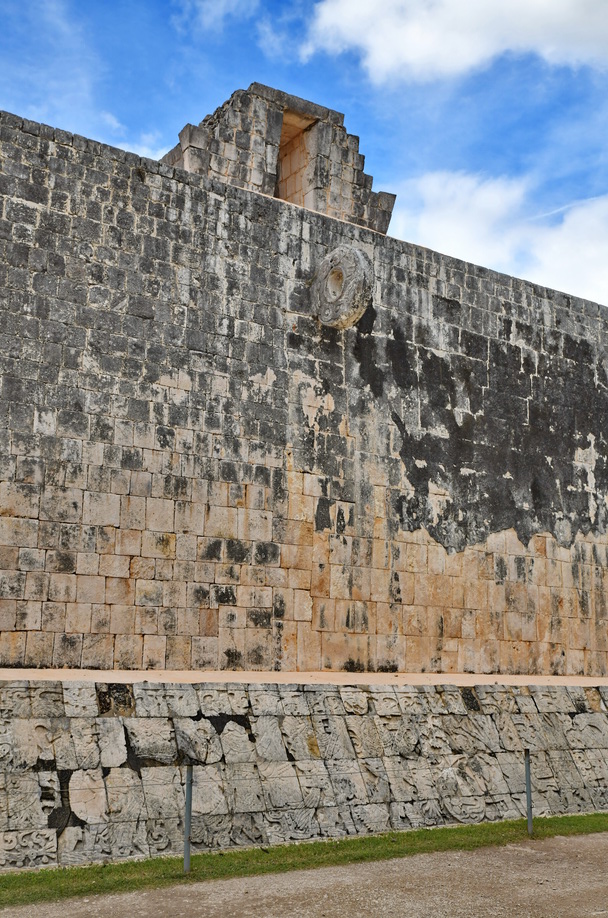
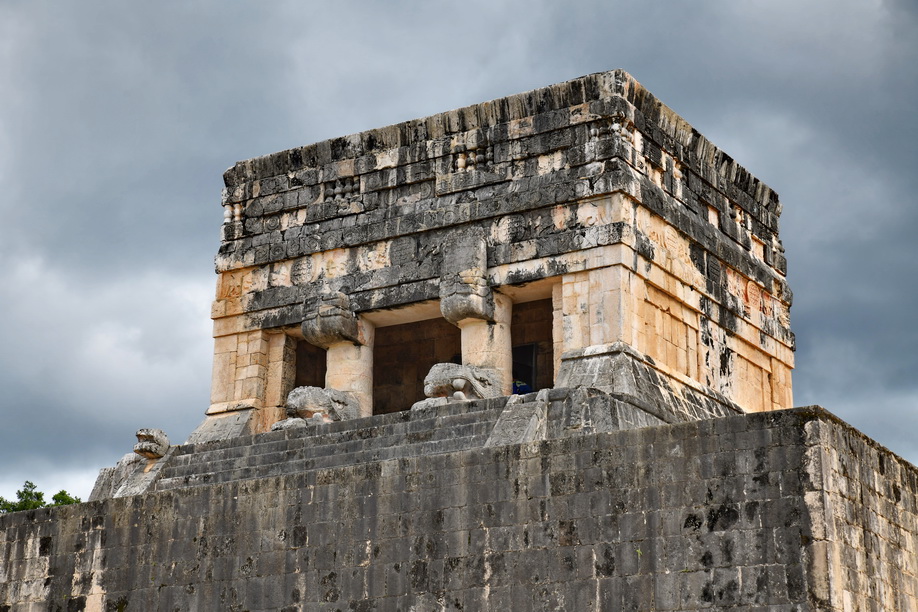
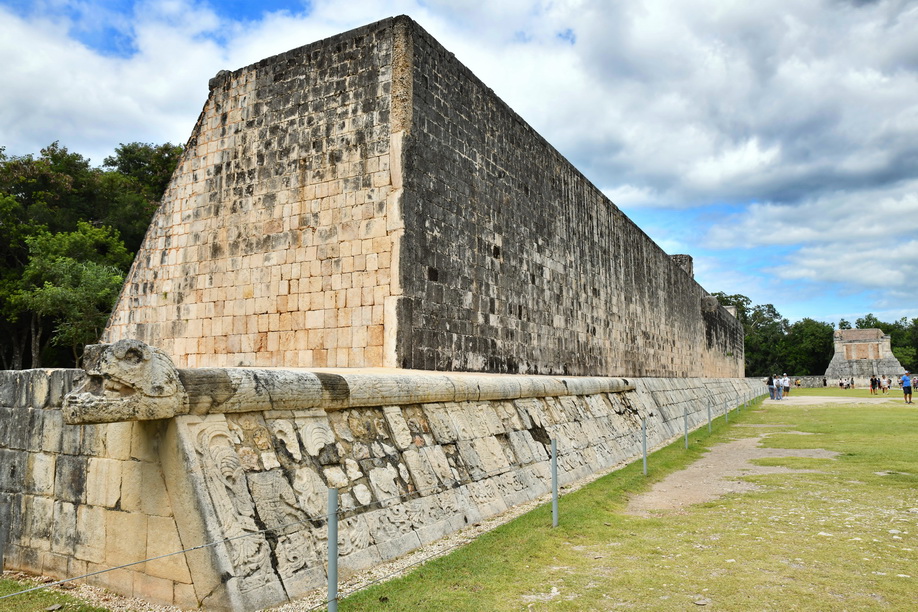
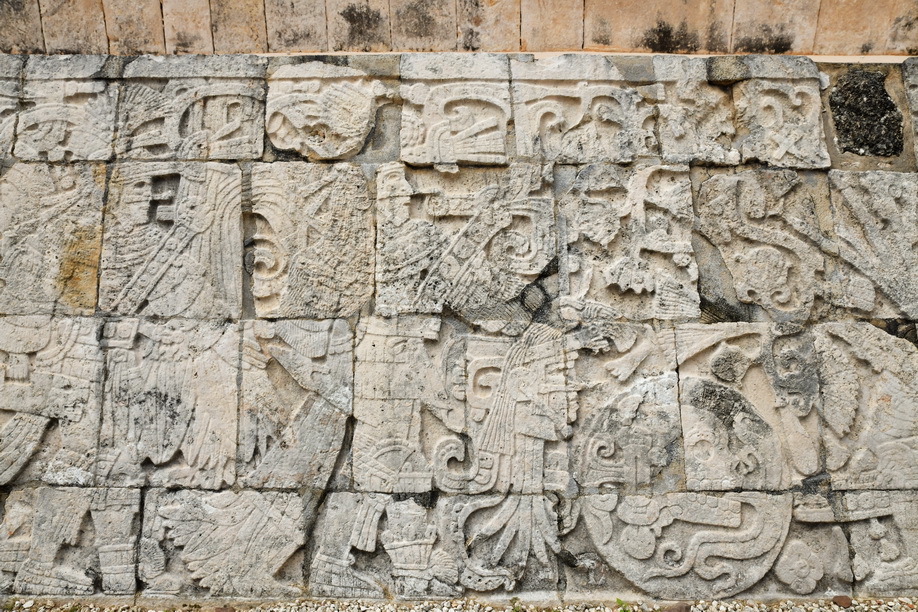
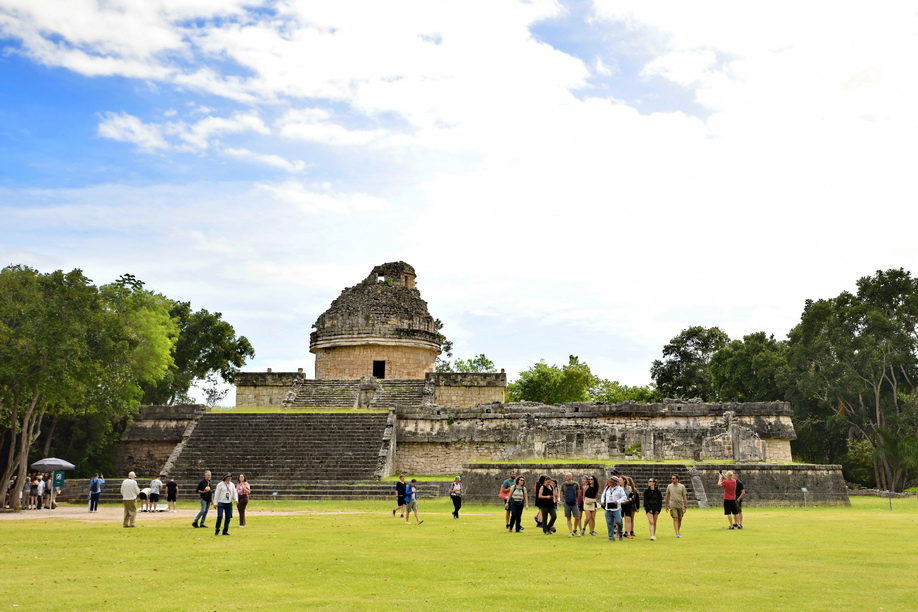
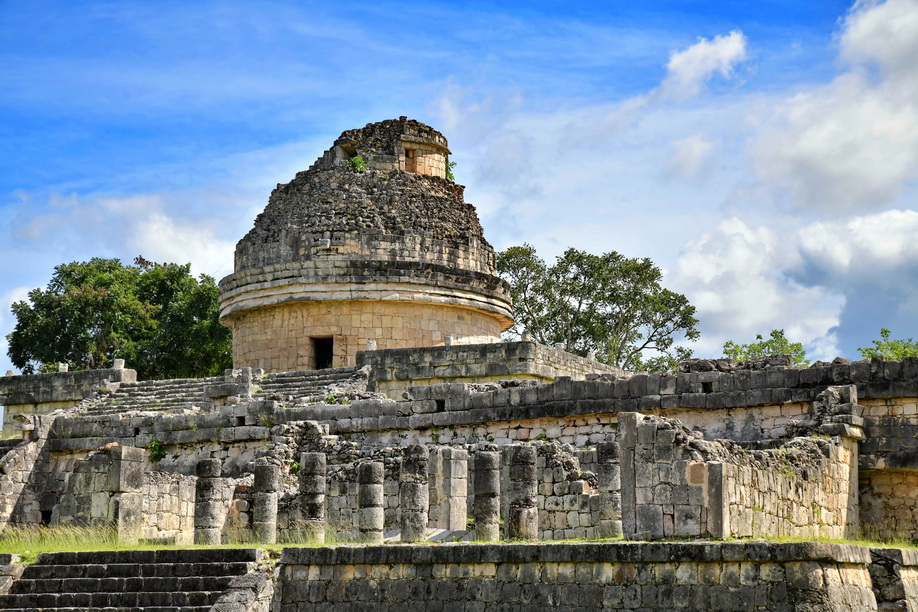
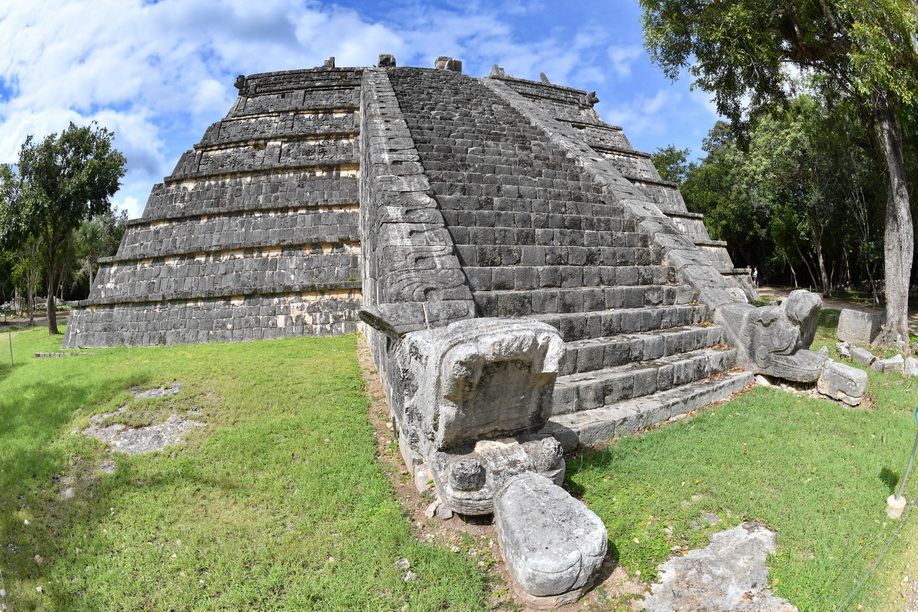
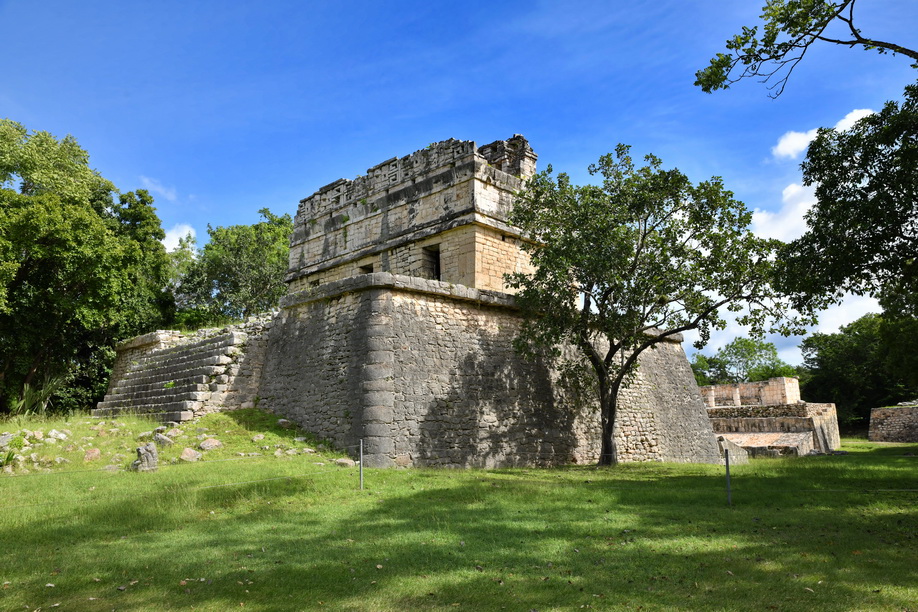
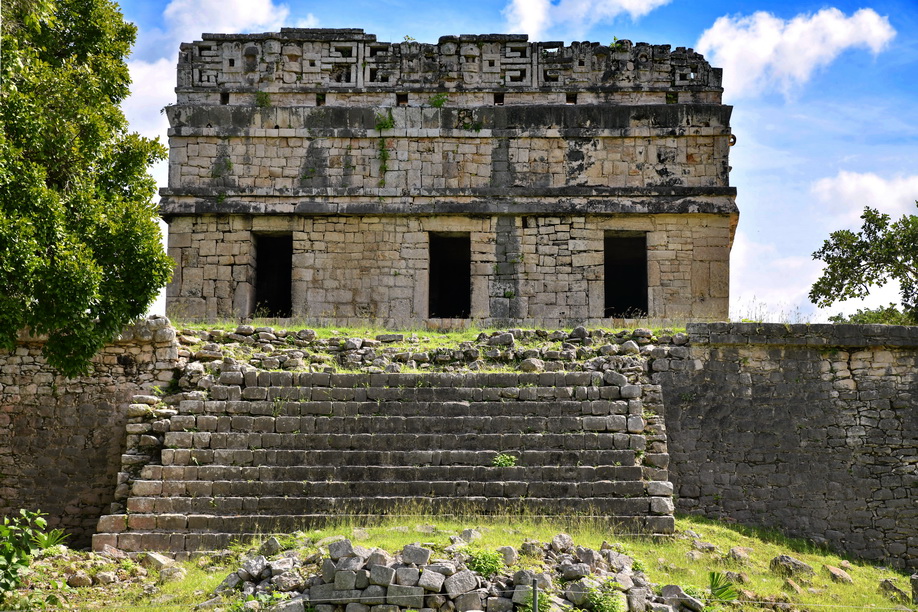
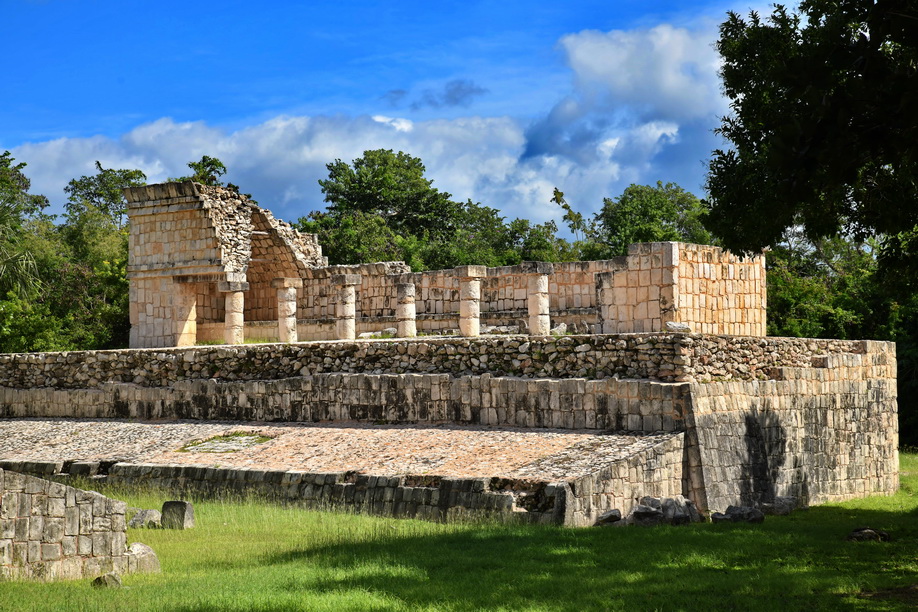
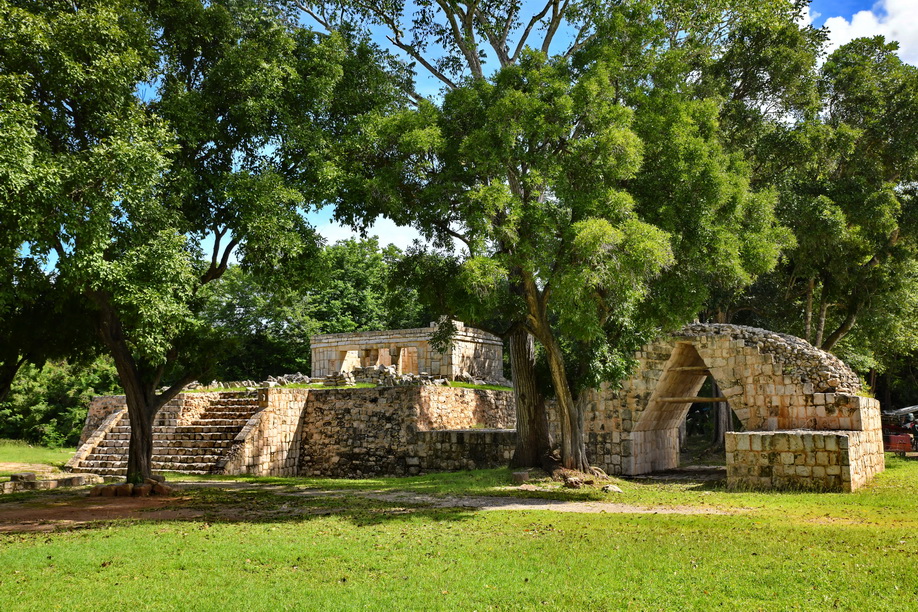
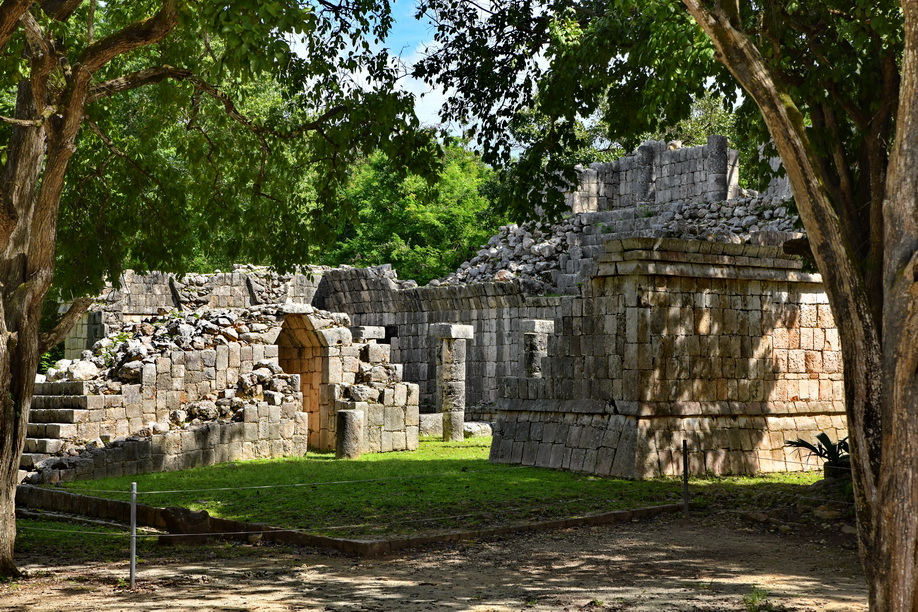
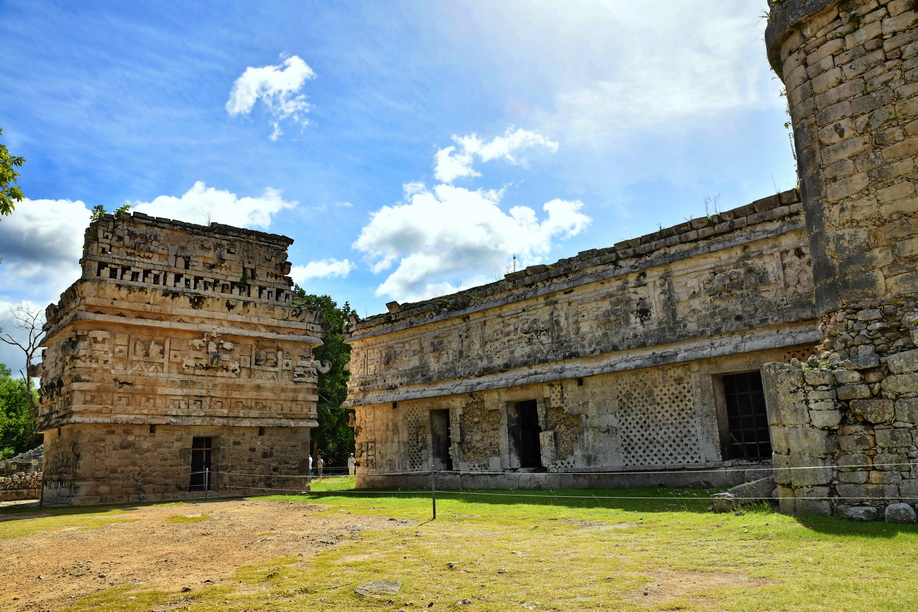
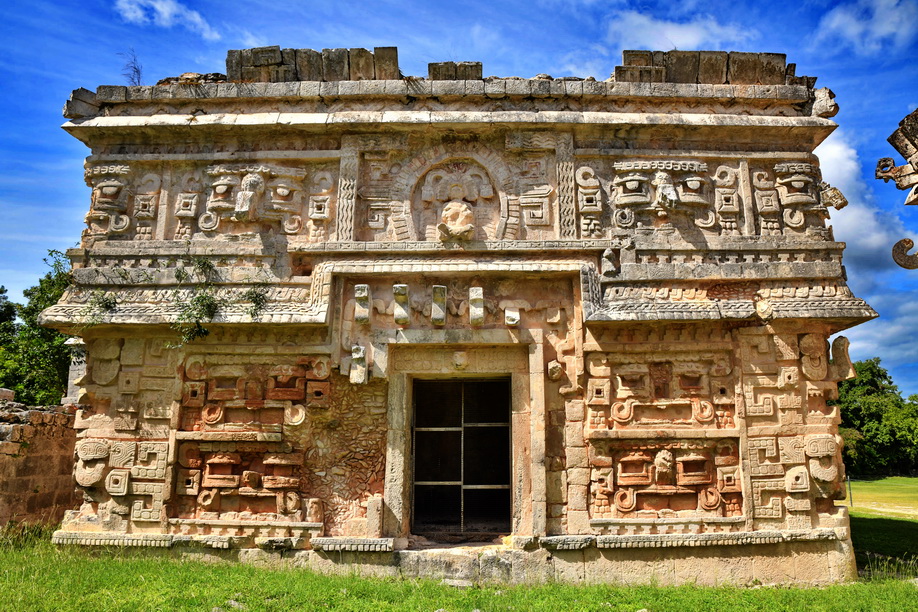
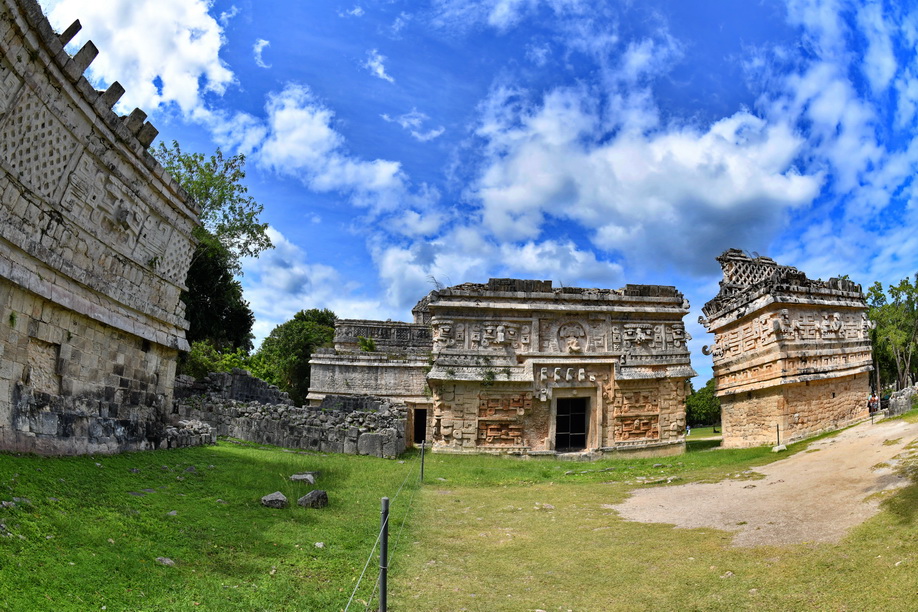
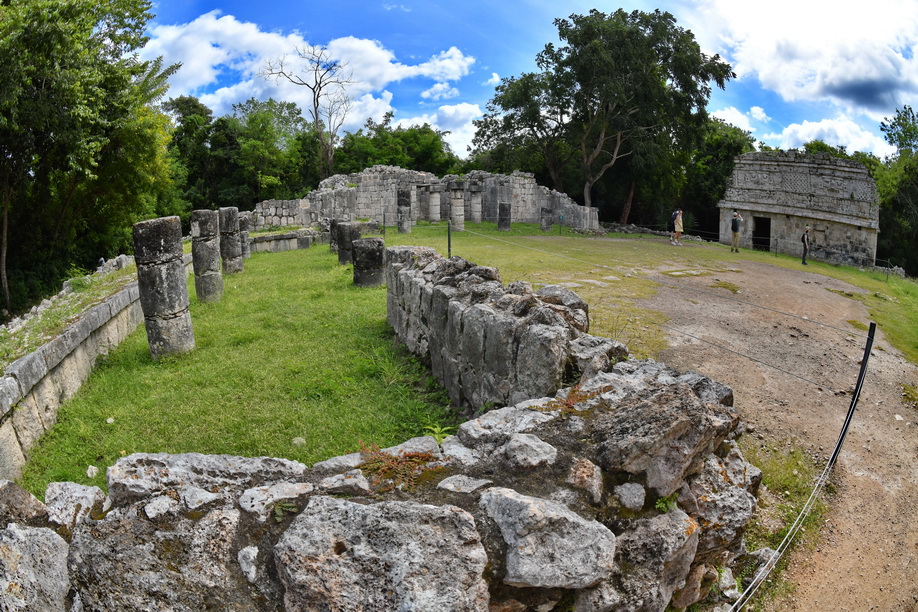
Walking into Chichen Itza, I was entering one of the most important cities of the ancient Maya world. Located in the northern Yucatan Peninsula, the city developed over many centuries and became a major political, religious and economic centre. What survives today is not the work of a single period. Different architectural traditions, beliefs and cultural influences accumulated here, leaving behind a city that reflects the changing history of the Maya civilization. The most striking monument is El Castillo, or the Temple of Kukulcan. Rising above the open plaza with four monumental stairways, the pyramid demonstrates the Maya's sophisticated understanding of architecture, mathematics and the movement of the sun. Kukulcan, the feathered serpent deity, is closely associated with the building. Around the equinoxes, sunlight and shadow along the northern staircase create the famous impression of a serpent descending the pyramid, linking architecture, astronomy and religious symbolism in a remarkable way. But Chichen Itza is much more than El Castillo. The Great Ball Court, the largest known in Mesoamerica, reminds us that the Maya ball game was not simply a sport but an activity connected with ritual, power and the sacred world. Nearby, the Temple of the Warriors, with its rows of stone columns, reveals another face of the city. The circular structure known as El Caracol is traditionally associated with astronomical observation, while the Sacred Cenote reflects the importance of water and ritual offerings in a landscape where rivers are largely absent from the surface. As I walked among these structures, what impressed me most was the relationship between architecture, belief and the natural world. The Maya observed the sky, measured time, followed the seasons and transformed this knowledge into buildings and ceremonies. Stone stairways, carved figures and vast open spaces were not simply architectural forms; together they created a sacred landscape in which political authority, religion and everyday life were intertwined. Chichen Itza eventually lost its dominant political role, but the city was never completely erased from memory. Its monuments survived the centuries and today provide one of the clearest windows into the complexity of Maya civilization. Standing before these immense structures, I was reminded that what we now visit as an archaeological site was once a living city-filled with people, ceremonies, trade, conflict and beliefs whose traces still remain in stone.