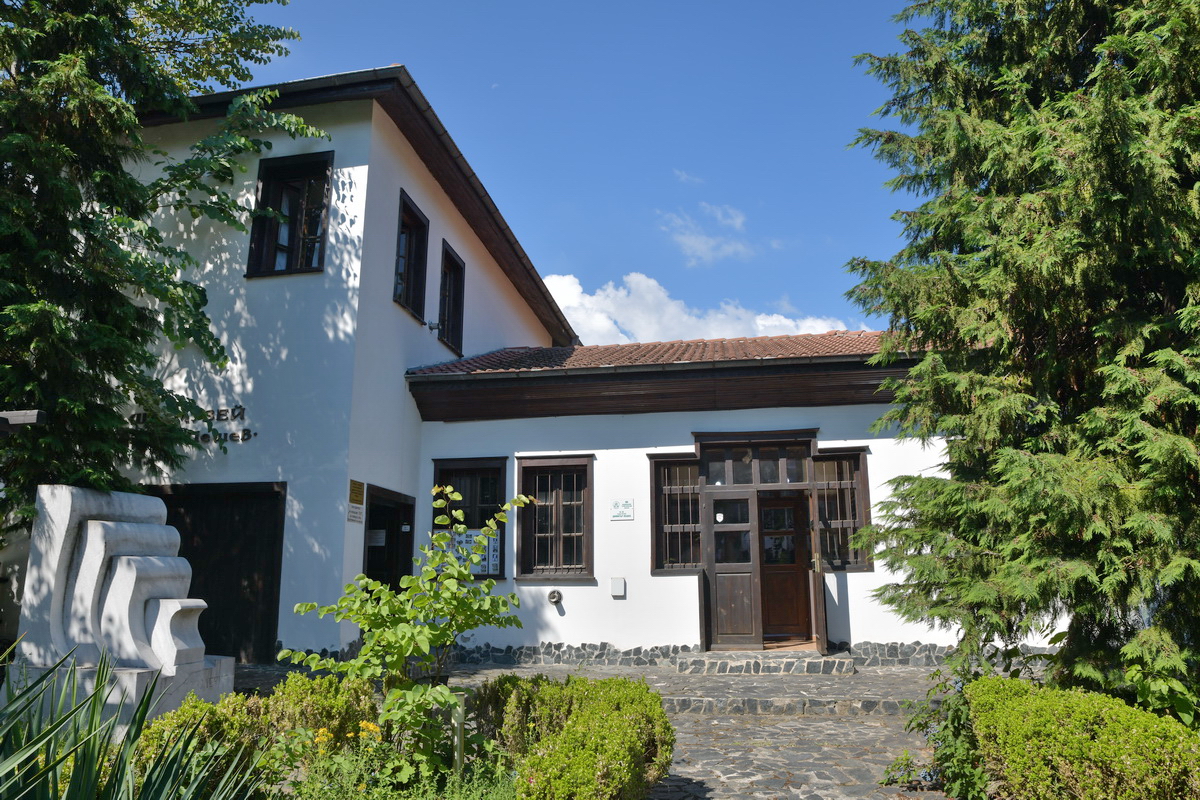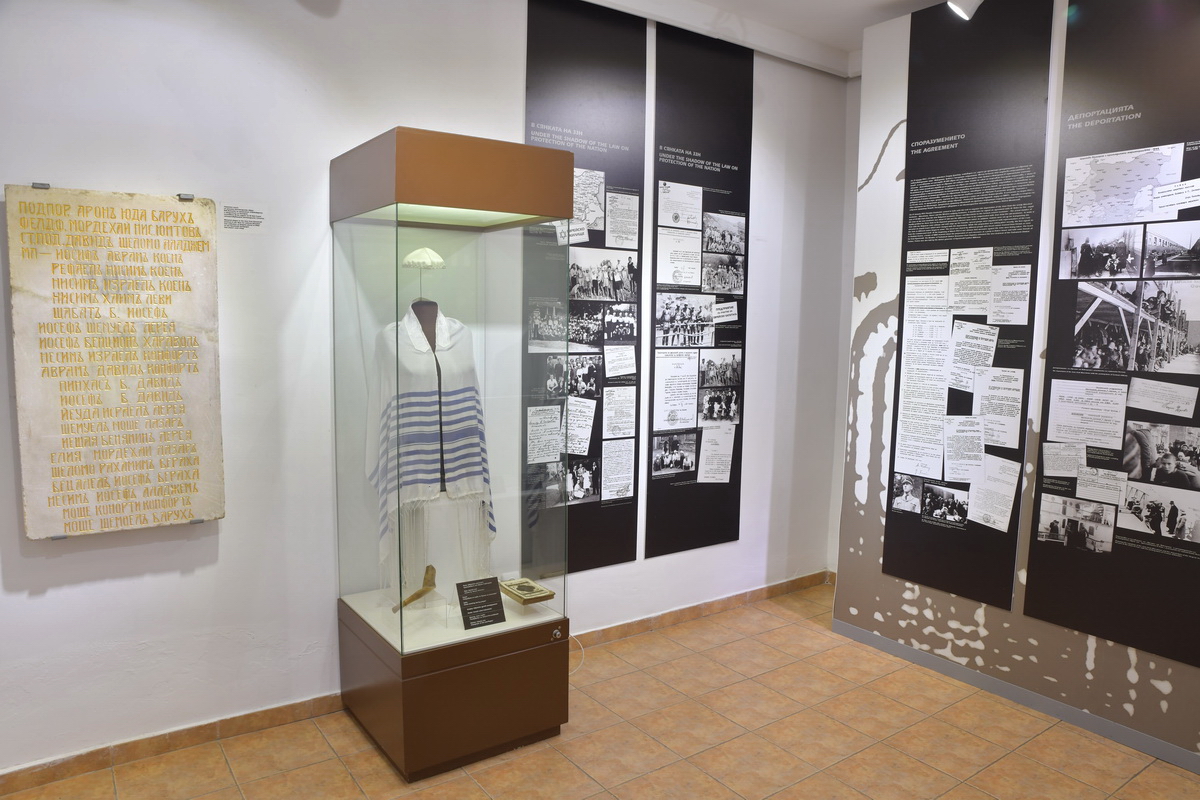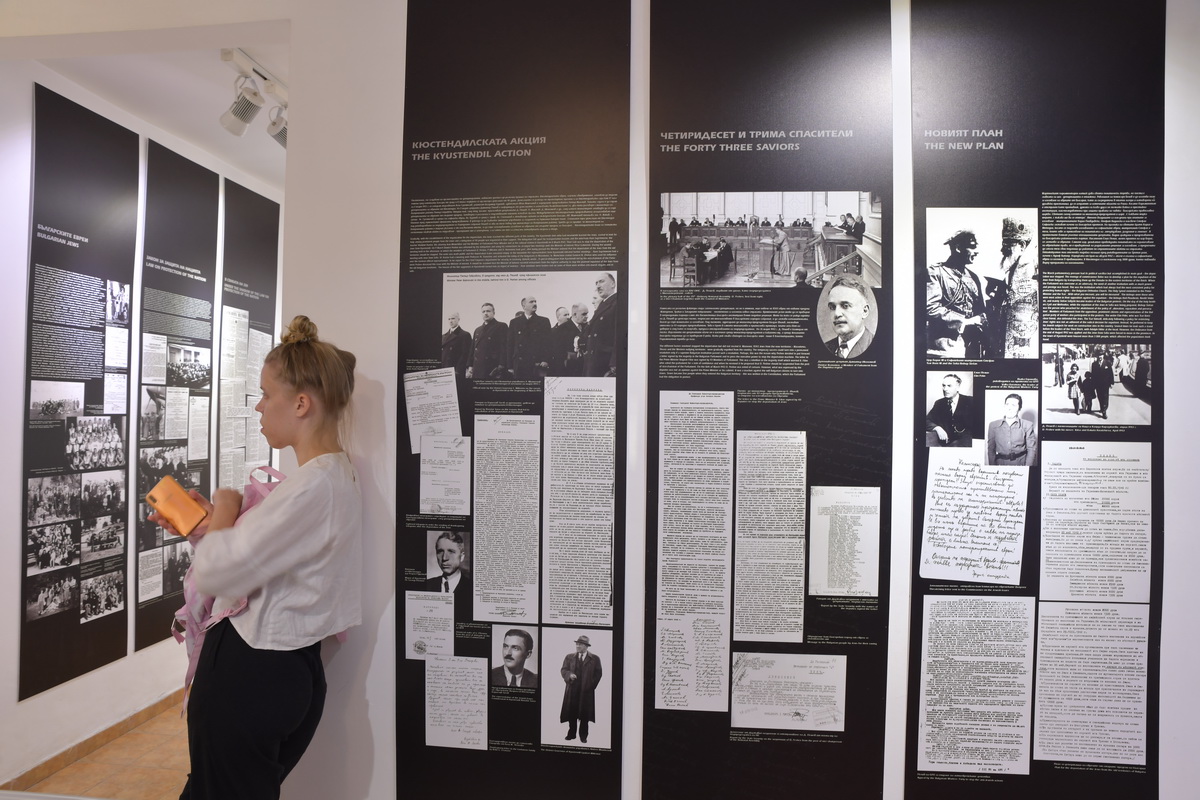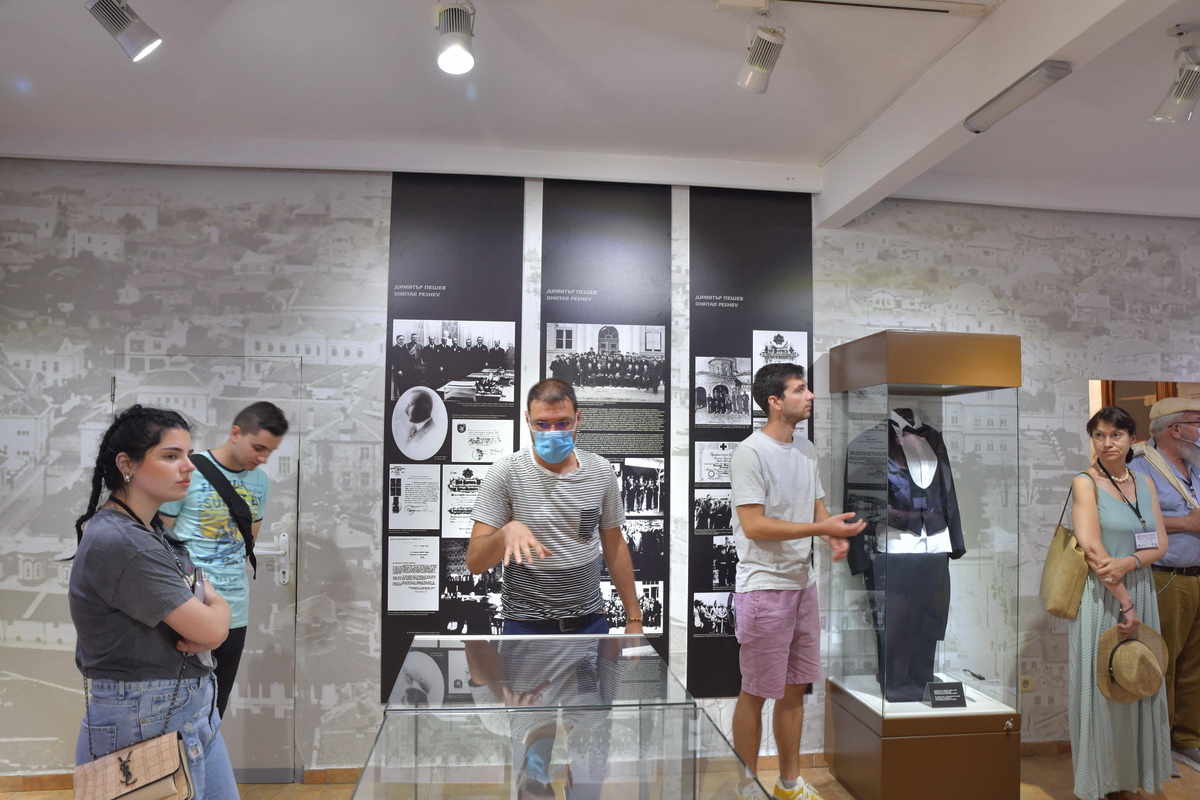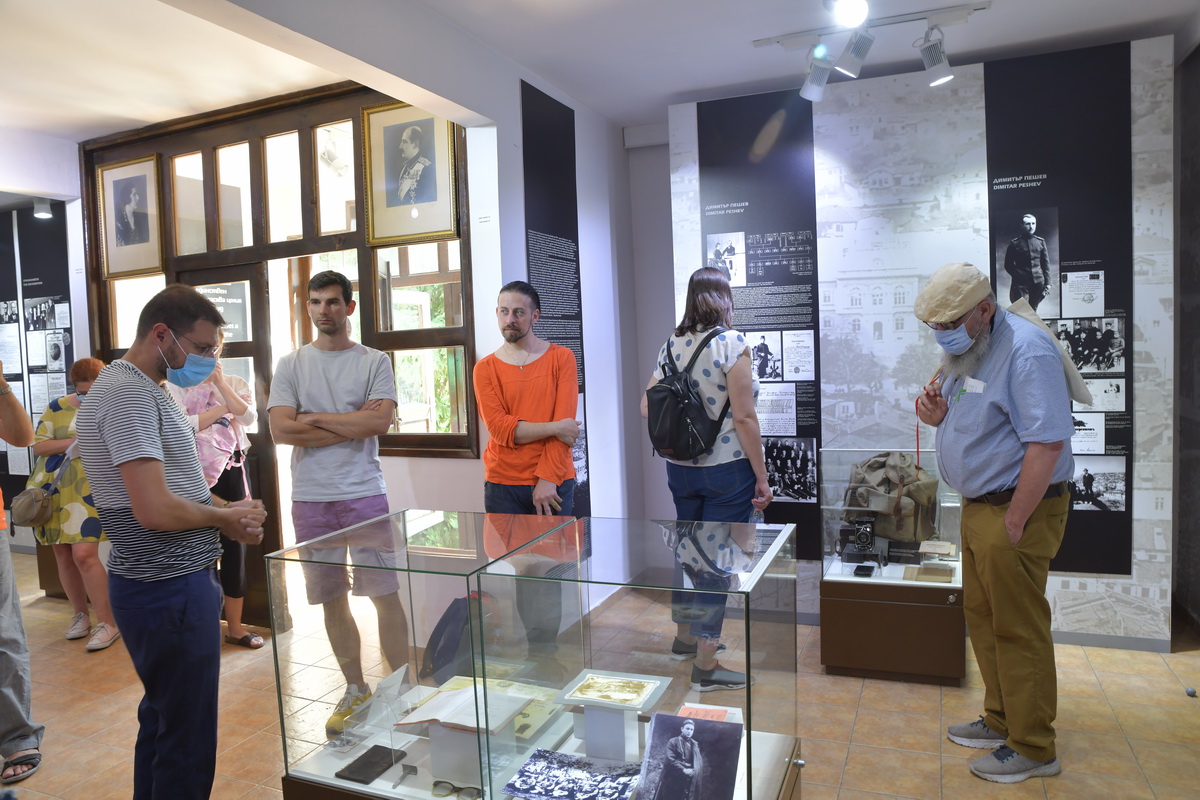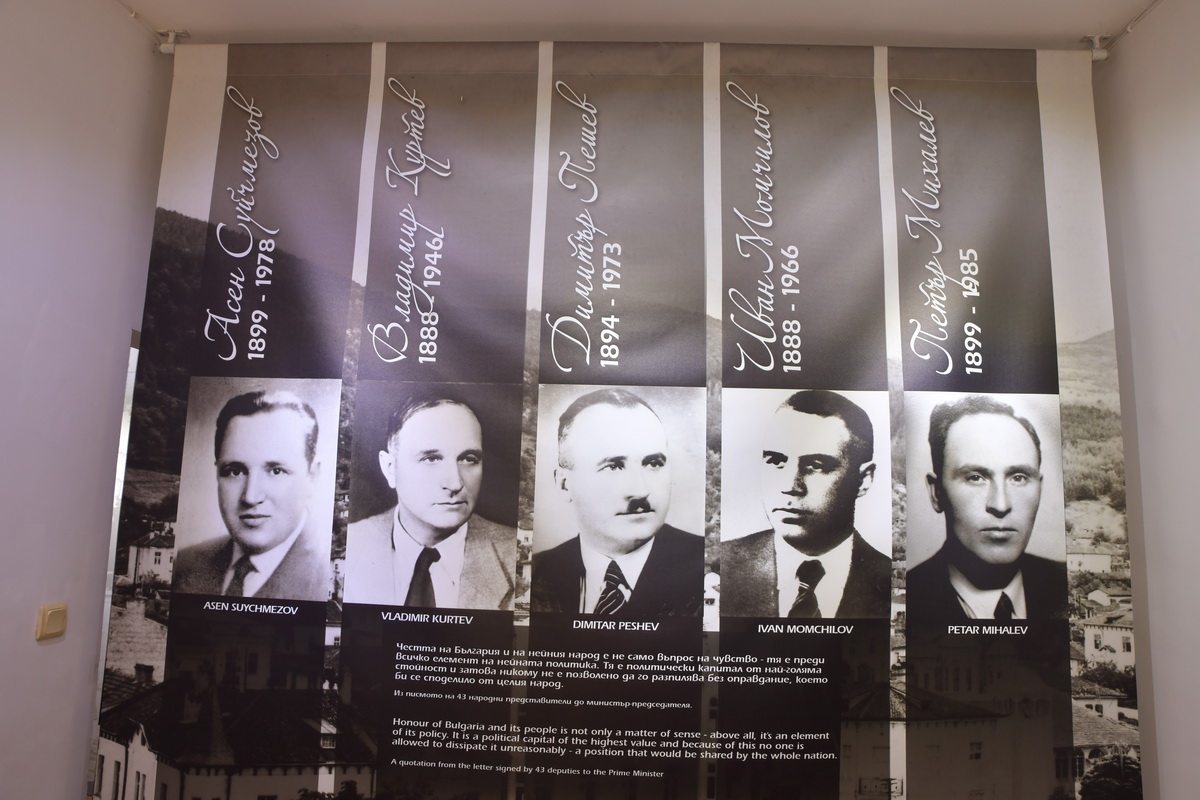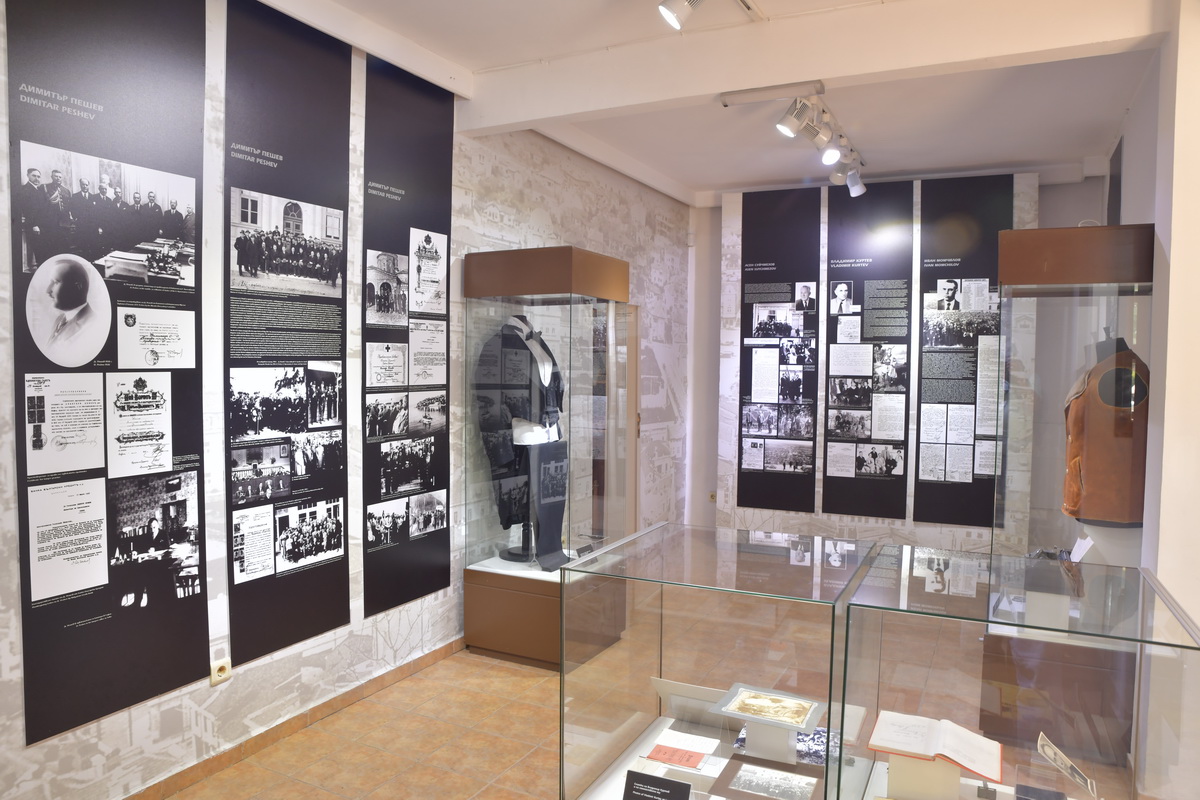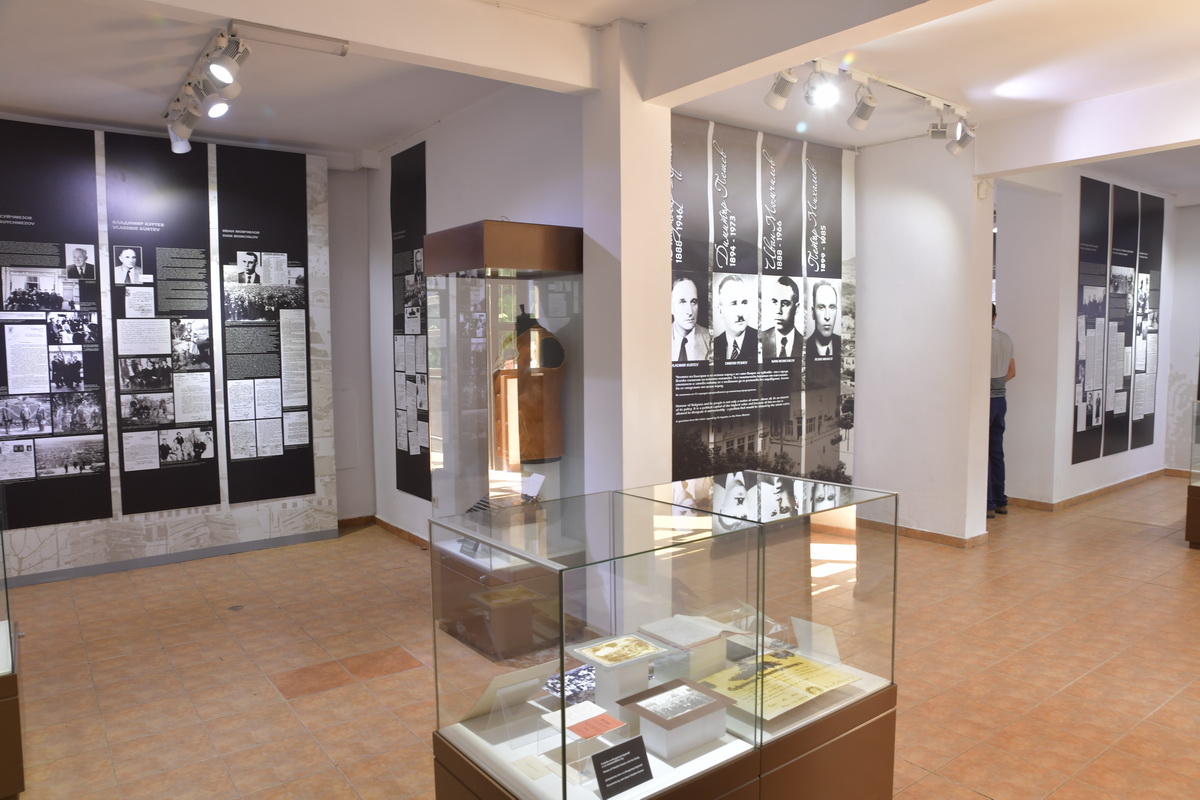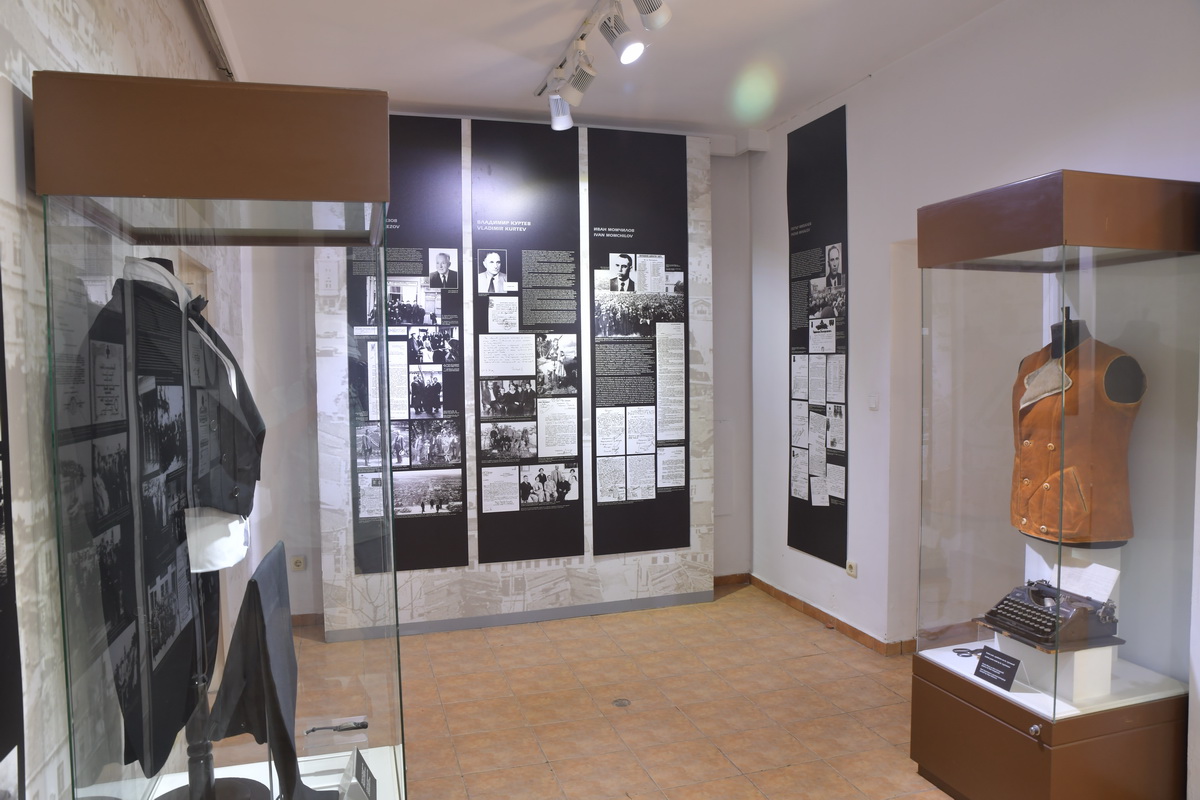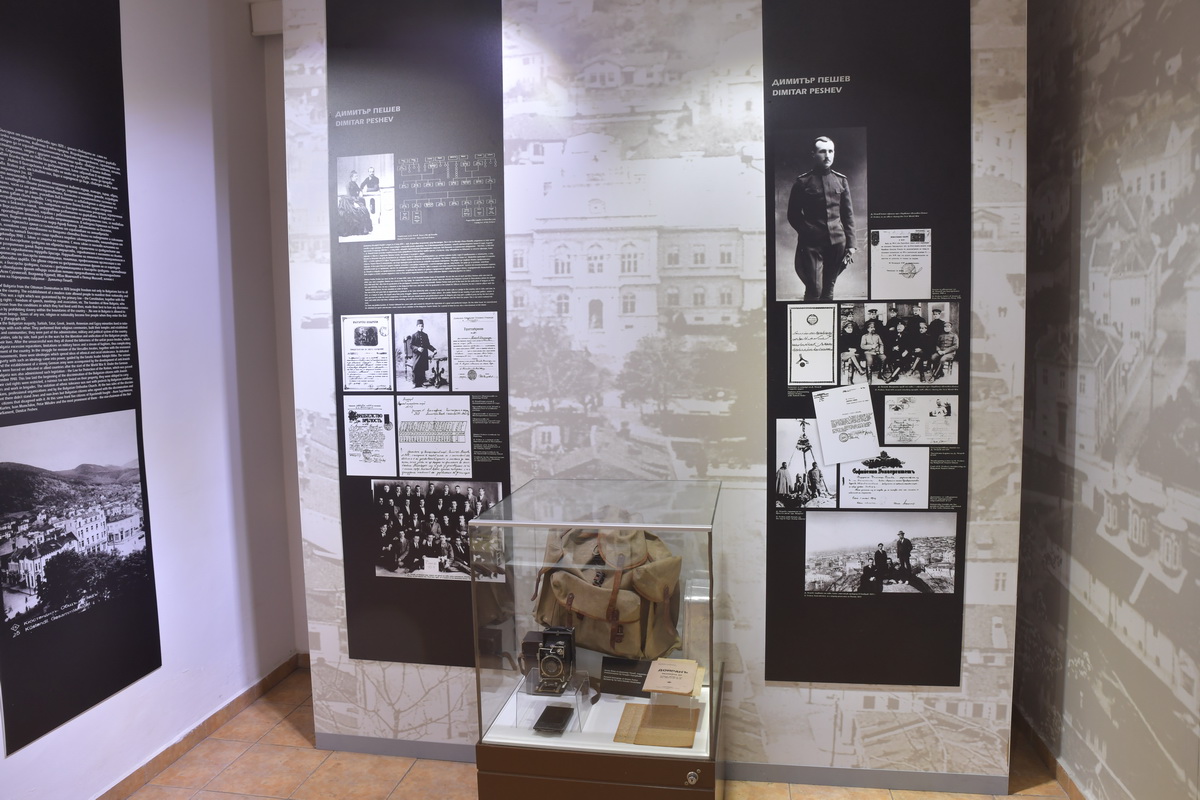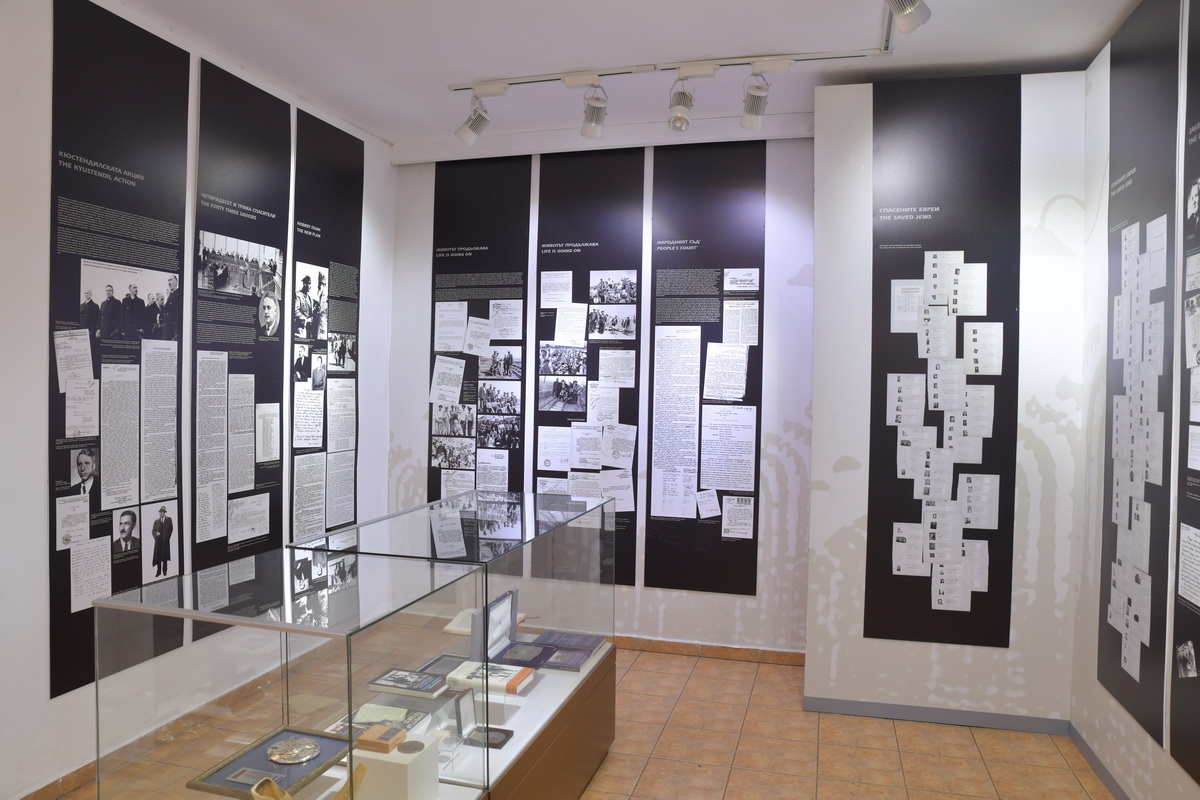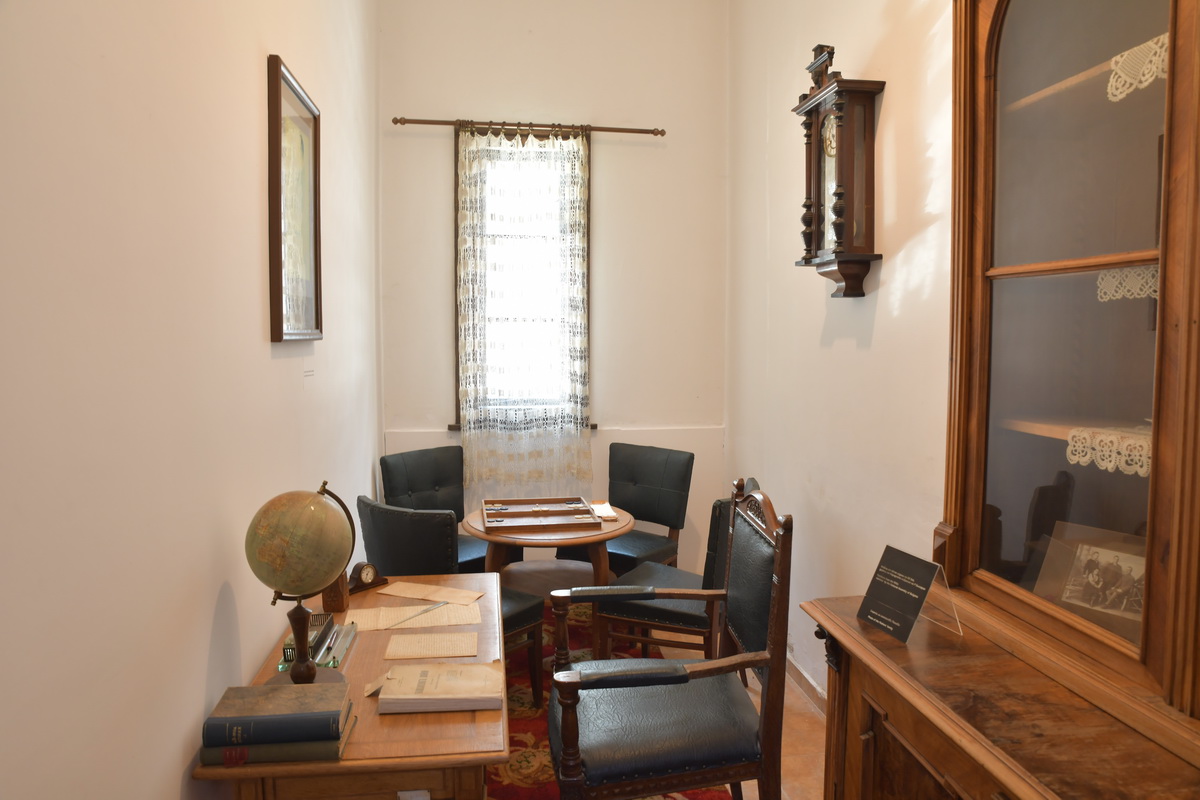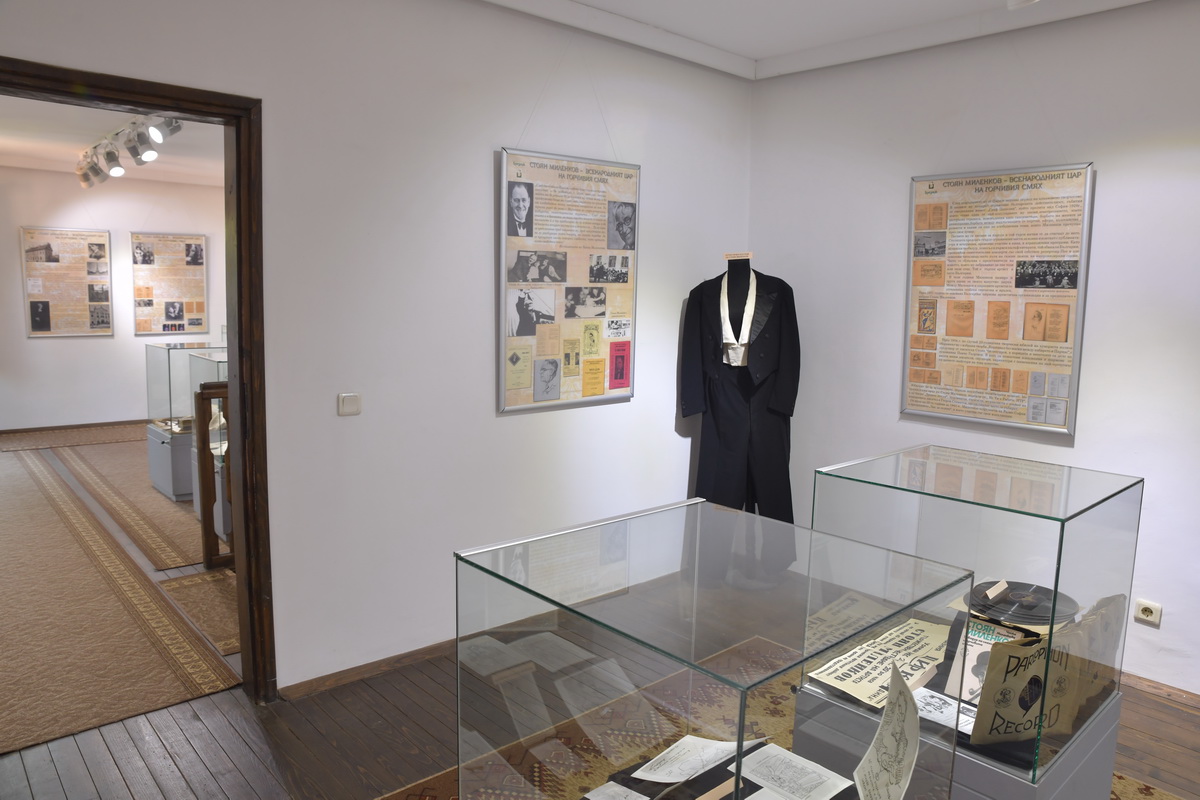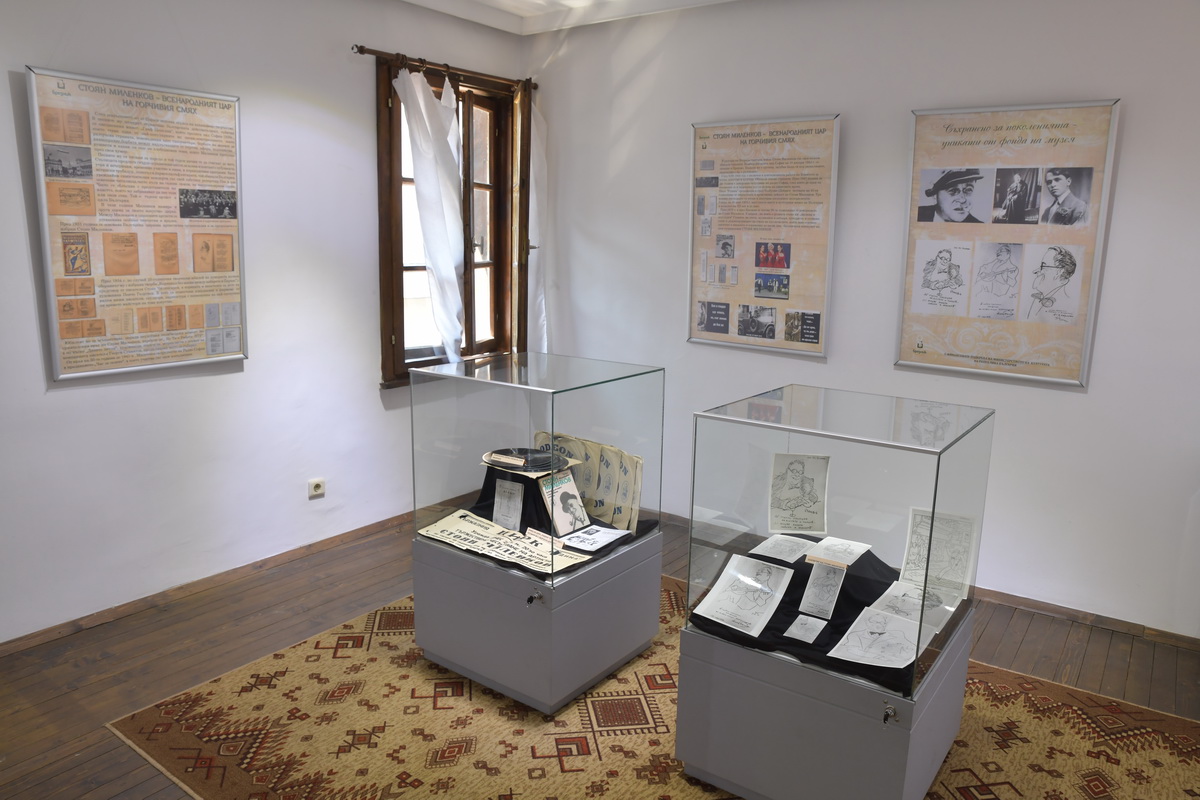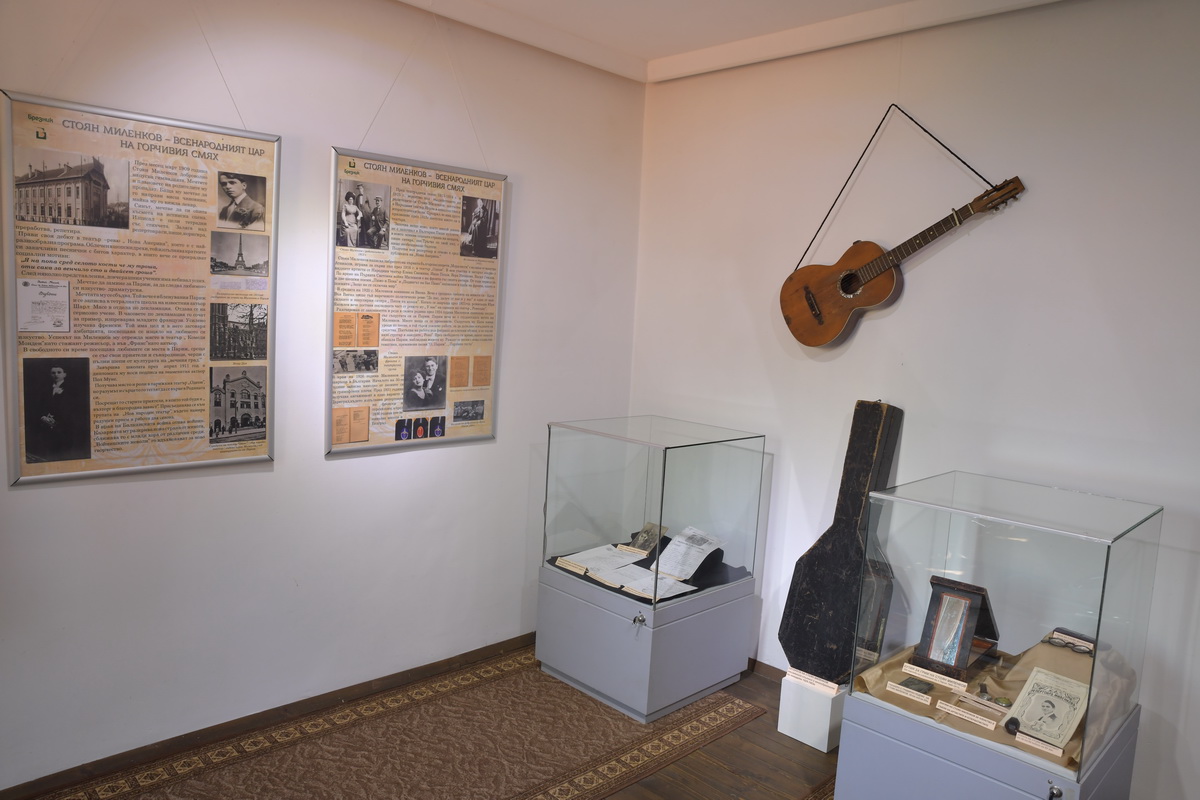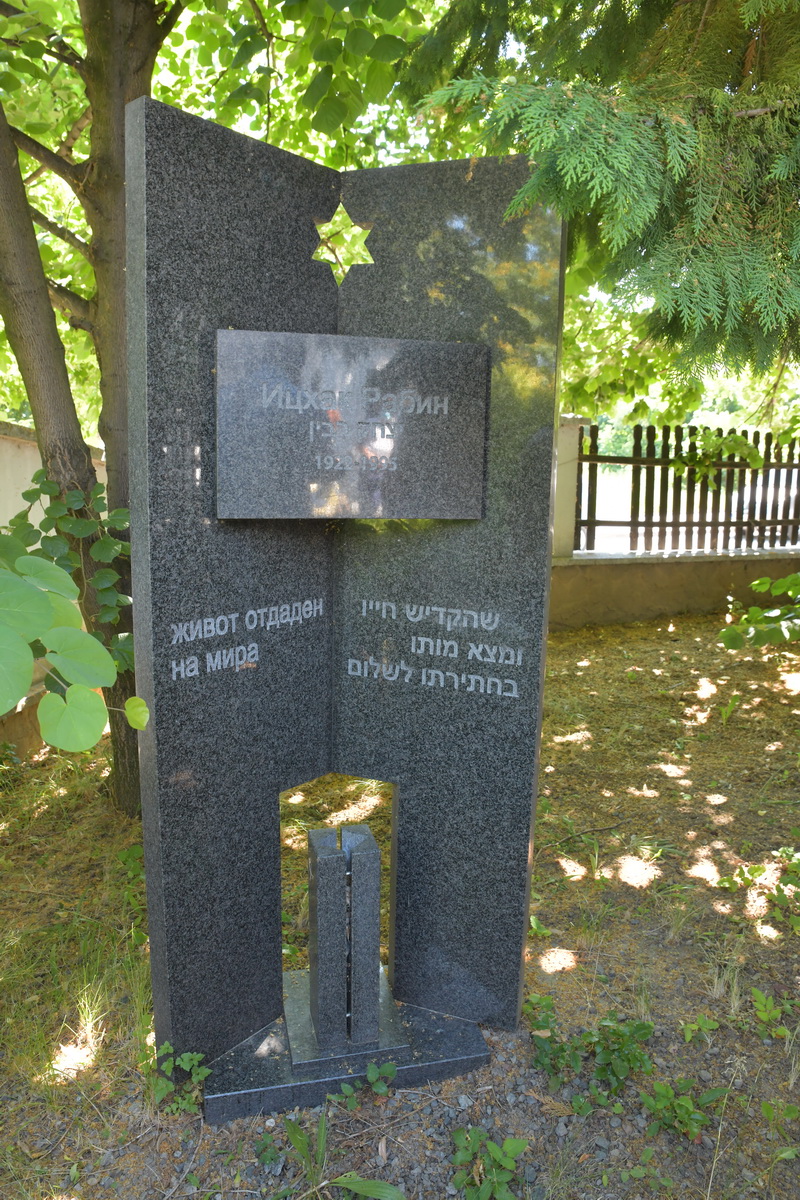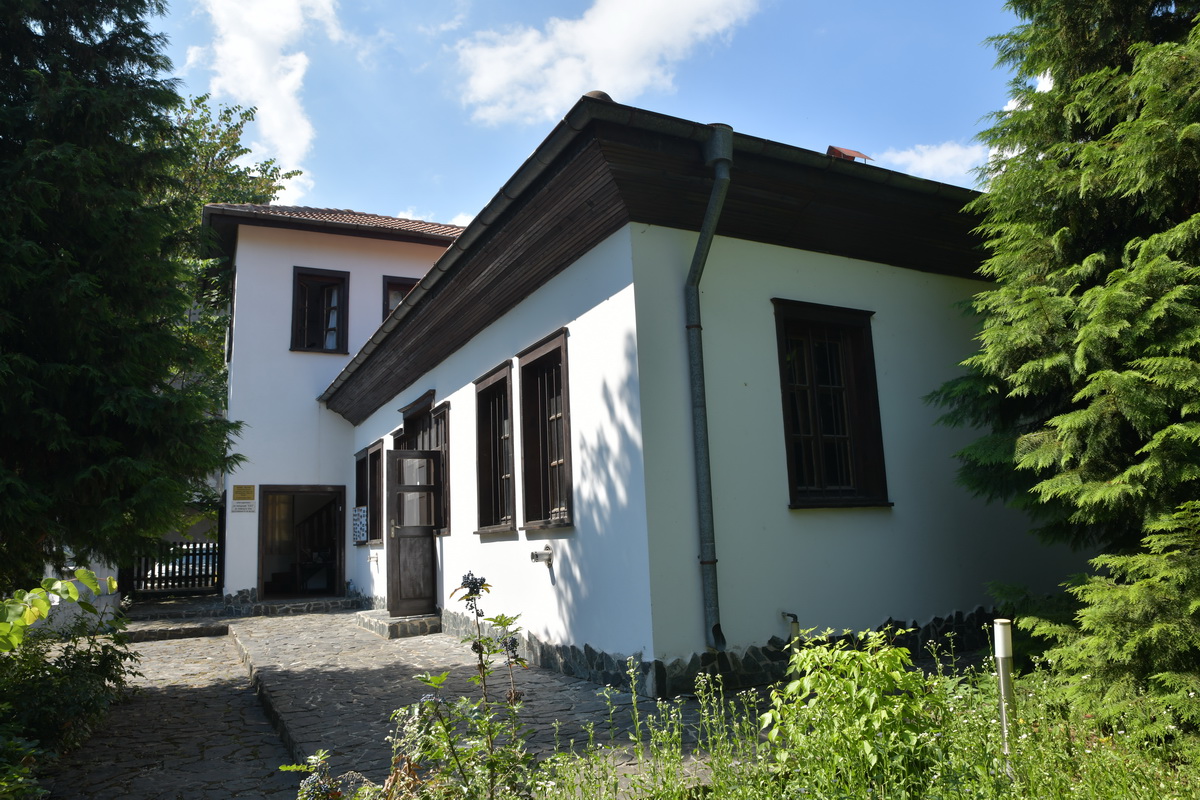
In 2021, during the Balkan Summer School, our program included a four-day field trip to Blagoevgrad and Kyustendil. In Kyustendil I visited the house museum dedicated to Dimitar Peshev. What I encountered there was not simply the biography of a politician, but one of the most complex and morally important episodes in Bulgaria’s history during the Second World War.
Dimitar Peshev, a native of Kyustendil, was Deputy Speaker of the Bulgarian National Assembly and had previously served as Minister of Justice. Bulgaria was allied with Nazi Germany, and anti-Jewish legislation had already become part of state policy. In March 1943, as plans were being made to deport Jews from Bulgaria proper, news reached Kyustendil. A delegation from the city travelled to Sofia and contacted Peshev. He intervened with Interior Minister Petar Gabrovski and then openly challenged the deportation policy. He subsequently gathered the support of fellow deputies for a written protest. His opposition cost him his position as Deputy Speaker.
The story cannot, however, be reduced to the statement that ‘Bulgaria saved its Jews.’ While the deportation of Jews from Bulgaria’s pre-war territories was ultimately stopped, Bulgarian military and police authorities had already rounded up and deported 11,343 Jews from Bulgarian-occupied Macedonia, Thrace and Pirot in March 1943. They were transferred to German custody and transported to Treblinka; almost none survived. This distinction is essential to understanding the period in its entirety.
Peshev himself also embodies this historical complexity. He had supported the Law for the Protection of the Nation, which imposed severe restrictions on Bulgarian Jews. Yet when deportation became an immediate reality, he chose to confront his own government. For me, this makes his story more, not less, significant. It raises a difficult question: at what point does a person who has been part of a political system decide that a boundary has been crossed and refuse to continue along the same path?
As I photographed the rooms, documents, portraits and personal objects in the museum, I was interested in this tension between individual conscience and state policy. The modest domestic setting brings a vast historical tragedy down to the scale of individual choices. Peshev’s intervention became one of the important factors in preventing the deportation of Jews from Bulgaria proper, while the fate of the Jews of Macedonia, Thrace and Pirot remains an inseparable part of the same history.
In 1973, Yad Vashem recognized Dimitar Peshev as Righteous Among the Nations. Visiting the museum in Kyustendil in 2021, I was reminded that remembrance is most meaningful when it preserves both courage and responsibility: those who resisted must be remembered, but so must those who could not be saved.