
Life Built Around Water: El Chorro San Miguel de Allende 01.Nov.2025
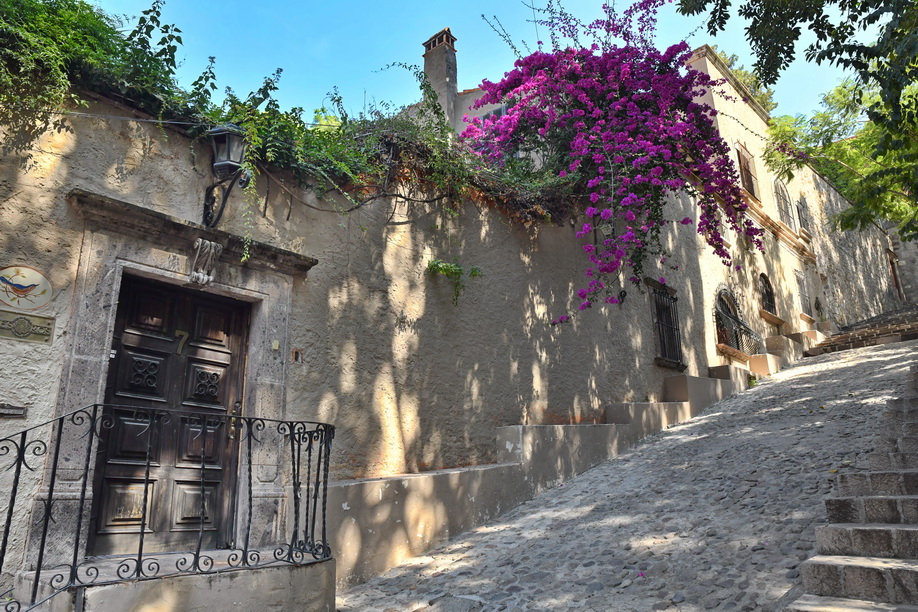
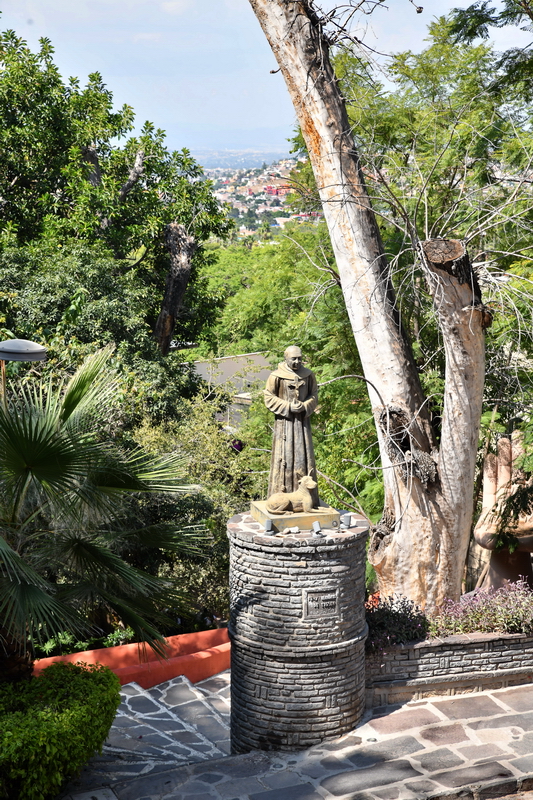
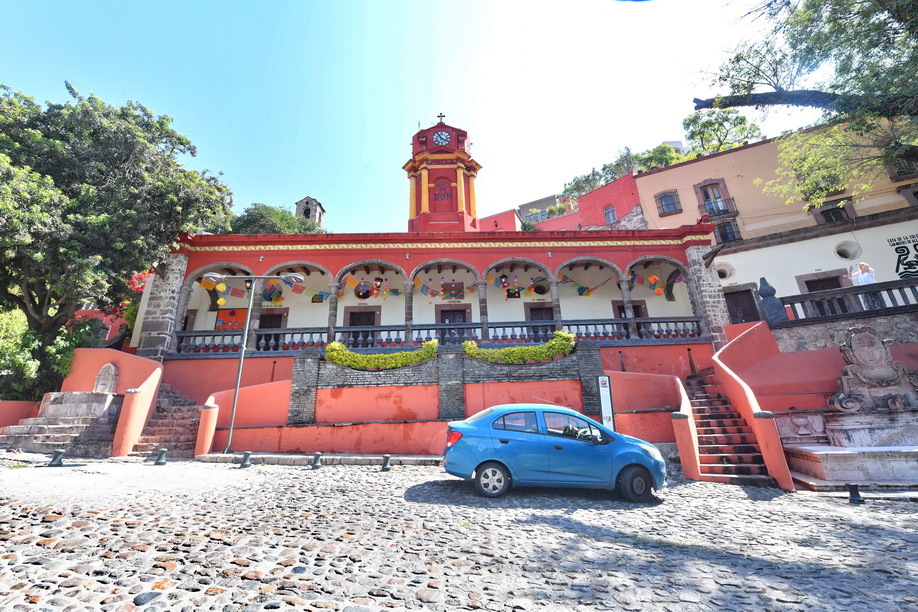
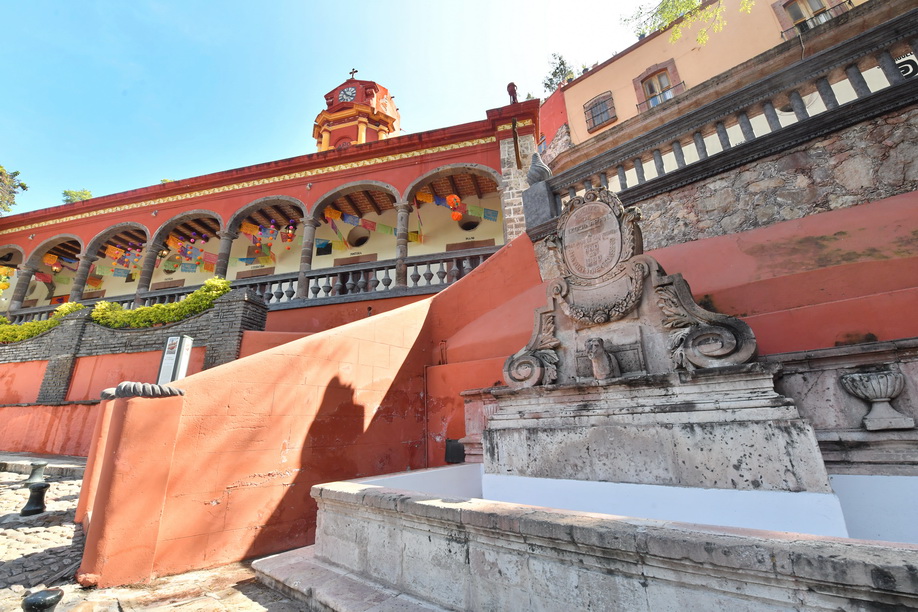
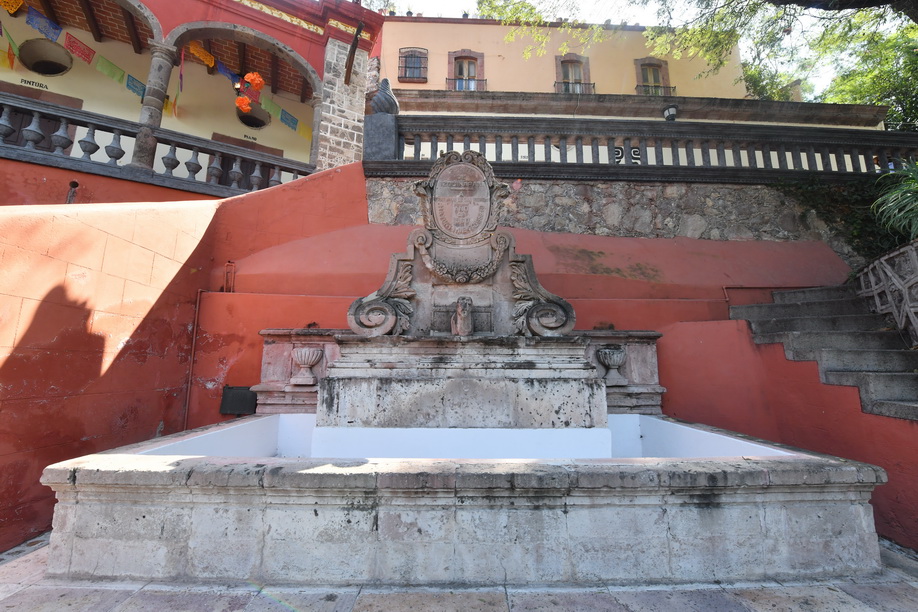
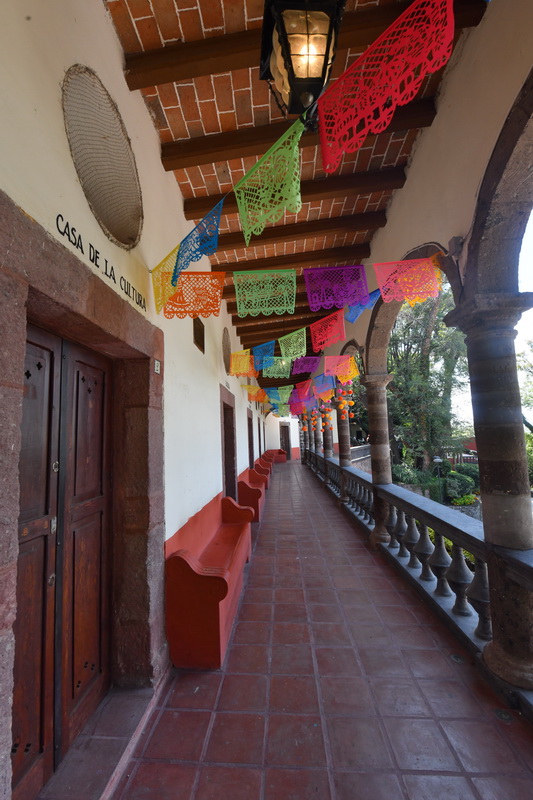
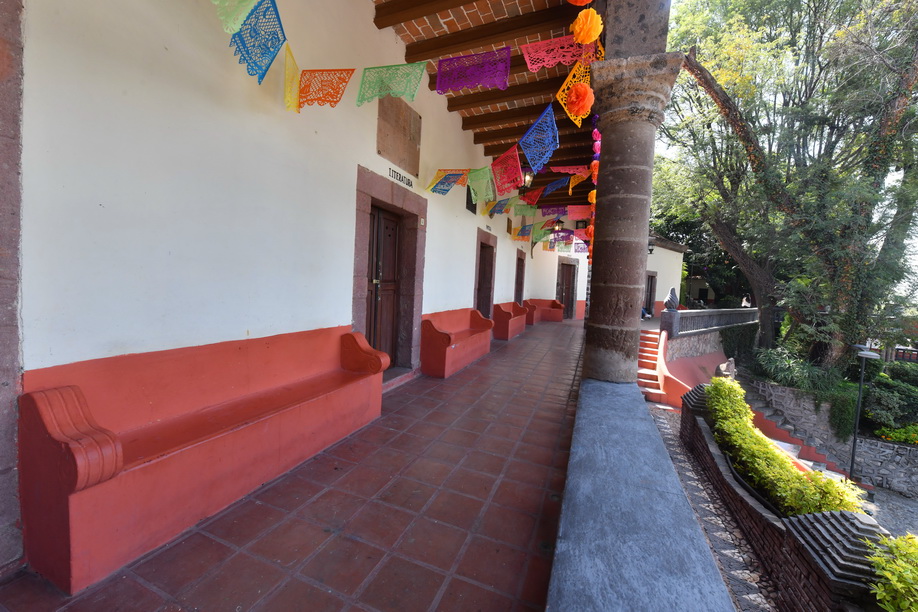
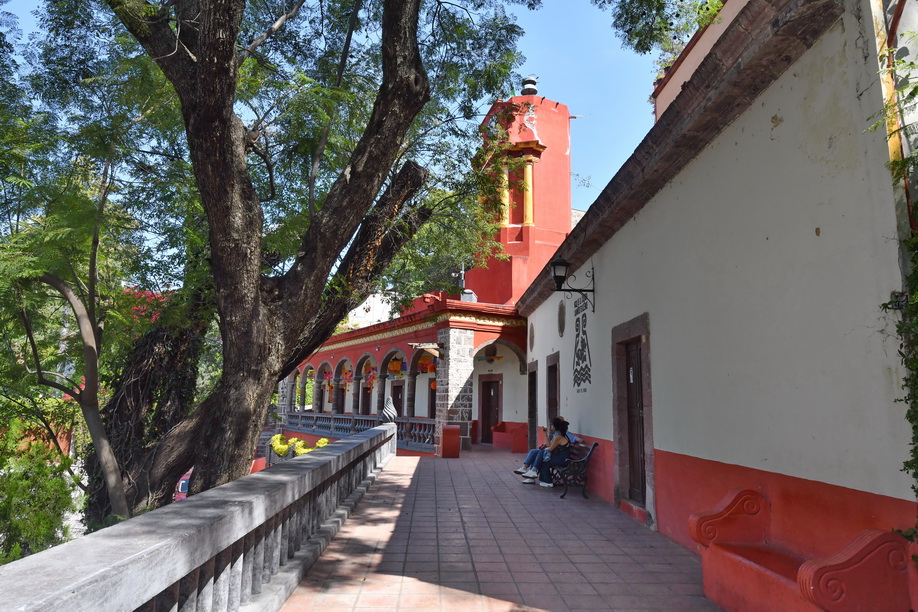
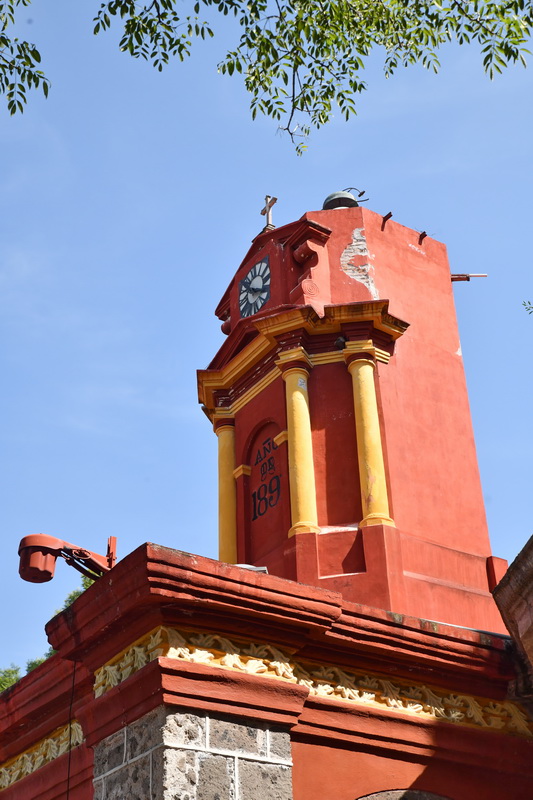
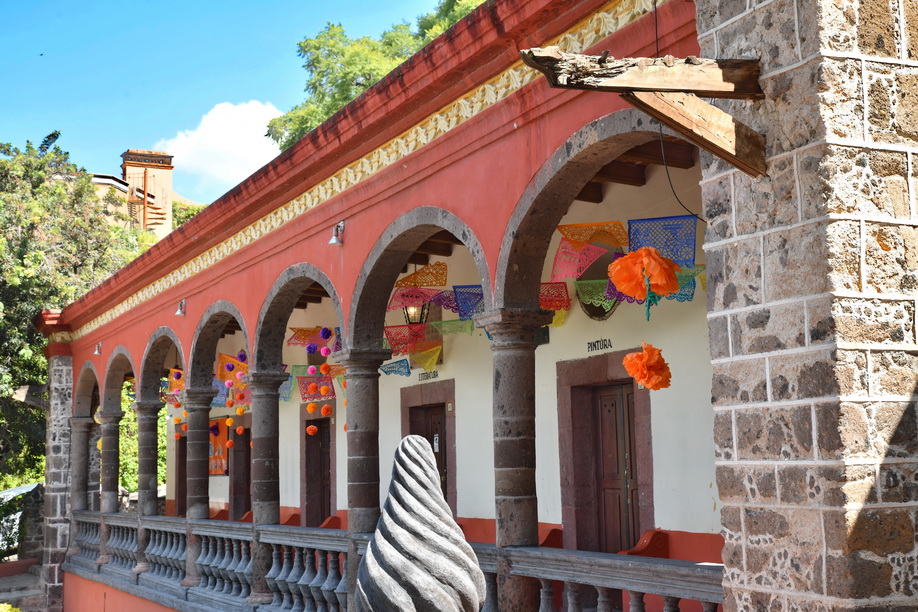
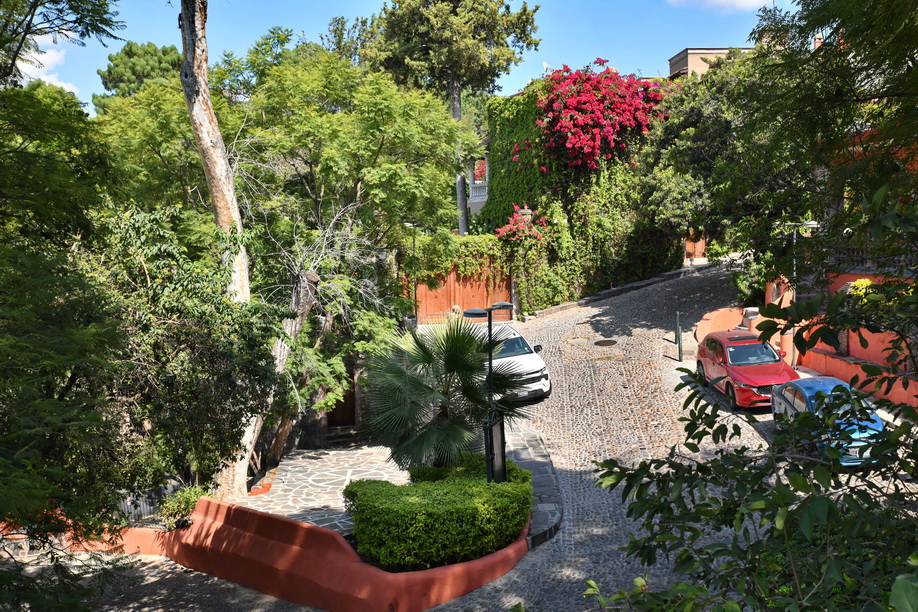
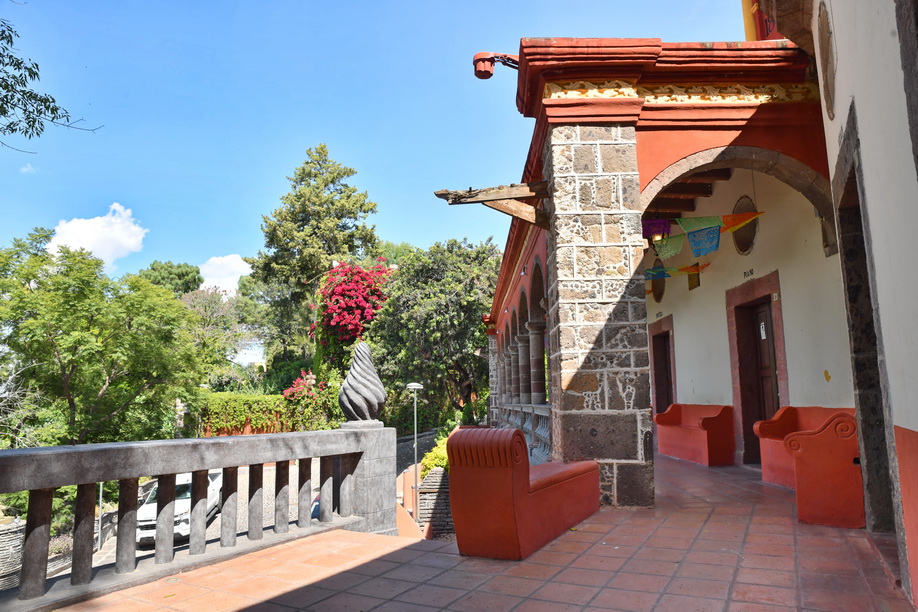
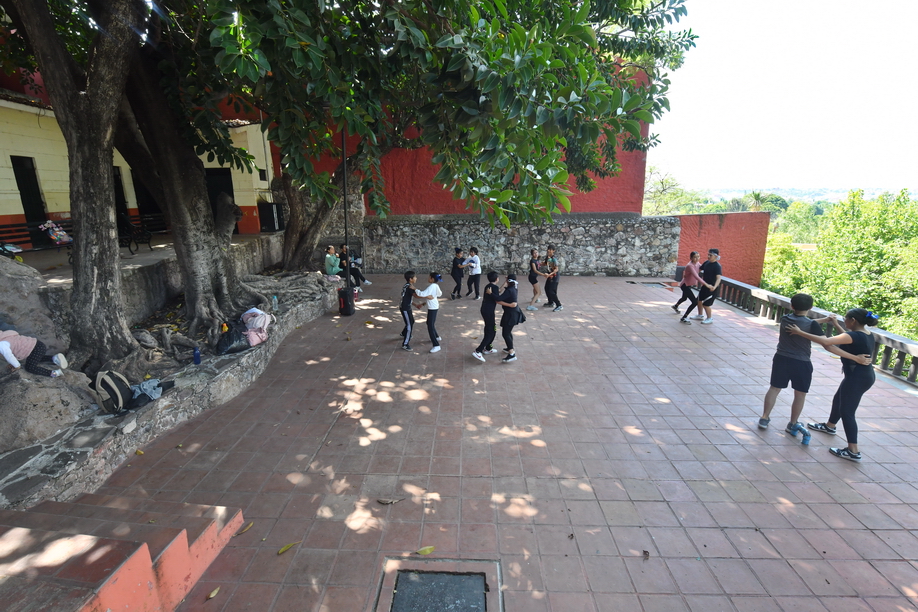
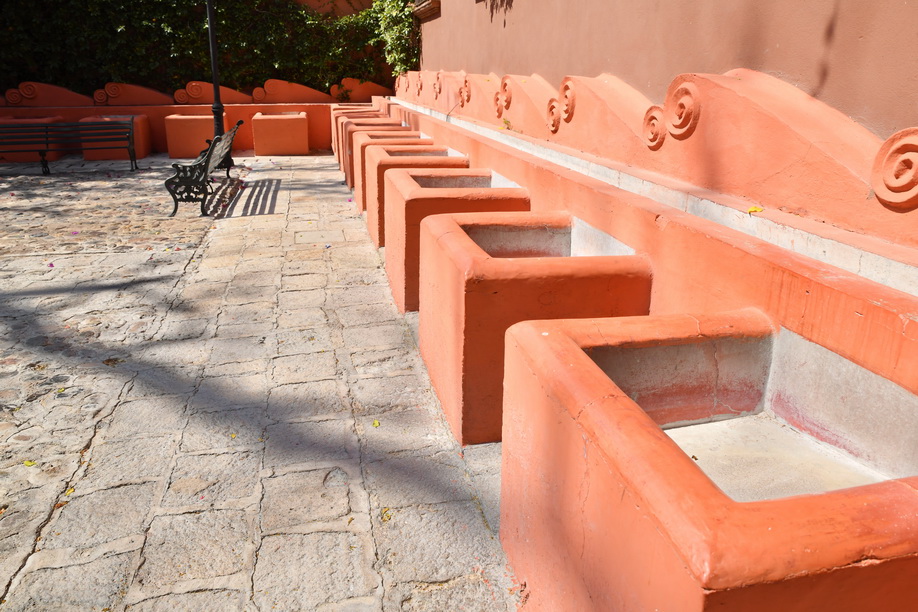
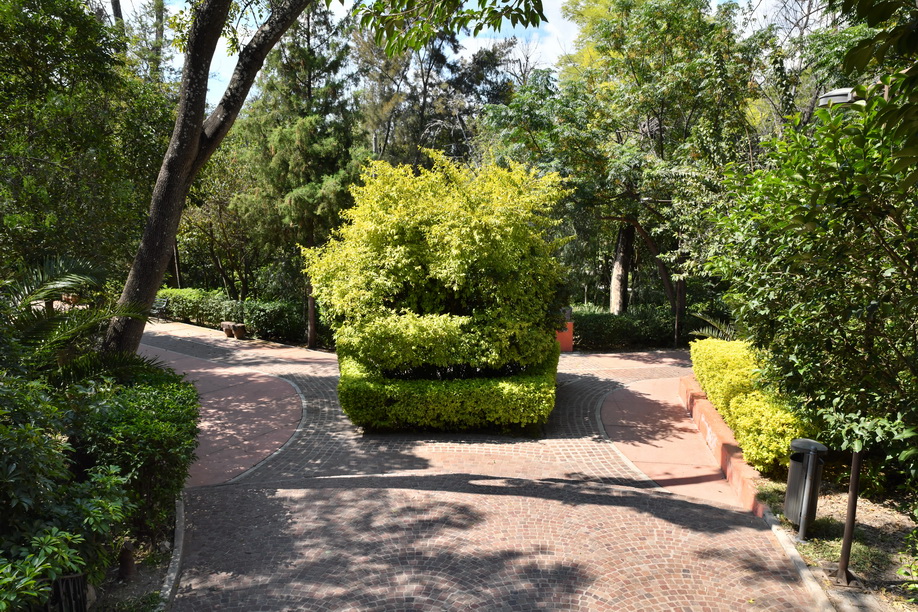
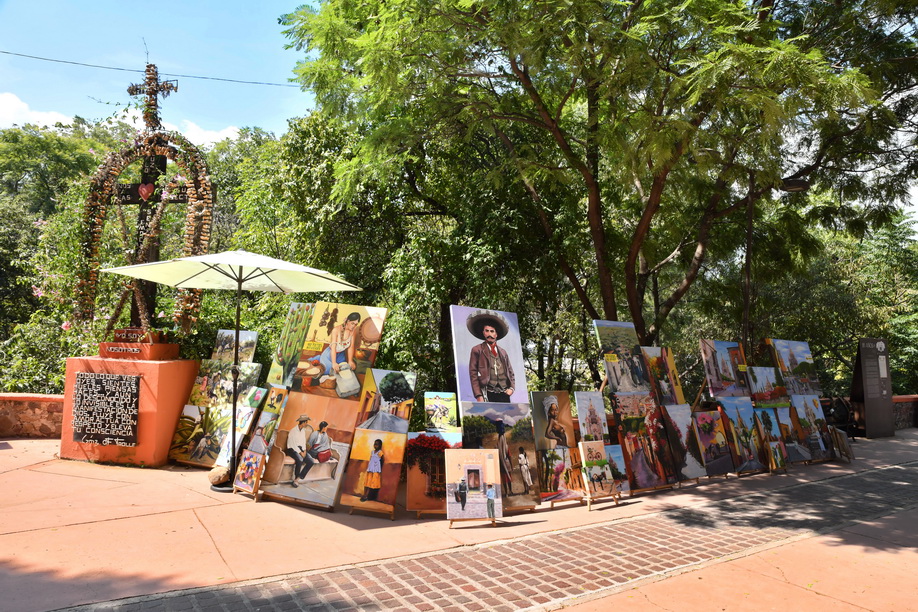
As I walked from the centre of San Miguel de Allende towards El Chorro, the character of the streets gradually began to change. The cobbled roads became steeper, bougainvillea spilled over high walls, and large trees cast their shadows across the houses and streets. At first glance, this seemed simply to be one of San Miguel's quiet, green, old neighbourhoods. But when I later researched the history of the fountains, wash basins and buildings I had photographed, I discovered that El Chorro held a much more important place in the history of the city. At the beginning of this story is water. San Miguel's first settlement was established around what is now San Miguel Viejo. A few years later, however, the area around the powerful natural spring at El Chorro became crucial to the development of the settlement. Sources from Mexico's National Institute of Anthropology and History (INAH) also emphasize the importance of this water source in determining the location of present-day San Miguel. The waters of El Chorro continued to sustain the life of the city for centuries. The old name of the area appears in historical sources as Izcuinapan, a Nahuatl name associated with dogs and water. An interesting local story explaining this old name still survives in El Chorro. According to the story, Fray Bernardo de Cossin noticed dogs drinking at a particular spot and, by following them, discovered the natural spring. Although the historical details are told somewhat differently in different sources, it is clear that this story occupies a special place in the local memory of El Chorro. As I walked through the gardens, I came across a tangible reminder of this story. On top of a tall, round stone pedestal stood the statue of a friar, with a dog beside his feet. Looking more closely at the pedestal, I could read the name "Bernardo de Cossin." Only after learning the story of El Chorro's water did I understand why the dog was there. The statue preserves the local tradition of the friar who discovered the spring by observing the dogs drinking from it. Behind him, San Miguel could be seen below through the trees, bringing together in a single view the water source that helped shape the city and the city that grew around it. Over the centuries, an increasingly elaborate water system developed around the natural spring. Particularly during the eighteenth century, in the time of Manuel Francisco de la Canal, baths and communal washing areas were constructed to make more systematic use of the water. Water used in the upper facilities flowed downhill by gravity and supplied the communal laundry basins below. The system was not limited to these structures: the spring formed part of a distribution network that supplied fountains, houses, gardens and cultivated land. El Chorro remained important to San Miguel's water supply through the nineteenth century and into the early decades of the twentieth. Today, the simplest witnesses to this history are the old communal wash basins standing side by side. They are now empty and silent. At first glance, it may not even be obvious what they were once used for. Yet spring water once flowed through these basins, where women in particular gathered to wash their clothes. El Chorro was therefore more than a technical system supplying water to the city; it was also a social space where everyday life was shared. Looking at this quiet corner today, it is difficult not to imagine it once filled with the sound of running water, conversation and the movement of daily life. The buildings I encountered at El Chorro also carry traces of different periods in this long history. Red and stone facades, arcaded galleries, fountains, stairways and later additions form not a single structure built at one moment, but a complex that developed around the water over the course of centuries. I was unable to establish the precise history of one of the red buildings I photographed, so I do not want to give it an identity that cannot be confirmed. But together with the surrounding water structures and today's Casa de la Cultura, it clearly belongs to the architectural fabric that gradually developed at El Chorro. One of the clearest signs of these different periods is the clock tower. Rising above the trees and red buildings, it repeatedly came into view from different points during my walk. When I looked at it more closely, the date inscribed on the tower could also be seen. Together with the old fountains, stone stairways and arcades, the clock tower reminds us that El Chorro is not a single historic monument, but a place where different periods have left their traces one upon another. El Chorro's relationship with water did not end in the twentieth century. As systems for storing and distributing water were modernized, the buildings in the area gradually acquired new functions. Later, an important part of the complex began to be used for cultural activities, and the Casa de la Cultura moved into the El Chorro building in 2000. In this way, a public space shaped for centuries around one of the city's most basic needs-water-acquired a new communal purpose. As I walked along the arcades, I saw the words "Literatura" and "Pintura" above the doors. In an open area beneath the shade of large trees, young people were practising dance in pairs. That scene perhaps expressed the transformation of El Chorro more clearly than all the historical information. Today the complex hosts classes and workshops in different fields, including dance, music, theatre, painting and literature. Seeing young people dancing in a place where people once gathered to collect water and wash clothes made me think about the continuity between El Chorro's past and present. Its function had changed, but people were still coming together here. A few steps away, paintings were displayed beneath the large trees. Scenes of San Miguel, its streets and people, together with images from Mexico, had been transformed into pictures beside the spring that once supplied water to the city. As I continued from the gardens towards the cobbled streets, the greenery of El Chorro remained all around me. Large trees, narrow paths, stone walls and bougainvillea framed occasional views of the city below. Although I was not far from the dense architectural fabric of central San Miguel, the atmosphere here was different-quieter, shaped by water and vegetation. By the time I left El Chorro, the cobbled streets, old fountain, communal wash basins, arcades, clock tower, the statue of Bernardo de Cossin, the young people dancing and the paintings displayed beneath the trees no longer seemed like separate photographs to me. There was an invisible line connecting them all. That line was water. Centuries ago, the water that helped draw people to this place, sustained the city, and filled its fountains, baths and washing basins created a shared space around El Chorro. Today the spring may have lost its former importance and the buildings may have acquired different functions, but people still gather here. The life that once formed around water now continues around art, dance and culture. For me, this is the real story of El Chorro: places change, their functions change, but life continues to leave its traces in the same place.