
Mariachi in San Miguel de Allende: The Music of the Square Oct.2025
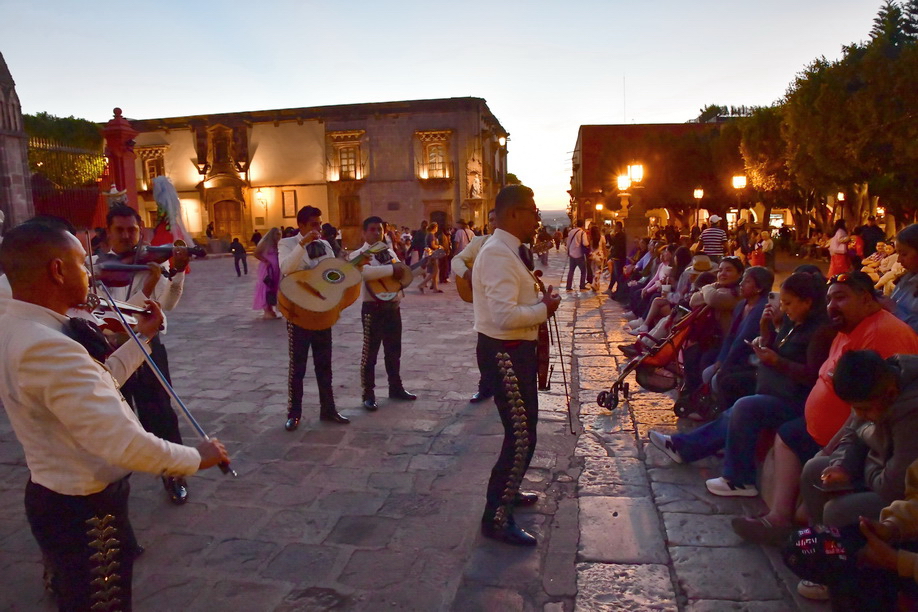
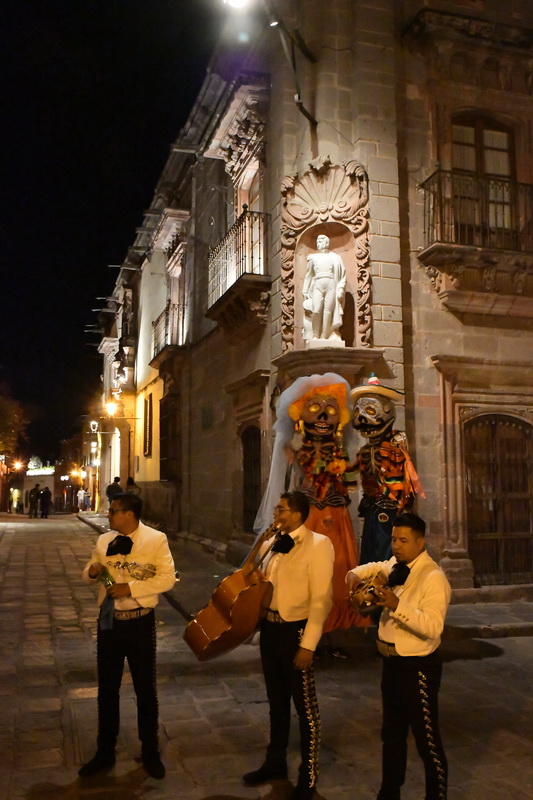
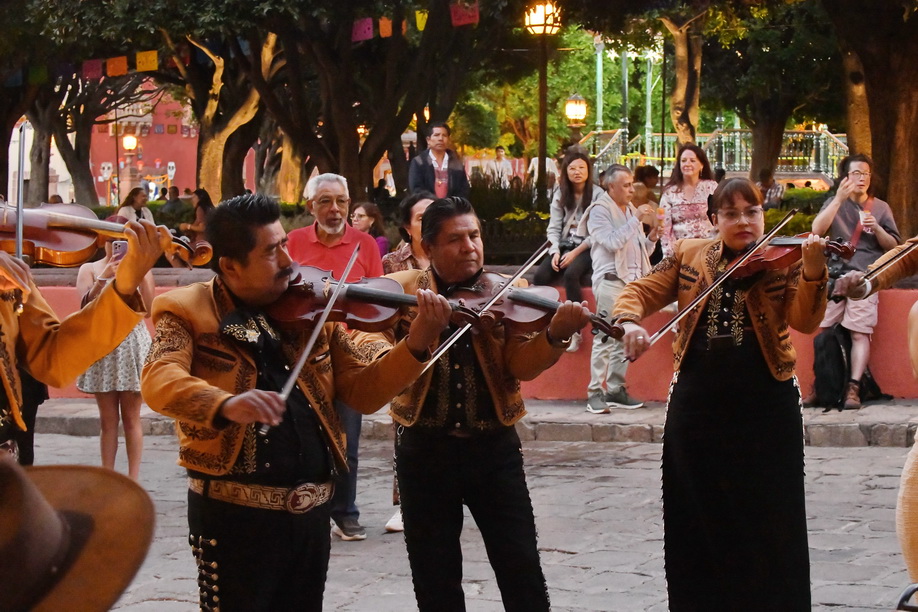
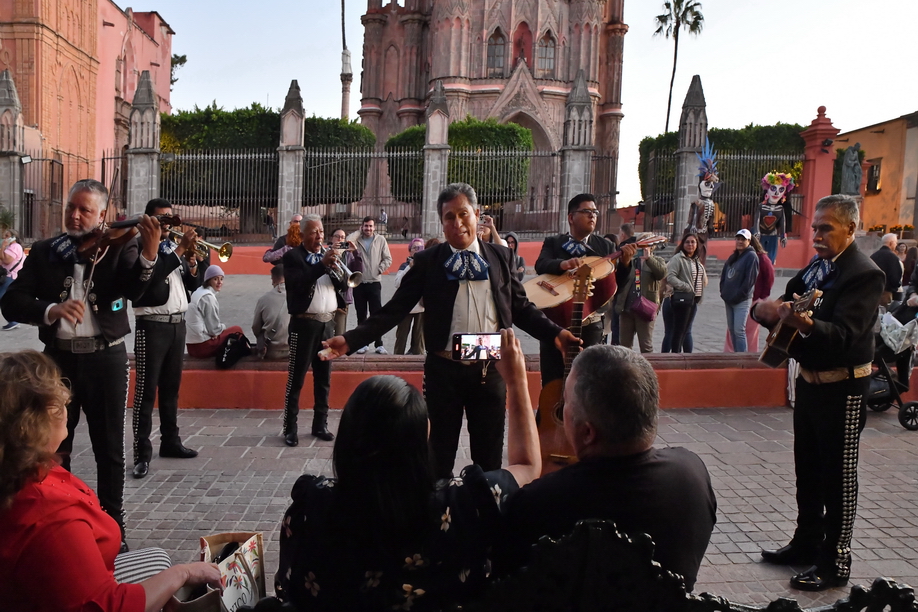
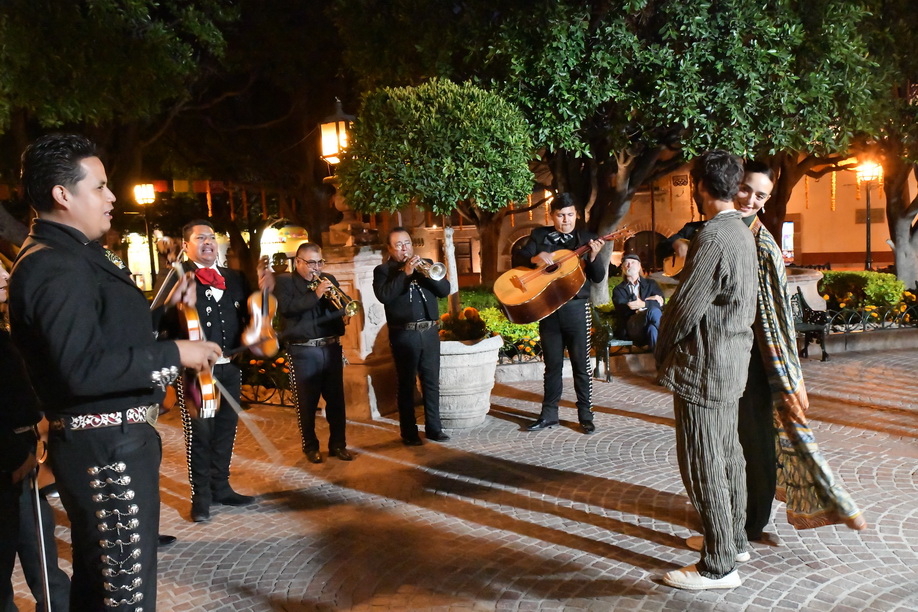
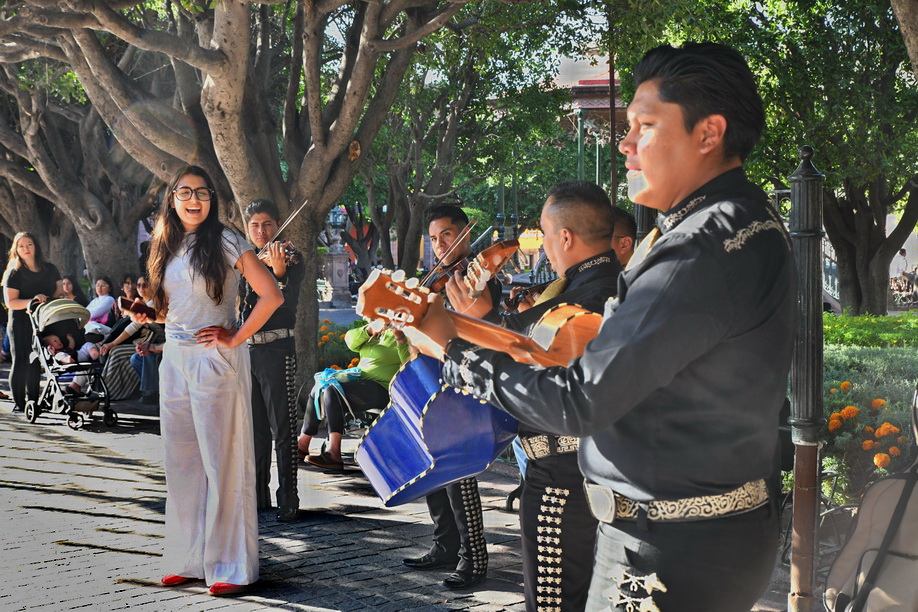
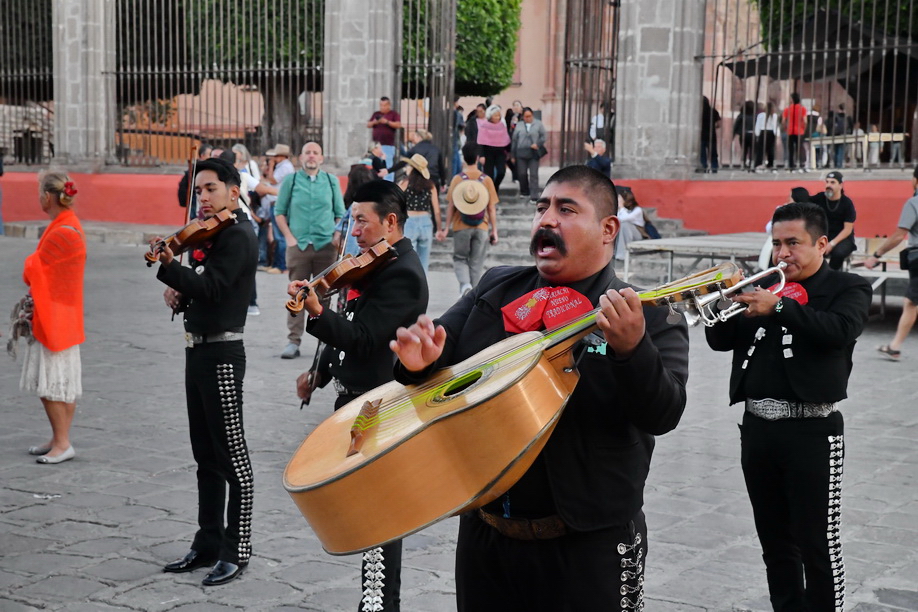
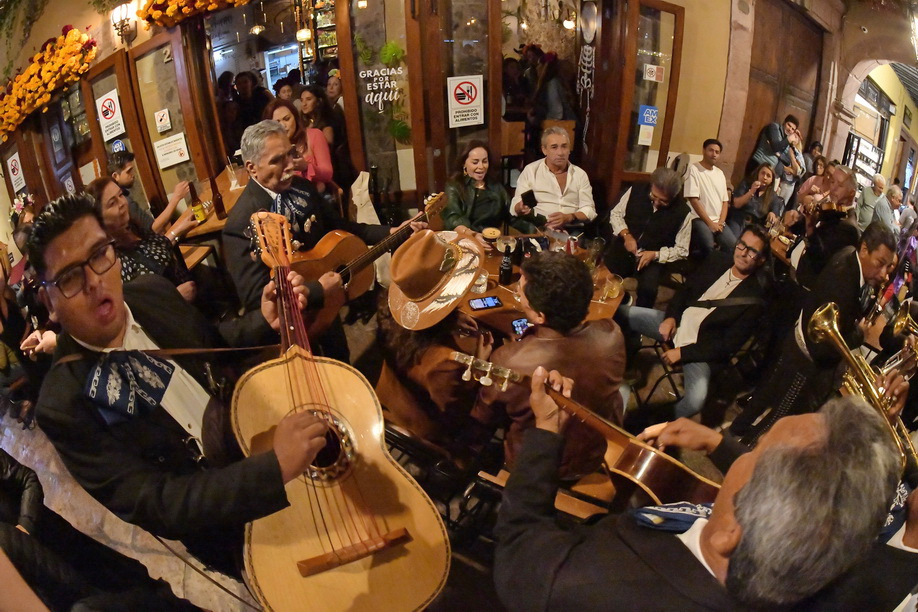
In San Miguel de Allende, I did not have to look for a concert to encounter mariachi music. As I walked around Jardin Allende and the Parroquia de San Miguel Arcangel, the music was already part of the square. Sometimes the musicians appeared before sunset, sometimes after the church lights had come on. Different mariachi groups performed only a short distance from one another, while people sat on benches, listened, took photographs, or simply joined in. This was what interested me most as I photographed them: mariachi here was not simply music to be listened to. It was part of the life of the square. Although mariachi today is almost inseparable from the image of Mexico, it did not begin in the form of the large ensembles we know today. Its roots lie in the rural musical traditions of western Mexico, particularly in Jalisco, Nayarit, Colima, Michoacan and Zacatecas. Early groups were based mainly on string instruments: violins, vihuela, guitars and harps, with instruments such as the guitarron later becoming important. Mexico's cultural authorities also emphasize the contribution of Indigenous communities to the development of the tradition. The mariachi we recognize today is the result of a long process of change. During the twentieth century, mariachi moved from its rural surroundings into the major cities and then into radio, recordings and Mexican cinema. One of the most important changes was the introduction of the trumpet. From the 1940s onwards it became increasingly common in commercial mariachi ensembles, eventually joining the violins to create the powerful sound we immediately associate with mariachi today. In a modern ensemble, violins and trumpets generally carry the melody, while the vihuela provides rhythm and the large-bodied guitarron supplies the bass. Some groups also include a harp. I can see almost all of these instruments in my photographs. The large, rounded body of the guitarron is particularly striking. In another photograph there is a large mariachi harp, an instrument encountered less frequently in modern ensembles. In fact, the harp belonged to older forms of mariachi before the modern ensemble took shape. As the guitarron became more widespread, it largely assumed the bass role, although the harp never disappeared completely. Seeing one being played in San Miguel therefore provided a visible connection between older mariachi traditions and the music as it is performed today. The musicians' clothing is as distinctive as their music. In my photographs there are several different groups, wearing black, white or brown jackets, trousers decorated down the sides with rows of metal ornaments, embroidered belts and large bow ties at the neck. These costumes developed from the traje de charro, the traditional clothing associated with Mexican horsemen. Early mariachi musicians did not dress this way; they generally wore regional clothing. The charro costume became closely associated with mariachi as the music itself developed into a national symbol of Mexico. But what interested me most about the mariachis I watched in San Miguel was neither their instruments nor their clothes. It was the fact that there was almost no distance between the musicians and the people listening to them. There was no stage separating performers from an audience. The mariachis played only a few steps away from the people around them. Sometimes they directed a song towards a particular person or couple; at other times the whole square became their audience. In one of my photographs, a young woman joins in with the music. In another, the musicians perform directly in front of a couple. Elsewhere, the music has brought people to their feet and they have begun to dance in the middle of the square. This closeness between musicians and listeners is an important part of the mariachi tradition. Its repertoire is much broader than the ranchera songs that people outside Mexico often associate with it. Sones, jarabes, corridos, waltzes, polkas, boleros and serenades have all become part of its repertoire. Songs may speak of love and separation, homeland, religion, nature and everyday life. Mariachi can therefore accompany many different moments in people's lives-from weddings and birthdays to religious celebrations and serenades. In recognition of this living tradition and its transmission from generation to generation, UNESCO inscribed "Mariachi, string music, song and trumpet" on the Representative List of the Intangible Cultural Heritage of Humanity in 2011. I felt this most strongly in San Miguel during the evening. Daylight gradually disappeared, the street lamps came on, and the neo-Gothic facade of the Parroquia emerged illuminated against the dark sky. The benches around the square were full. Only a few metres behind the musicians, people were talking, children were moving through the crowd, visitors were taking photographs and others were recording the music on their phones. The mariachis continued to play in the middle of all this activity. The square and the music were inseparable. In some of the photographs I took during the Day of the Dead period, this relationship became even more visually striking. Large skeleton figures stood behind the musicians, while papel picado decorations and marigolds appeared elsewhere around the square. Mariachi, of course, is not music belonging specifically to Dia de Muertos. It is a much broader tradition, heard throughout the year at weddings, family celebrations, in squares, restaurants and serenades. The appearance of skeleton figures and mariachi musicians in the same photographs simply reflects the particular atmosphere of San Miguel during the days when I was there. As the evening continued, I saw the music move beyond the square. In my final photograph, the mariachi musicians are no longer performing outside but inside a crowded restaurant. They are squeezed between the tables, almost becoming part of the group they are playing for. The guitarron, guitars and brass instruments are being played only a few steps away while people continue eating, drinking and talking. For me, this image explains particularly well why mariachi remains a living tradition rather than something preserved merely for display. I had, of course, known mariachi long before arriving in San Miguel. Outside Mexico it is one of the country's most immediately recognizable cultural symbols. But photographing it in San Miguel de Allende gave it a different meaning for me. It ceased to be the familiar "image of Mexico" I knew from films and television. Instead, I was watching real musicians playing a requested song in the square, drawing a woman into the music, encouraging a couple to dance, and then moving on towards another group or another table. Perhaps the simplest image of mariachi in San Miguel is also the one that remains strongest in my memory: the stone square in front of the Parroquia, the evening light, people sitting on the benches, and a group of musicians beginning to play only a few steps away. No one cleared the square for them. Life simply continued around them. And mariachi played within that life.