
Mexico / People, Streets and Life Oct - Nov.2025
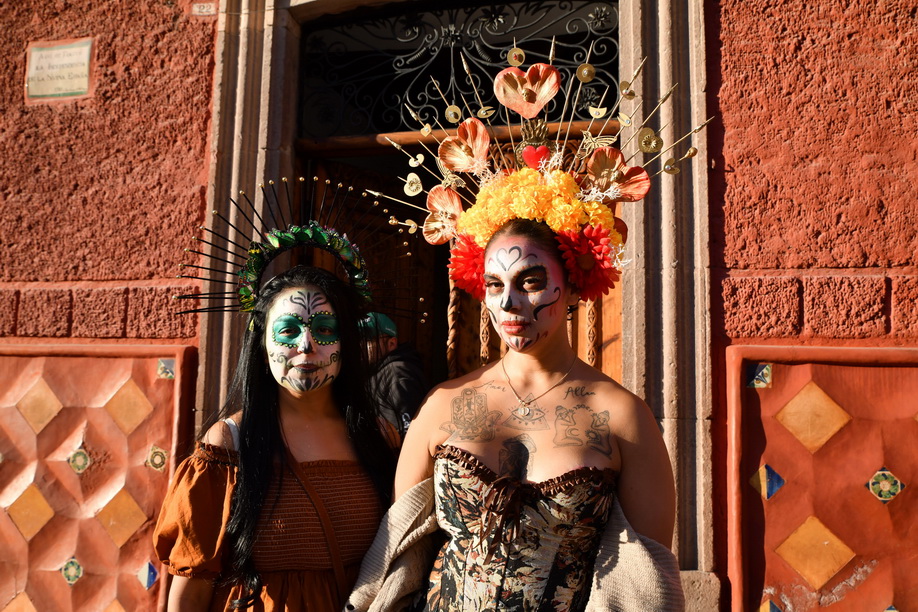
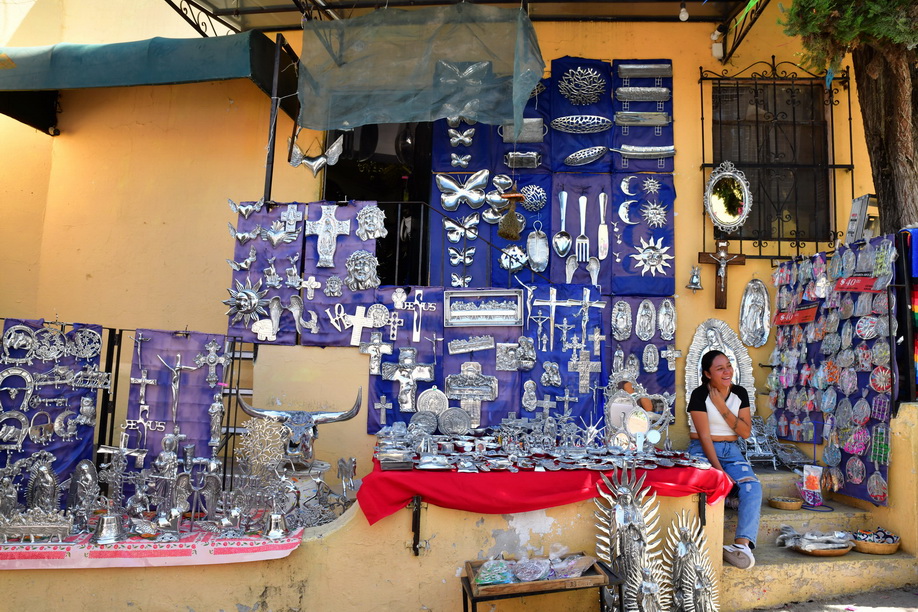
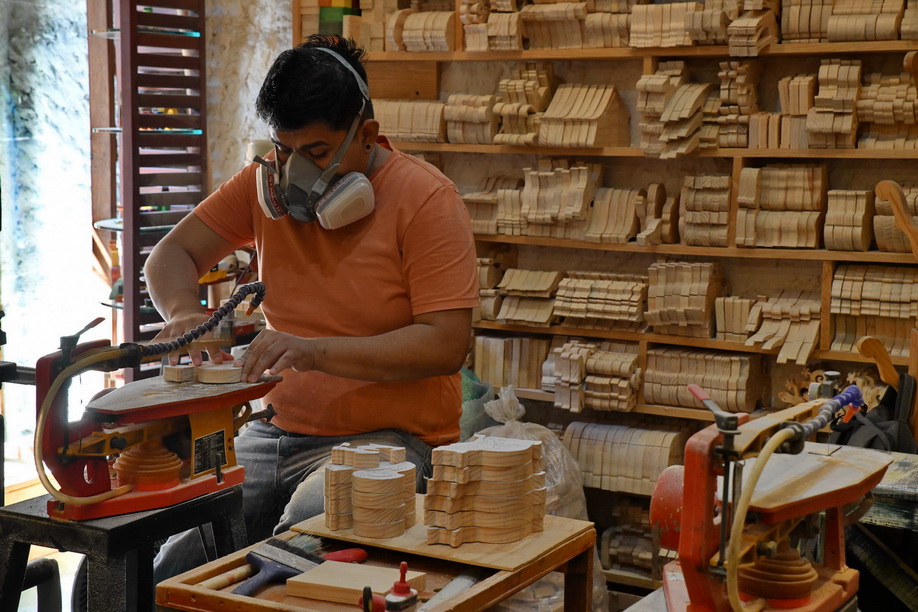
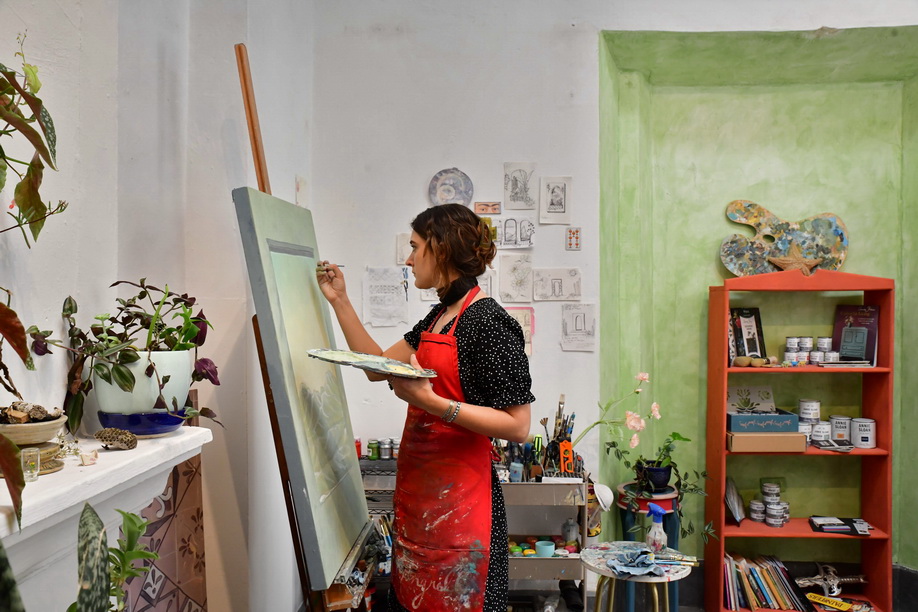
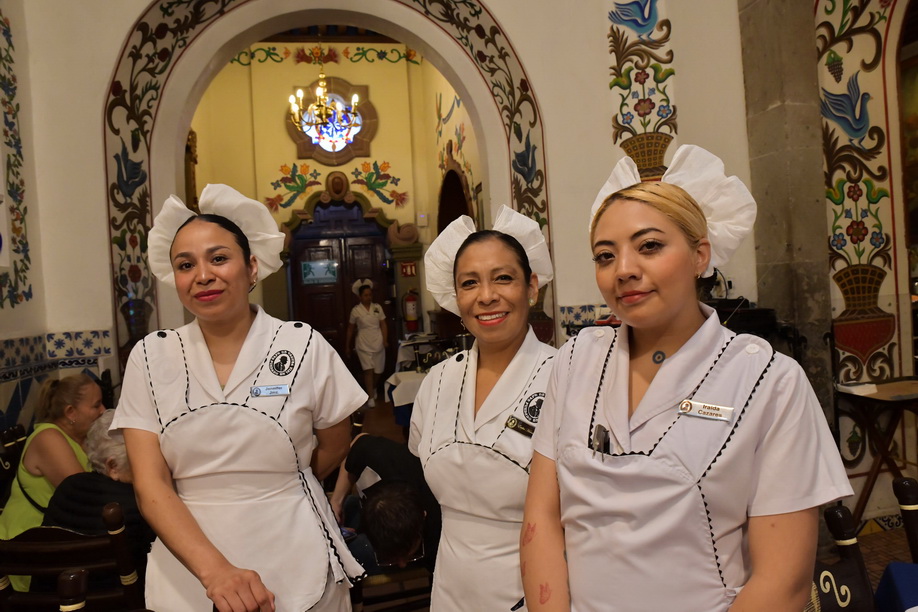
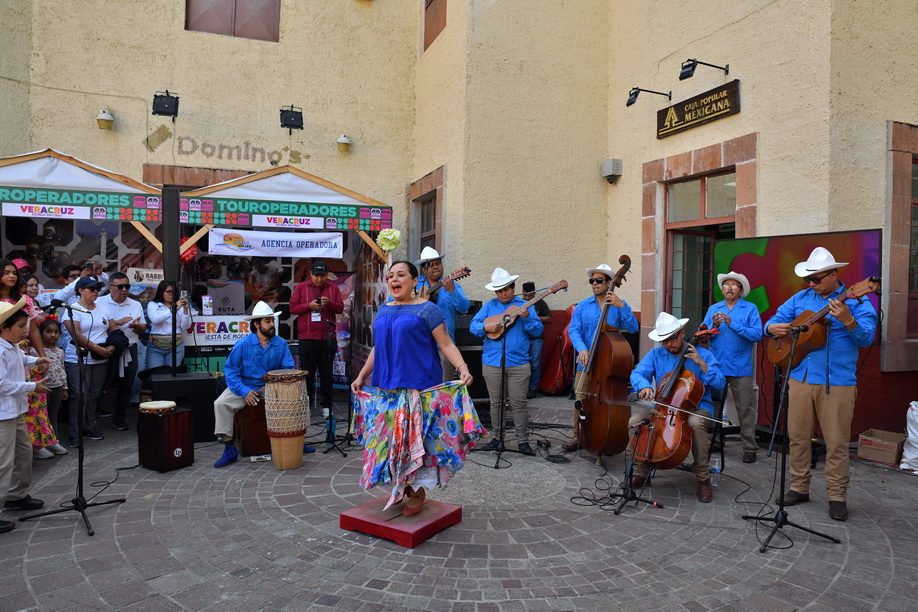
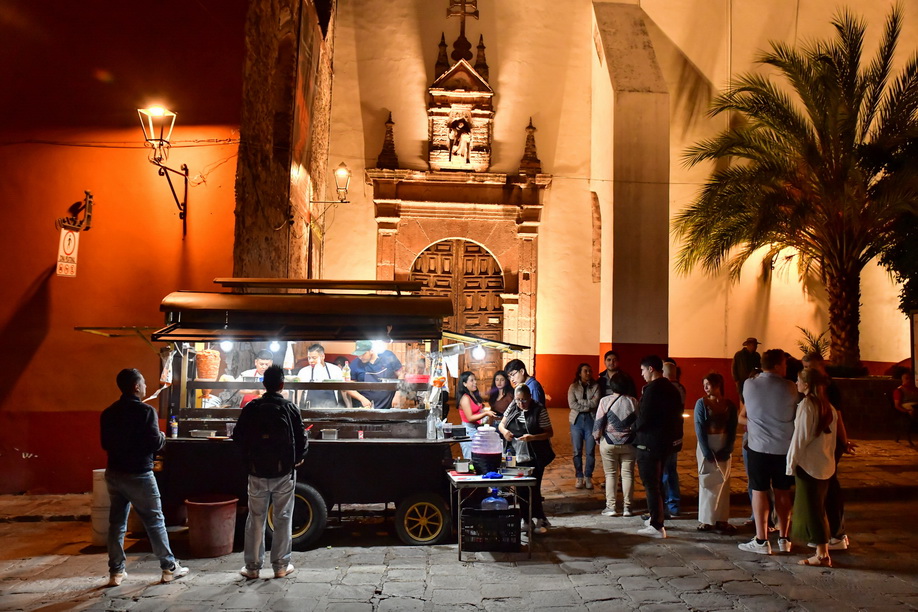
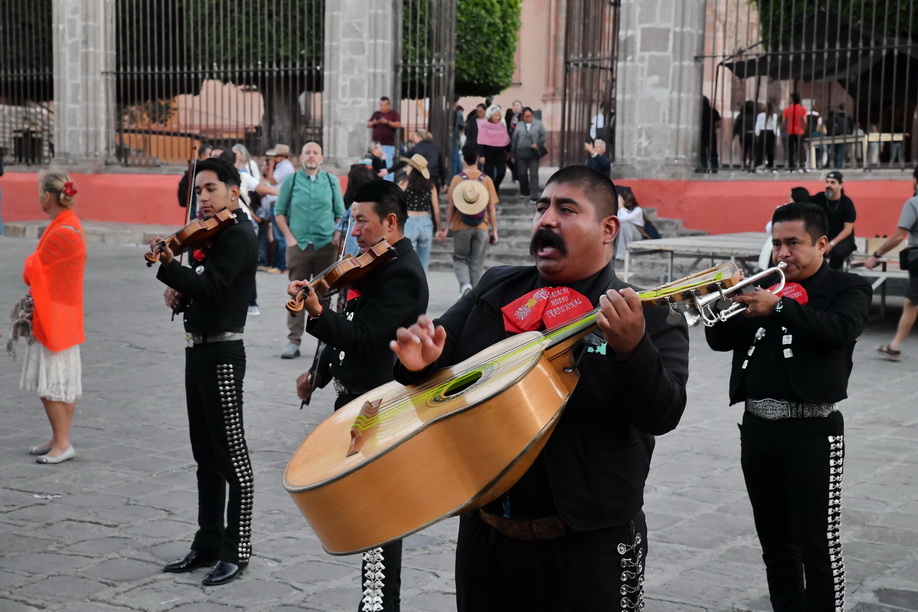
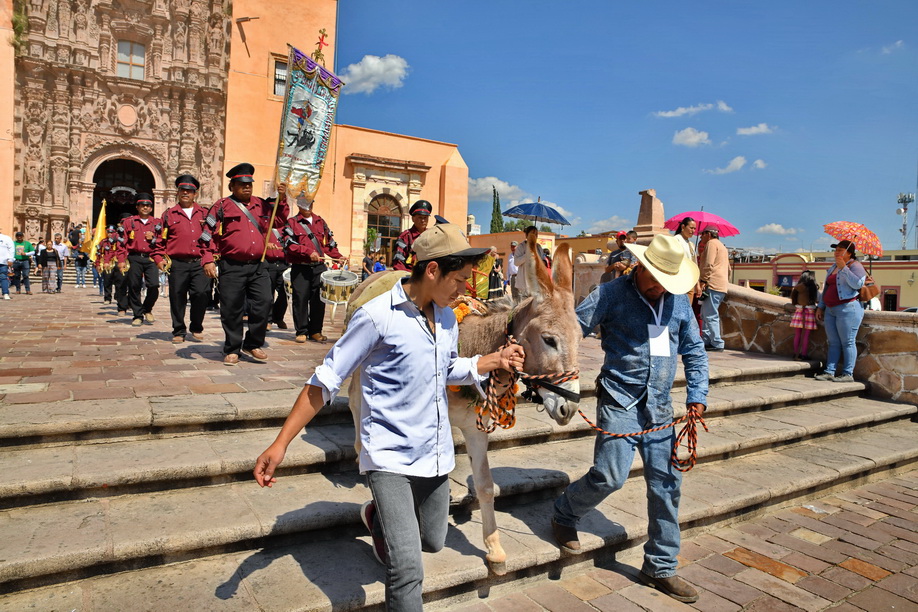
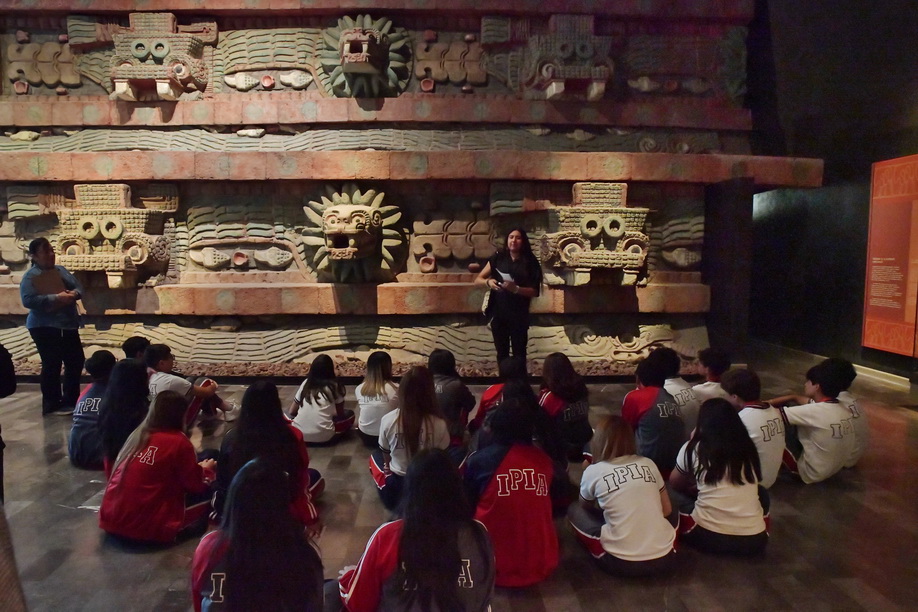
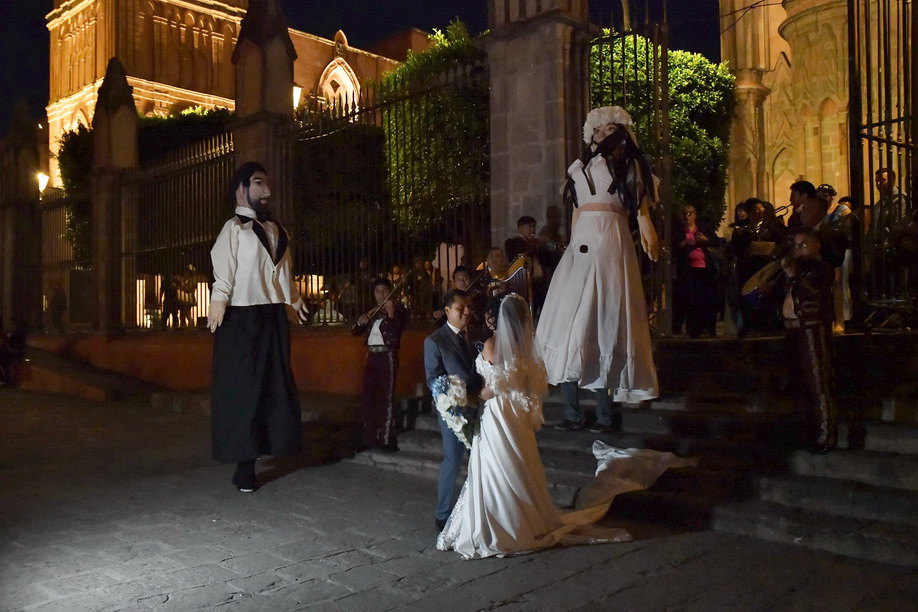
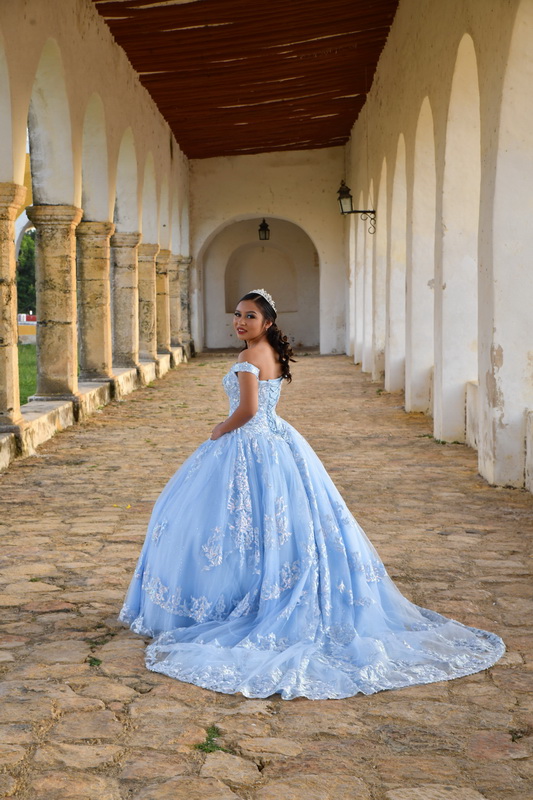
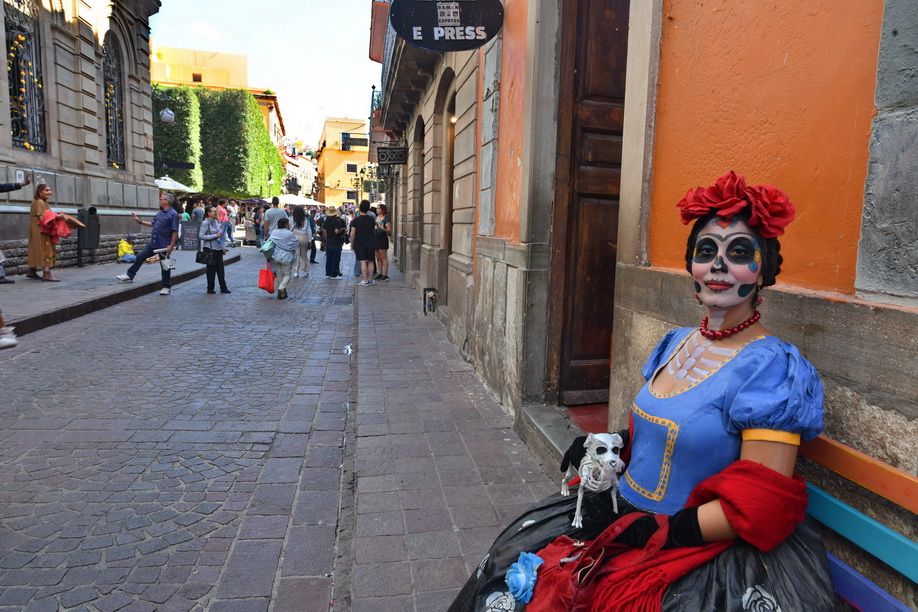
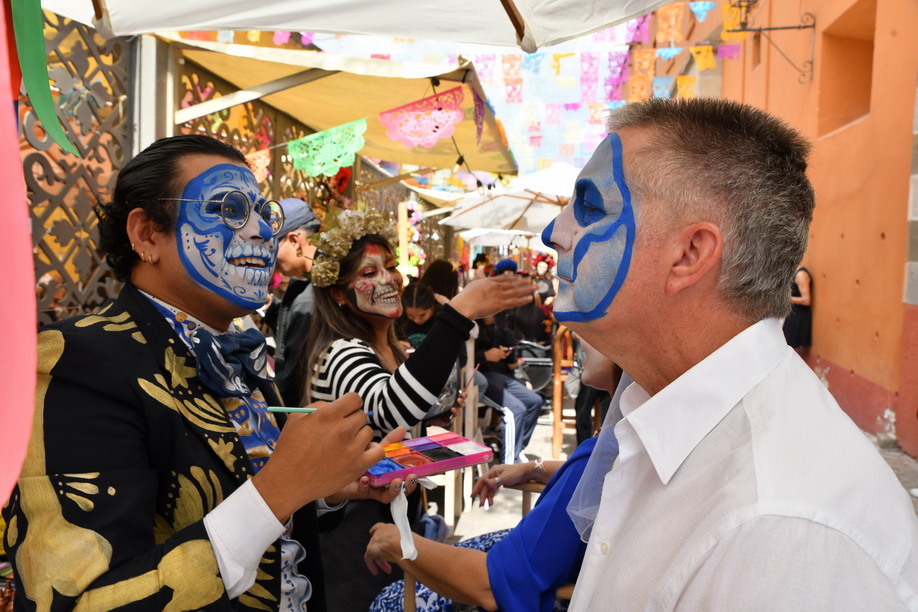
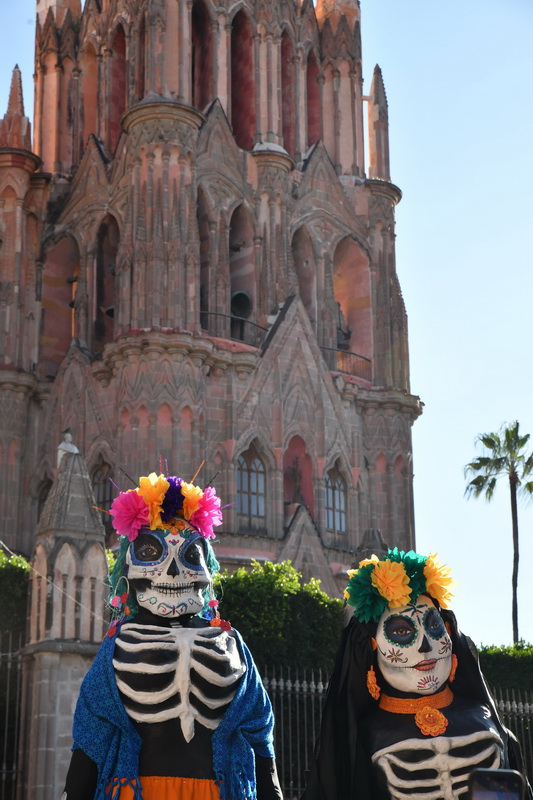
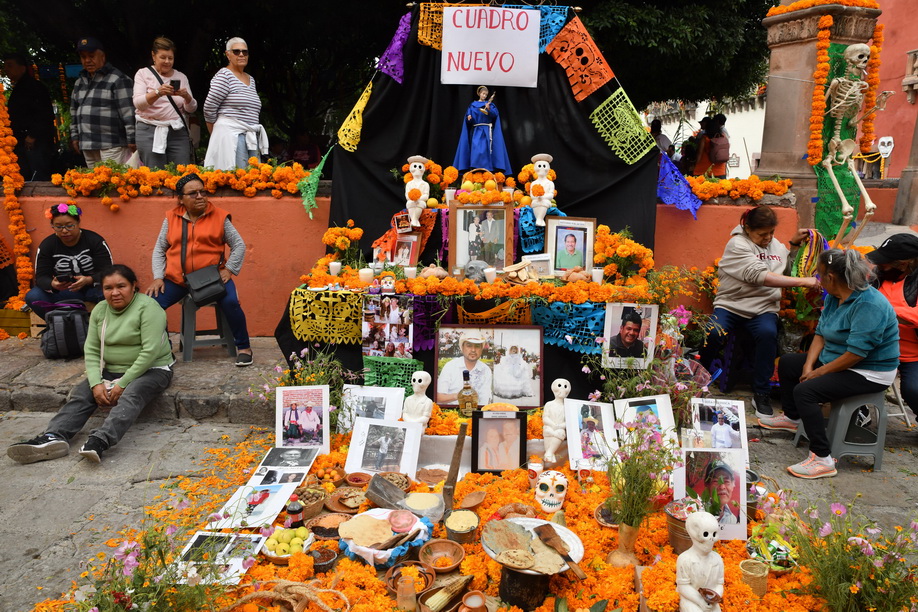
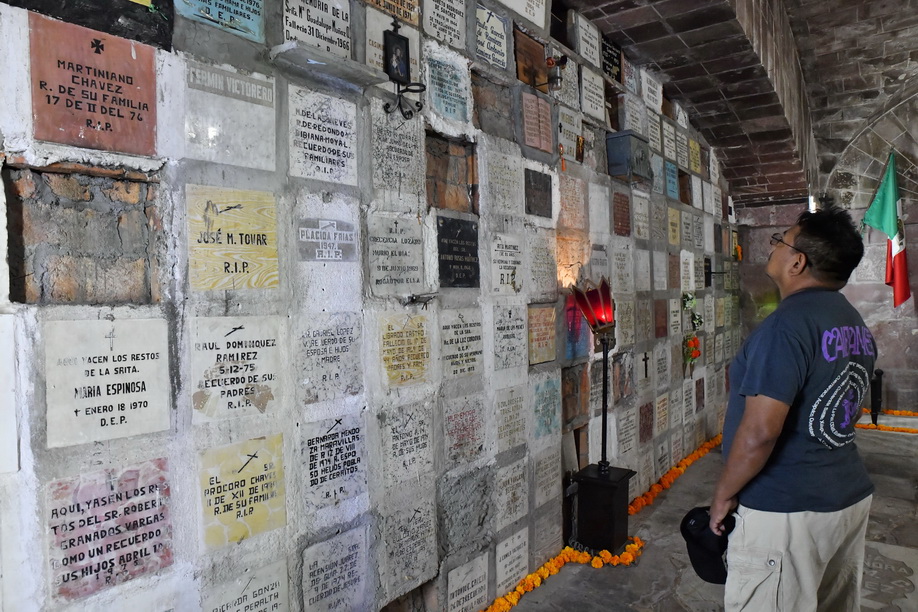
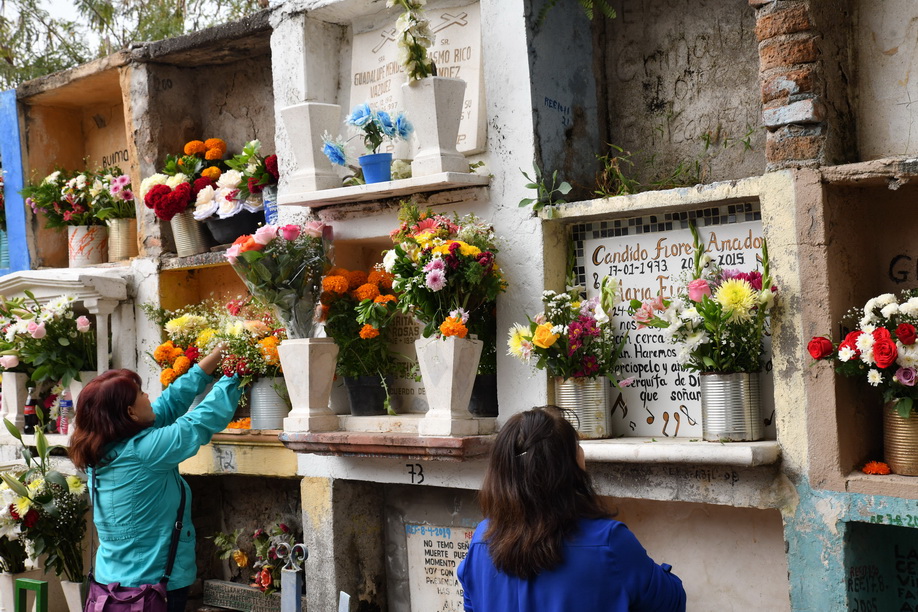
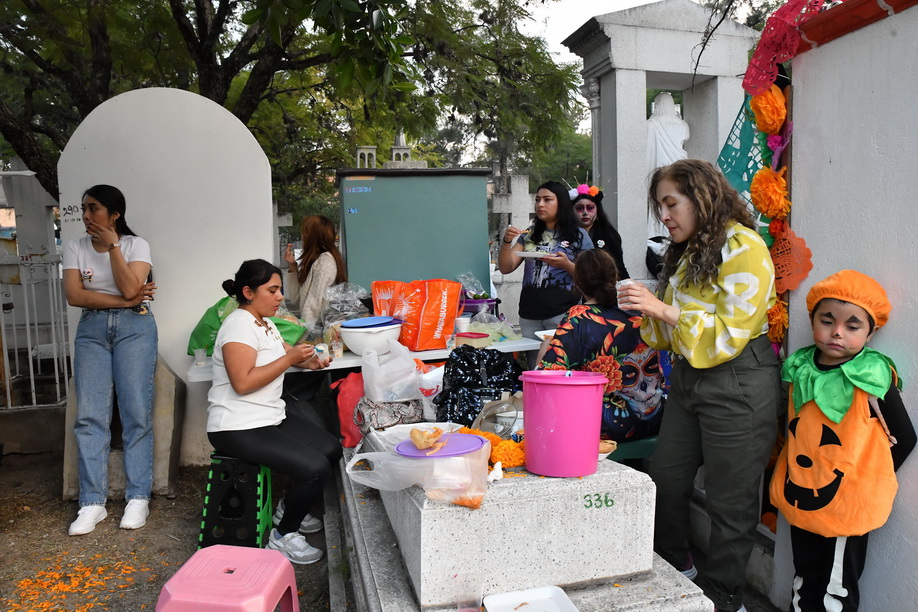
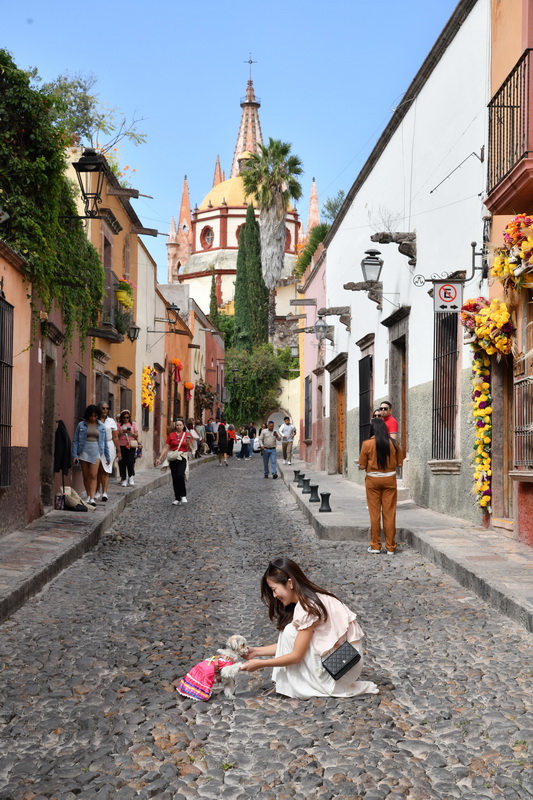
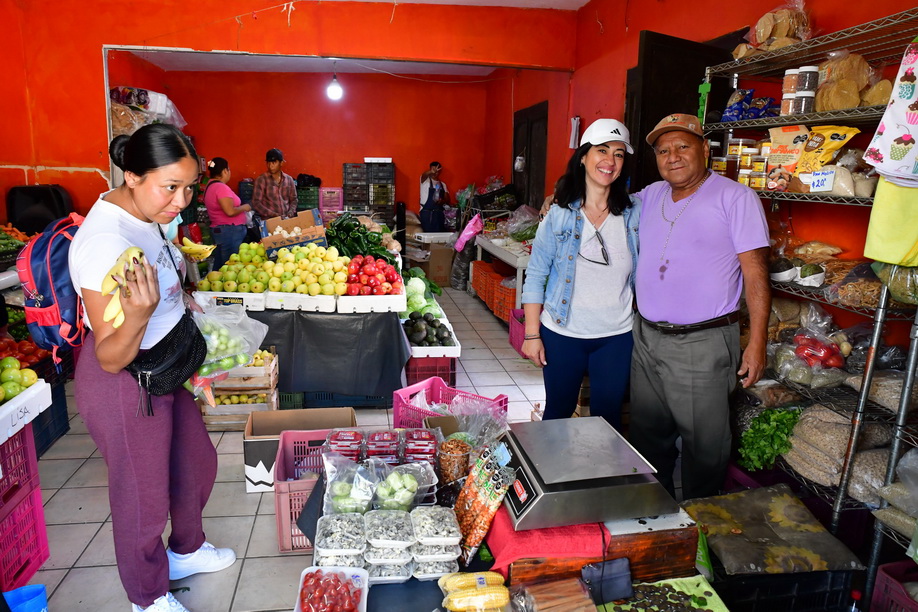
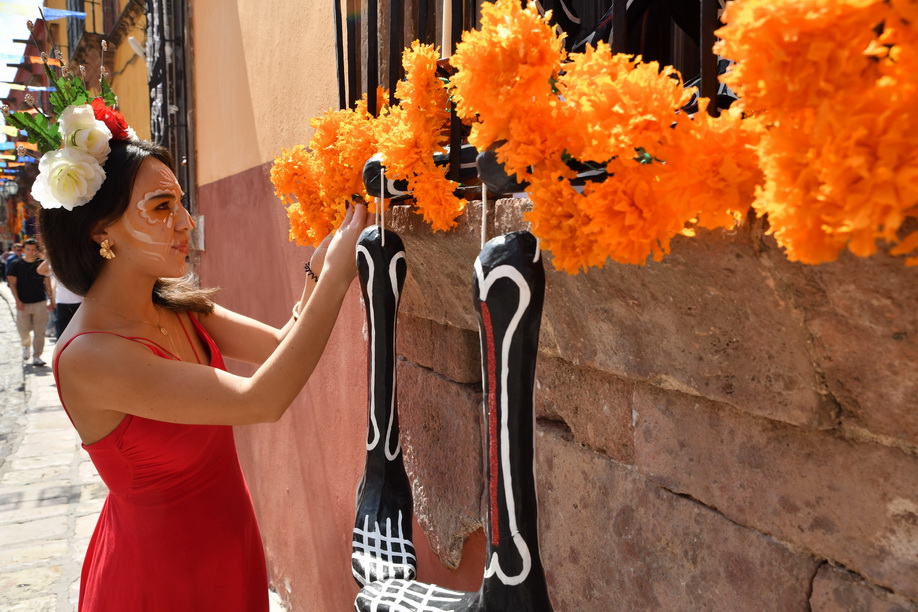
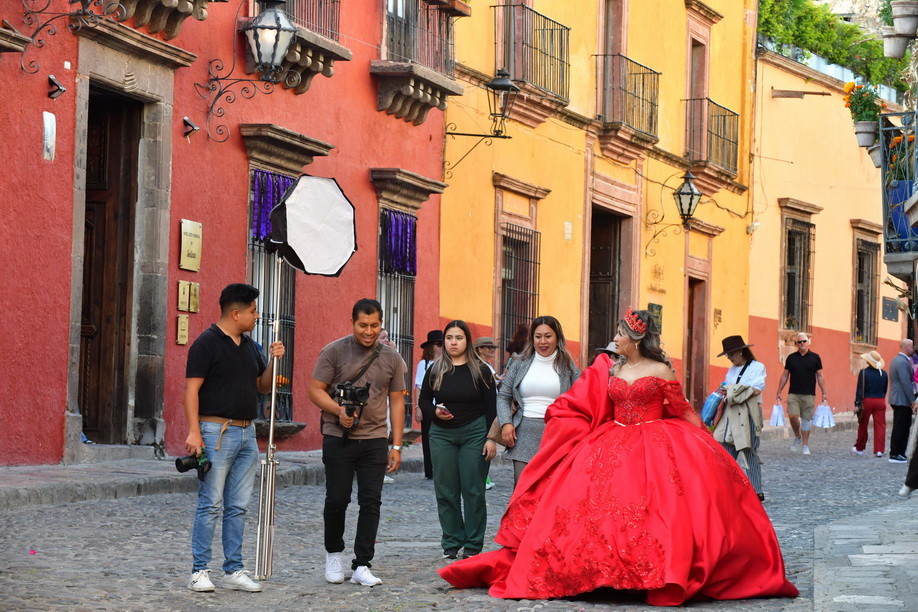
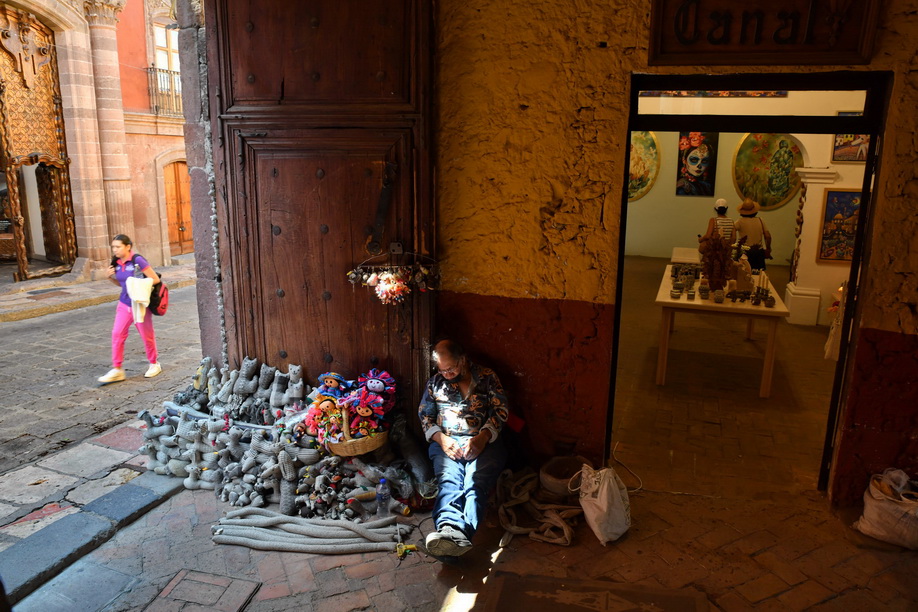
As I travelled through Mexico, it was not only the architecture, churches or historic buildings of the cities that caught my attention. After a while, I realized that a significant part of my photographs had begun to focus on people. Workers, shopkeepers, musicians, artists, students, young people preparing for a wedding, families spending time together in cemeteries... The people I encountered in different cities gradually became, for me, the most vivid face of Mexico. Some of these encounters belonged entirely to everyday life. People working in a fruit and vegetable shop, others waiting late at night to buy street food, an elderly woman selling handicrafts beside an old doorway, or a carpenter shaping pieces of wood in his workshop... Nothing in these scenes had been arranged for the camera. People were simply going about their lives, and I tried to photograph them without disturbing the natural flow of those moments. I was particularly interested in photographing people at work. I photographed a painter in front of his canvas, a carpenter at his machine, and street vendors surrounded by their goods. In these photographs, it was not only the person who formed the portrait; the work itself and the surrounding environment also became part of it. I have always found it more meaningful to photograph people without separating them from the places where they live and work. Music, too, repeatedly appeared in the streets of Mexico. Mariachi groups, local musicians performing in small squares, people dancing, and music rising above the crowd all seemed to be a natural part of urban life. Sometimes music was at the centre of a celebration; at other times it simply brought strangers together in the same place for a few minutes. While photographing the musicians, I tried to observe not only the concentration on their faces but also the small communities that formed around them. At other times, I unexpectedly found myself in the middle of a ceremony or celebration. A wedding outside a church, people walking through the streets accompanied by giant puppets, a donkey being led down the steps during a pilgrimage, or a young woman in an elaborate dress posing for photographs on a cobbled street... Each belonged to a different tradition. Yet they all had something in common: public space suddenly became a stage on which people shared their lives with one another. During Dia de Muertos, this became even more visible. Painted faces, Catrina costumes, marigolds, altars and families gathered in cemeteries transformed the everyday appearance of the cities. But once I entered the cemeteries, I understood more clearly that this was not simply a colourful festival. People were cleaning graves, placing flowers, bringing food and displaying photographs of relatives who had died. Here, death did not seem to be pushed outside everyday life; it remained a natural part of family memory. Another contrast that fascinated me was the constant presence of past and present side by side. Students listening to stories of ancient civilizations in a museum, a mariachi group performing in front of a centuries-old church, a fashion shoot taking place in the middle of a historic street, or a vendor sitting beside an old doorway... In Mexico, history often seemed inseparable from everyday life. Old buildings were not simply preserved as monuments; they continued to serve as the setting for contemporary life. When I later brought these photographs together, I realized that they did not tell the story of a single city or a single event. Some were taken in San Miguel de Allende, others in different cities; some belonged to days of celebration, while others recorded completely ordinary moments. Yet together they seemed to answer the same question: What is it that really allows us to understand a country? For me, the answer gradually became clearer. Historic buildings, museums and monuments tell us about a country's past, but it is the people who show us how that country lives today. For this reason, when I separated these photographs from the larger record of my travels through Mexico and brought them together again, I no longer saw them simply as portraits. They became fragments of people, work, ceremonies, music and everyday life encountered in different cities. As I travelled through Mexico, I photographed its cities. But when I looked back through my archive, I realized that what remained with me most were the people.