
The Toy Museum (Muzeul Jucăriilor) — Bucharest | December 2023
A Collection Preserving the Memory of Childhood
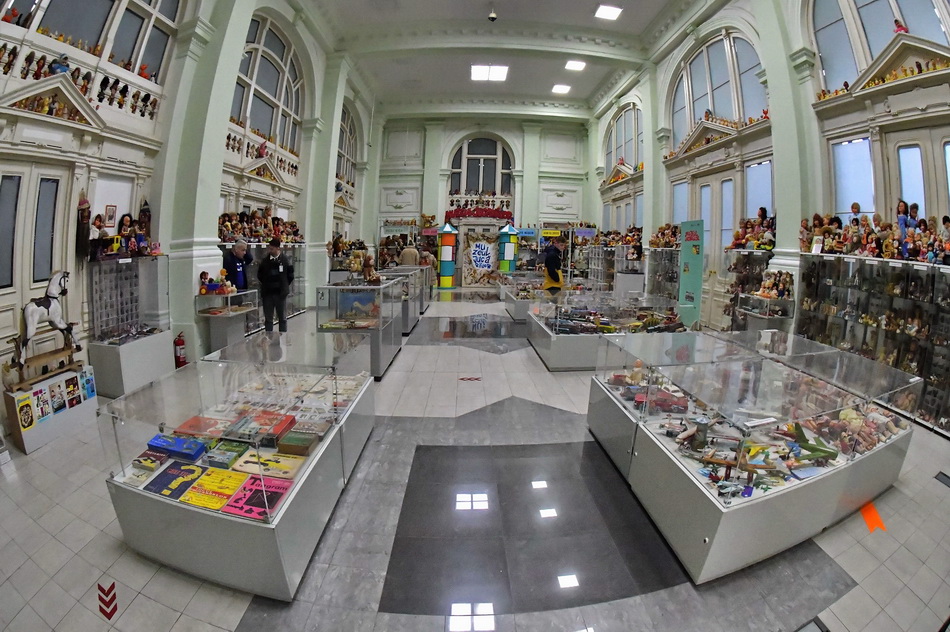
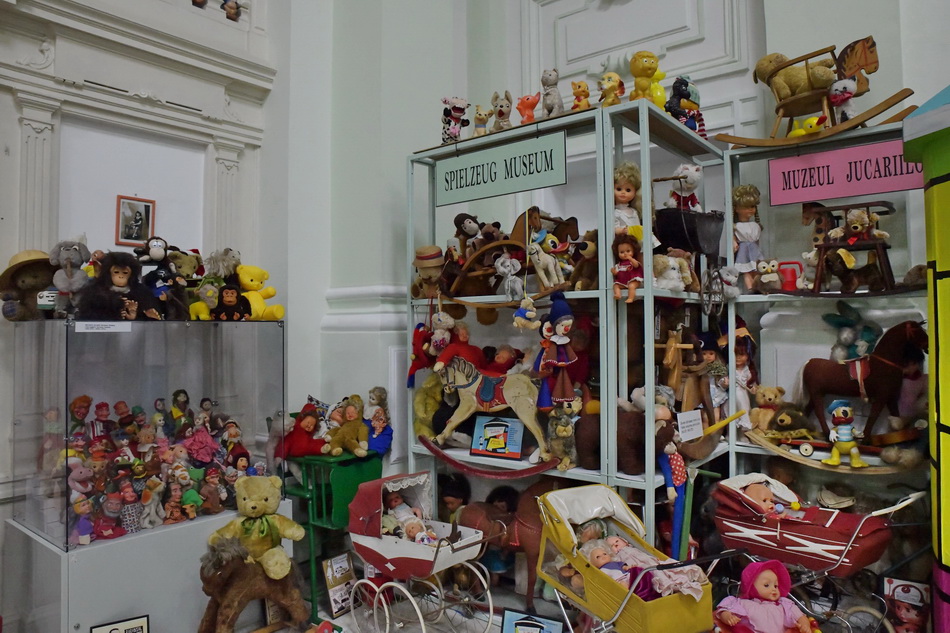
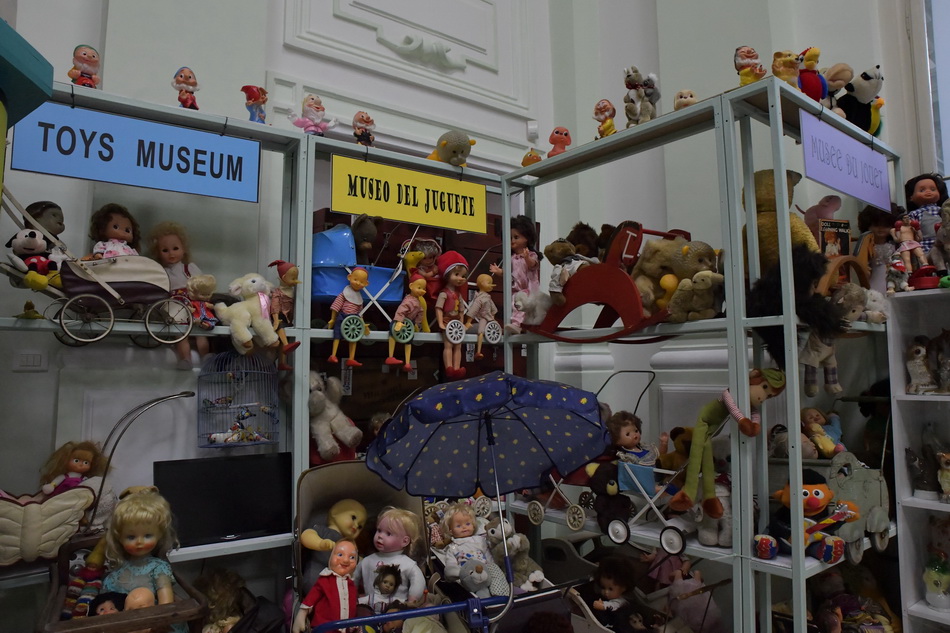
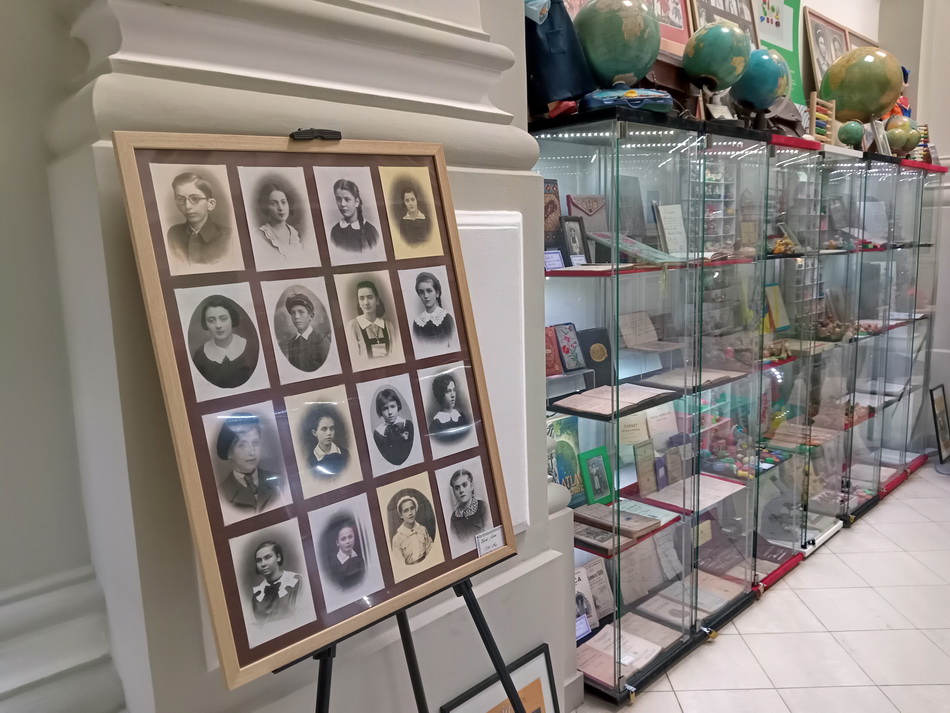
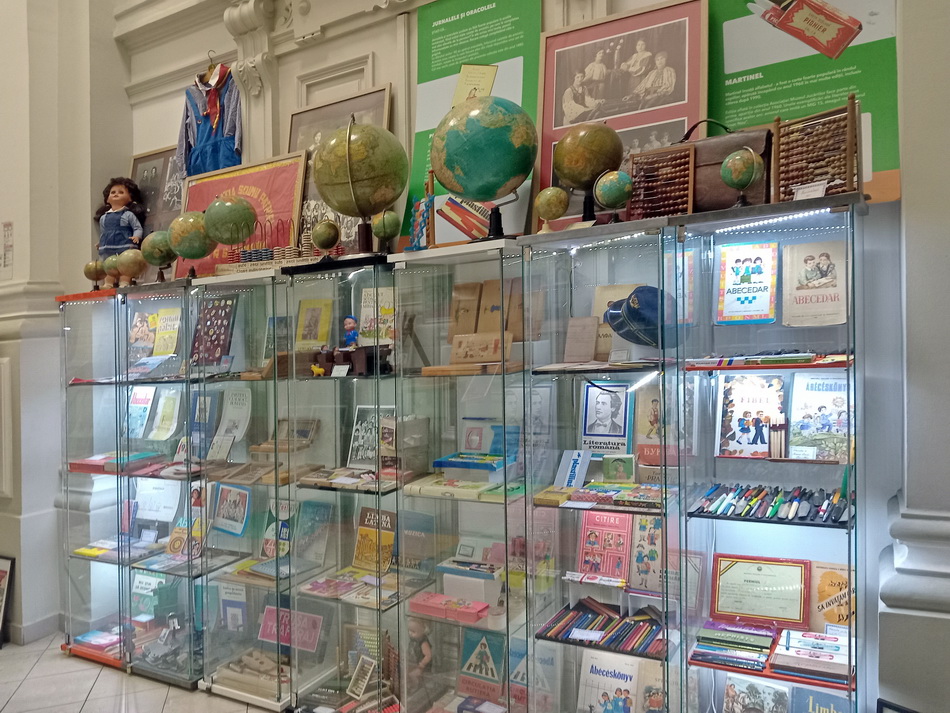
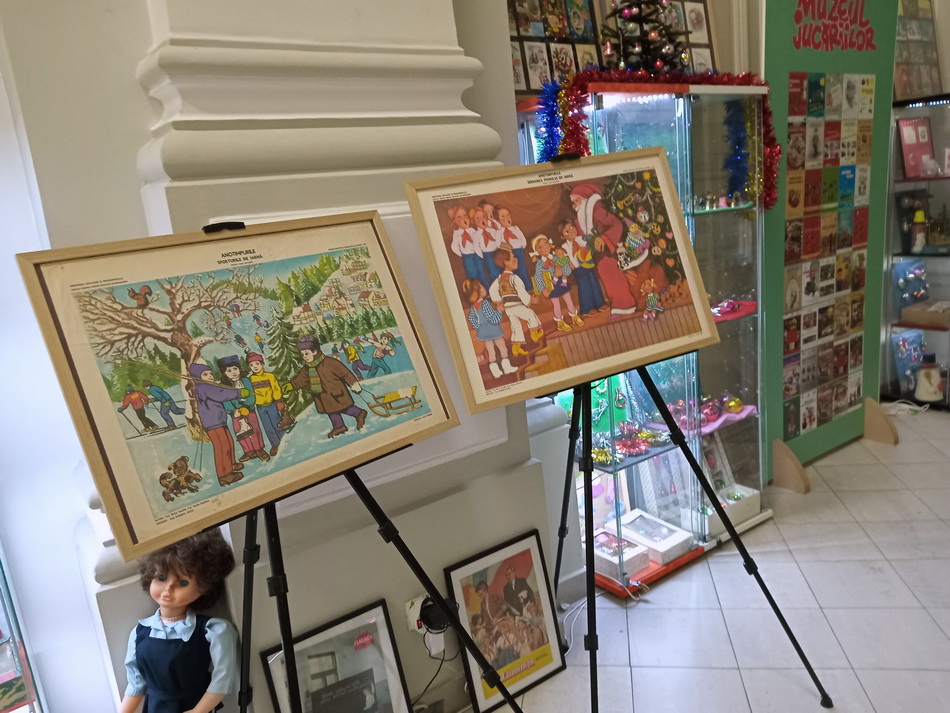
When I visited Bucharest in December 2023, I photographed the Toy Museum (Muzeul Jucăriilor), housed within the National Museum of Romanian History. The exhibition brought together old toy cars, trains, dolls, miniature buildings and countless reminders of childhood. At first glance, it seemed a colourful world of toys. Yet as I walked among the display cases, I began to see these objects as more than things once made to entertain children.
Every toy reflects something of the technology, economic circumstances, social life and imagination of its time. Objects once held in children’s hands, played with in homes and streets, had become witnesses to the past behind museum glass.
From a Collector’s Passion to a Museum
The story of the Toy Museum goes back to collector Cristian Dumitru, whose interest began in the 1980s. Initially fascinated by toy trains and models, he also kept toys that his siblings and relatives no longer used. Over time, his personal collection grew through contributions from others into a collection of thousands of pieces.
Collectors later joined together through the Toy Museum Association (Asociația Muzeul Jucăriilor), preserving and displaying toys manufactured in Romania and elsewhere. Cooperation with the National Museum of Romanian History made it possible to exhibit a substantial part of the collection in Bucharest.
According to information published by the museum in 2020, the association’s collection had grown to more than 15,000 toys, of which approximately 2,000 had been selected for display. Its oldest examples date back to the late nineteenth century.
What interested me about this undertaking was how ordinary objects, often discarded when no longer used, could become cultural heritage through years of collecting and care.
The Social History Told by Toys
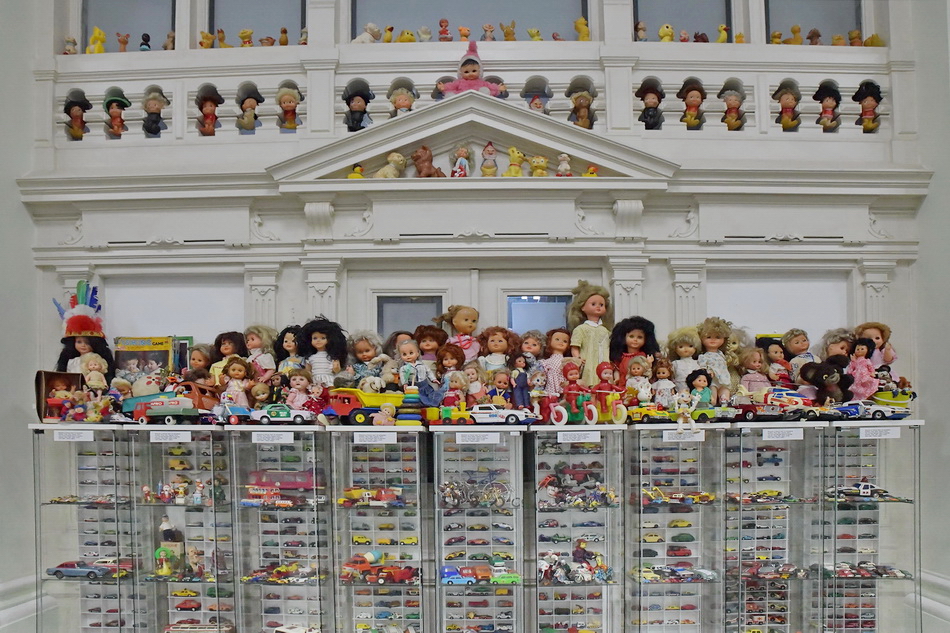
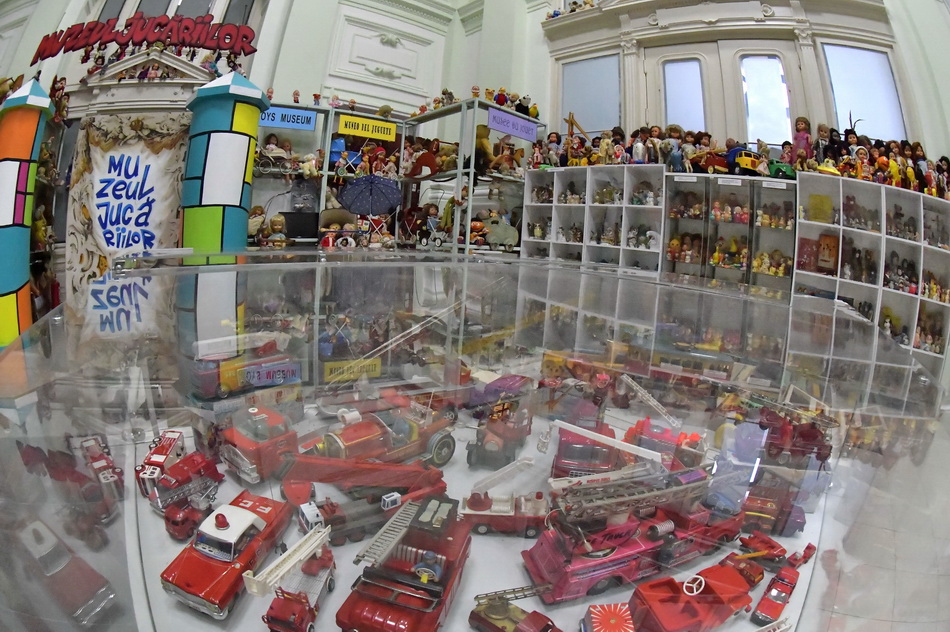
The toy cars, trucks, trains, aircraft and other vehicles in the cases were like miniature reflections of transport technology. Whenever a new type of car, locomotive or aircraft appeared in the real world, children’s toys often followed.
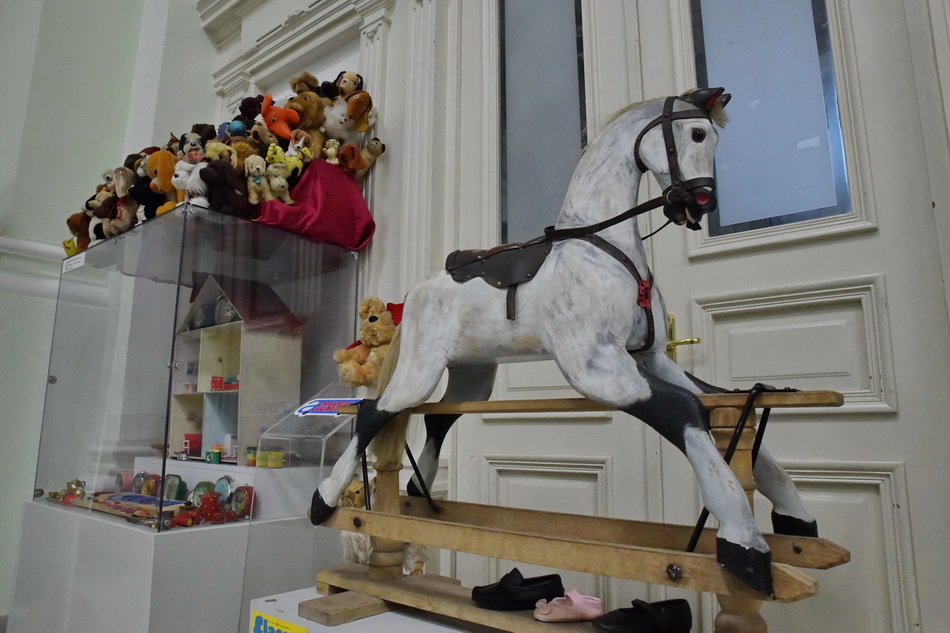
Older metal vehicles displayed alongside plastic toys also revealed changes in manufacturing methods. Wood, fabric, tin and metal were gradually joined by plastics and other industrial materials.
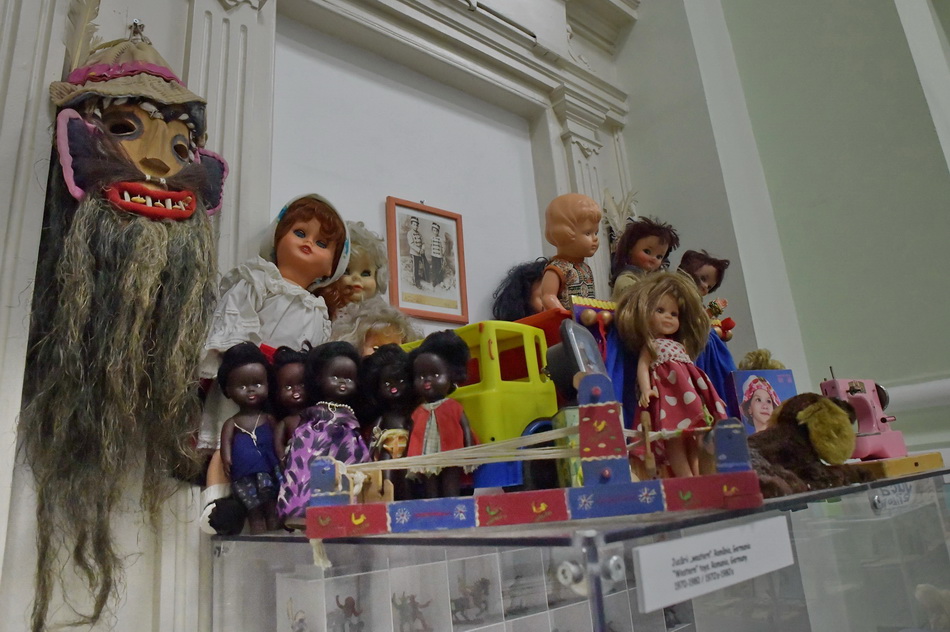
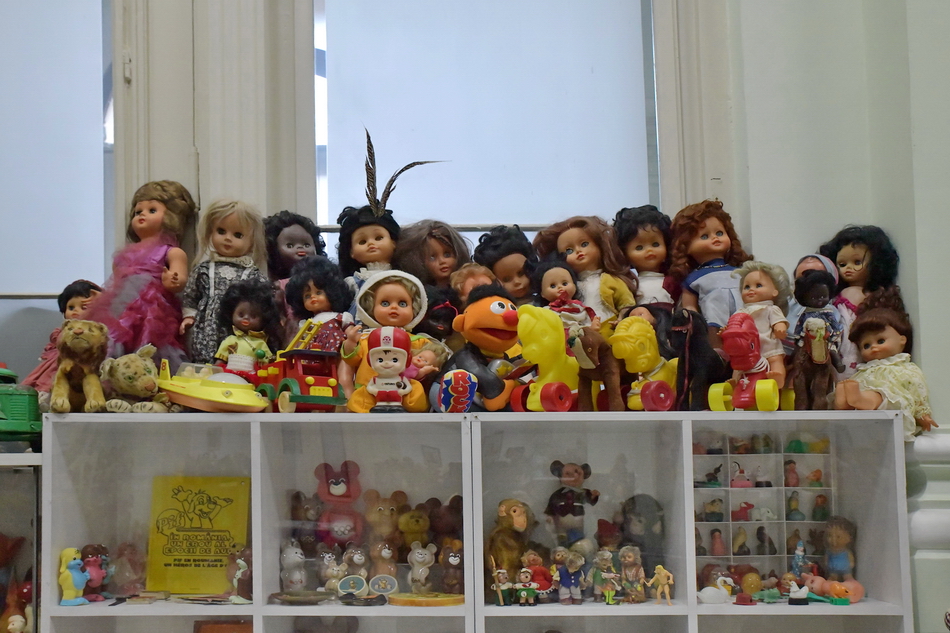
Dolls told another kind of history. Their clothes, facial features, hairstyles and accessories reflected the fashions and everyday life of different periods. Some toys allowed children to imitate the adult world; others invited them to invent entirely different worlds.
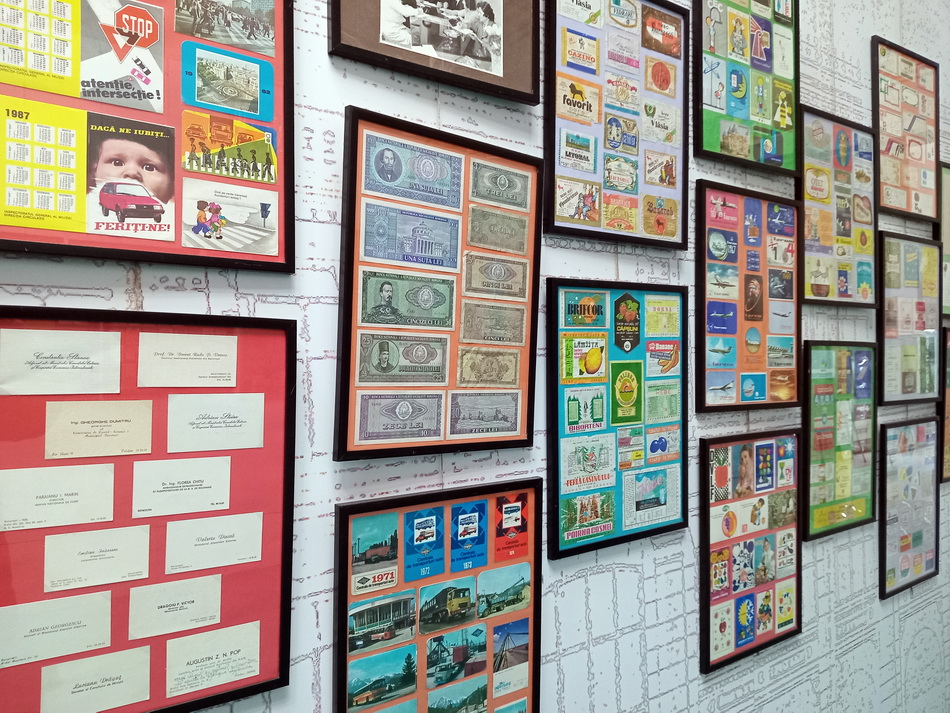
Toys produced during Romania’s socialist period formed another important part of the collection. Dolls made by factories such as Arădeanca and metal toys produced by Metaloglobus carry traces of the country’s industrial and consumer history.
Seen this way, toys are not only reminders of childhood; they are also documents through which we can understand a country’s economic and social past.
A Photographic Journey Among the Display Cases
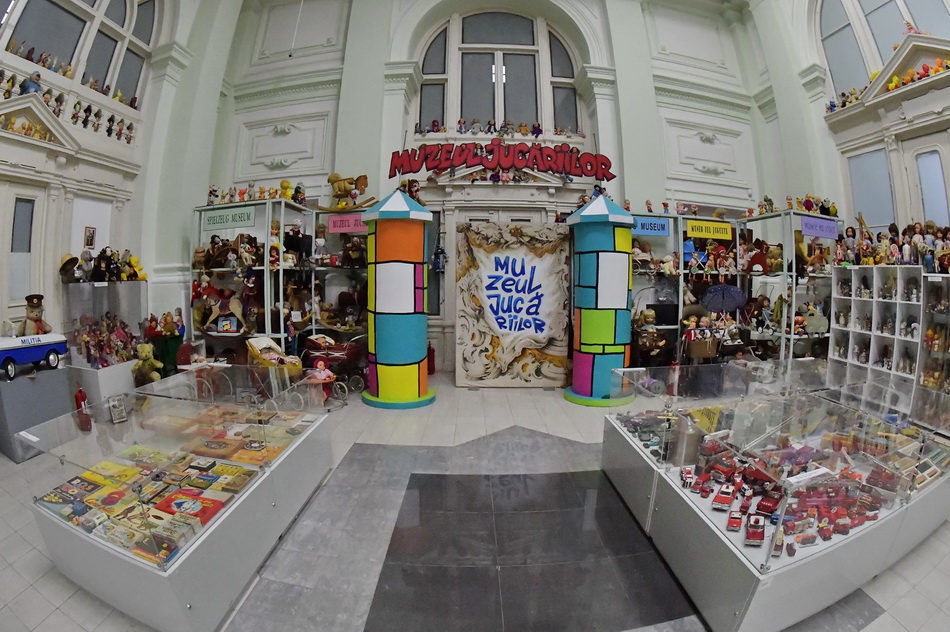
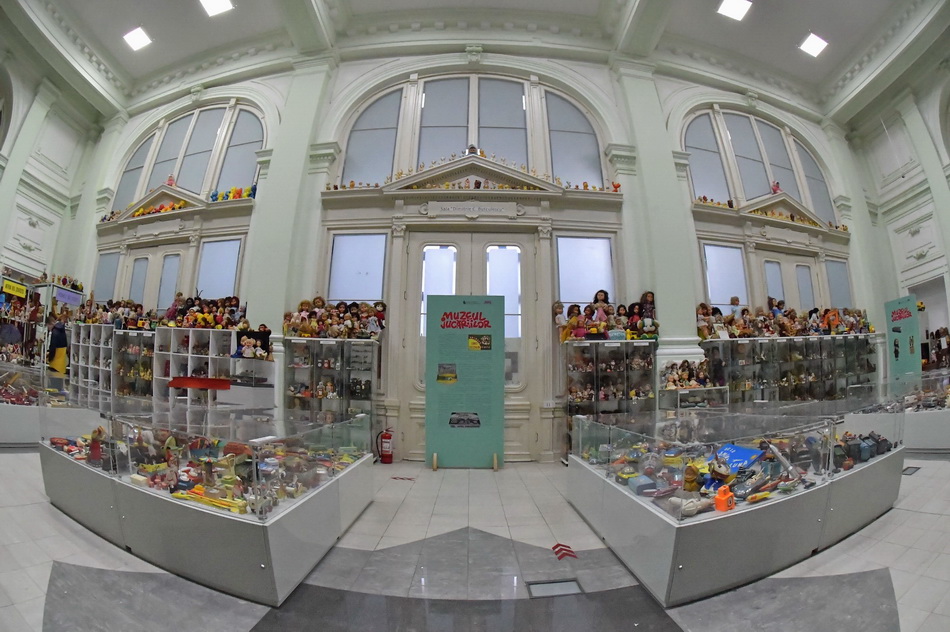
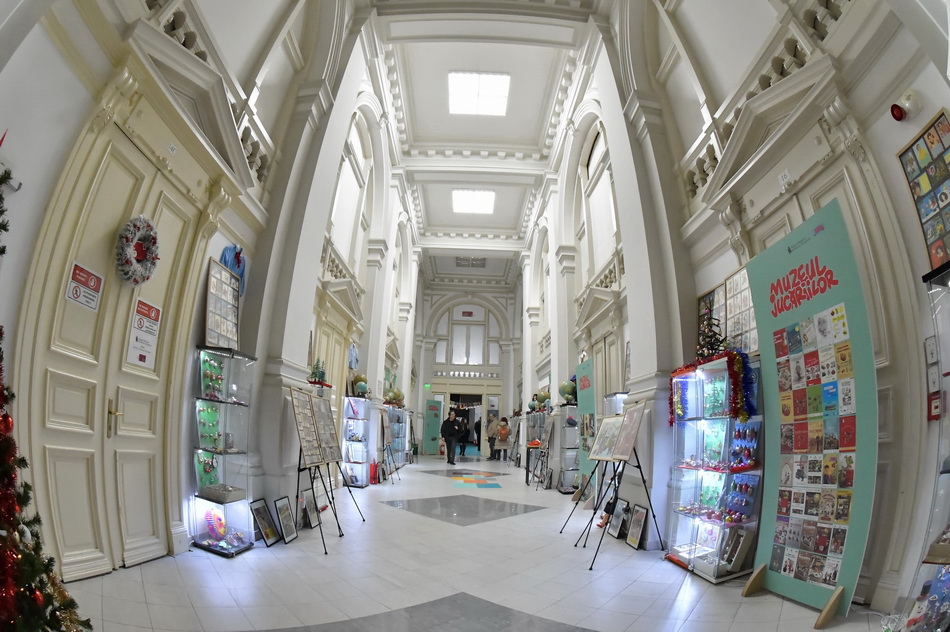
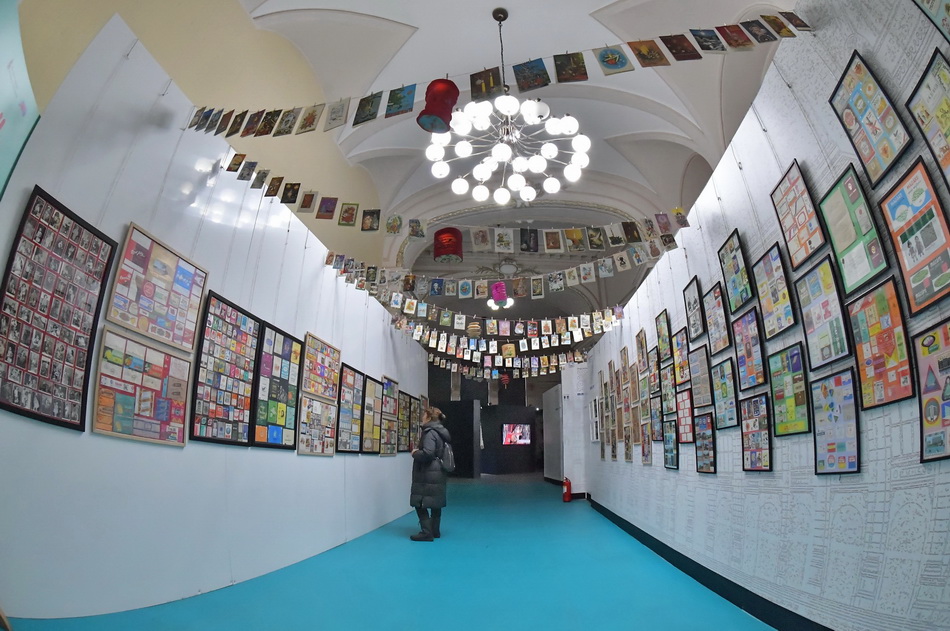
While photographing the museum, I made use of the possibilities offered by my wide-angle lens. I tried to record the densely filled display cases together with the architecture of the hall.
The sections containing groups of toy cars particularly caught my attention. Models from different periods, placed side by side, made it possible to trace changes in automobile design on a miniature scale.
Dolls, figures, trains and other objects revealed the breadth and variety of the world of childhood. The density of the displays made it important to photograph not only individual objects but also the collection as a whole.
Reflections in the glass cases, closely arranged objects and the available interior light presented certain photographic challenges. Yet these were also part of the museum’s real atmosphere. In my photographs, I wanted to preserve not just the toys but the way they were exhibited.
A Doorway to Childhood
Toy museums evoke feelings different from those of other museums. In archaeological museums we encounter civilizations from thousands of years ago; in art museums, the worlds of artists; and in technology museums, the inventions of humankind. In a toy museum, alongside all of these, we also encounter our own childhood.
A toy car, a small train or an old doll may carry powerful memories for someone who held it many years ago. For a younger visitor, the same object may reveal a way of life from a period they never knew.
This is where I see the value of the collection I photographed in Bucharest. The toys bring together the labour of their makers, the dreams of children and the everyday lives of families.
As I made these photographs in December 2023, I thought about how objects that once accompanied children’s games had acquired the character of historical documents. The toys may have grown old, but the childhood memories and social history they carry make them worth preserving.