
National Museum of Romanian History — Bucharest | December 2023
A Gateway to a Nation’s History
While visiting Bucharest in December 2023, I went to the National Museum of Romanian History (Muzeul Național de Istorie a României), housed in one of the city’s most imposing historic buildings.
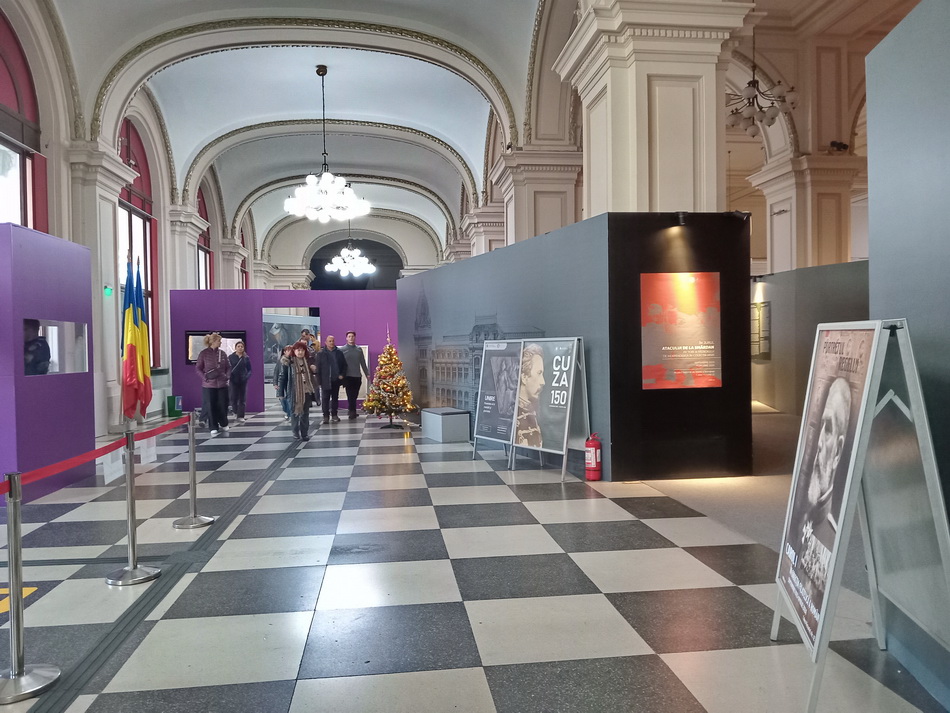
The museum stands on Calea Victoriei in the former Central Post Office, constructed between 1894 and 1899 to a design by architect Alexandru Săvulescu. With its spacious halls, high ceilings and monumental architecture, the building is itself worth visiting. Opened as a history museum on 8 May 1972, the institution preserves hundreds of thousands of objects relating to Romania’s past.
As I walked through its galleries, I encountered not only historical objects but also events that helped shape Romania’s national identity. The displays I photographed drew my attention particularly to the late nineteenth century, the struggle for independence and the royal period.
The War of 1877–1878 and Romanian Independence
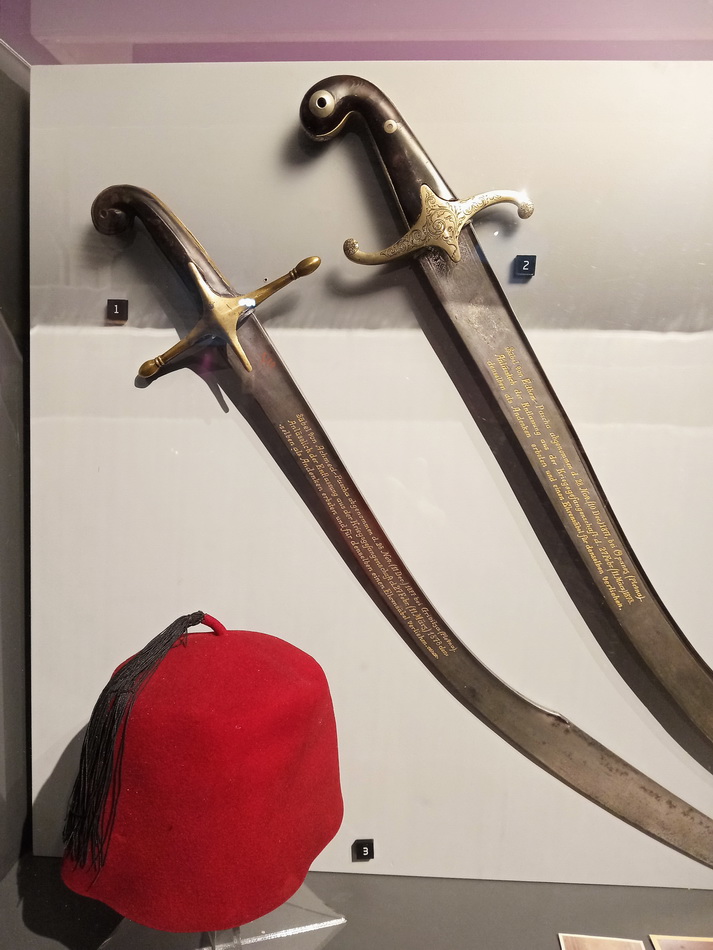
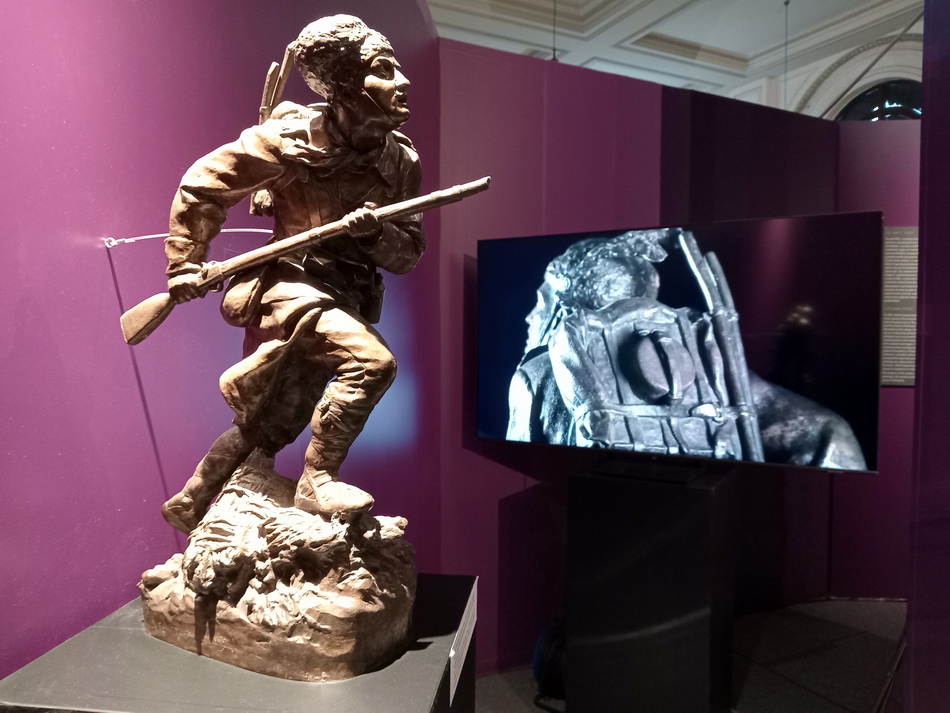
During my visit, the museum was presenting a special exhibition on the place of the Russo-Turkish War of 1877–1878 in Romanian history. Its Romanian title was “În jurul Atacului de la Smârdan. Pictori ai Războiului de Independență” — “Around the Attack at Smârdan: Painters of the War of Independence.”
This war is a major event remembered from different perspectives in Turkish and Romanian history. For the Ottoman Empire, it formed part of a period of territorial losses and declining political influence in the Balkans; for Romania, it opened the way to international recognition of independence.
Romania declared its independence in 1877, and that independence was internationally recognised through the Treaty of Berlin in 1878. The exhibition explored the military, political and social dimensions of this period through documents, artworks and personal belongings.
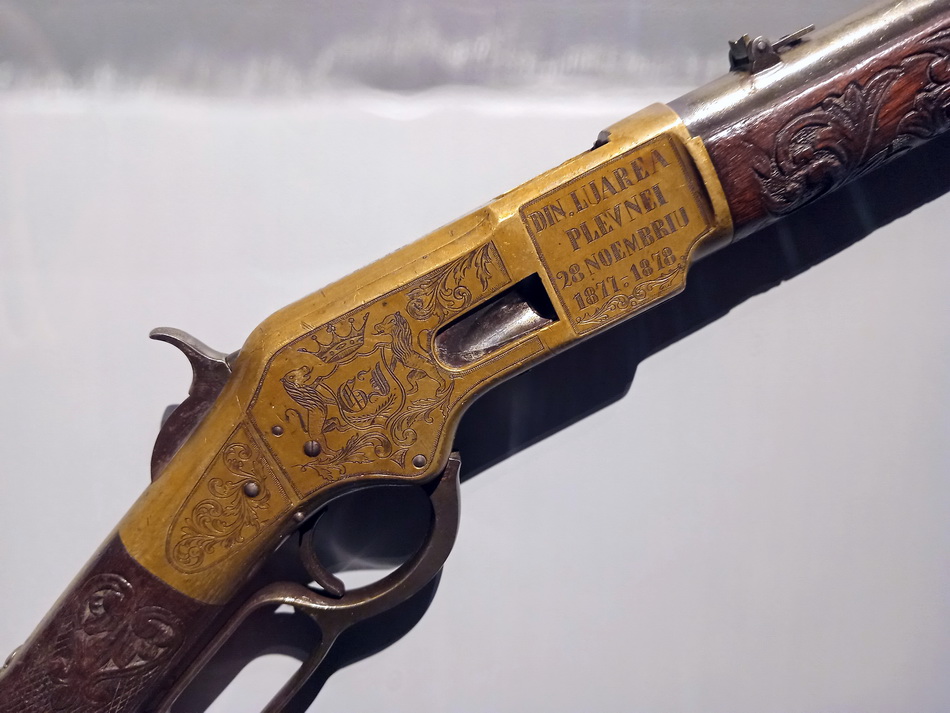
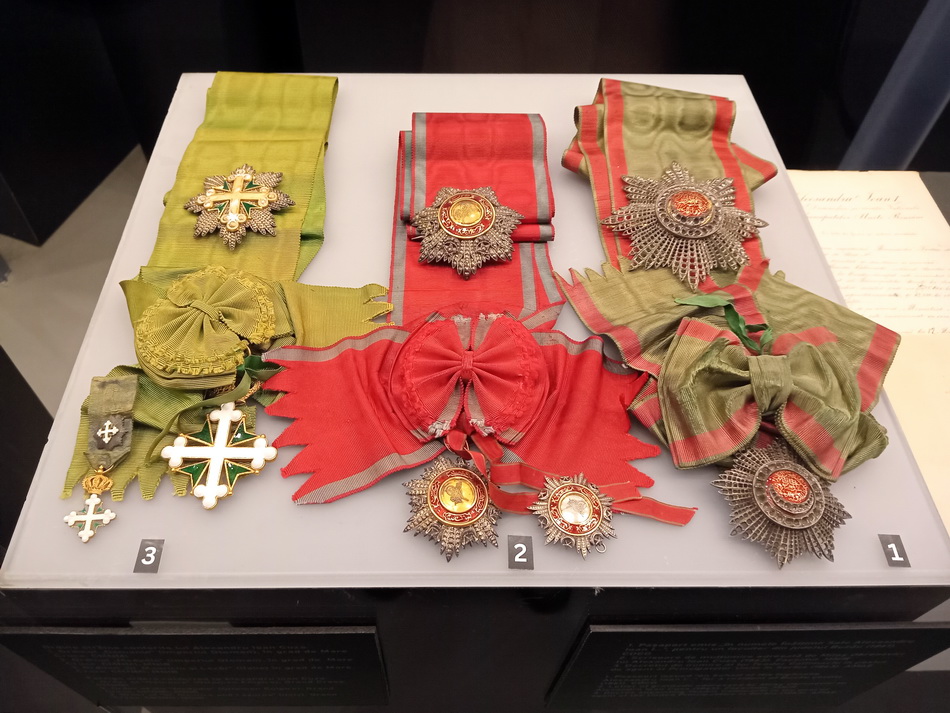
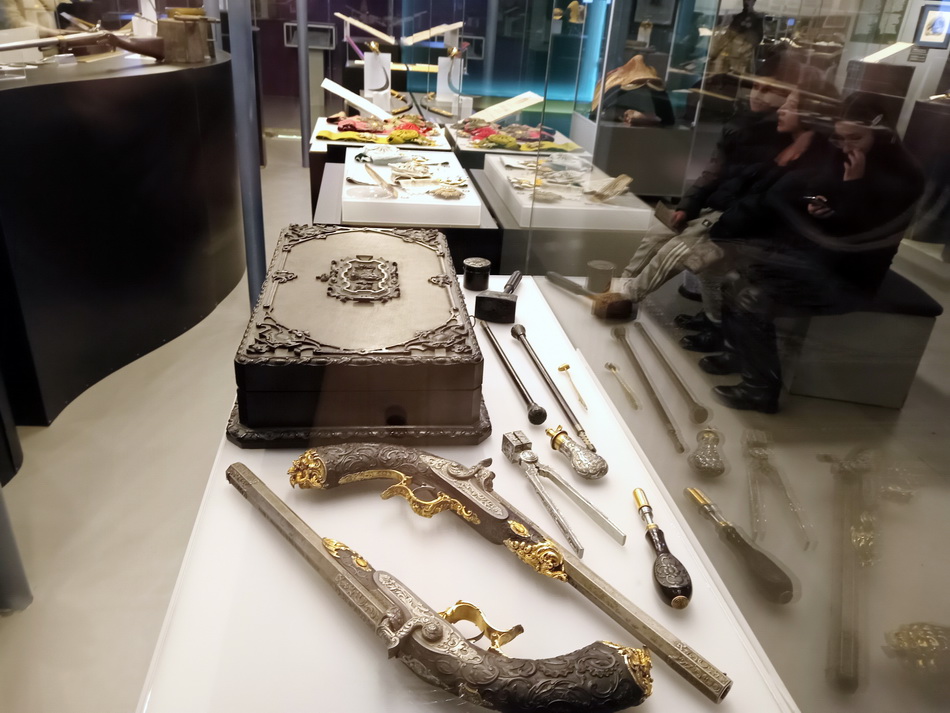
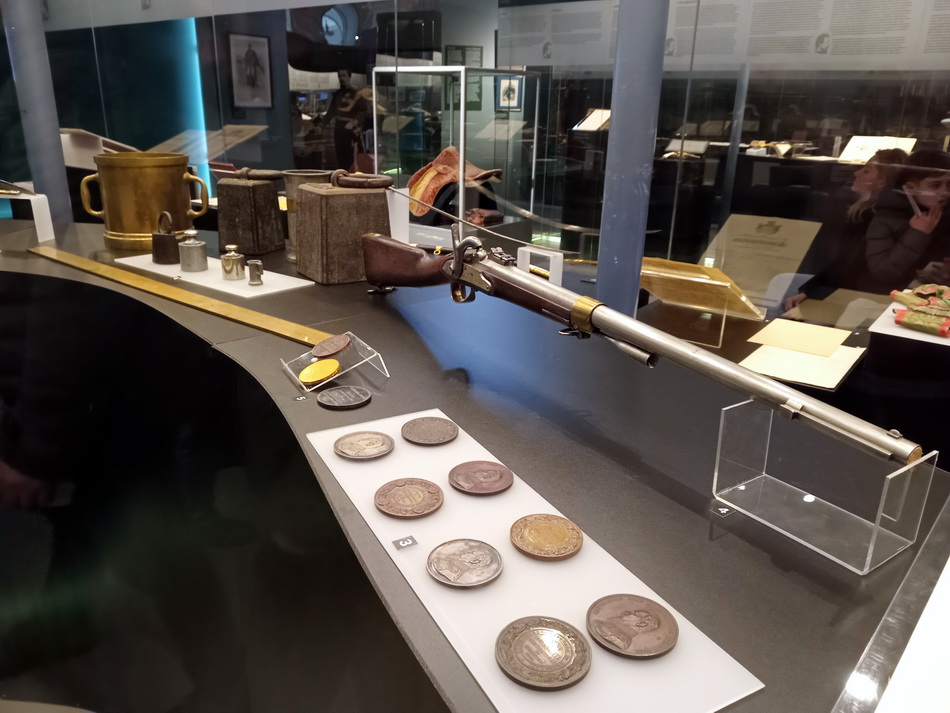
The swords, decorated rifles, military decorations, medals and other objects in the cases reminded me that a war is never simply a series of battles. Each item also reflected the military technology, power structures and ideas of national identity of its time.
The Memory of War Recorded in Photographs
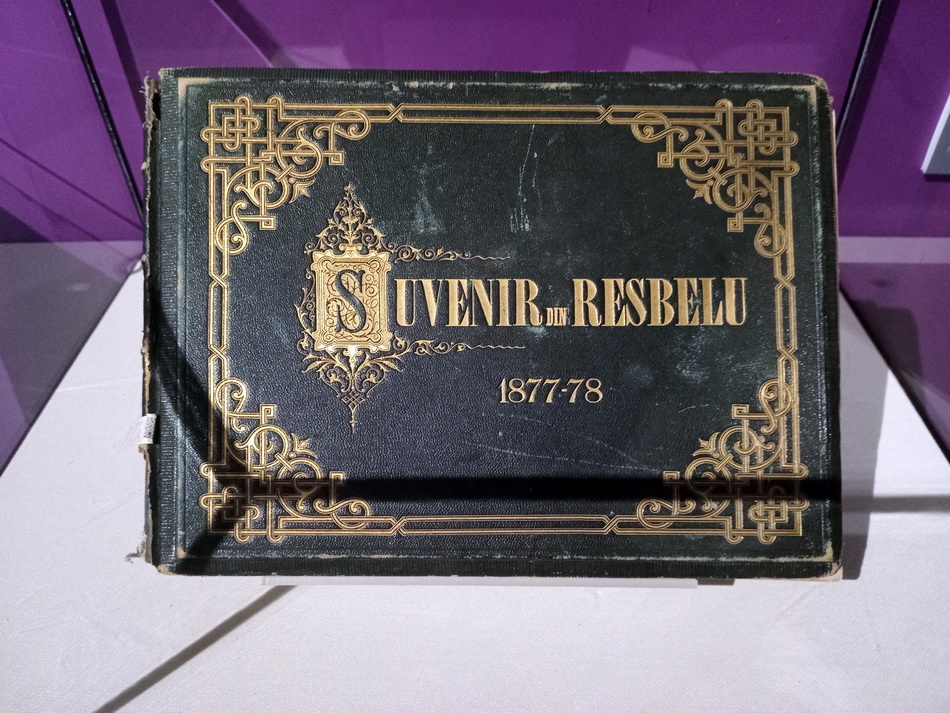
One object particularly caught my attention: a historic photographic album bearing the inscription “Suvenir din Resbelu 1877–78.” The album contained work by photographer Carol Popp de Szathmári relating to the war of 1877–1878.
Szathmári, a pioneering figure in nineteenth-century war photography, had also photographed during the Crimean War in the 1850s. His work belongs to the early period when photography began to be used to document historical events.
As a photographer, I found standing before this album especially meaningful. Thinking of the heavy, demanding equipment required at the time brought home the extraordinary changes photography has undergone since then.
Its preservation in a museum case was another reminder that photography is not merely a way of producing images; it is also a bearer of historical memory.
Military Objects, Decorations and the Royal Period
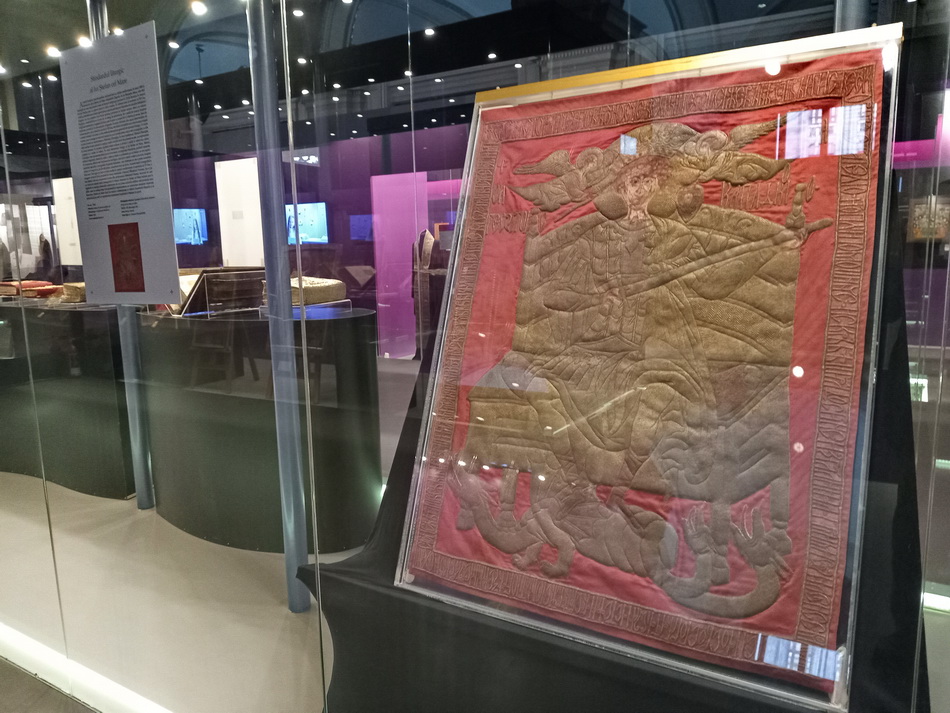
The military displays included finely worked rifles, swords, ceremonial weapons and various medals. The ornamentation of some objects suggested that they served not only practical purposes but also expressed the status and authority of their owners.
Decorations and medals in particular revealed how states turned military achievements into symbols. Coats of arms, crowns and religious motifs worked into metal were small but telling documents of the political and cultural world of their time.
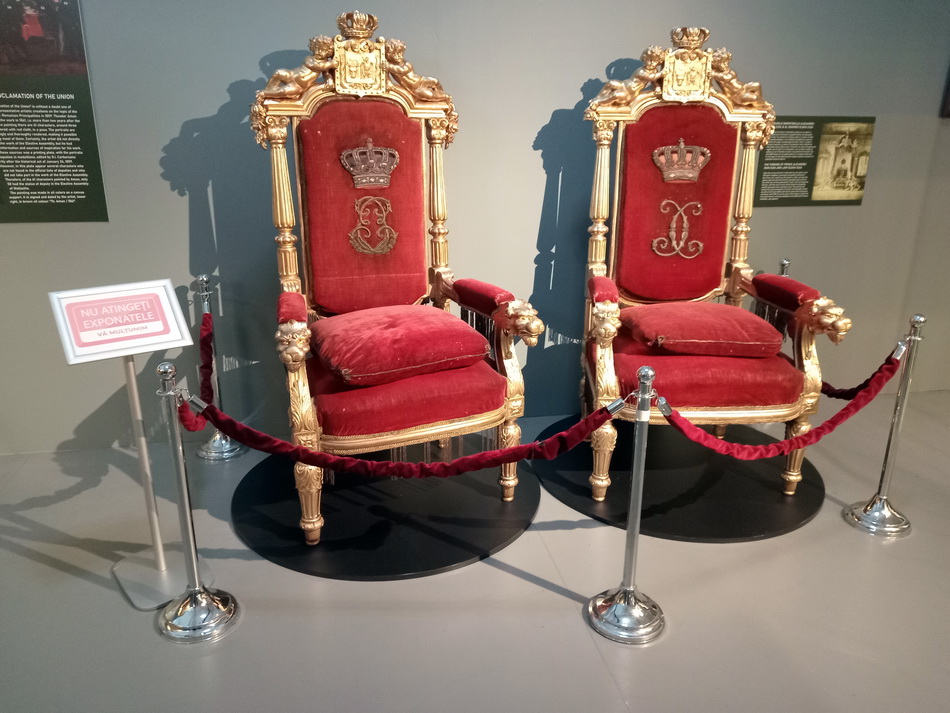
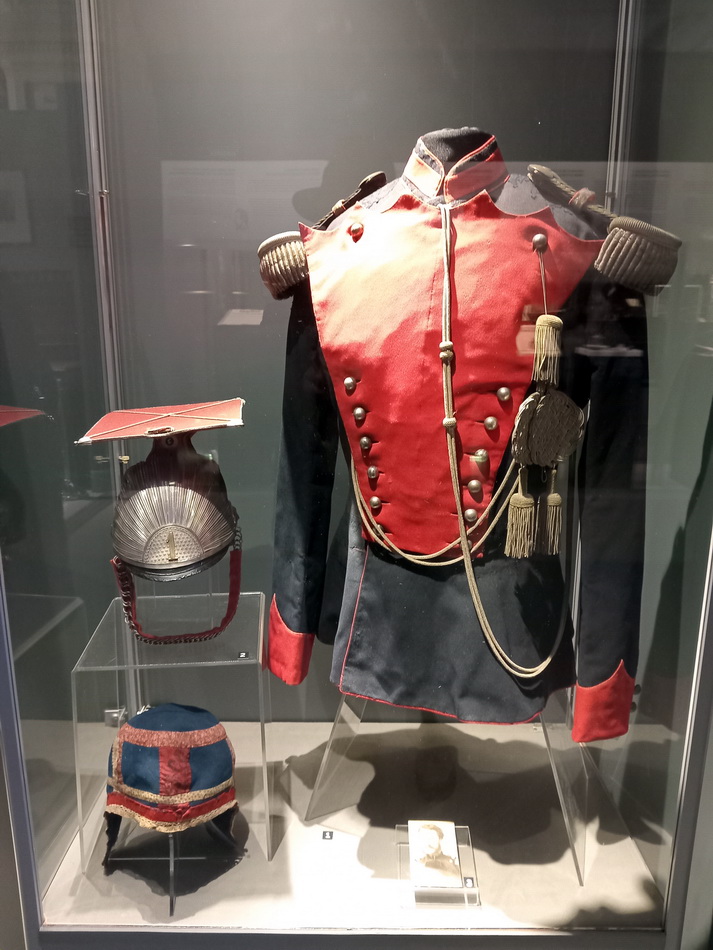
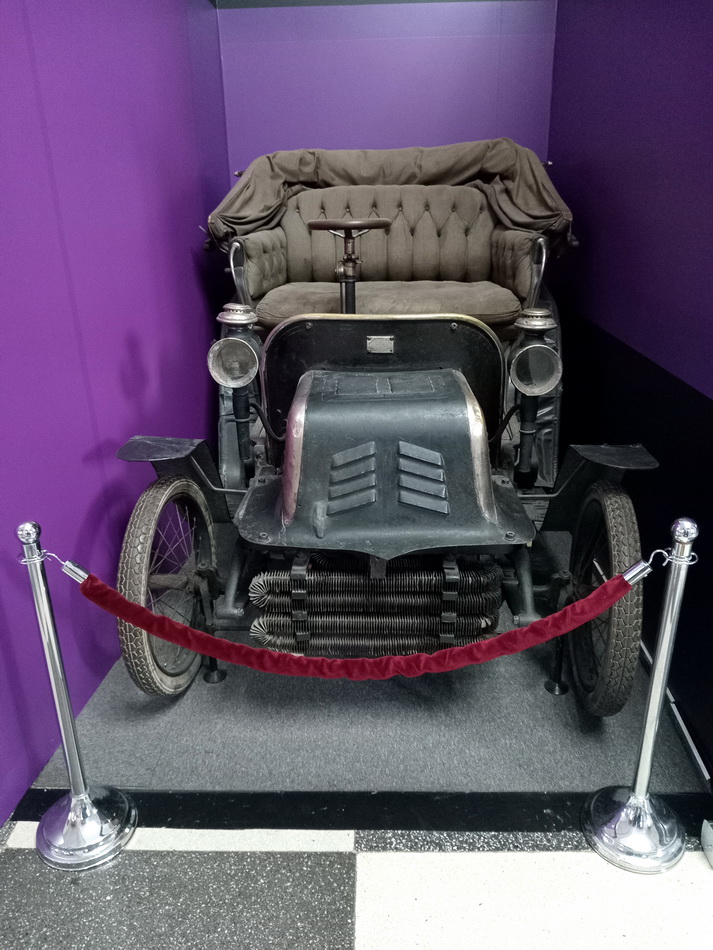
The elaborate chairs, uniforms and other objects in my photographs also recalled Romania’s passage from principality to kingdom. Romania became a kingdom in 1881, and the monarchy continued until 1947.
These objects offer a view not only of rulers and soldiers but also of the ways in which a state chose to represent itself.
Religious Art and Cultural Heritage
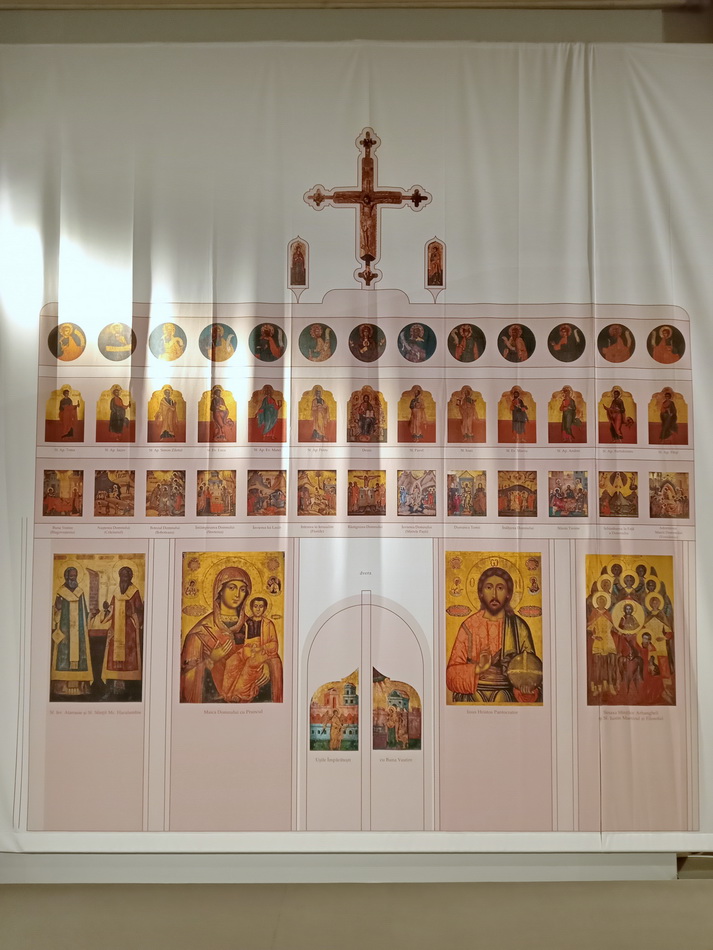
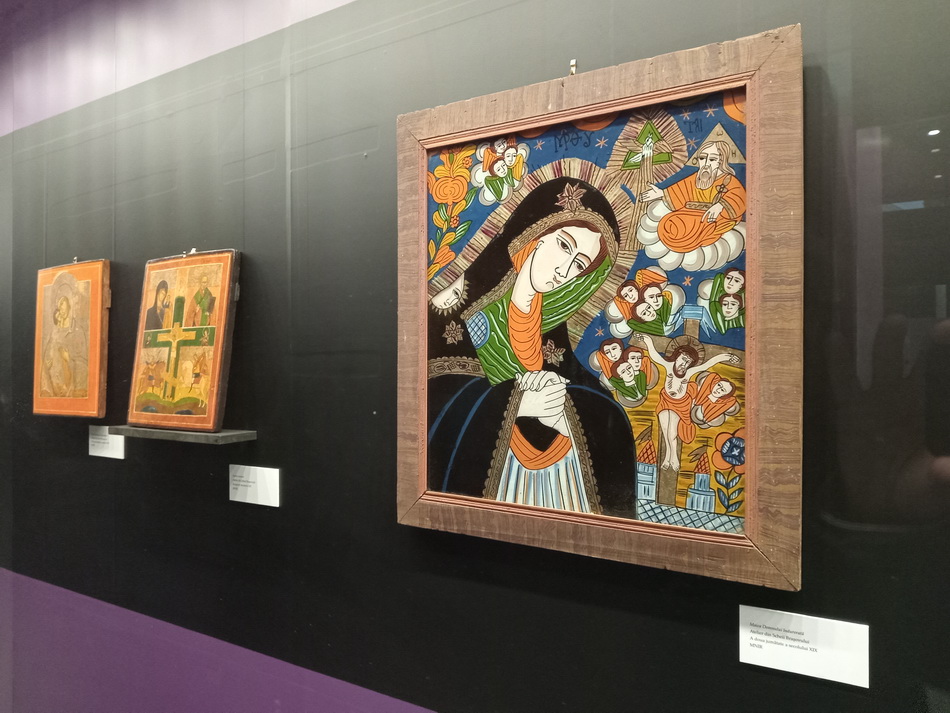
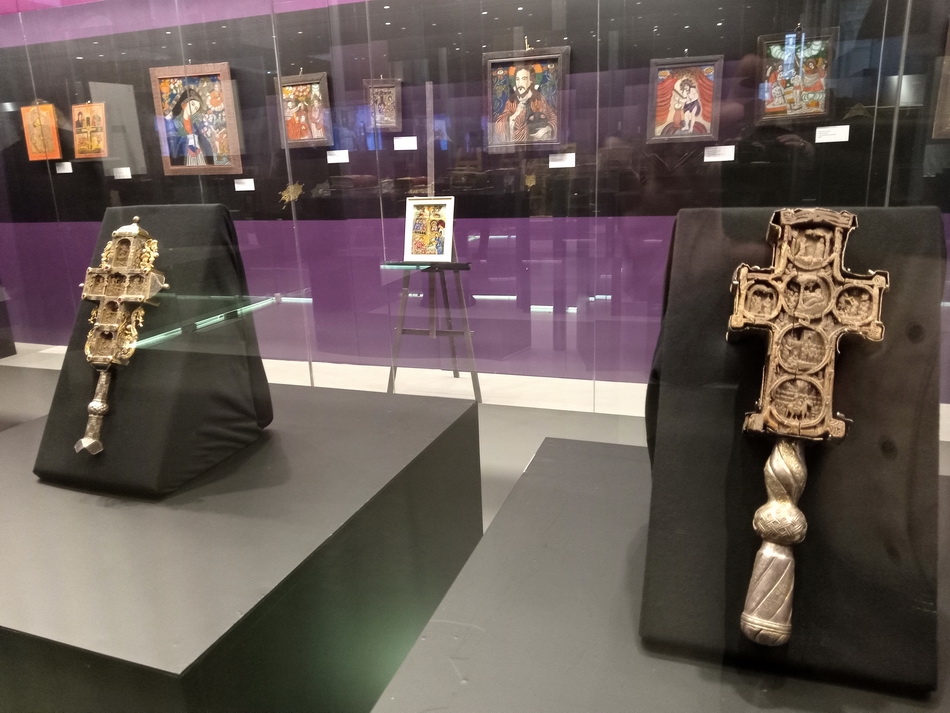
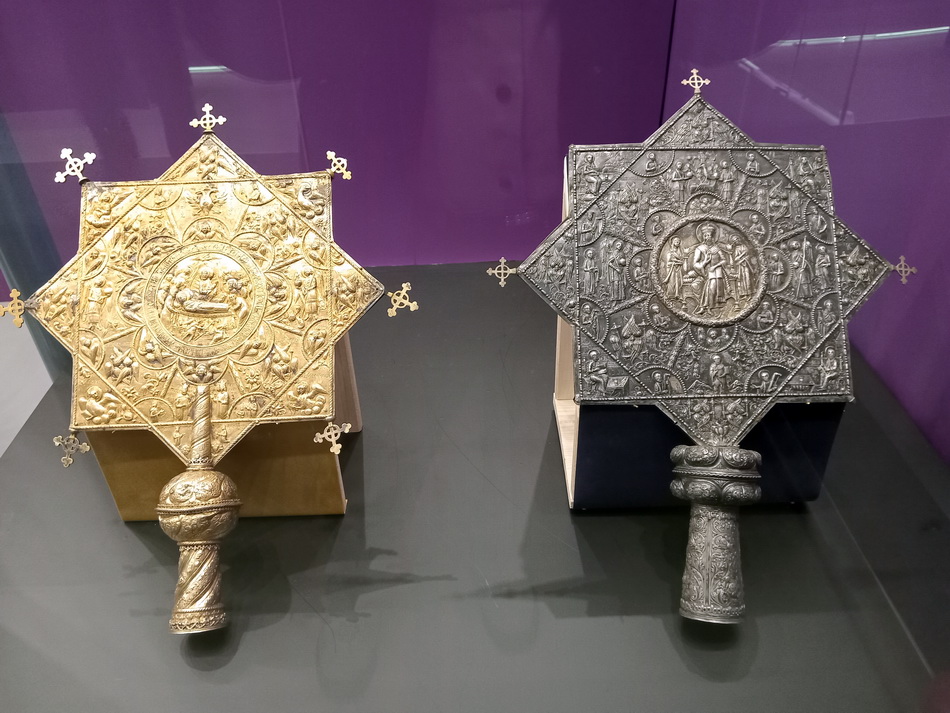
In another section I photographed icons, crosses and religious objects. Orthodox Christianity has played an important role in Romania’s cultural history.
The figures, gilded ornament and religious symbols of the icons reflected an artistic tradition developed over centuries. Some objects were directly associated with worship, while others were examples of skilled metalwork and woodcraft.
Photographing them reminded me of my other documentary work on the beliefs and daily lives of different communities. Religious objects express not only faith but also the artistic sensibilities and craftsmanship of the societies to which they belong.
A Museum Visit Through Photographs
As I photographed the museum, I tried to record both the architecture of the exhibition halls and the details of objects that caught my eye.
The spacious galleries, high ceilings and historic character of the building shaped the atmosphere. Small objects inside glass cases, by contrast, demanded a closer and more attentive look.
Dark display panels, illuminated cases and digital imagery brought historical objects together with contemporary museum presentation.
I wanted to retain this contrast in my photographs: on one side, authentic objects that have survived from the past; on the other, the methods used to interpret them for visitors today.
Different Faces of History
Leaving the National Museum of Romanian History, I reflected on how differently the same historical events can live in the memories of different societies.
In Türkiye, the war of 1877–1878 is generally known as the “93 Harbi” — the War of ’93, named after the Ottoman calendar year. Remembered as a period of heavy Ottoman losses, it is understood in Romania as a defining moment in the achievement of national independence.
The fact that the same event can evoke such different feelings in two countries reminds us that history museums are more than places displaying objects from the past. They also reveal how societies interpret their history and choose to pass it on to future generations.
These photographs, made in December 2023, do not claim to tell the whole history of Romania. They are visual records of objects I encountered, details that drew my attention and historical traces that interested me as a photographer.
For me, this is the value of photographing museums: not simply recording an object left behind by the past, but trying to see the human story and historical meaning it carries.