
White Tower of Thessaloniki — History Museum | December 2013
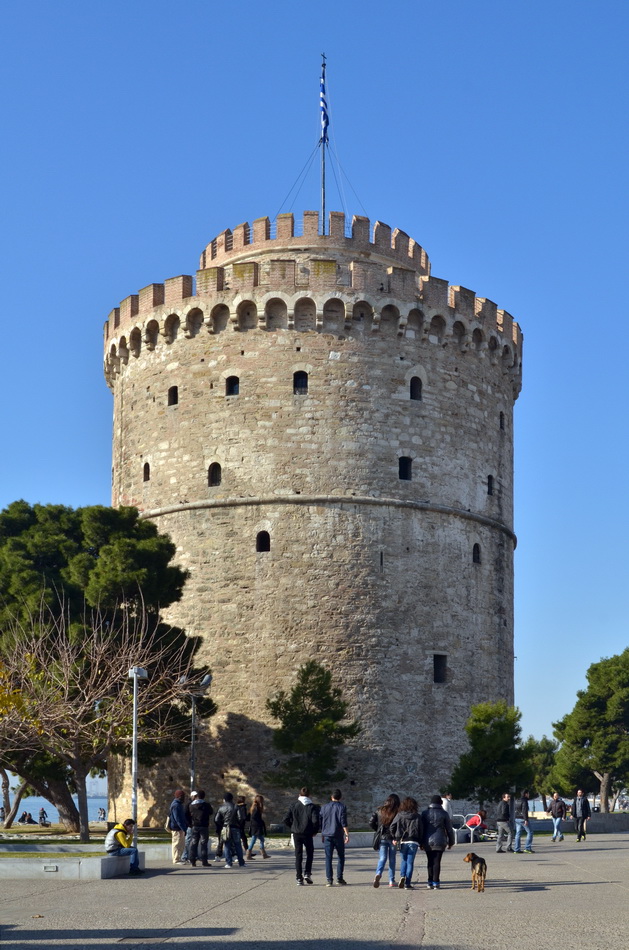
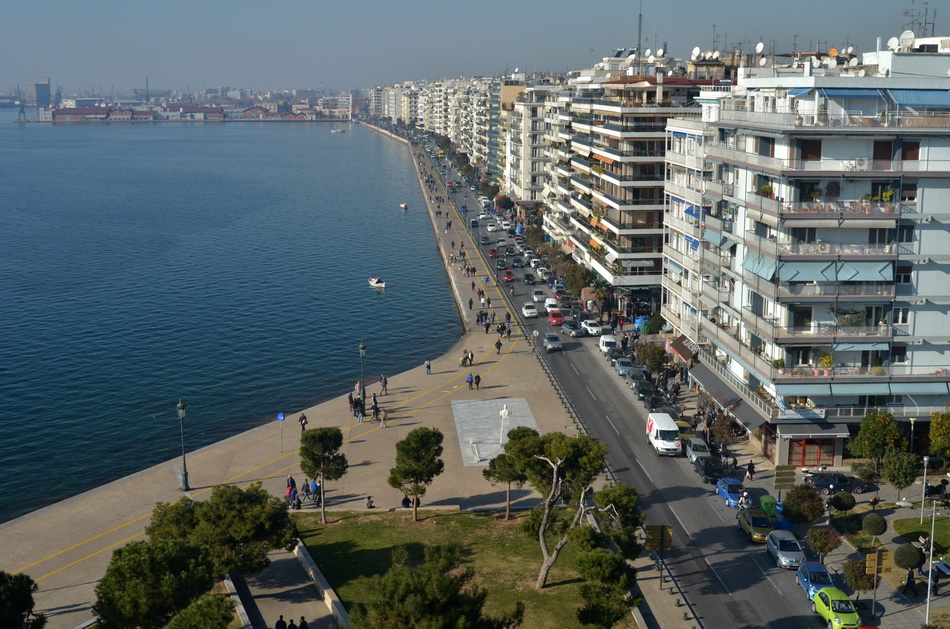
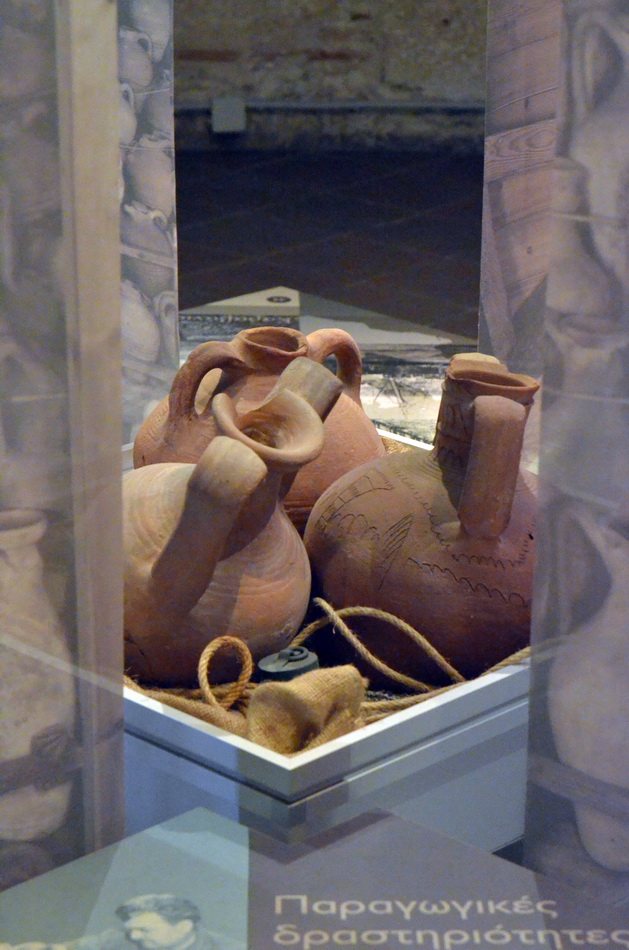
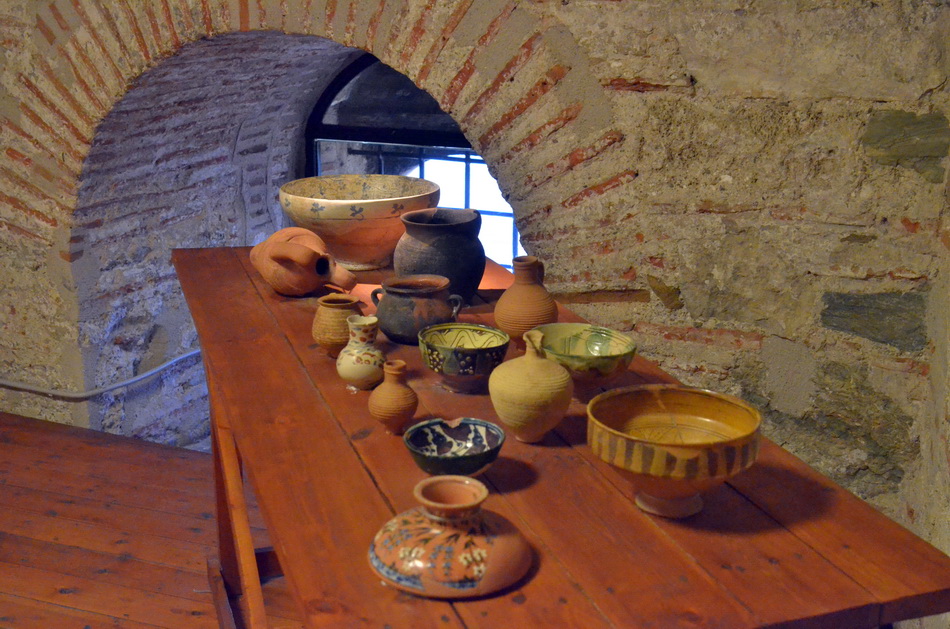
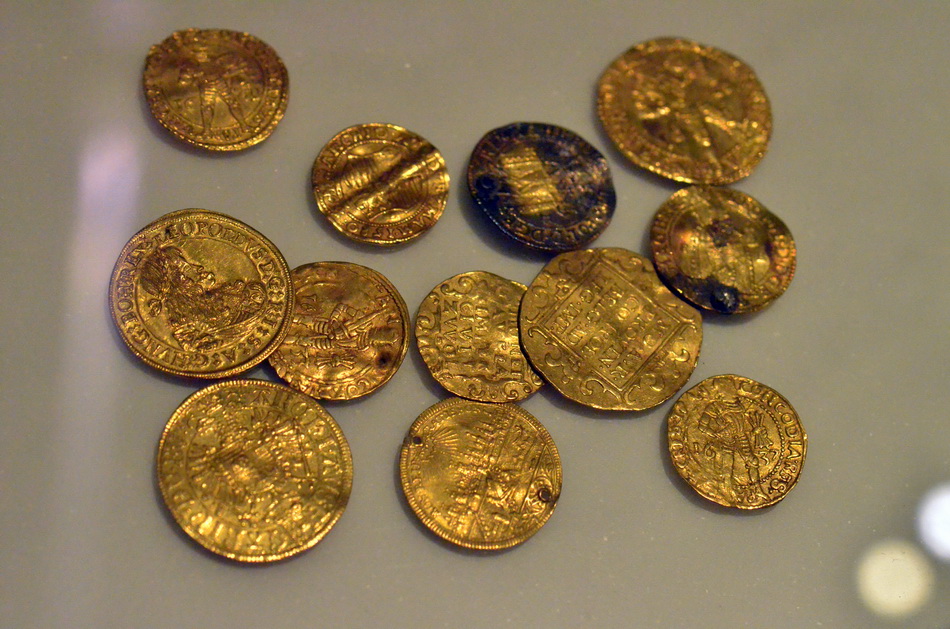
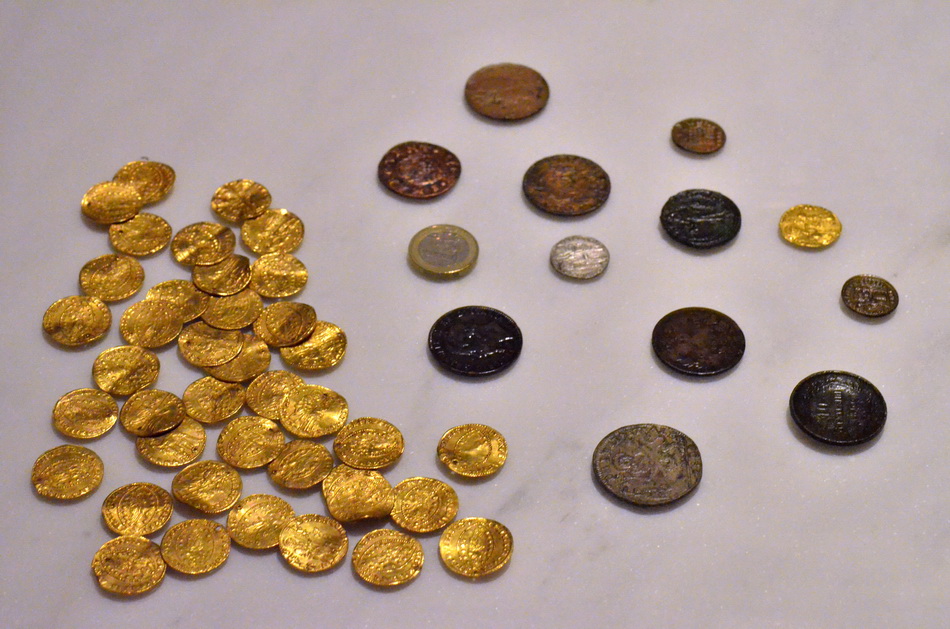
During my visit to Thessaloniki in December 2013, I explored the White Tower, one of the city's most recognizable landmarks, and photographed the small museum of urban history housed within it. Rising beside the waterfront, this imposing stone monument has a past far more complex than its peaceful appearance today suggests. Its story extends from military defense through periods of imprisonment to its present role as a place of cultural memory.
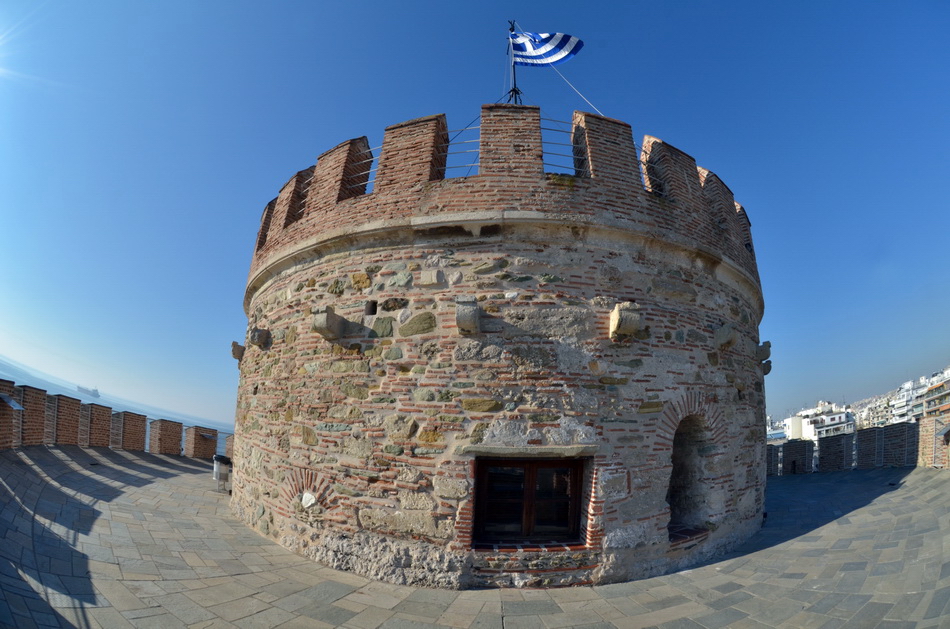
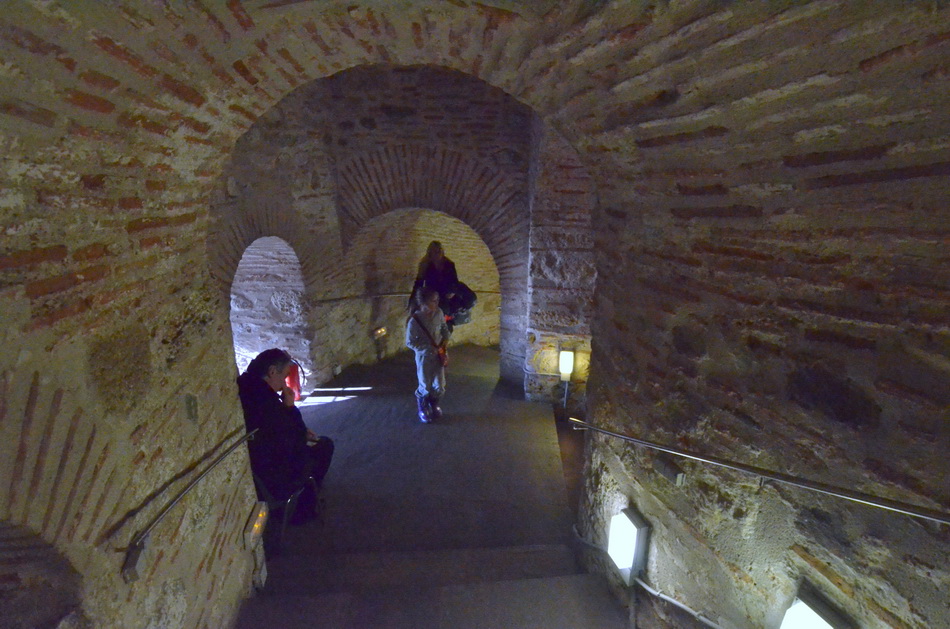
The present tower was built in the fifteenth century, after the Ottoman conquest of Thessaloniki in 1430, on a site associated with the earlier Byzantine fortifications. Standing near the junction of the city's sea and eastern walls, it formed part of the defensive system. Its thick masonry, cylindrical form and crenellated upper level remain striking examples of the military architecture of that period.
Over the centuries, the building was known by several names, reflecting changes in its function and the way it was perceived. It has been associated with names such as the Tower of the Lions and the Tower of Kalamaria. It was also used as a prison, and its association with executions gave rise to the name 'Tower of Blood.' The monument that now appears on postcards thus carries memories of much darker episodes in the city's history.
In the late nineteenth century, the tower was whitewashed, and the name White Tower gradually became established. Although most traces of the white coating have disappeared, the name has endured. After Thessaloniki became part of Greece in 1912, the building continued to serve different purposes, including military and institutional uses, before its transformation into a museum.
Restoration work in the 1980s marked an important stage in preserving the tower. In 2008, a permanent exhibition devoted to the history of Thessaloniki opened inside it. A structure once associated with defense and confinement had become a place where visitors could encounter the city's layered past.
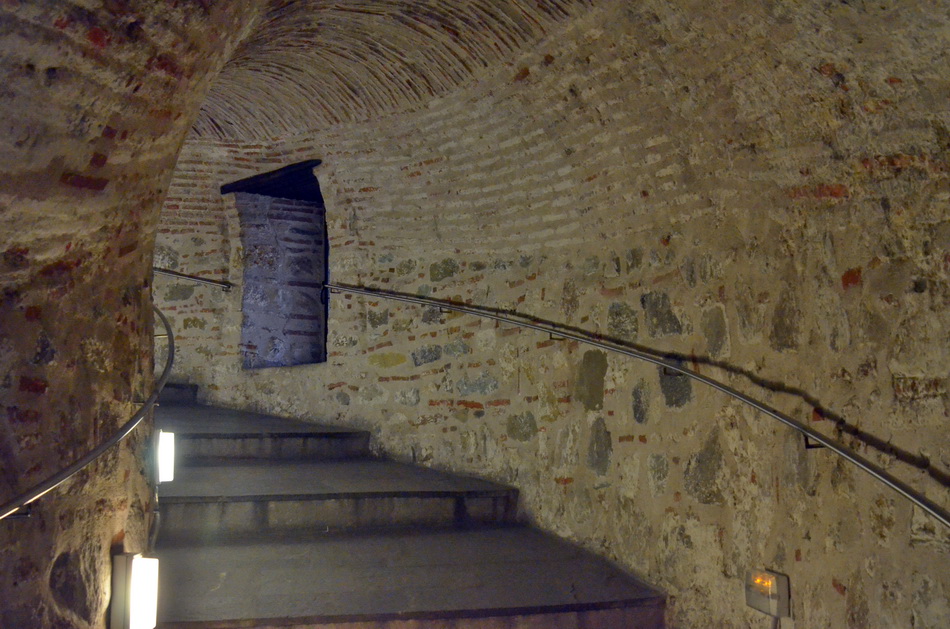
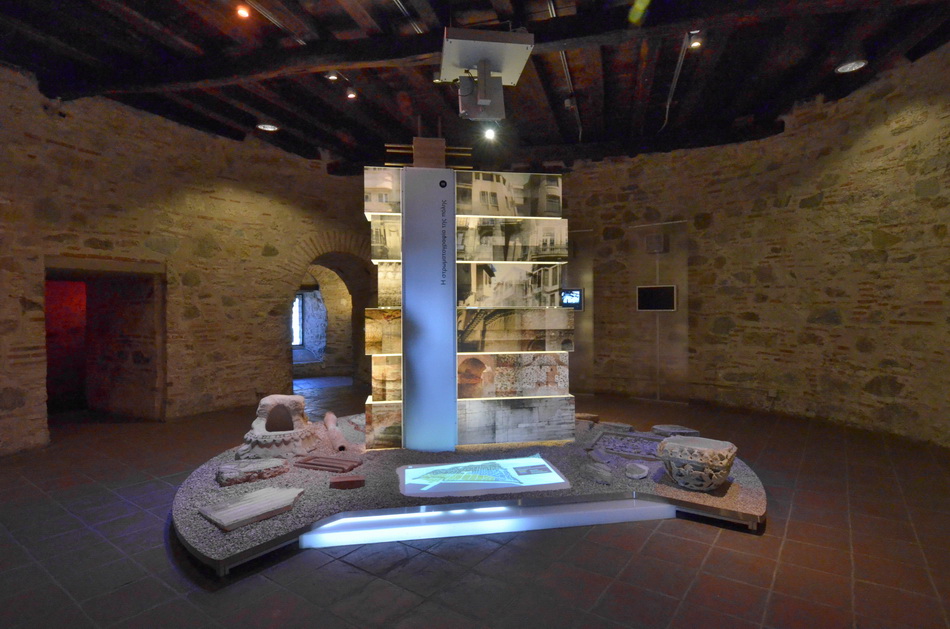
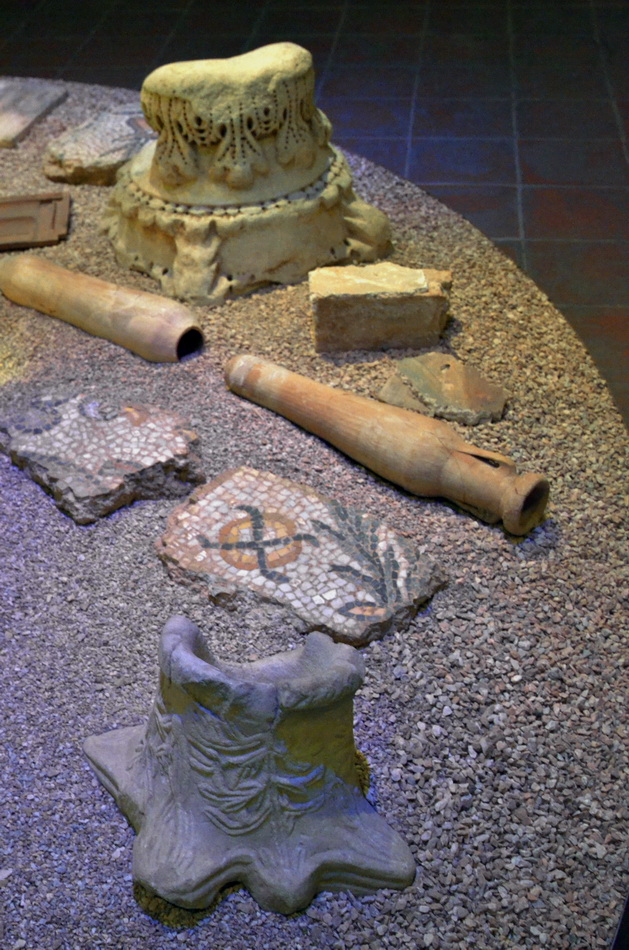
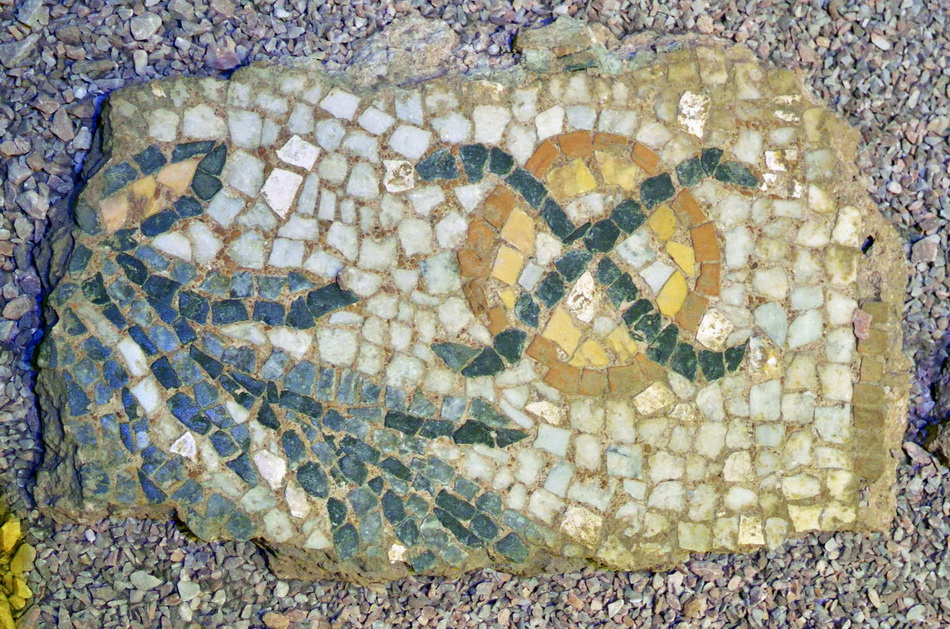
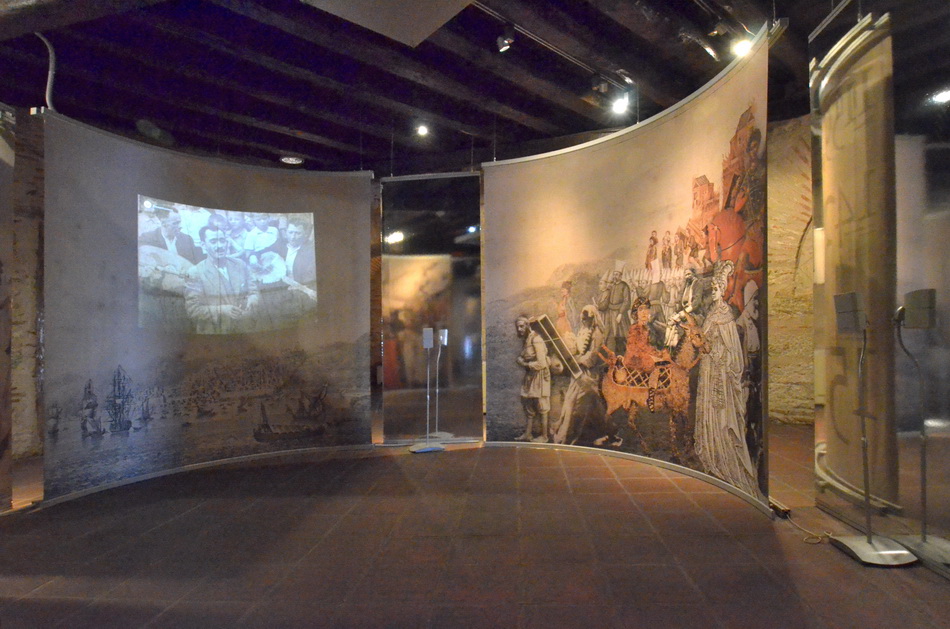
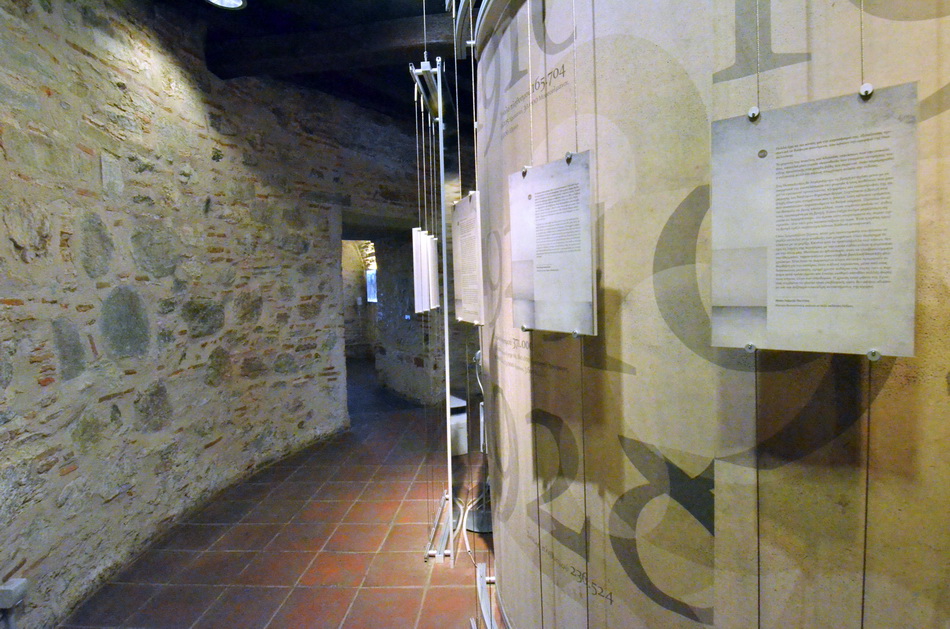
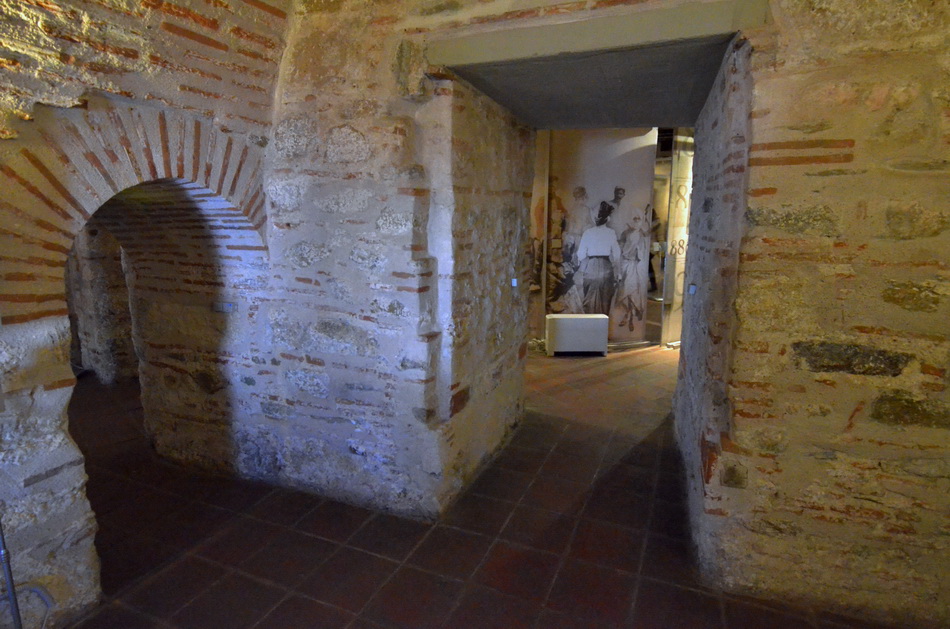
The museum I visited did not resemble a large archaeological museum filled with rows of ancient objects. Instead, its exhibition was arranged across the tower's circular floors and relatively small rooms. Historical photographs, documents, maps, interpretive displays and multimedia presentations introduced different aspects of Thessaloniki's development, from its foundation to more recent times.
I was particularly interested in the city's multicultural history. From ancient Macedonia through the Roman and Byzantine eras, the Ottoman centuries and modern Greece, Thessaloniki has been a major port and meeting place. Greek, Turkish, Jewish, Armenian and other communities contributed to its social and cultural life. Their traces survive in the city's architecture, customs and collective memory.
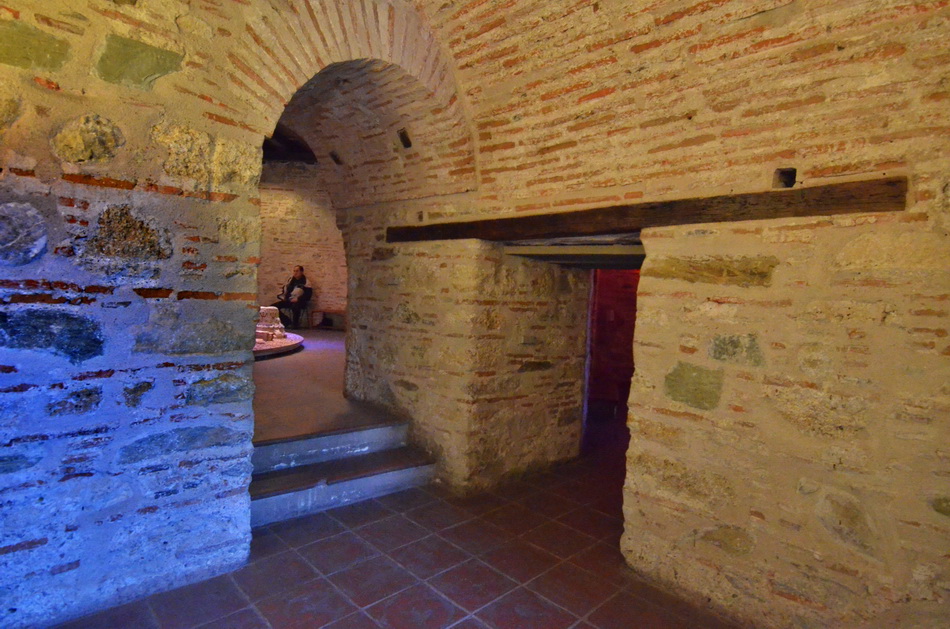
As I moved through the compact rooms, I became aware of the relationship between the history being presented and the history embodied by the building itself. The tower was not merely a container for an exhibition: it was one of the witnesses to the events being described. The stone walls and stairways that had served soldiers, guards and prisoners now guided visitors through a different kind of journey.
In my photographs, I tried to document both the architectural character of the tower and the exhibition as it appeared during my visit. The curved interiors, heavy walls, stairs and displays created a setting very different from the spacious galleries of a conventional museum. The building's physical presence was always part of the experience.
What stayed with me most was the tower's transformation over time. Built to defend a city and later used to confine people, it now invites visitors to reflect on the many histories of Thessaloniki. These photographs, made in December 2013, record not only an Ottoman-era architectural monument but also the museum presentation that occupied it at that moment. I share them as a personal witness to the ways a historic building can acquire a new public life while preserving the memory of its past.