
Antakya Archaeological Museum | Antakya, 2005
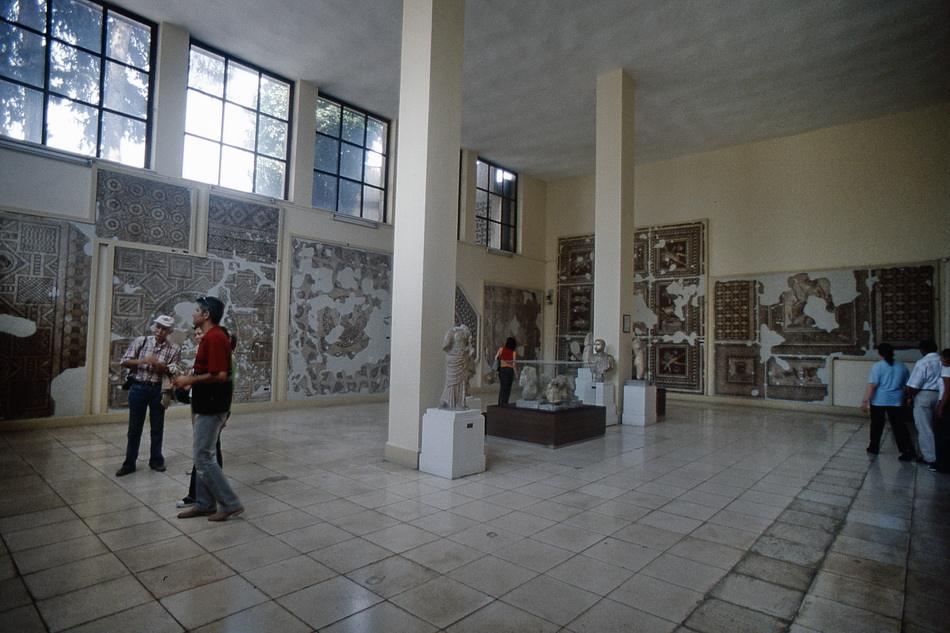
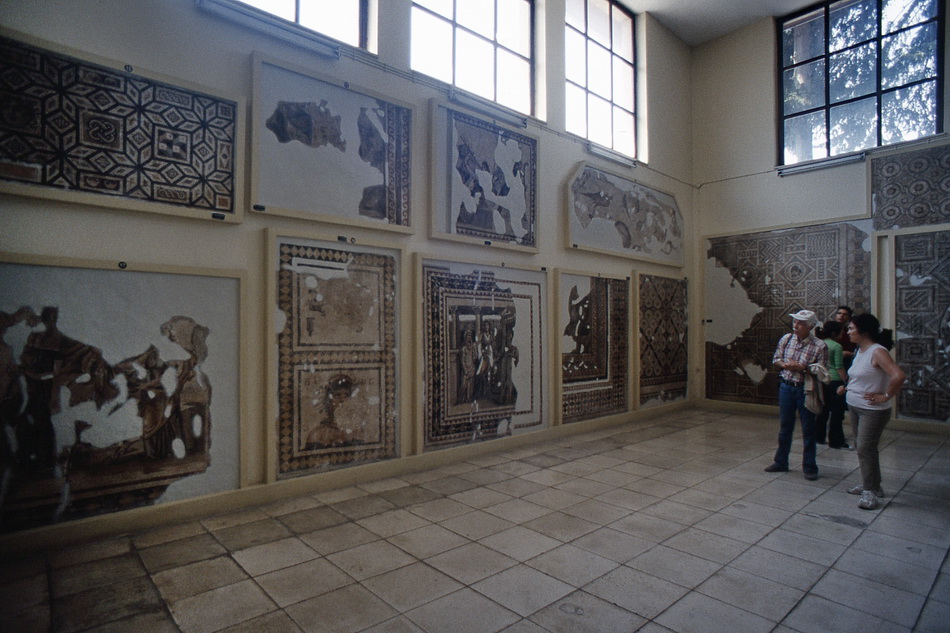
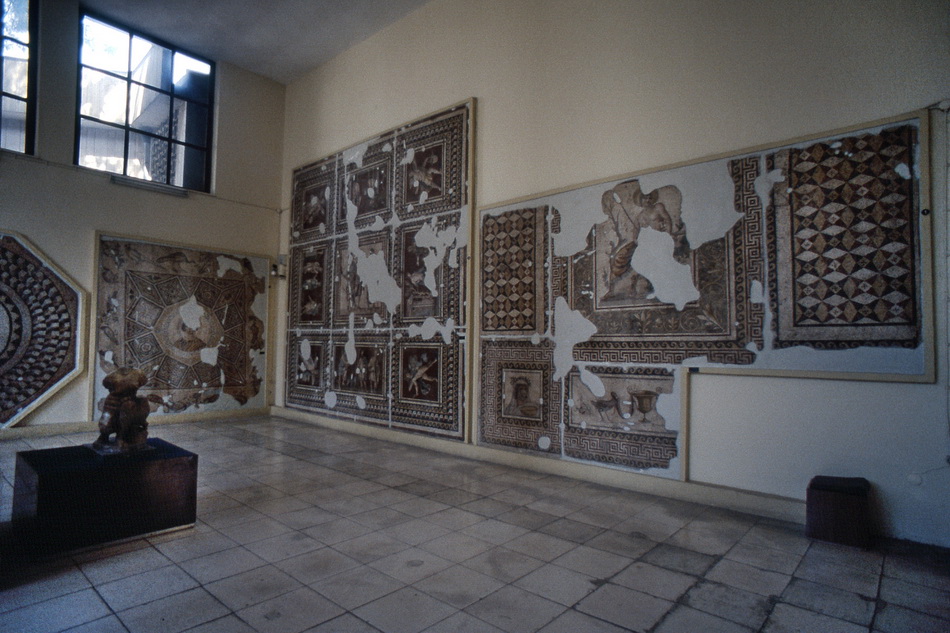
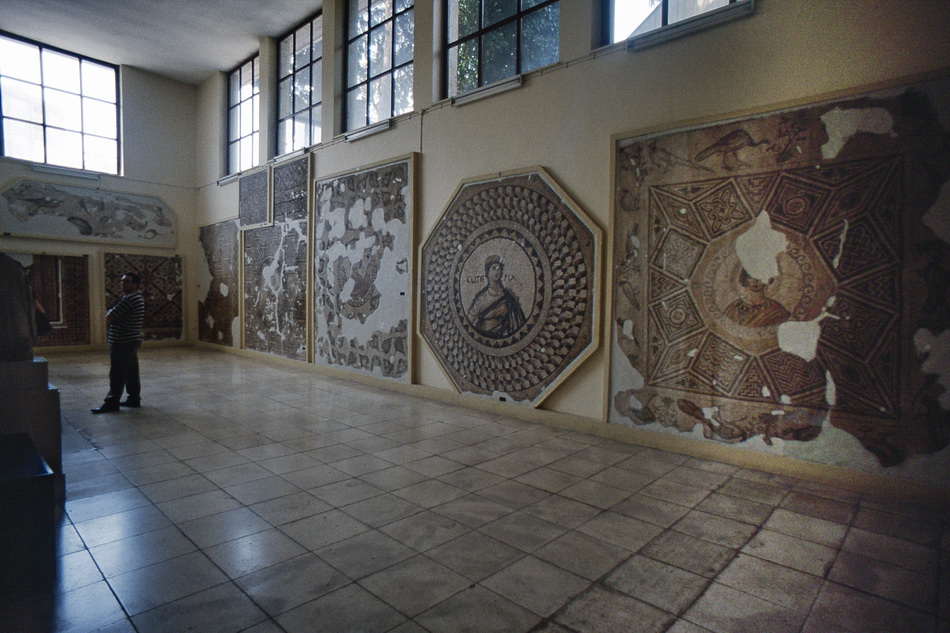
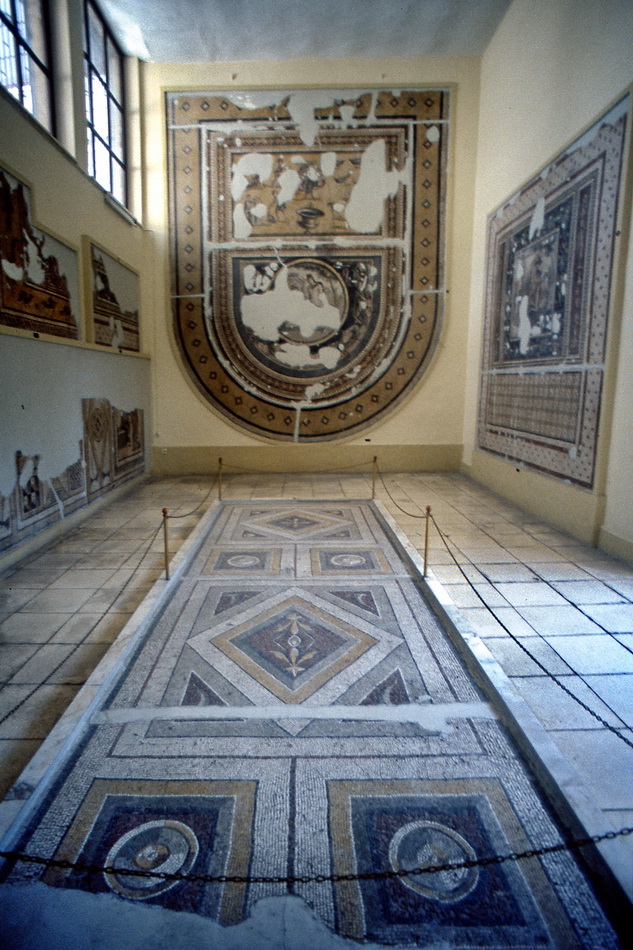
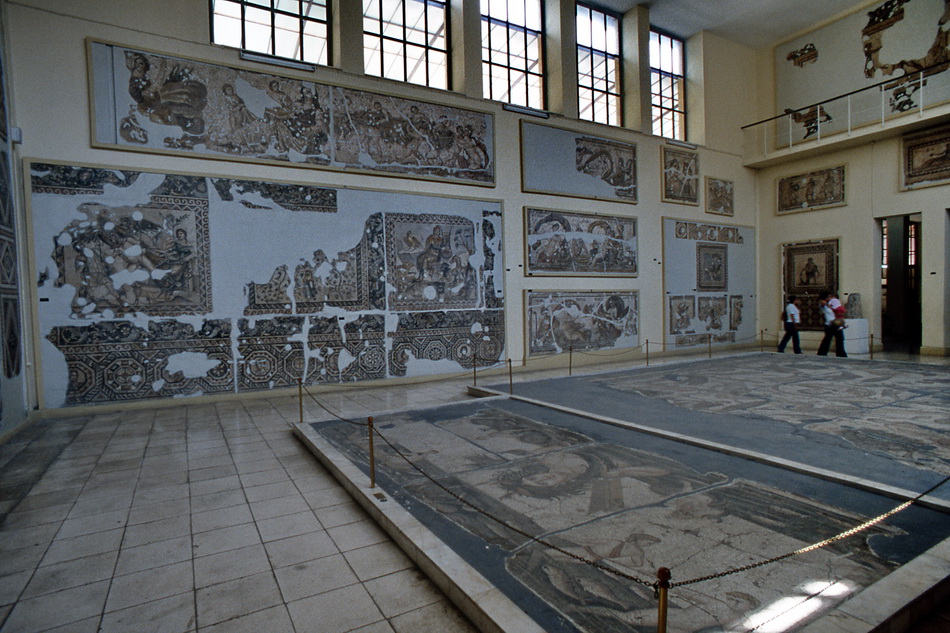
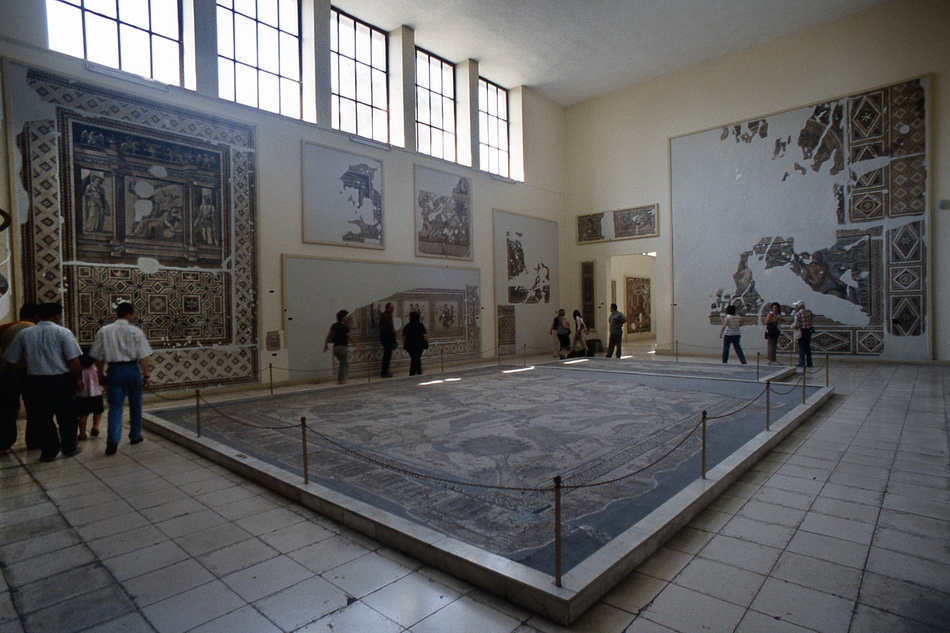
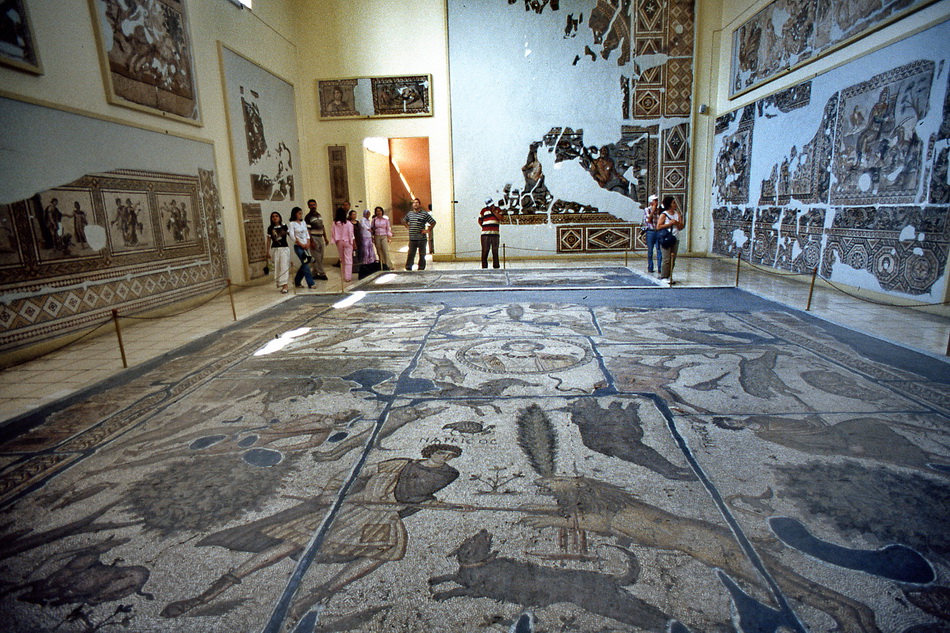
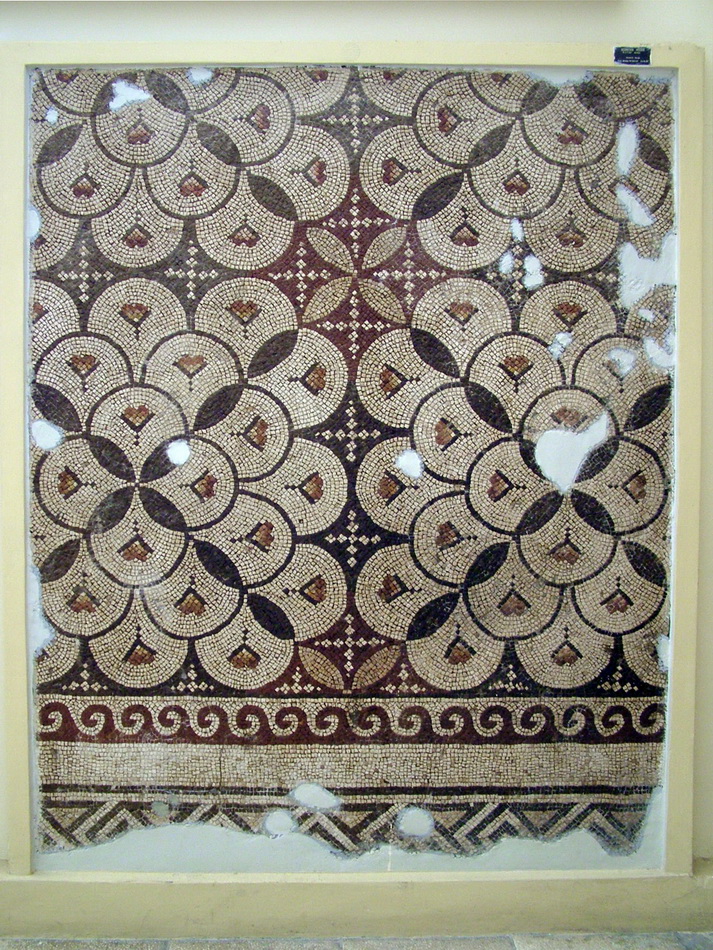
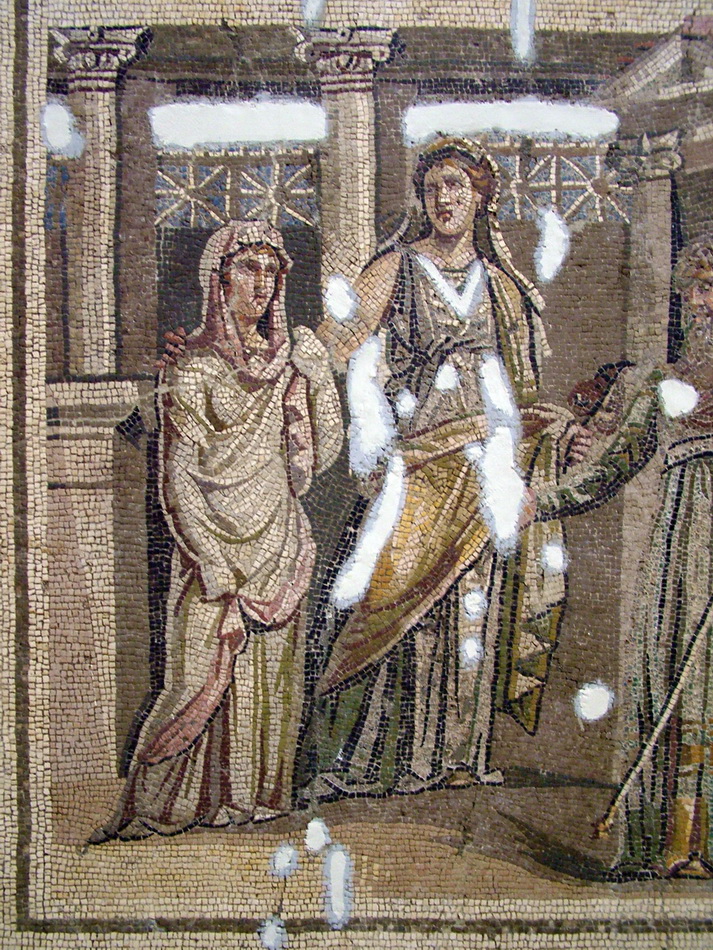
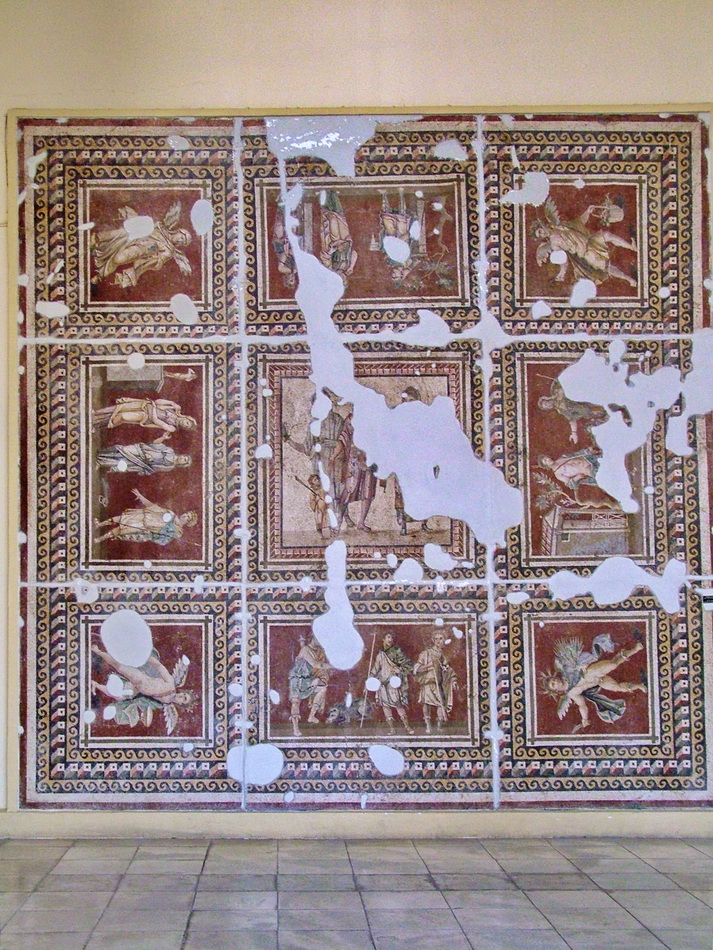
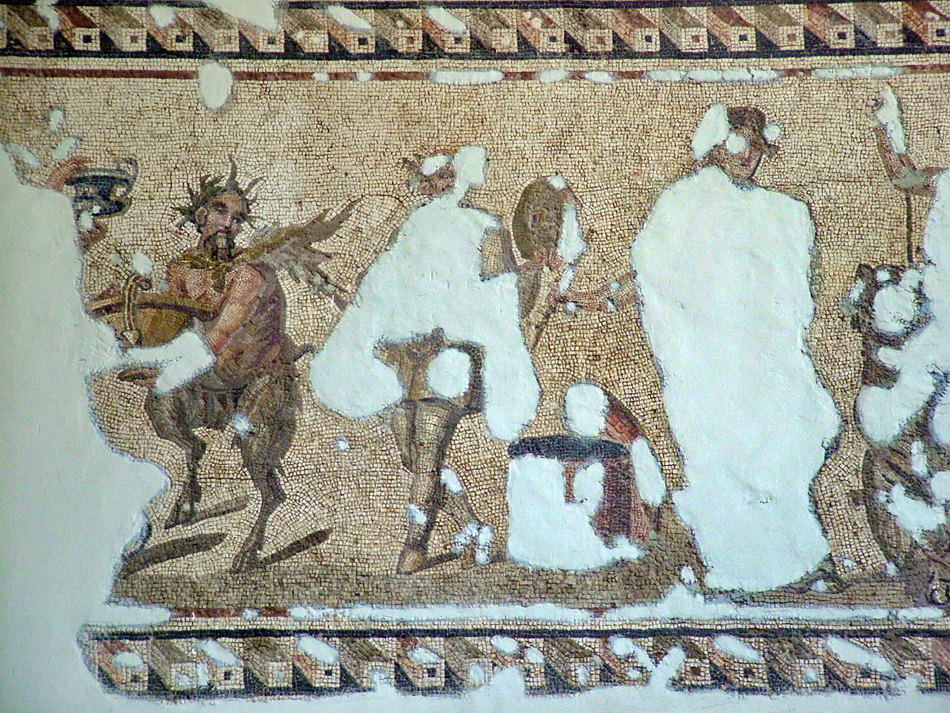
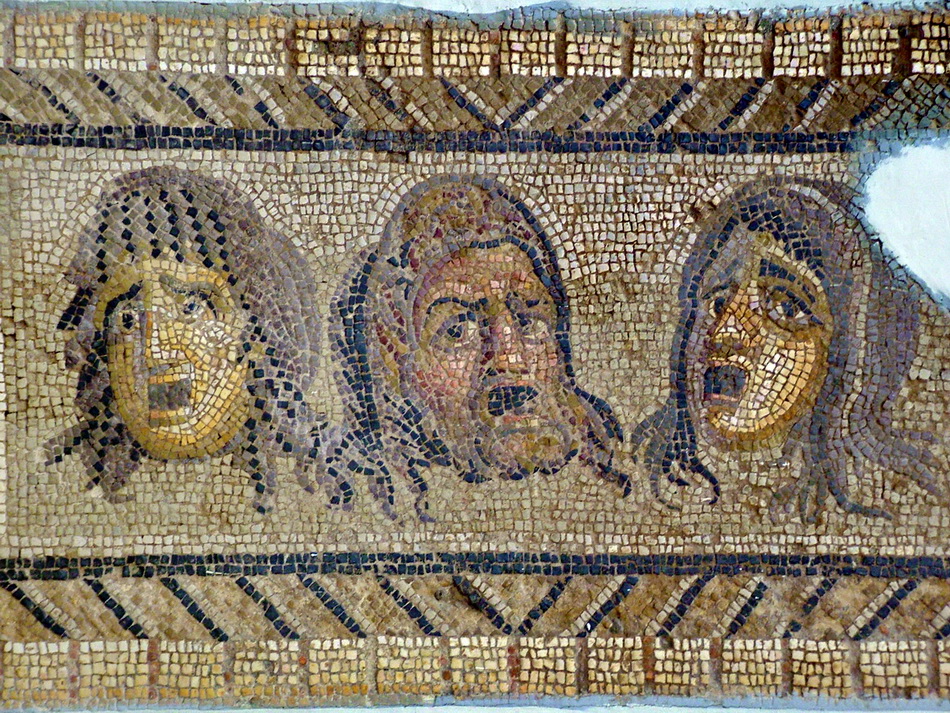
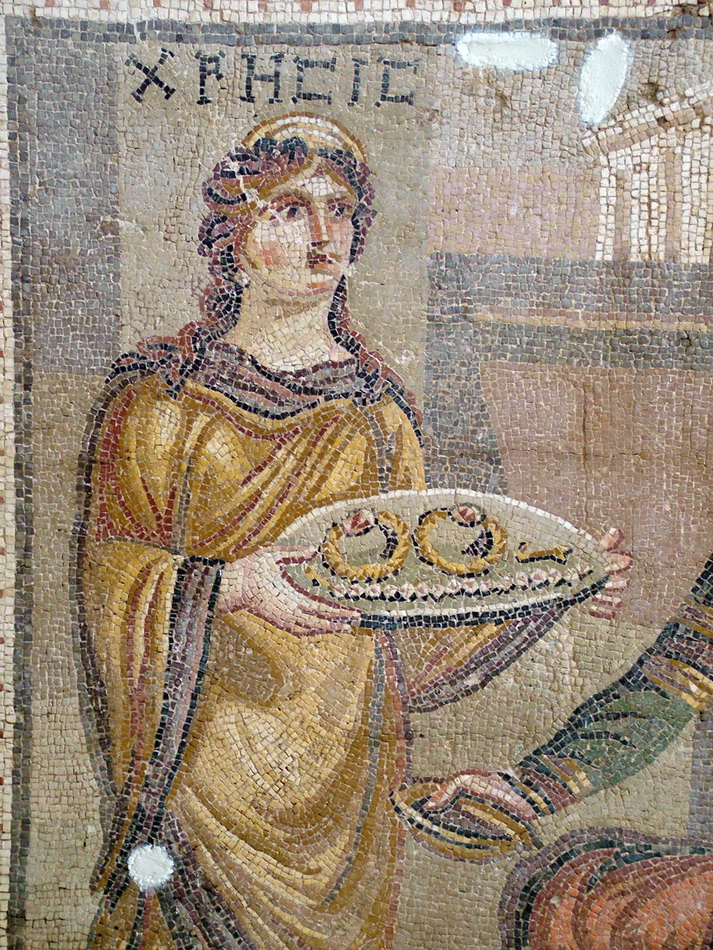
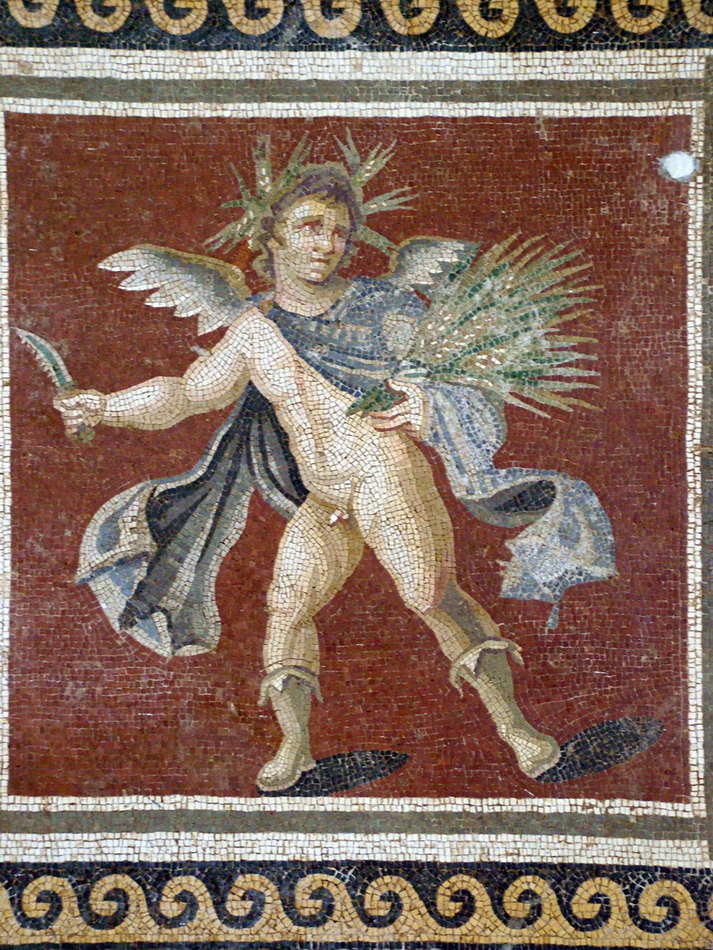
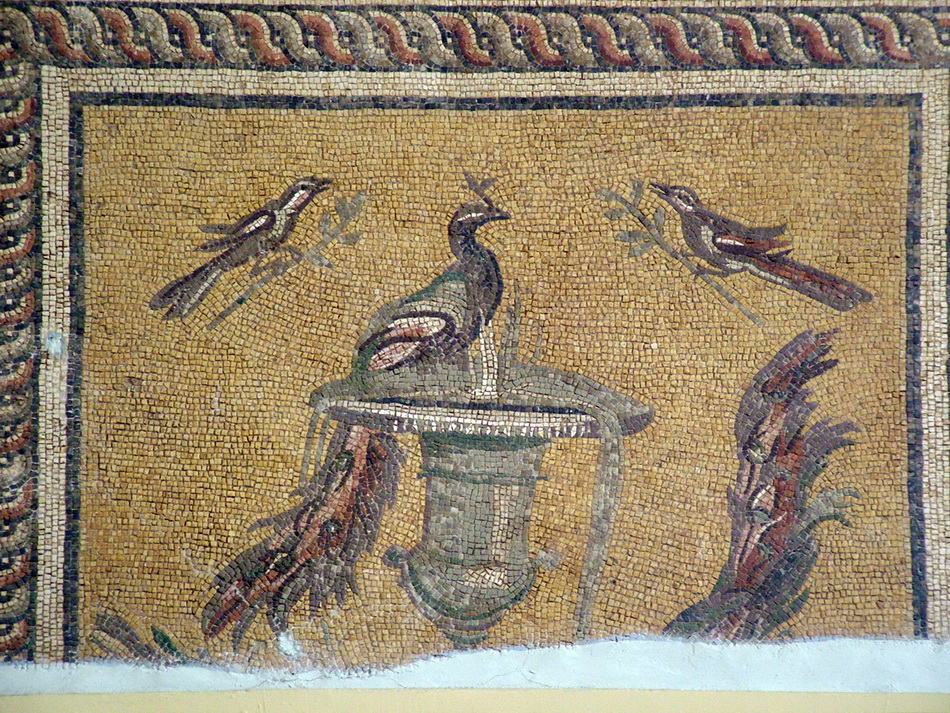
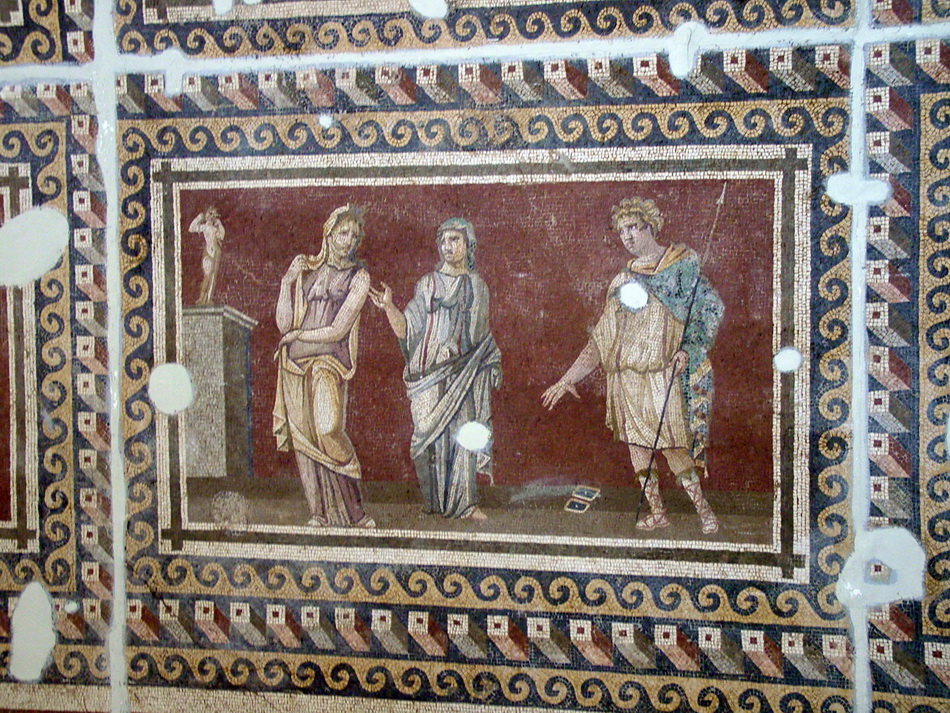
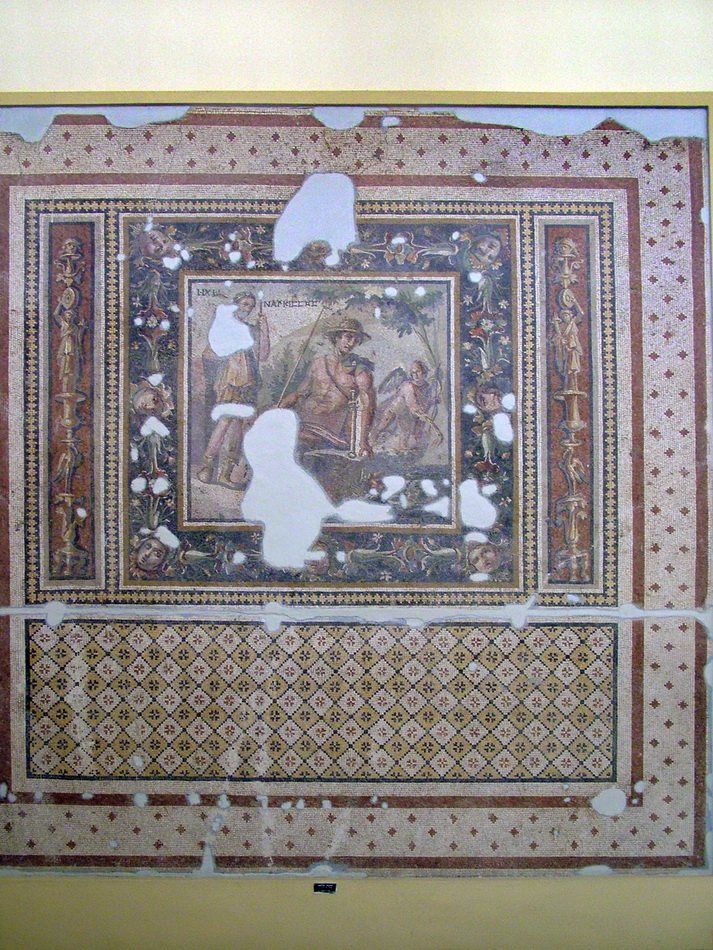
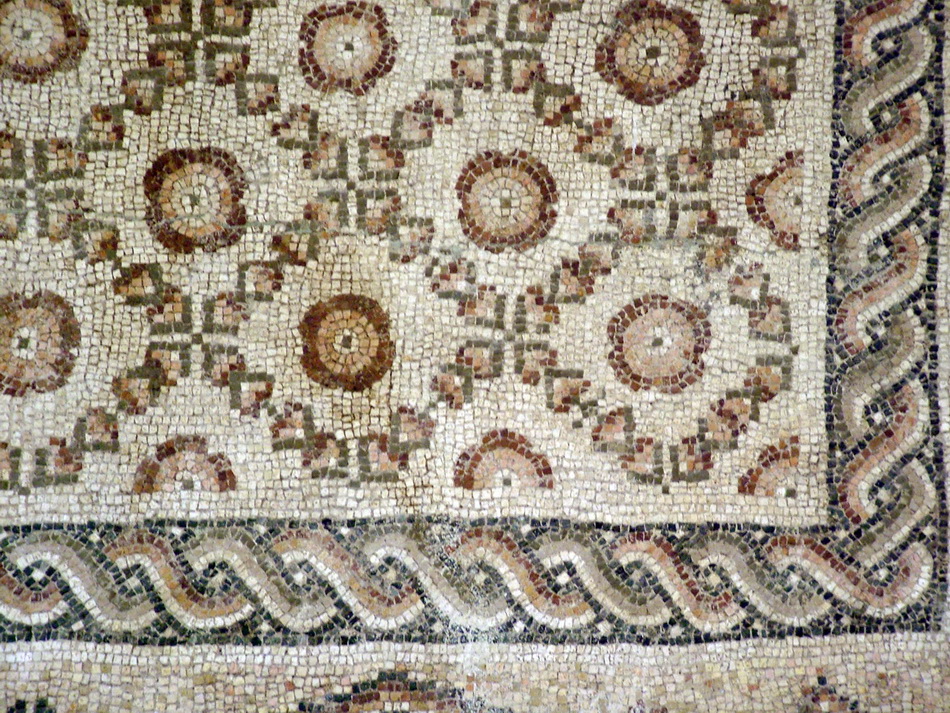
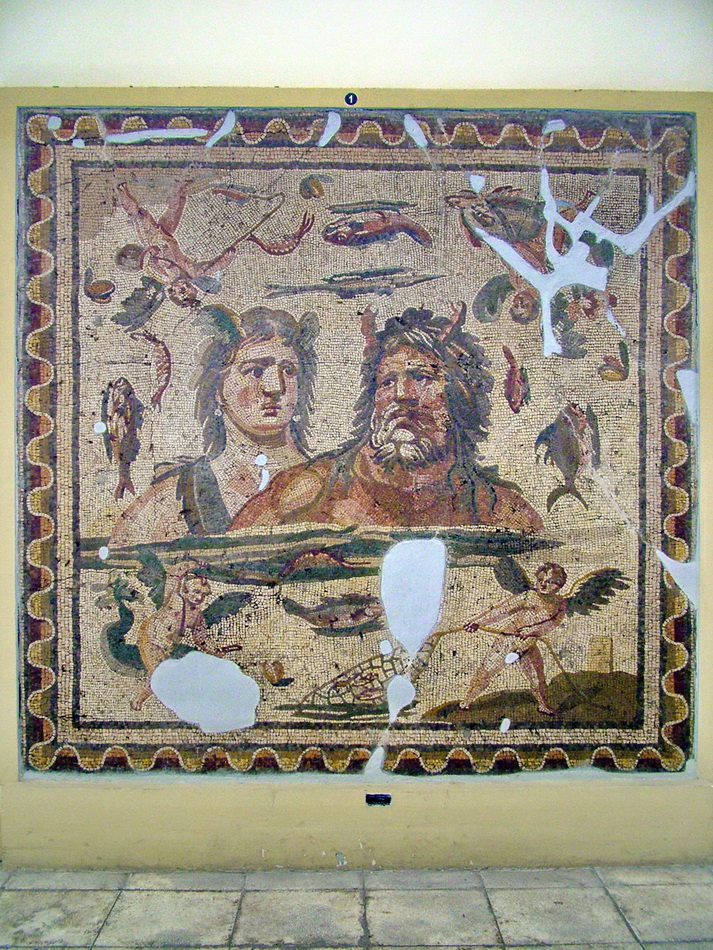
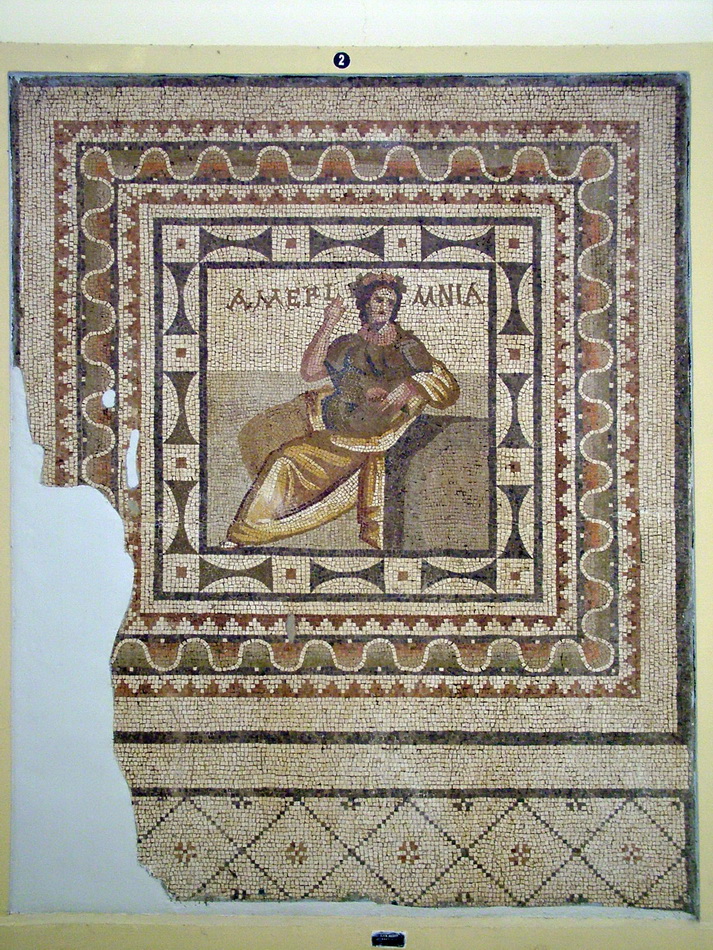
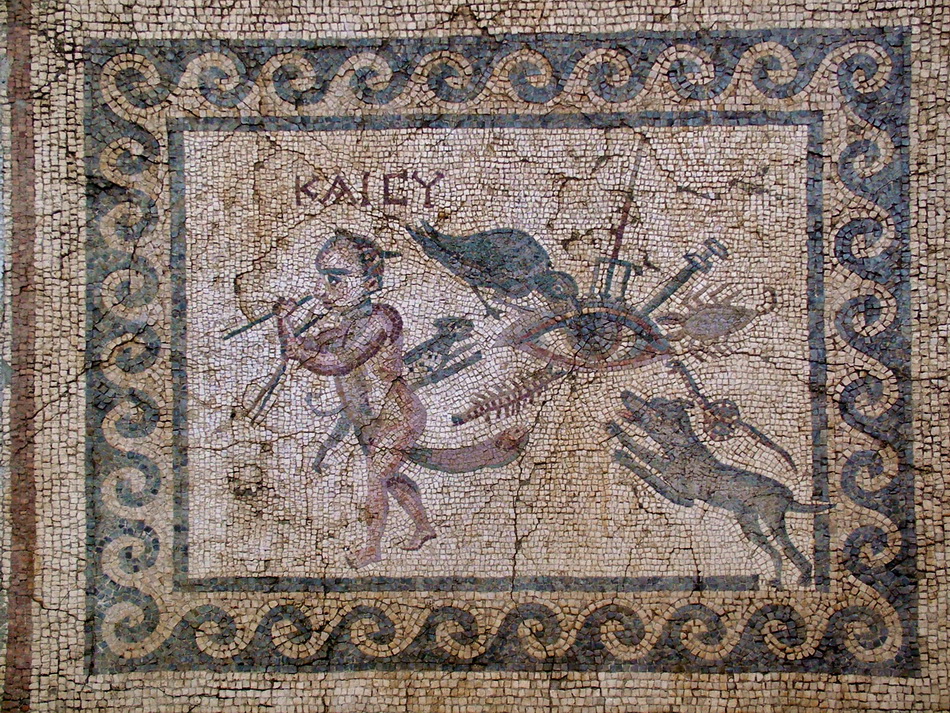
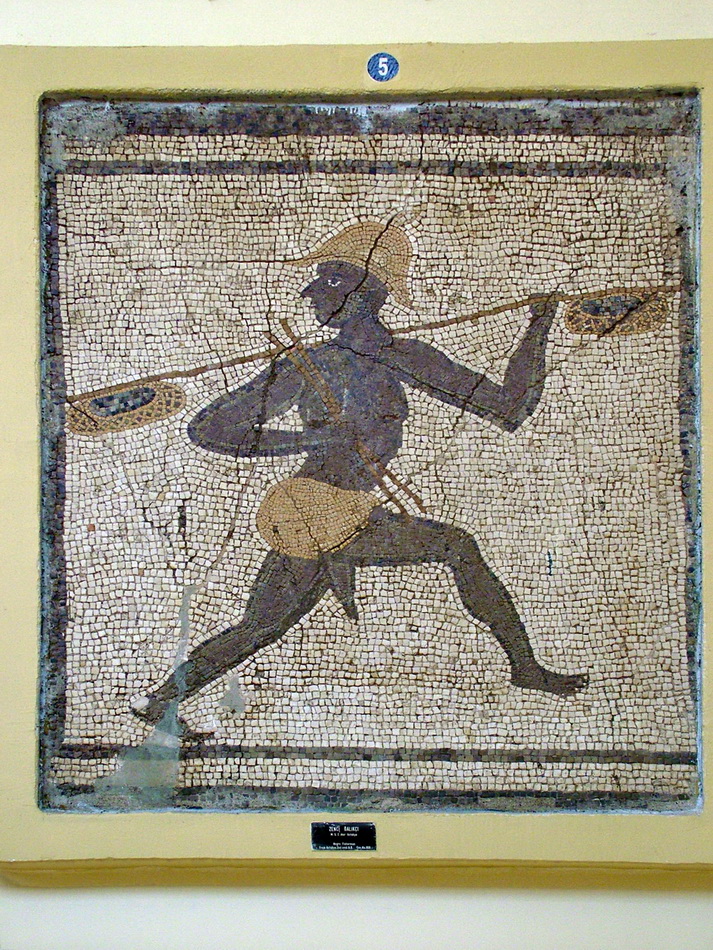
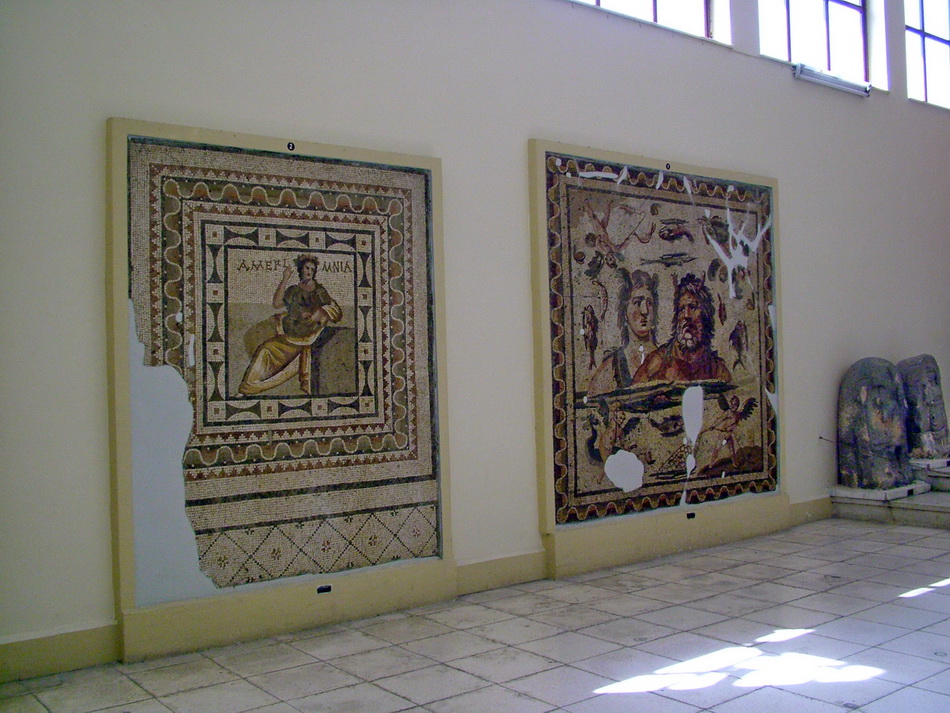
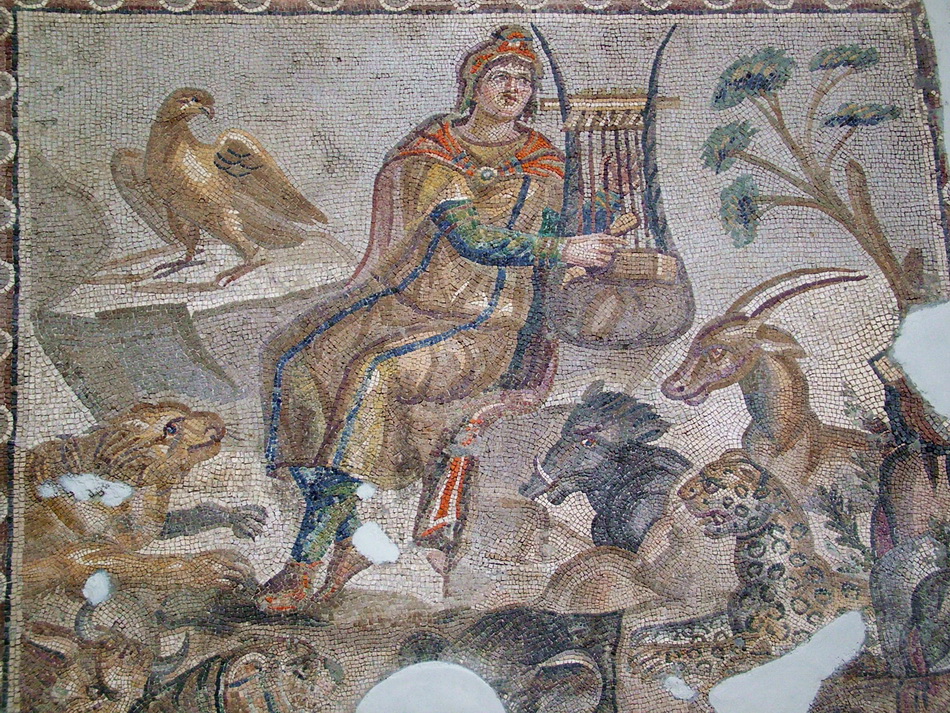
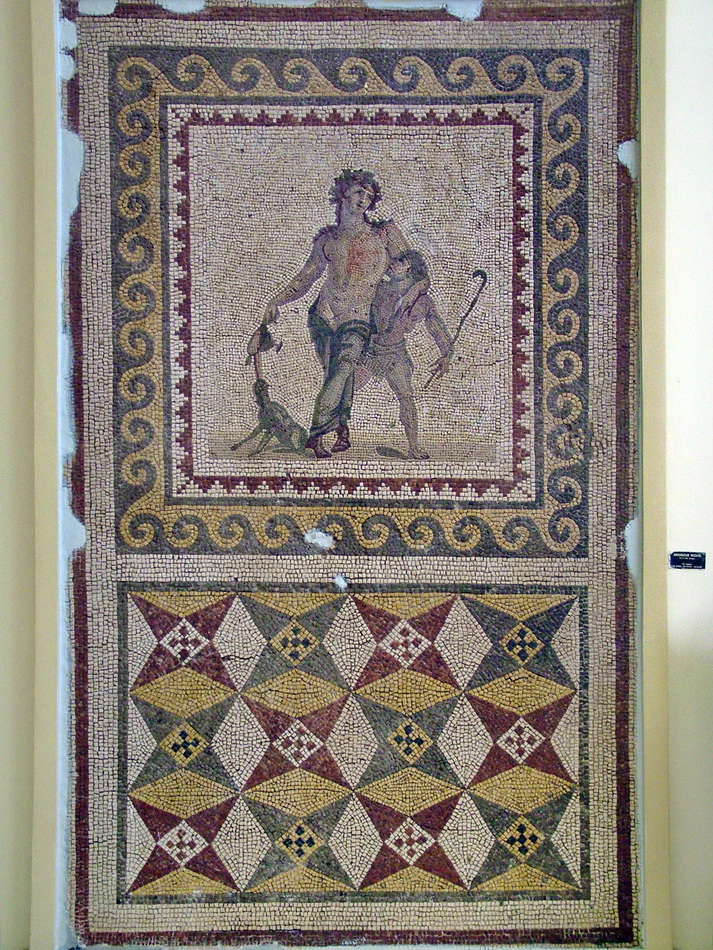
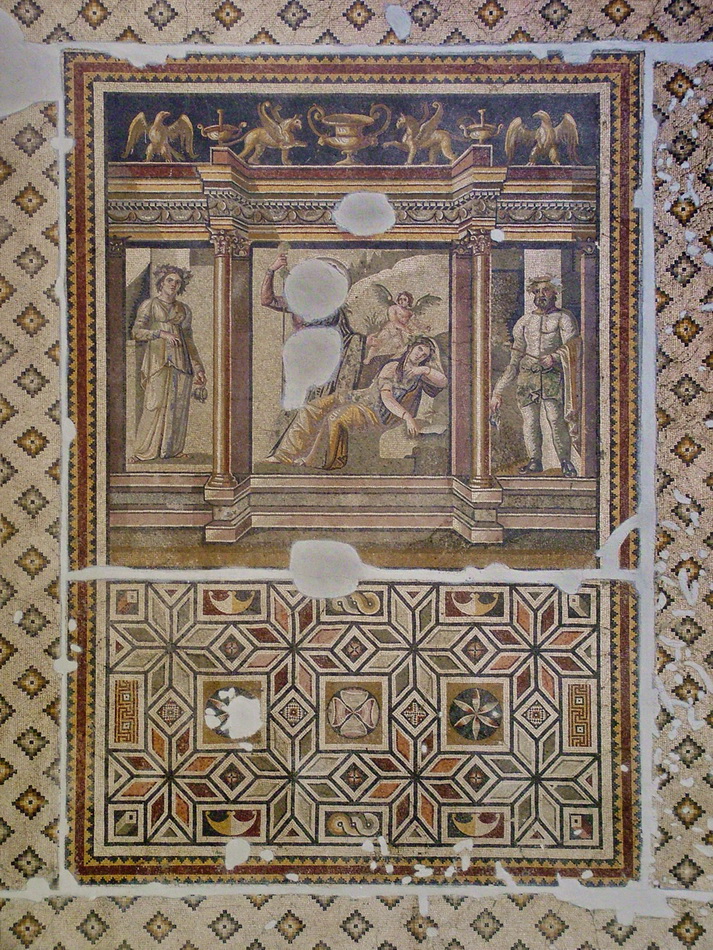
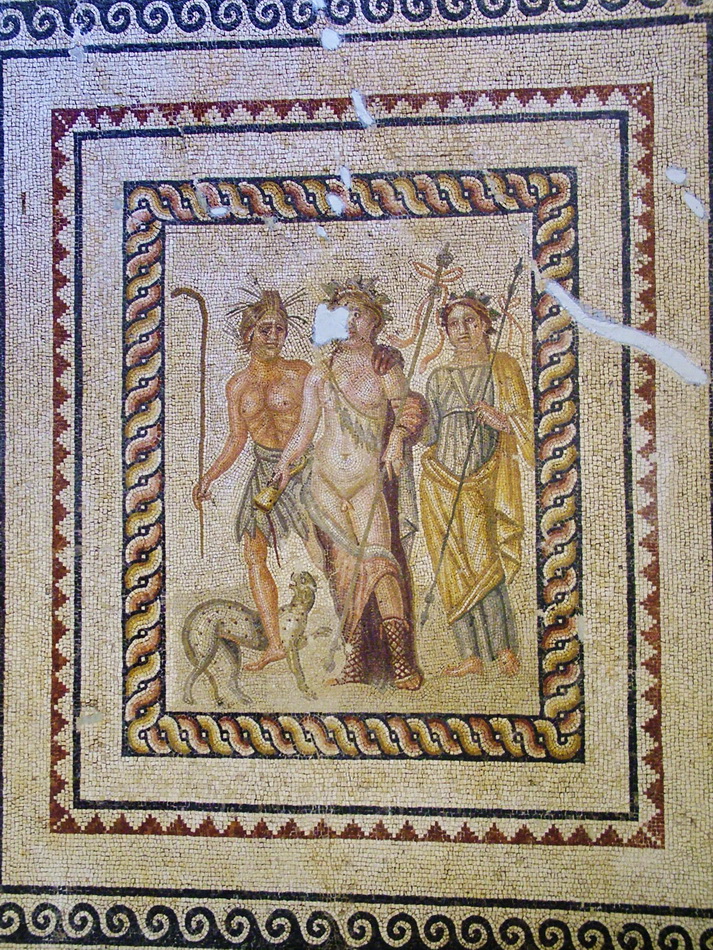
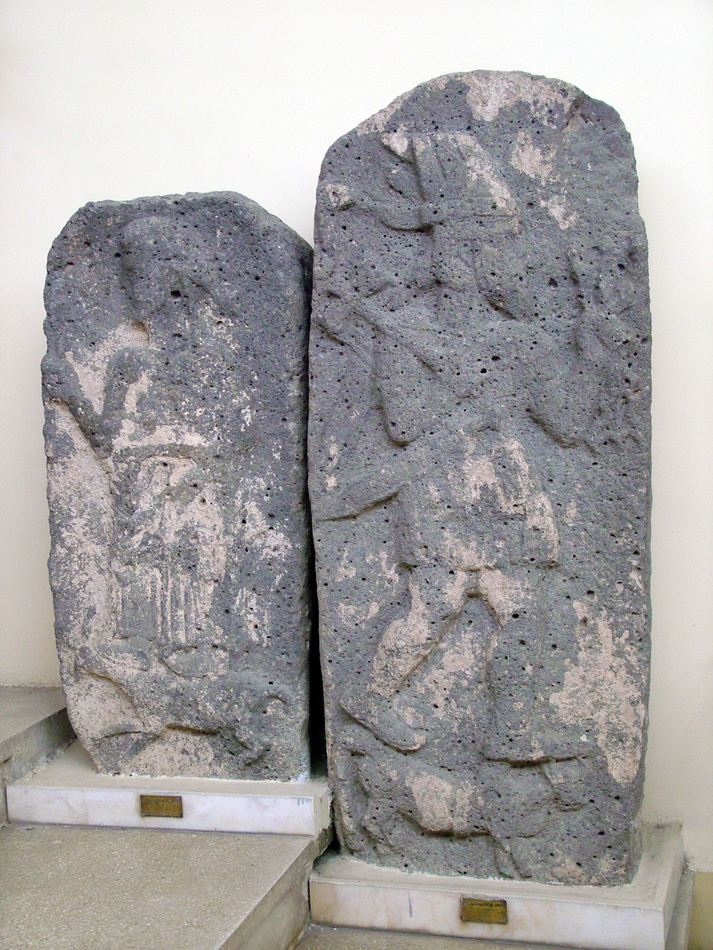
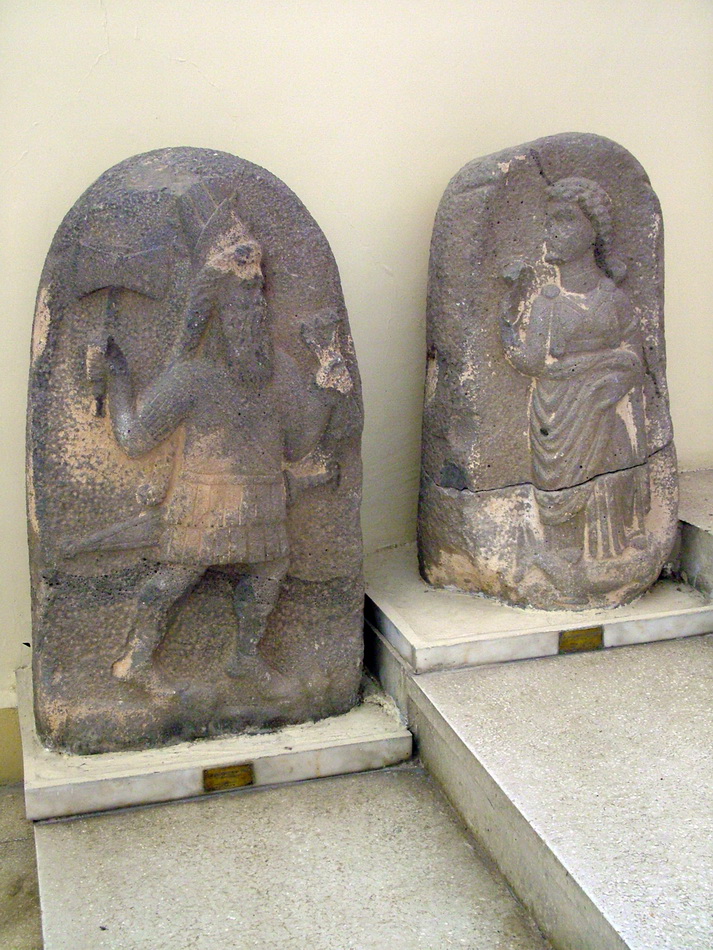
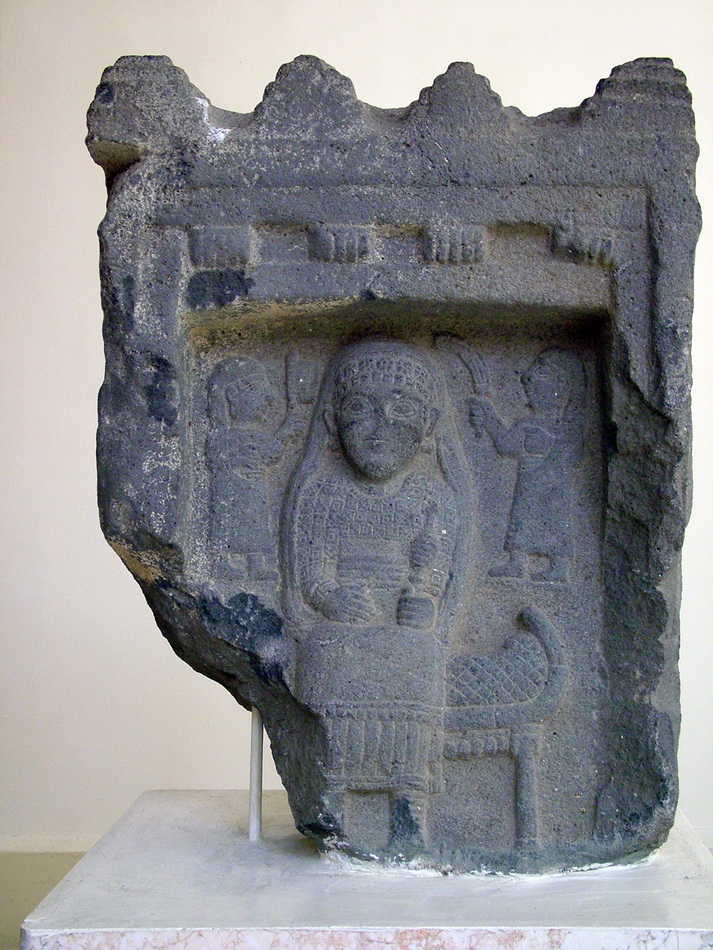
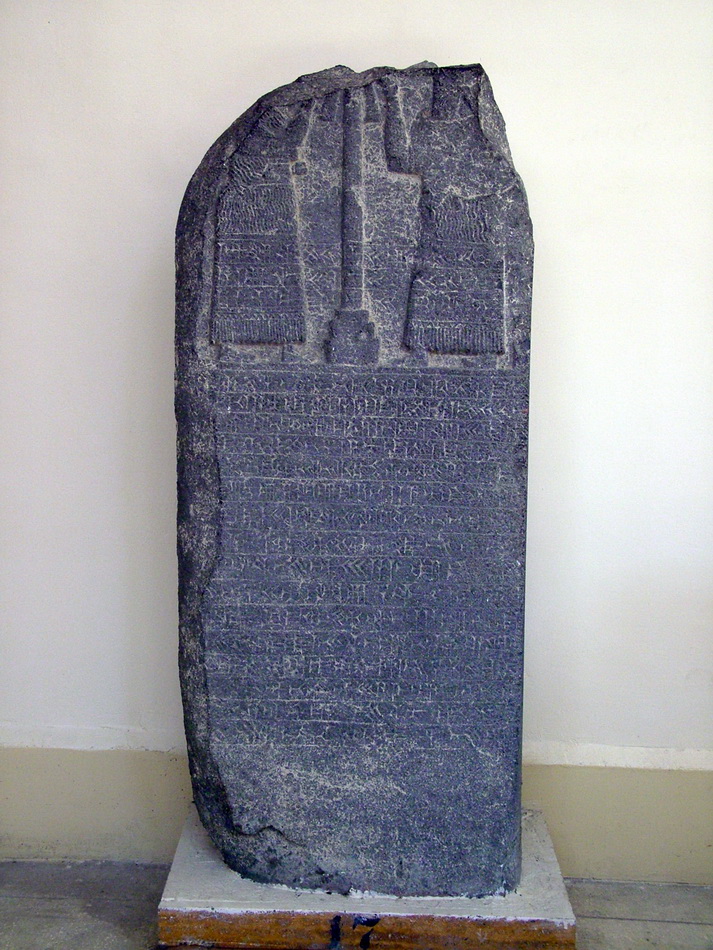
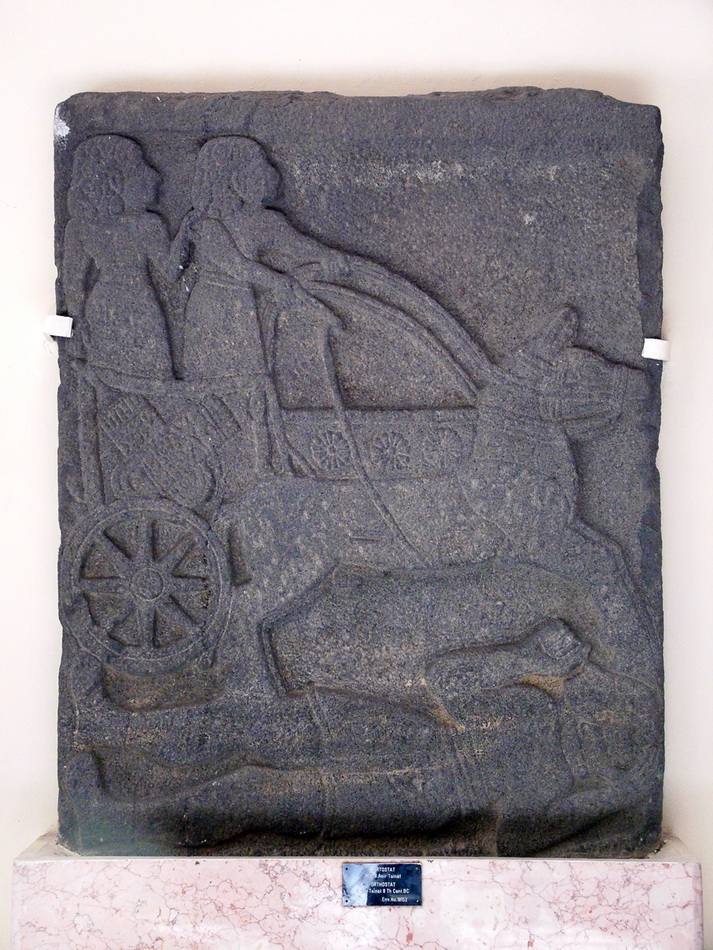
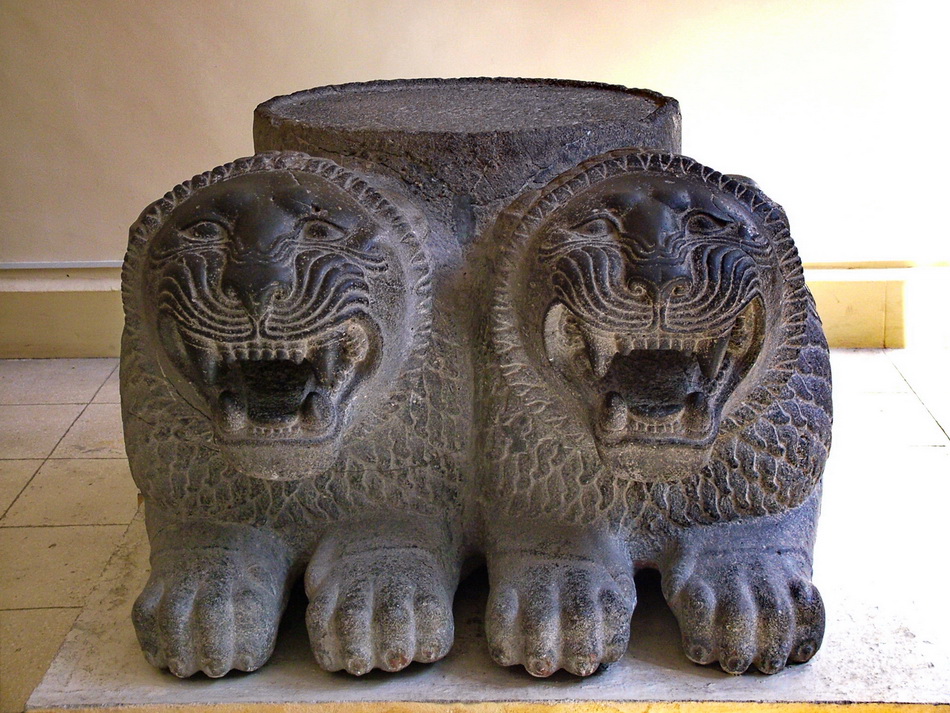
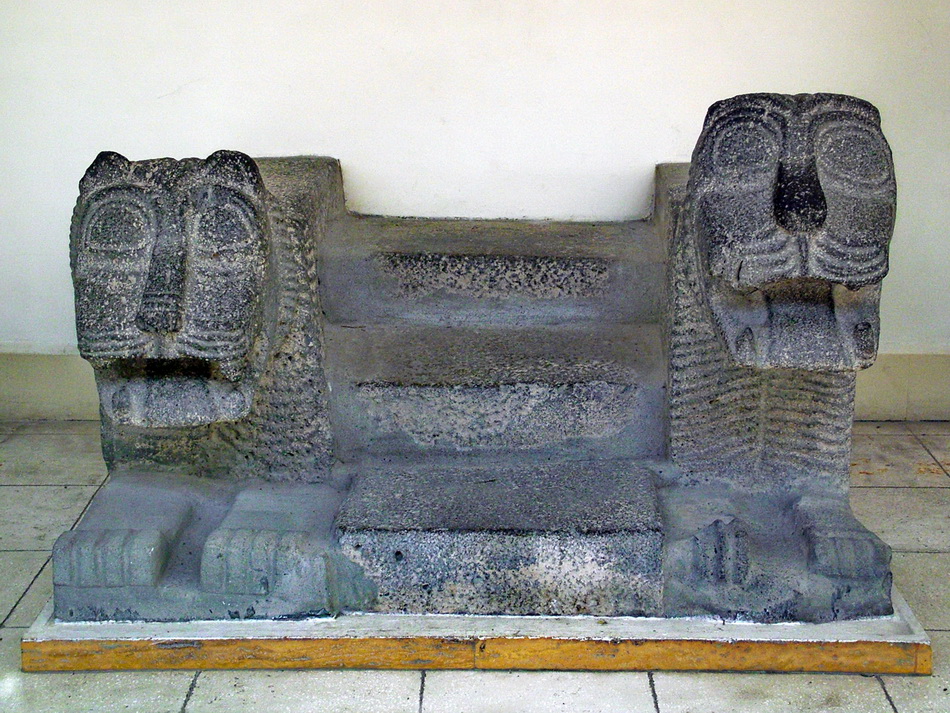
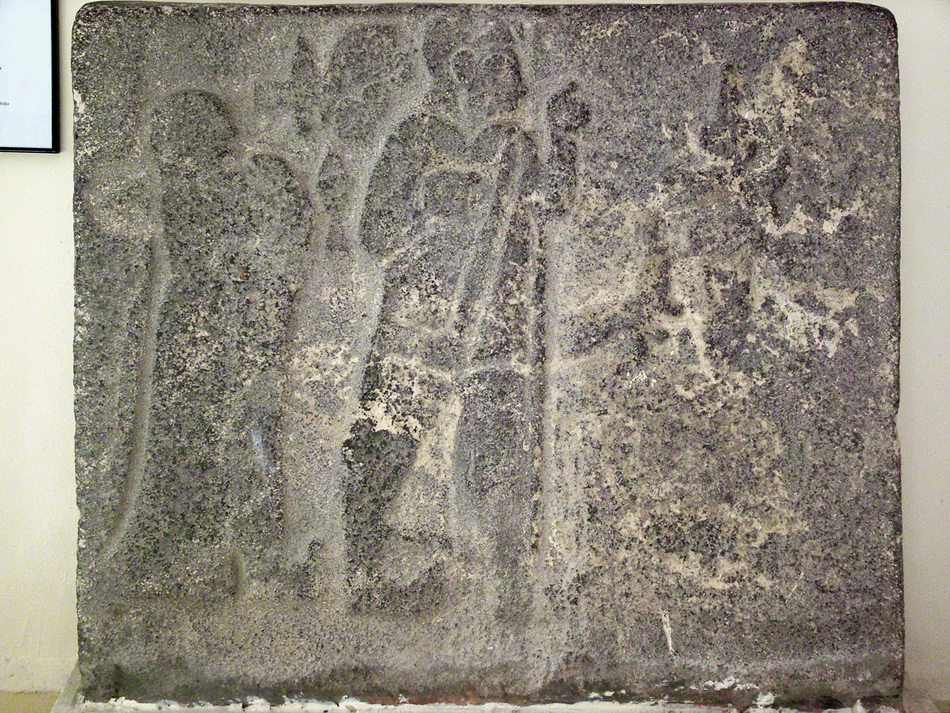
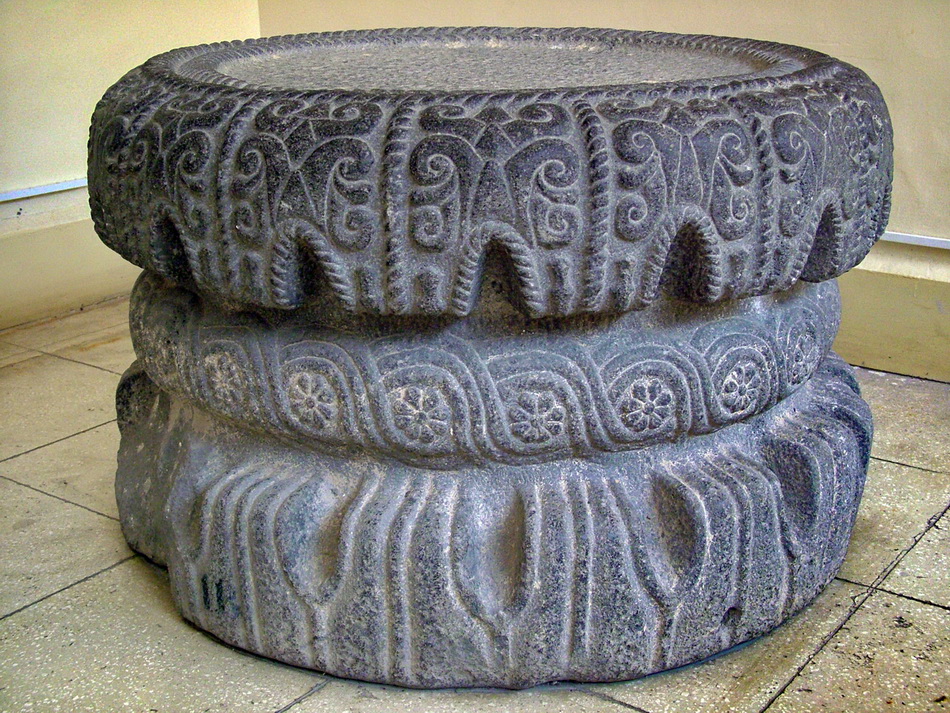
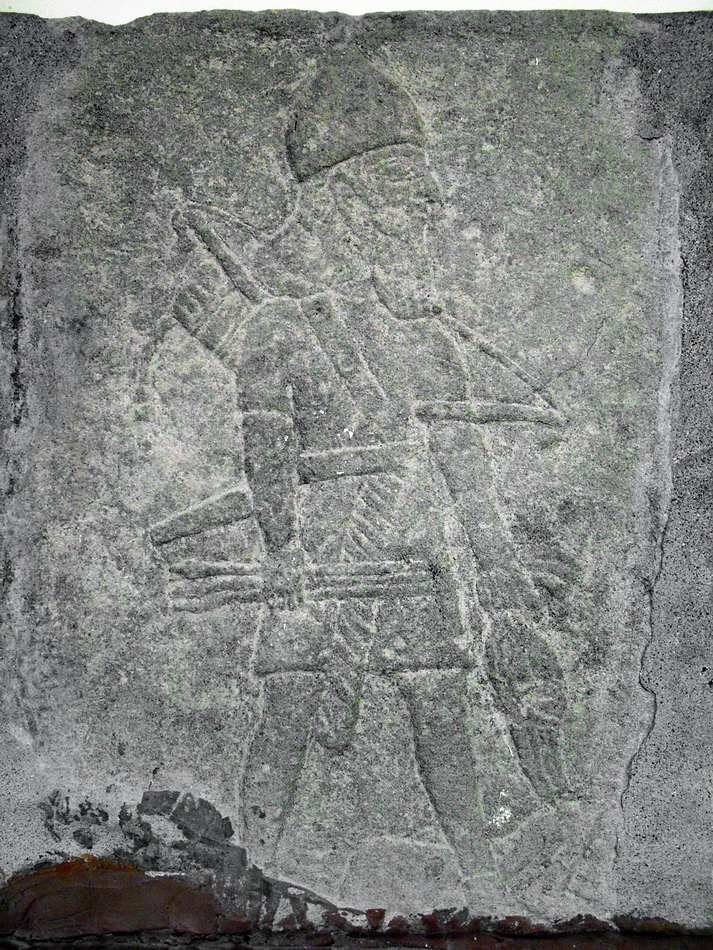
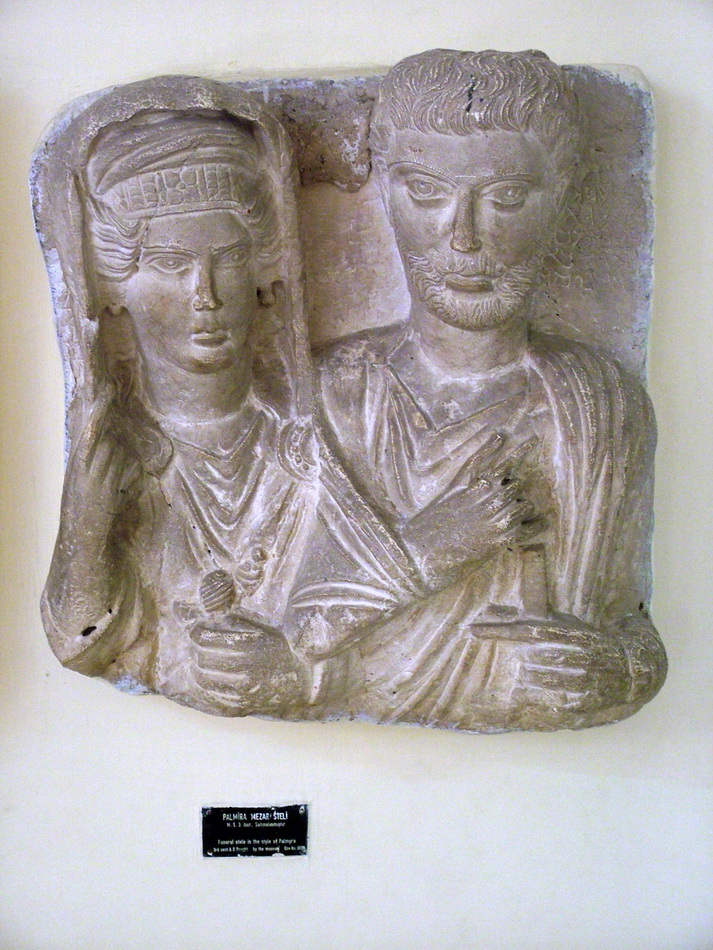
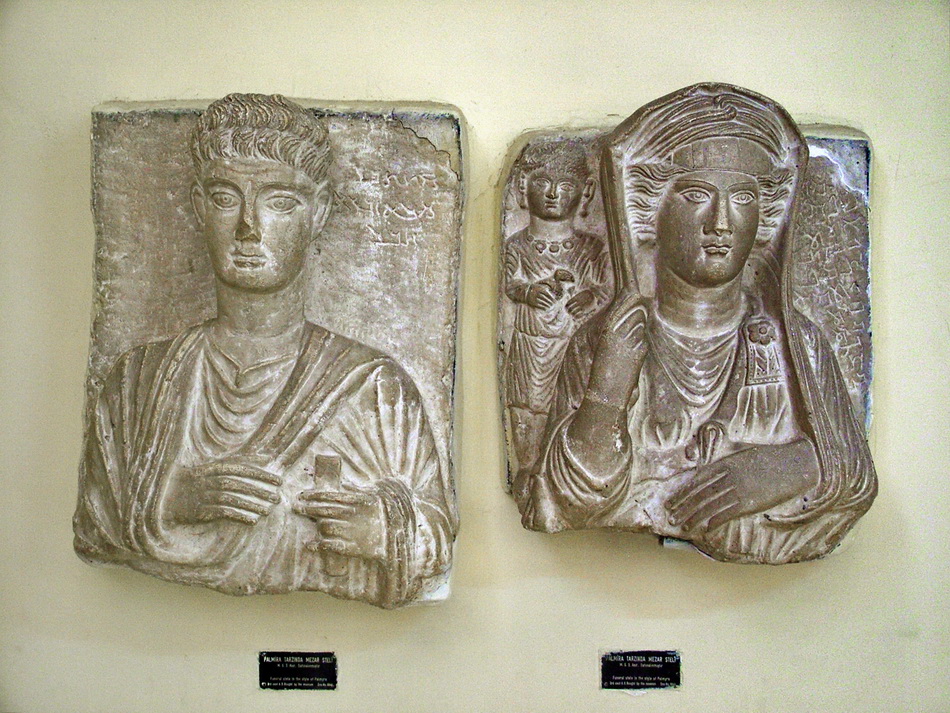
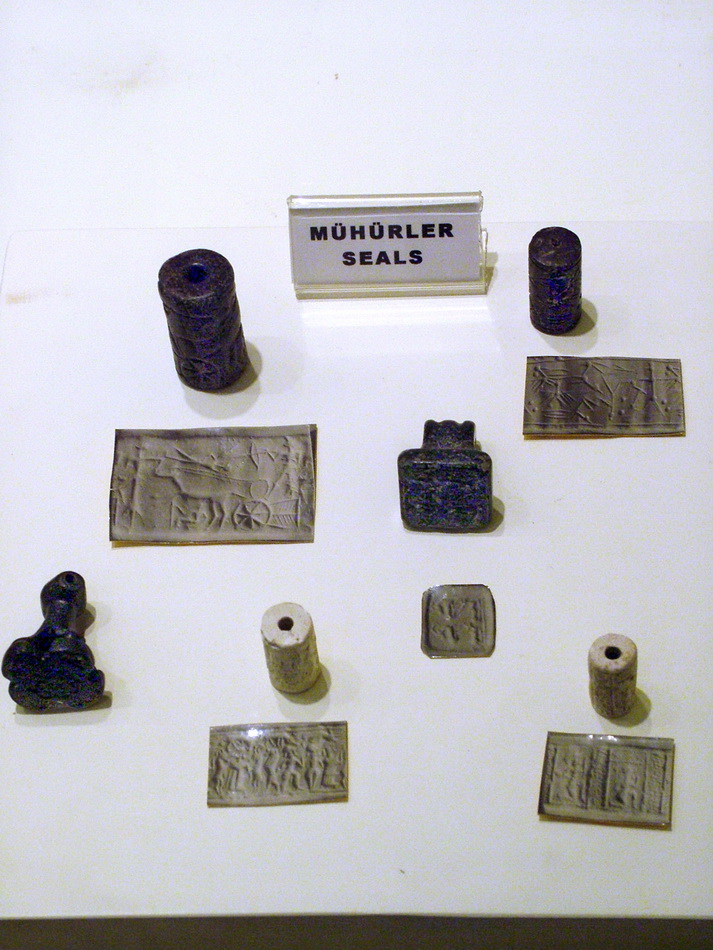
In 2005, I visited the Antakya Archaeological Museum at the invitation of my Christian friend and archaeologist Jozef Naseh. He liked to describe himself as “an Antakyan of 2,000 years,” a phrase that expressed his deep attachment to the city and its many layers of history. Walking through the museum with him meant more than looking at archaeological objects: I was discovering the traces of ancient civilizations in the company of someone who knew and loved this place.
Our friendship became essential to my documentary photography in Antakya. In later years, through Jozef’s knowledge, friendship and generous support, I was able to encounter and photograph the city’s diverse communities, religious traditions and ceremonies in depth. Two of those photographic projects received recognition at the UNESCO-associated Humanity Photo Awards in different years. Looking back, I know that much of my work in Antakya would not have been possible without him. I owe him a great deal.
Antakya, ancient Antioch, has long been one of the major cultural centres of the eastern Mediterranean. Founded in 300 BCE by Seleucus I Nicator, it became an important city of the Seleucid kingdom and later one of the great cities of the Roman Empire. At the meeting point of routes and cultures, the region accumulated a rich Hellenistic, Roman and Byzantine heritage. Its mosaics offer an especially vivid glimpse into this past.
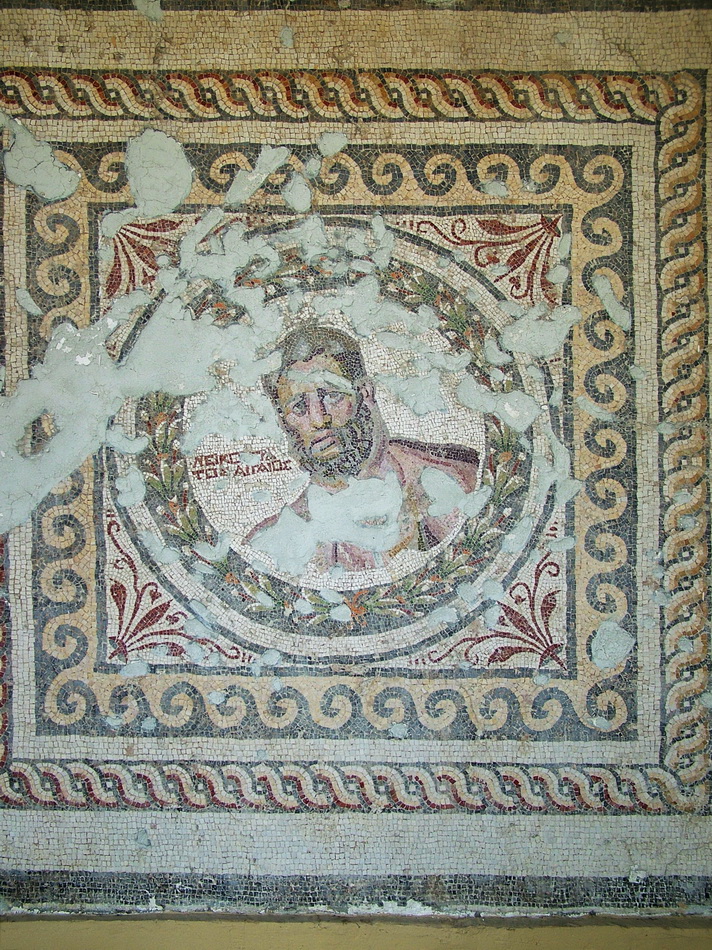
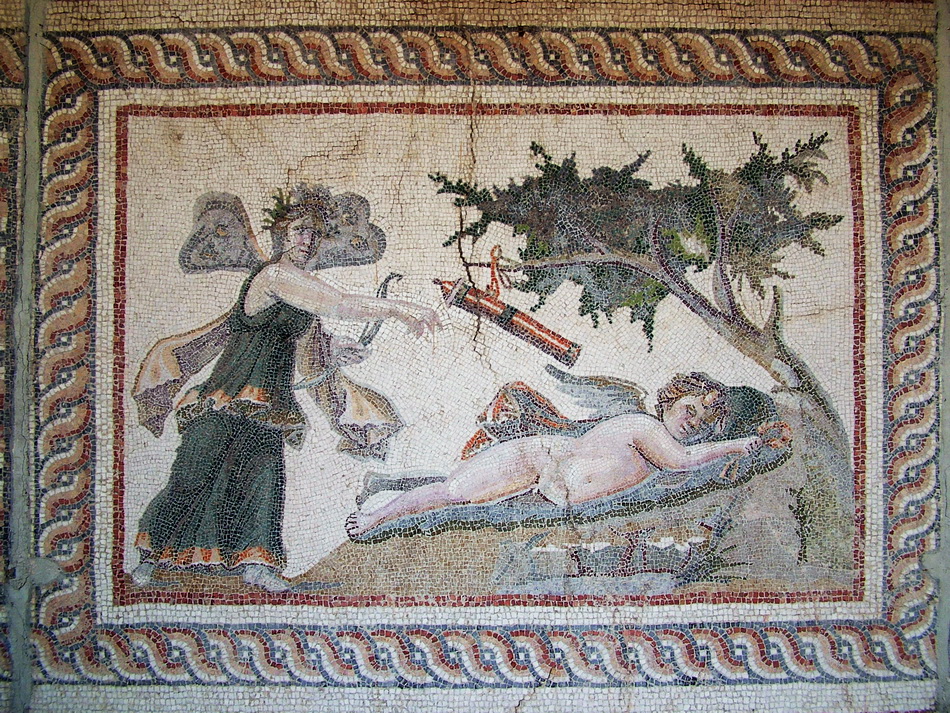
Archaeological excavations in Antakya and its surroundings during the 1930s uncovered numerous Roman floor mosaics. Daphne, today’s Harbiye, was particularly celebrated for its villas and mythological scenes. The museum established to preserve and display these discoveries opened to visitors in 1948 and came to be known for its outstanding collection of Roman mosaics.
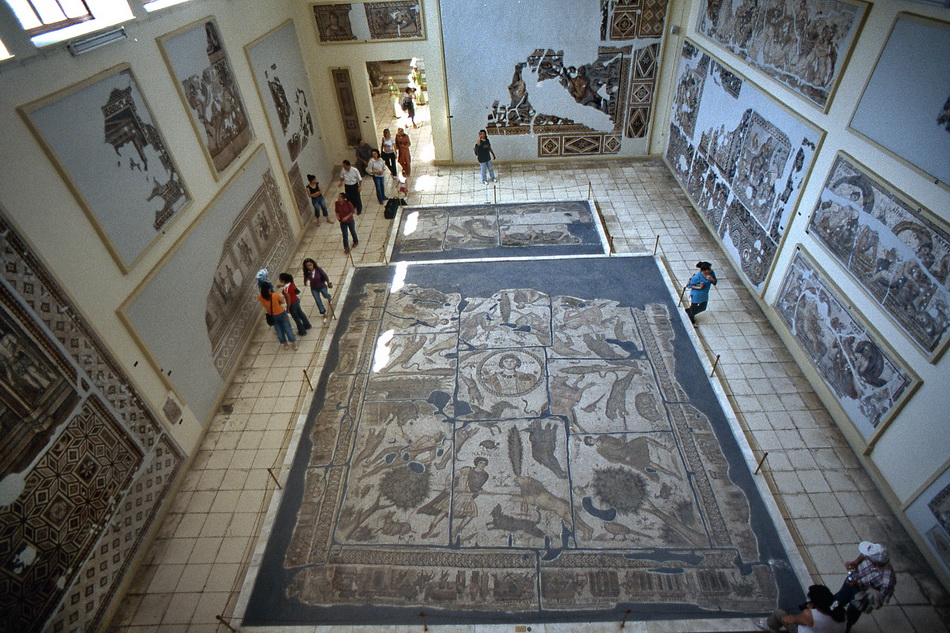
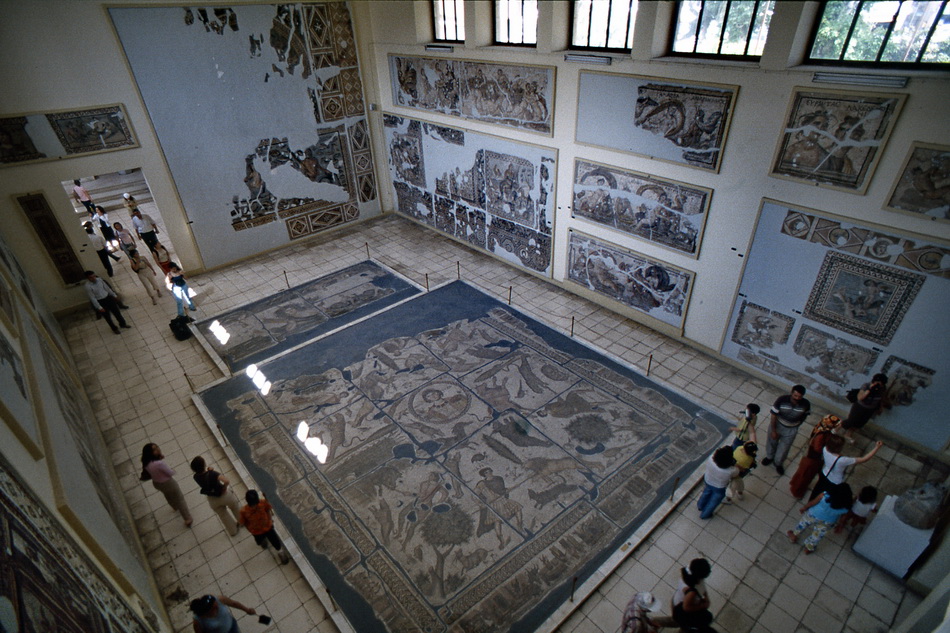
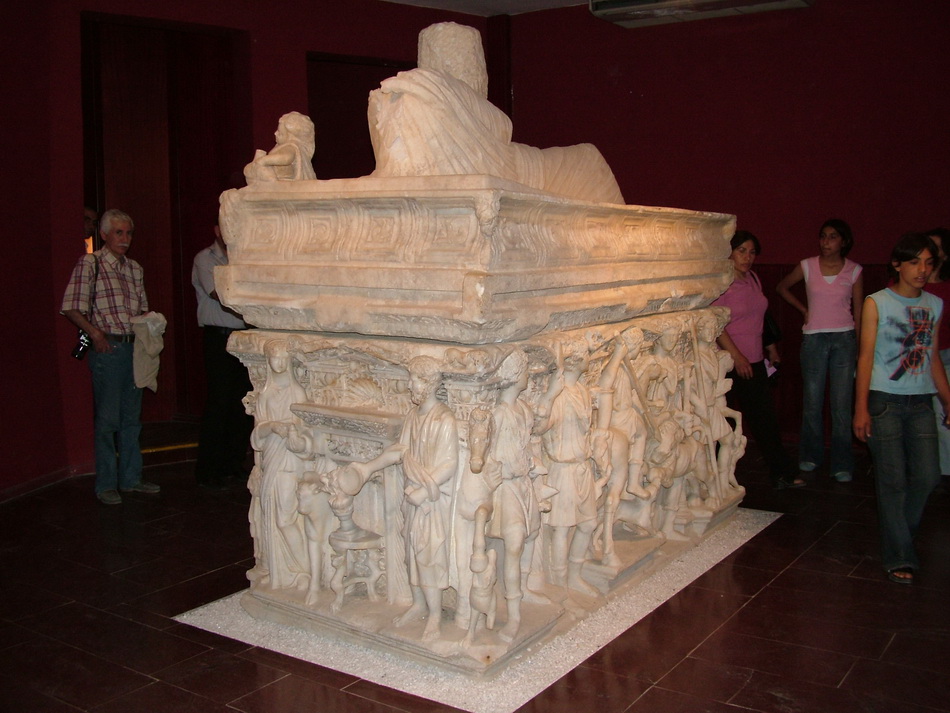
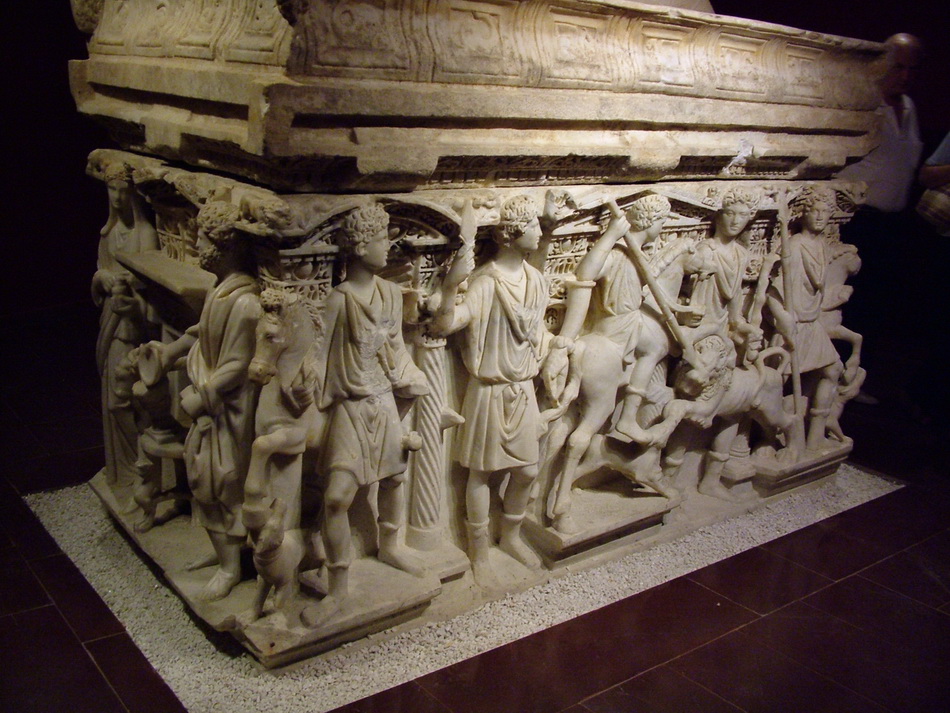
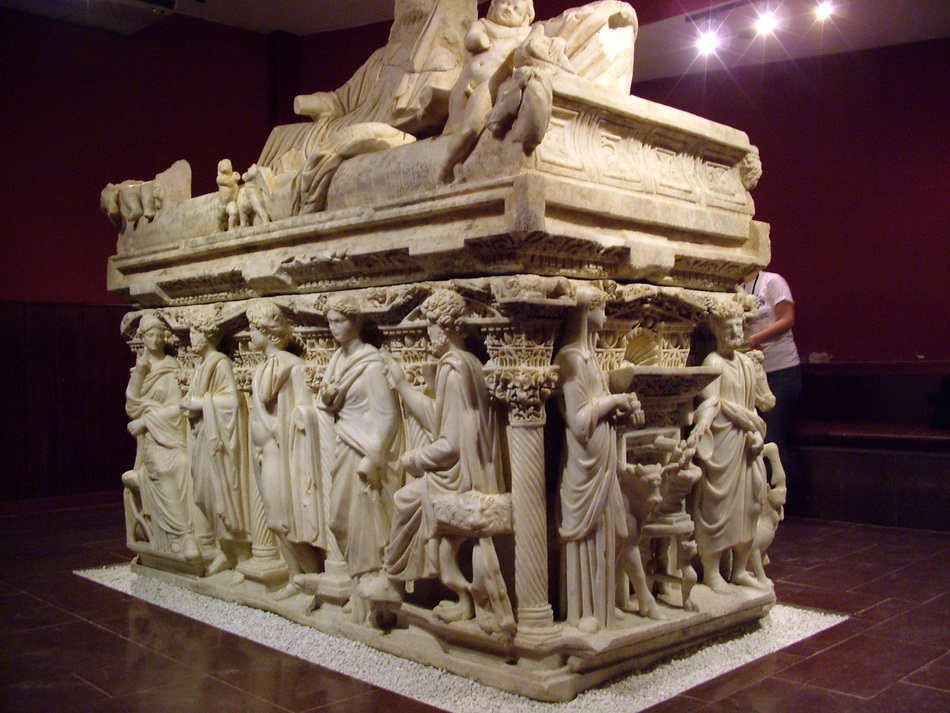
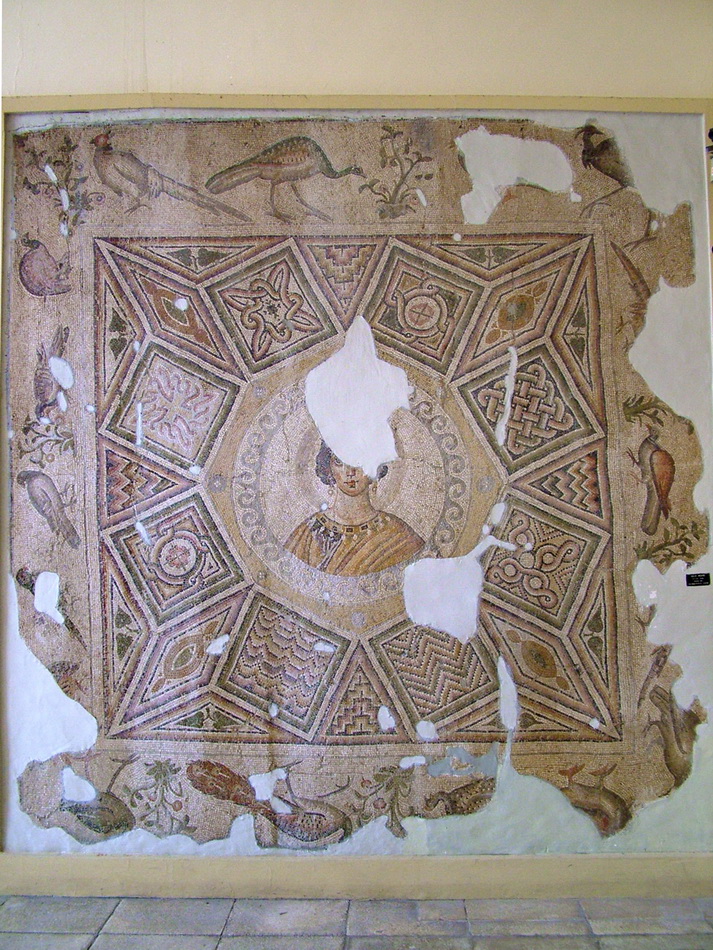
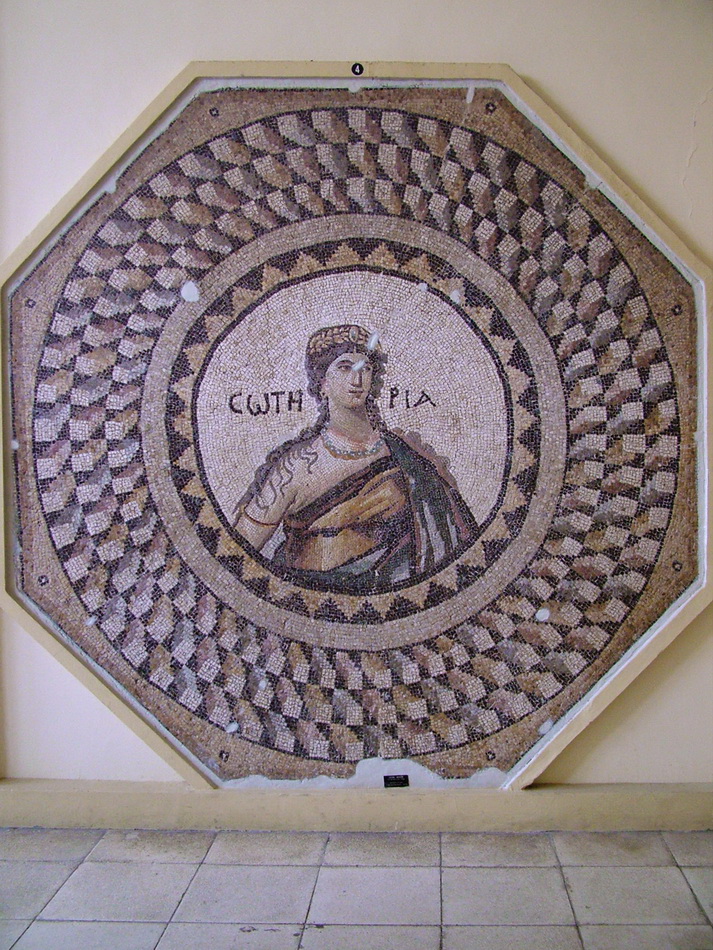
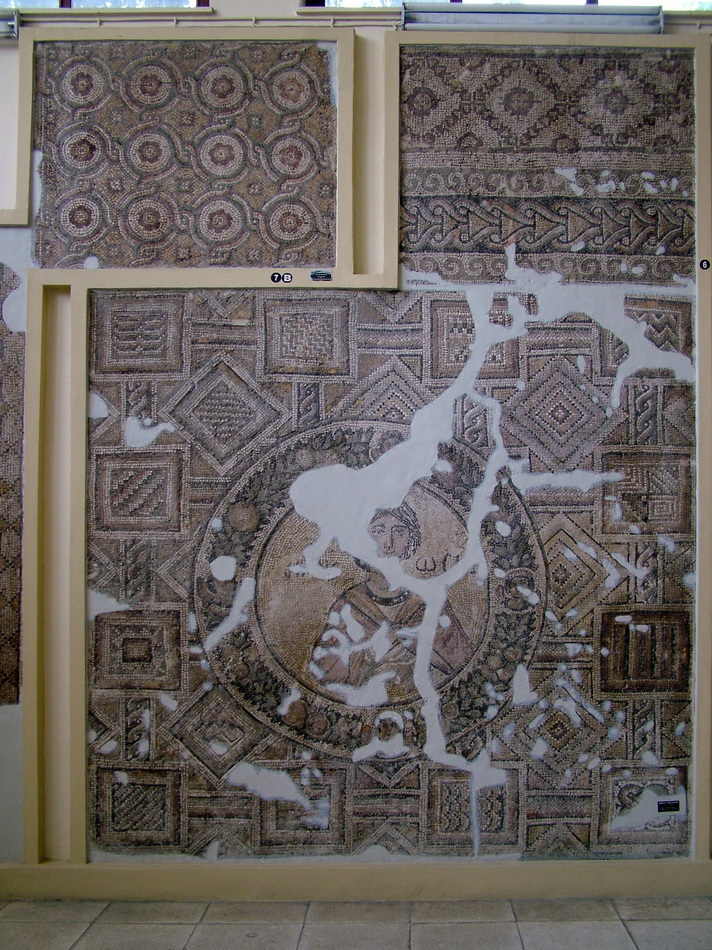
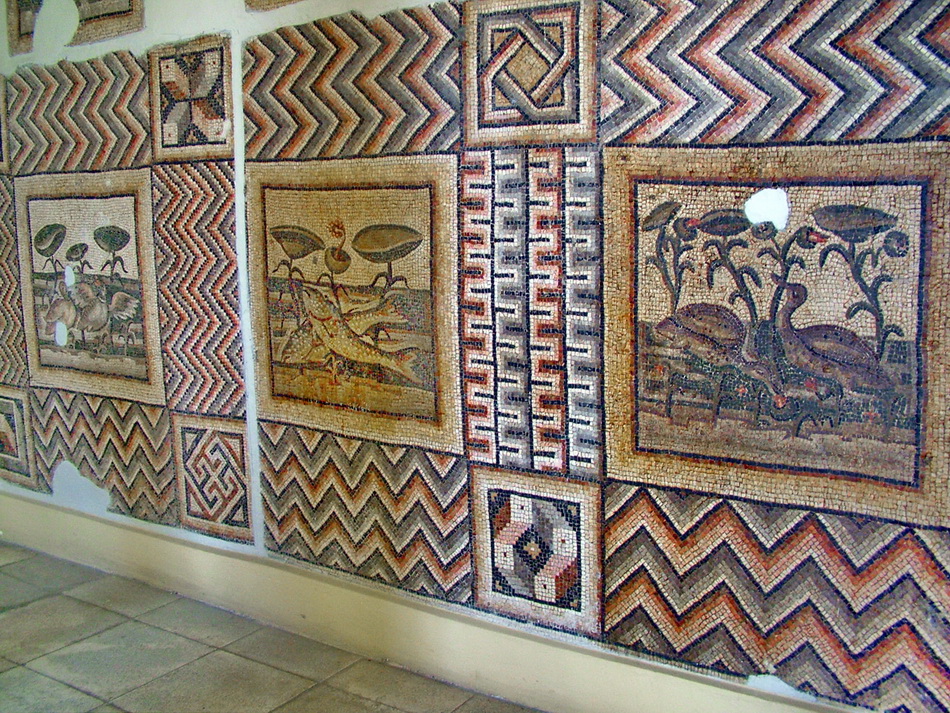
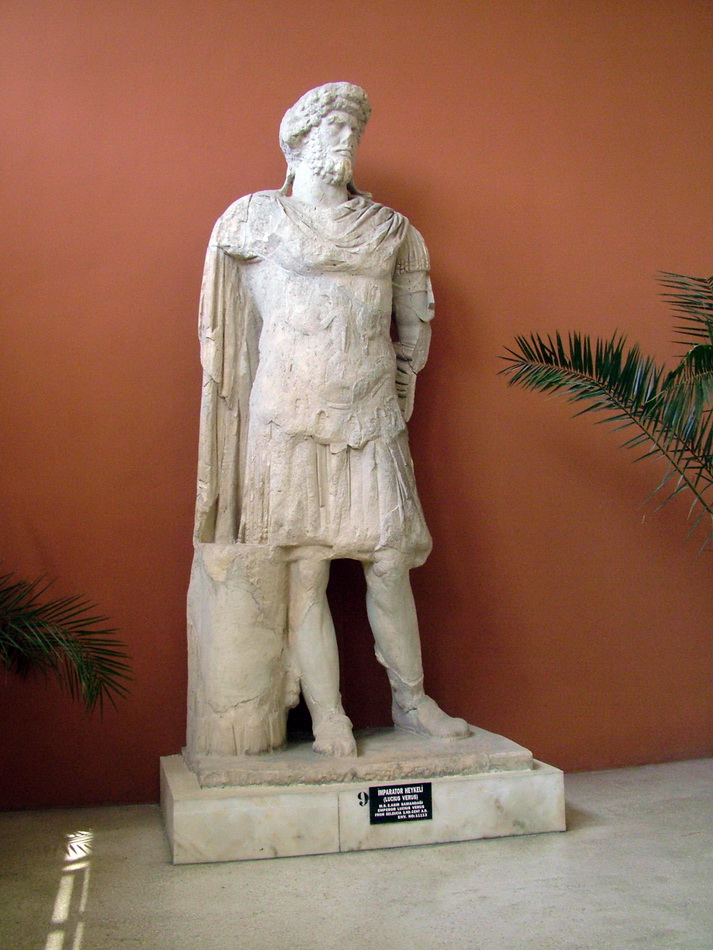
When I photographed the old museum in 2005, the way the objects were displayed interested me as much as the works themselves. Large mosaic panels covered the walls of spacious galleries, while other pieces appeared on the floors alongside sculptures, sarcophagi and carved stone. Daylight entered through high windows, changing the appearance of the surfaces. I tried to record not only individual works but also their relationship to the rooms around them.
Many mosaics depicted figures from mythology, people, animals, plants and intricate geometric patterns. The expressions, drapery and movement created from small coloured tesserae revealed the remarkable skill of ancient craftsmen. These images also offered glimpses of the beliefs and everyday world of the people who once lived here.
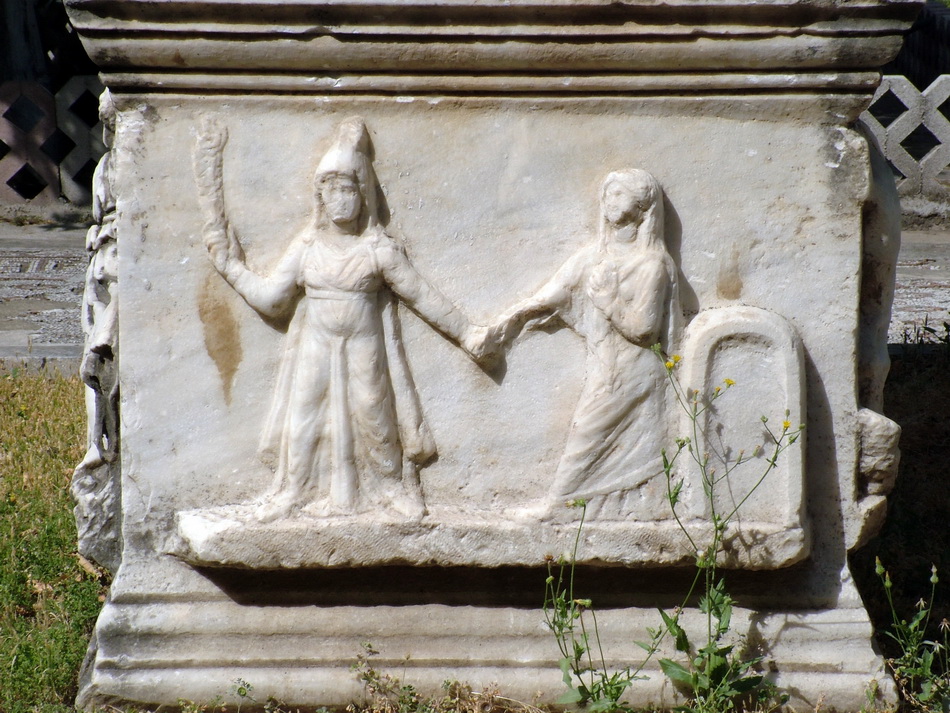
The sculptures, sarcophagi, inscriptions and stone reliefs reflected further layers of Antakya’s history. Today I find particular value in photographs showing how these works were arranged in 2005: the old galleries, their walls and windows, the lighting and the visitors moving through them.
The collections were moved from the old building to the new Hatay Archaeology Museum, which opened in 2014. The display I photographed in 2005 thus belongs to a vanished chapter in the museum’s history. The devastating earthquakes of 6 February 2023, which caused immense loss across Antakya, have made the preservation of visual records of the city’s cultural heritage feel more important than ever. These photographs document the old museum many years before that disaster.
For me, this series also carries the memory of a friendship. My visit with Jozef Naseh was one of the important moments in a much longer journey of photographing Antakya’s churches, streets, homes and religious ceremonies. I present these images in memory of the old Antakya Archaeological Museum and with deep gratitude to my friend Jozef Naseh, whose support helped me come to know the cultural life of this remarkable city.