
Atatürk House Museum — Thessaloniki | December 2013
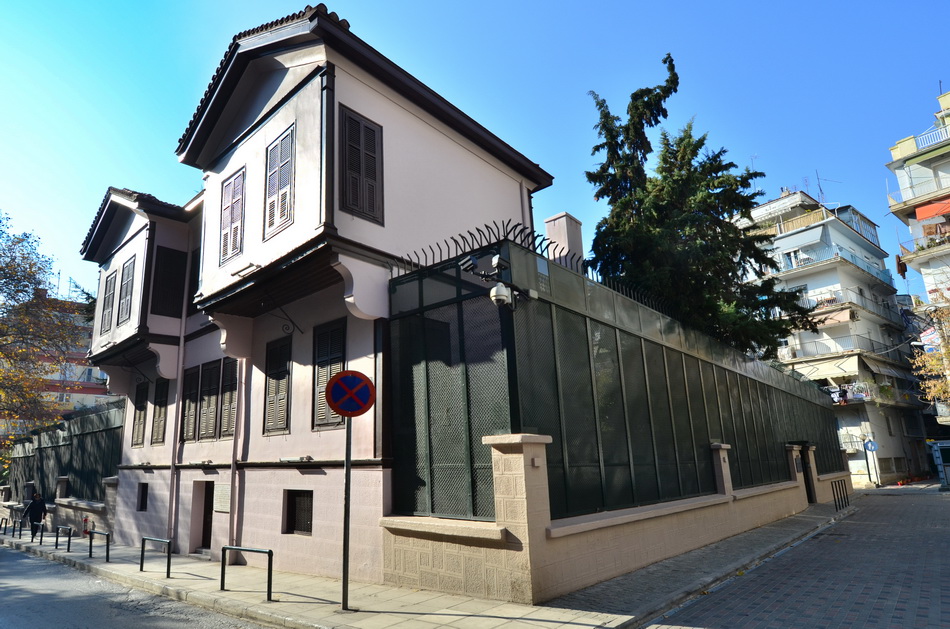
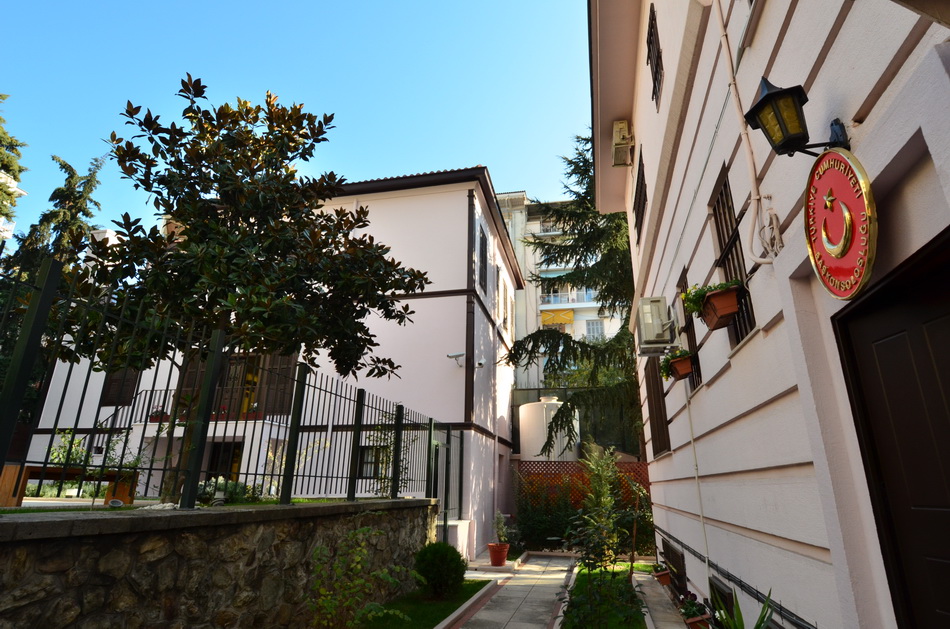
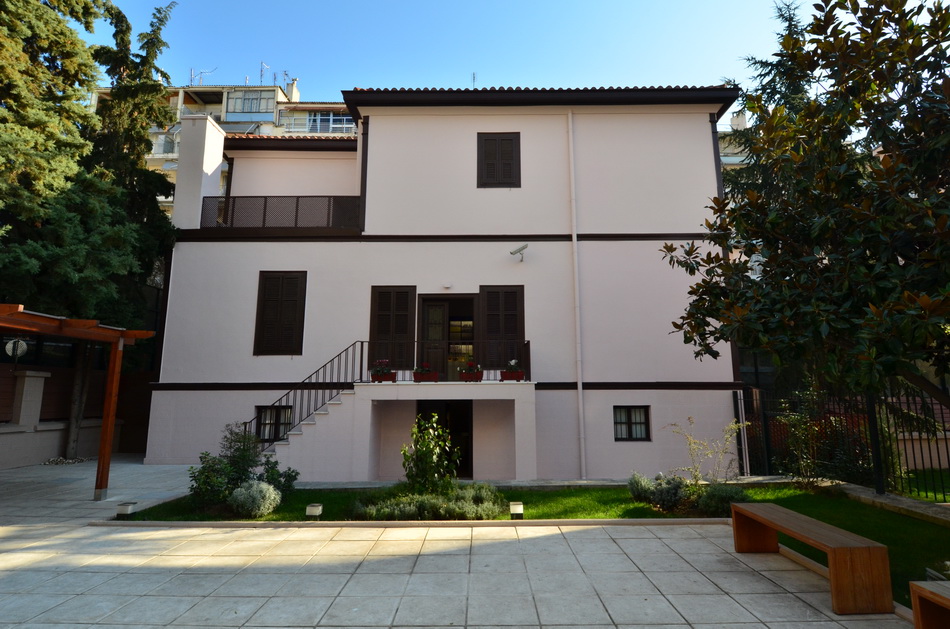
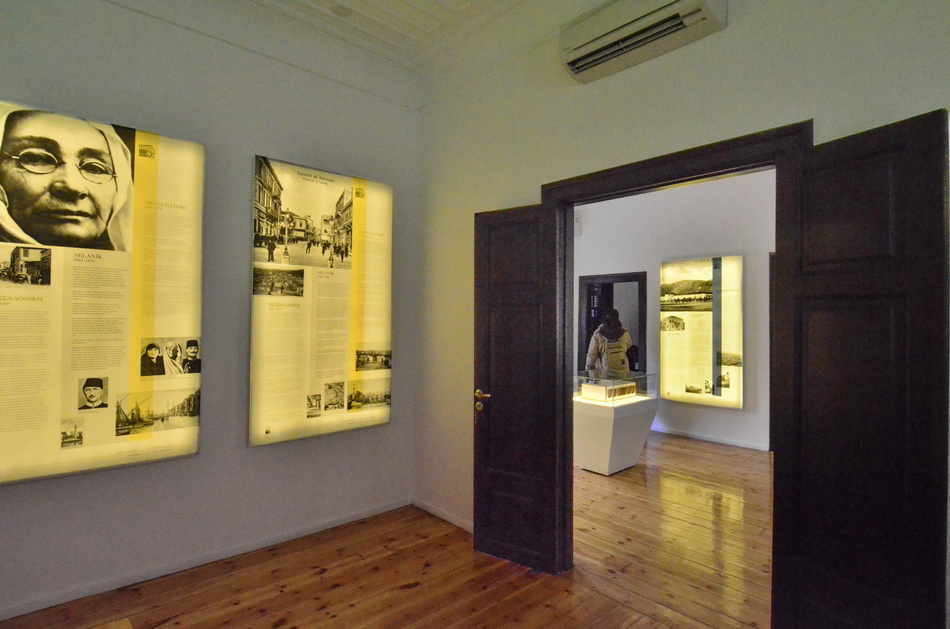
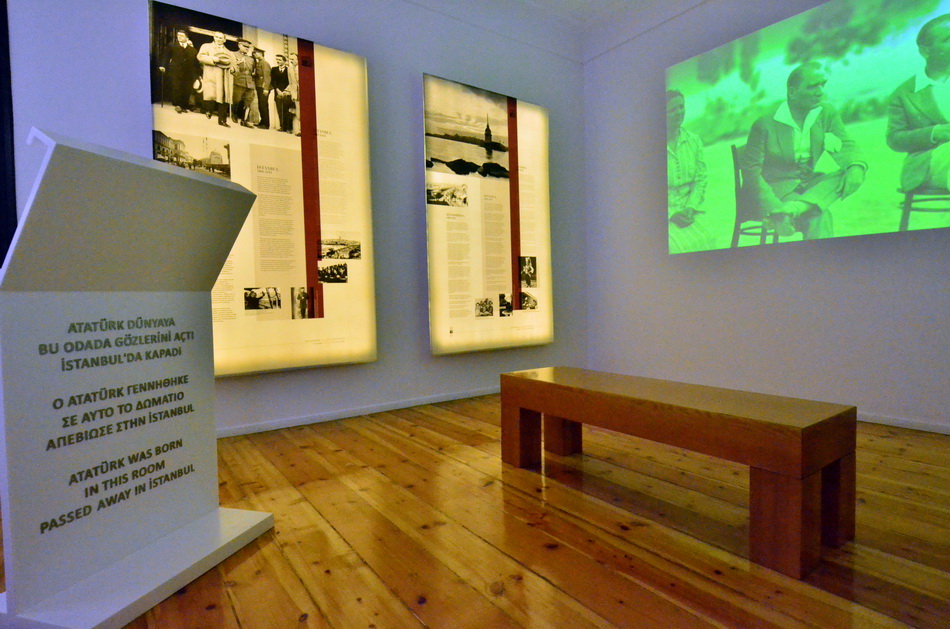
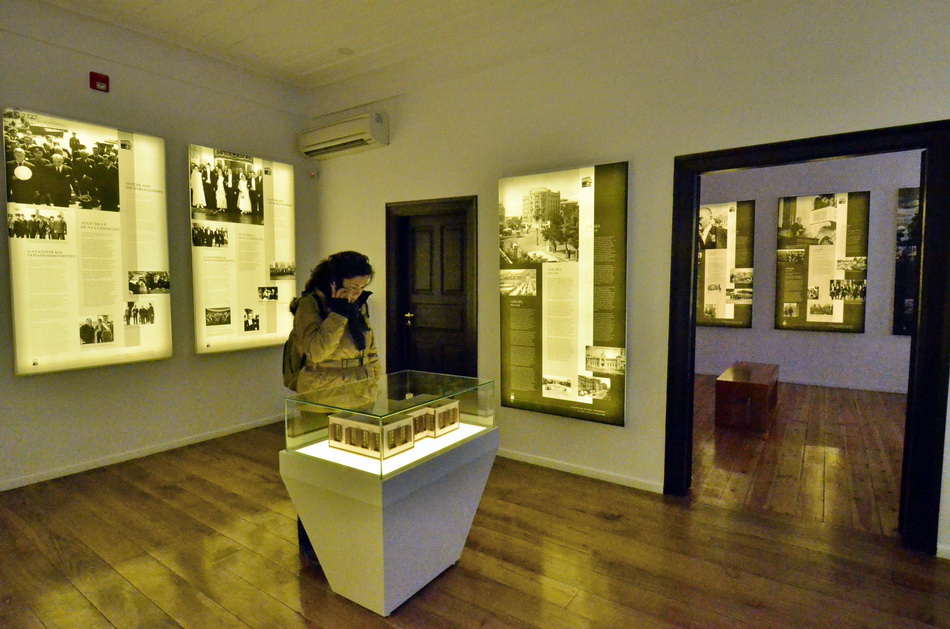
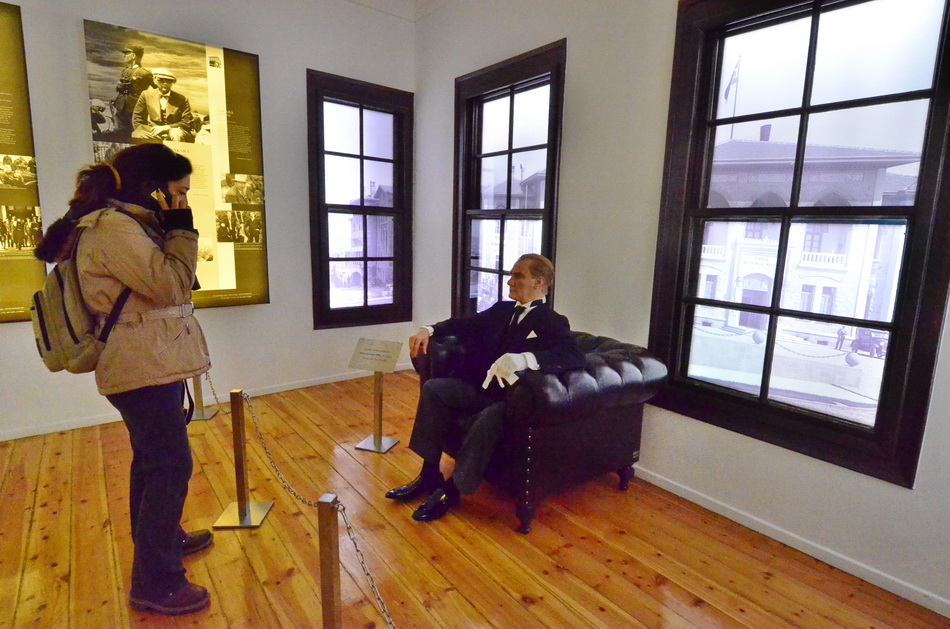
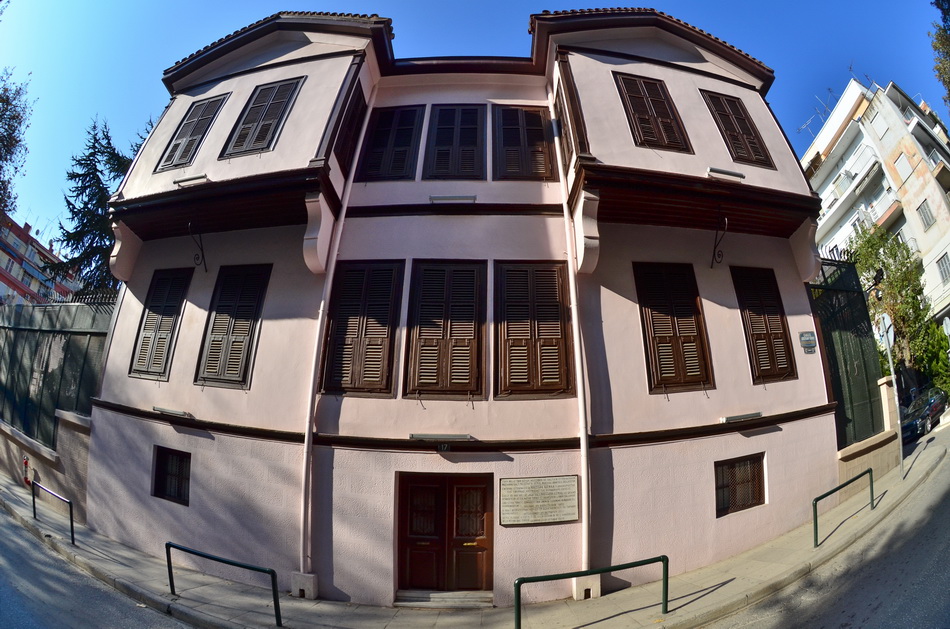
In December 2013, during a journey to Thessaloniki, I visited and photographed the house traditionally identified as the birthplace of Mustafa Kemal Atatürk in 1881. Thessaloniki was an important Balkan city in the late Ottoman period, shaped by the coexistence of different languages, religions and communities. Turks, Greeks, Jews and other groups contributed to its social and cultural life. The city also offers a valuable context for understanding the world in which Mustafa Kemal spent his early years.
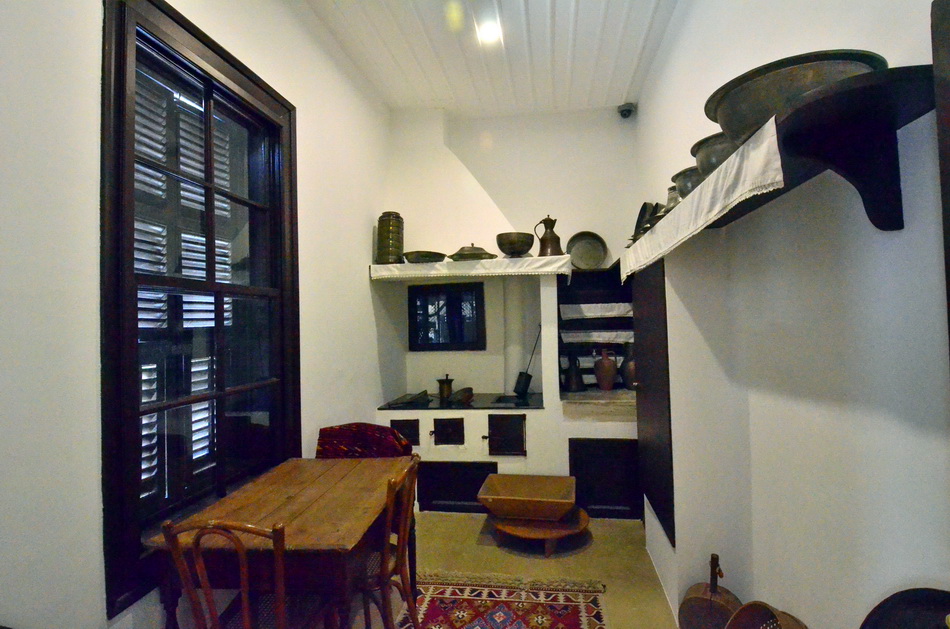
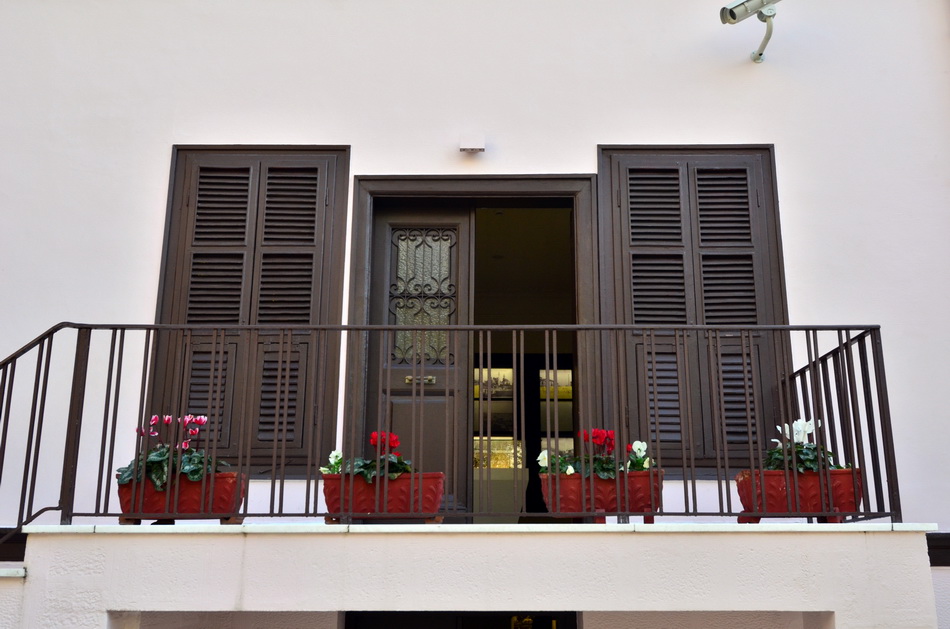
The house, with its courtyard and three-storey layout, reflects aspects of the traditional residential architecture of old Thessaloniki. Associated with the family life of Ali Rıza Efendi and Zübeyde Hanım, it is remembered as one of the places where Mustafa Kemal spent his childhood. Rooms once used for everyday domestic life now form part of a museum devoted to the early life and historical legacy of the founder of the Republic of Türkiye.
After Thessaloniki passed out of Ottoman rule in 1912, the building entered a new chapter of its history. It was later presented to Türkiye through an initiative of the Municipality of Thessaloniki and opened as a museum on 10 November 1953. A family home thus became a place of remembrance, linked both to Atatürk’s biography and to the shared, sometimes complex history of two neighbouring countries.
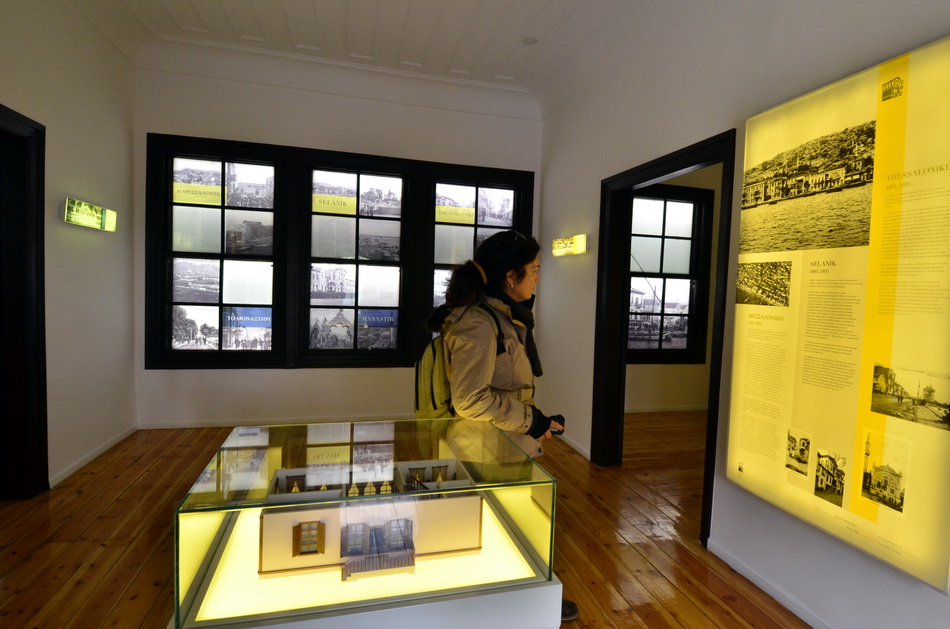
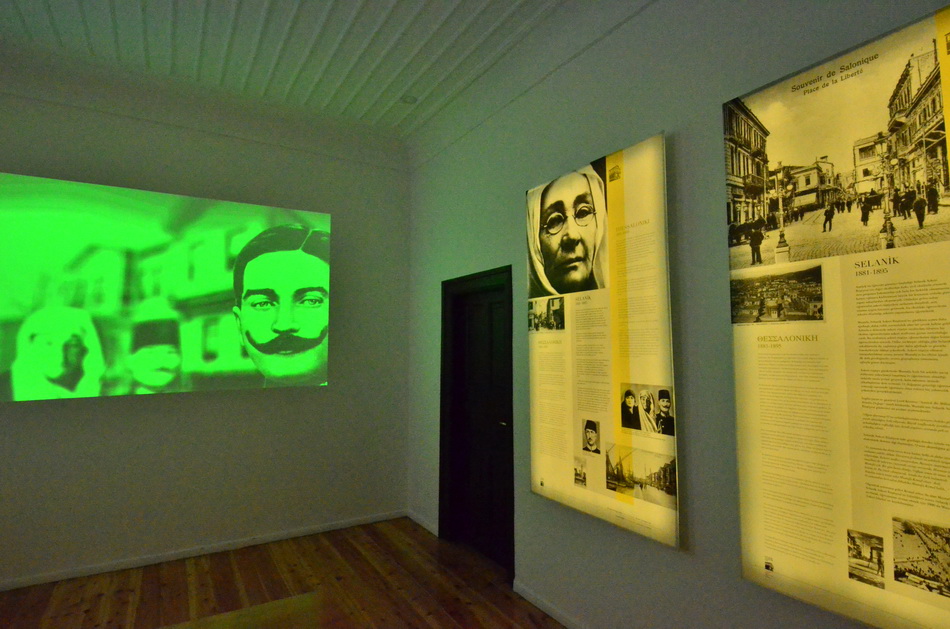
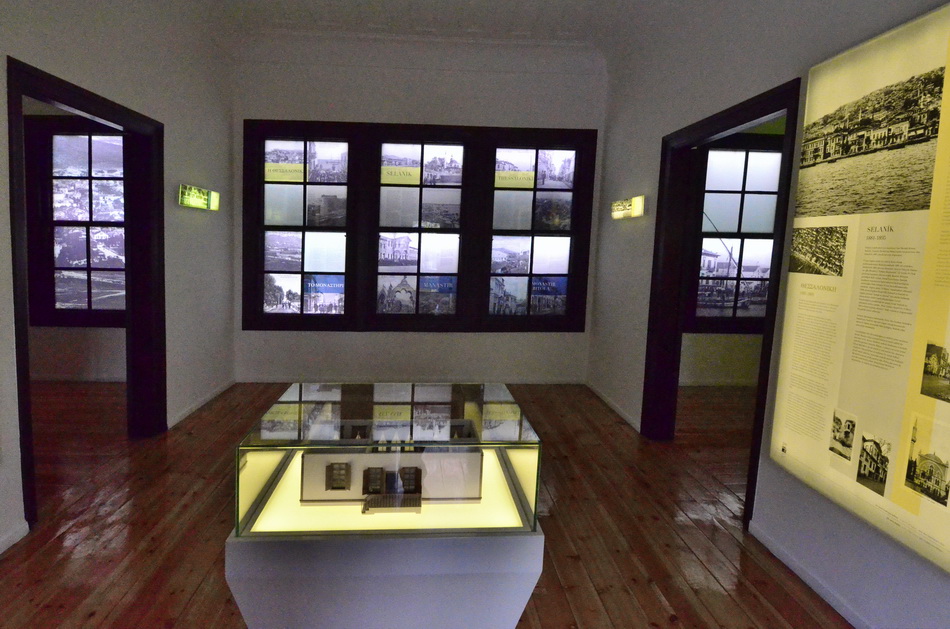
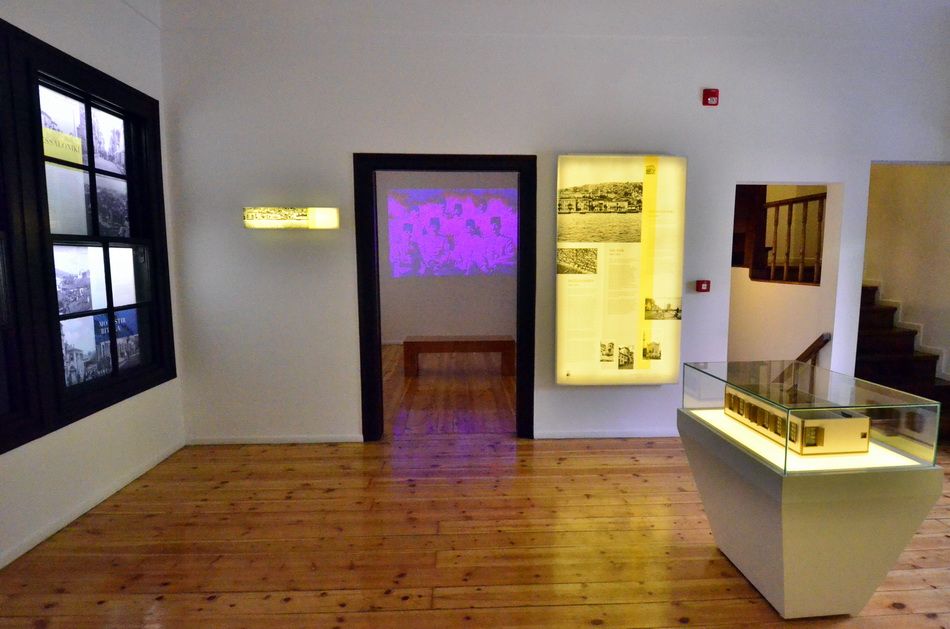
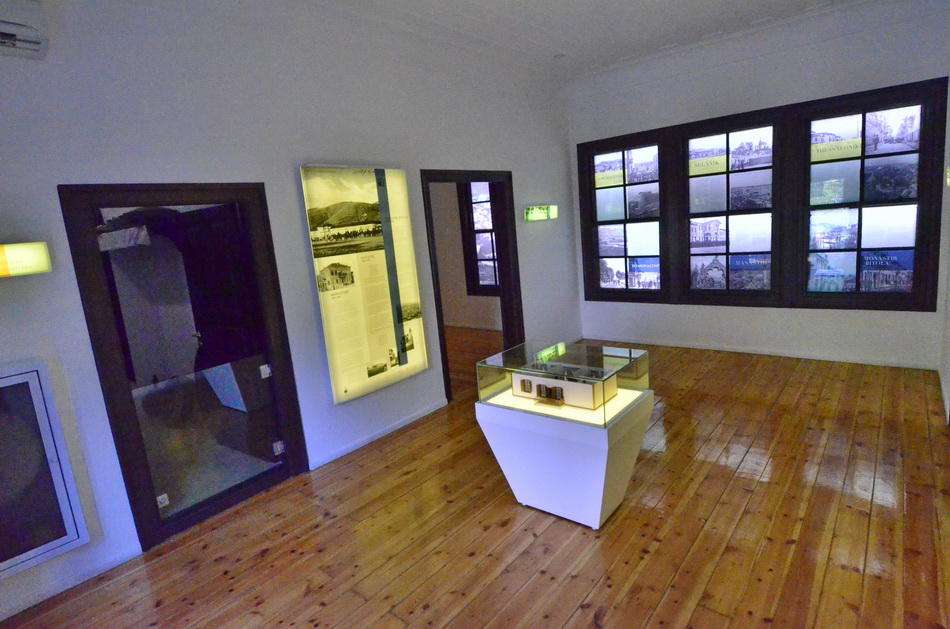
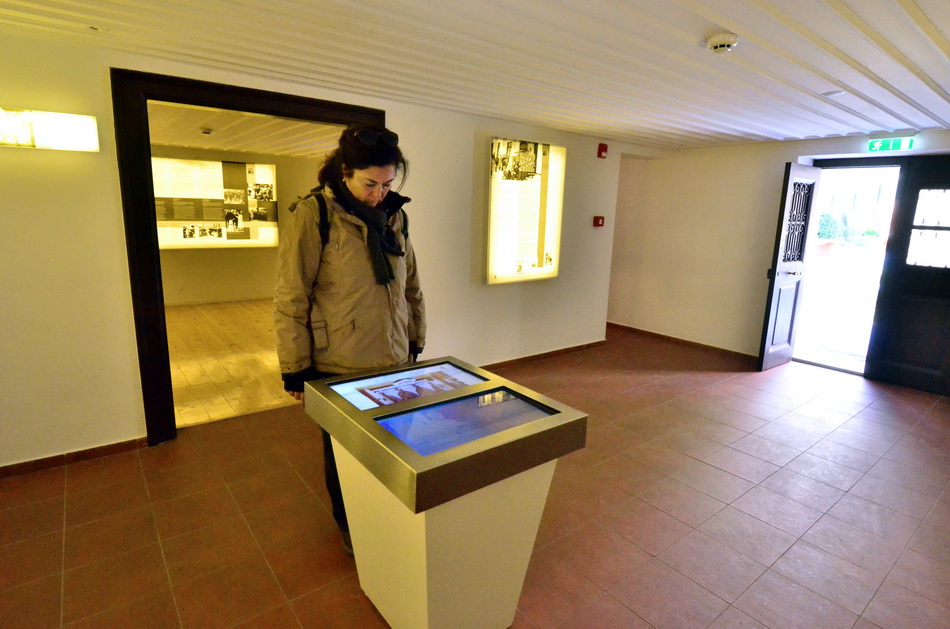
My visit took place shortly after a major restoration and renewal of the museum. Work begun in 2012 had been completed, and the house reopened to visitors in August 2013. The exhibition I encountered placed particular emphasis on photographs, documents, explanatory panels and visual displays. Rather than presenting the house solely as a furnished period interior, the renewed exhibition connected Atatürk’s life to different cities and stages of his education and career, including Thessaloniki, Manastır, Istanbul and Ankara.
As I walked through the rooms, I was reminded that a historic building derives its meaning not only from its walls and architectural details, but also from the lives once lived within them. A window, staircase, doorway or quiet room can prompt us to imagine the rhythms of an earlier household. In my photographs I tried to record both the architecture of the house and the exhibition arrangement as I found them in December 2013.
The importance of this house extends beyond the fact that it marks Atatürk’s birthplace. His life, which began in Thessaloniki, would later become intertwined with the final decades of the Ottoman Empire, the Turkish War of Independence and the foundation of the Republic of Türkiye. The rooms therefore bring together the intimacy of a childhood home and the beginning of a much larger historical story.
These photographs preserve the appearance of the Atatürk House Museum at a particular moment. Museums change: exhibitions are reorganised, objects are moved and historic buildings undergo further conservation. Photography can retain a record of the spaces, light and presentation encountered during a visit. I regard this series not only as a memory of my journey, but also as a visual document of the museum in December 2013.
For me, the house in Thessaloniki brings several layers of history together: the multicultural city of the Ottoman period, Mustafa Kemal’s childhood, the path towards the Turkish Republic and the historical memory shared by Türkiye and Greece. Through these images, I hoped to preserve something of the atmosphere, architecture and significance of this remarkable place.