
Daily Life in Western Anatolian Villages 1973
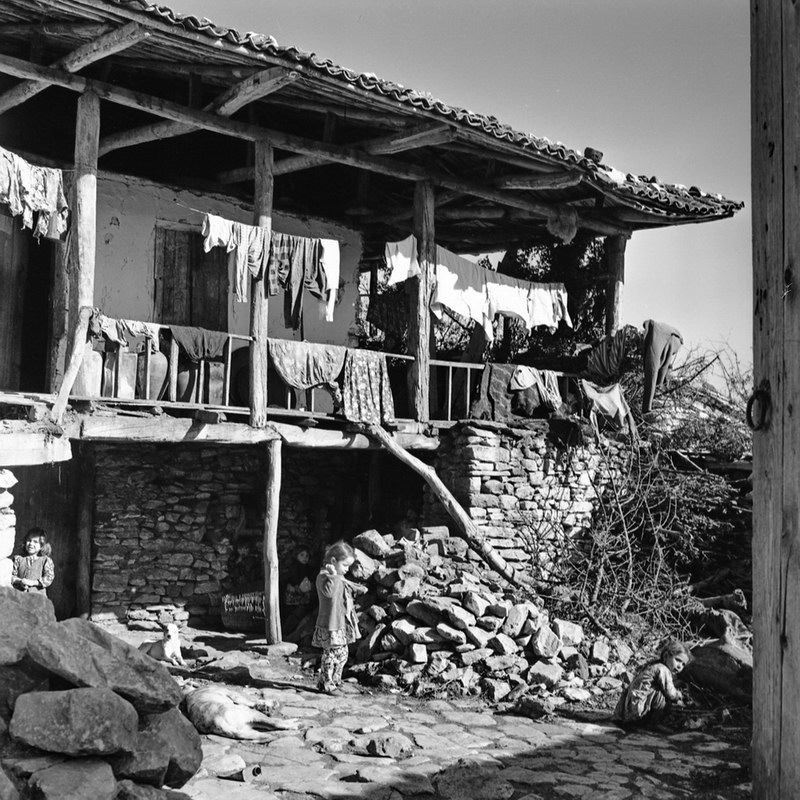
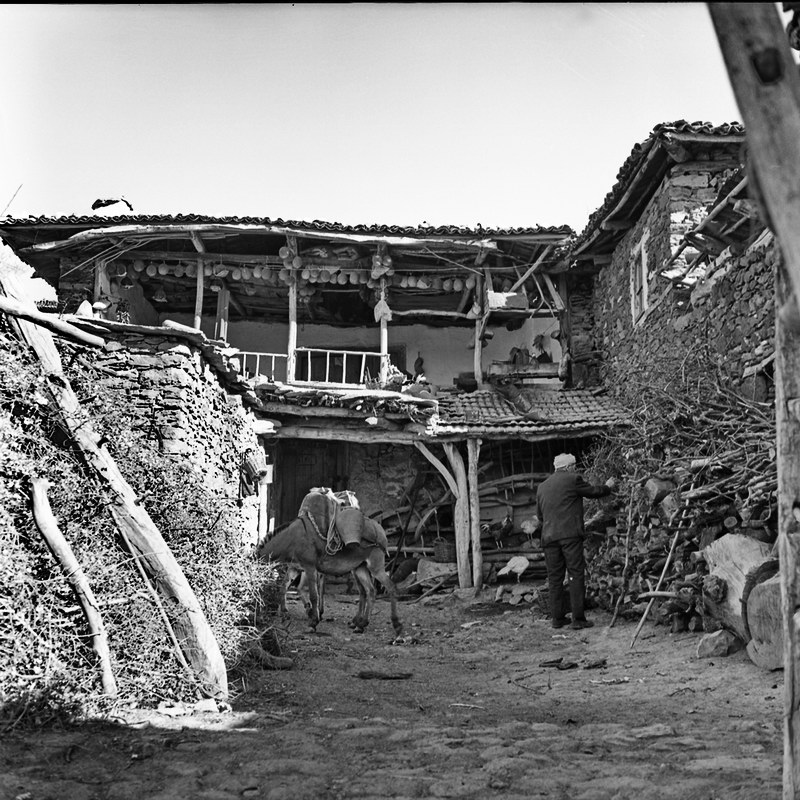
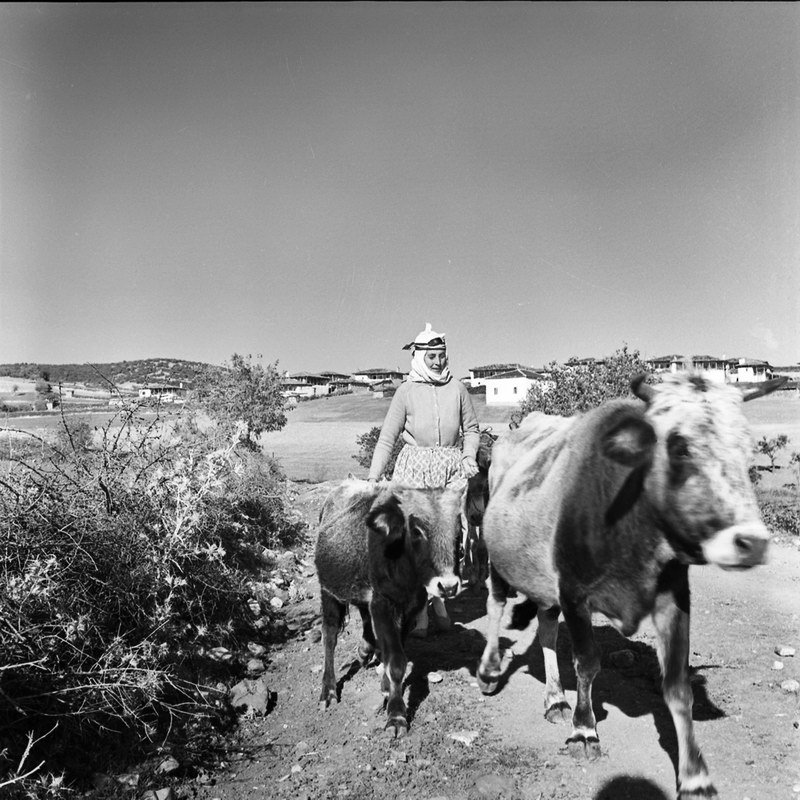
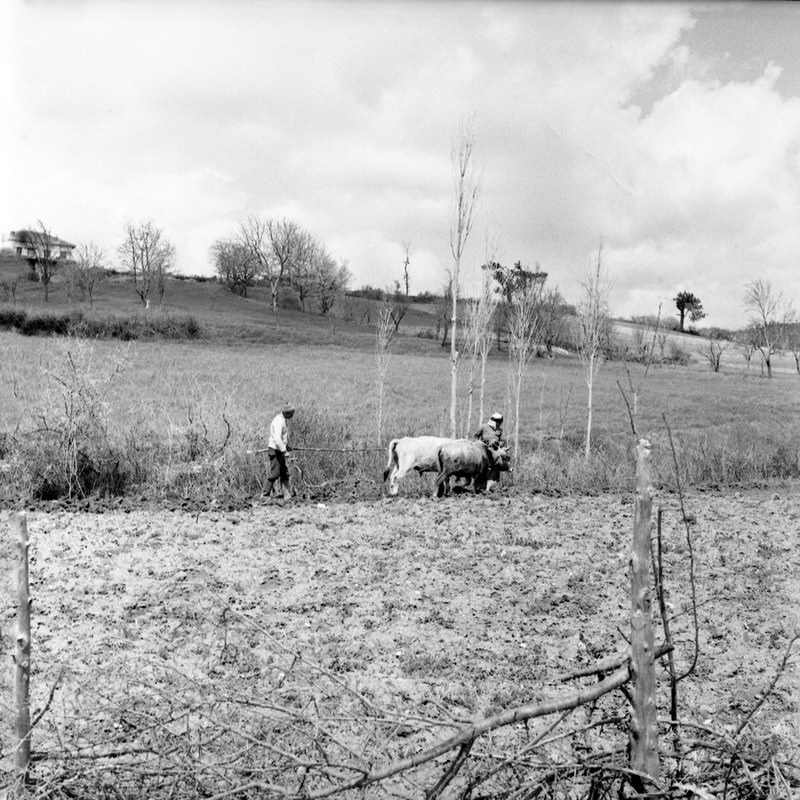
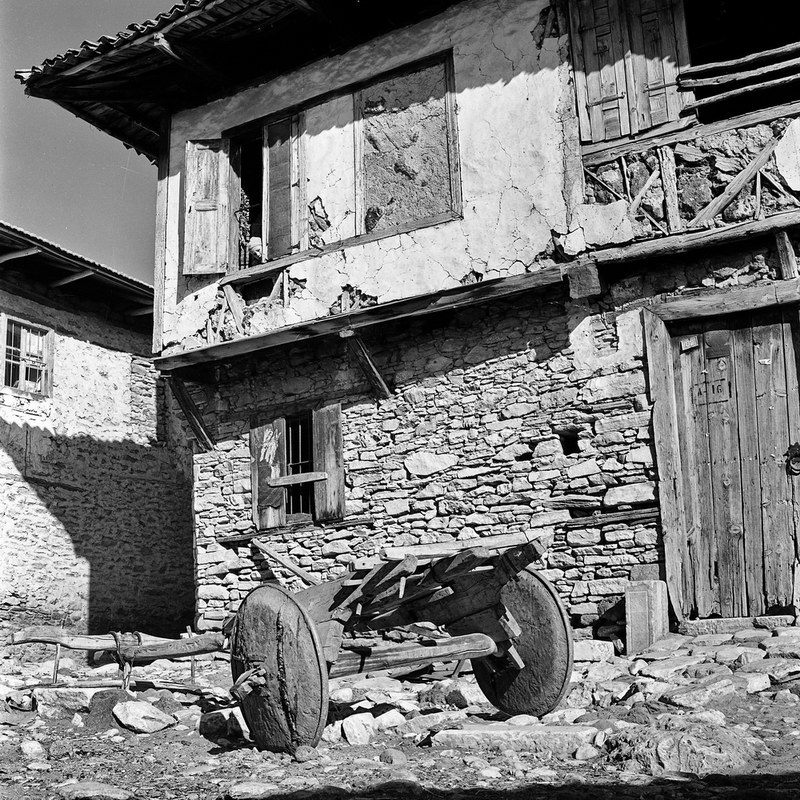
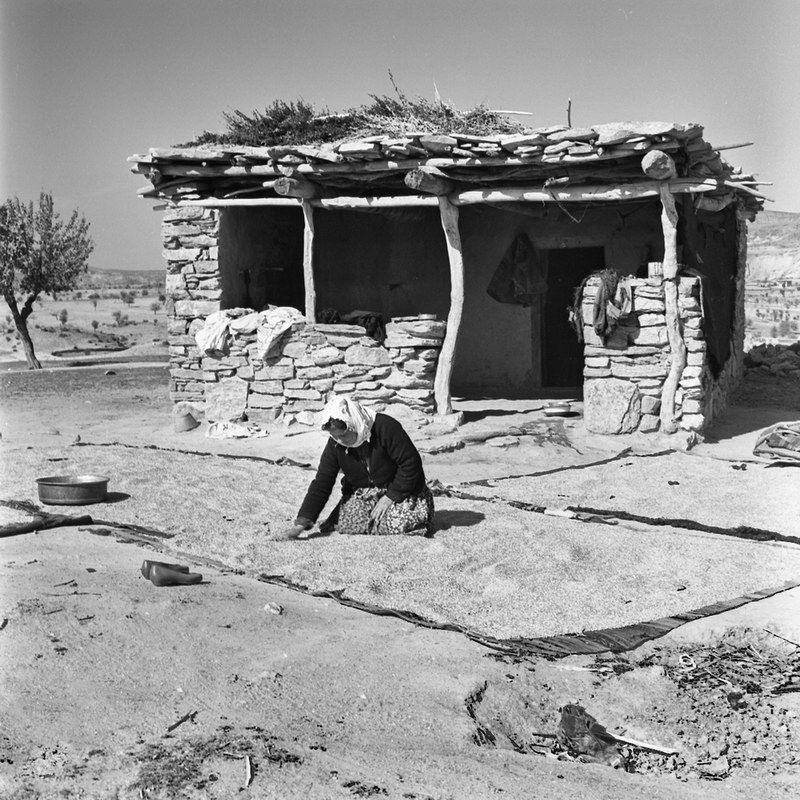
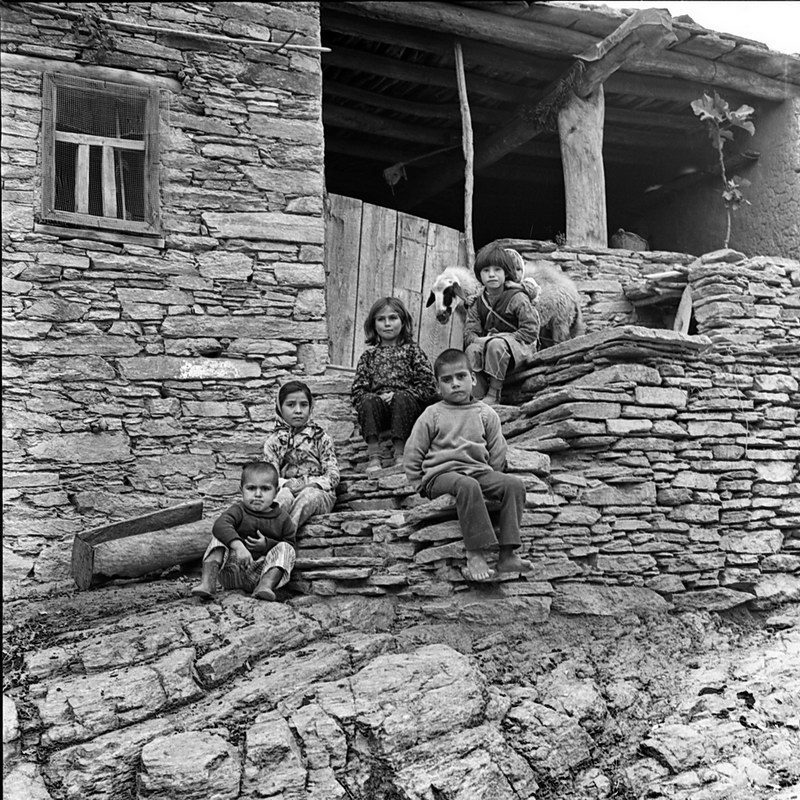
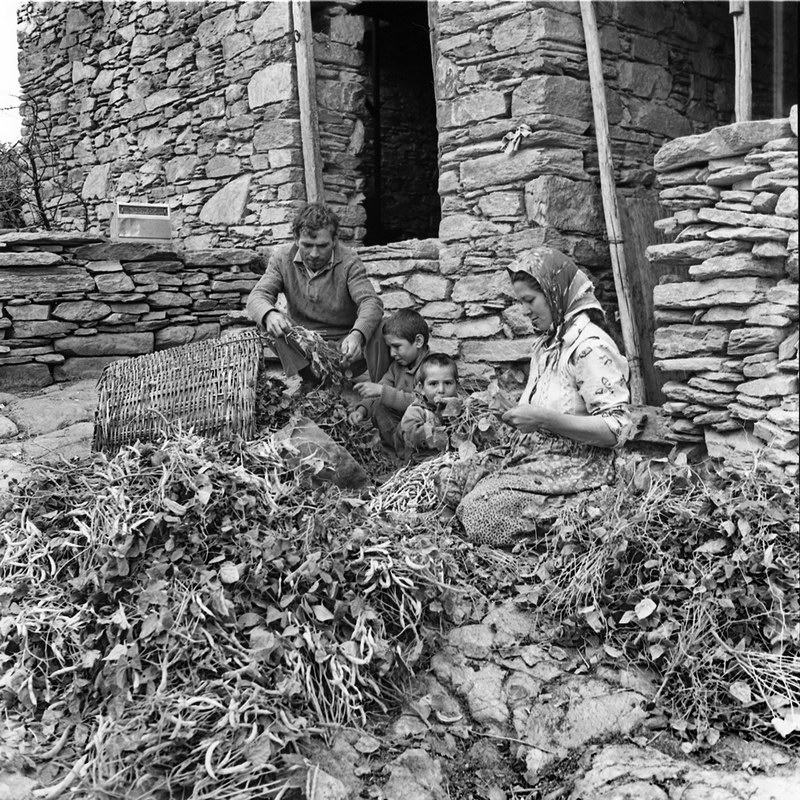
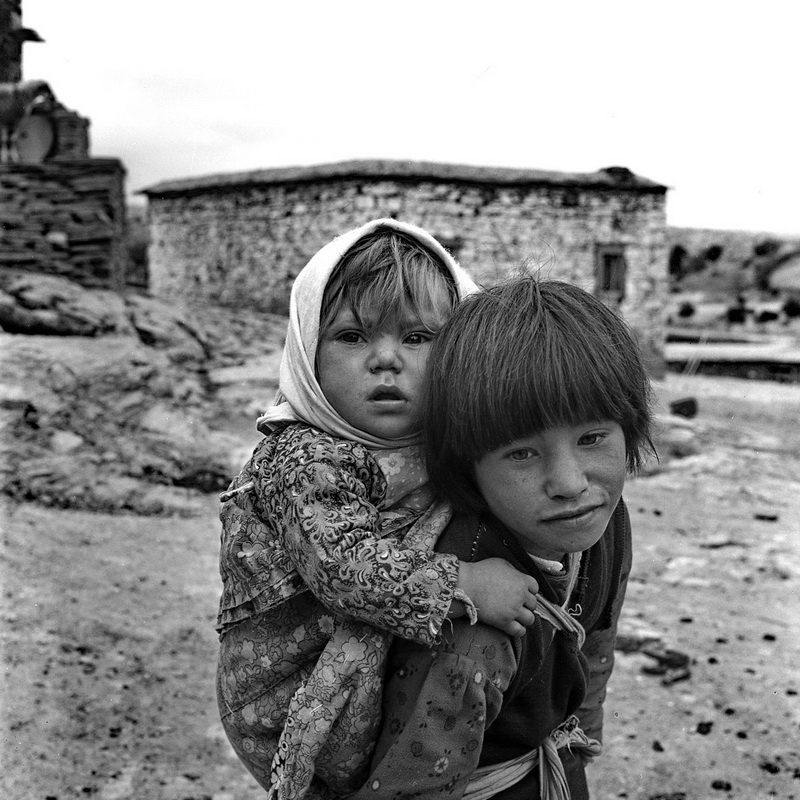
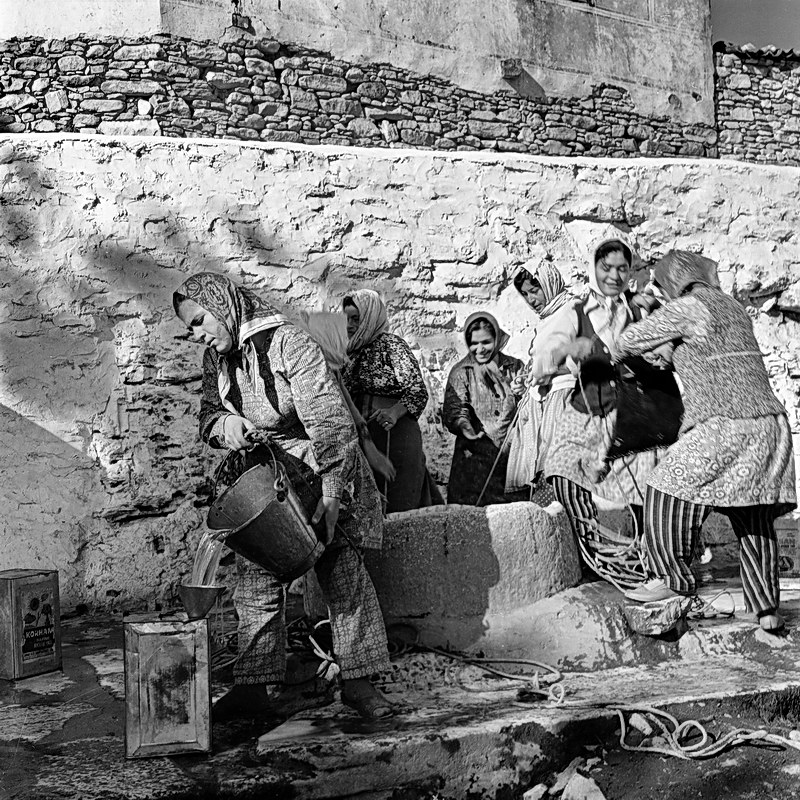
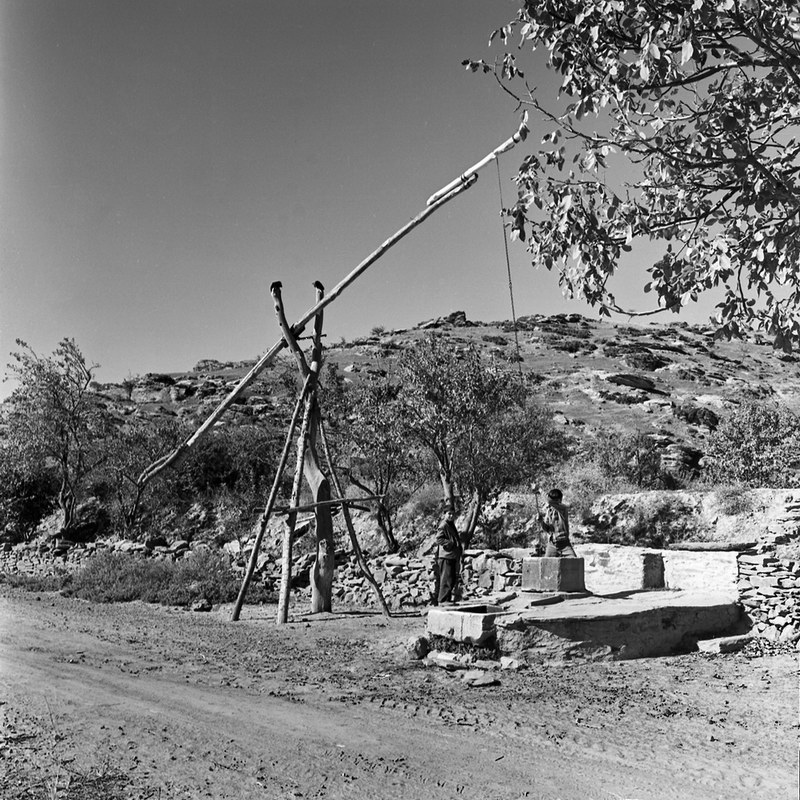
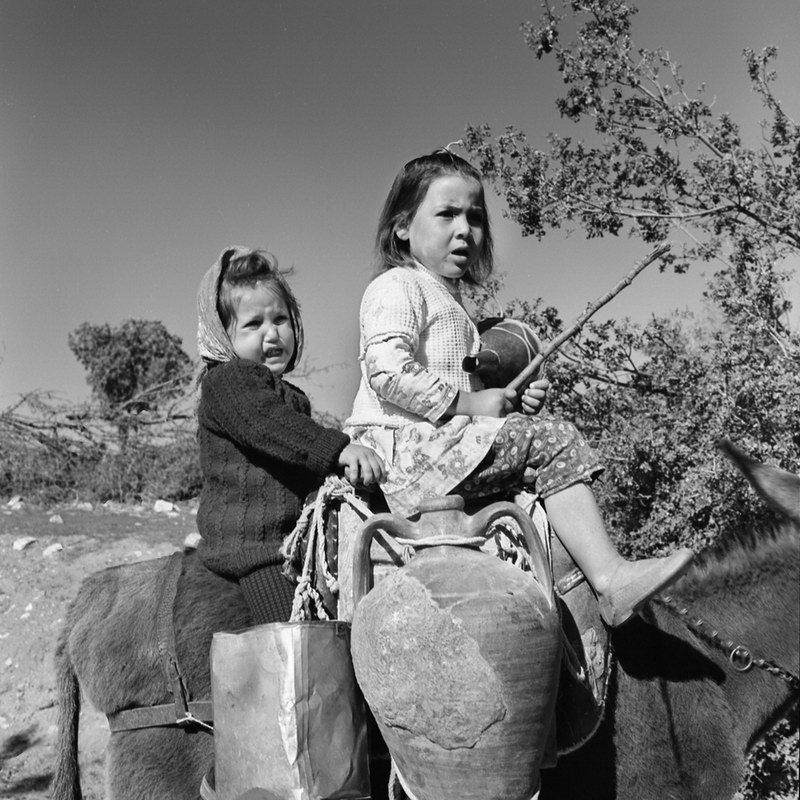
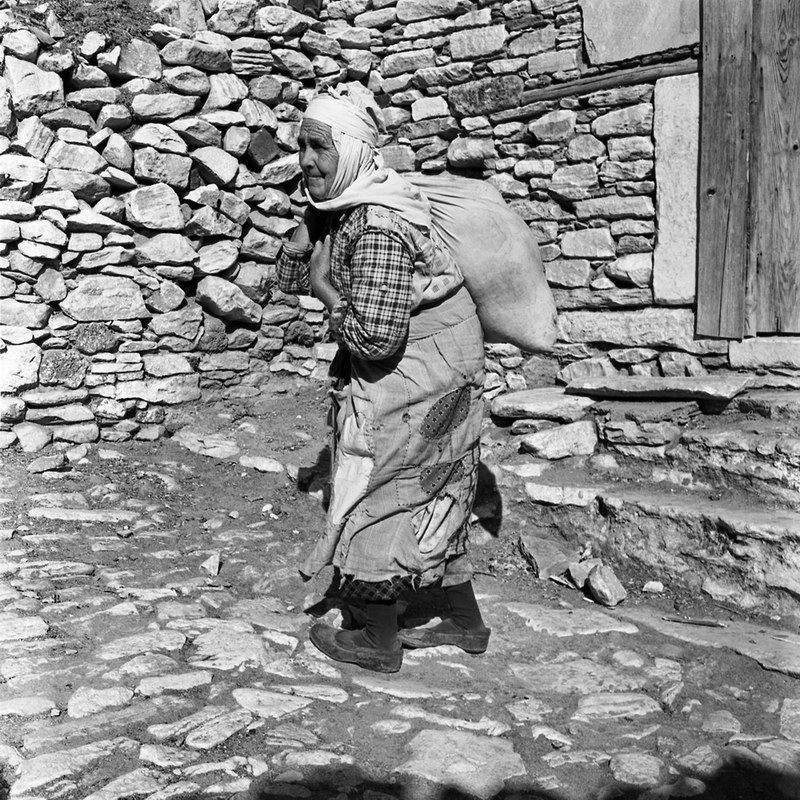
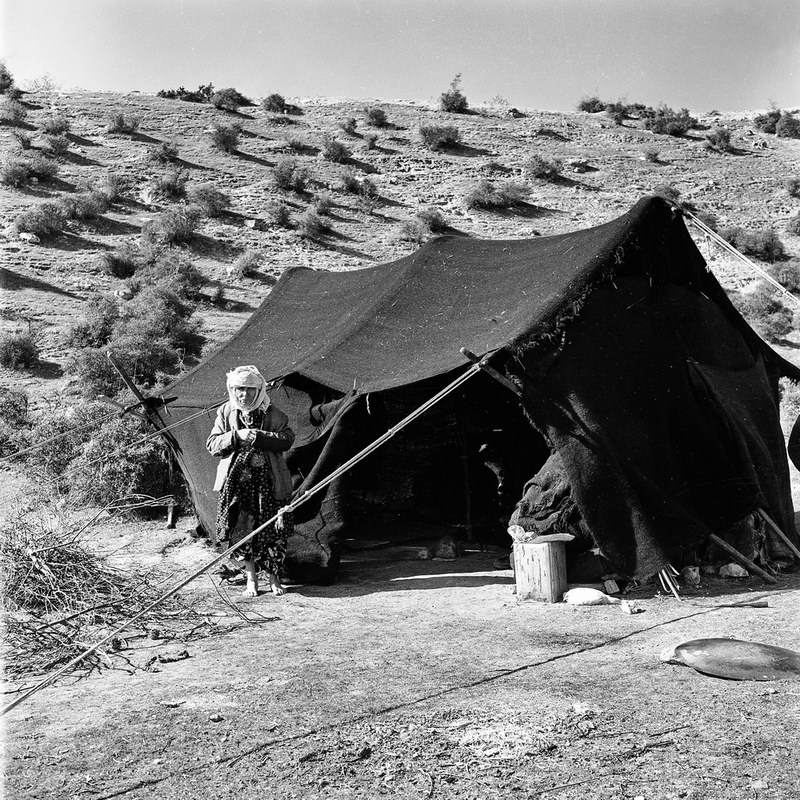
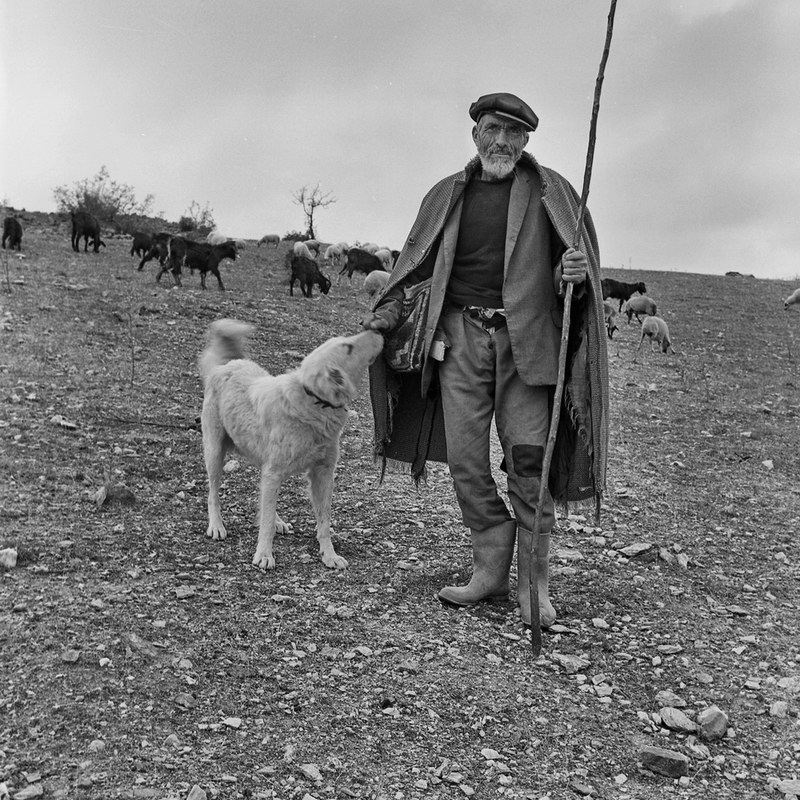
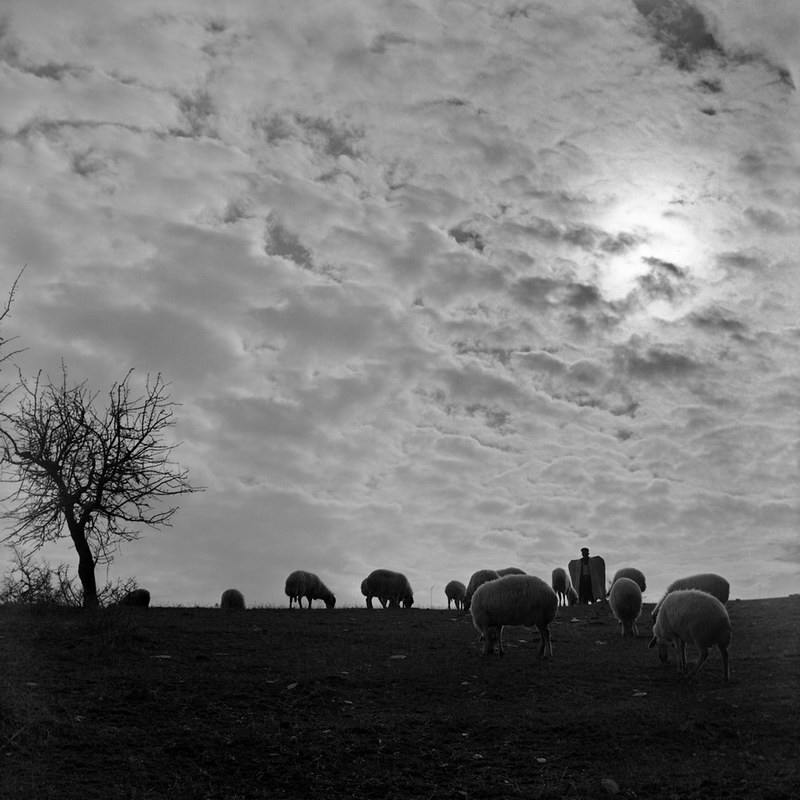
When I photographed the villages of Western Anatolia in 1973, I did not realize that I was witnessing a way of life that would soon begin to disappear. Life in the villages moved at a slower pace and remained closely connected to the land and to nature. Drinking water was still drawn from communal wells, oxen were used both for transportation and farming, and nomadic families continued to live in traditional black goat-hair tents. I took these photographs with Rolleiflex 2.8F and Yashica Mat 124-G medium-format film cameras. At the time, photography was not simply a way of recording images for me; it was also a way of approaching people and trying to understand their everyday world. The people I met, their ways of working, their homes, animals and daily routines revealed to me a face of Anatolia that was already beginning to change. Some of the photographs in this series were later included in my first and second solo exhibitions. Today, these images have acquired a different meaning for me. Many things that seemed ordinary at the time now belong to the past: communal village wells, ox carts, farming with animal power, goat-hair tents and the everyday life that unfolded in village squares. Looking at these photographs more than half a century later, I see them not only as part of my own past, but also as part of our collective memory. Much of the life I encountered then has either disappeared completely or changed beyond recognition. For me, these images are no longer simply old photographs; they are silent witnesses to a vanished way of life, preserved for our children and future generations.
These are the lives we share, past history for our children ...