
Haydarpaşa Railway Station — Istanbul | 2008, 2009, 2010, 2013 & 2017
A Station Between Two Shores
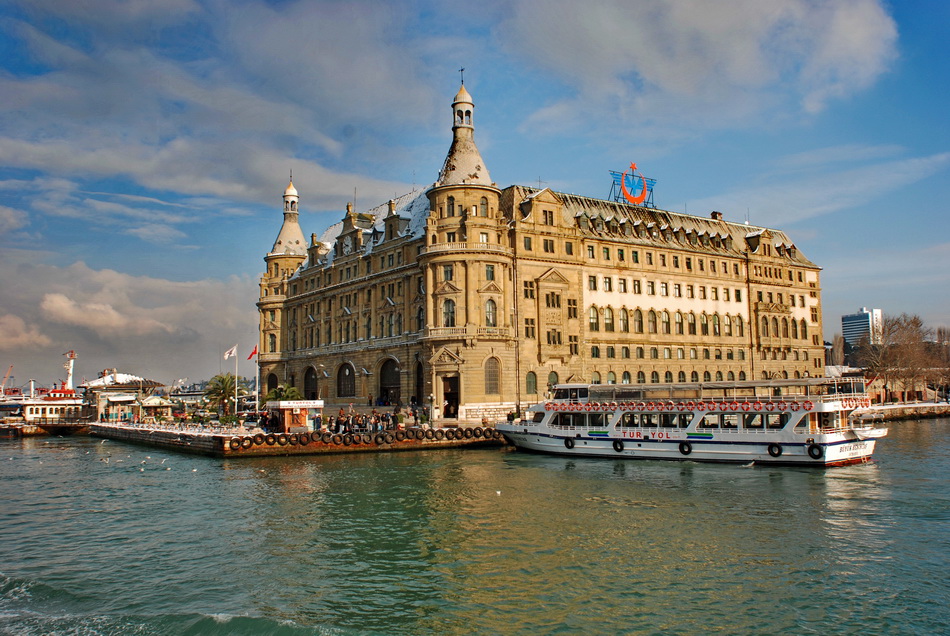
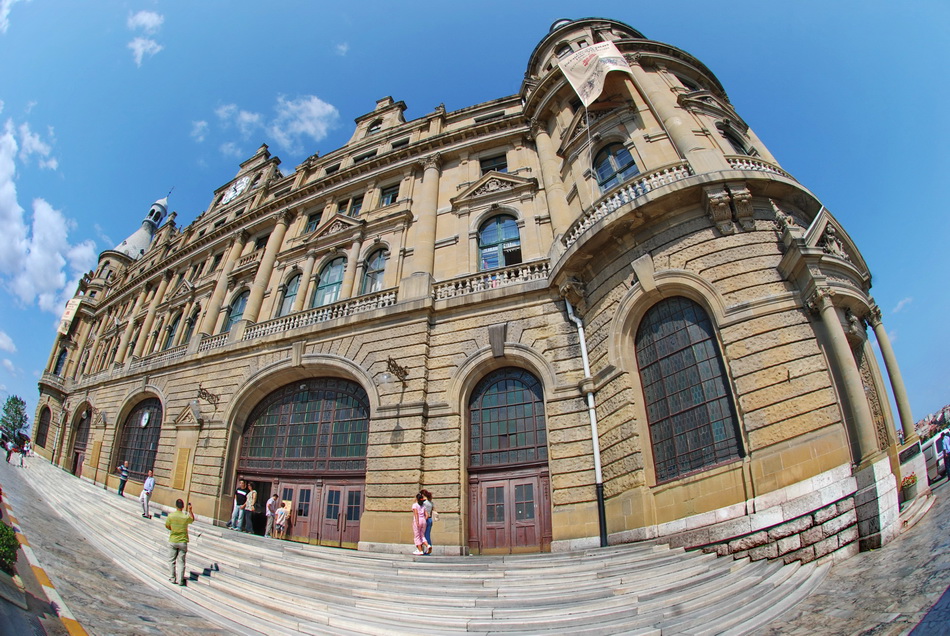
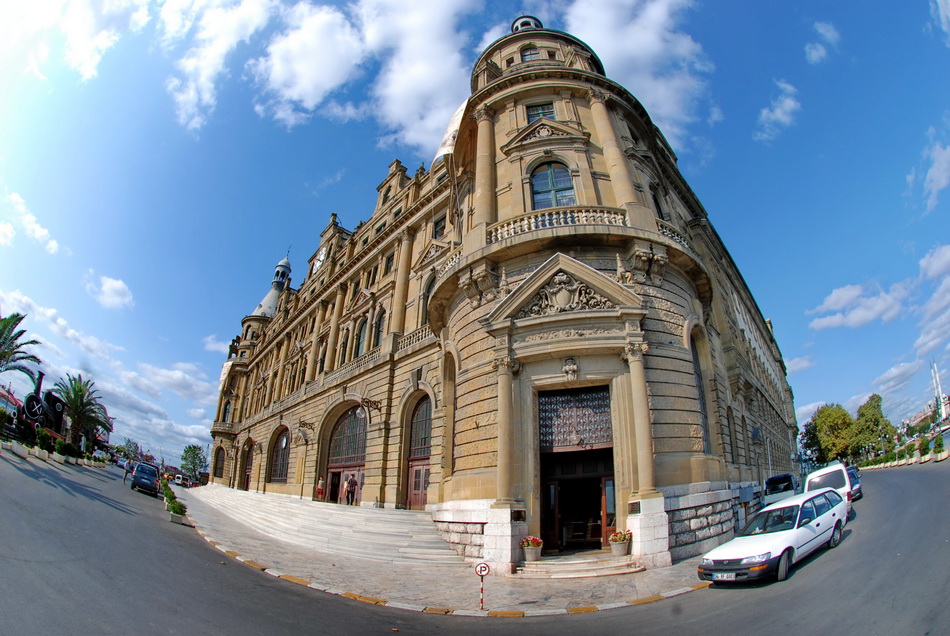
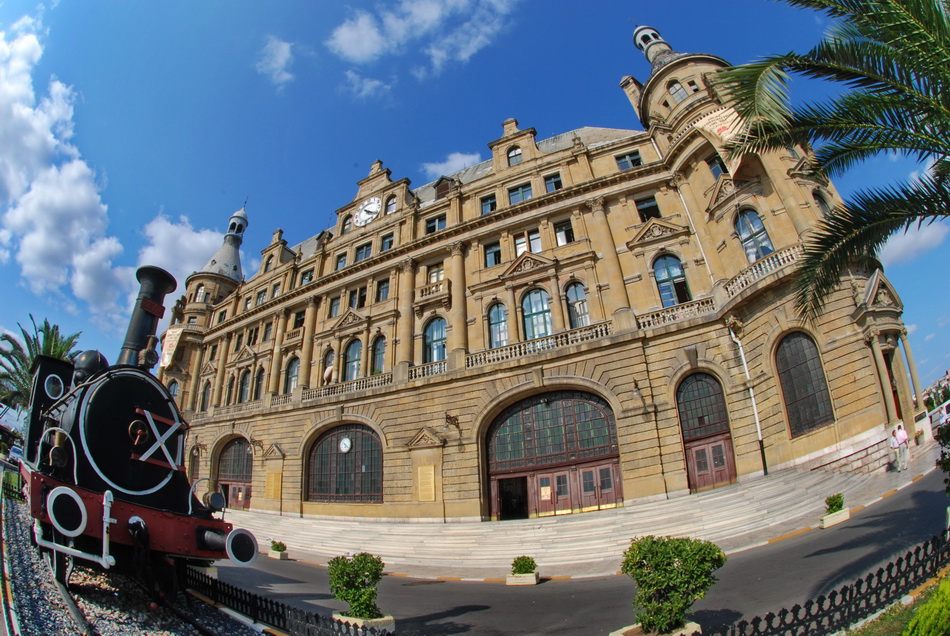
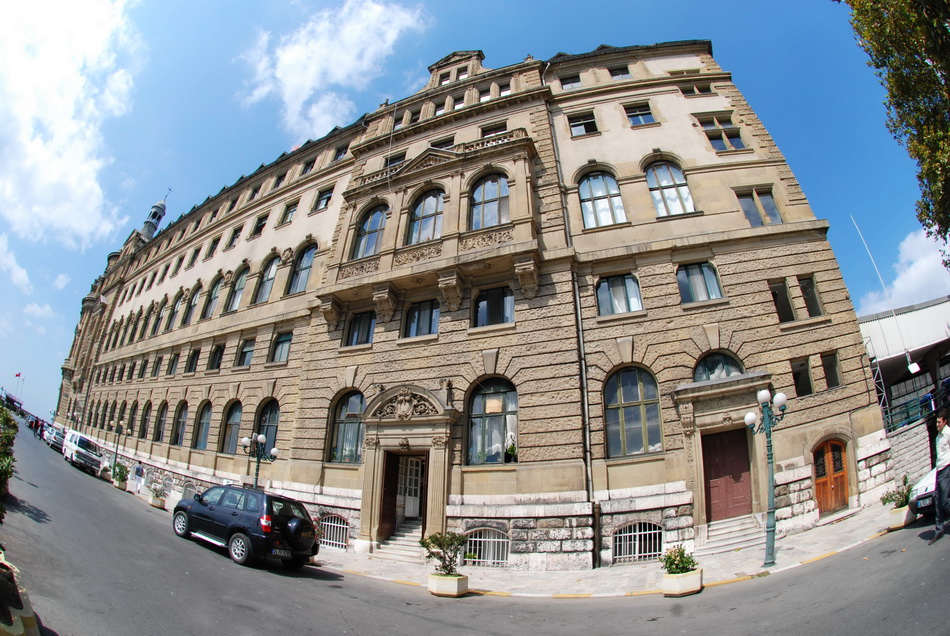
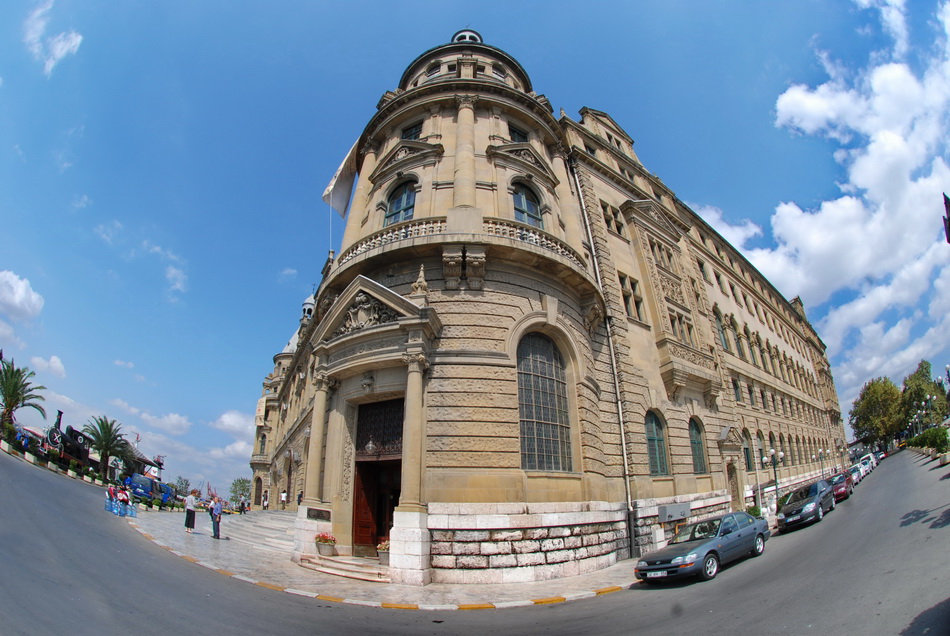
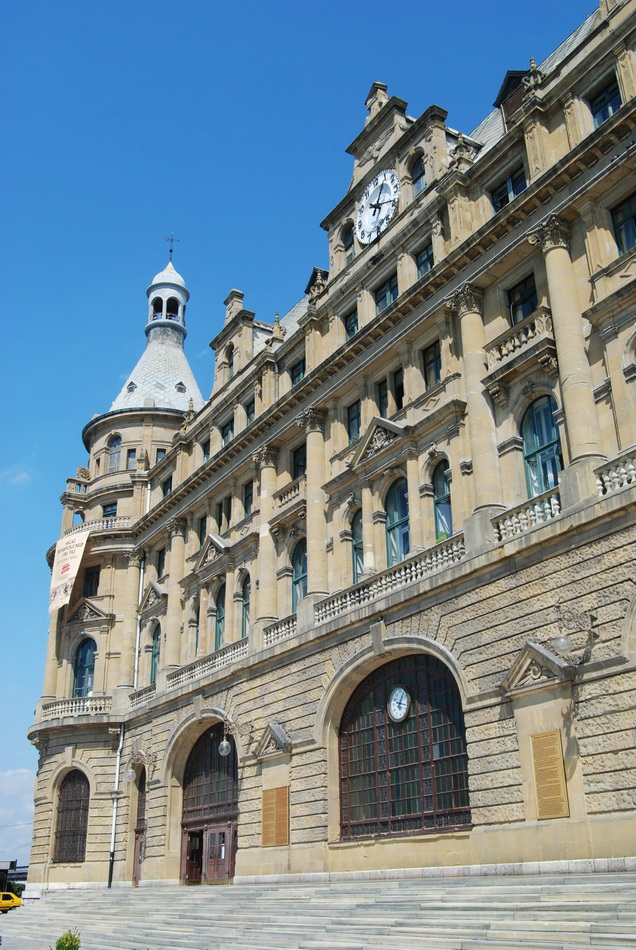
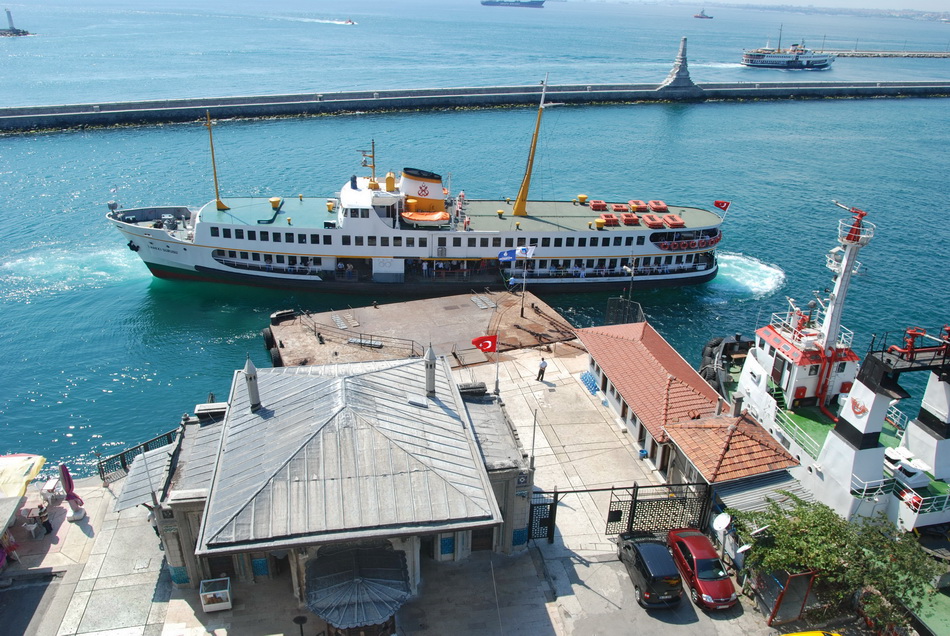
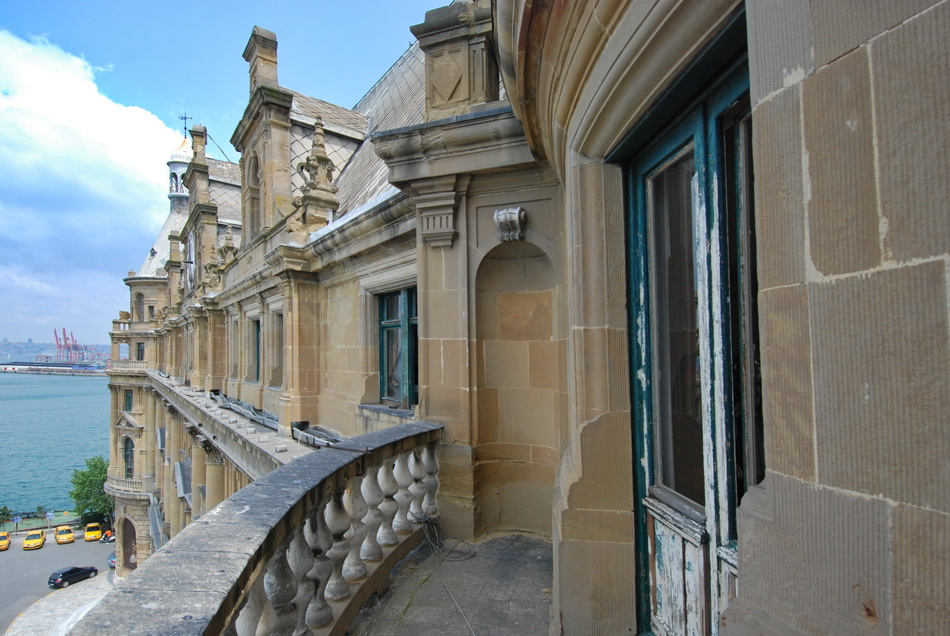
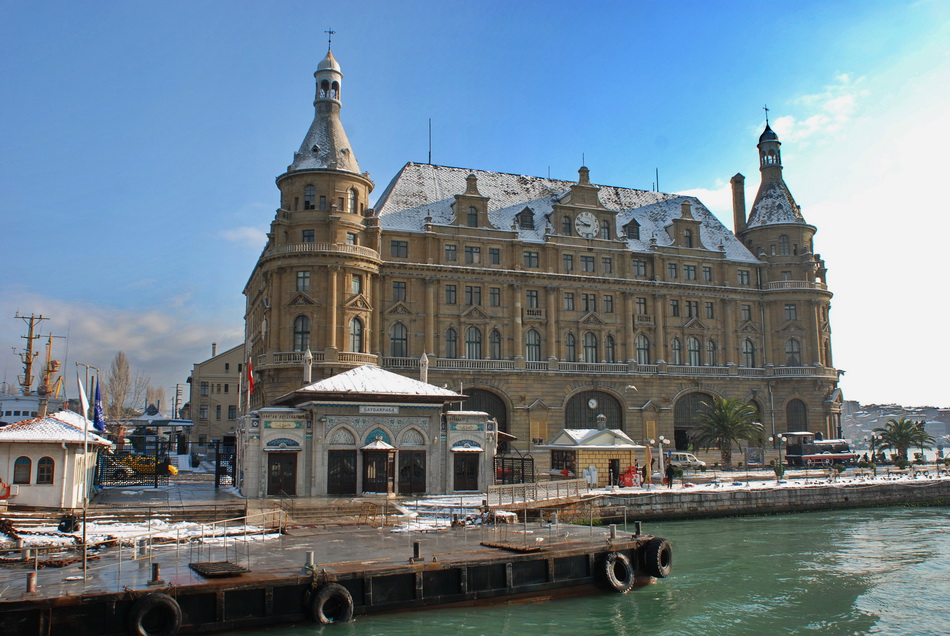
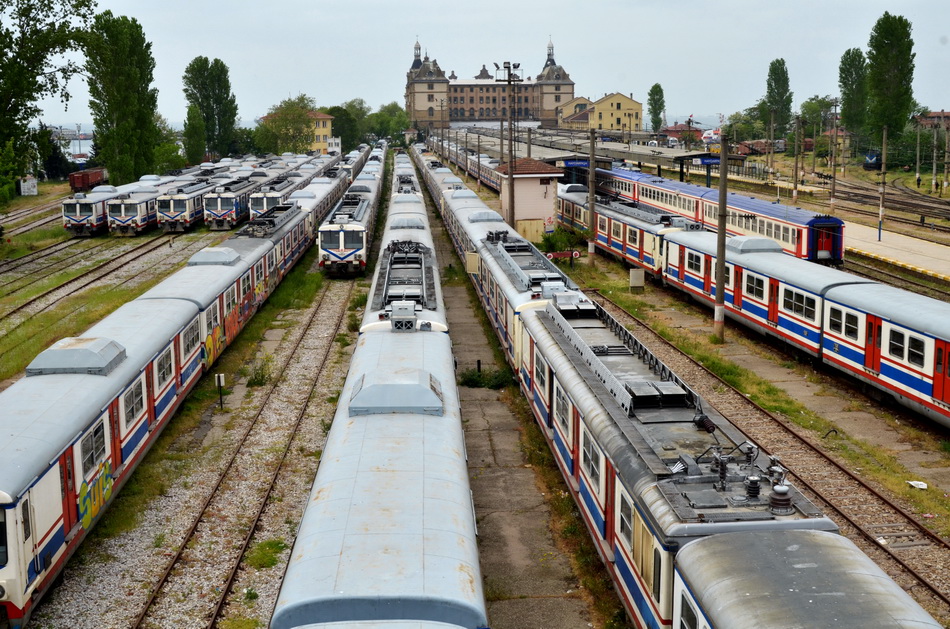
On Istanbul’s Asian shore, Haydarpaşa Railway Station rises beside the water, its towers and long façade facing the Bosphorus. For me, it is more than a historic building. It is part of my own journeys through the city. I used the suburban trains on the Kadıköy–Bostancı route and travelled through Haydarpaşa Station. When the train journey ended, I would transfer to a City Lines ferry at the pier in front of the station. This was not simply my personal route; it was a familiar connection for countless passengers. People arriving by train continued their journeys by sea, while those stepping off the ferries made their way to the railway platforms. Here, two forms of transport met as part of the everyday rhythm of Istanbul.
The Railway Gateway to Anatolia
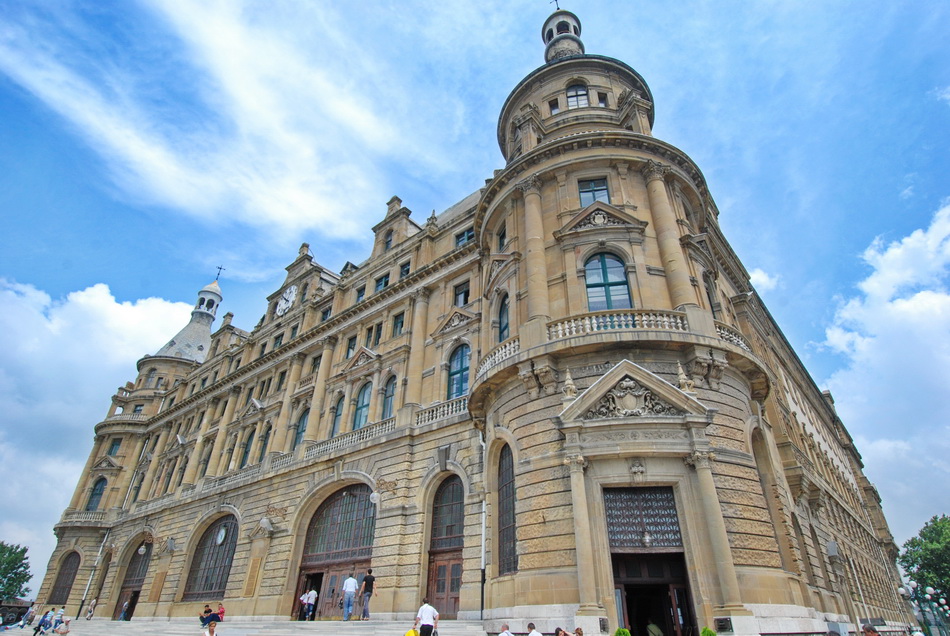
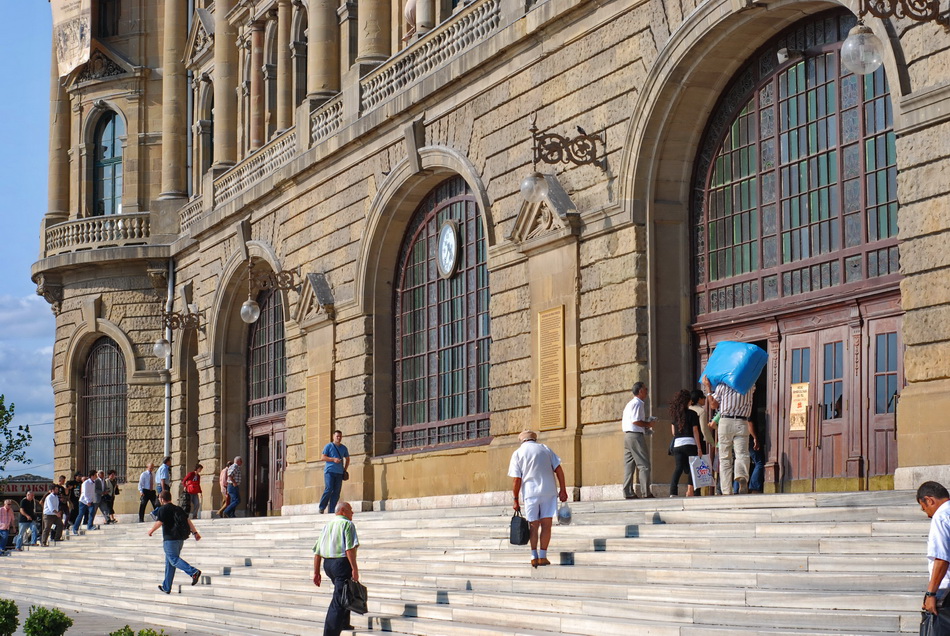
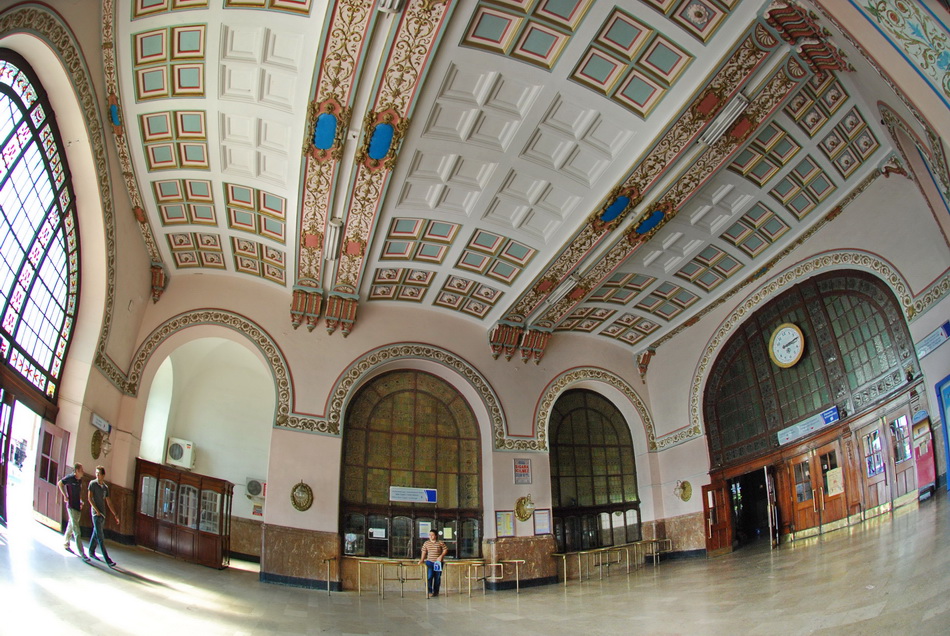
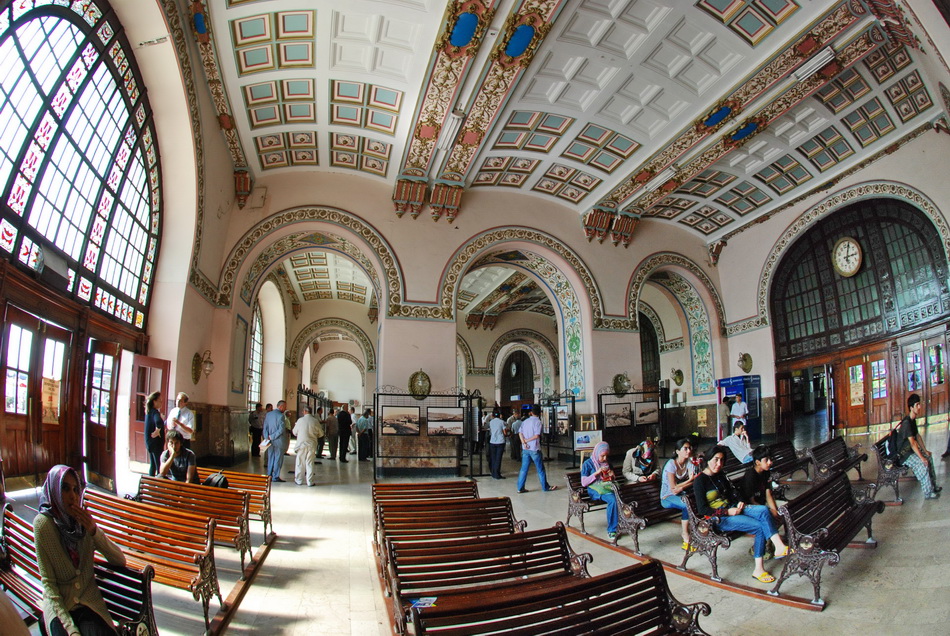
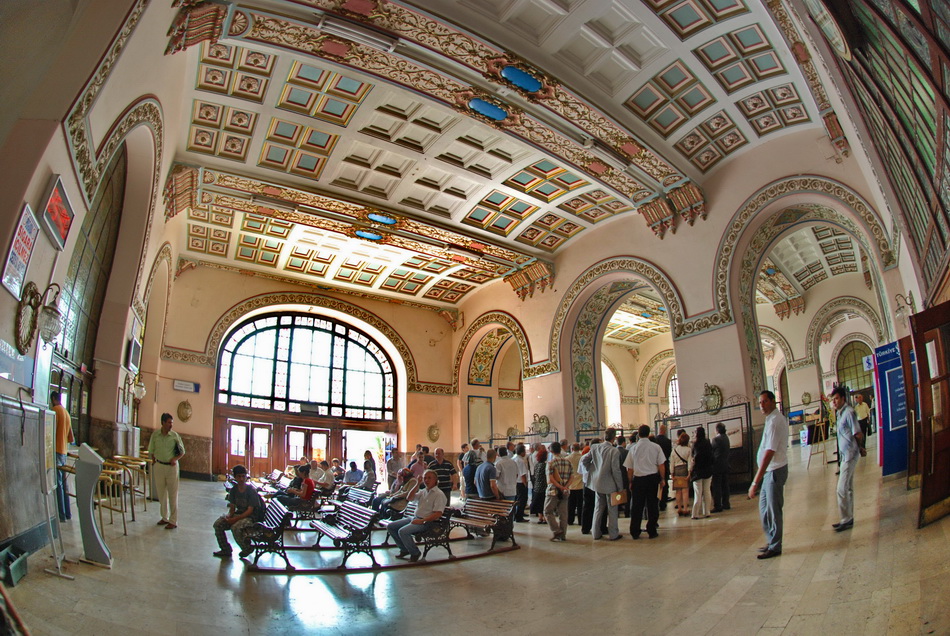
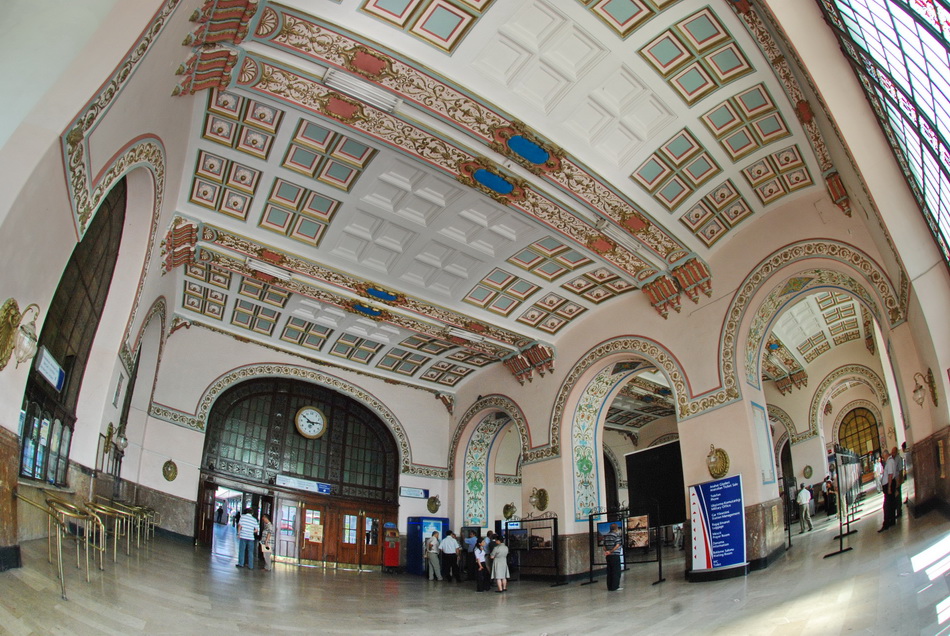
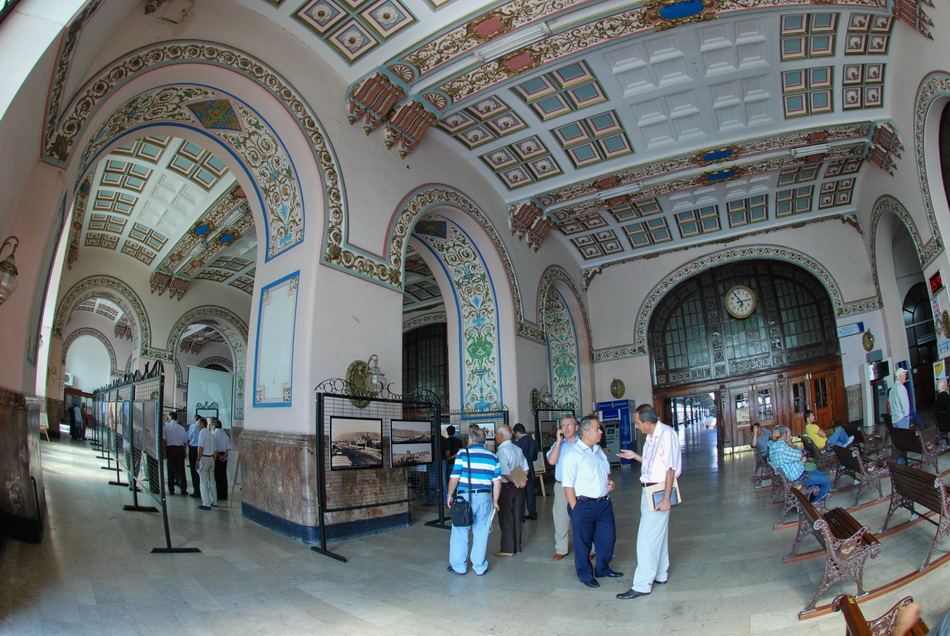
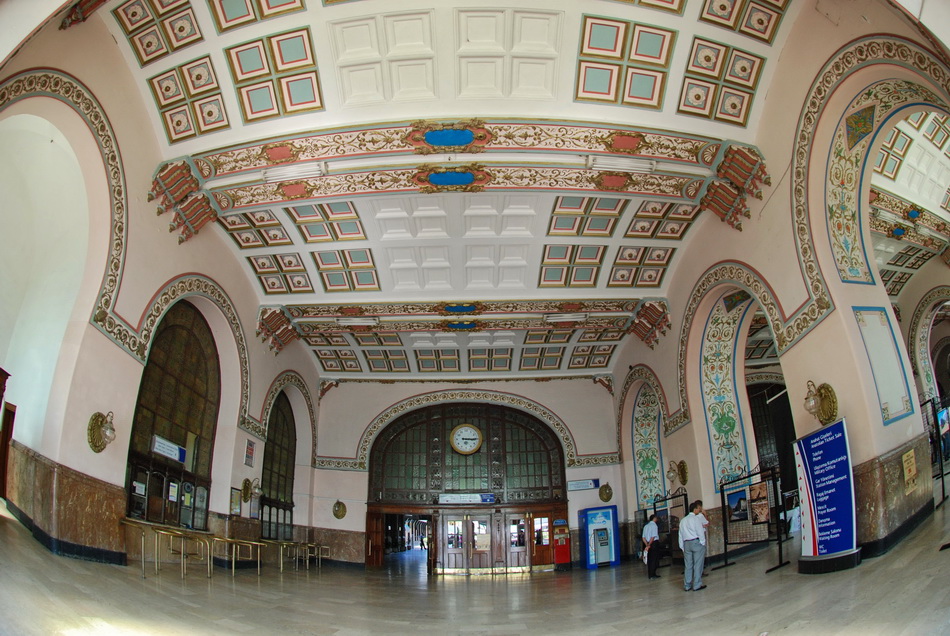
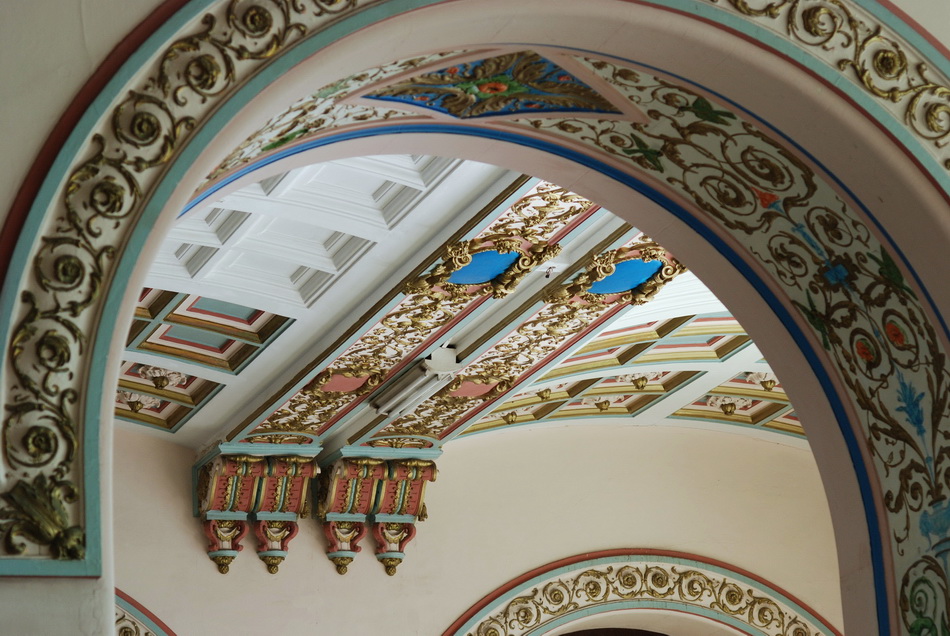
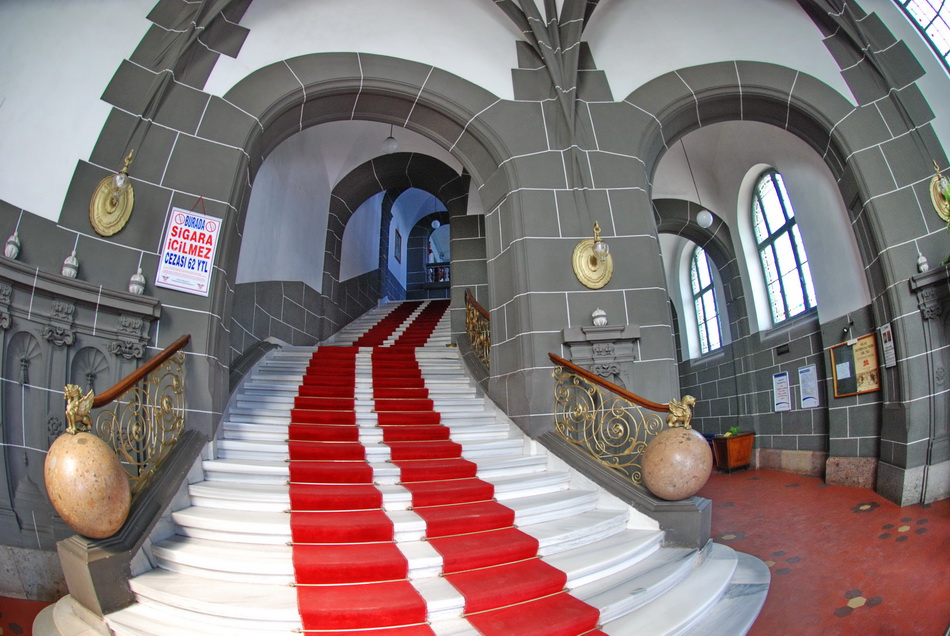
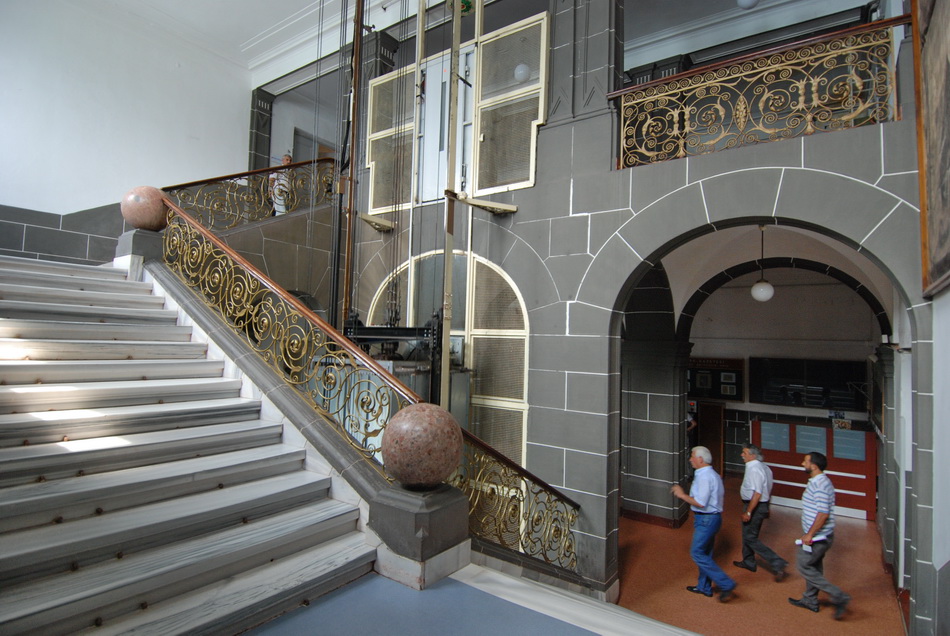
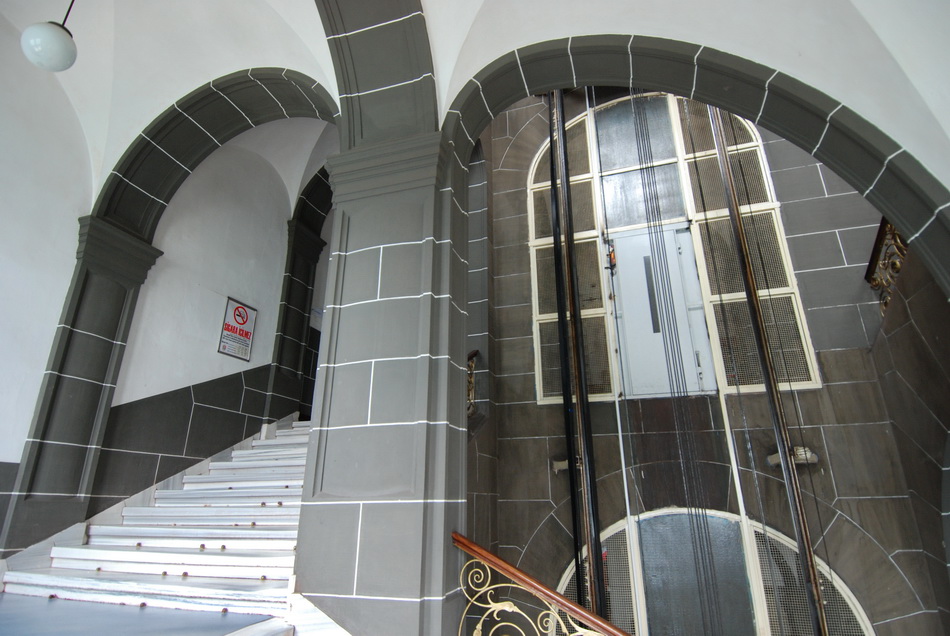
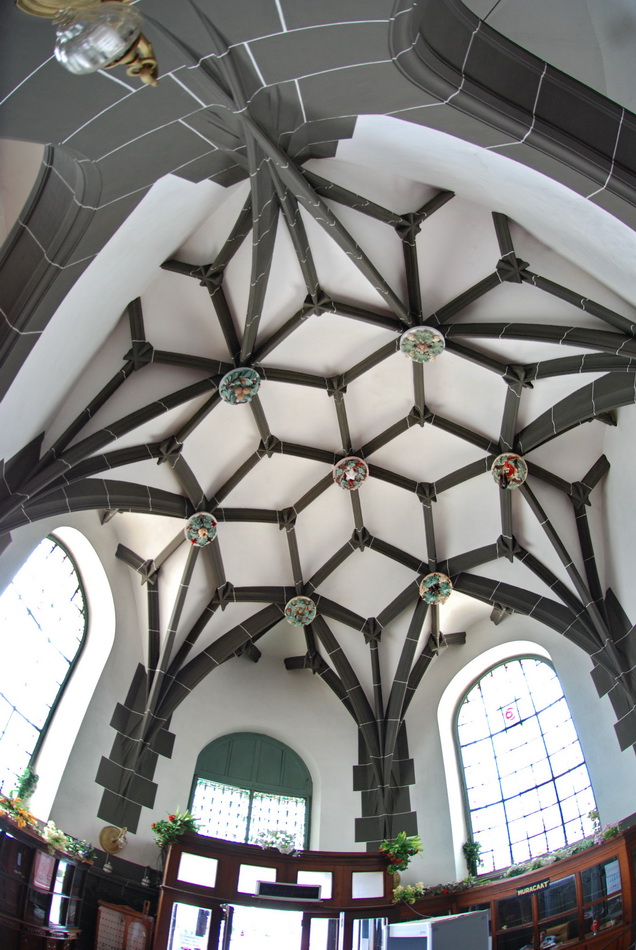
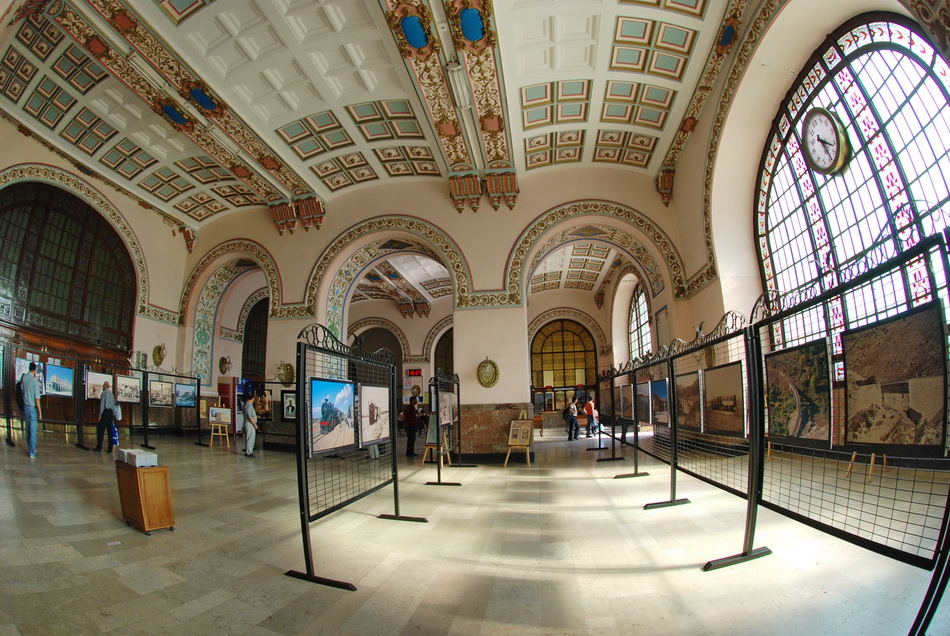
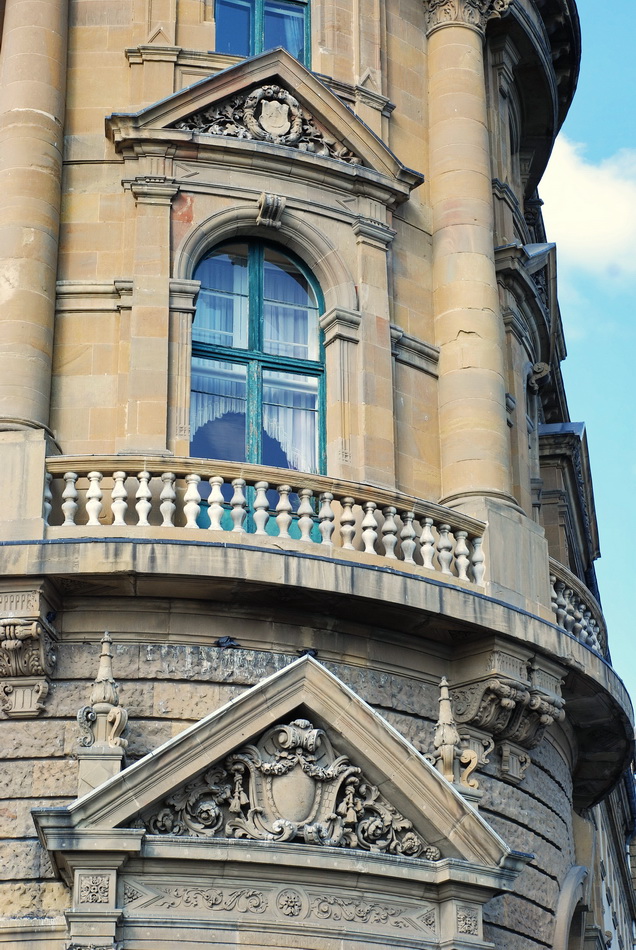
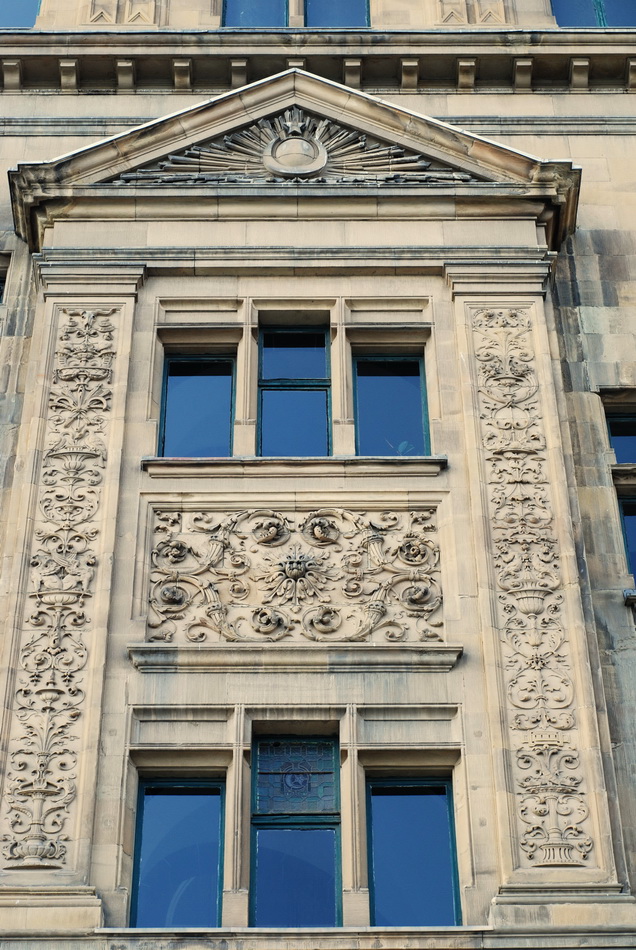
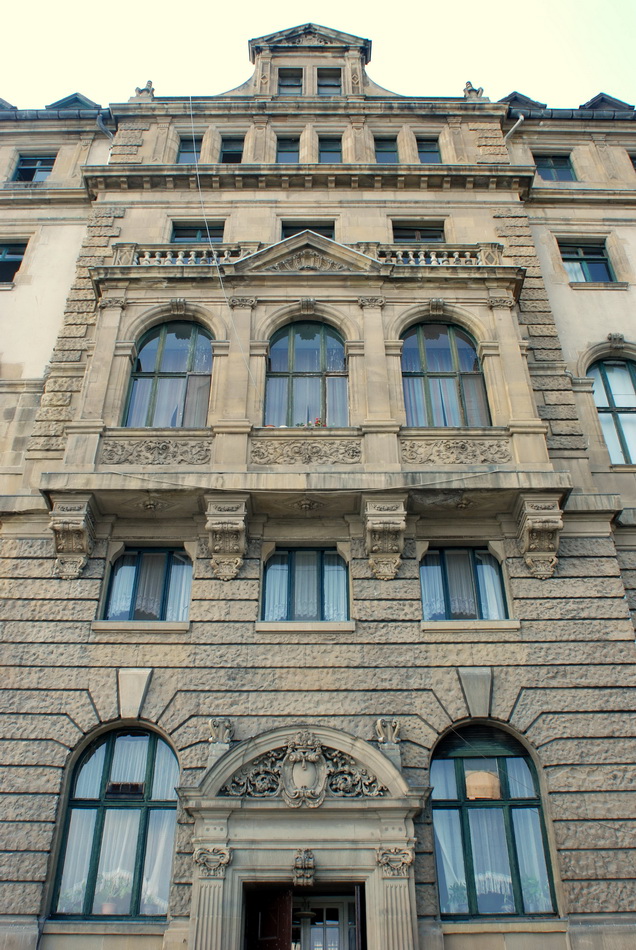
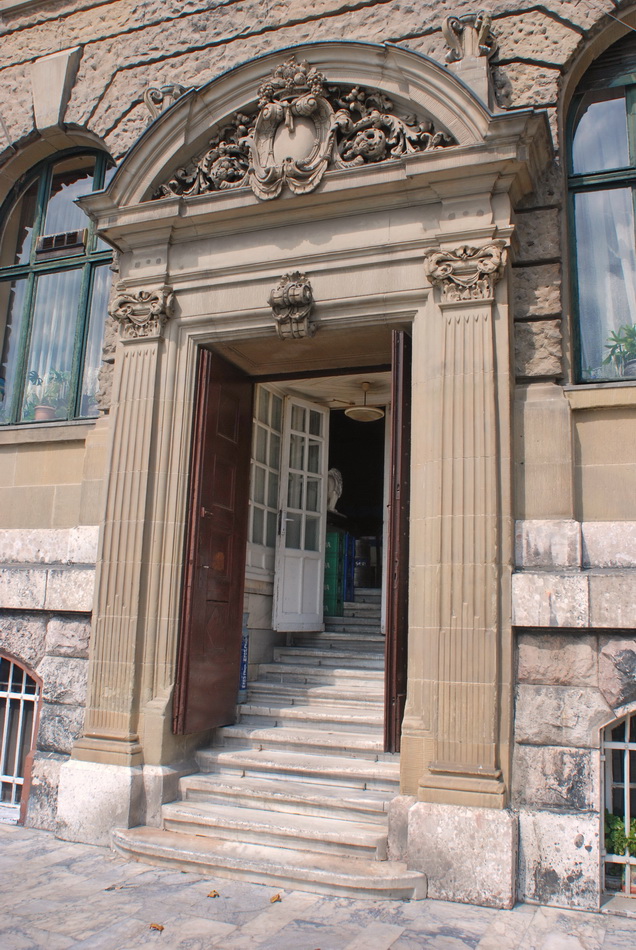
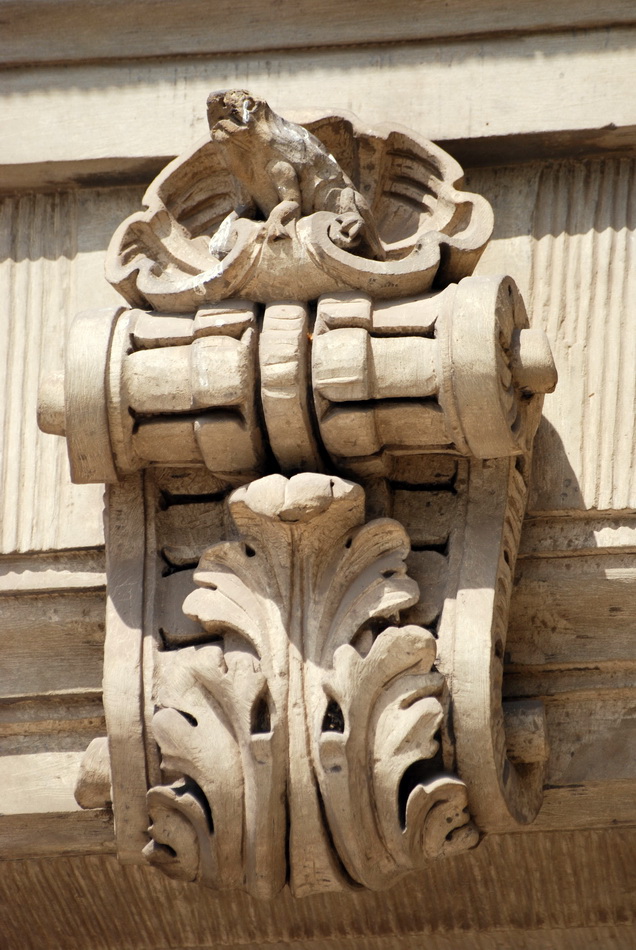
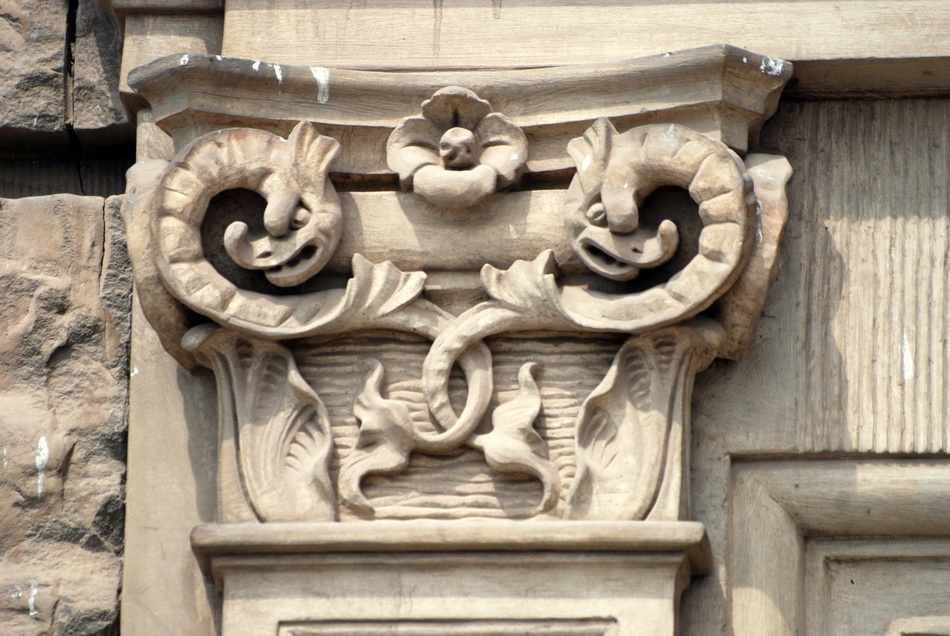
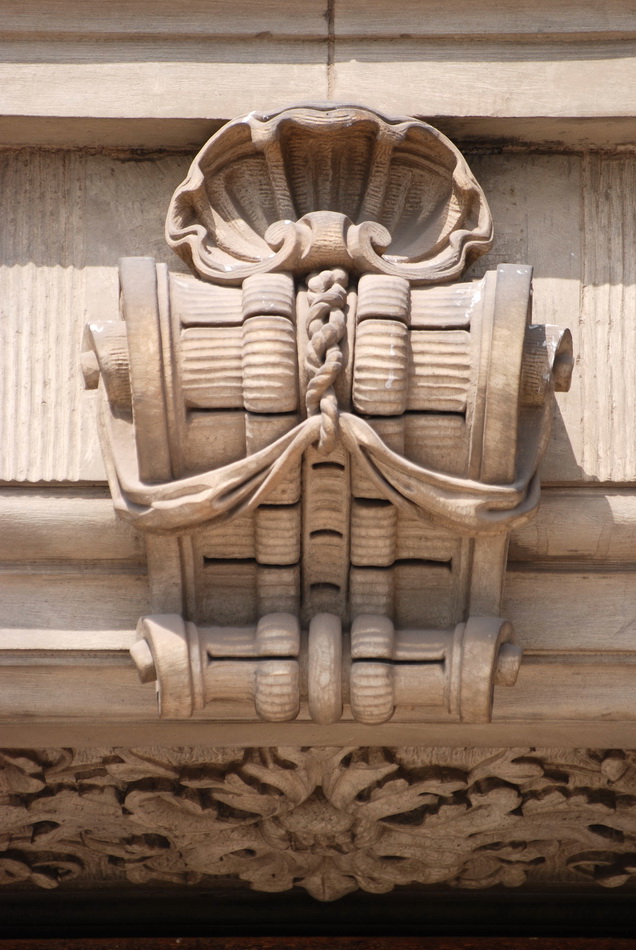
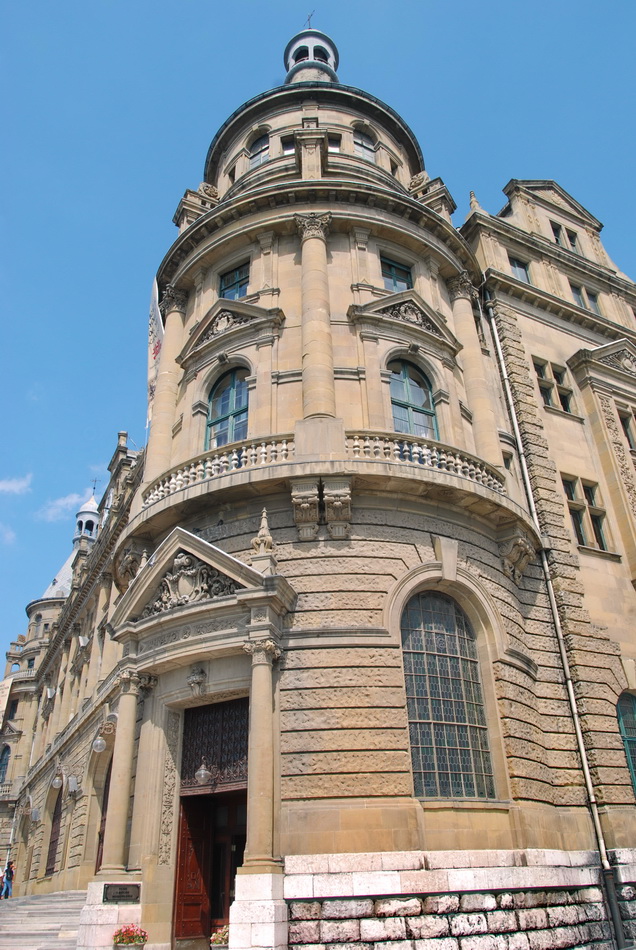
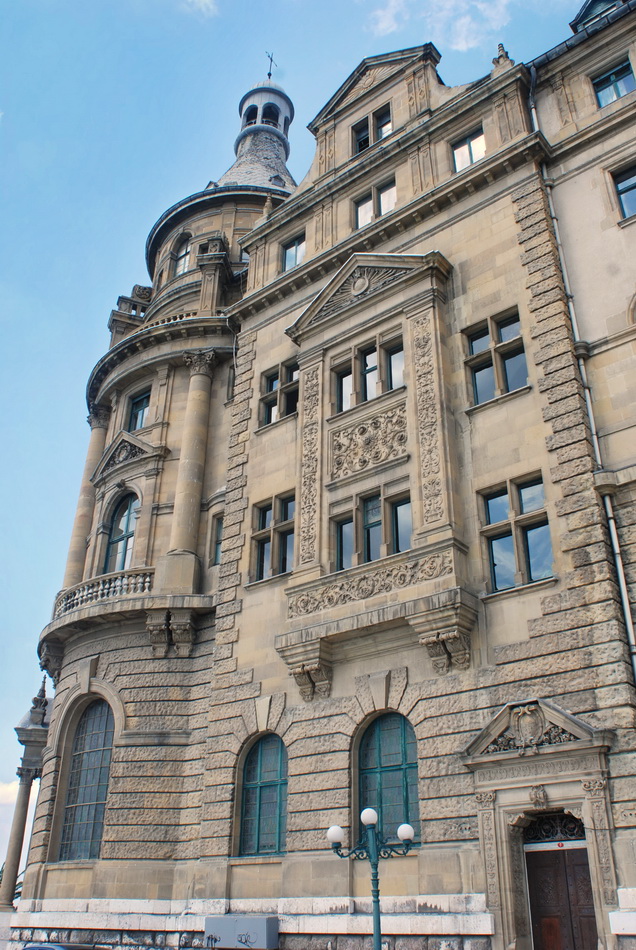
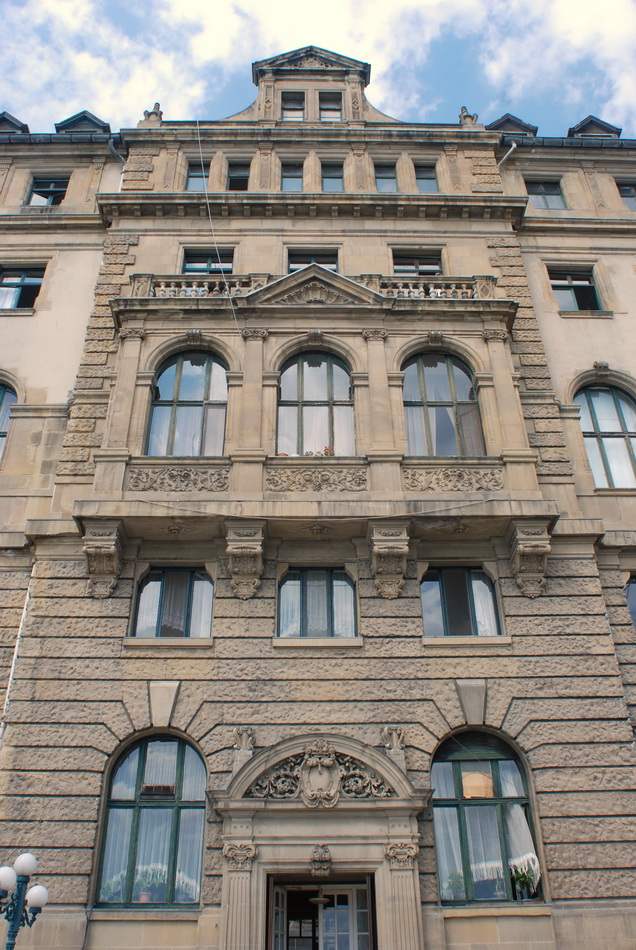
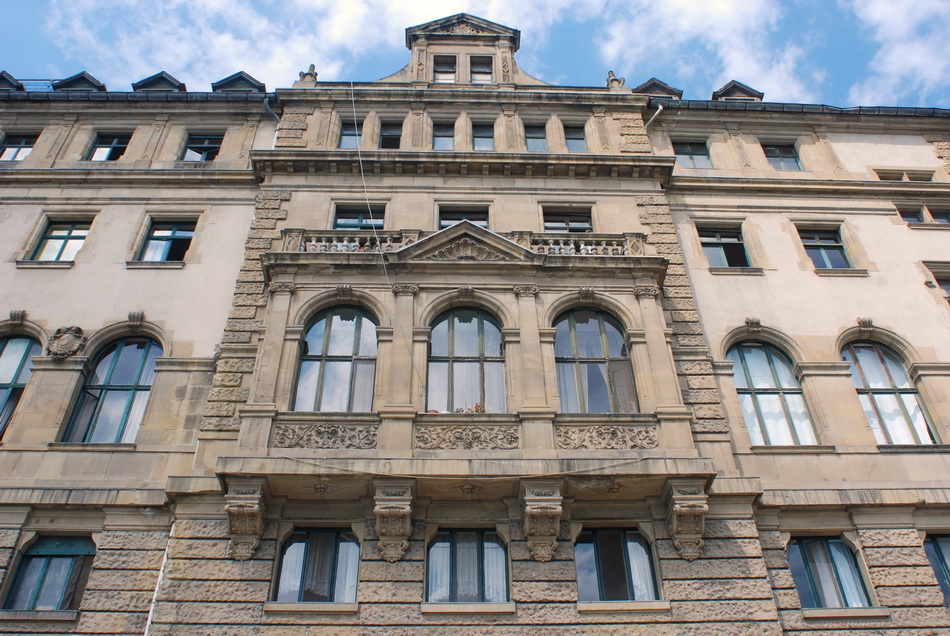
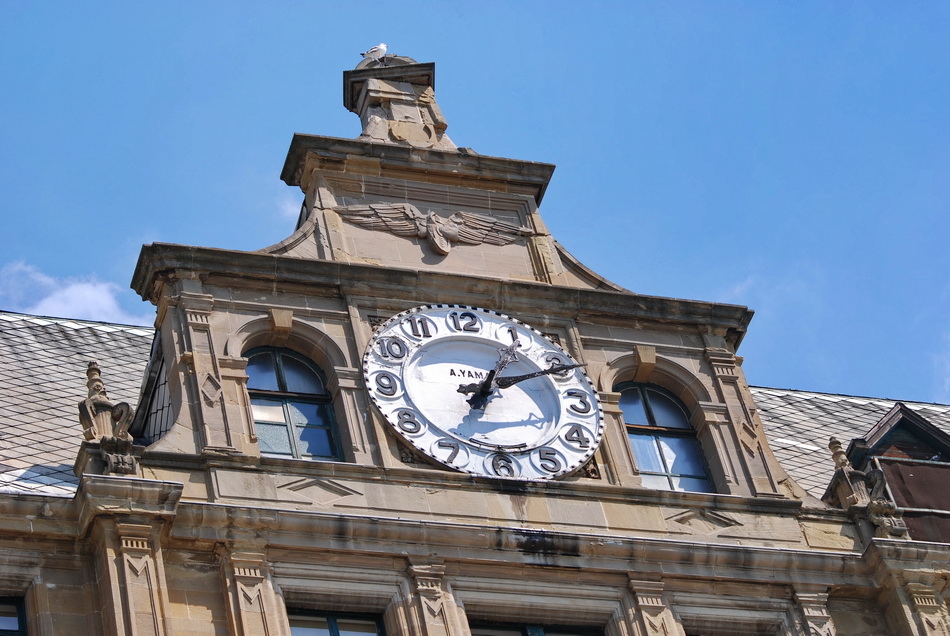
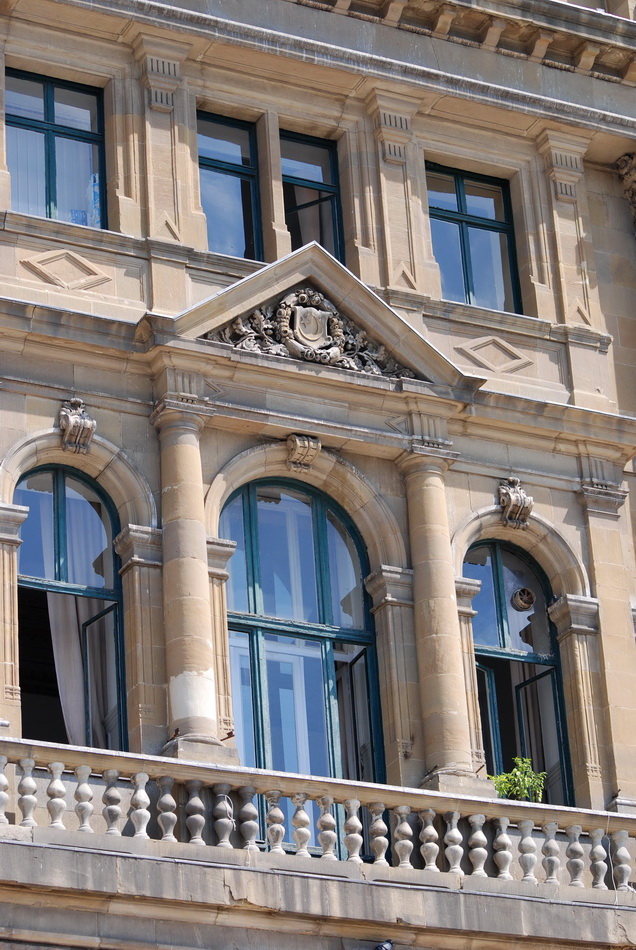
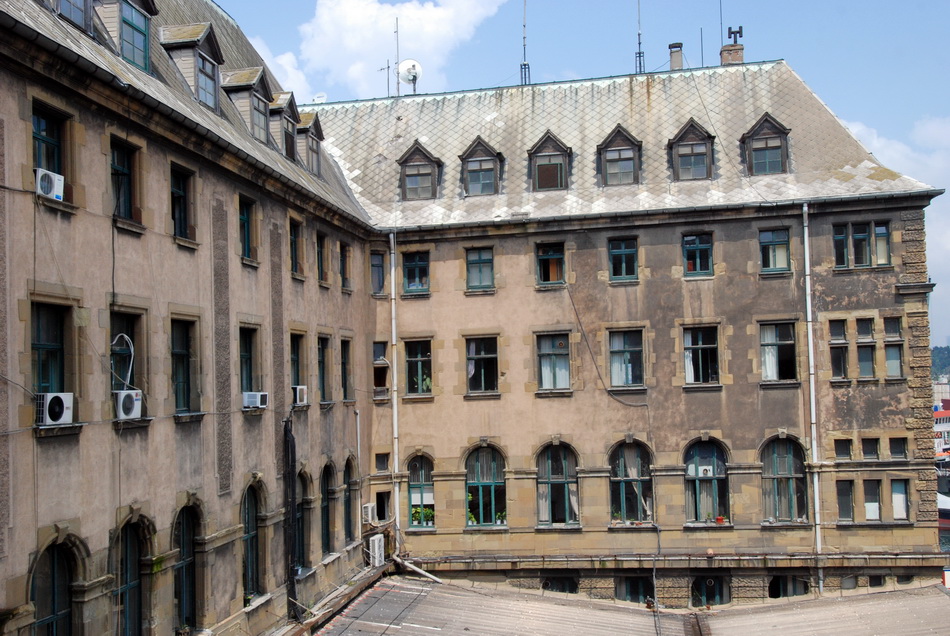
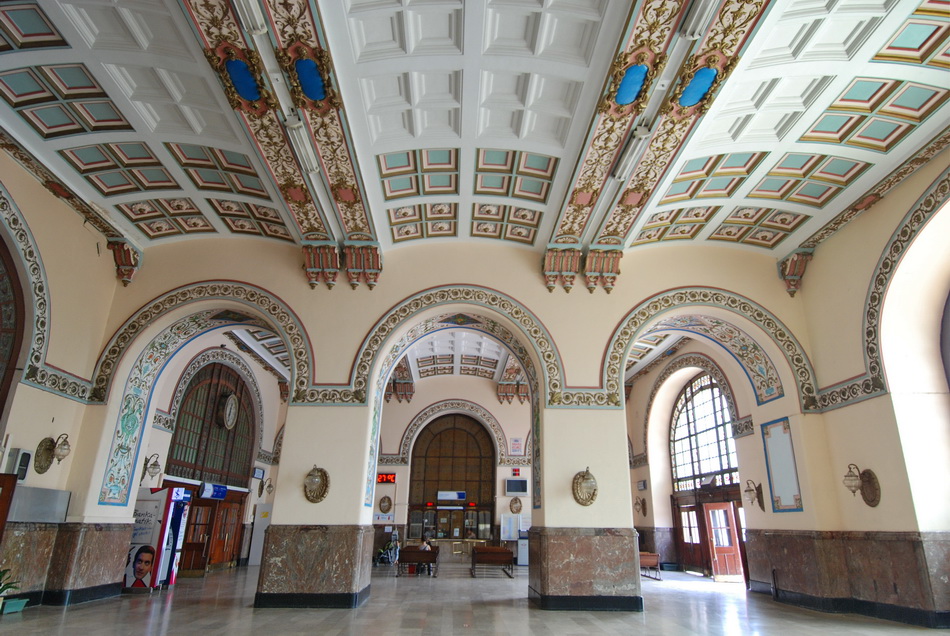
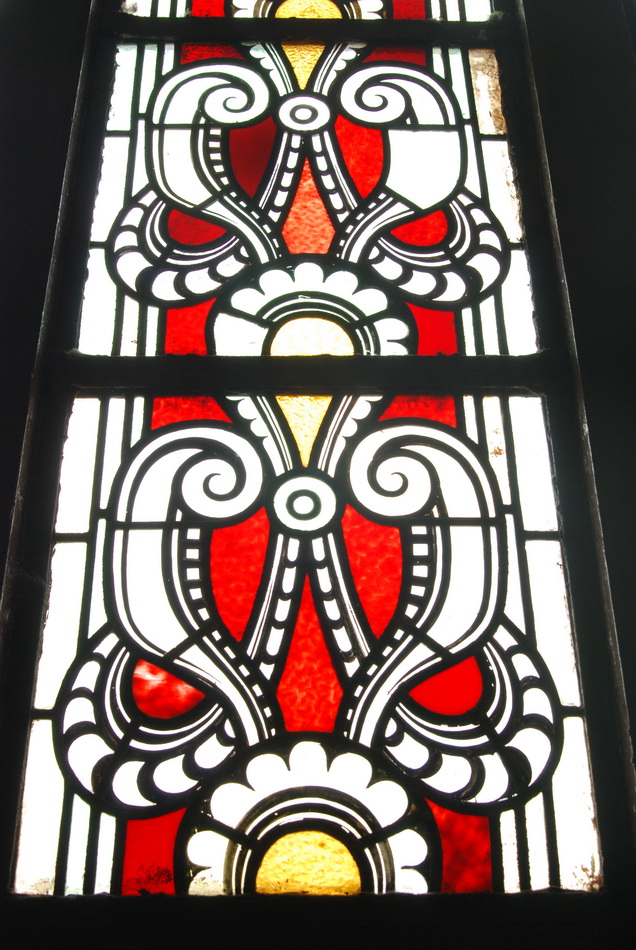
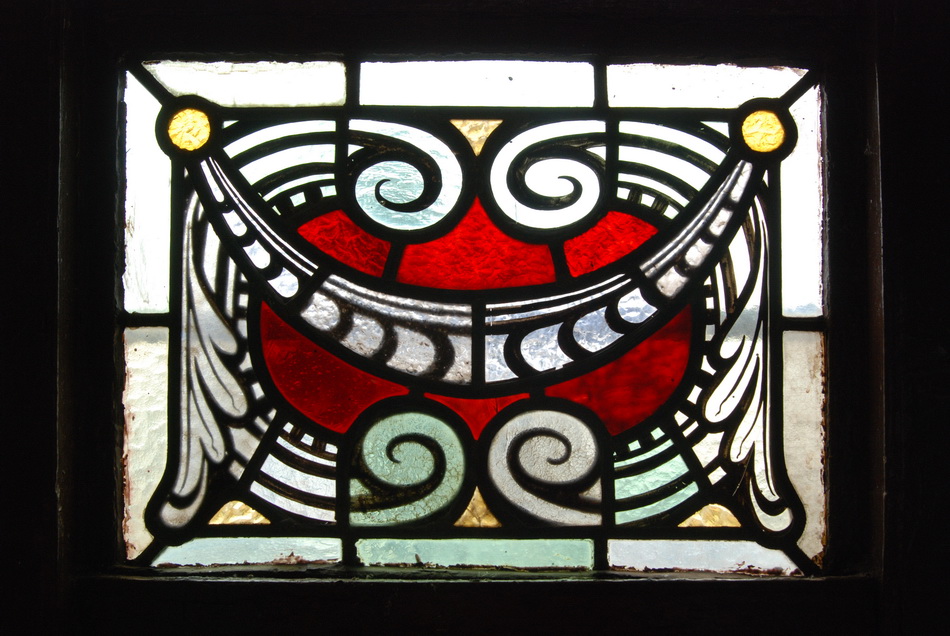
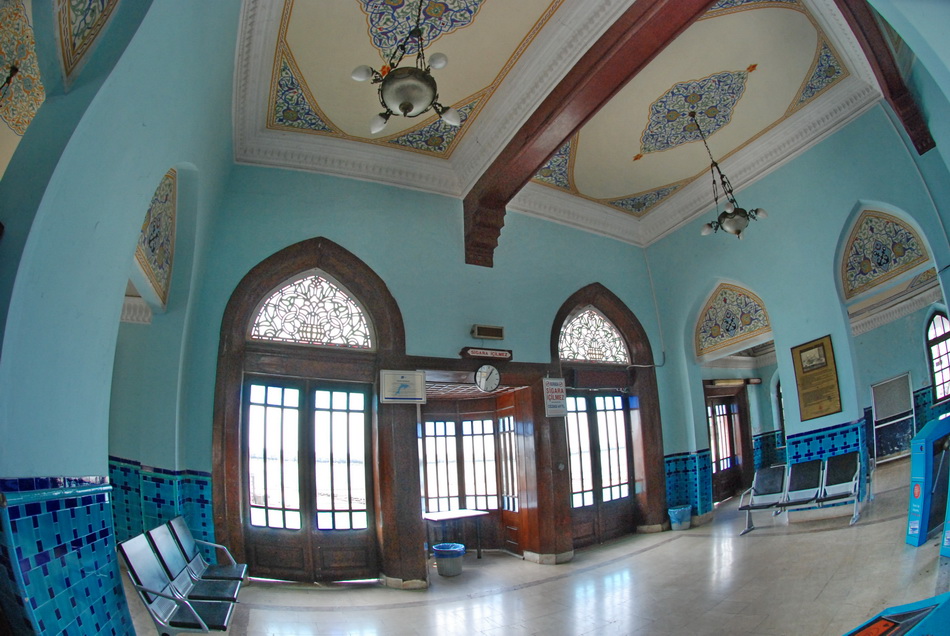
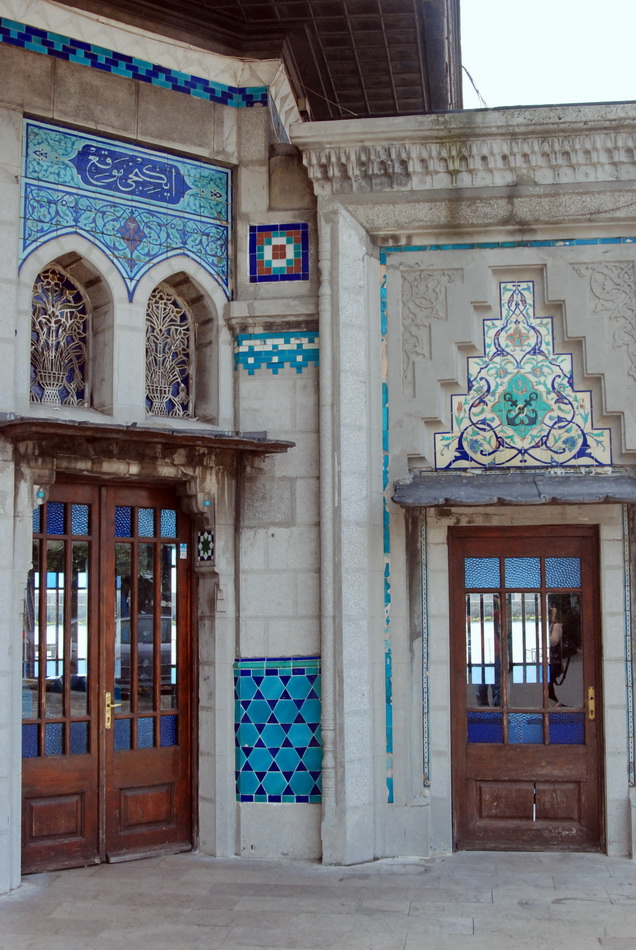
Haydarpaşa’s railway history predates the monumental station building we know today. The Haydarpaşa–Pendik railway opened in 1872, marking an early stage in the development of the lines extending from Istanbul into Anatolia. As the railway network expanded towards İzmit, Ankara and beyond, the station grew in strategic importance. During the final decades of the Ottoman Empire, the development of the Anatolian Railway and the Baghdad Railway project created the need for a larger terminus. The present station was designed by German architects Otto Ritter and Helmuth Cuno. Construction began in 1906 on land reclaimed from the sea, and the building opened in 1908. German and Italian craftsmen contributed to its construction. Its two towers, imposing roof, stone ornament, tall interiors, stained glass and grand staircases reflect the architectural ambitions of the period. Yet Haydarpaşa was never simply an architectural monument. It was the point of departure and arrival for journeys across Anatolia, a place of reunions and farewells, and for many travellers their first encounter with Istanbul.
A History Marked by Disaster
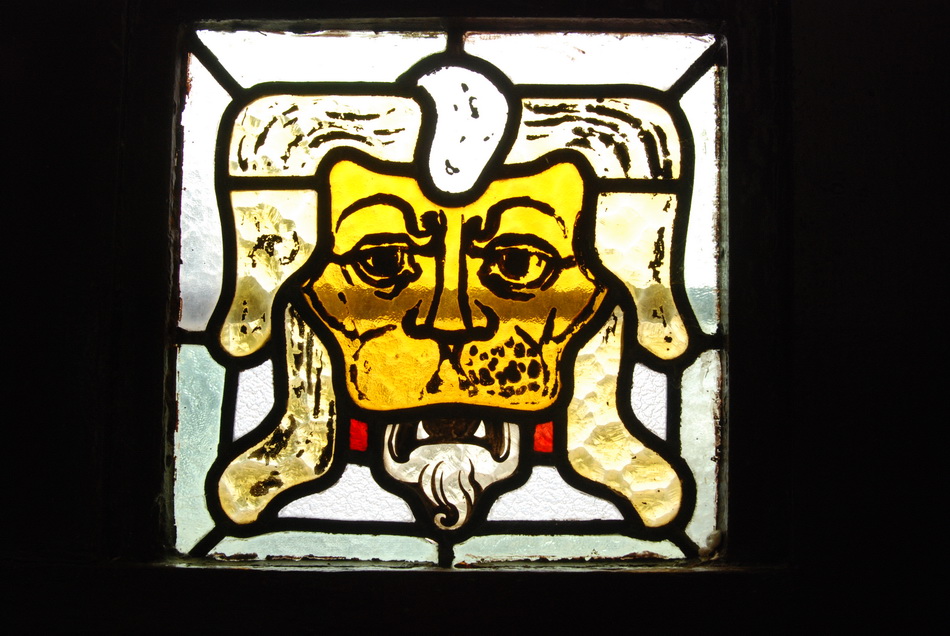
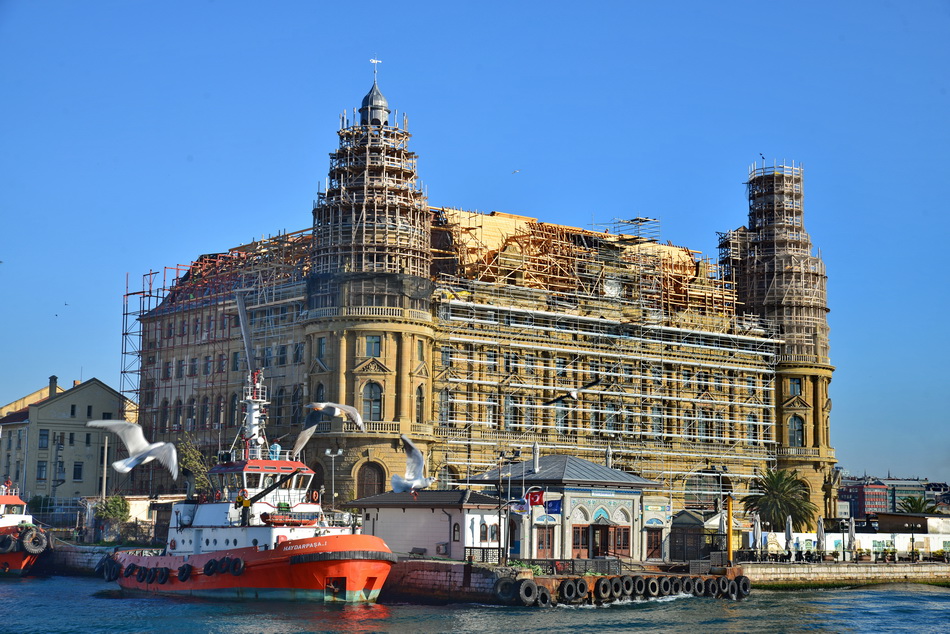
The station has also endured serious damage. In September 1917, during the First World War, an explosion involving ammunition in the station and port area caused a devastating fire. The roof and upper parts of the building were badly damaged and were repaired in later years. In November 1979, the explosion of the tanker Independenta off Haydarpaşa damaged windows and historic stained glass. On 28 November 2010, another major fire swept through the station’s roof, causing extensive destruction and changing its familiar silhouette. Some of my photographs were made before that fire. What I had originally photographed for its architectural qualities acquired another meaning: those images had become a record of the building as it existed before the damage.
Returning with a Camera
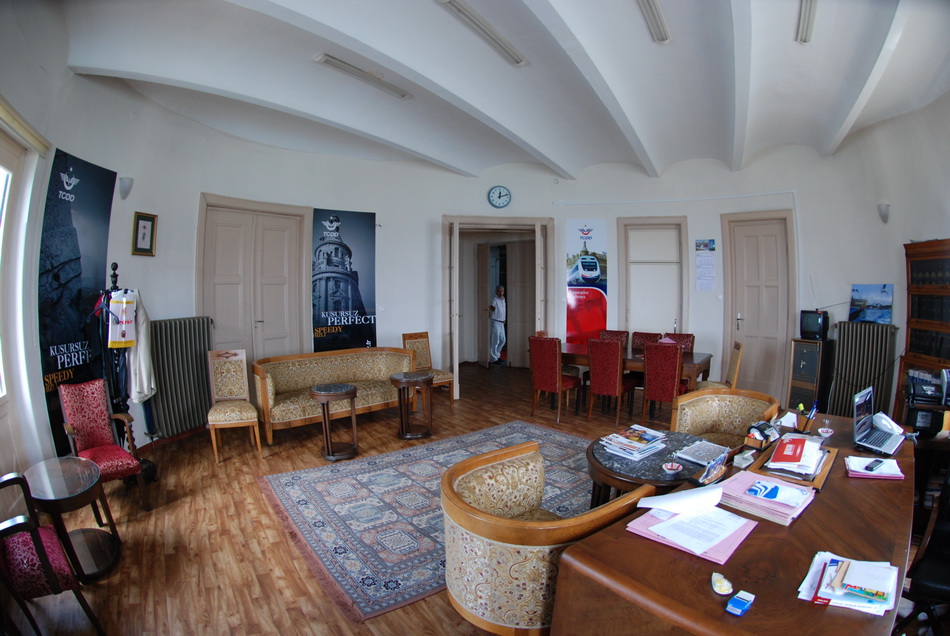
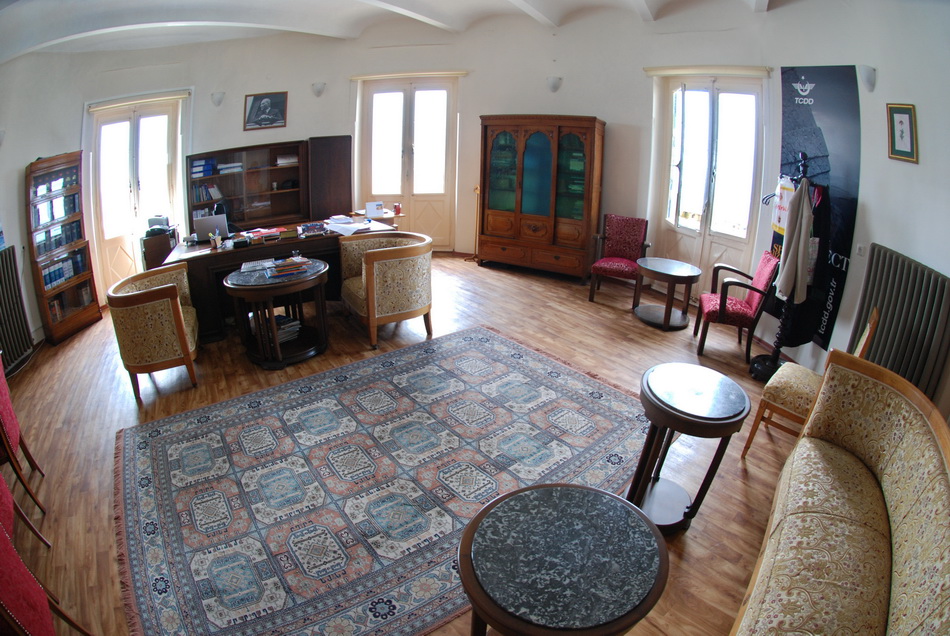
I photographed Haydarpaşa in 2008, 2009, 2010, 2013 and 2017. When I returned with my camera, I was looking at places I had once passed through as a passenger, but this time I wanted to examine them carefully. A friend who then held a management position at the station helped me gain a deeper understanding of the building. Through her guidance I was able to visit different parts of the station and learn the significance of details that could easily be overlooked. I have chosen not to identify her by name here without her permission. Her knowledge nevertheless played an important part in the making of this photographic record.
The Language of the Building
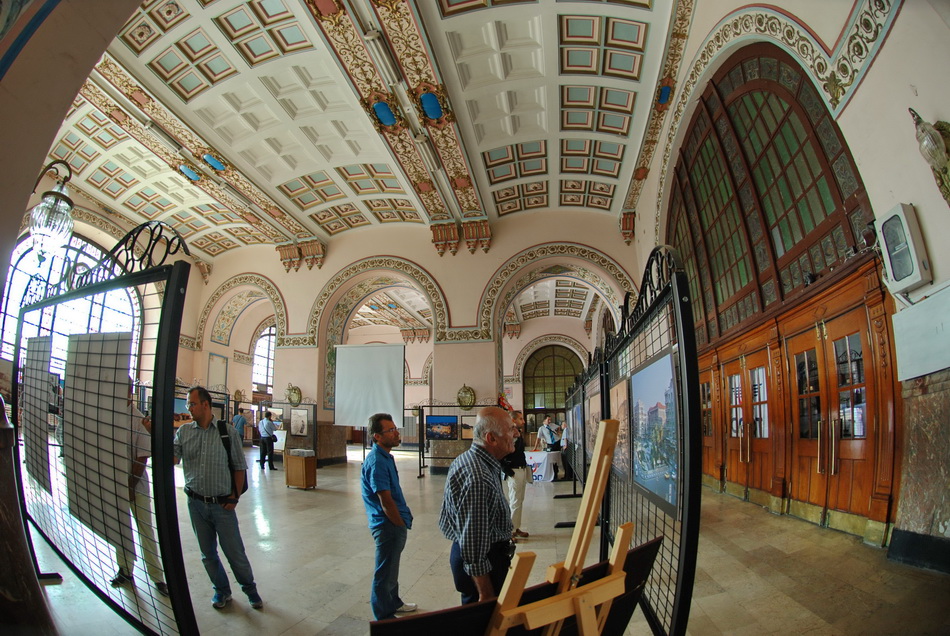
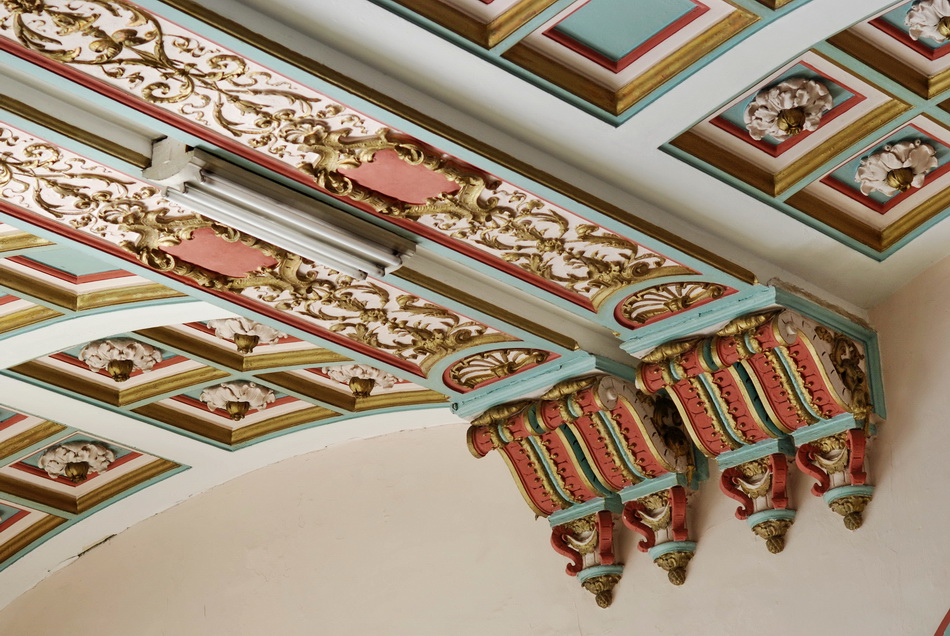
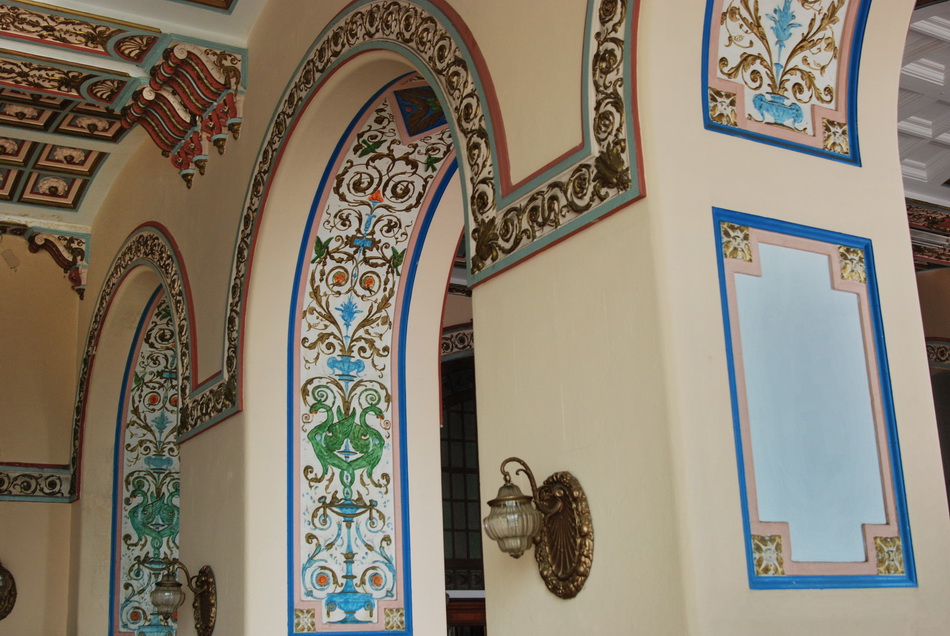
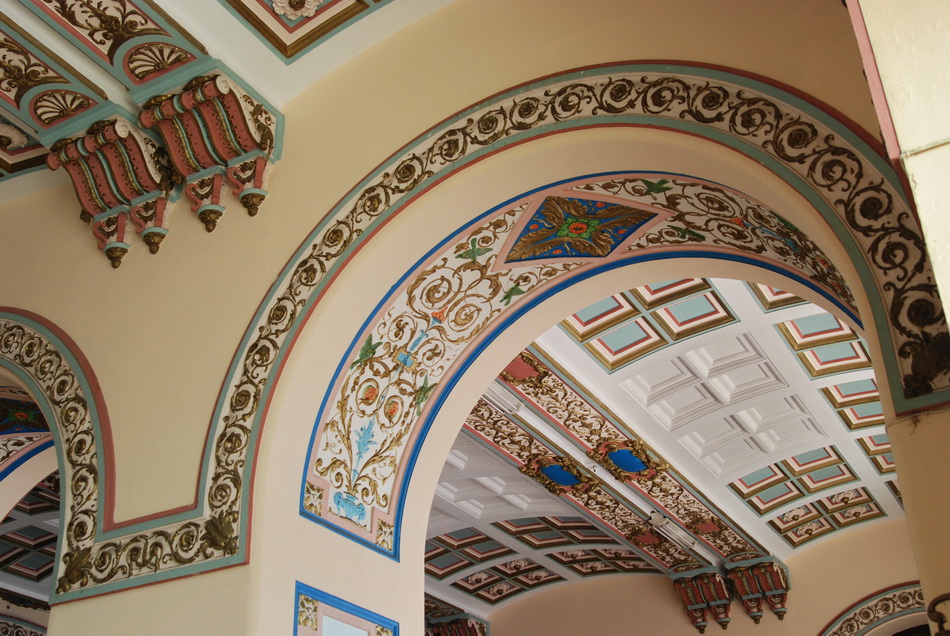
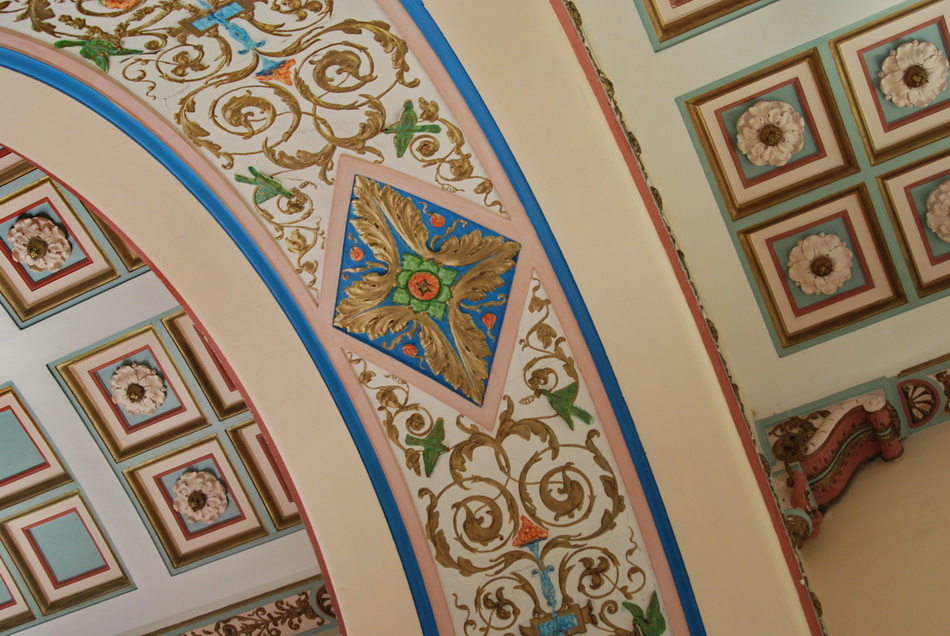
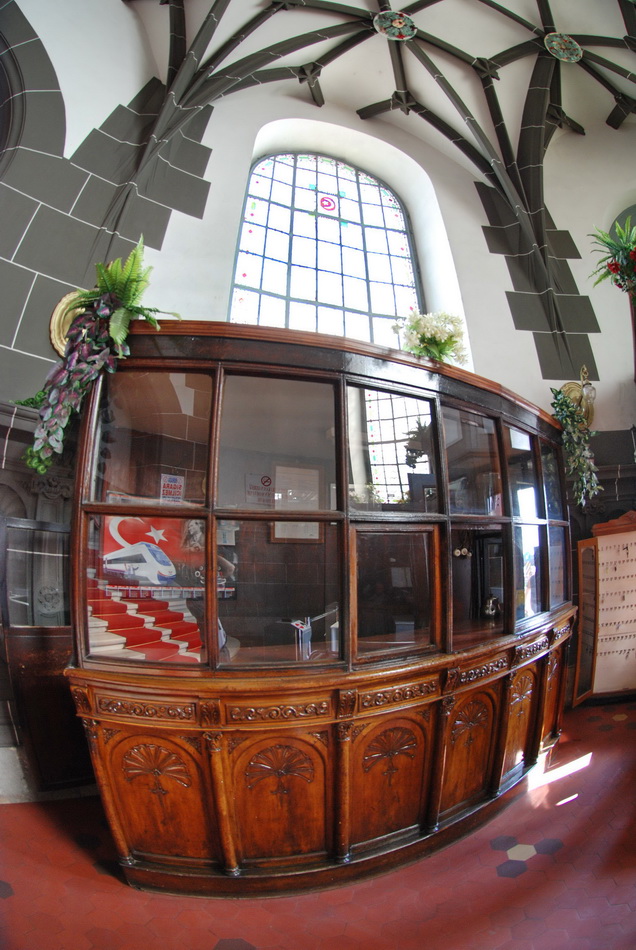
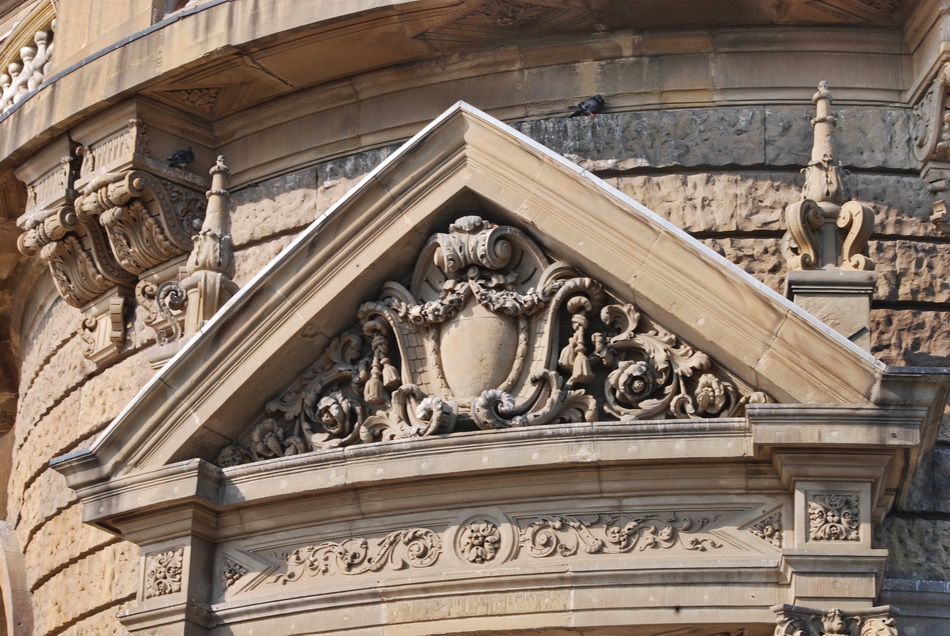
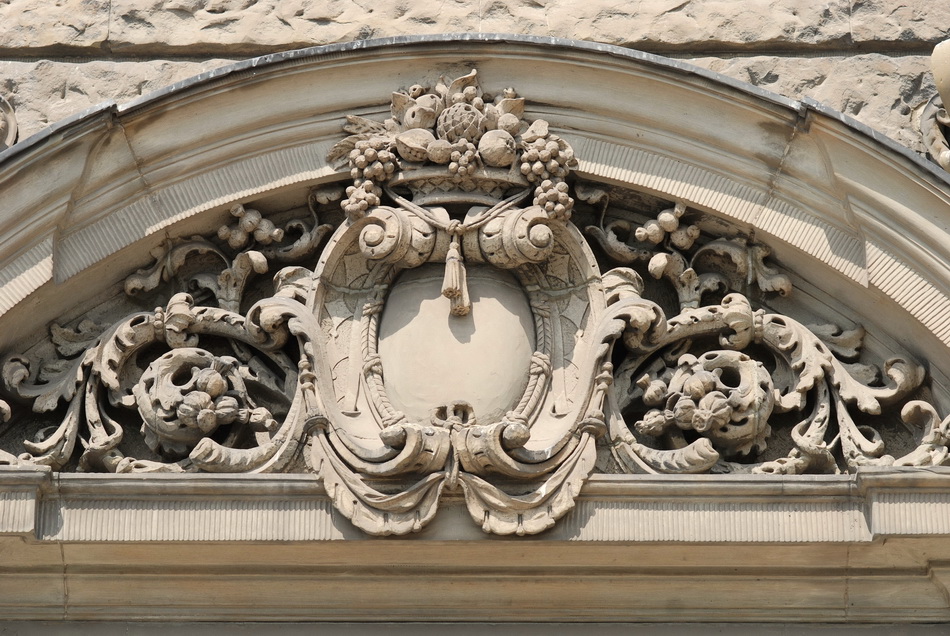
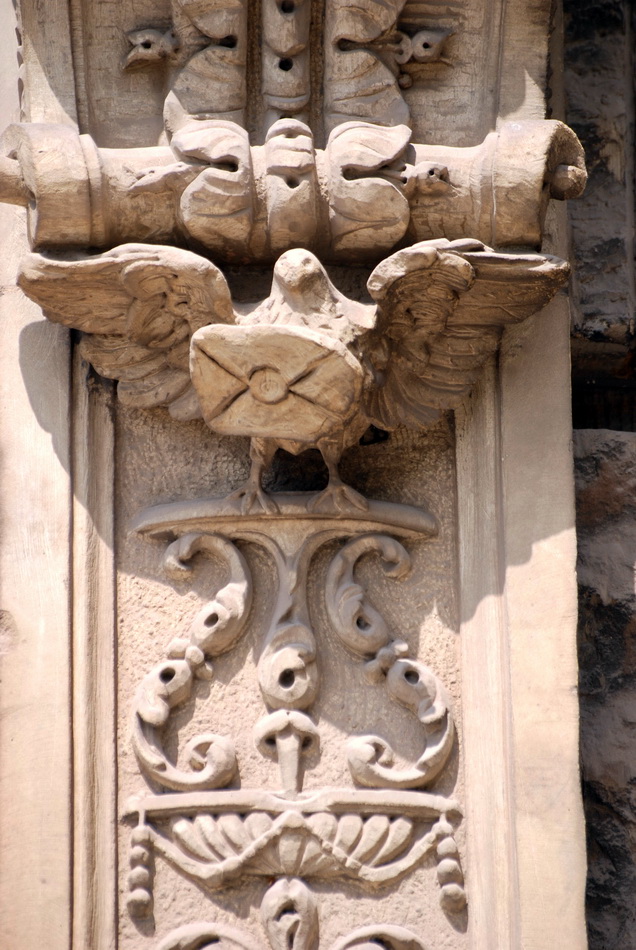
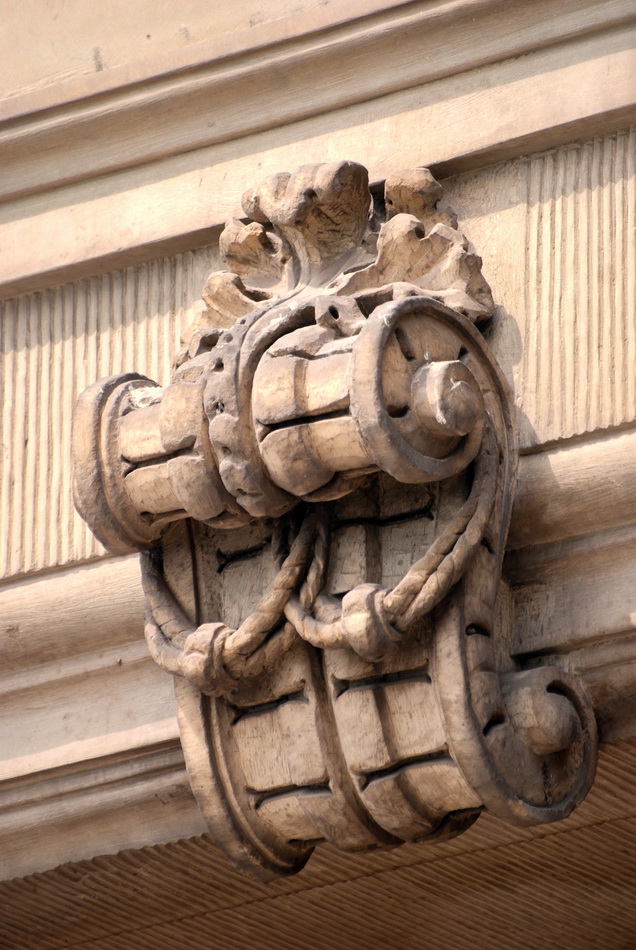
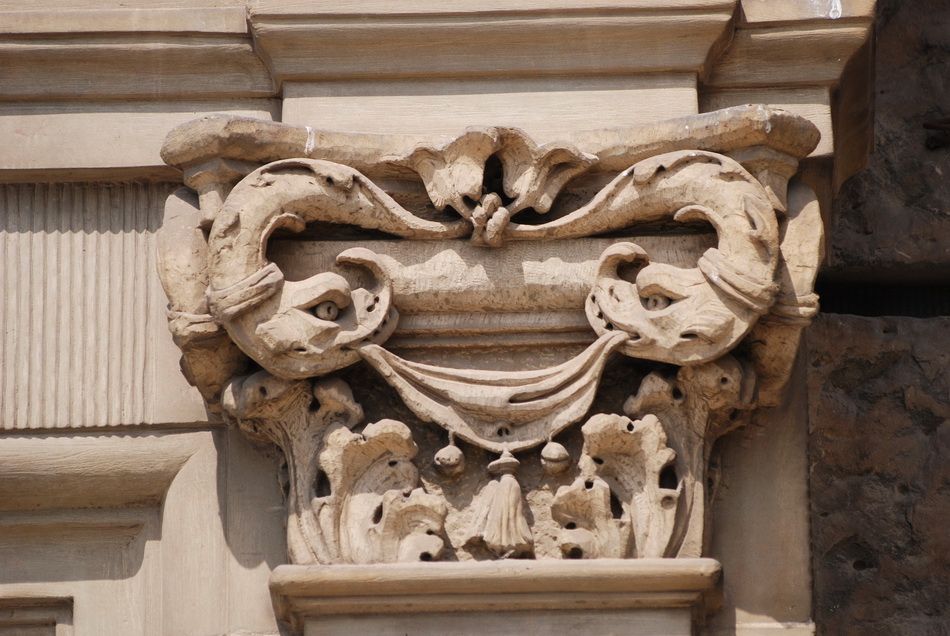
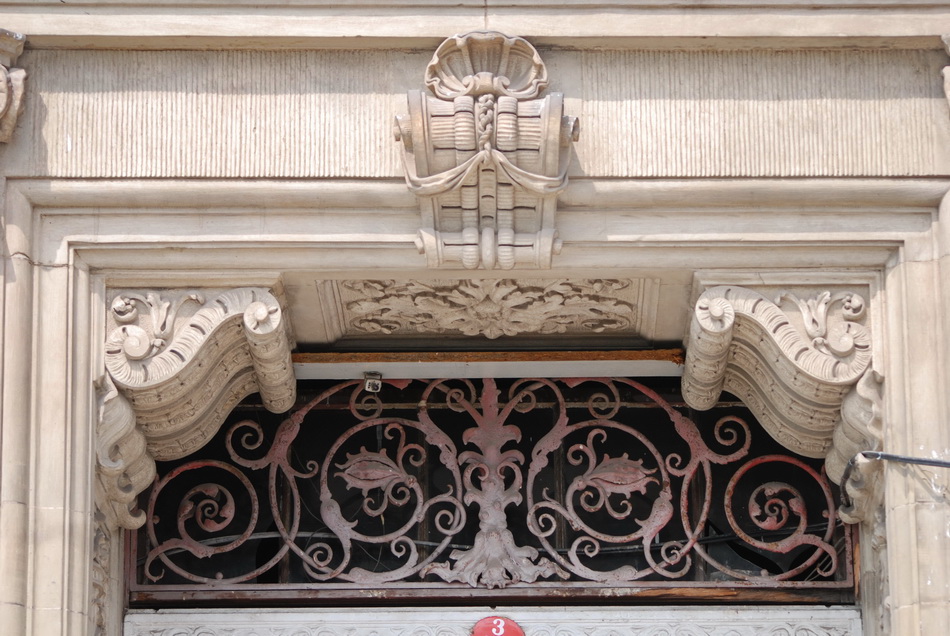
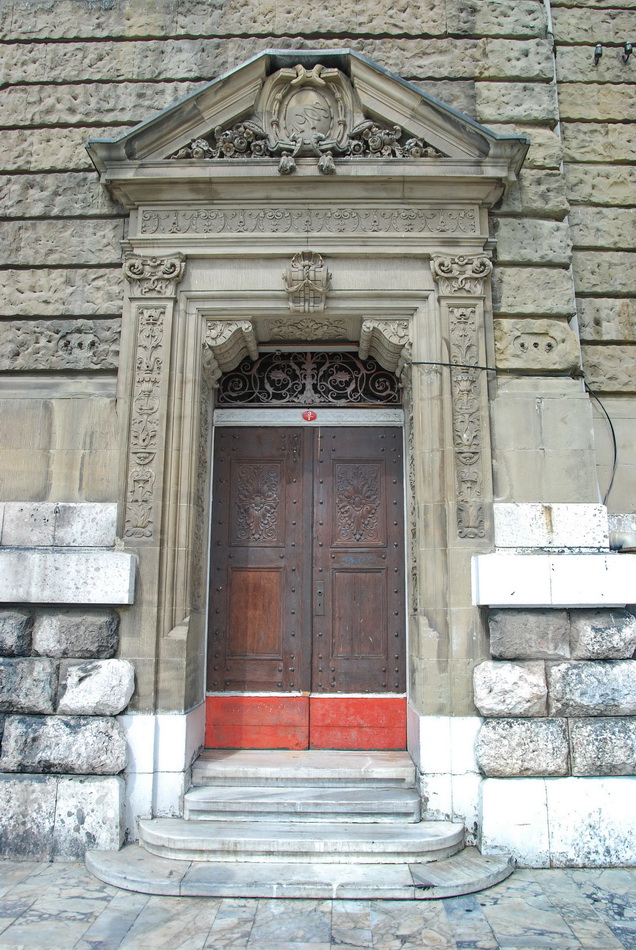
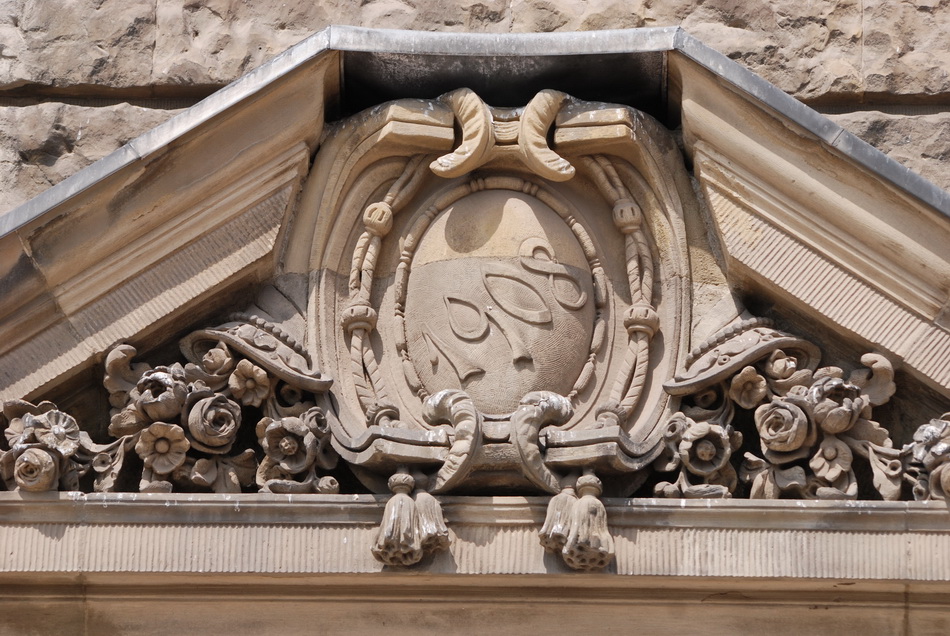
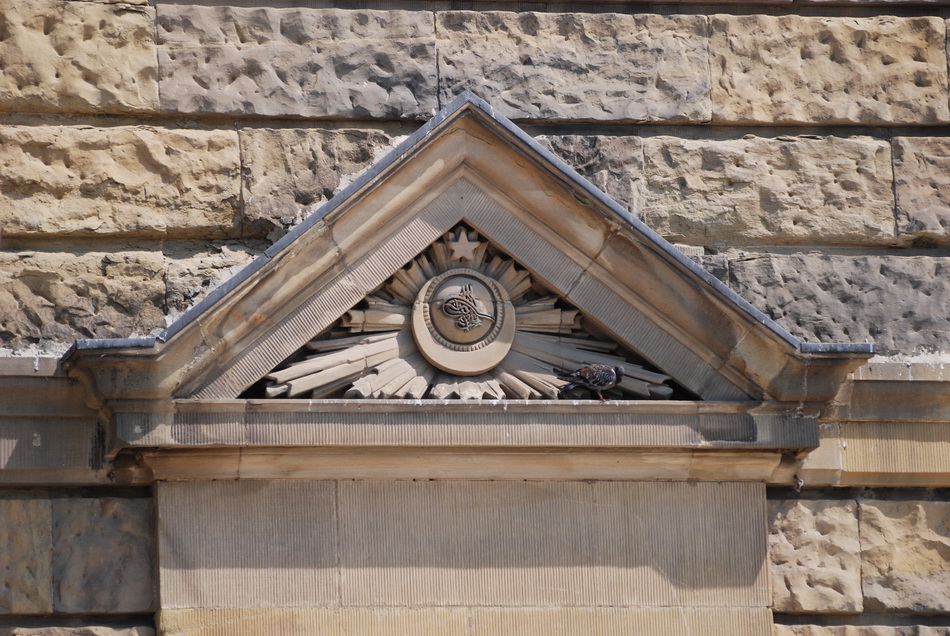
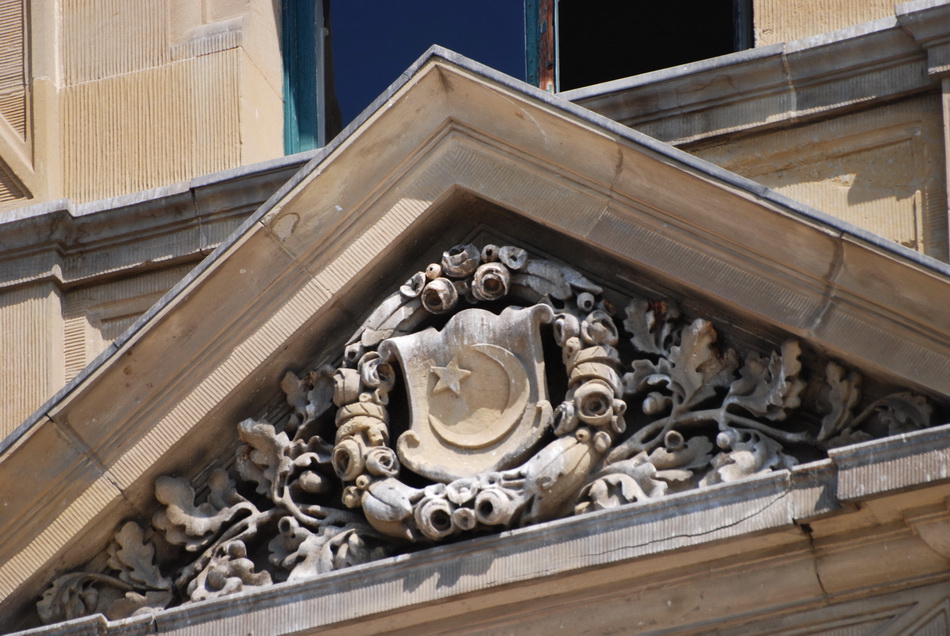
The carvings above certain doors were particularly revealing. A bowl of fruit marked the restaurant entrance; a dove carrying a letter in its beak appeared above the post office door. These were not merely ornamental flourishes. They communicated the purpose of the rooms beyond the doors. As I moved through the halls, beneath high ceilings and past stained-glass windows, I became increasingly aware of the care with which practical functions and architectural decoration had been brought together. Details that I might once have passed without noticing now seemed essential to the story of the station.
A Painting and the Working Railway
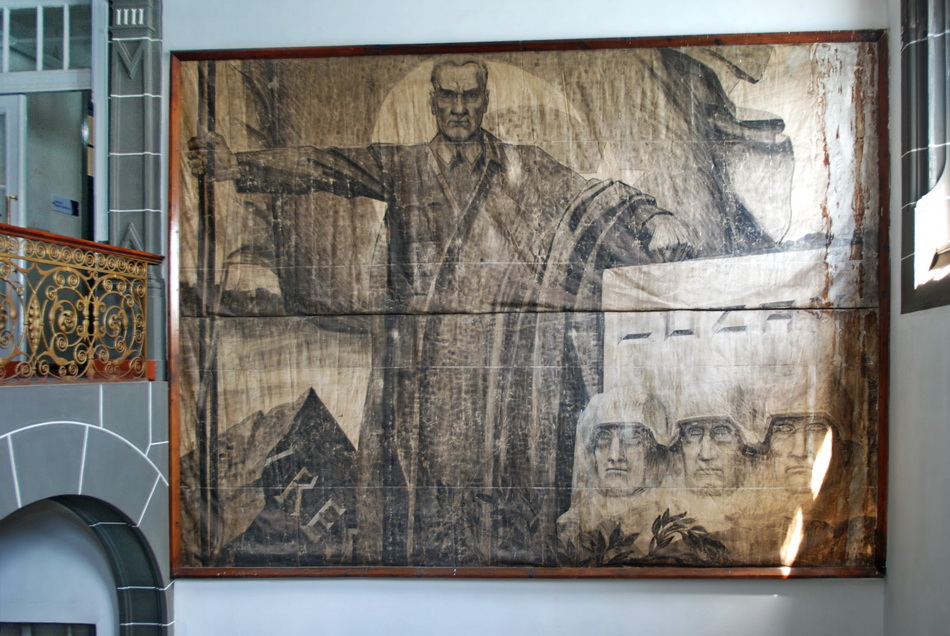
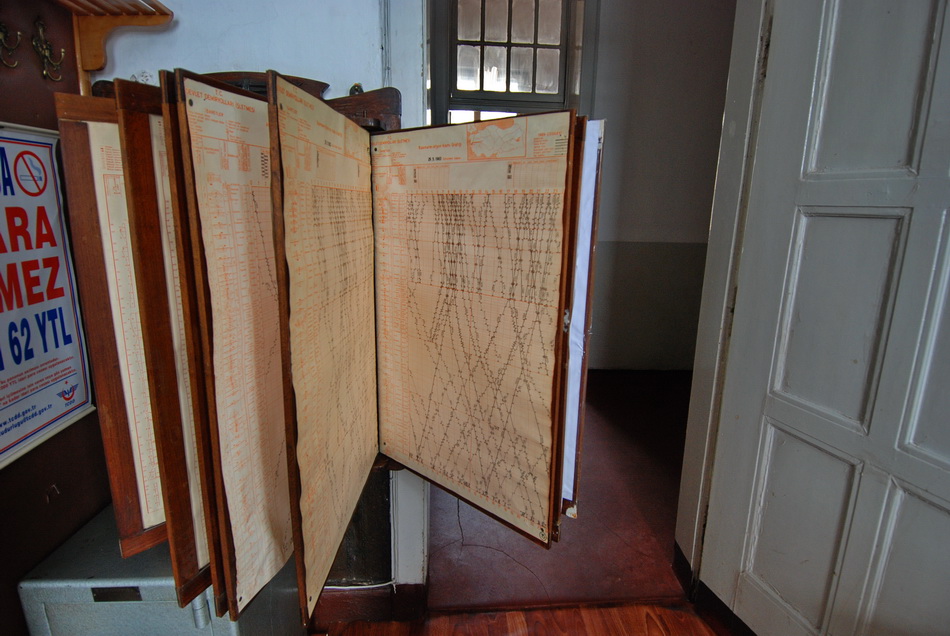
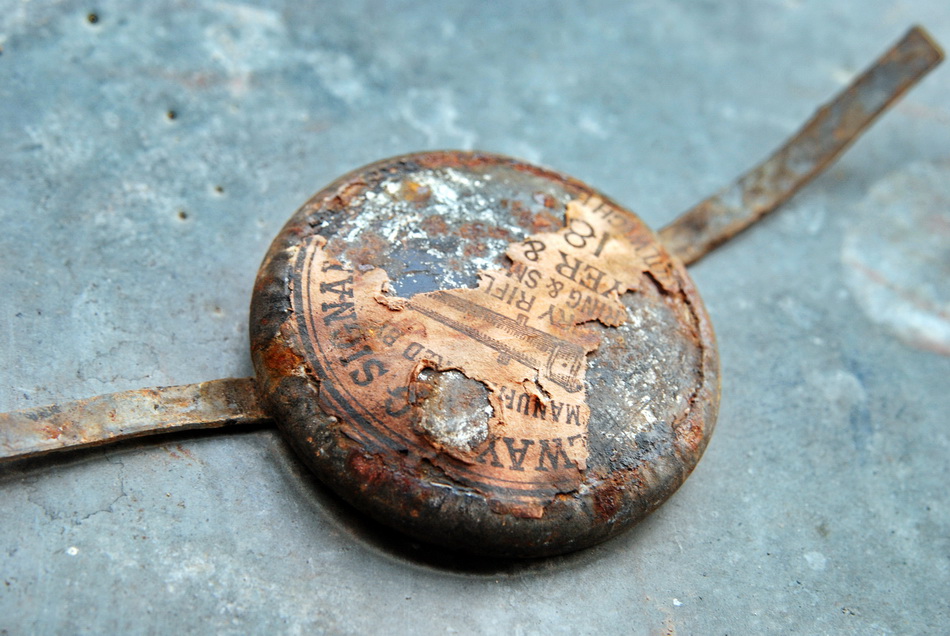
On a staircase I photographed a large painting featuring Mustafa Kemal Atatürk and other figures associated with the early Republic. Its surface already showed signs of deterioration. I do not know whether the work survived the 2010 fire or where it is today; my photograph records its condition at the time of my visit. Elsewhere, large train movement charts in wooden frames revealed another side of the station. To passengers, a railway may seem to consist of arrivals, departures and timetables. Behind those movements lies an intricate system of routes, signals, personnel and safety procedures. One small object I photographed was known to railway workers as a kestane fişeği, a railway detonator. In an accident or breakdown, these warning devices could be attached to the rail at prescribed distances behind the danger. When a train wheel passed over one, the resulting bang warned the driver. Such modest objects preserve an important part of railway working life.
Where the Railway Met the Sea
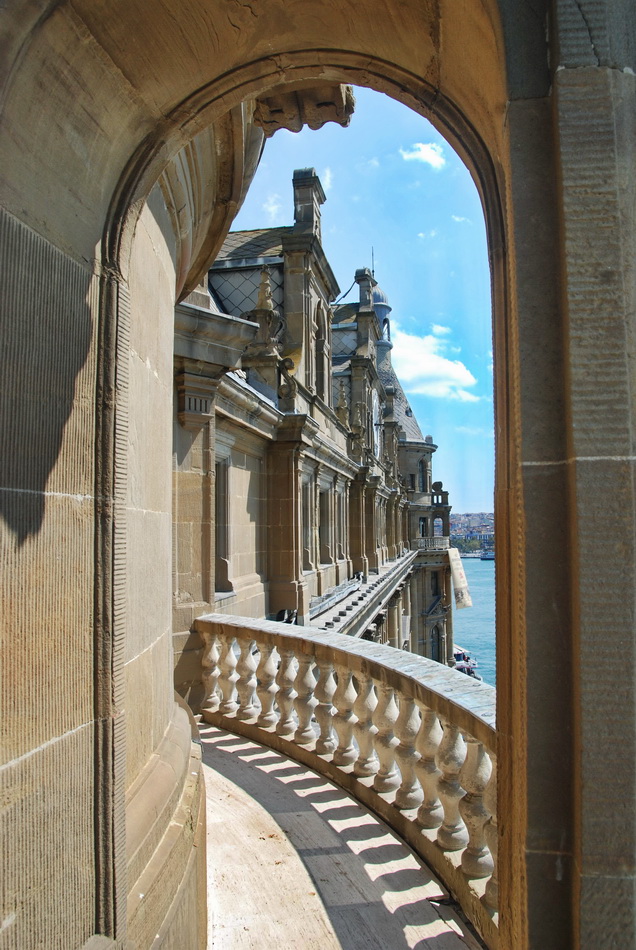
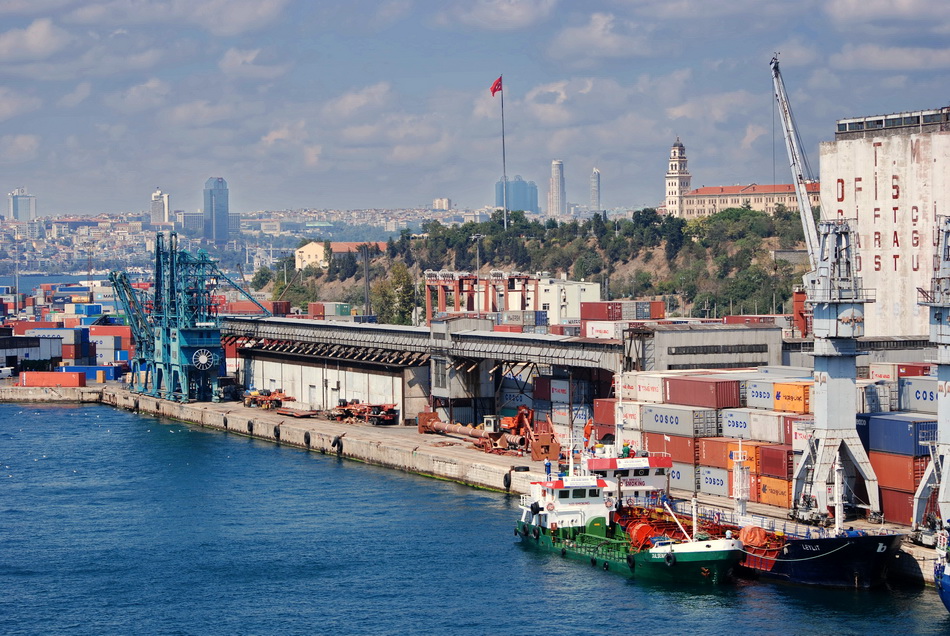
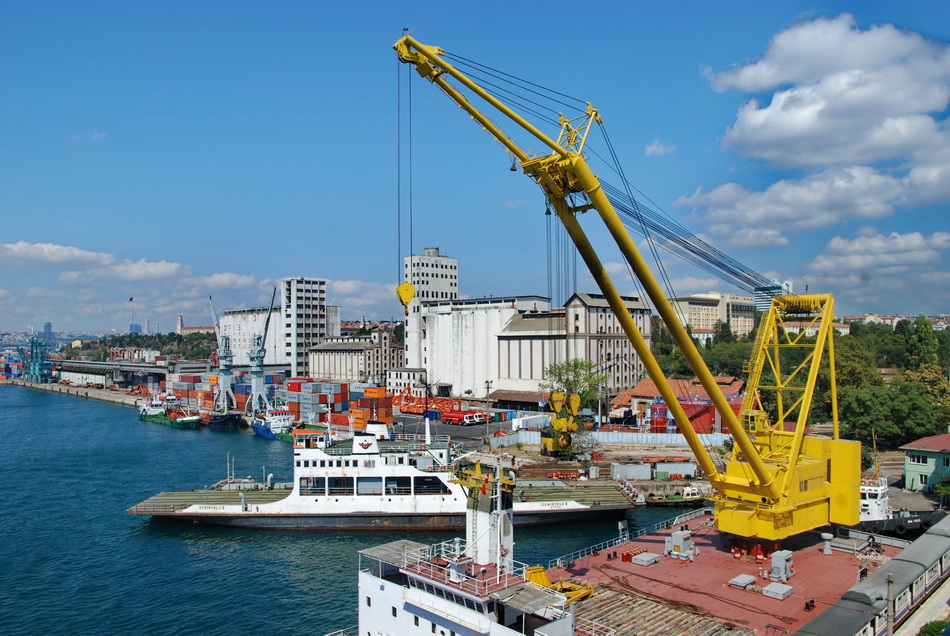
Haydarpaşa’s story extended well beyond the passenger building. From its upper levels I could look down over the harbour, with its warehouses, cranes, ships and railway installations. Special train ferries carried freight wagons between Haydarpaşa and Sirkeci, linking the railway networks on the two sides of Istanbul. One of my photographs shows a ferry bearing the word “DEMİRYOLU” on its side. The harbour and the ferry pier were reminders that Haydarpaşa served passengers, freight and the wider commercial life of the city. Its monumental seaward façade was only the most visible part of a much larger transport landscape.
After the Fire
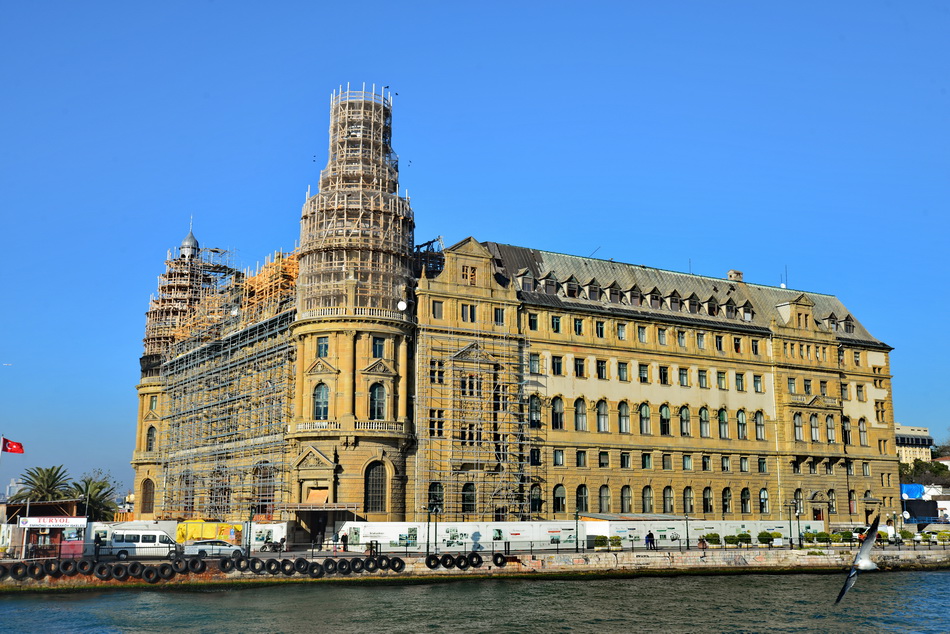
When I returned in 2013 and 2017, I was also photographing the passage of time. The fire, the suspension of regular train services, the restoration work and debates over the station’s future had altered the atmosphere of a place I remembered as a busy transport hub. The quieter platforms suggested a change not only in the building’s function but also in the habits of the city. Preserving Haydarpaşa, I felt, meant more than repairing its roof, towers and stone walls. It also meant remembering the people who worked here, the journeys that began and ended here, and the railway culture that gave the building its purpose.
Photographing a Place of Memory
In bringing together photographs made between 2008 and 2017, I wanted to document more than a celebrated example of railway architecture. Alongside its façade, halls, staircases and stained glass, I photographed the small symbols above doors, the train movement charts, a railway safety device and the ferry in the harbour. A building’s history is not made only of construction dates, architects and repairs. It is also made of the people who use it and the traces they leave behind. Haydarpaşa was once a station through which I travelled, transferring from suburban trains to ferries as so many others did. Years later, I returned to photograph its details and to preserve something of its memory. Looking at these images today, I see not only Haydarpaşa Railway Station, but also an Istanbul that has changed around it.