
Istanbul Archaeological Museums | Istanbul, October 2024
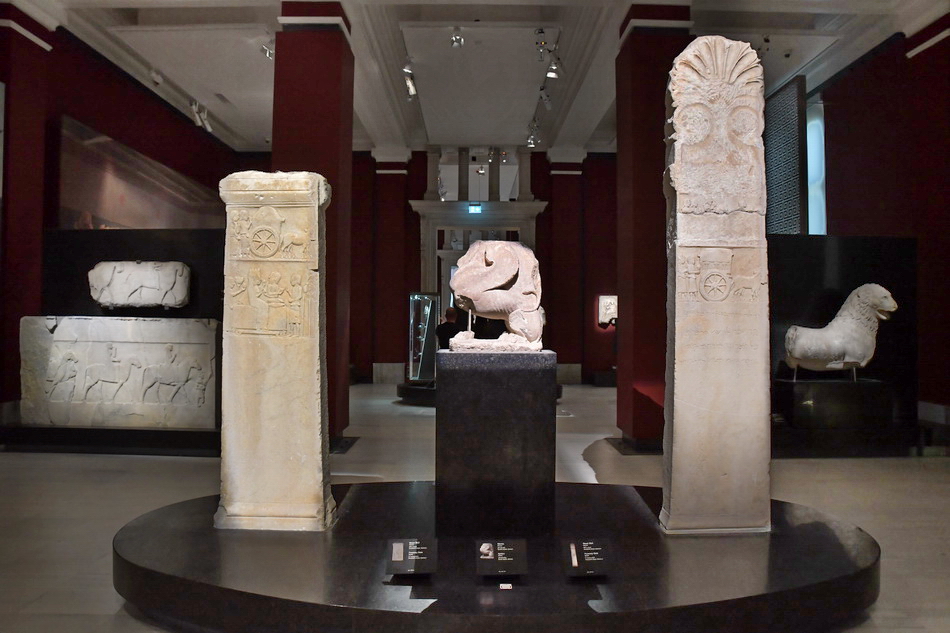
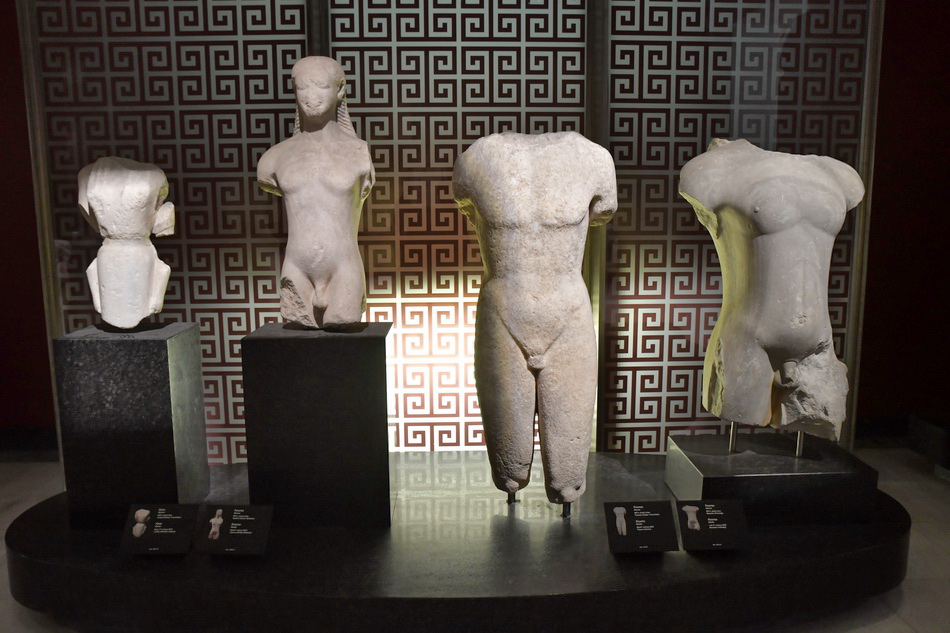
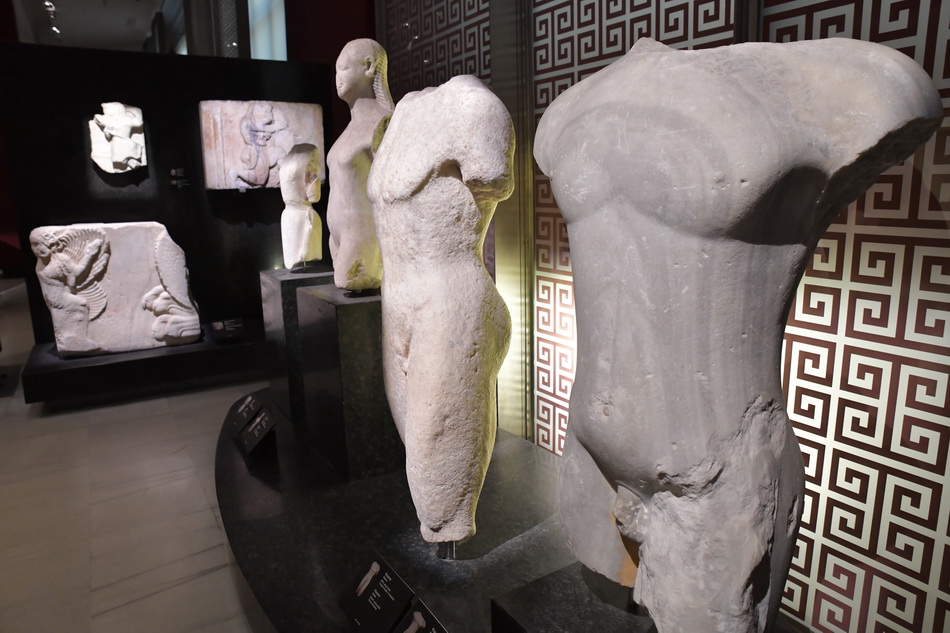
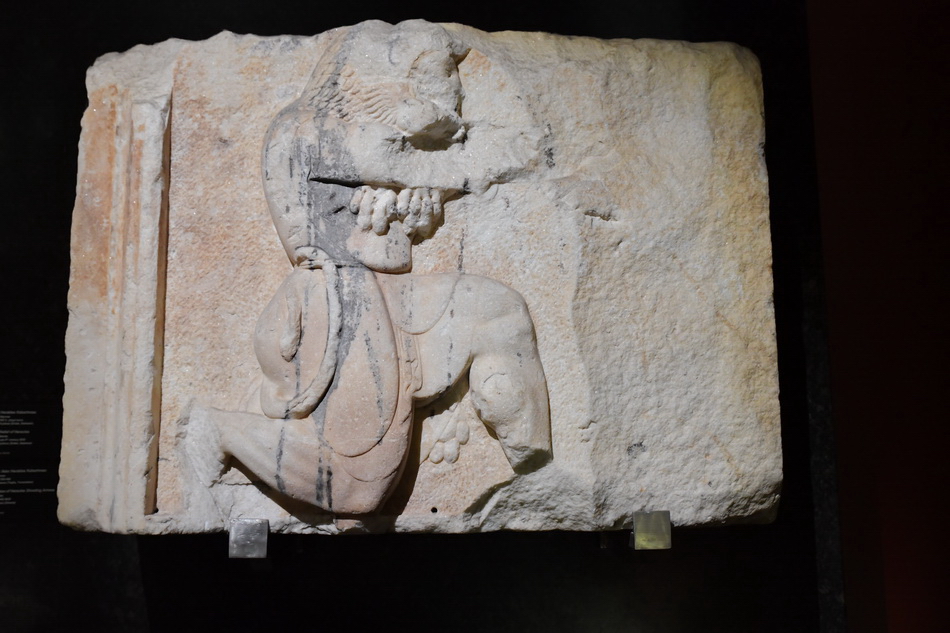
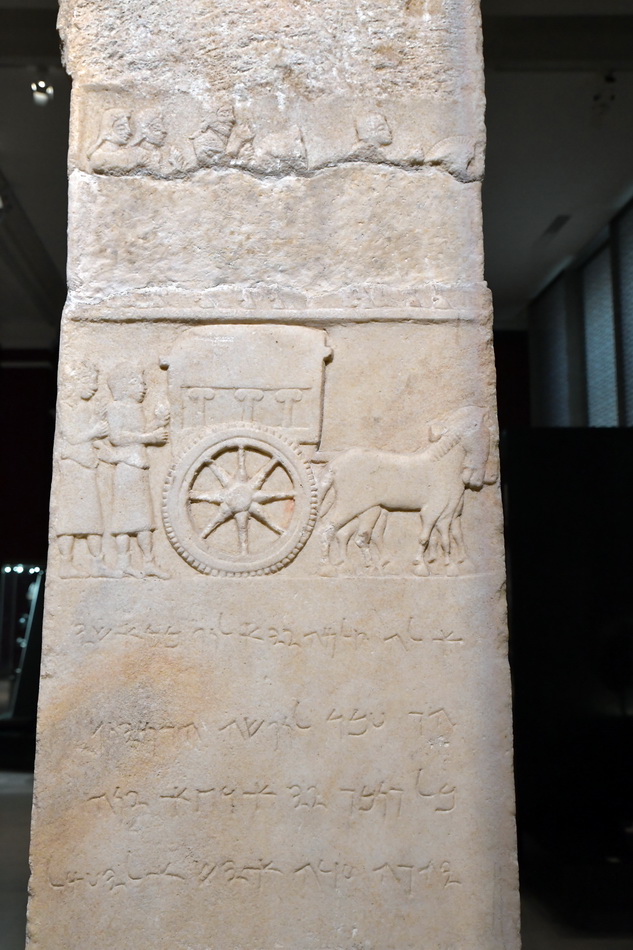
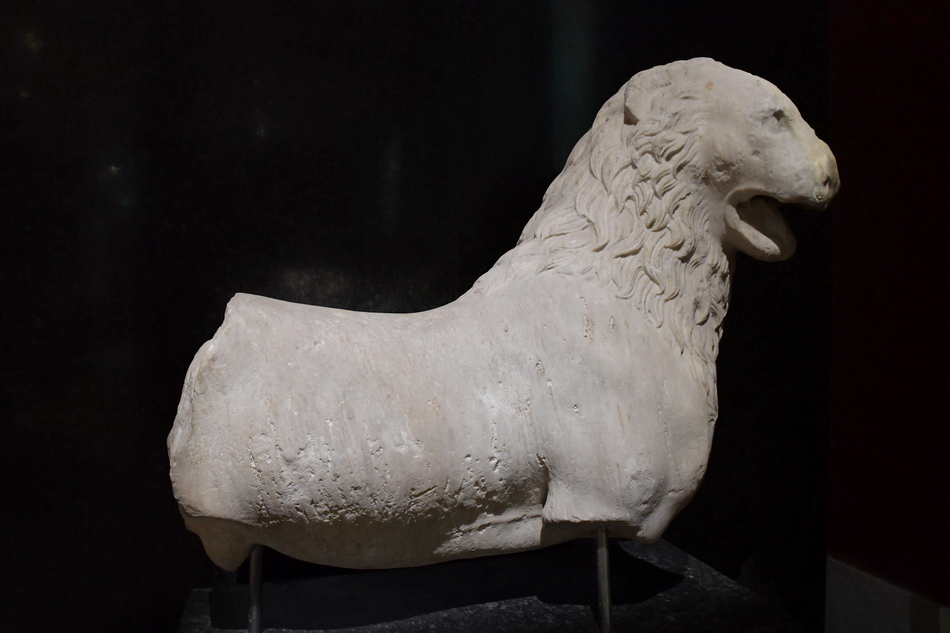
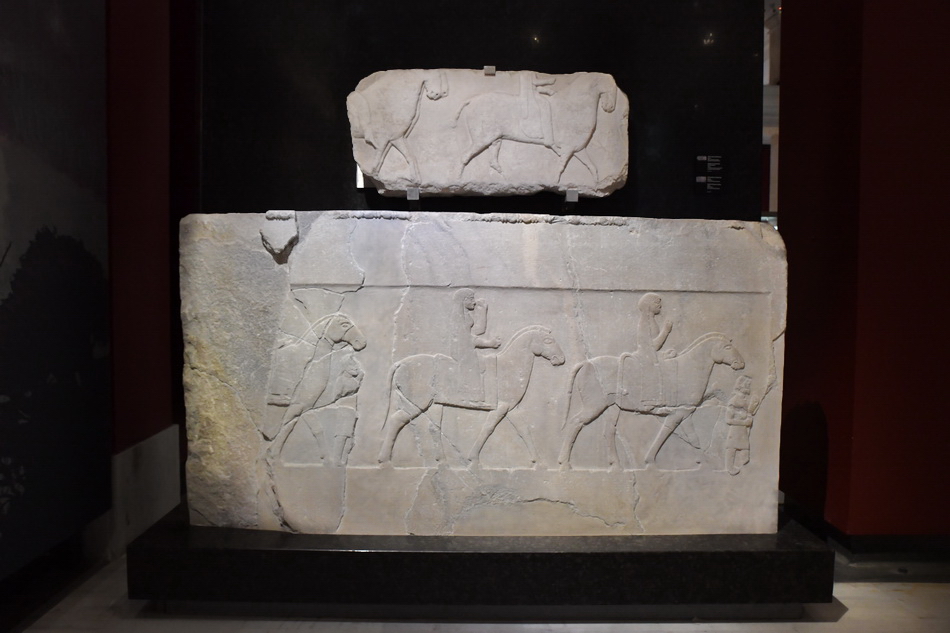
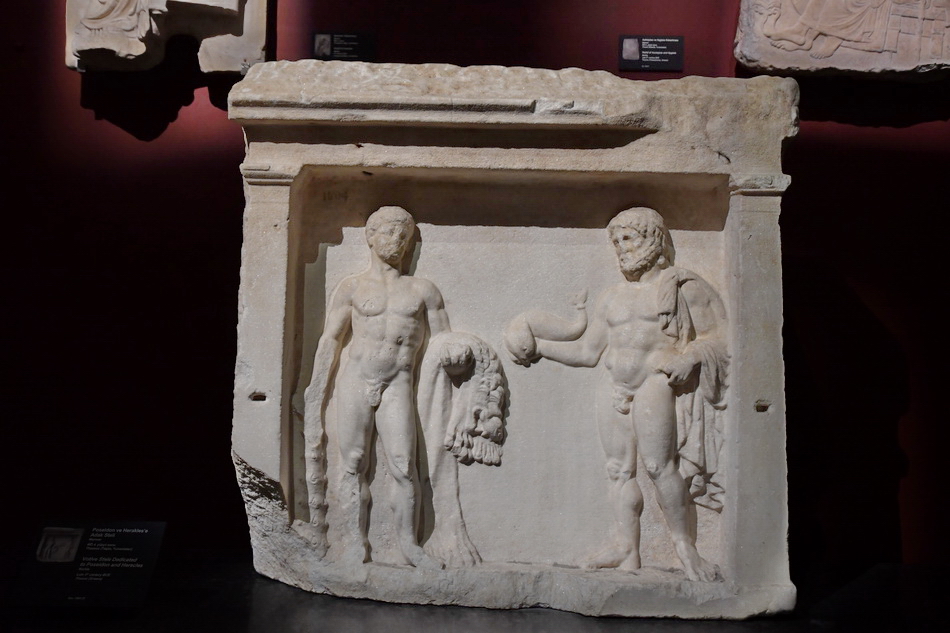
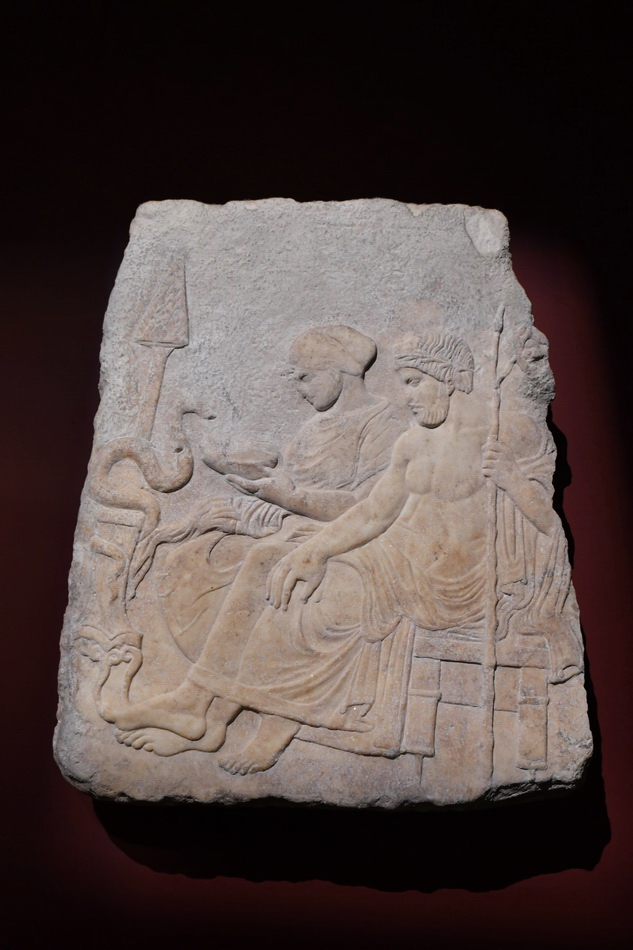
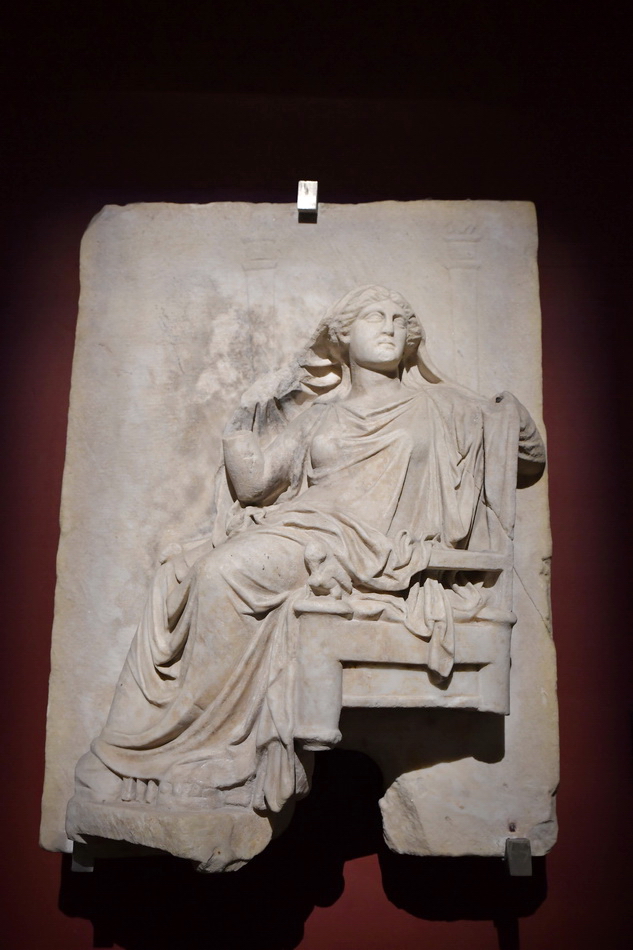
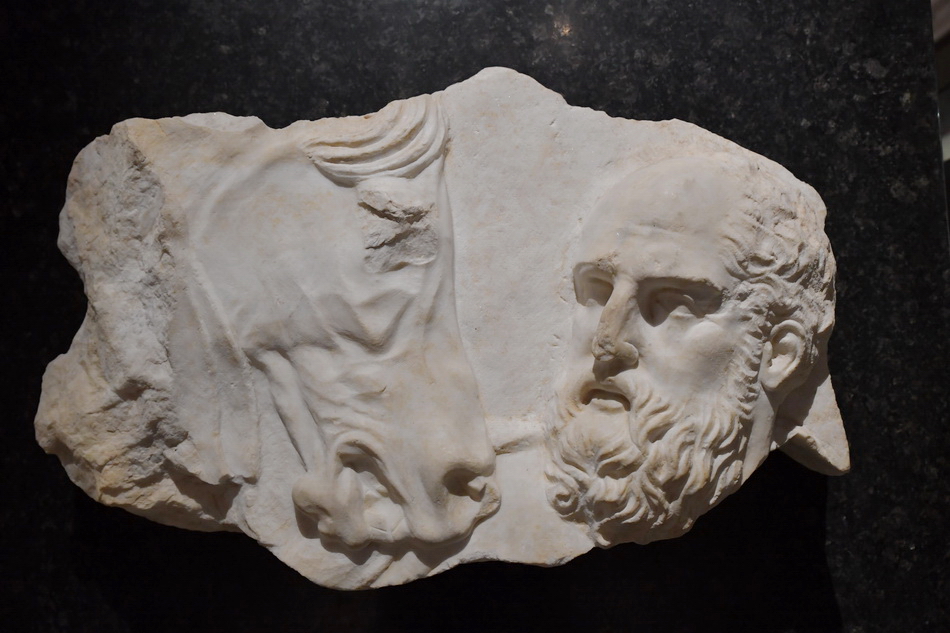
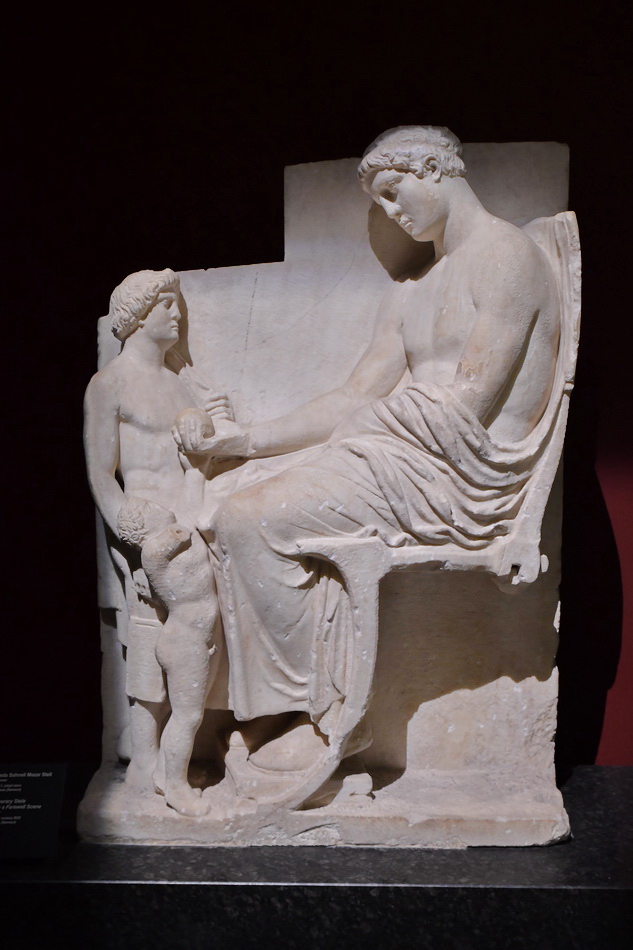
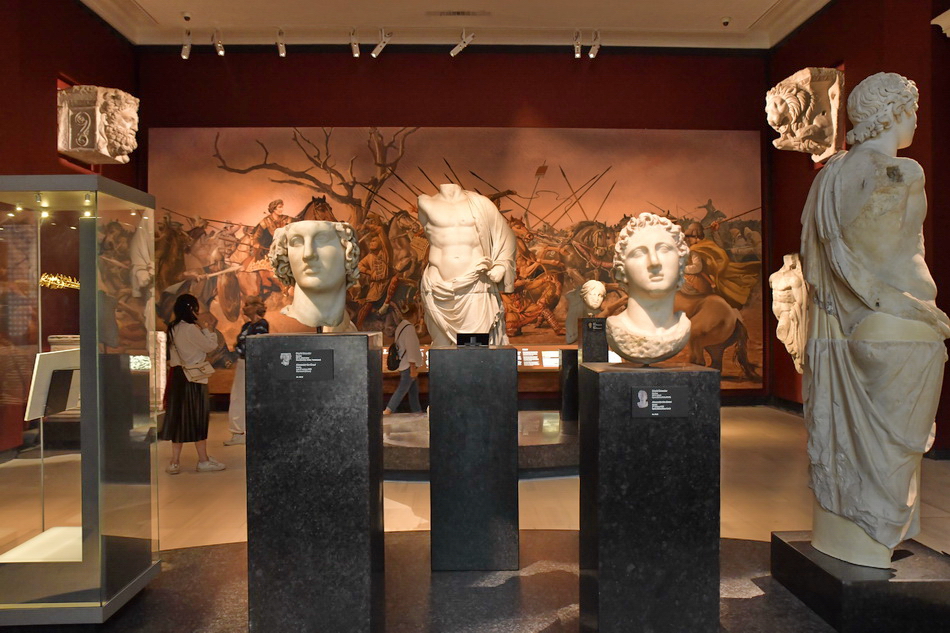
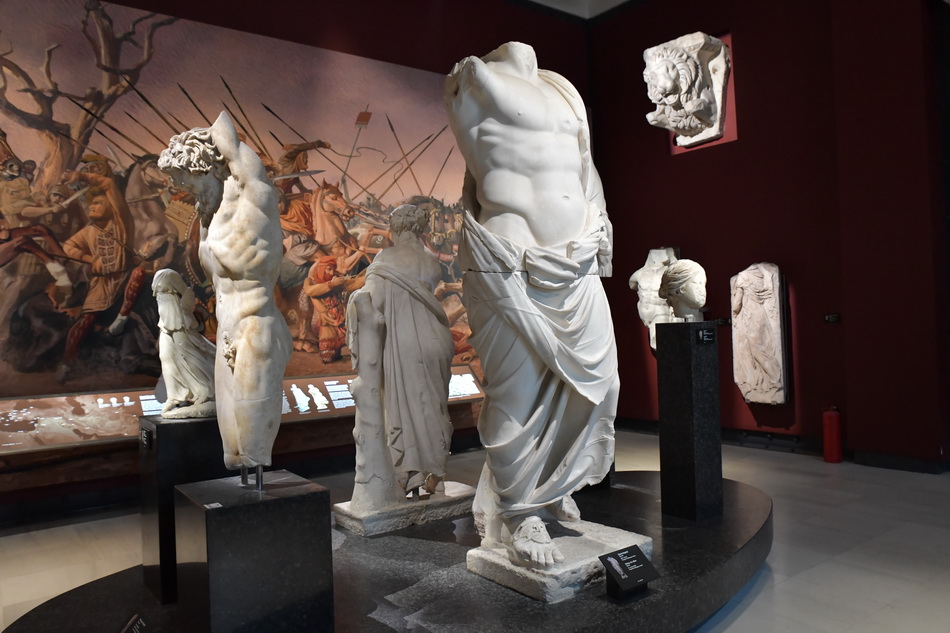
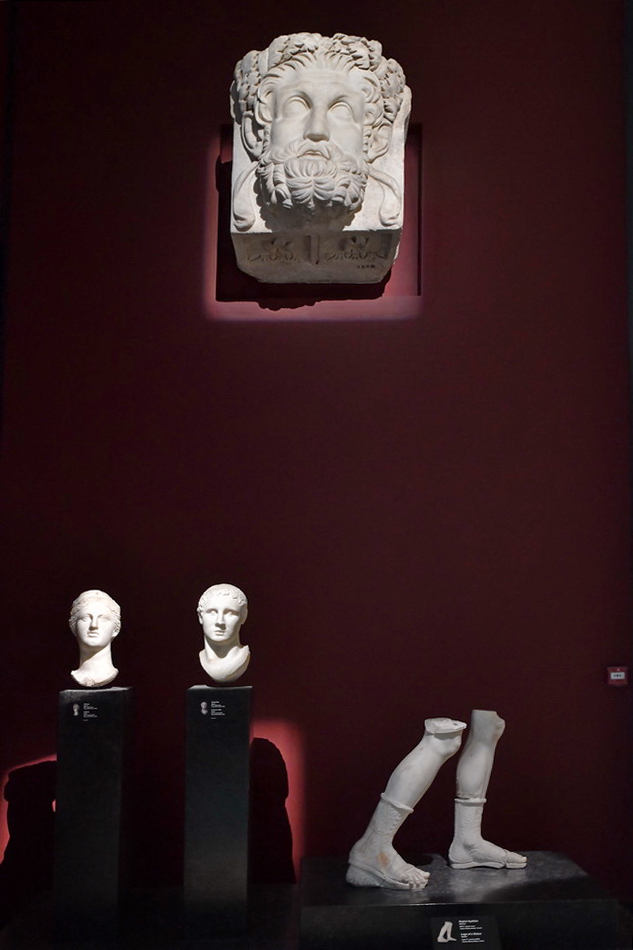
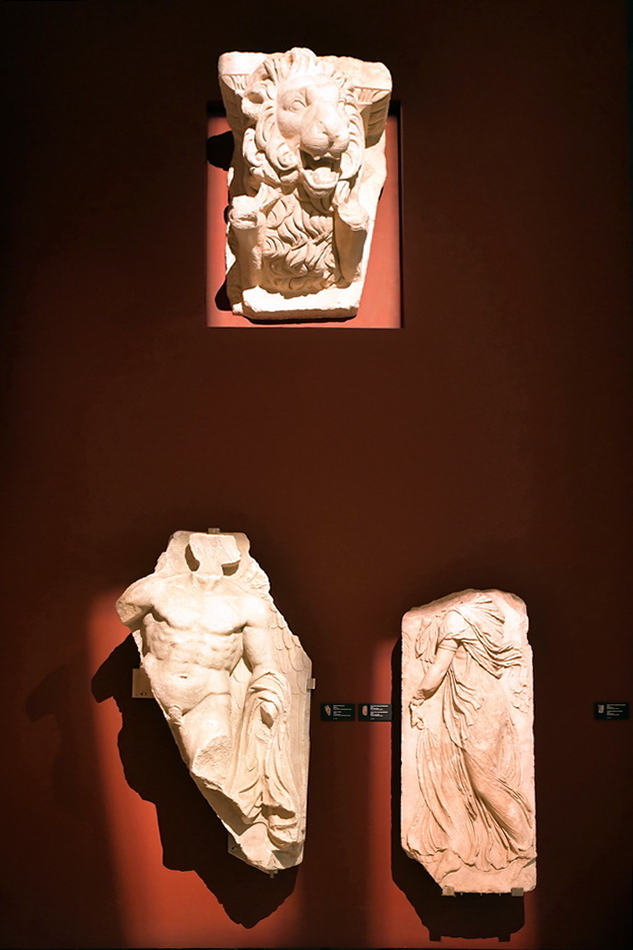
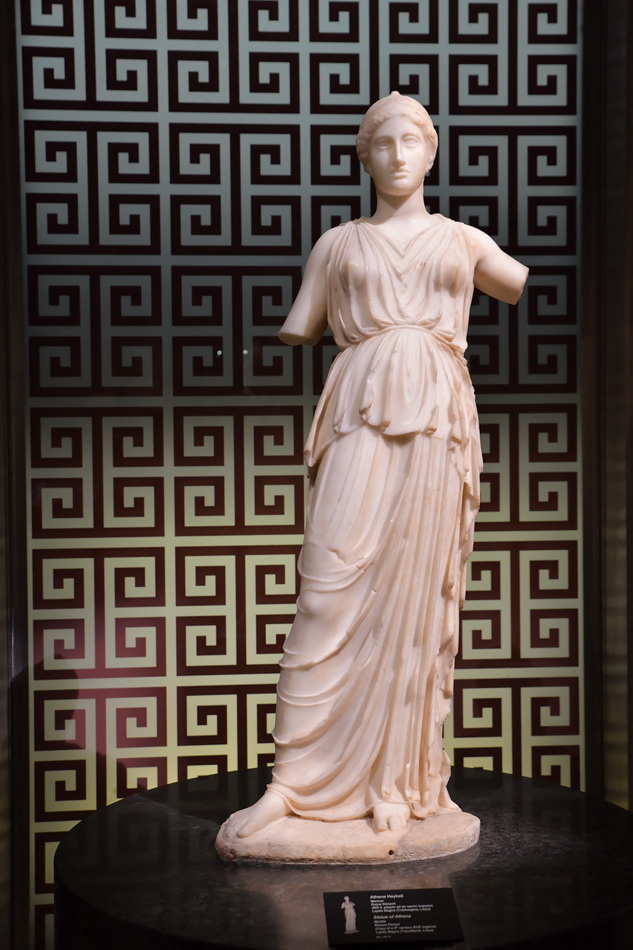
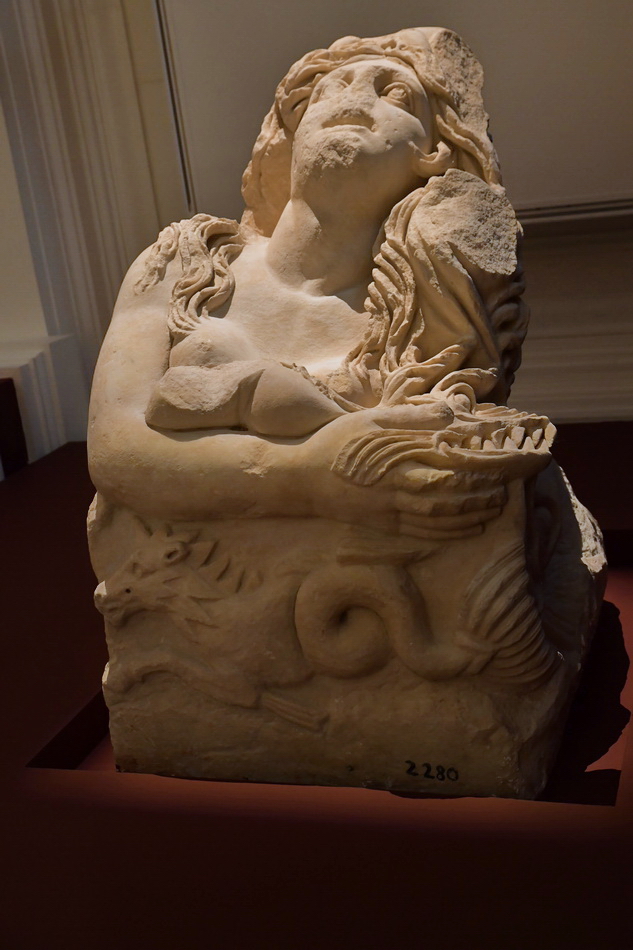
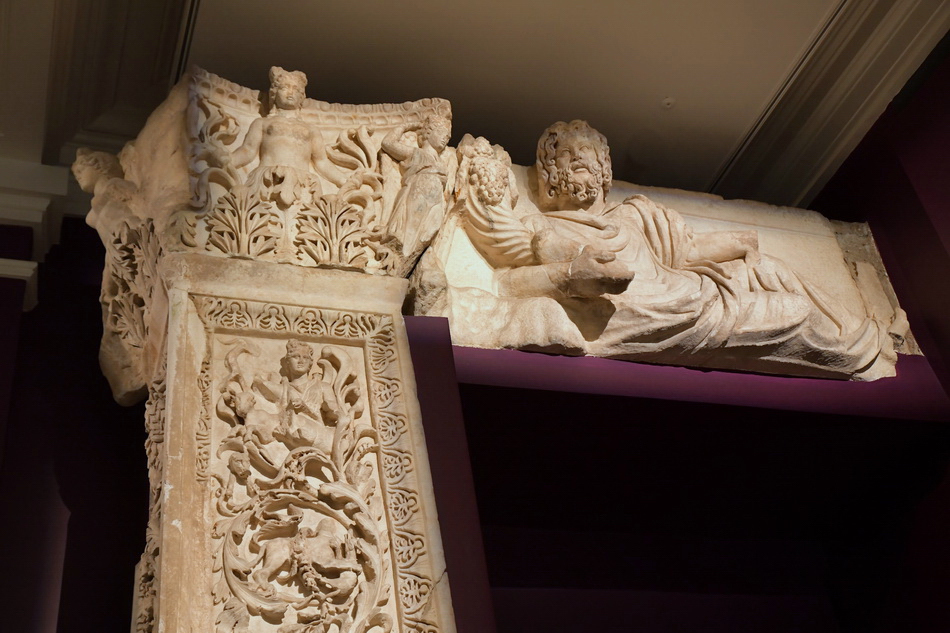
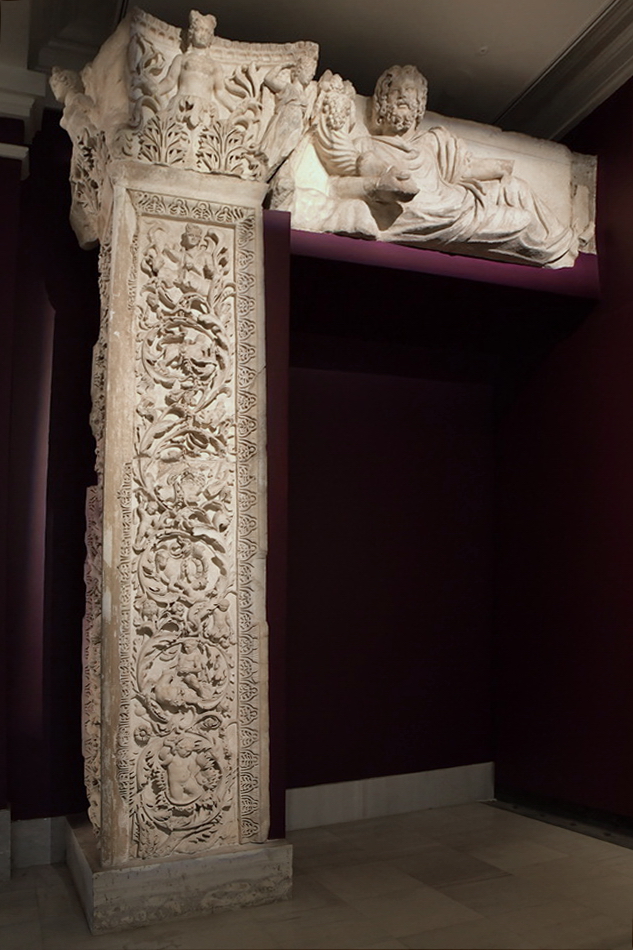
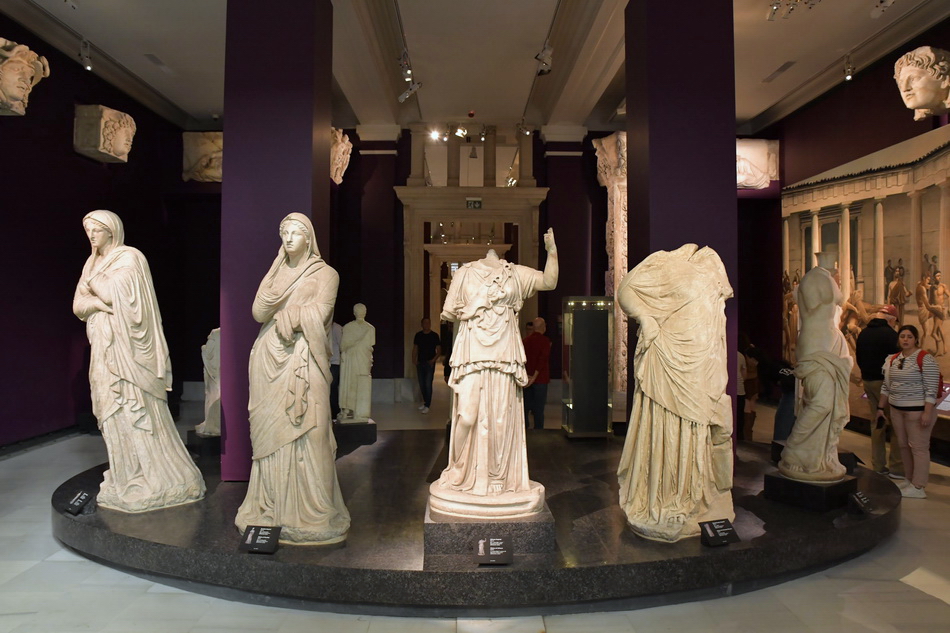
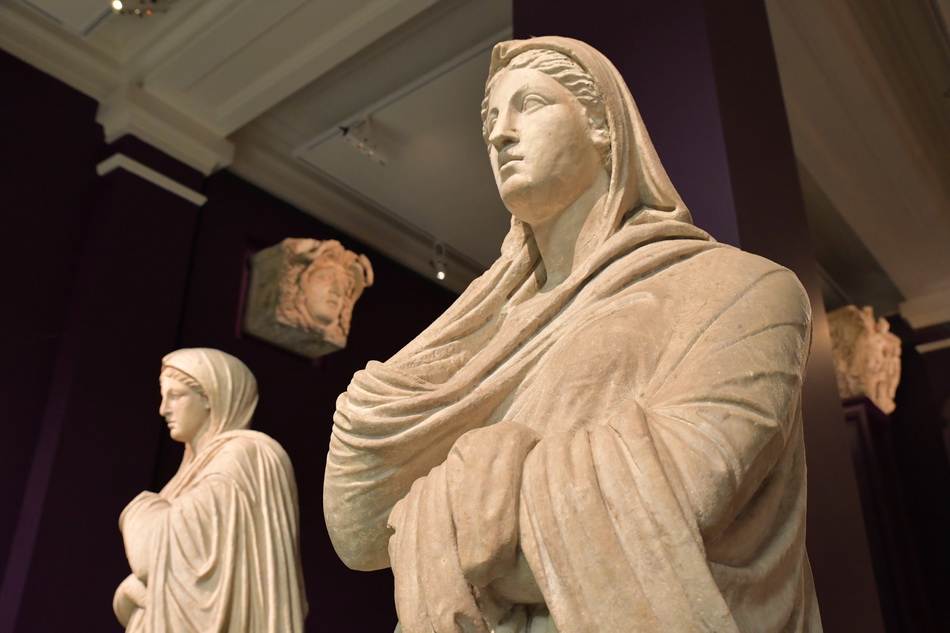
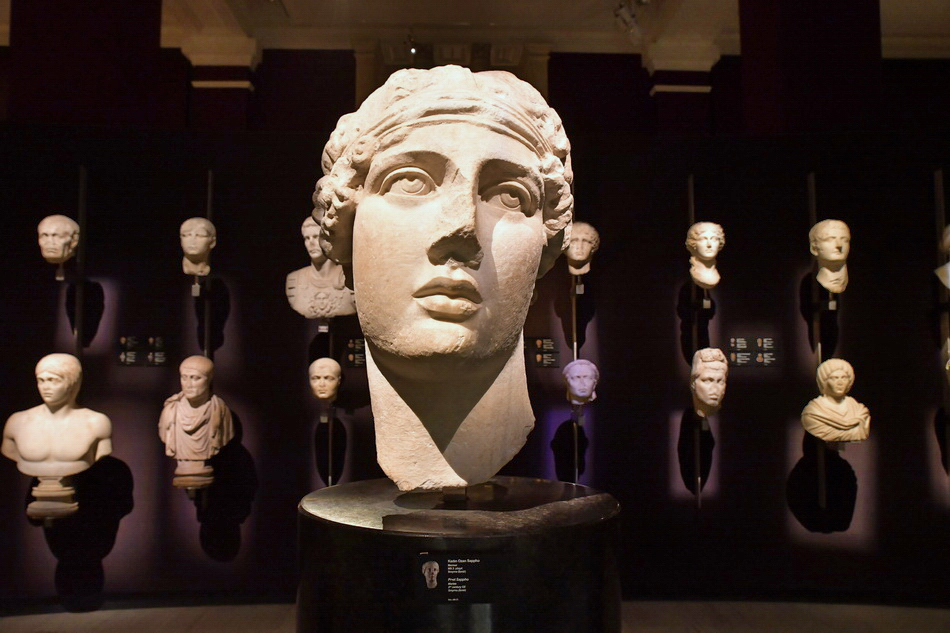
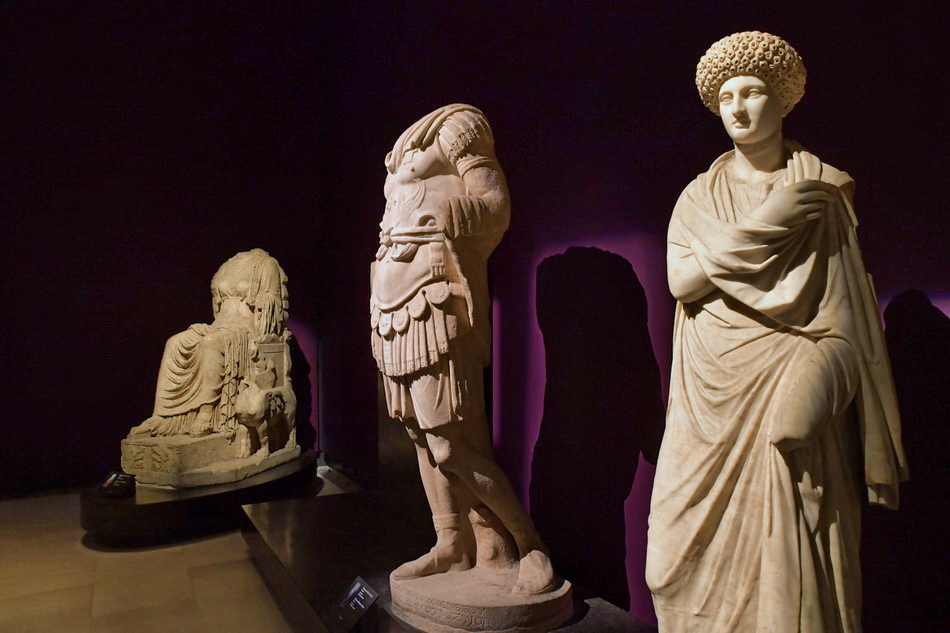
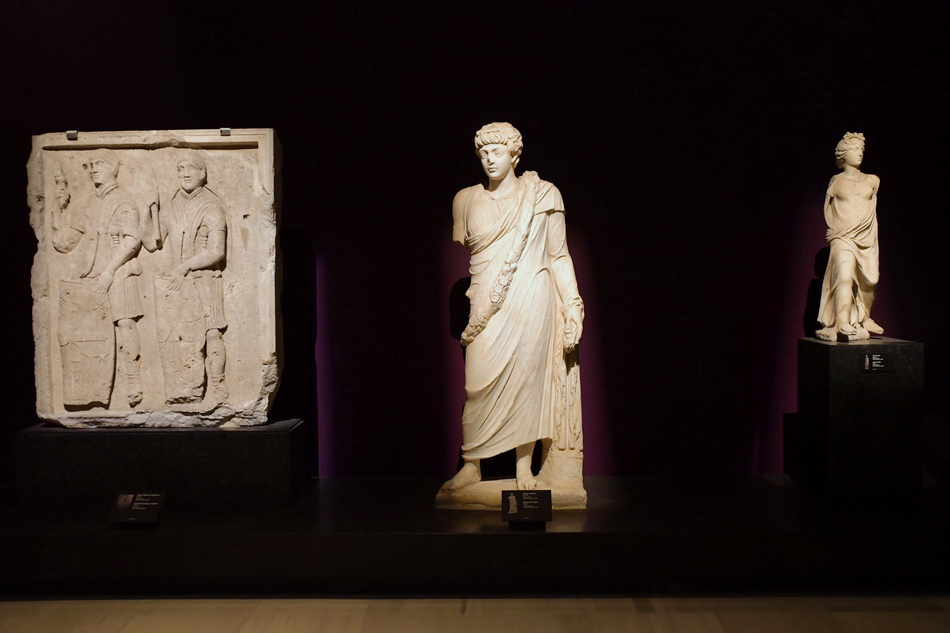
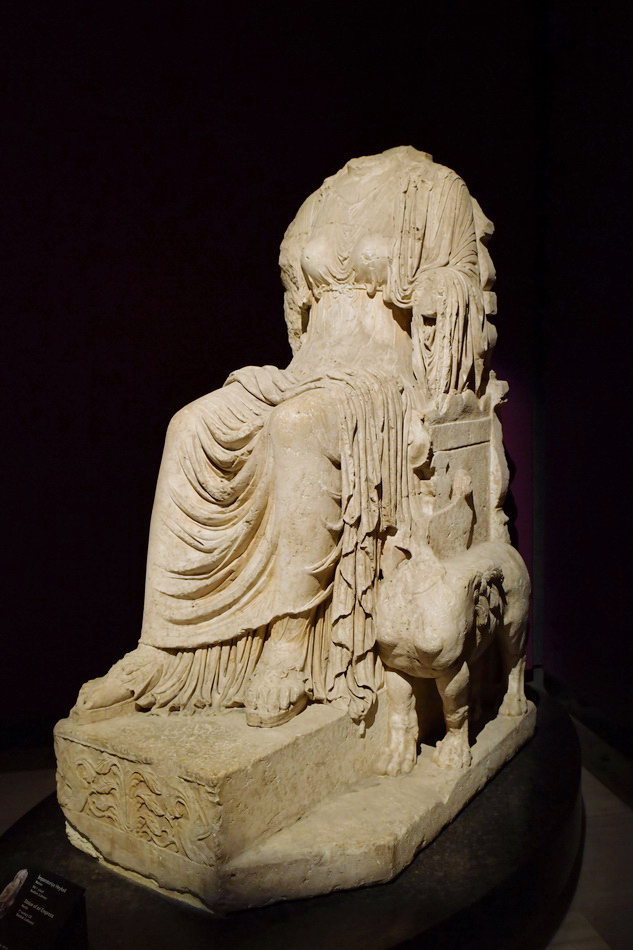
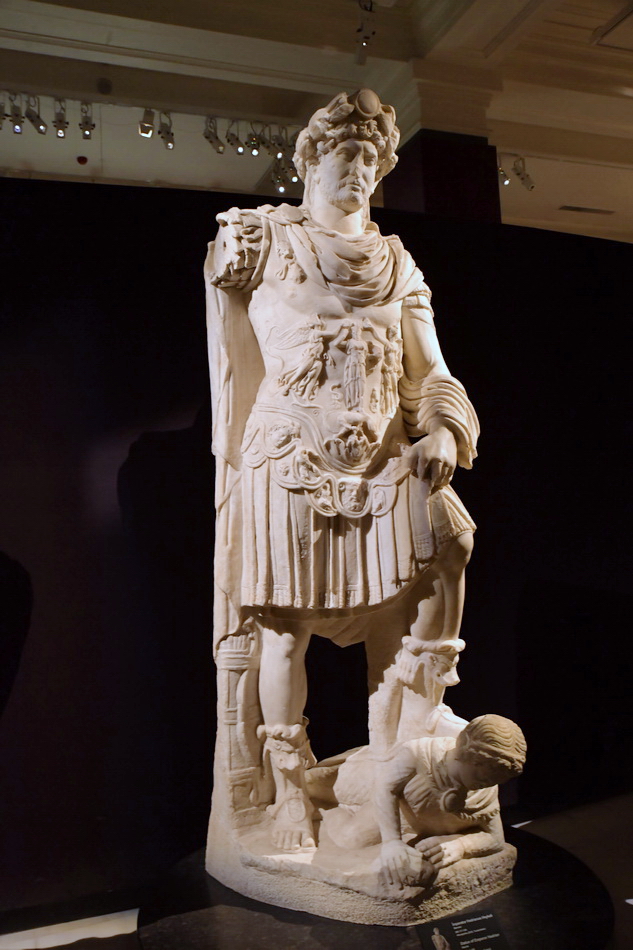
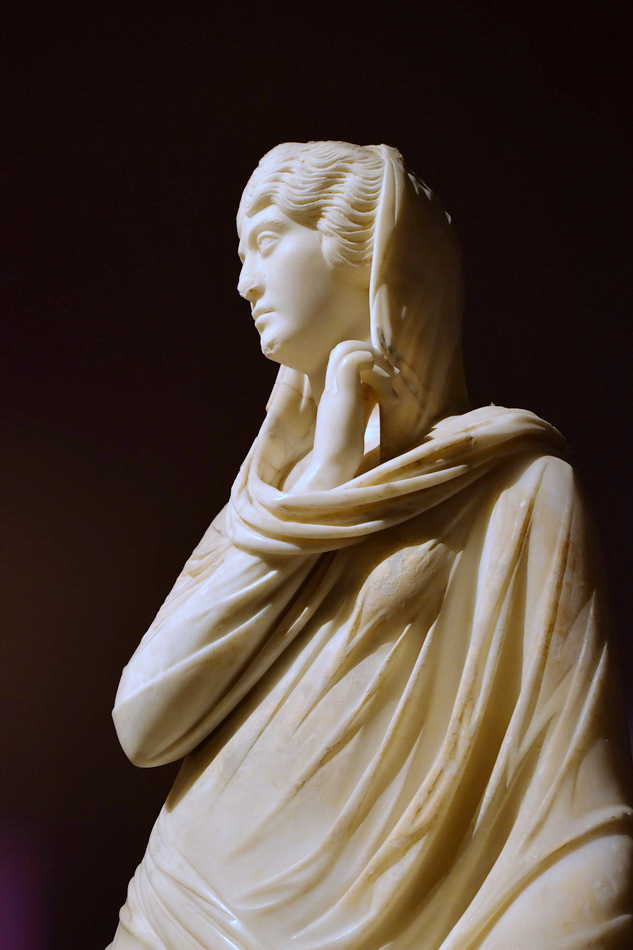
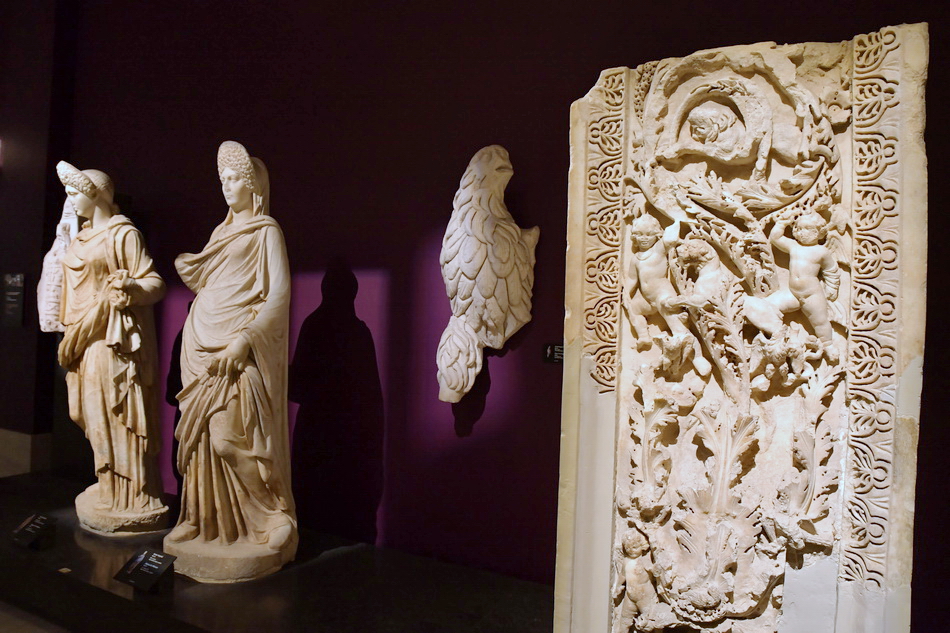
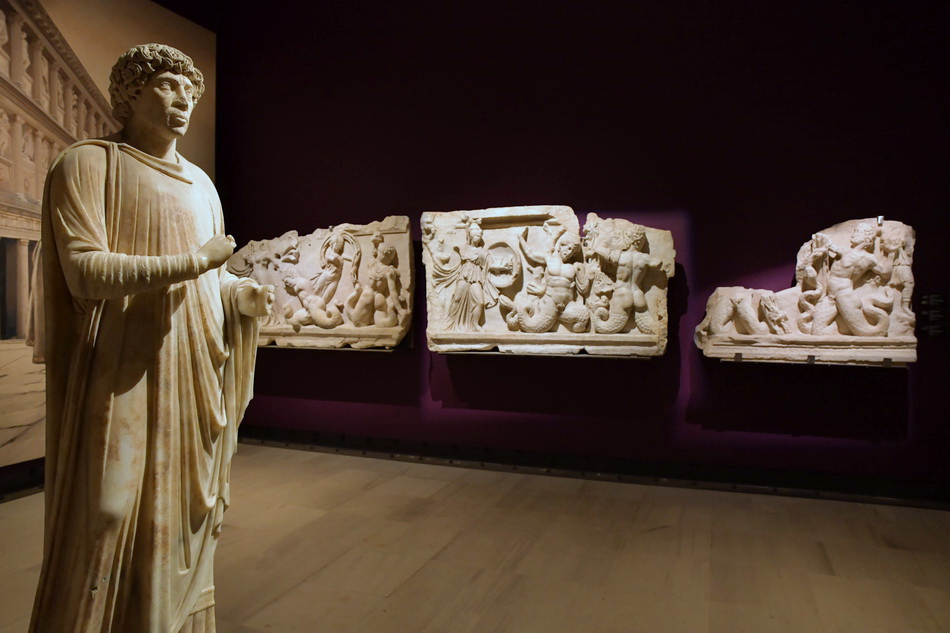
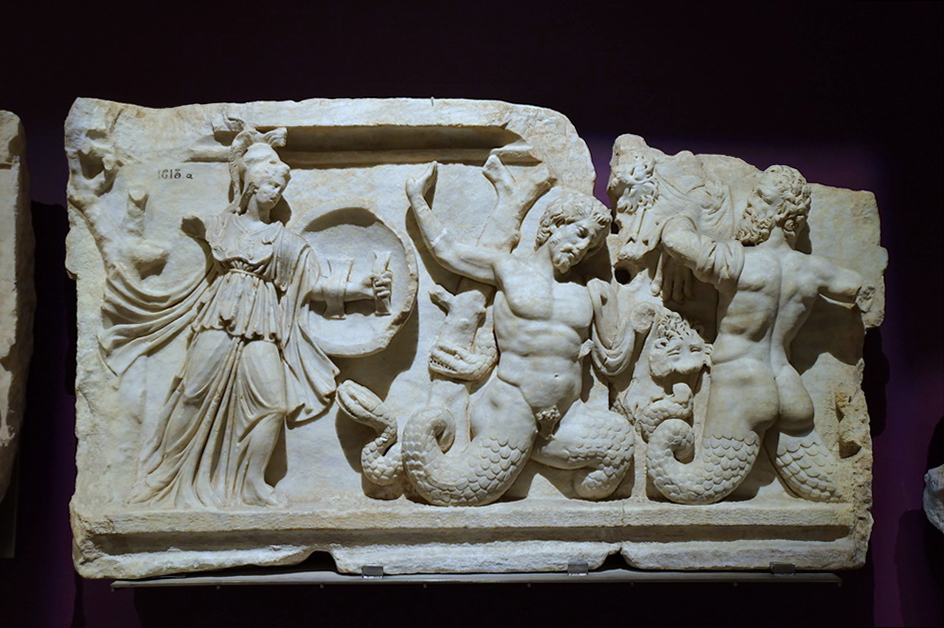
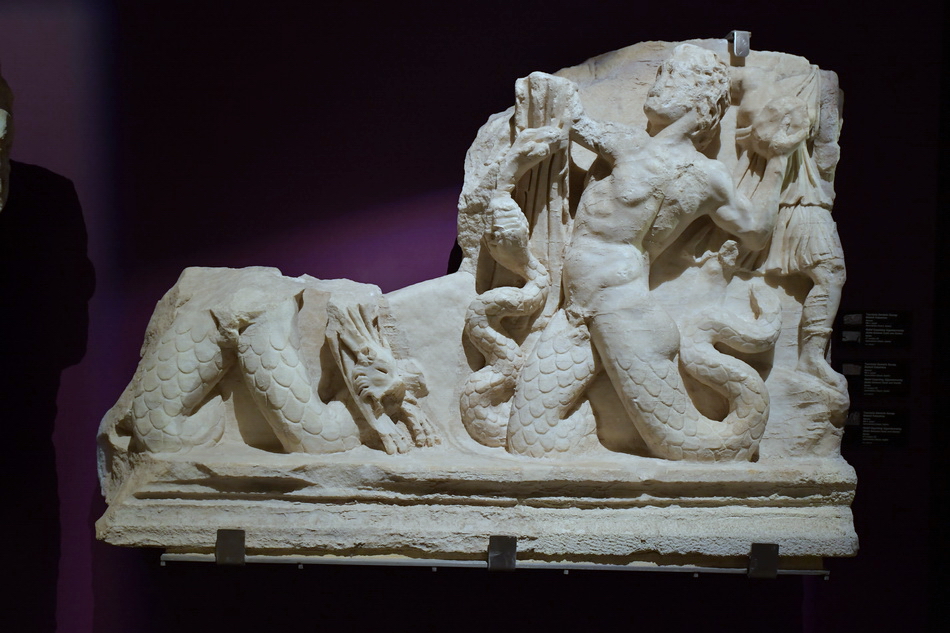
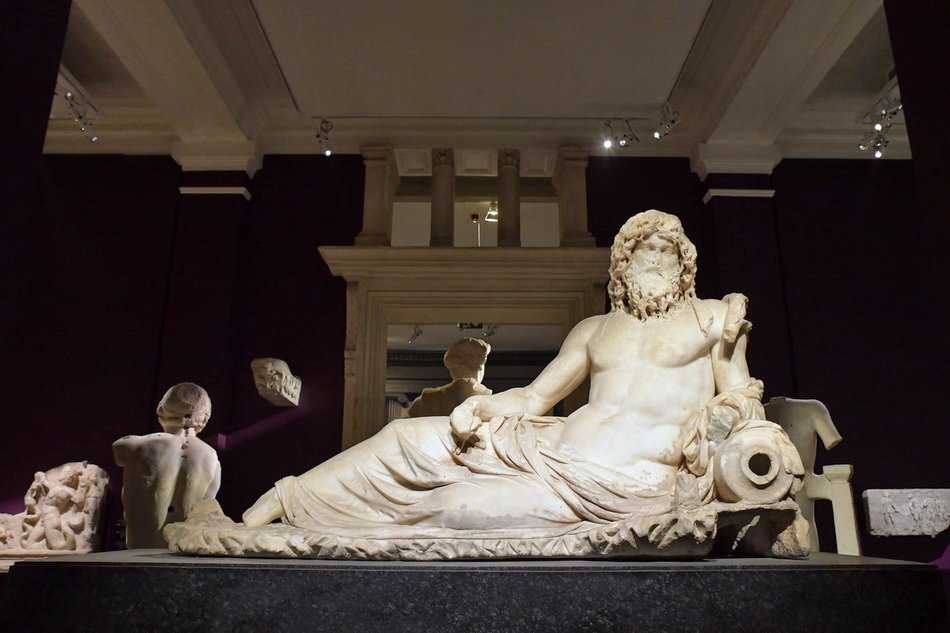
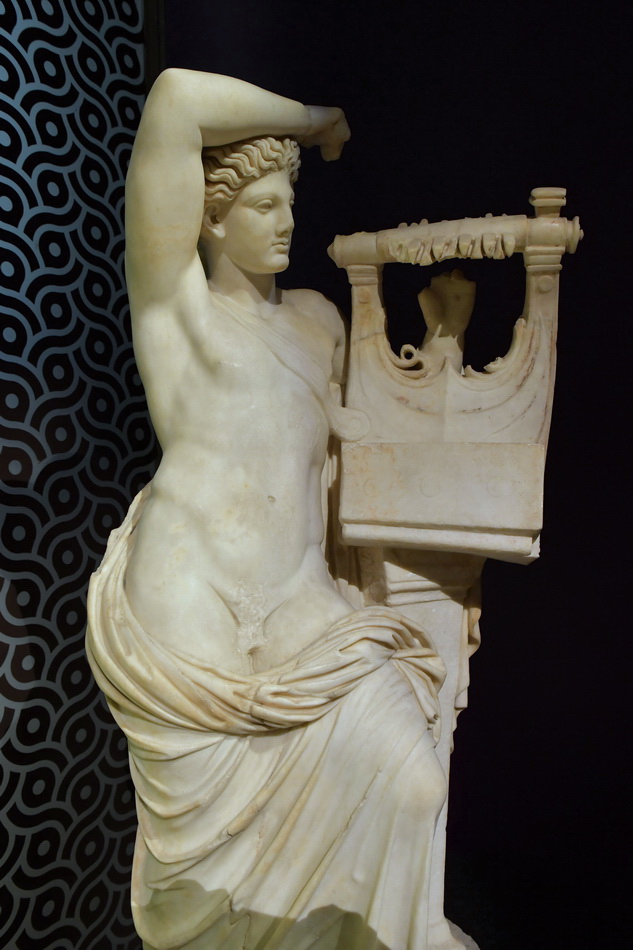
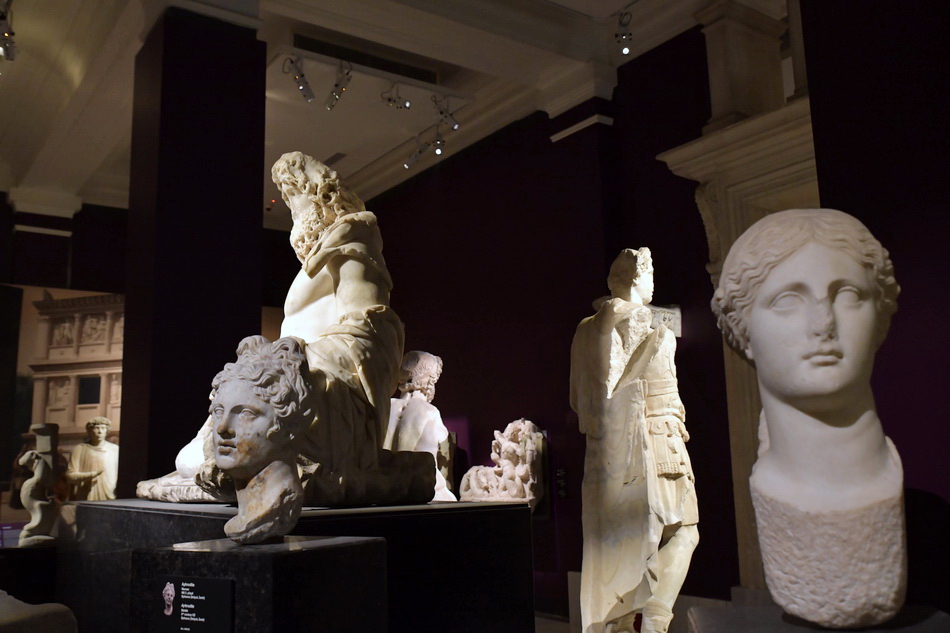
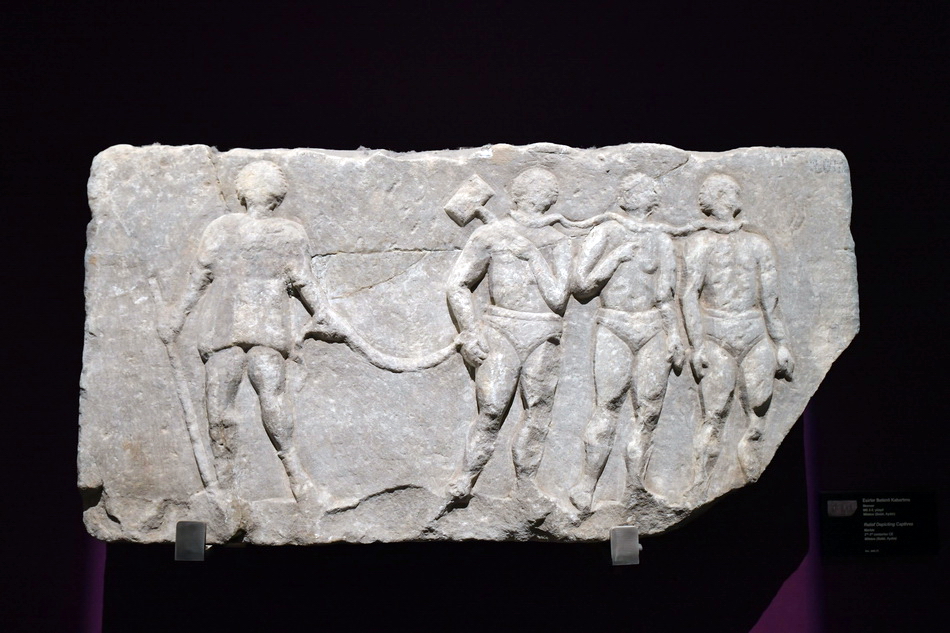
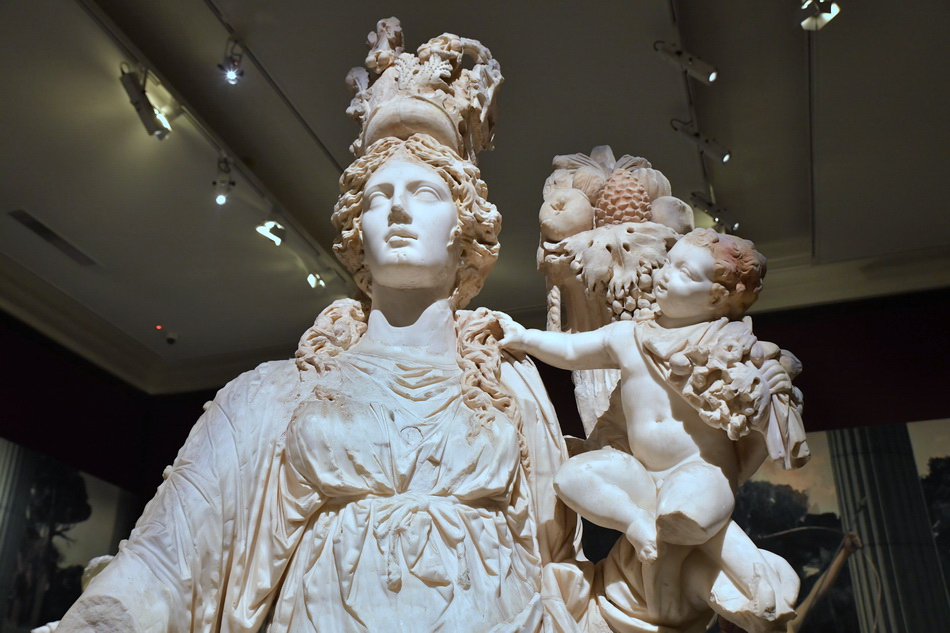
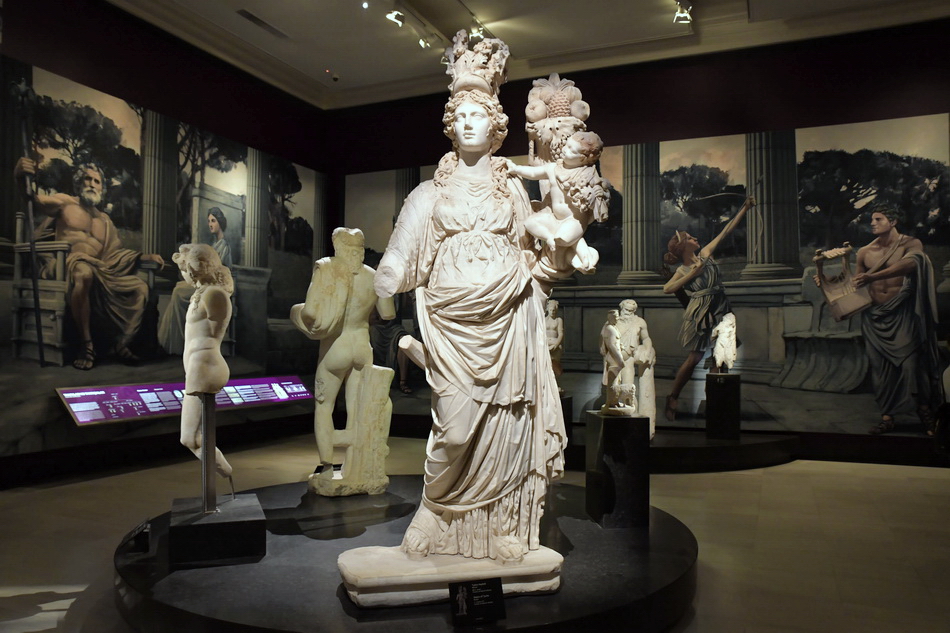
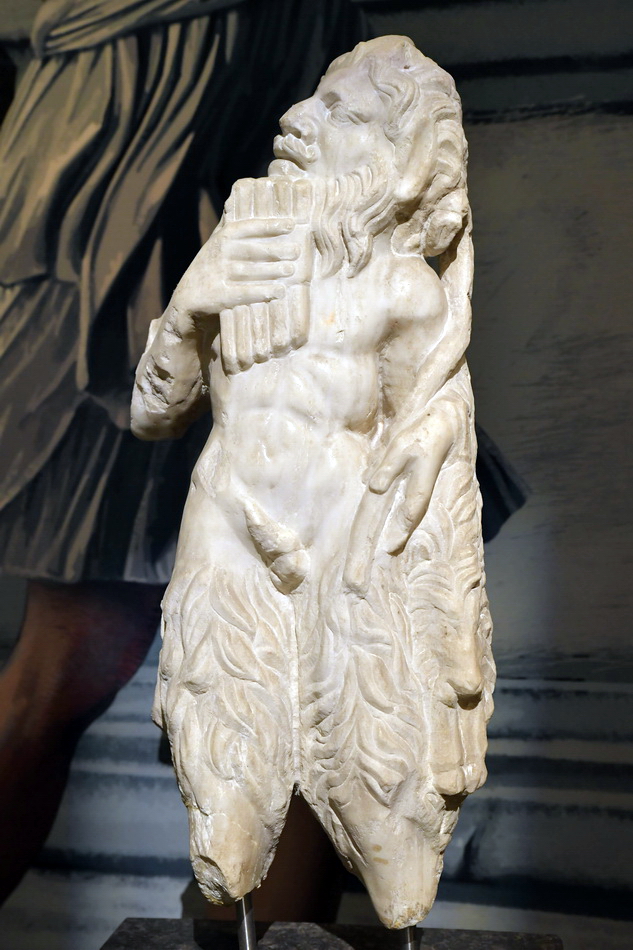
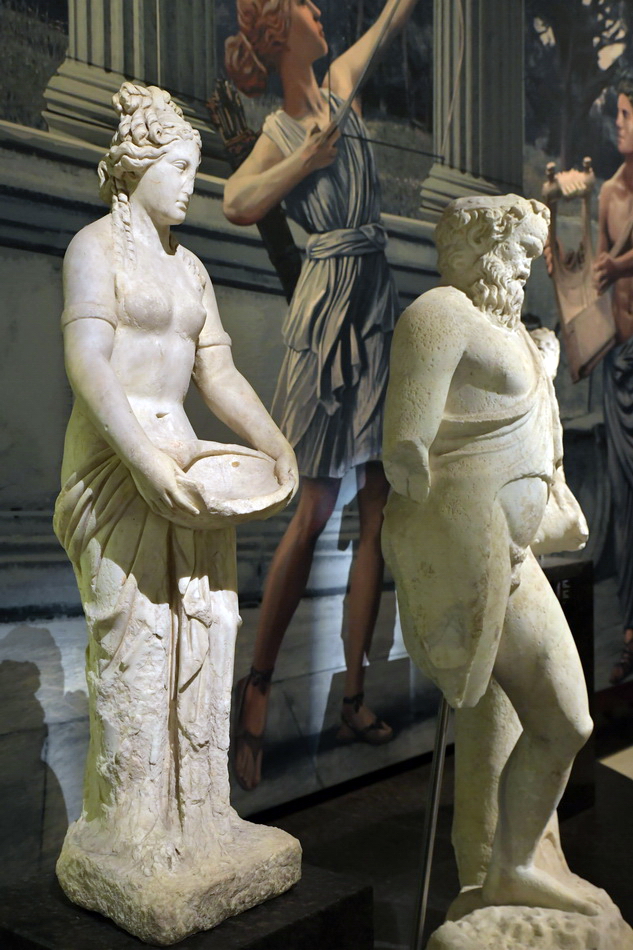
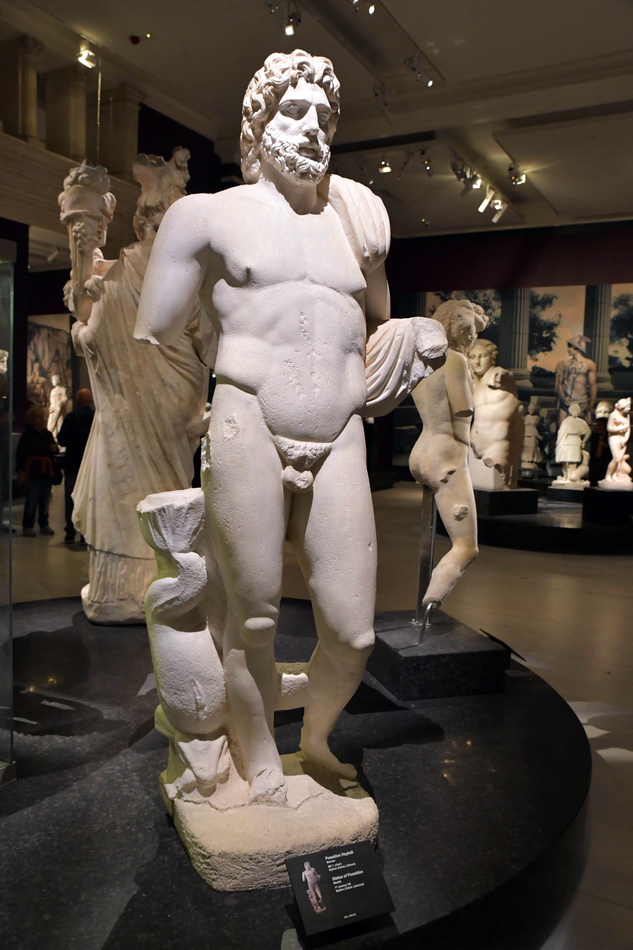
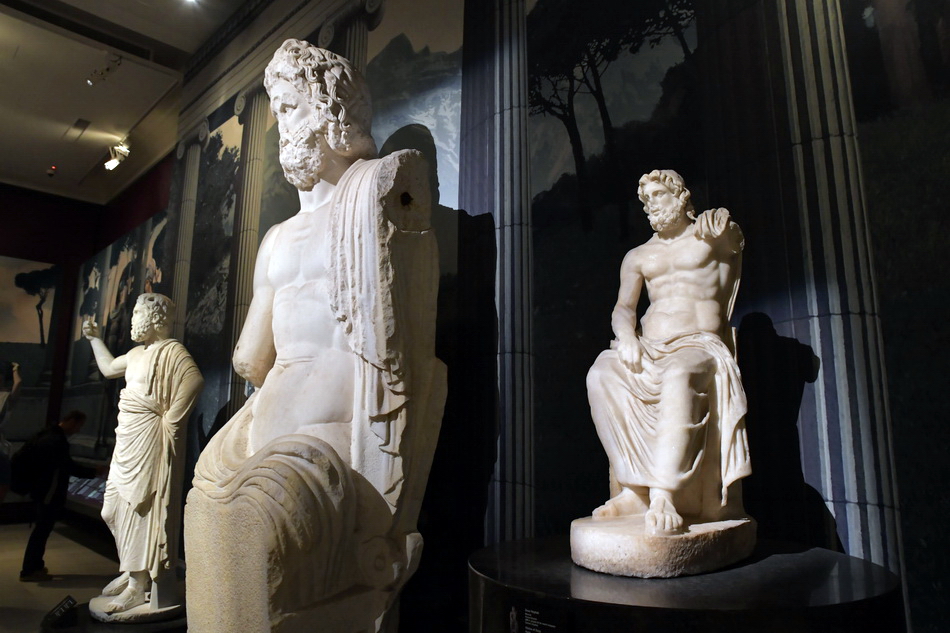
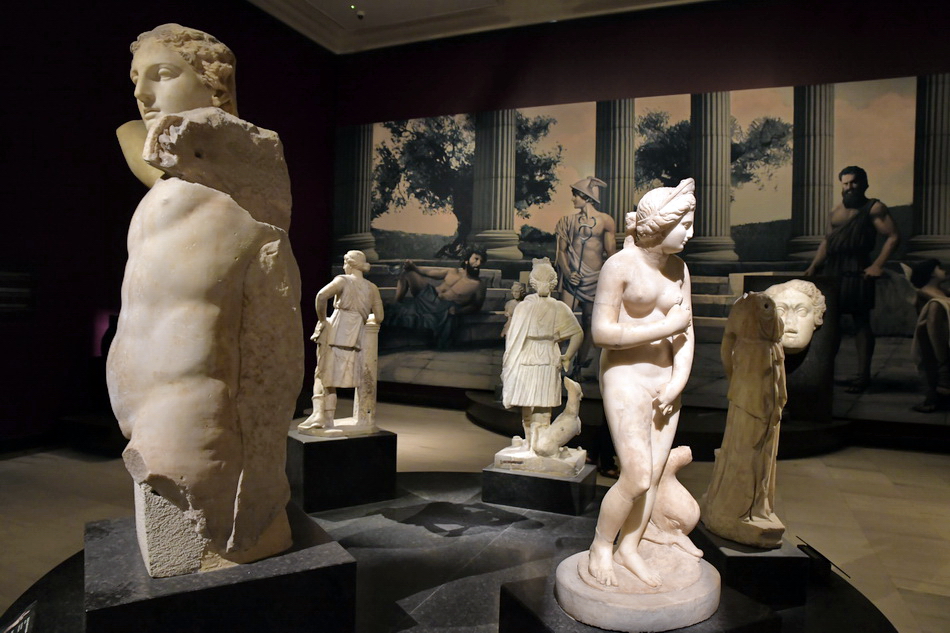
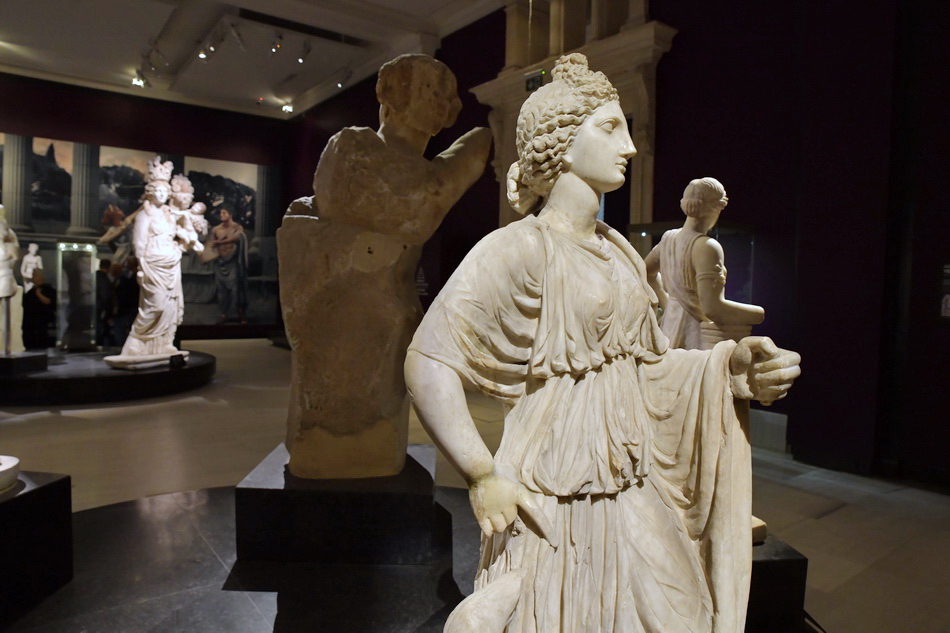
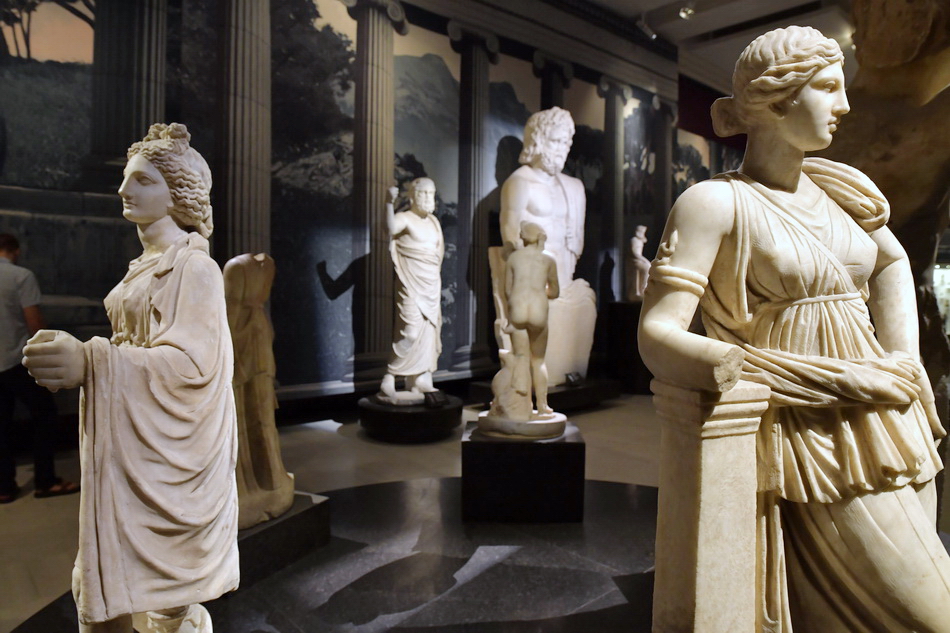
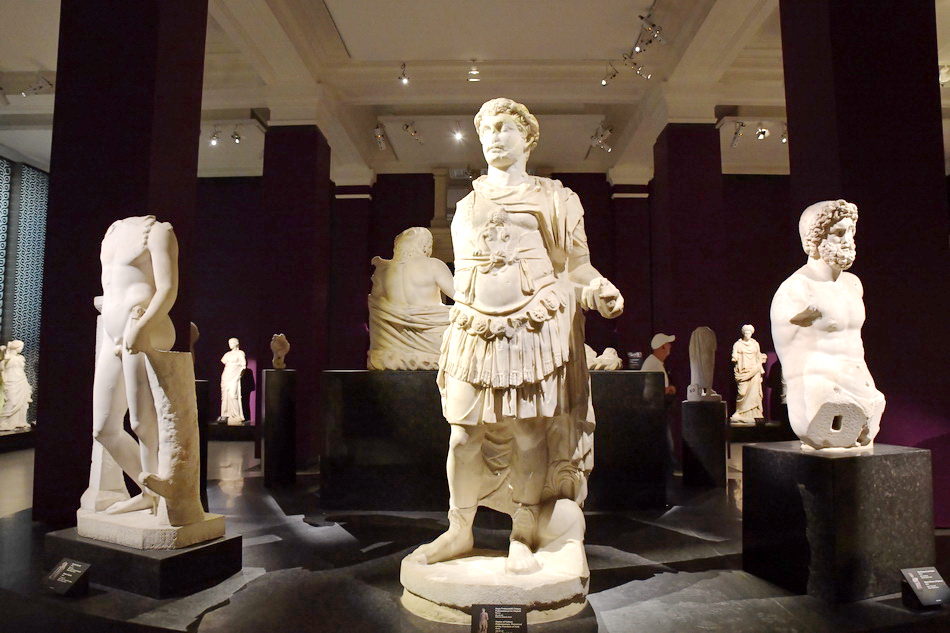
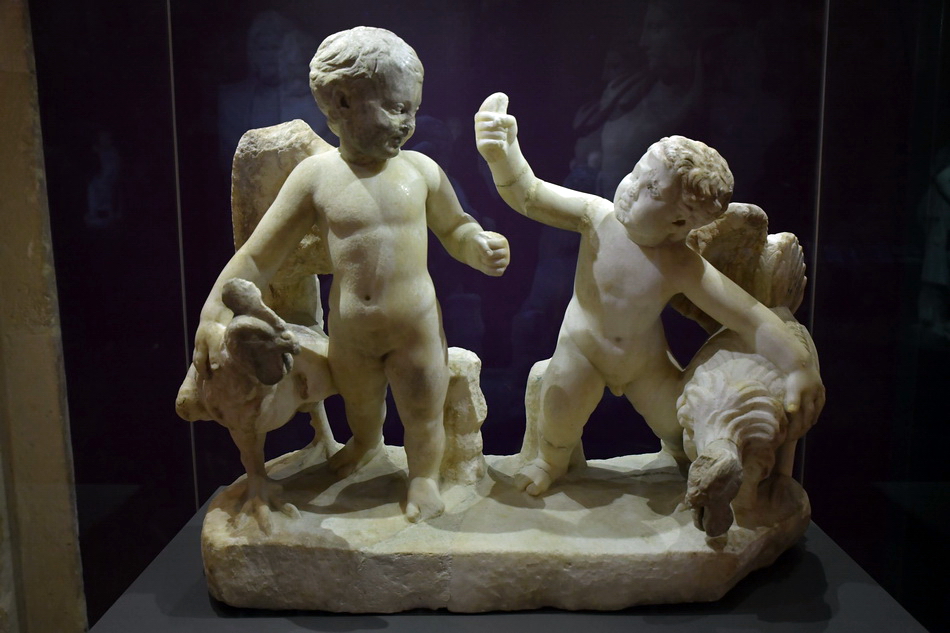
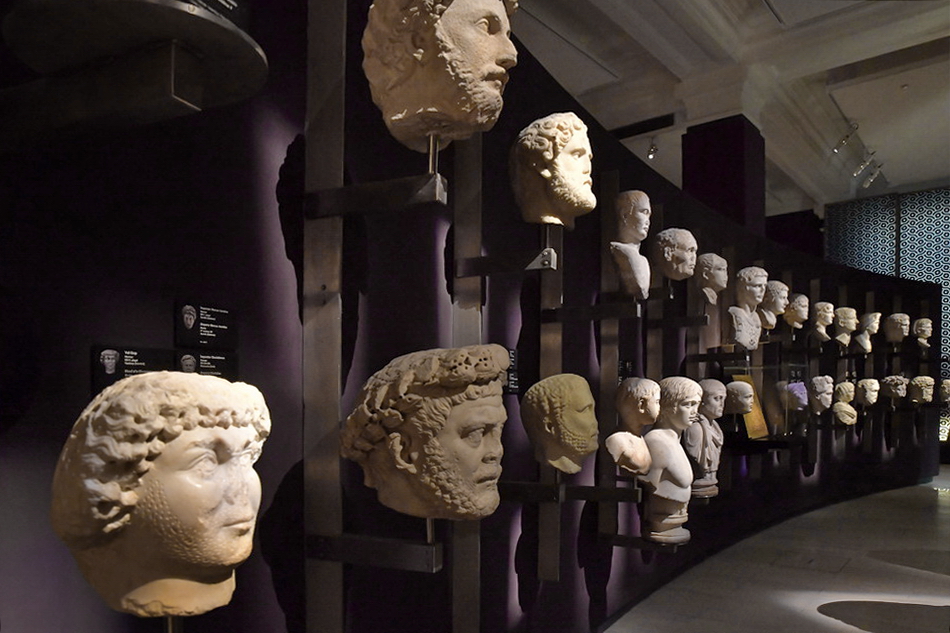
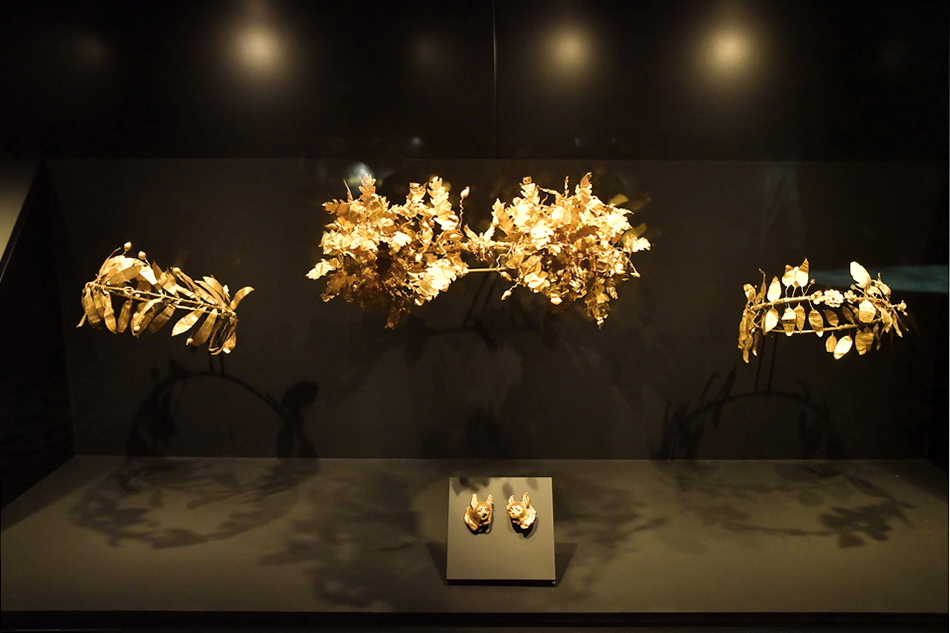
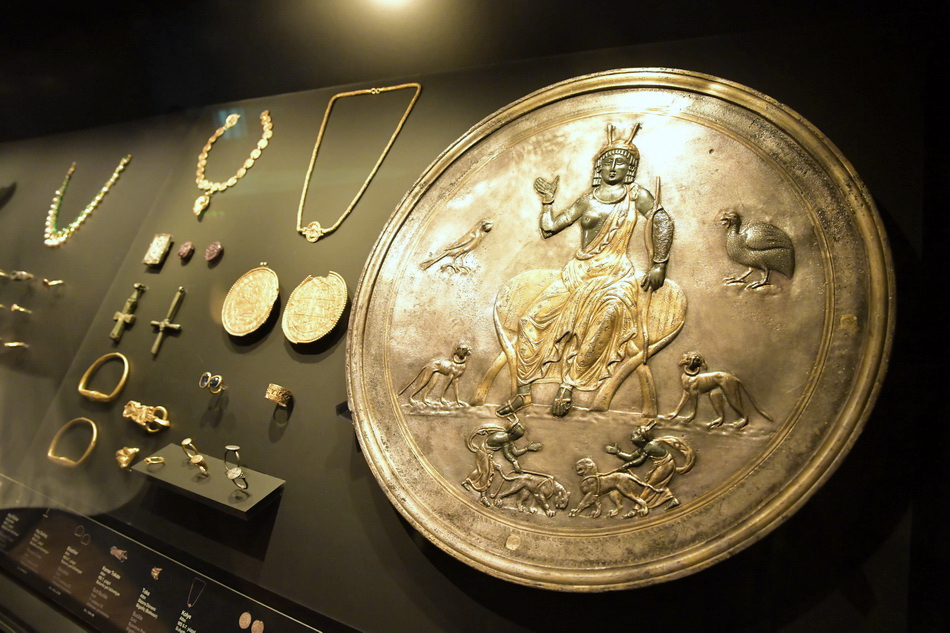
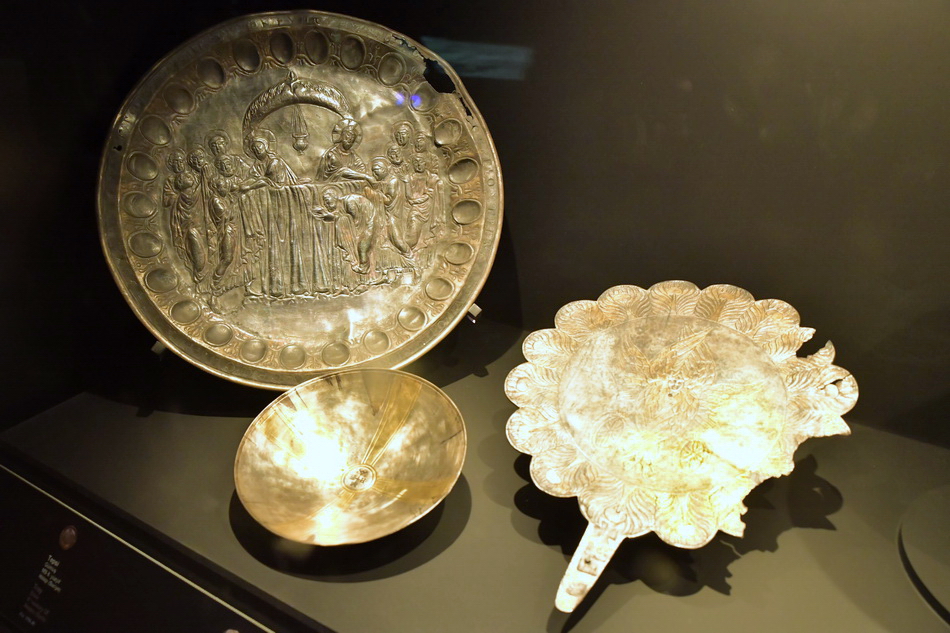
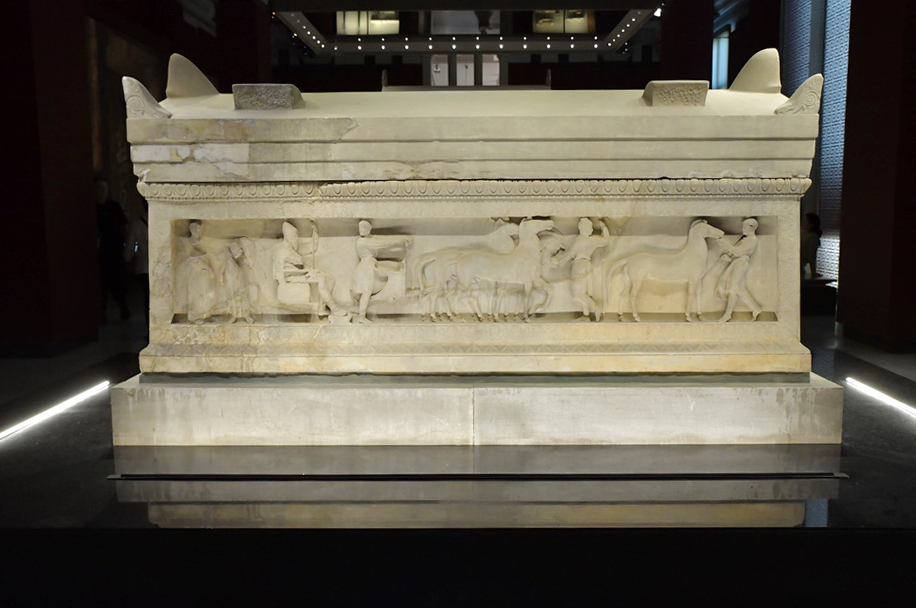
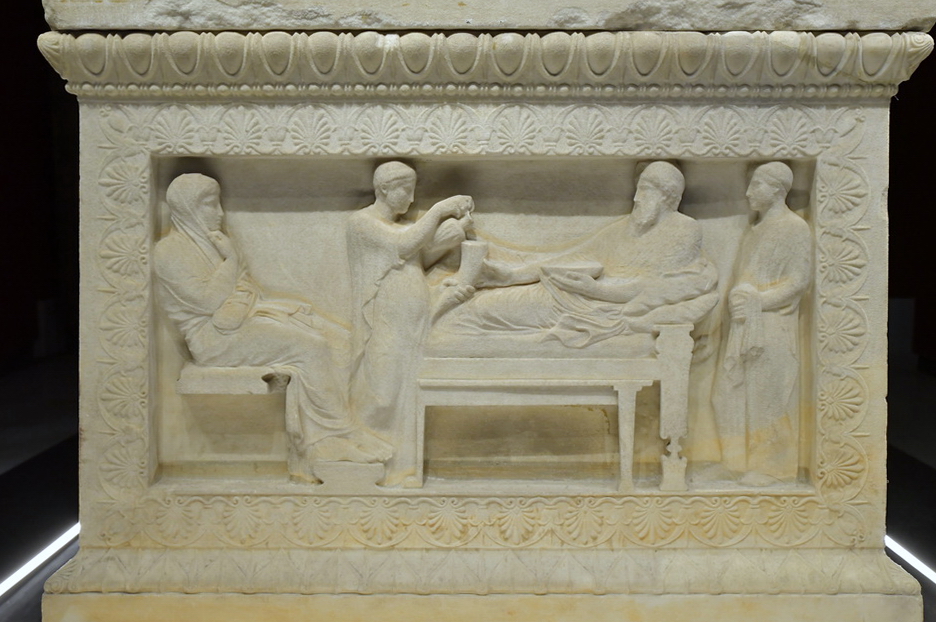
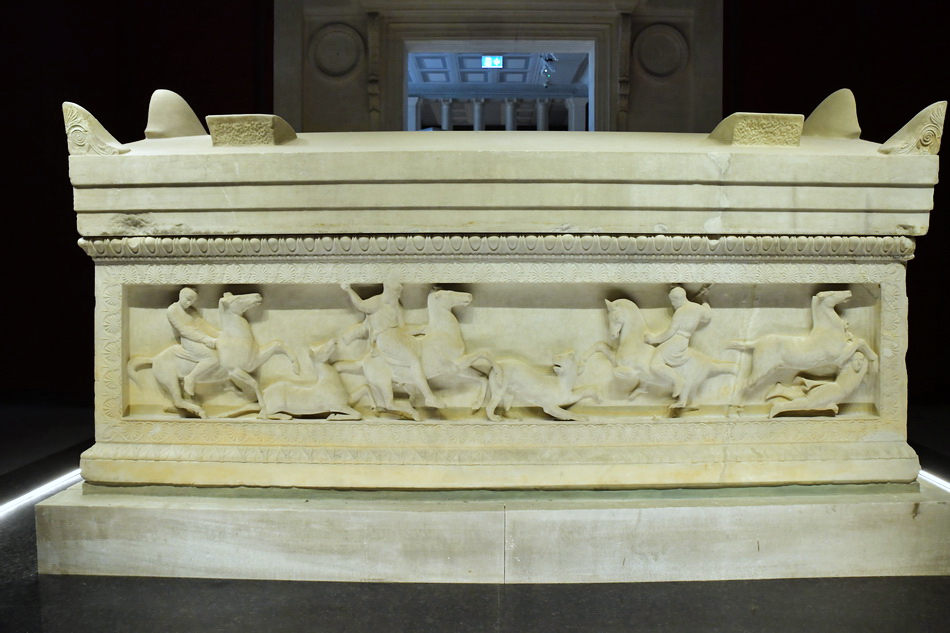
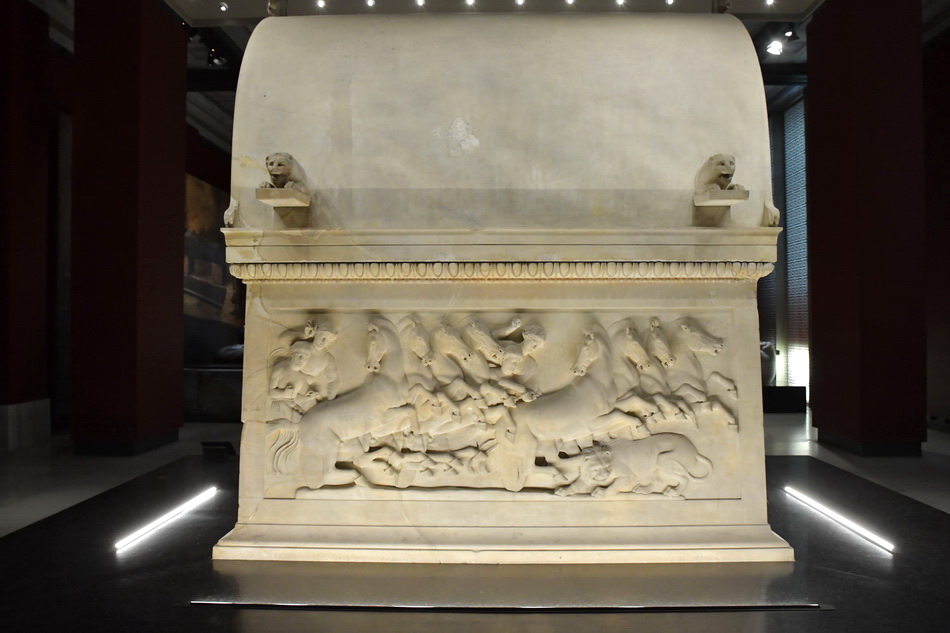
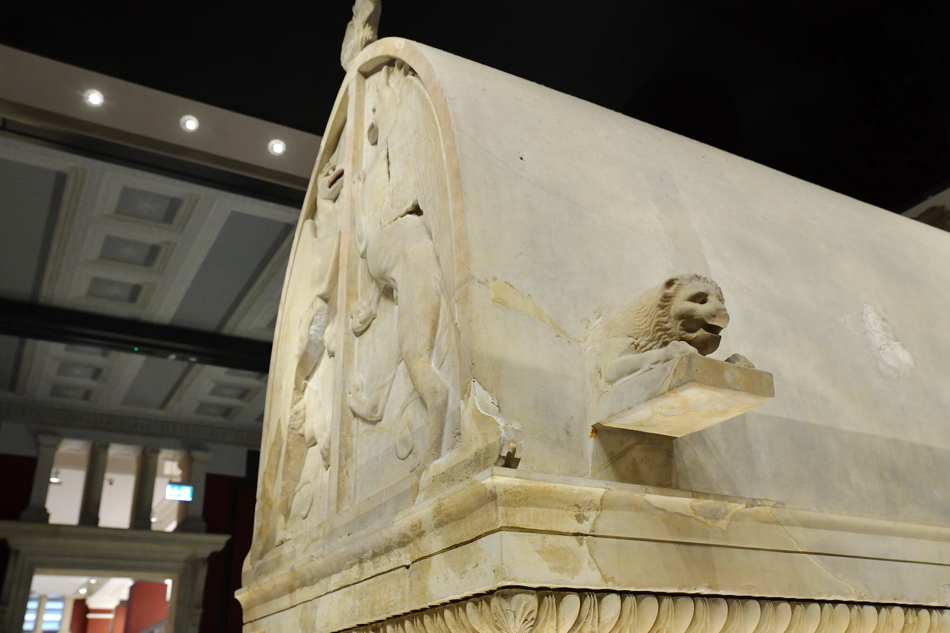
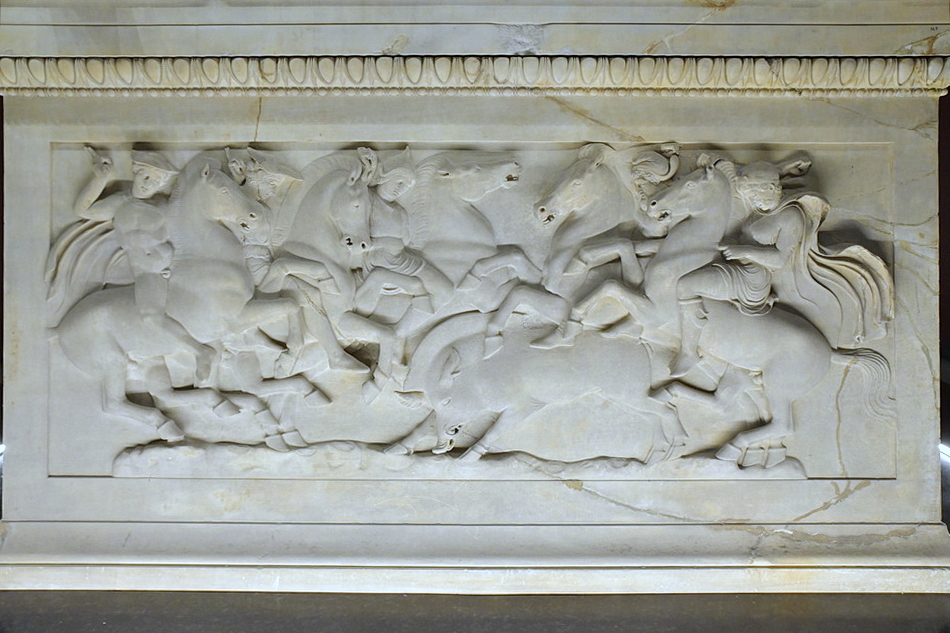
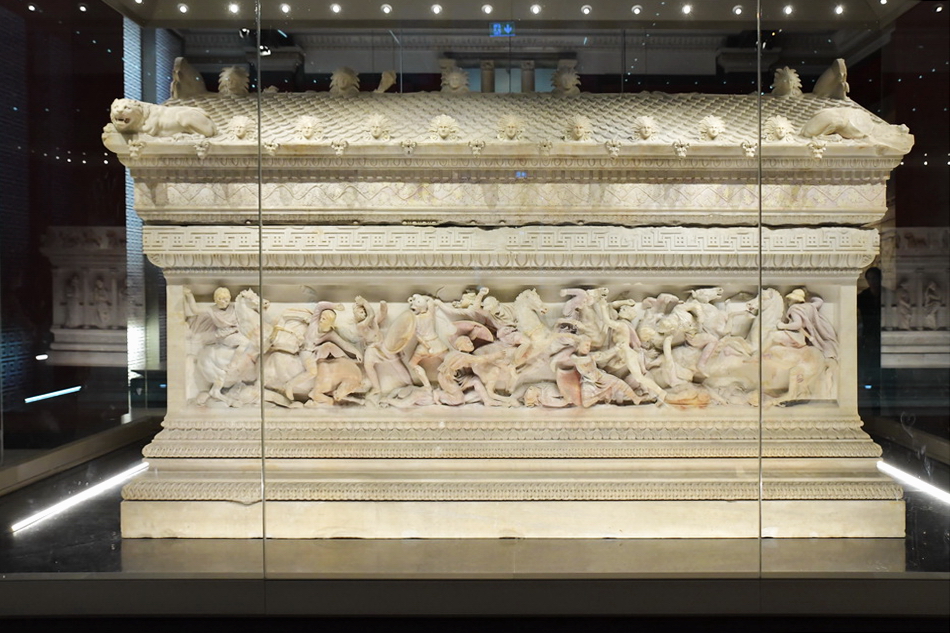
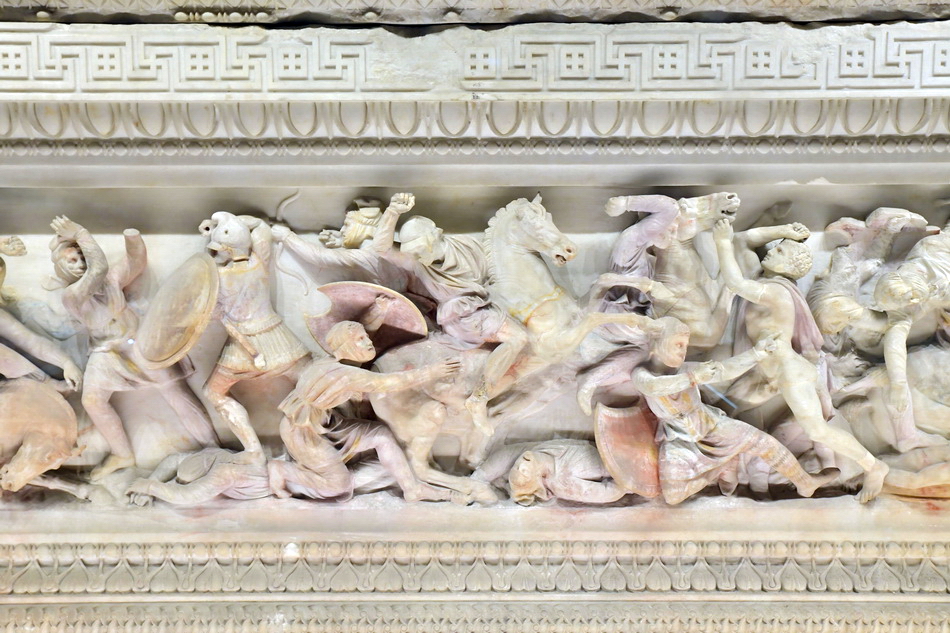
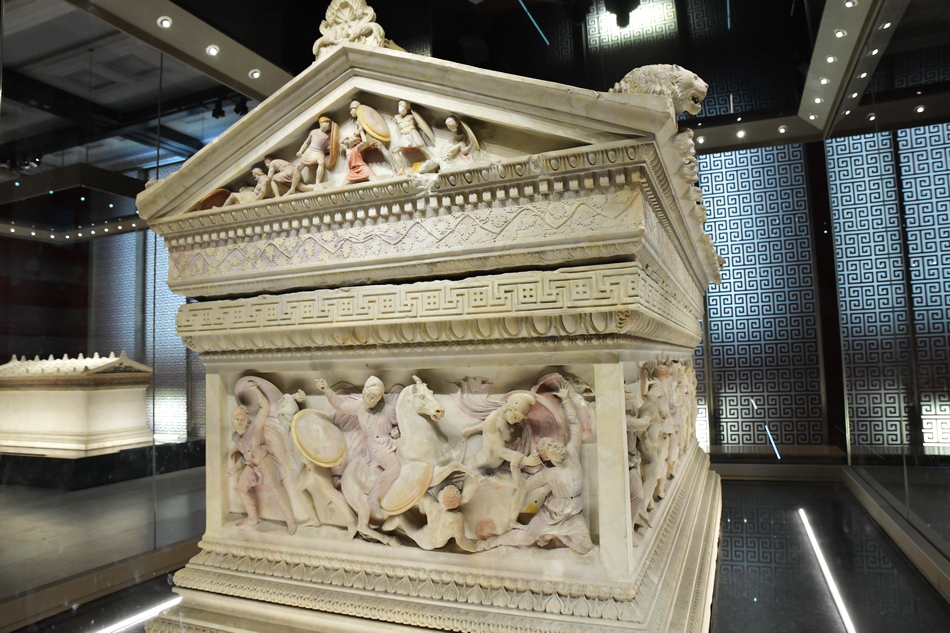
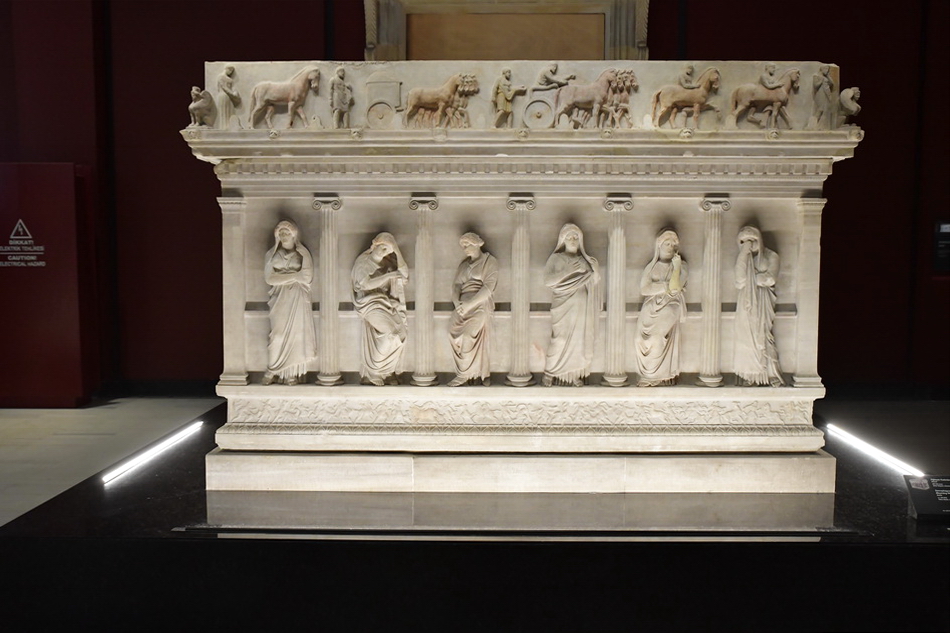
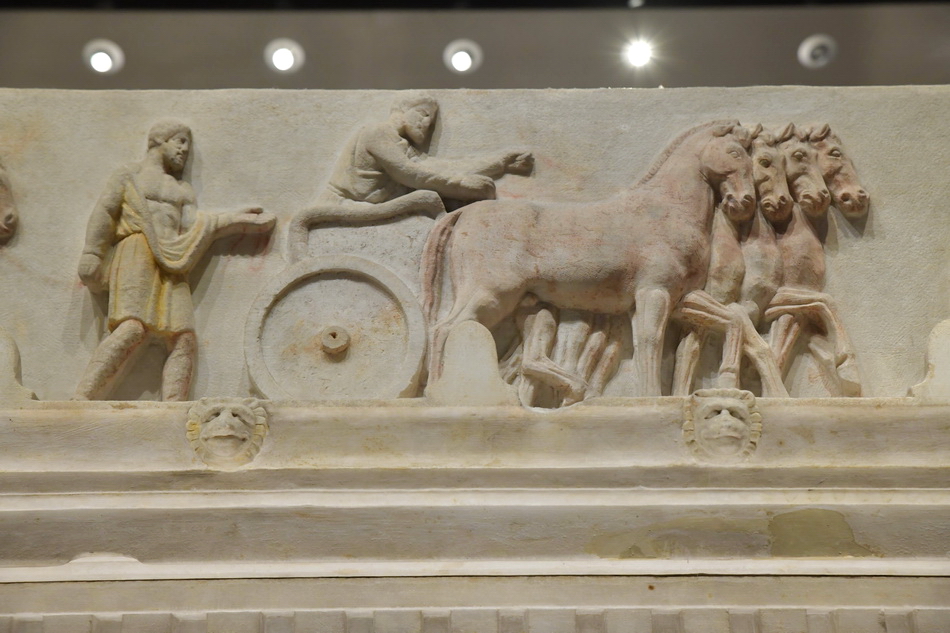
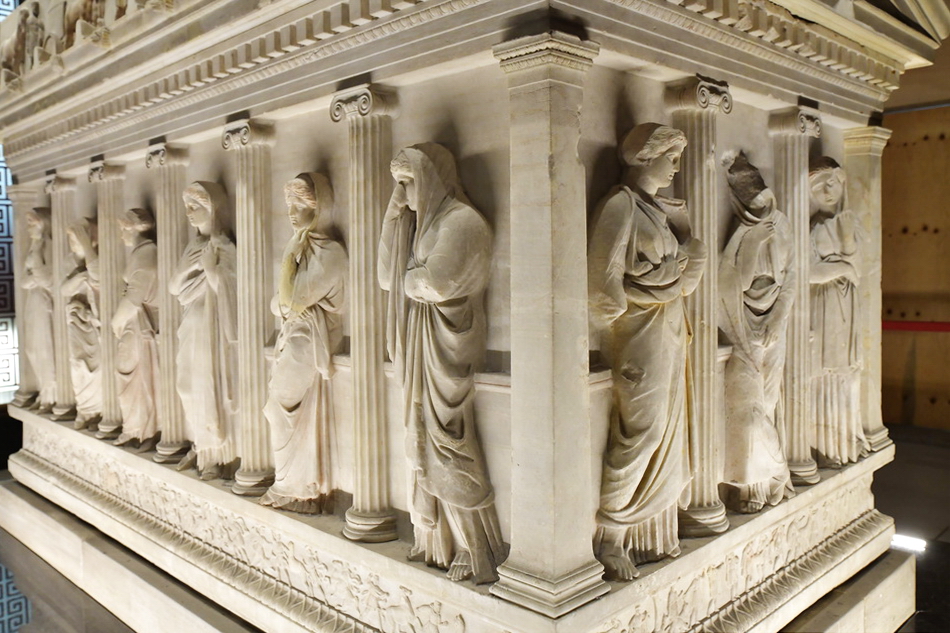
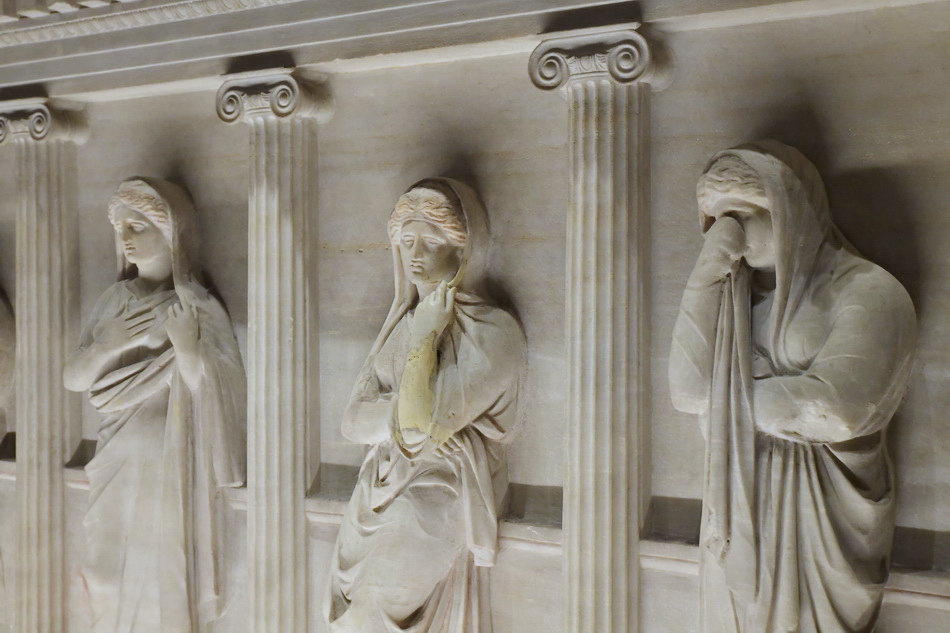
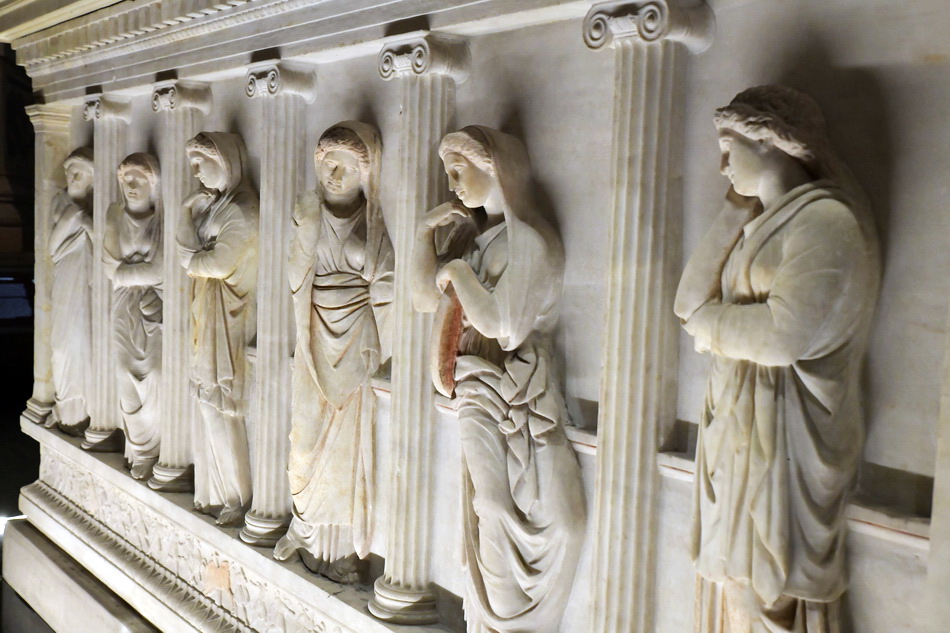
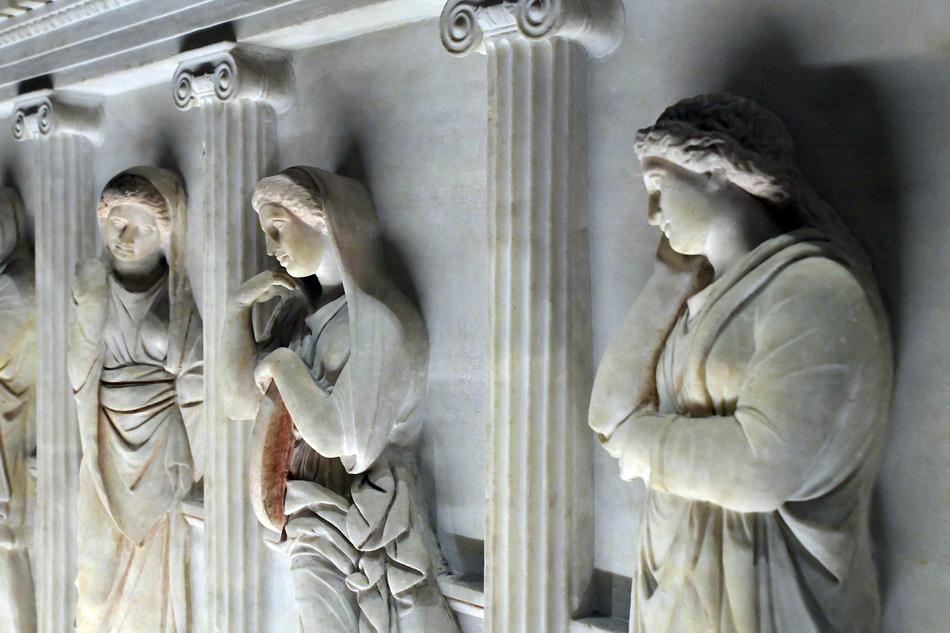
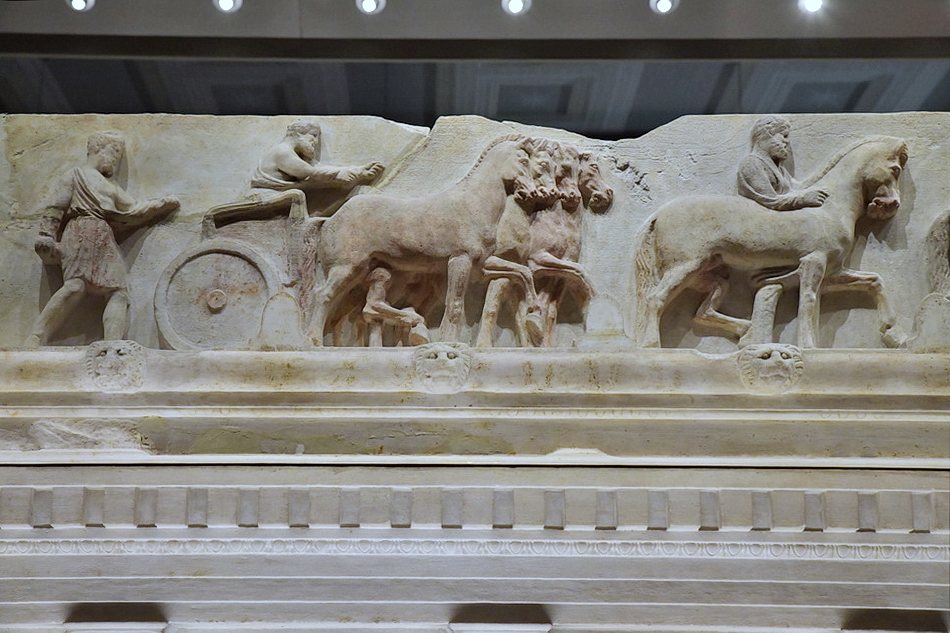
I photographed the Istanbul Archaeological Museums in October 2024. In the historic setting beside Gülhane Park, these museums bring together thousands of years of history from Anatolia, Mesopotamia and the eastern Mediterranean. Here, I encountered not only the objects left behind by past civilizations, but also traces of humanity's enduring attempt to understand itself and the world it inhabits.
The museums' origins are closely connected with the growing awareness of the need to protect cultural heritage during the final decades of the Ottoman Empire. Under the leadership of Osman Hamdi Bey, museum work entered a new phase with the main building, designed by architect Alexandre Vallaury and opened in 1891. Its monumental façade is more than the entrance to a collection: it is an architectural witness to an era when archaeology was developing as a scientific discipline.
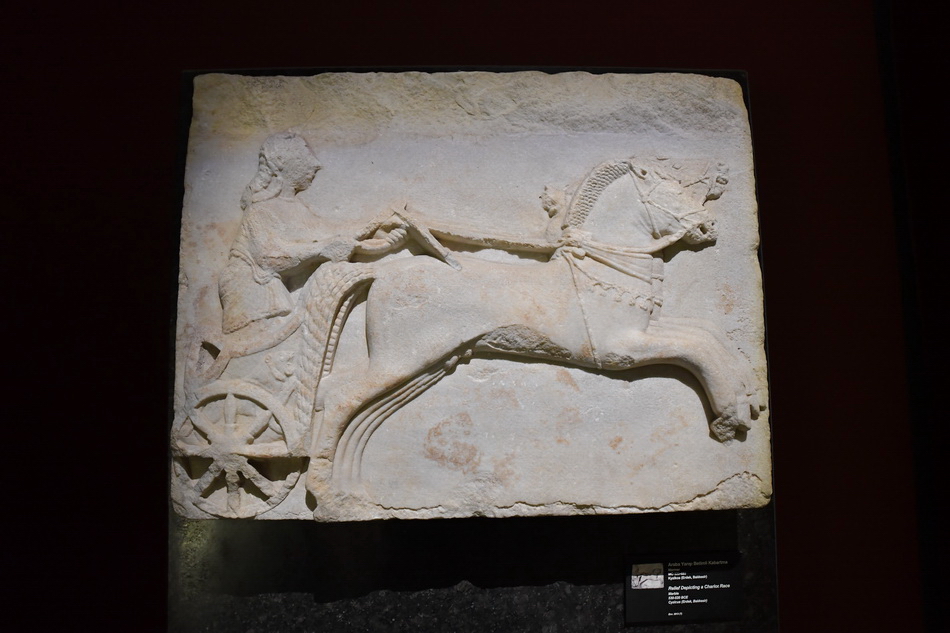
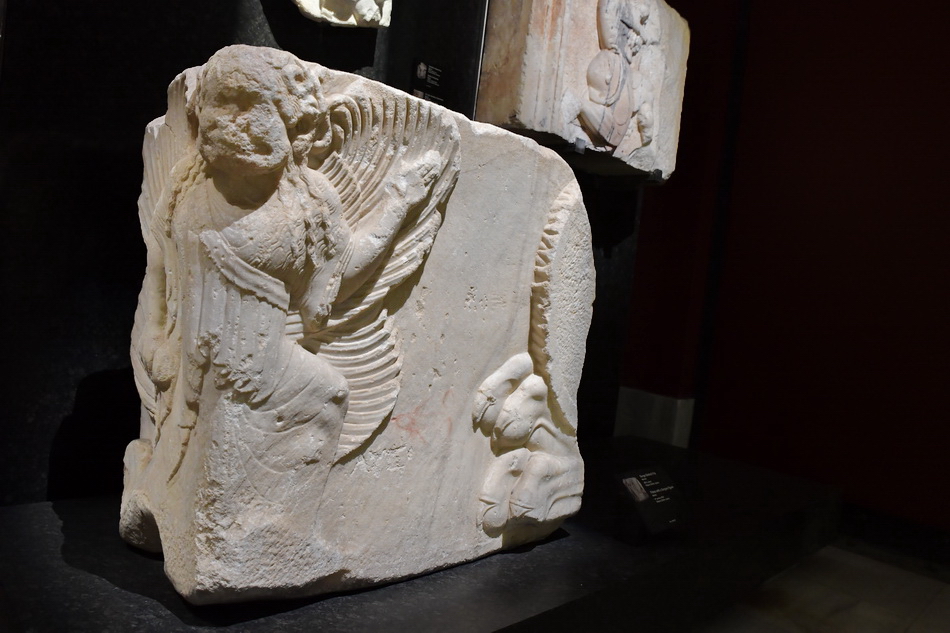
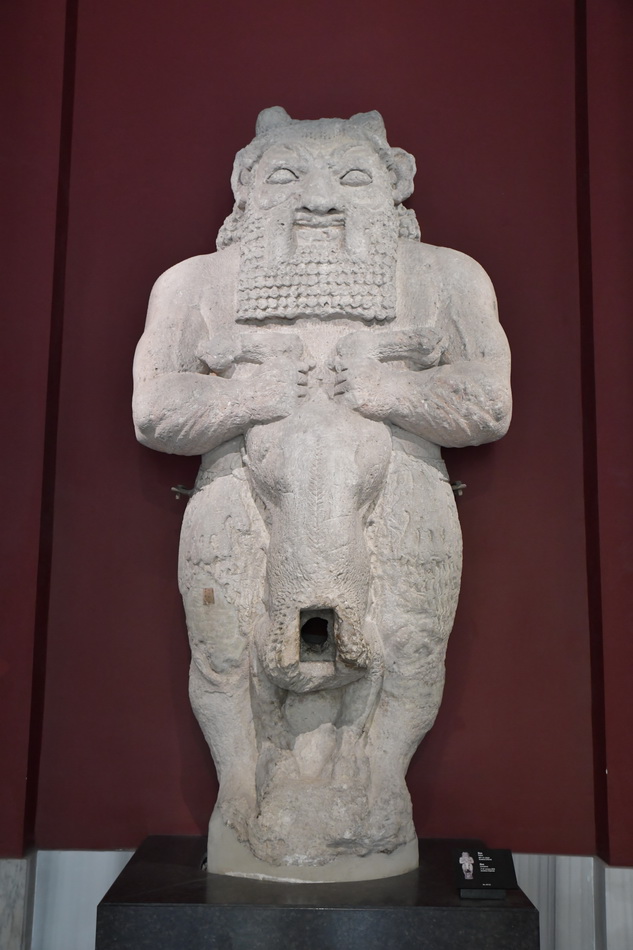
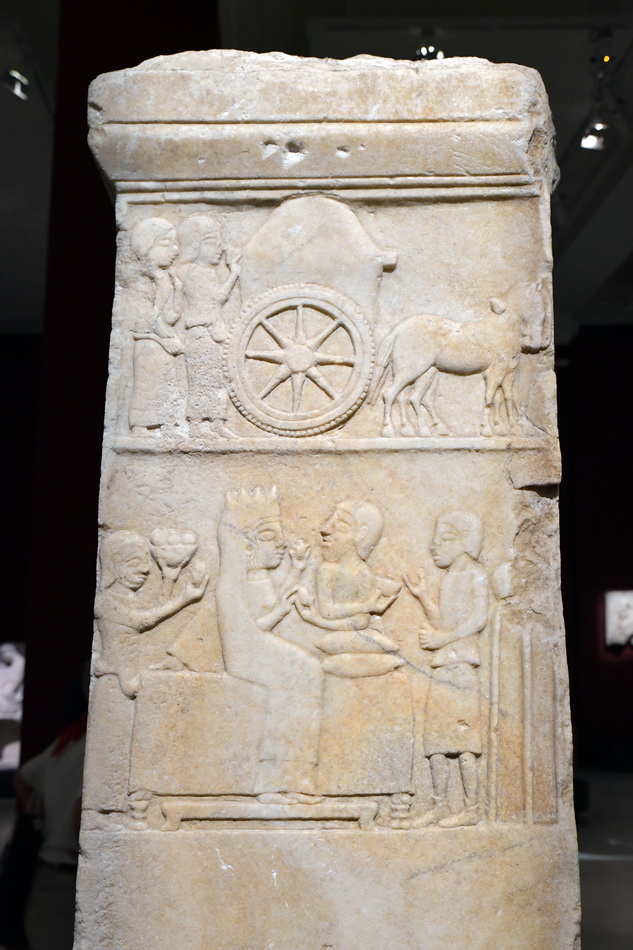
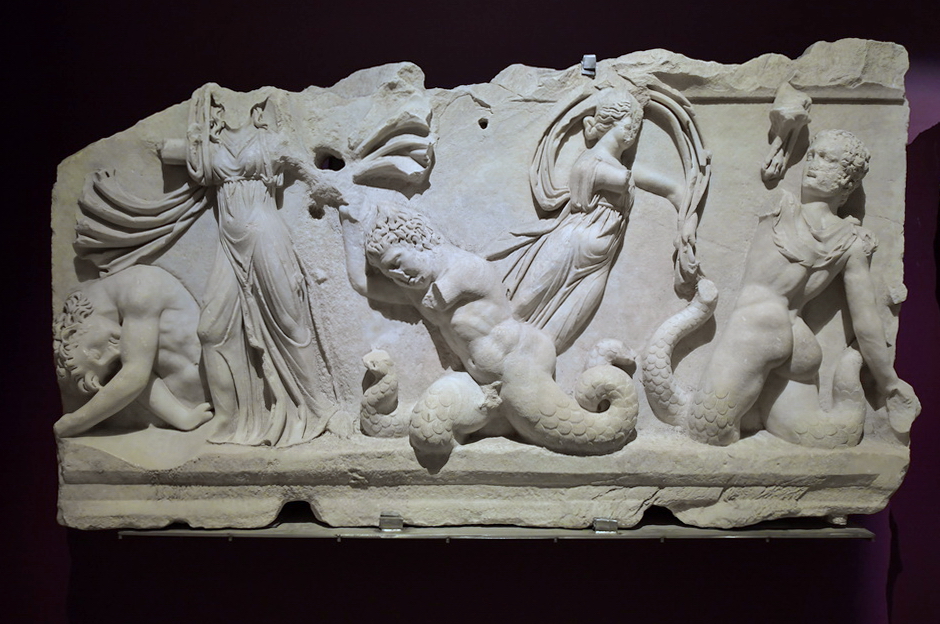
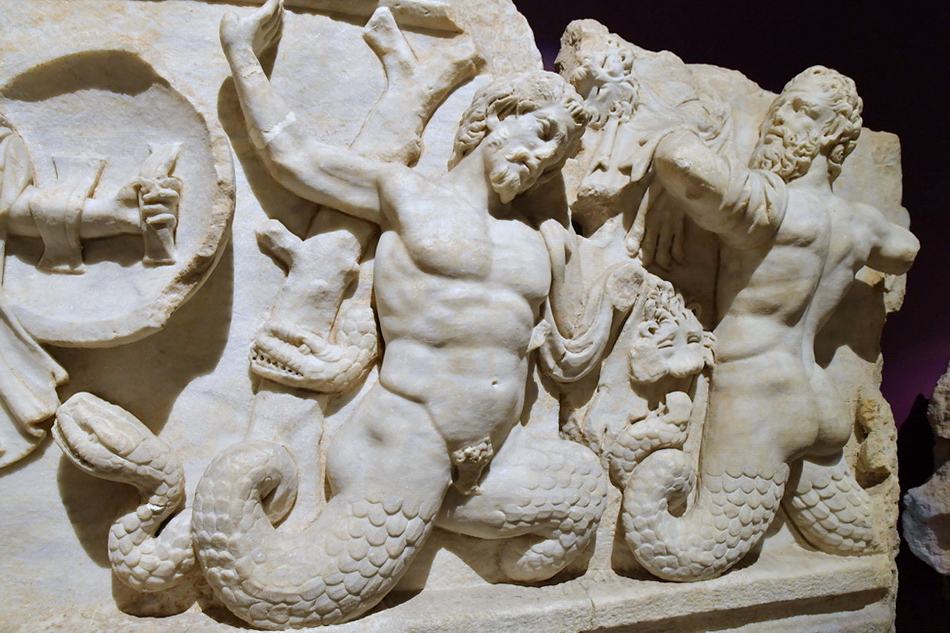
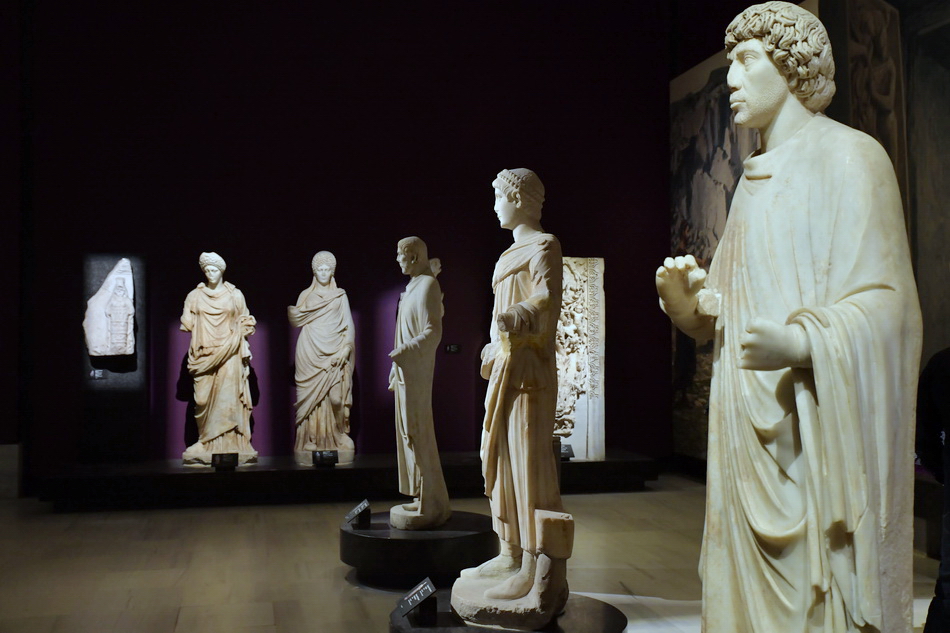
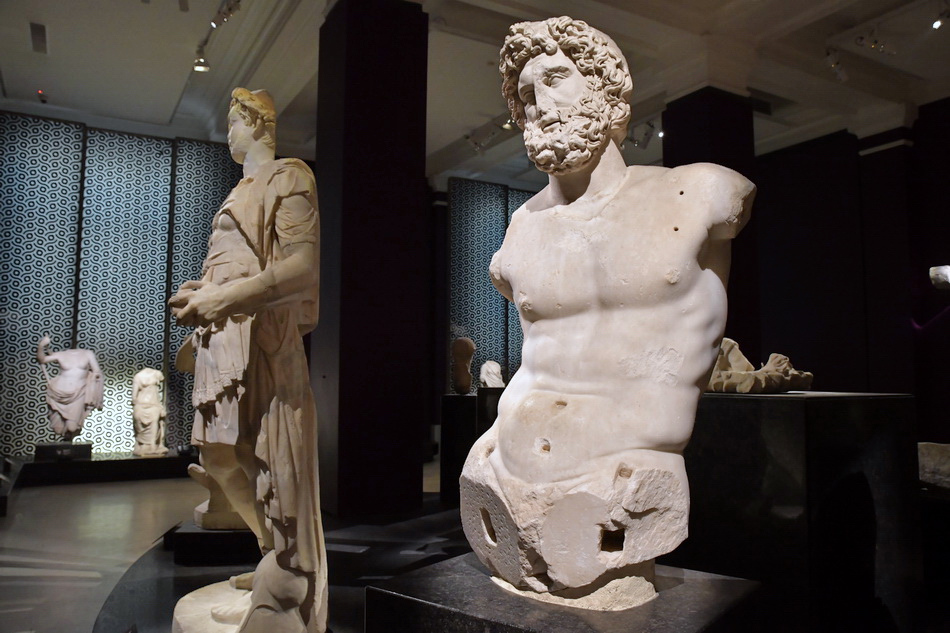
Walking through the galleries, I found myself thinking again about how stone becomes a medium of human expression. The faces of sculptures, the movement of bodies, crowded scenes in relief and imaginary creatures from mythology carry the beliefs, fears and imagination of people who lived centuries ago into the present. Sometimes I paused before a face; at other times I moved closer to a small detail in a carved surface. With my camera, I wanted not simply to record the objects but to come a little closer to the world of those who made them.
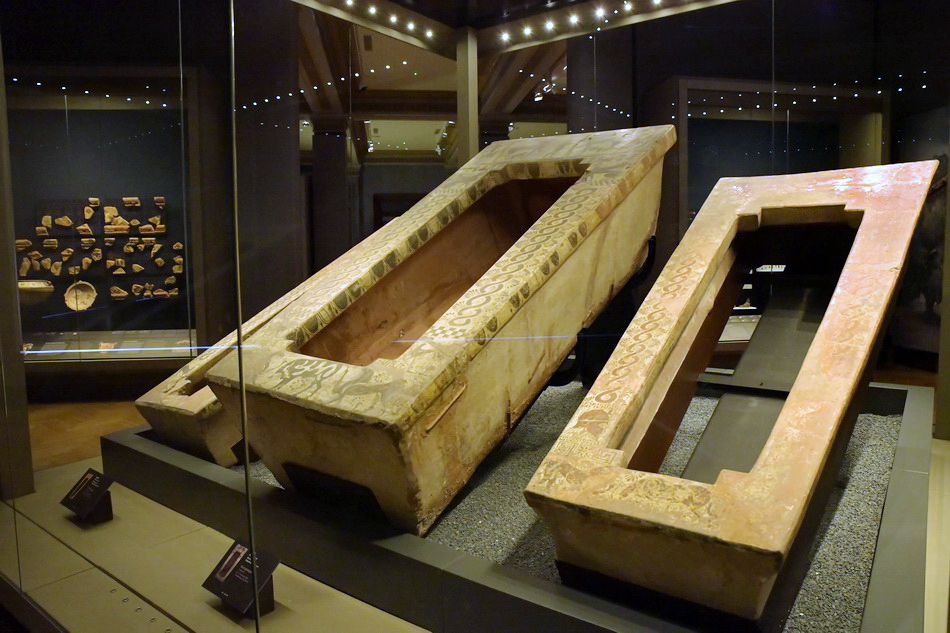
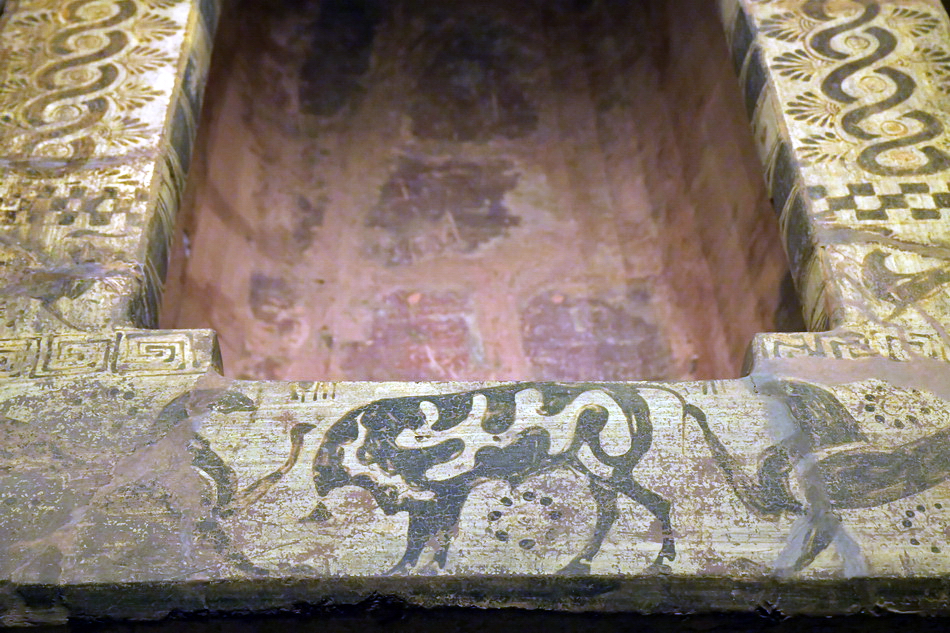
The sarcophagi and their carved reliefs held my attention for a particularly long time. Death was represented not only as an ending but through mythological stories, heroic deeds and symbols. The movement of the figures, their relationships to one another and the detail achieved by the craftsmen made these works far more than silent historical documents.
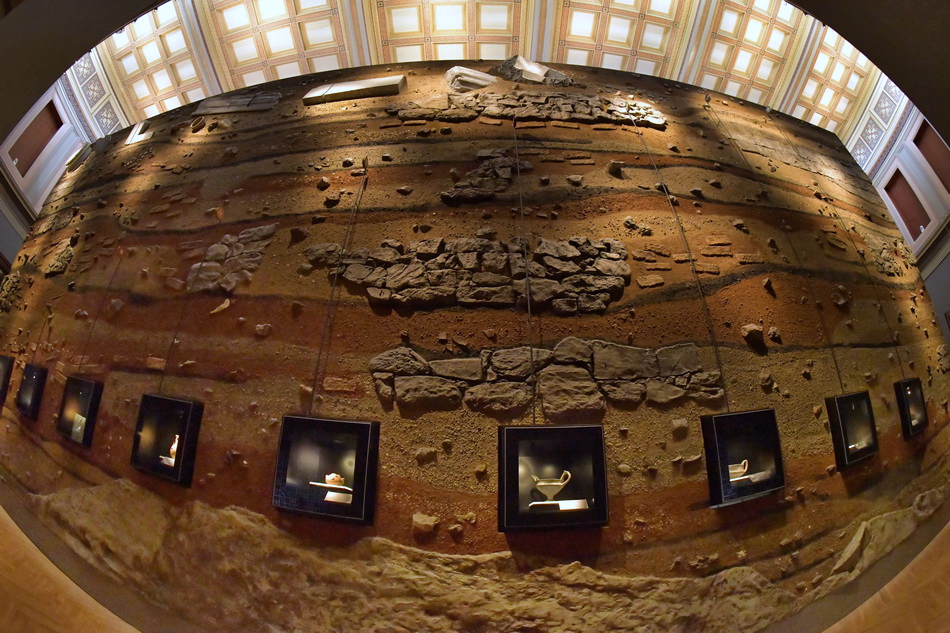
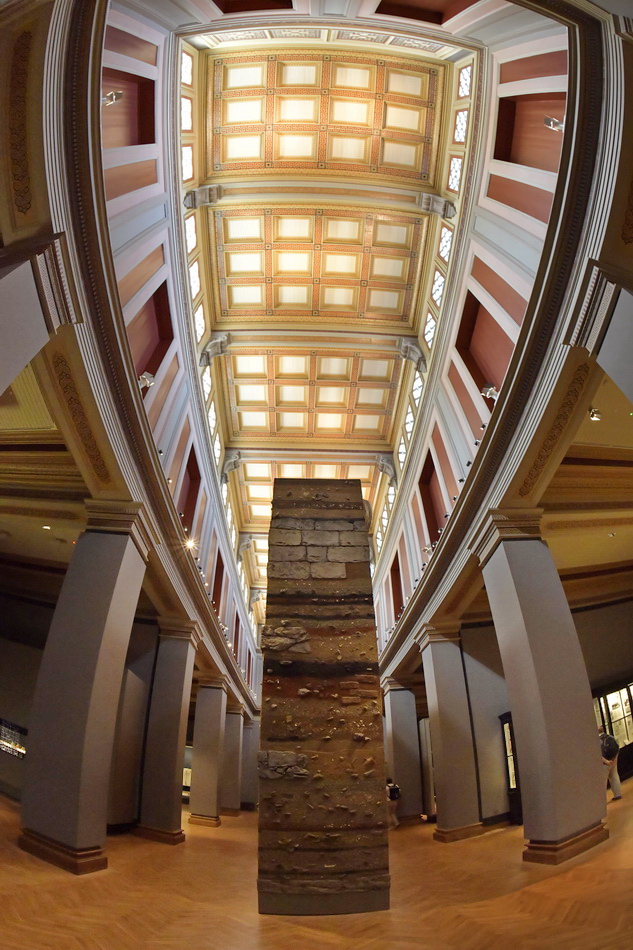
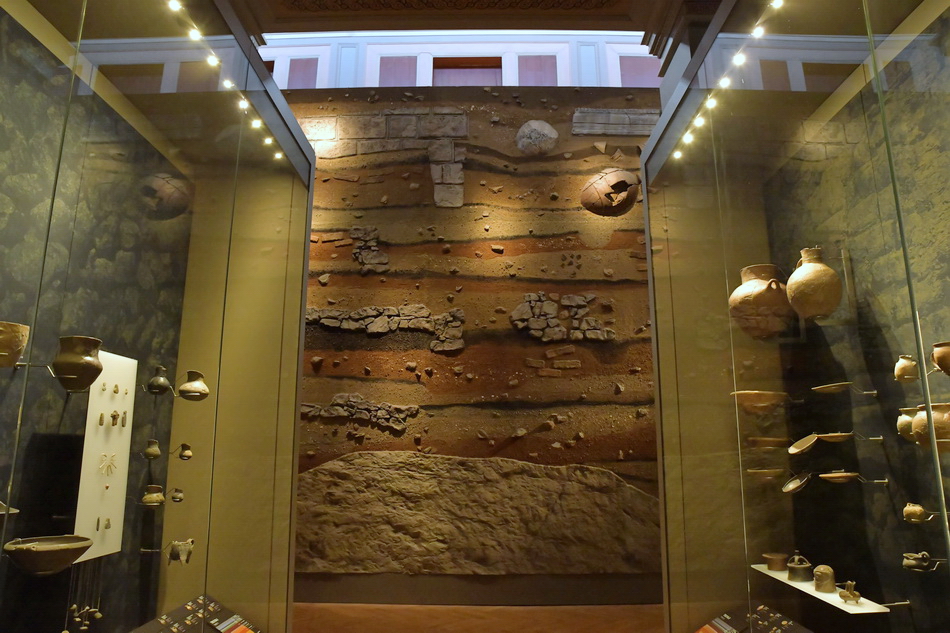
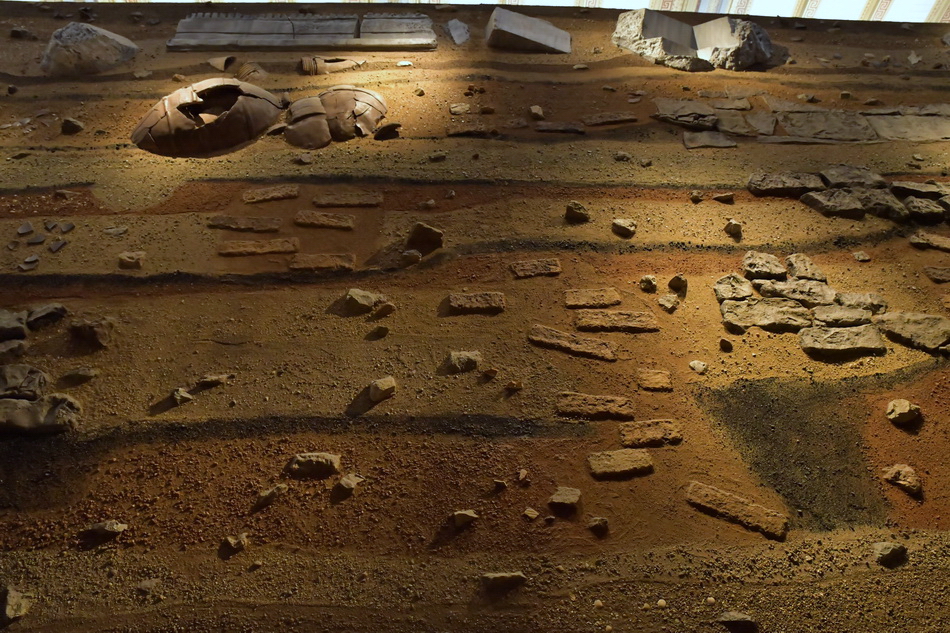
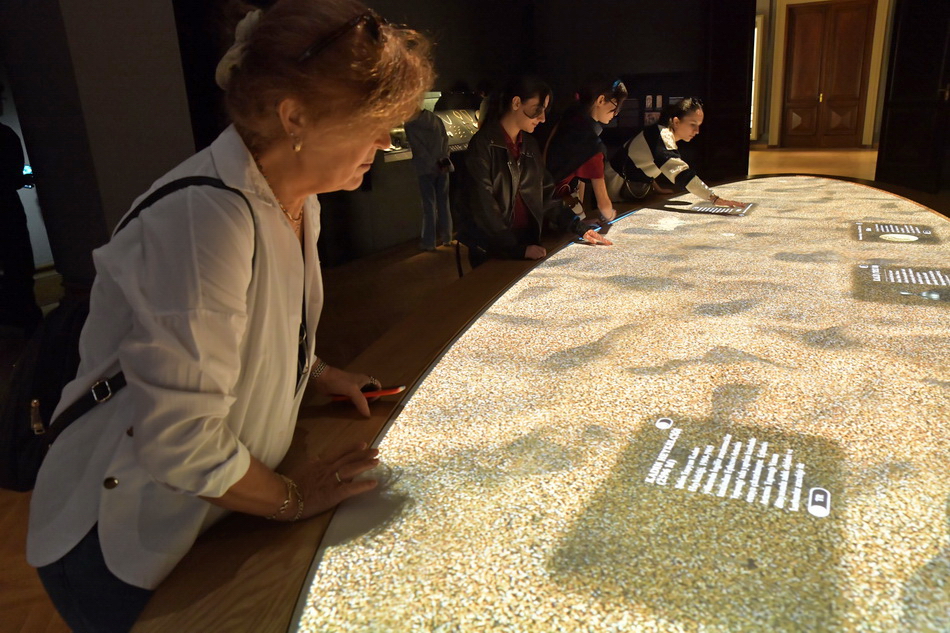
Another part of my visit that impressed me was the museum's effort to make archaeology something visitors could experience for themselves. At an interactive excavation table, visitors could try the process of digging like an archaeologist. Nearby, a wall illustrated archaeological layers at different depths and the finds associated with them. I had not encountered similar installations in the museums I had visited before. They invited me to think about the journey an object makes before reaching a display case. Here, archaeology meant not only exhibiting the remains of the past but also explaining how we come to know that past.
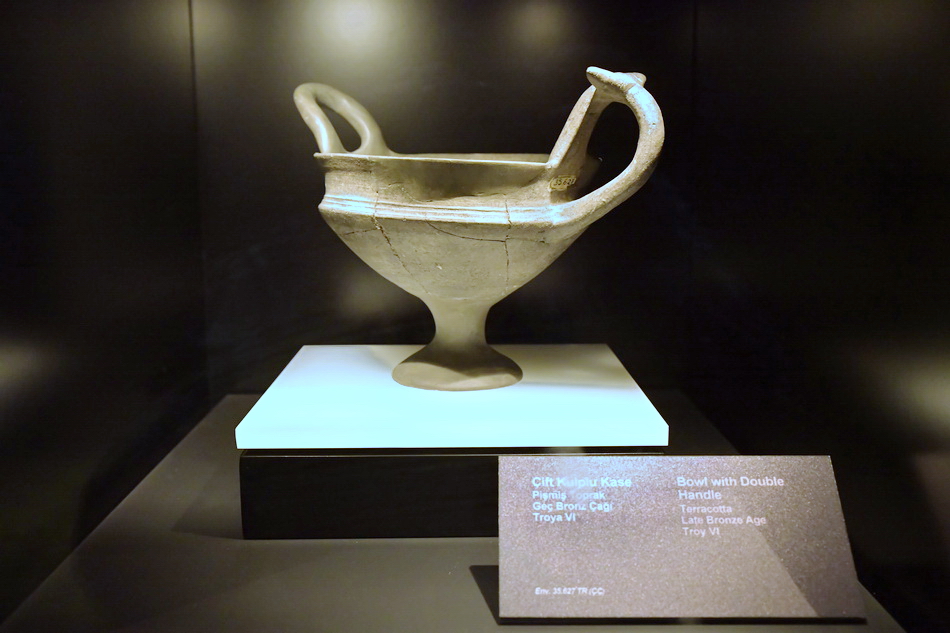
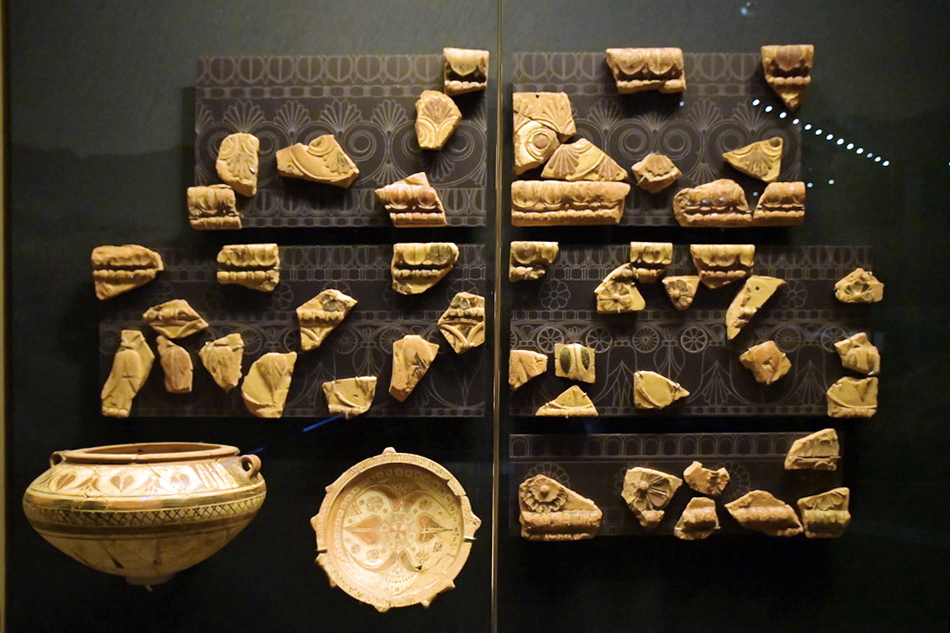
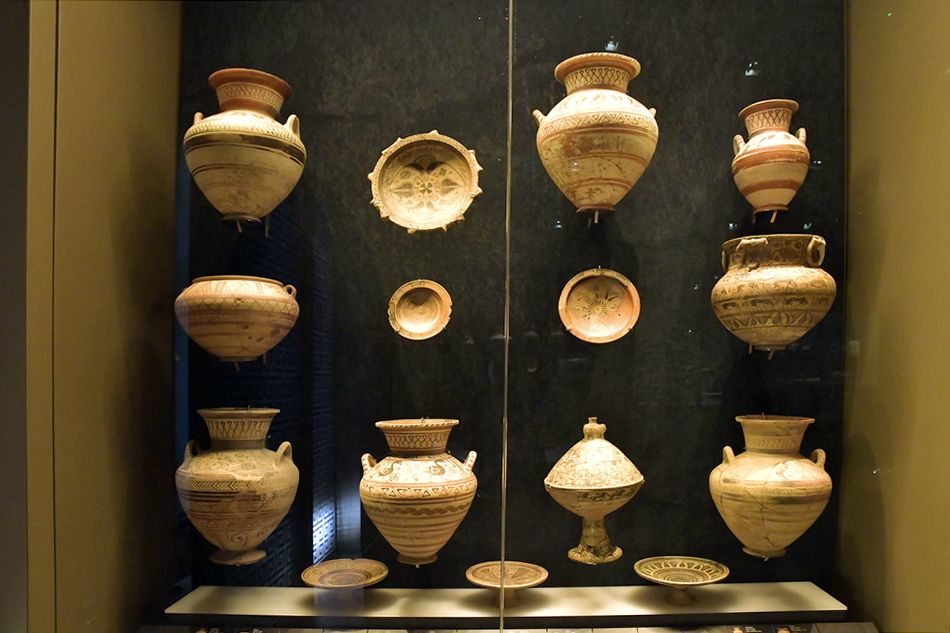
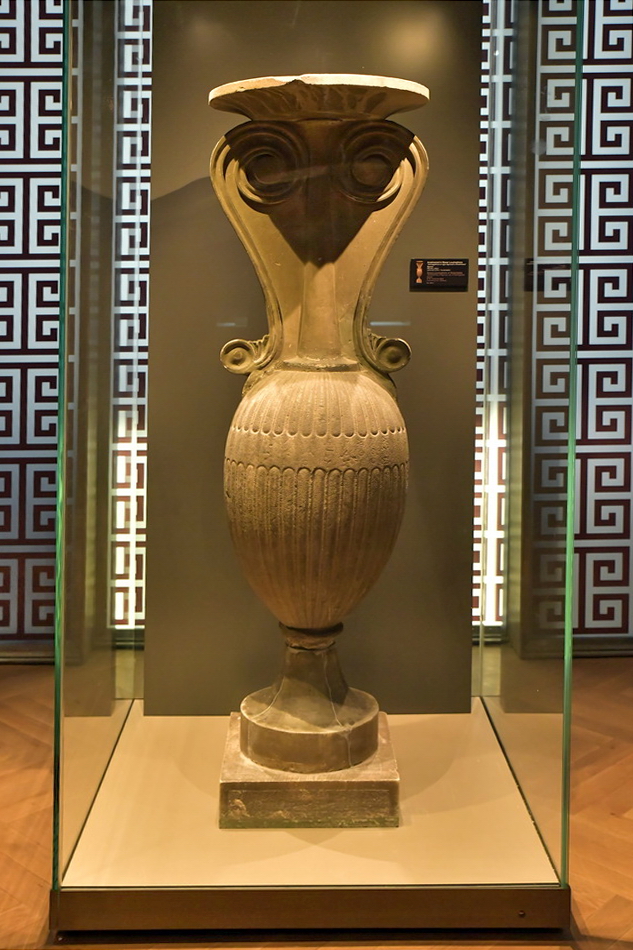
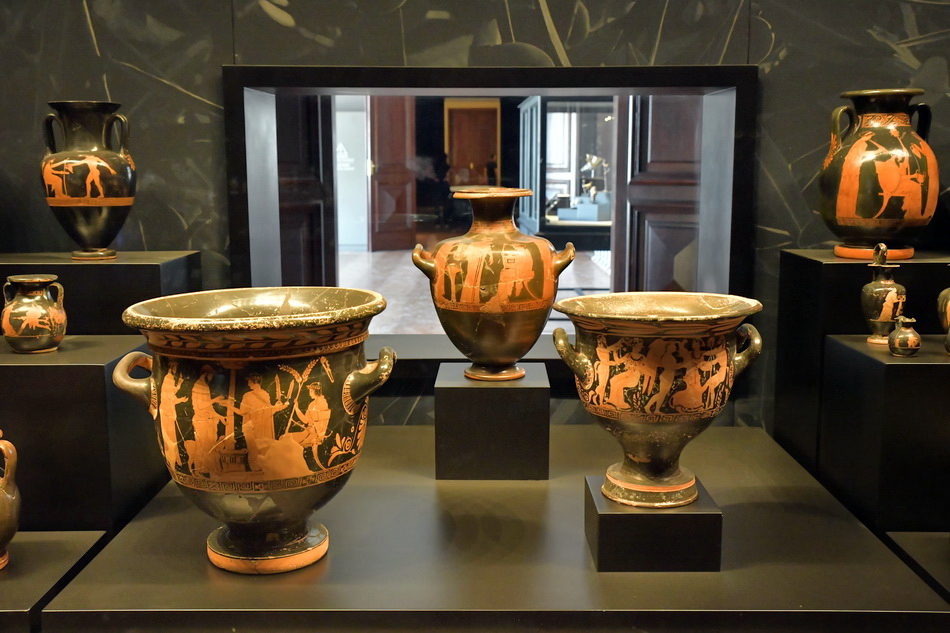
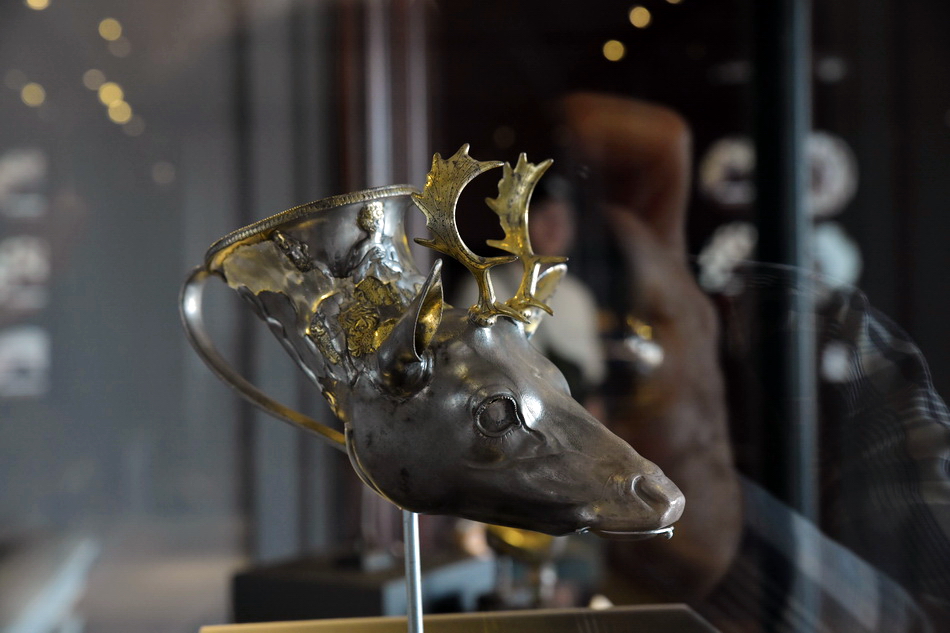
Alongside monumental sculptures, I also photographed smaller finds, pottery, ornaments and objects that preserve traces of everyday life. A civilization's story is not told only by rulers, wars and great buildings. A small vessel, a piece of jewellery or a mark left on stone can be an equally meaningful witness to lives once lived.
At the end of my visit, I returned to a familiar thought: archaeological museums reveal how people separated by vast stretches of time belong to a shared human story. An invisible connection forms between the craftsman who carved a sculpture thousands of years ago and the visitor standing before it today. Photography becomes my own testimony to that encounter, in my own time.
I see the photographs I made at the Istanbul Archaeological Museums in October 2024 not merely as images of remarkable artefacts, but as traces of a personal journey between past and present.