
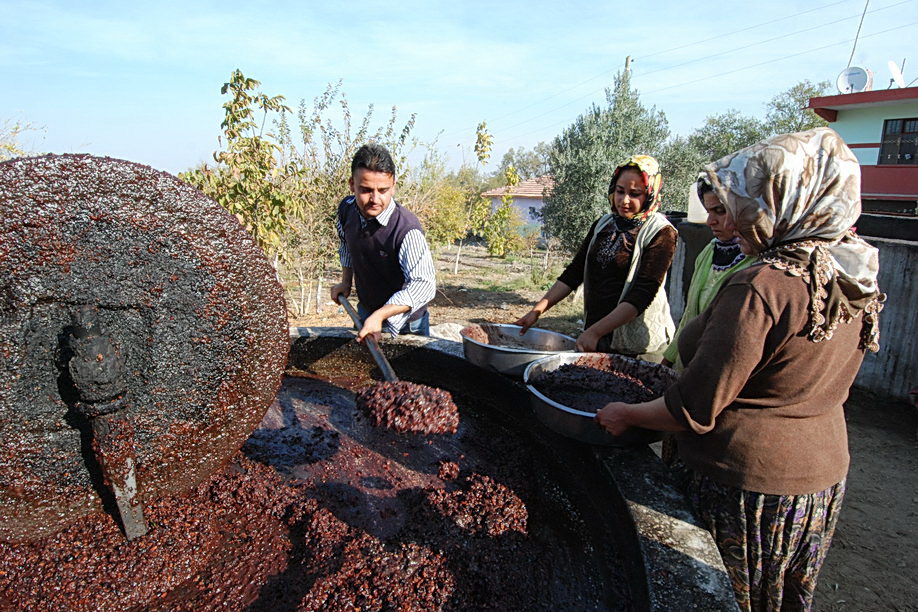
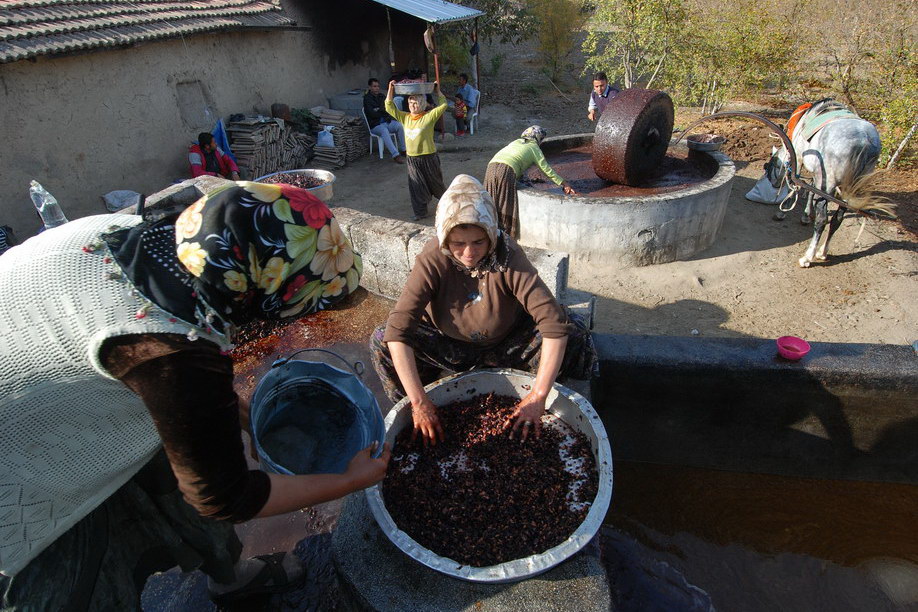
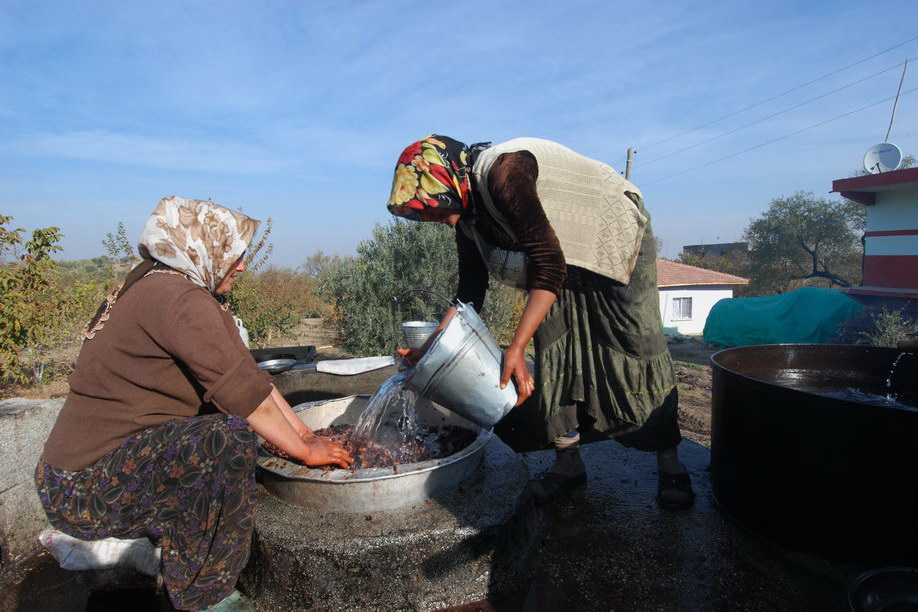
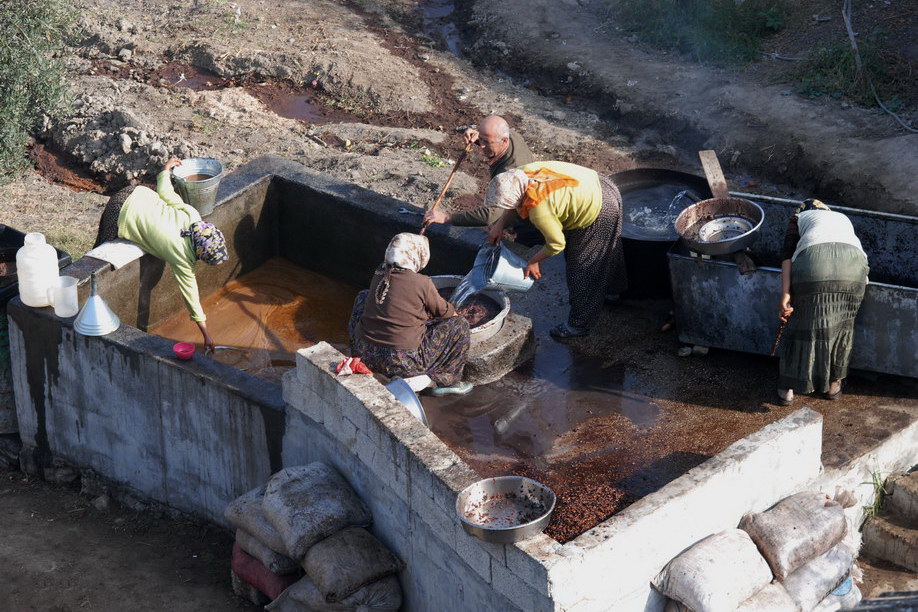
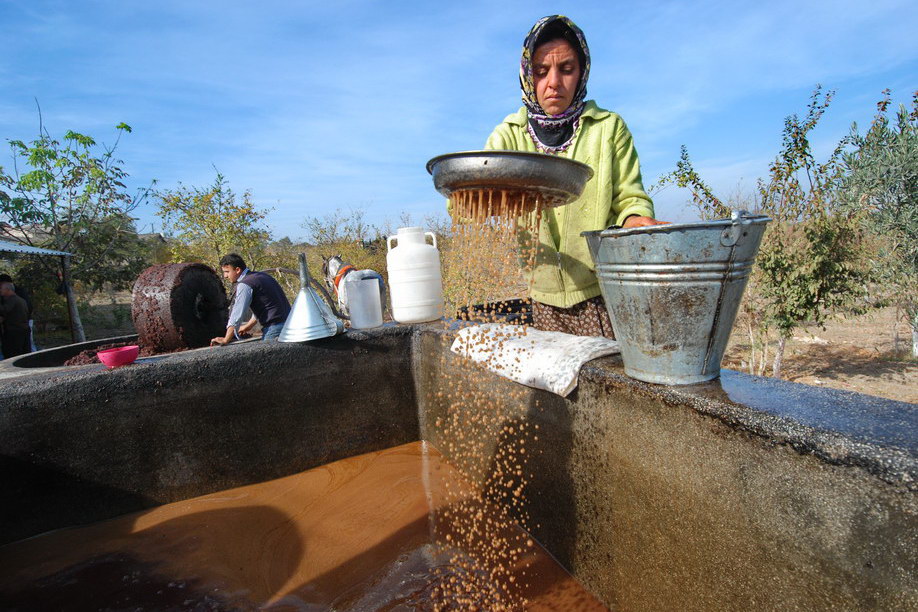
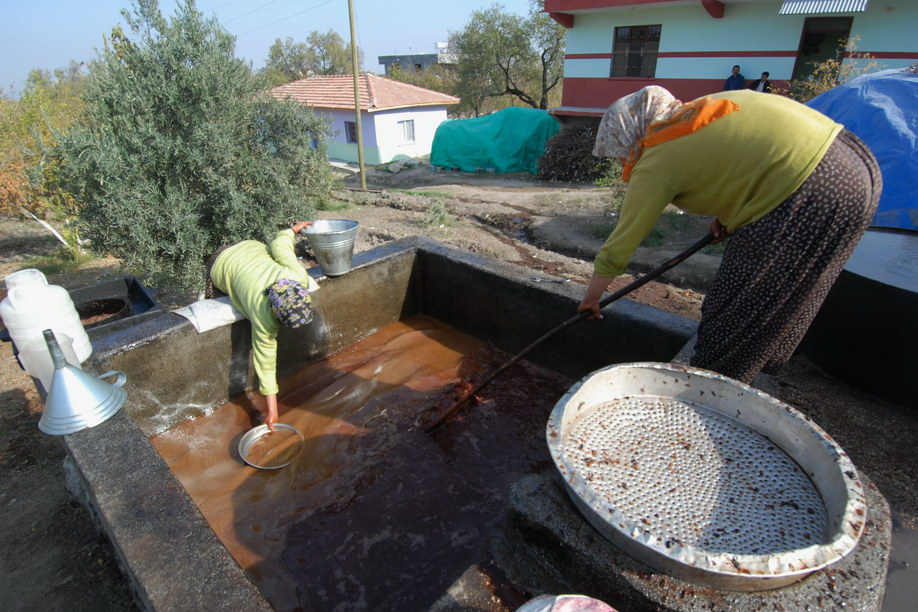
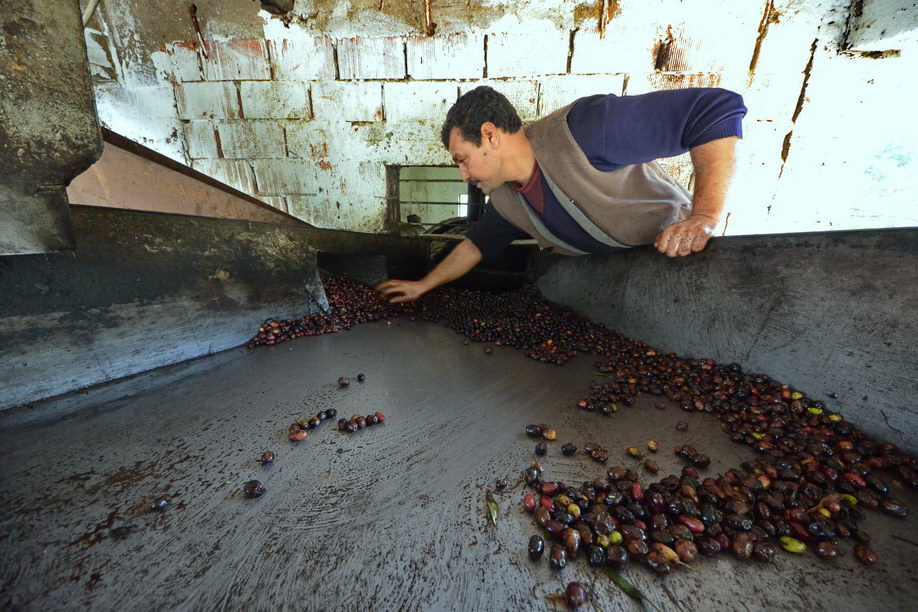
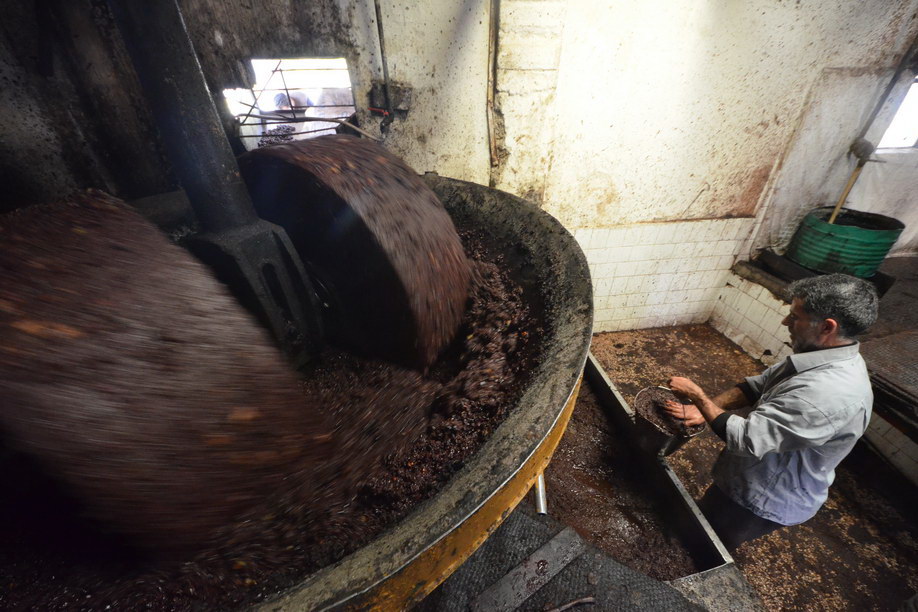
Between 1994 and 2013, I photographed traditional olive oil production in villages of the Aegean region and around Antakya. The methods varied from one place to another, but they shared a dependence on physical labour, simple machinery and knowledge passed from one generation to the next. In small mills, olives harvested during the colder months were brought in from the groves and transformed into oil through a succession of slow, demanding tasks.
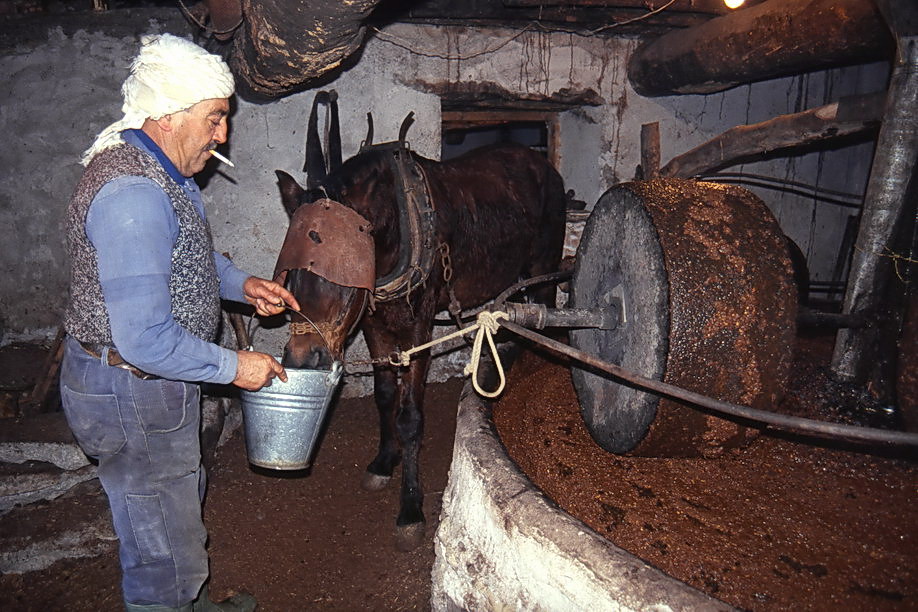
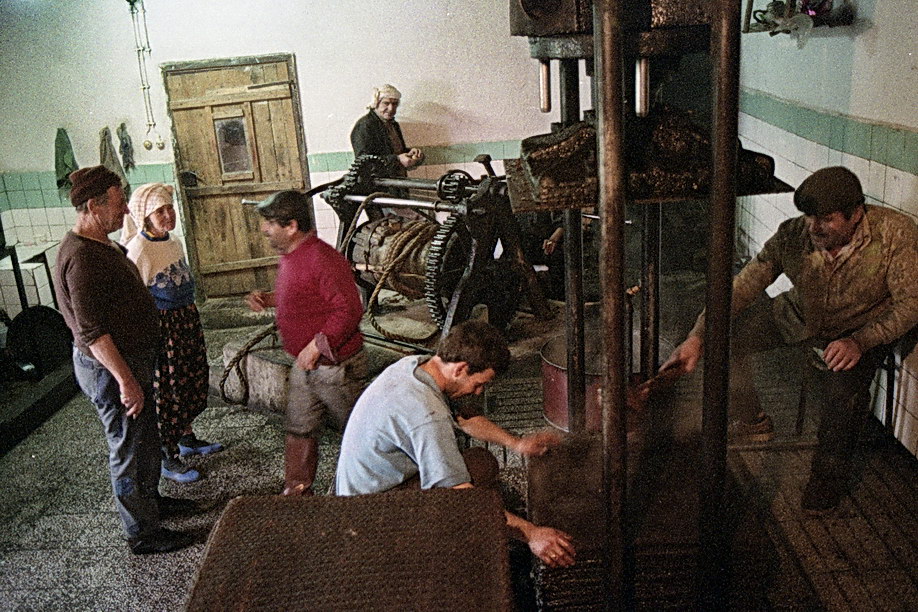
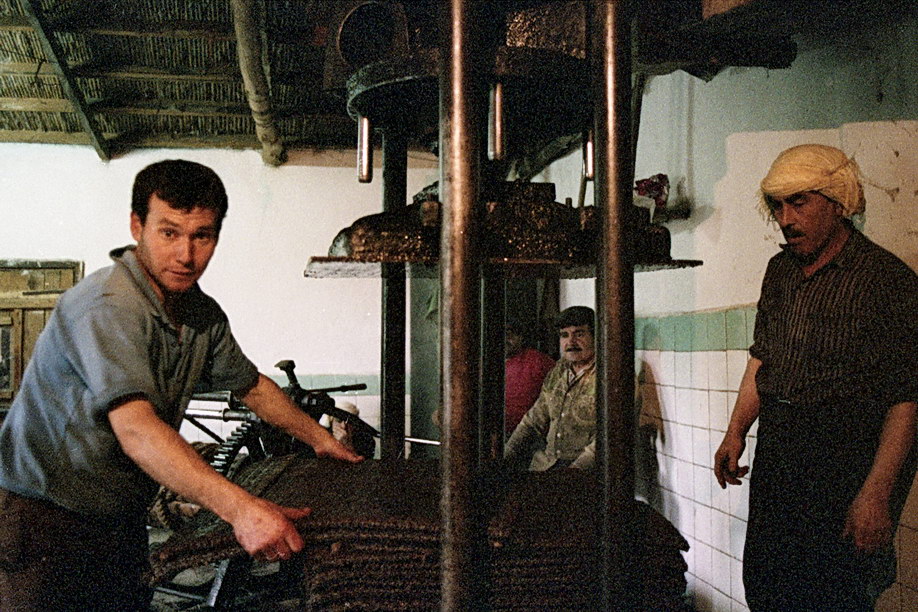
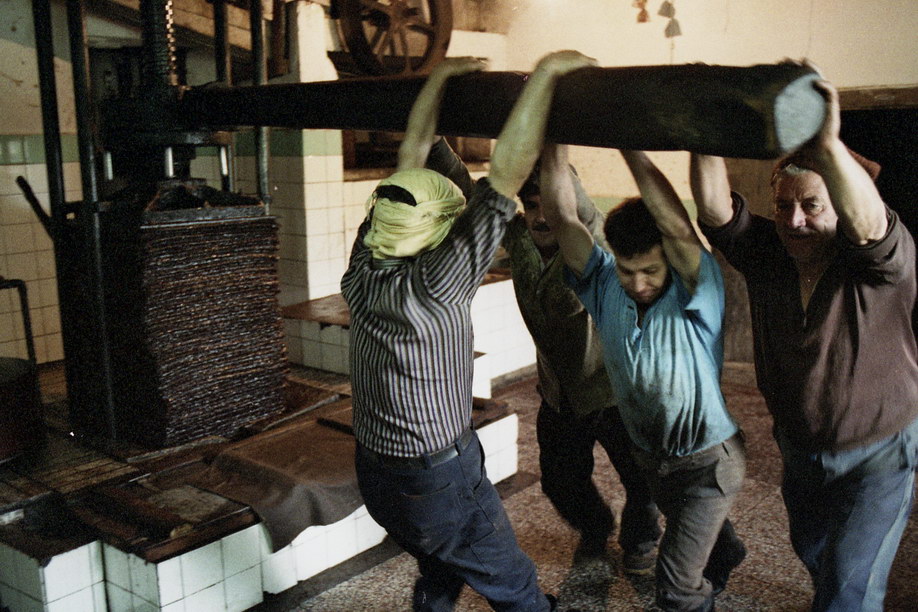
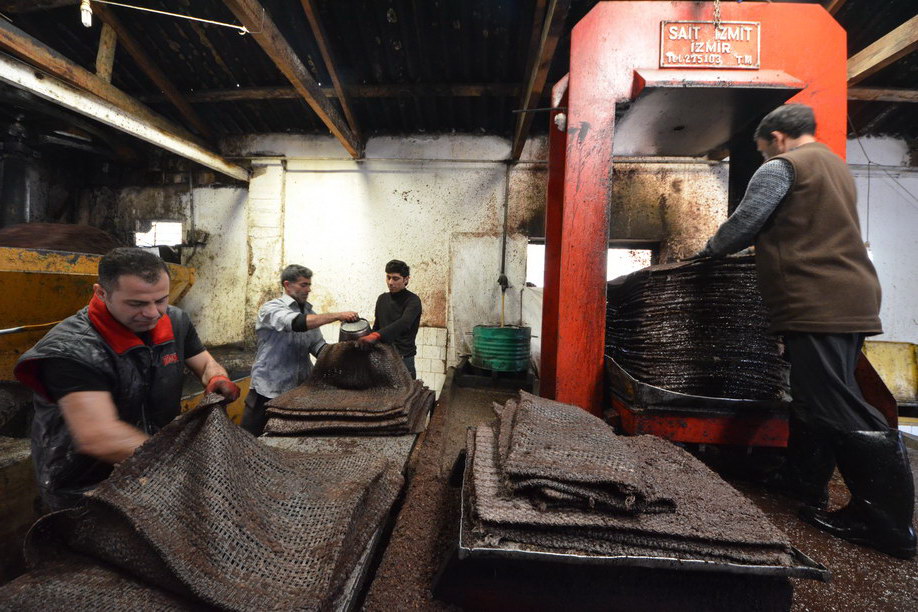
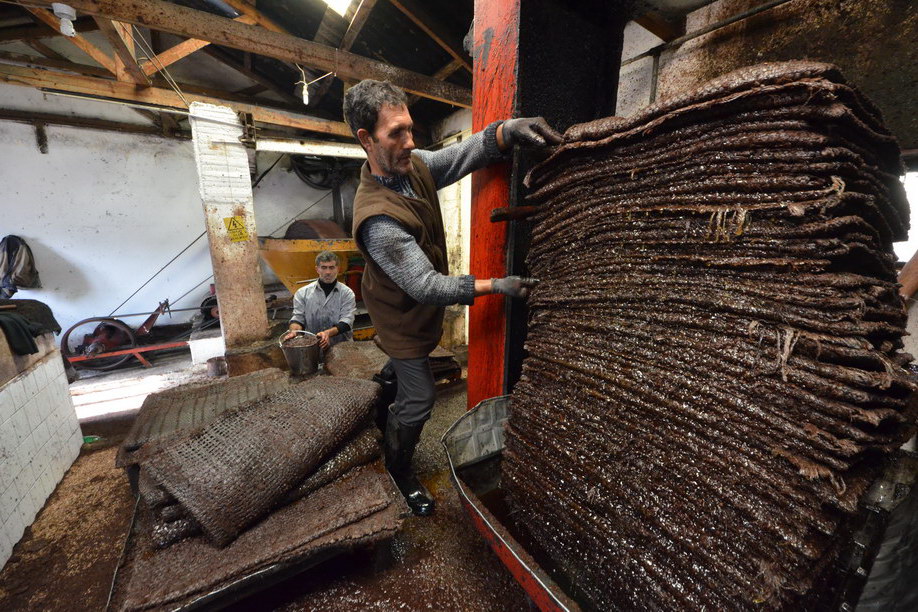
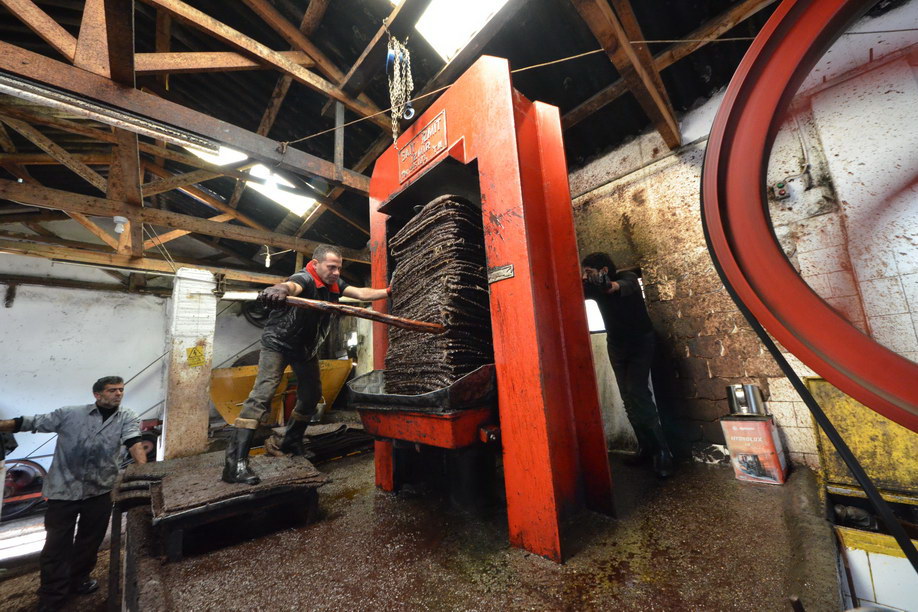
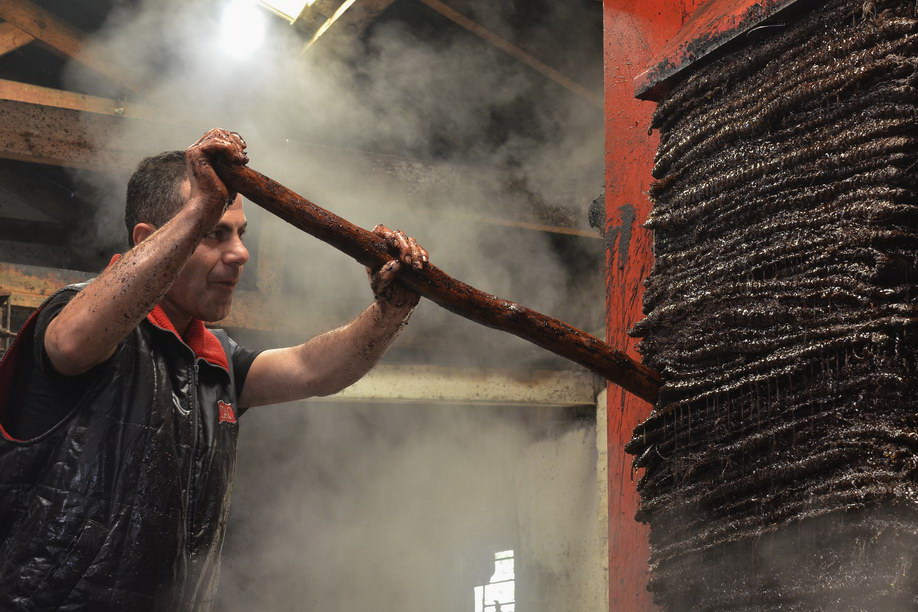
In some of the workshops I visited, a horse or donkey turned the heavy stone mill that crushed the olives into a paste. The paste was then placed in sacks or pressing mats and subjected to pressure, sometimes with hot water added during extraction. Men worked the presses by hand, using their strength to turn the mechanism. In Antakya, I also photographed women squeezing olive paste with their hands. These were different expressions of the same effort: extracting a valuable food from a fruit through work that was both physical and skilled.
As I moved between the Aegean and Antakya, I became interested in the people as much as in the equipment. The stone wheels, presses, sacks and vessels tell us how oil was produced, but the gestures of the workers reveal something more: the rhythm of repeated movements, the cooperation inside a small workshop and the practical knowledge that cannot be understood from machinery alone. Over the years, newer presses gradually replaced some of these methods, making the older processes increasingly important to document.
This subject also belongs to my own childhood. I remember going to the village olive oil mill with my grandmother, and later with my mother, to buy our oil. We did not choose it from a supermarket shelf. We tasted it first, dipping bread into the freshly pressed oil and deciding by its flavour and the sensation it left in our mouths. I also remember the workers warming bread over the fire beneath the cauldron, then dipping it into the new oil for their midday meal. Those simple moments have stayed with me.
Looking back at these photographs, I see more than a record of an old production technique. I see a connection between the olive groves, village workshops, family tables and the people whose labour brought them together. The smell of crushed olives, the weight of the presses and the taste of fresh oil remain part of the story I wanted to preserve.