
Silahtarağa Power Station — Santralistanbul Energy Museum | August 2008
From Silahtarağa Power Station to santralistanbul
On the shores of the Golden Horn, near the confluence of the Alibeyköy and Kâğıthane streams, the Silahtarağa Power Station occupies a distinctive place in the history of Istanbul’s industrialization and modernization. As the first major power station to supply electricity to the city on a large scale, it helped transform Istanbul’s lighting, transport and everyday life for almost seventy years. Today, the Energy Museum, situated within Istanbul Bilgi University’s santralistanbul Campus, preserves the machinery, control systems and industrial architecture of the former generating plant, allowing visitors to encounter this history firsthand.
Istanbul’s Encounter with Electricity
By the end of the nineteenth century, electricity was spreading through major European cities, while much of Istanbul still relied on gas lighting. Electric tramways, the energy requirements of factories and the needs of a growing metropolis created demand for a central generating station.
Work toward establishing a power station at Silahtarağa began in 1911. The site at the northern end of the Golden Horn was chosen in part for its proximity to water, its suitability for transporting fuel and materials, and its location near industrial districts. Built using advanced technology of its time, the station began supplying electricity to Istanbul in 1914.
At first, palaces, public buildings, tram lines and commercial districts were among the principal users. As the distribution network expanded, electricity reached more neighborhoods. It was not simply a new source of illumination: it changed factory operations, transportation, commerce, domestic routines and the appearance of the city after dark.
Seventy Years of Power Generation
Silahtarağa was a coal-fired thermal power station. Coal burned in boilers produced high-pressure steam, which drove turbines connected to generators. These converted mechanical energy into electricity, which was monitored and distributed through the station’s control systems.
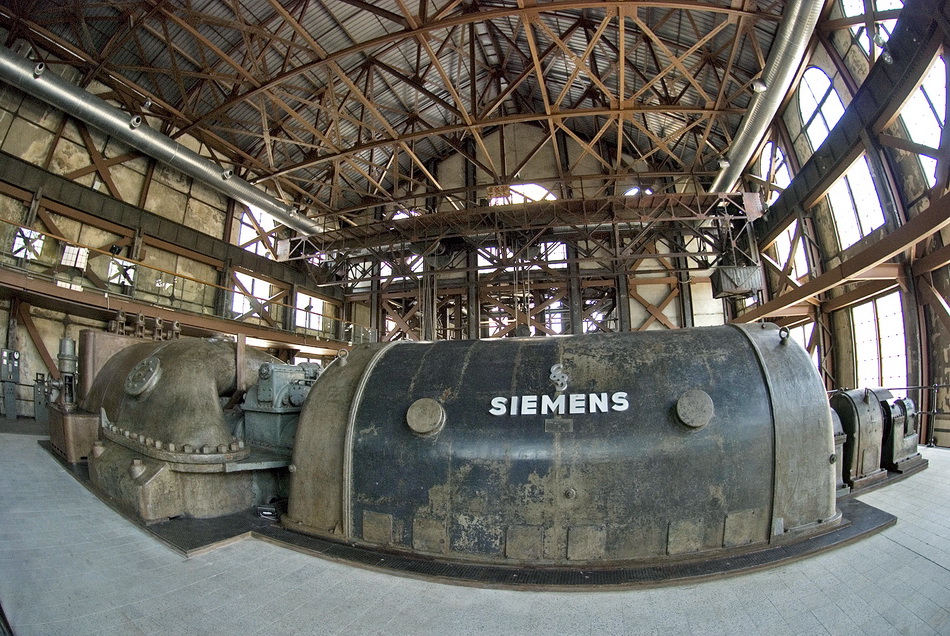
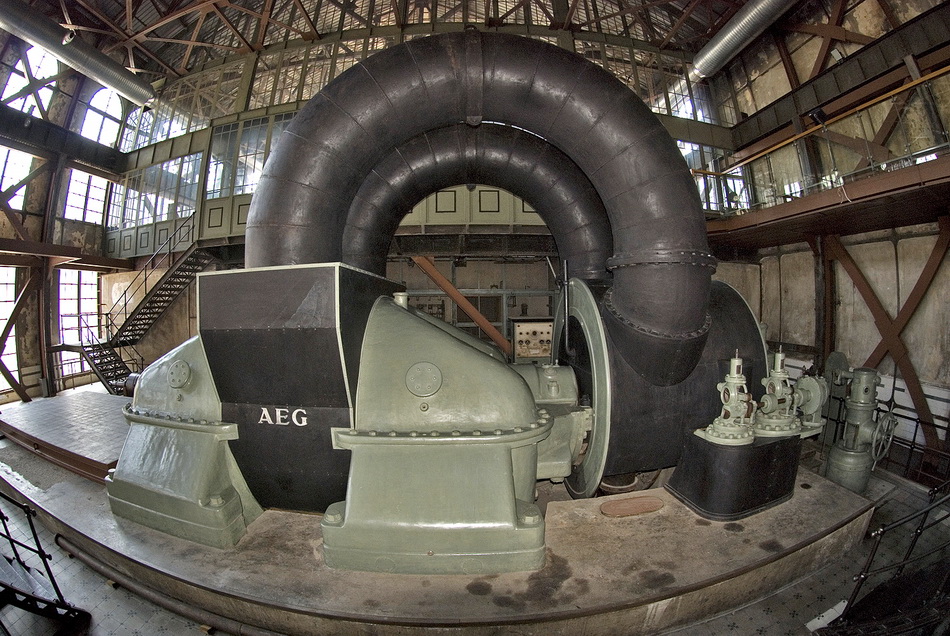
As Istanbul’s demand grew, the plant was enlarged with additional boilers, turbines, generators and machine halls. Equipment made by major electrical engineering companies of the period—including Siemens, AEG, Brown Boveri and Thomson-Houston—was installed over the years.
These machines were more than technological objects. Engineers, technicians, operators, boiler-room workers and maintenance crews kept the station running. The history of Silahtarağa is also the history of their labor.
During the Republican era, the station continued to play a significant role in the city’s electricity supply. From 1952 onward, electricity from the Çatalağzı Thermal Power Station also entered Istanbul’s energy system, diversifying its sources. Silahtarağa nevertheless continued operating with increasingly aging equipment.
Power generation finally ceased in 1983. After almost seventy years of supplying electricity, the station fell silent. Its turbines, generators, control panels and boilers remained, but no longer operated. As the unused buildings deteriorated, the future of this substantial industrial heritage site became uncertain.
Preserving an Industrial Heritage Site
After the station closed, a difficult question emerged: would this witness to Istanbul’s industrial history be demolished, or could it be preserved and given a new purpose?
The designation of the station buildings as protected cultural property in 1991 marked an important turning point. Protection alone, however, was not enough to sustain such an extensive disused complex.
Under a protocol signed with the Ministry of Energy and Natural Resources in 2004, the former power station site was allocated to Istanbul Bilgi University for educational, cultural and artistic purposes. A comprehensive adaptive-reuse project followed.
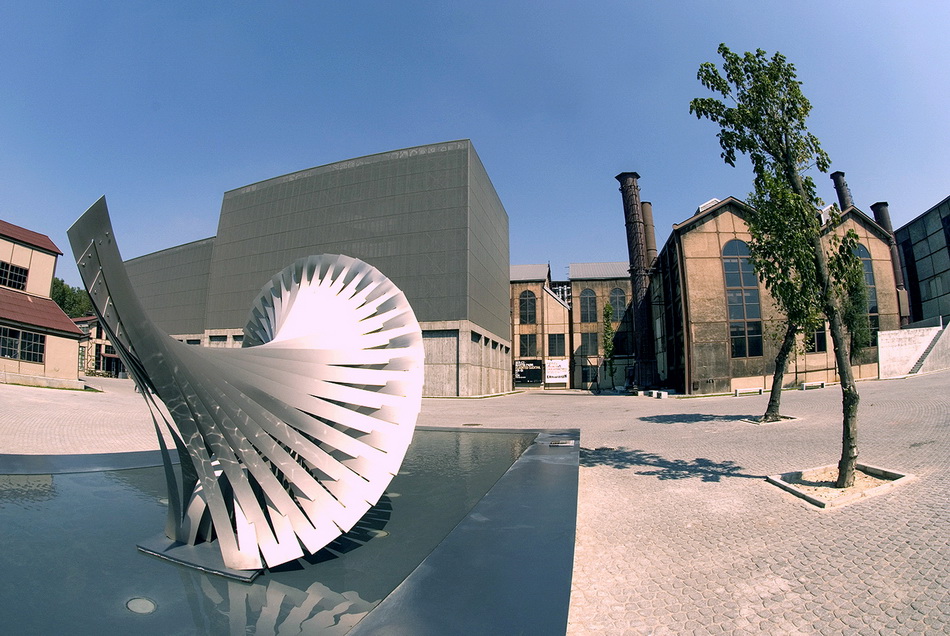
The transformation took place between 2004 and 2007. Architectural teams associated with Emre Arolat, Han Tümertekin, Nevzat Sayın and İhsan Bilgin contributed to the project. Historic machine halls and other industrial buildings were retained, while new spaces were created for teaching, exhibitions and cultural activities.
One of the most important aspects of this transformation was its decision to make the industrial past visible rather than erase it. The machinery was not simply removed and discarded. Steel structures, large windows, brick walls, industrial floors and traces of the production process were preserved and integrated into the new use.
santralistanbul and Istanbul Bilgi University
Opened on 8 September 2007 under the name santralistanbul, the renewed complex introduced a major new setting for education, culture and the arts in Istanbul.
An area once devoted entirely to electricity production became one of Istanbul Bilgi University’s campuses. Teaching facilities, workshops, a library, exhibition spaces and social areas were arranged alongside the historic power station buildings.
This transformation became an important example of industrial heritage conservation in Türkiye. It demonstrated how an abandoned industrial facility could be brought back into use without sacrificing its architectural character or historical memory.
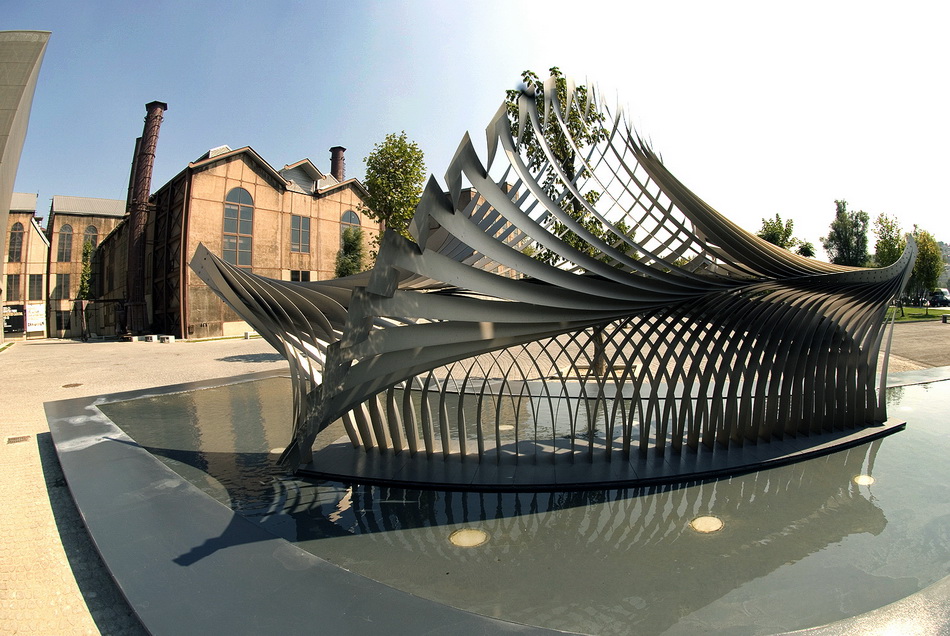
A notable feature of the design is that old and new remain distinguishable. The steel and brick fabric of the preserved machine halls contrasts deliberately with contemporary architectural additions. The requirements of a new educational campus were met without concealing the traces of the past.
The Energy Museum
One of santralistanbul’s most significant spaces is the Energy Museum, created from the former machine halls.
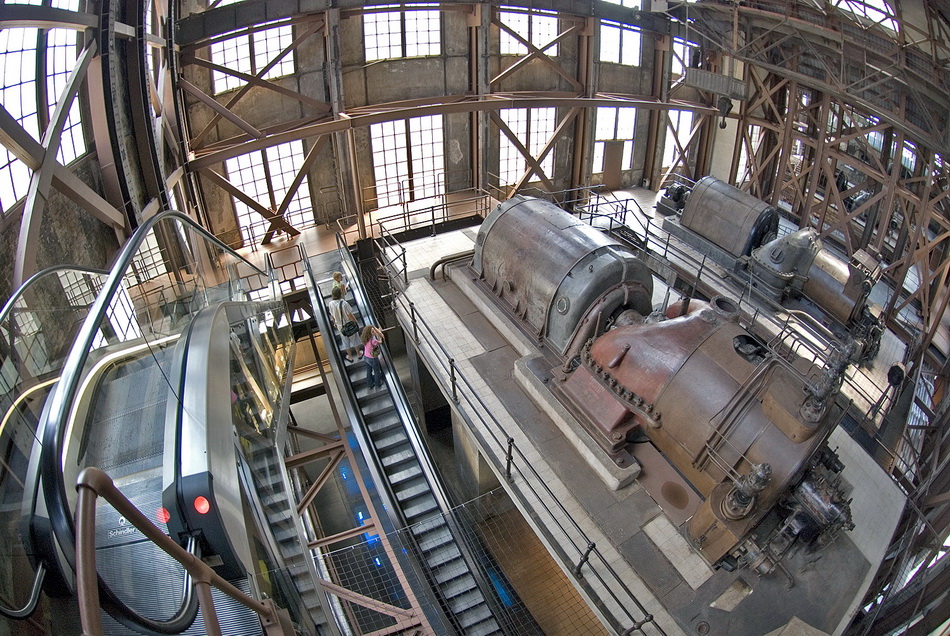
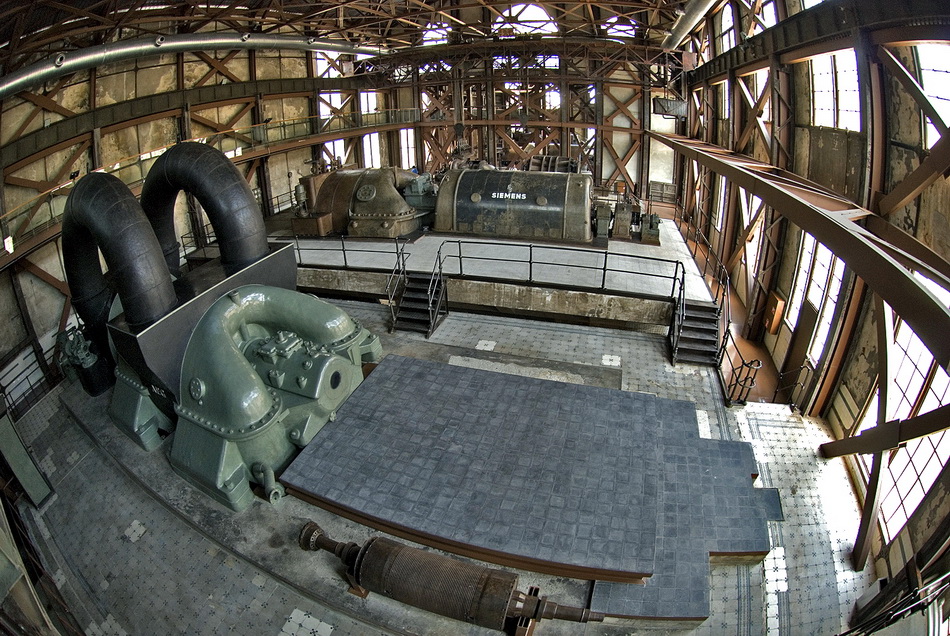
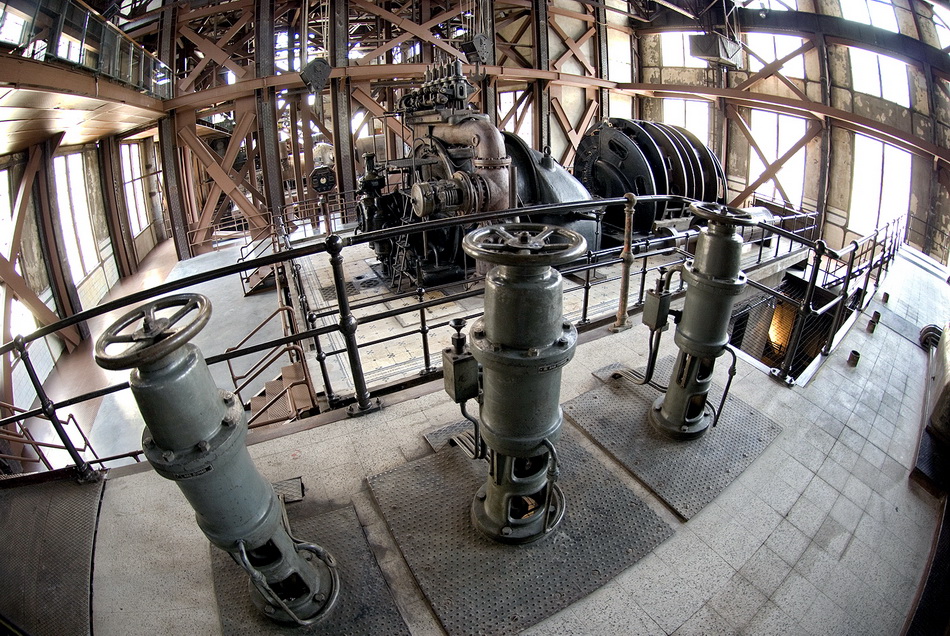
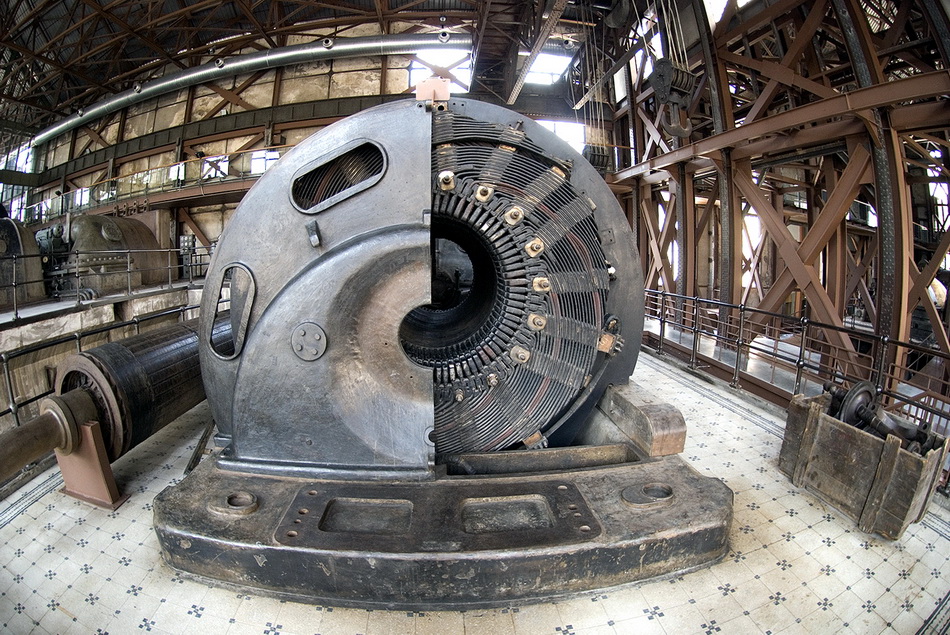
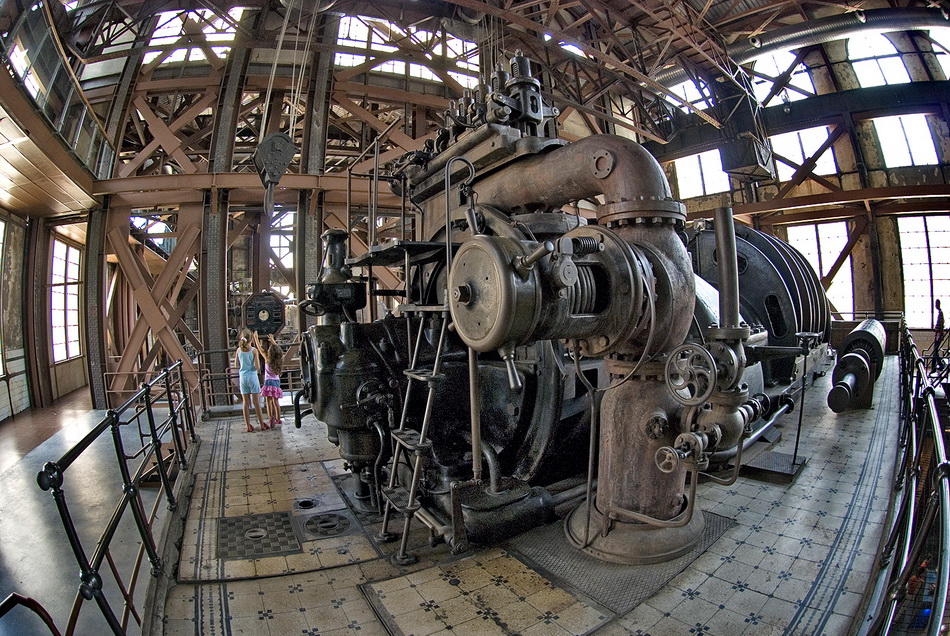
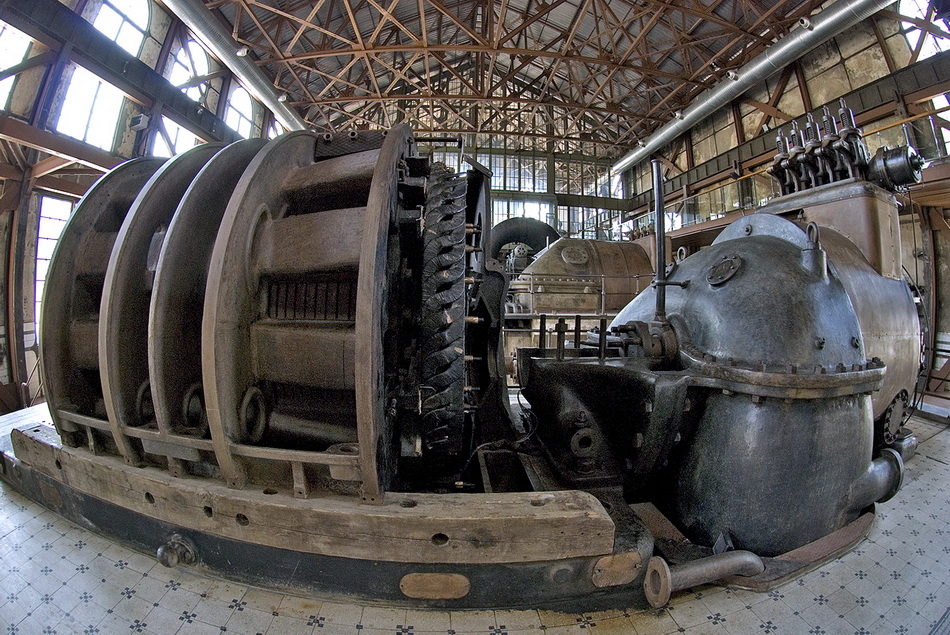
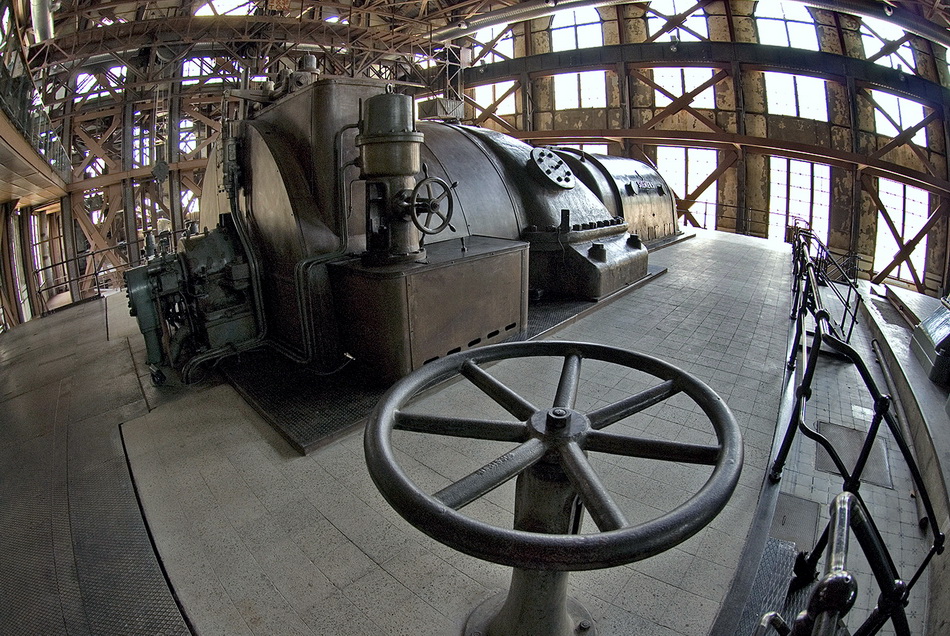
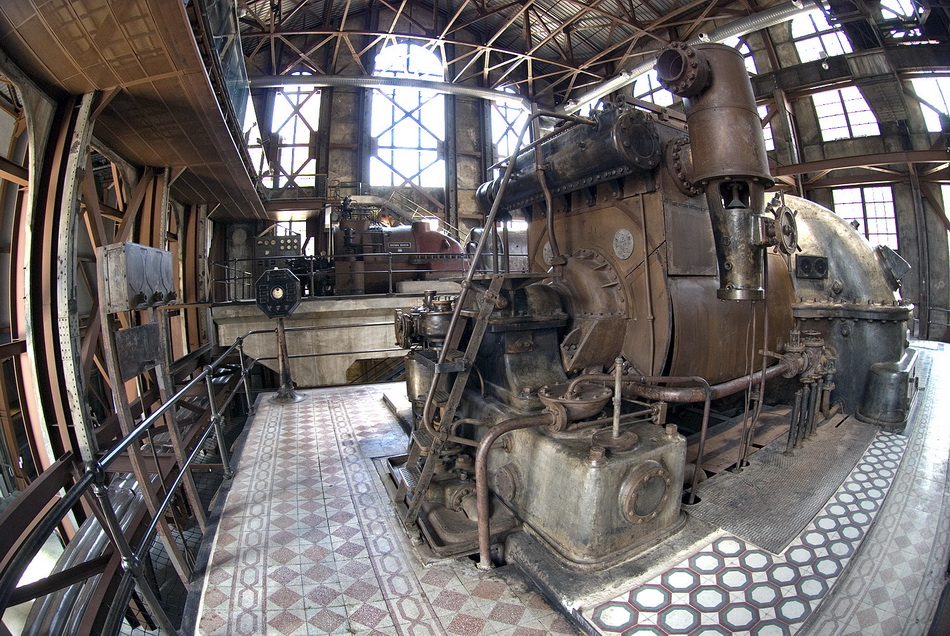
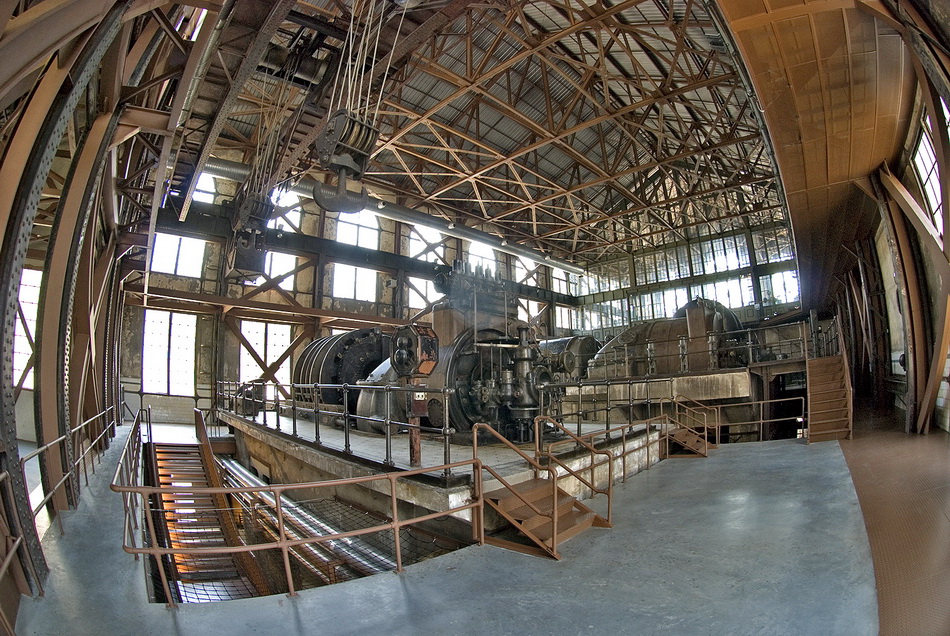
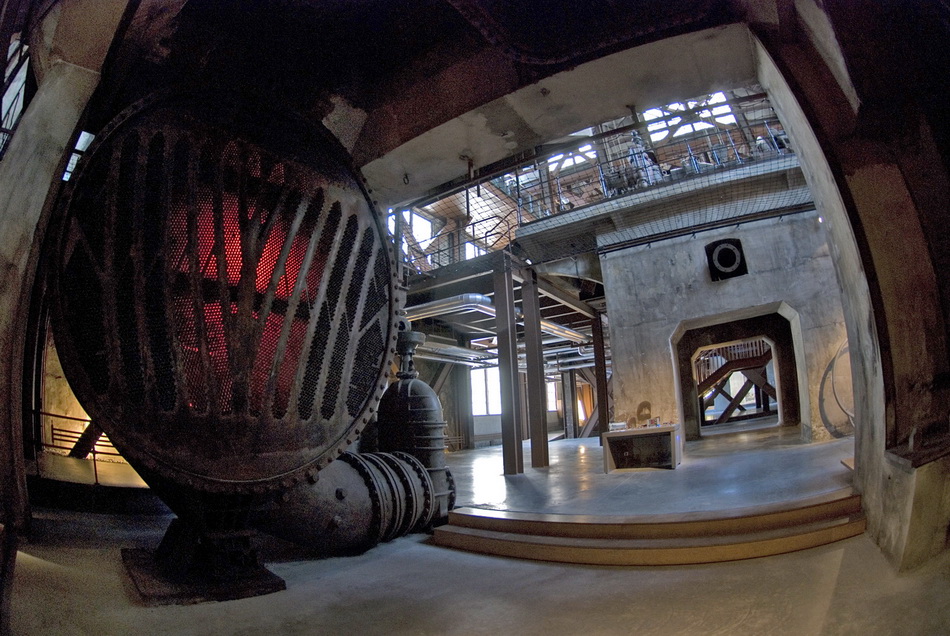
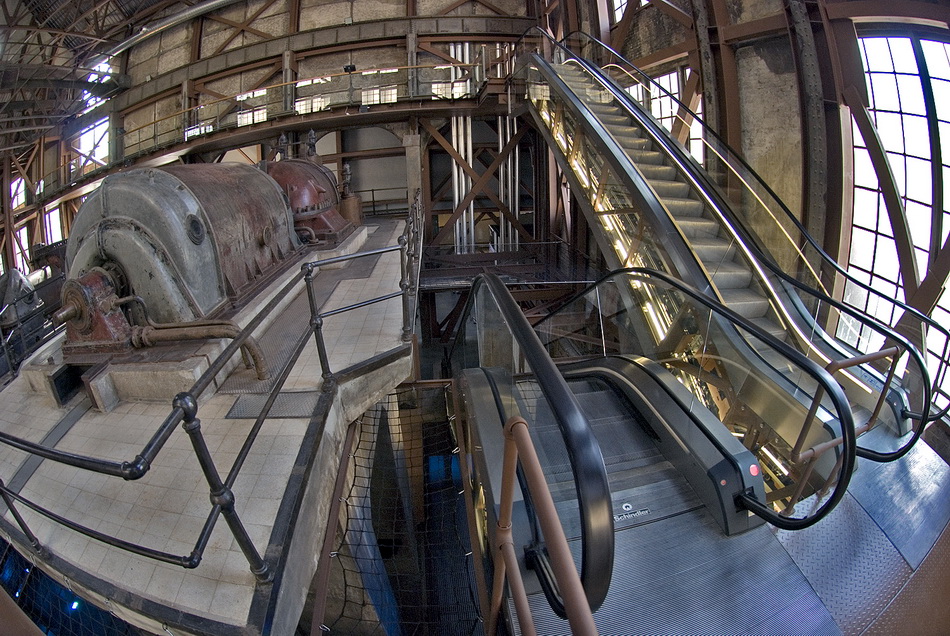
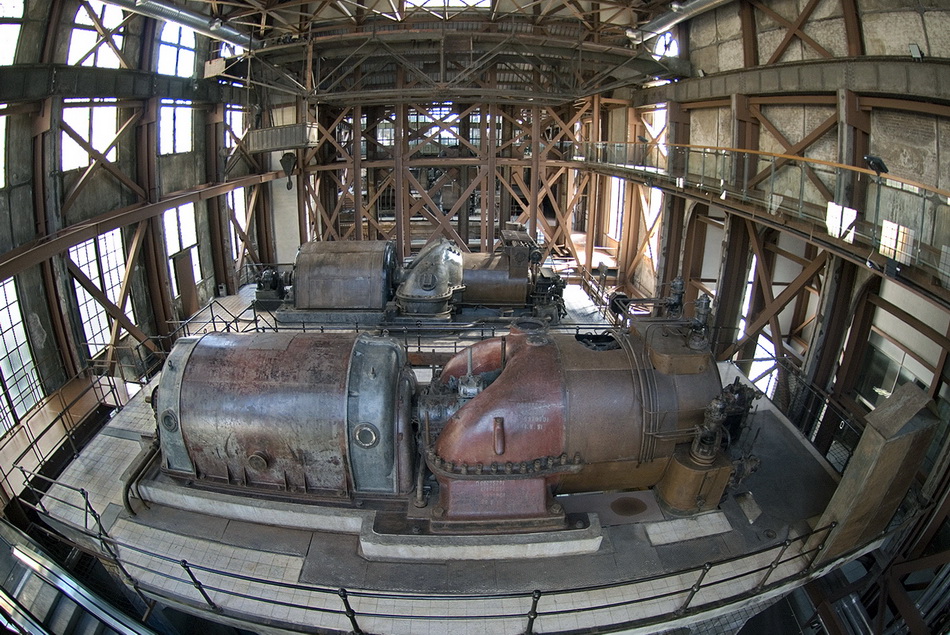
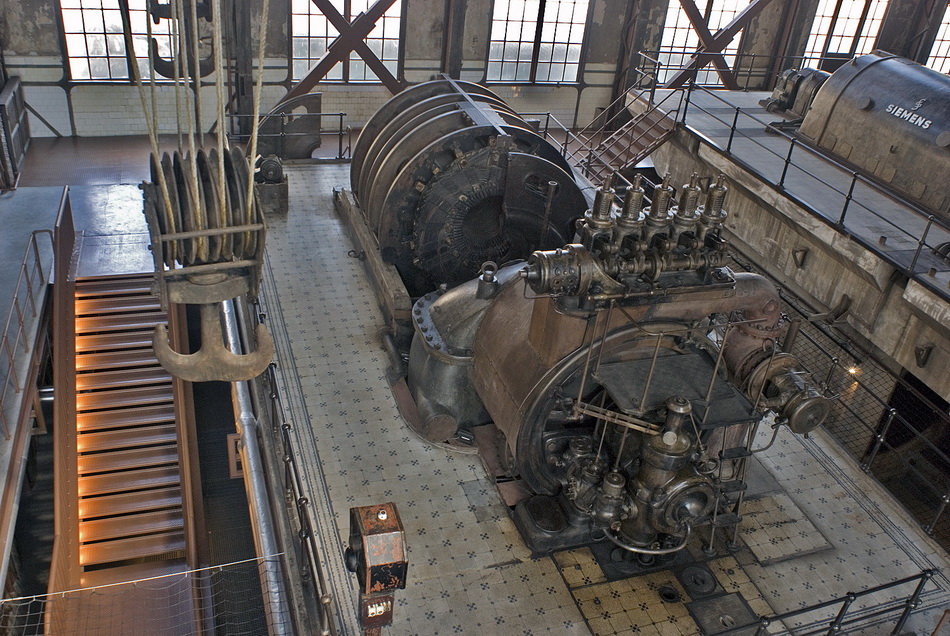
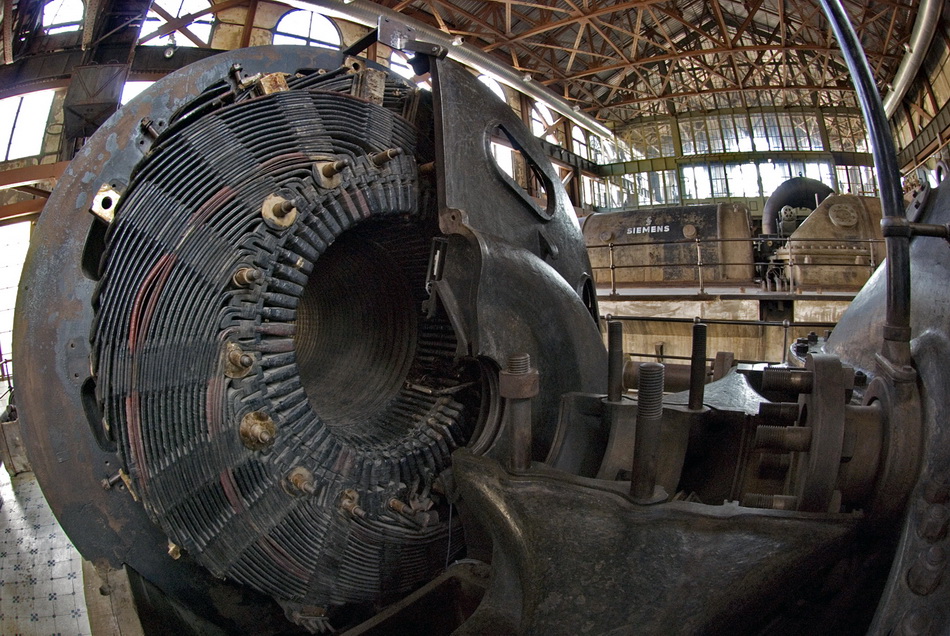
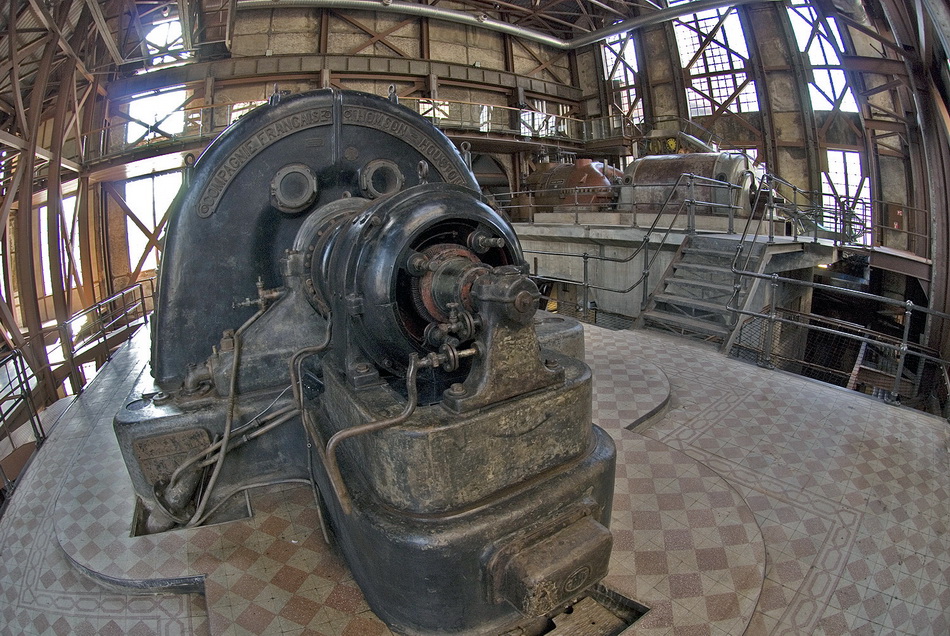
Visitors do not learn how a thermal power station worked solely through explanatory panels; they can walk among the actual machines once used to generate electricity. Massive turbines, generators, valves, pipes, stairs and steel platforms remain in their industrial setting.
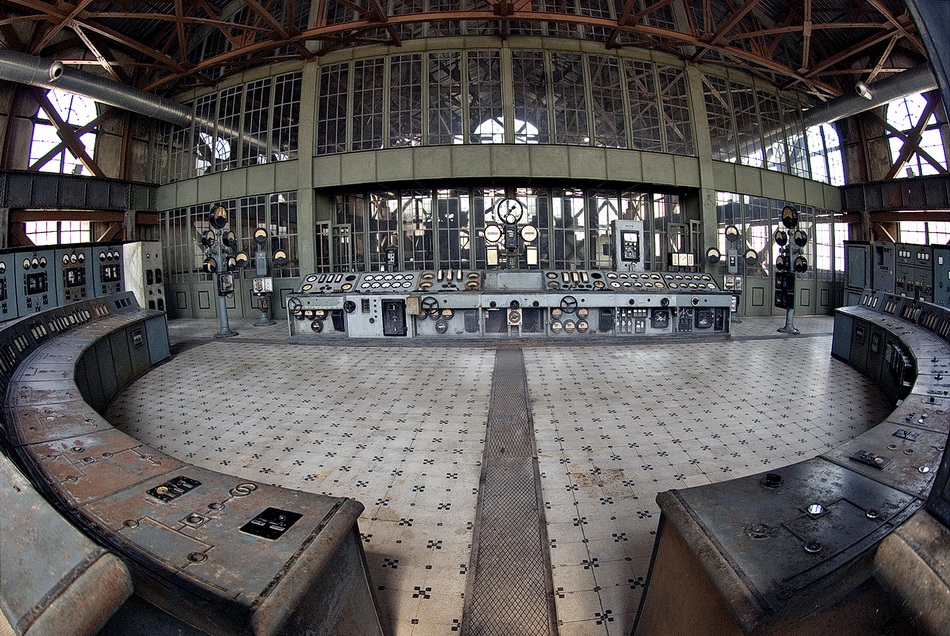
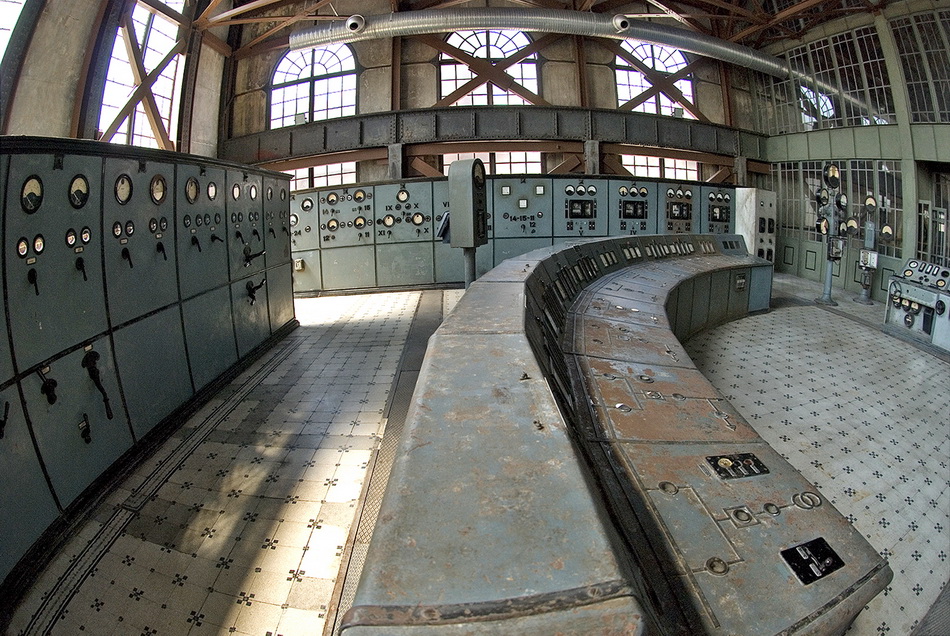
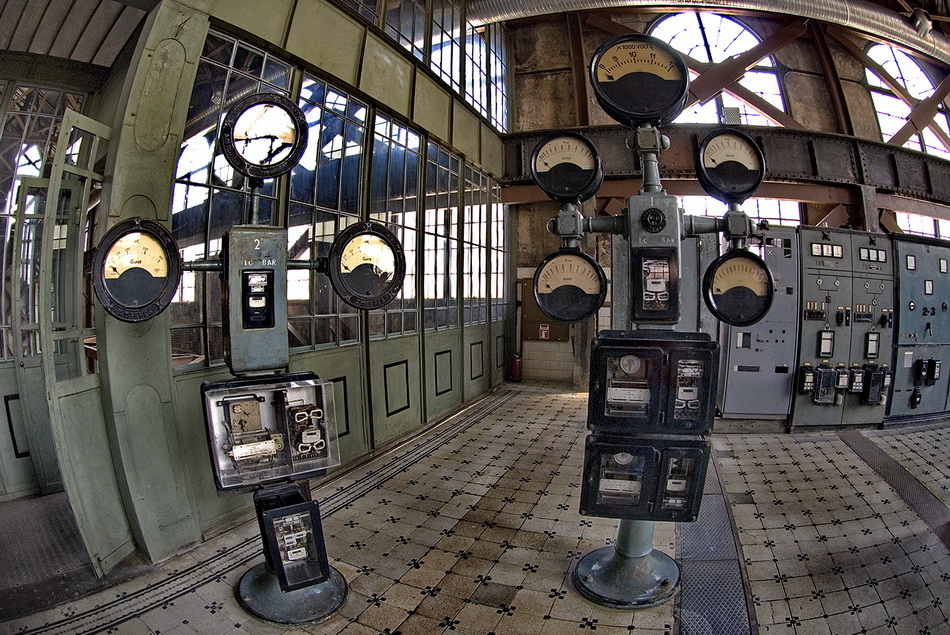
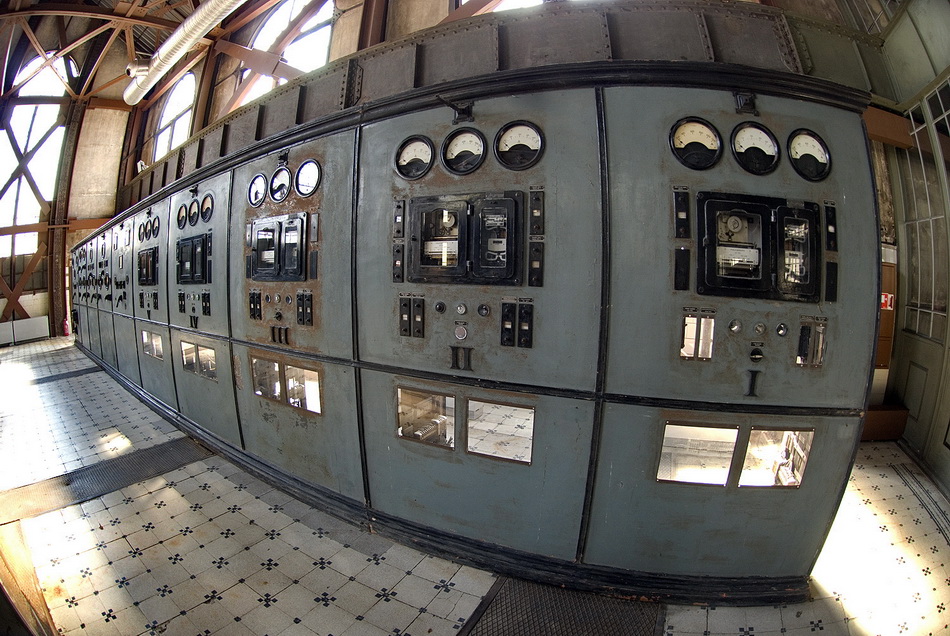
The former control room is particularly striking. Its semicircular arrangement of panels, gauges, switches and measuring instruments reveals how electricity production and distribution were monitored. So different from today’s digital interfaces, this equipment evokes an era when generating power depended on mechanical controls and constant human supervision.
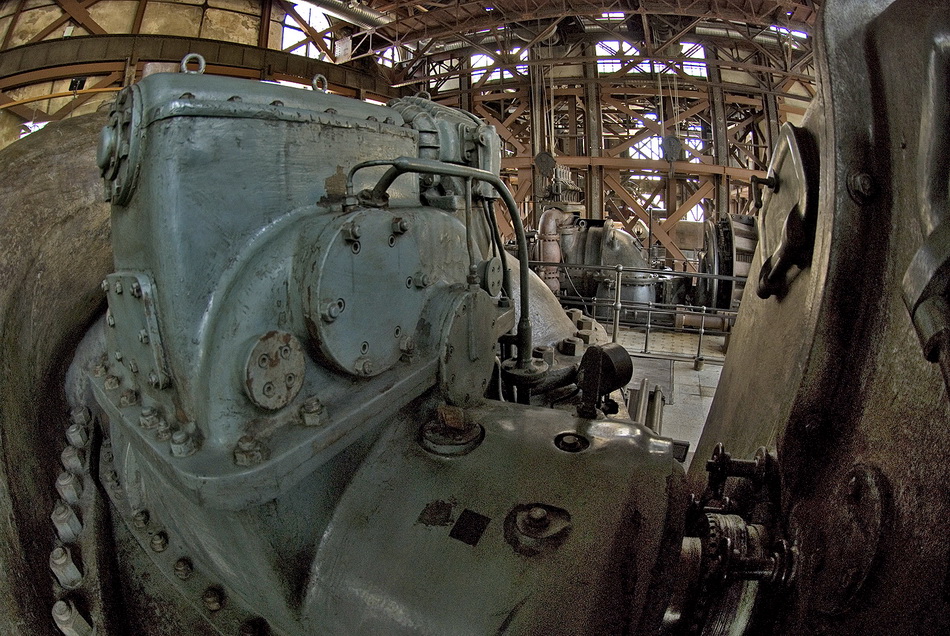
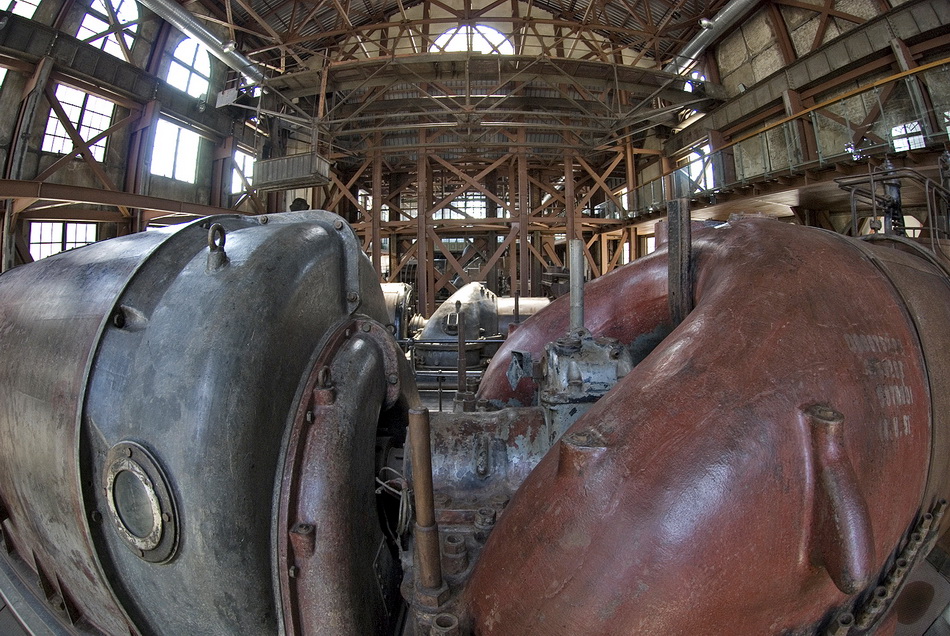
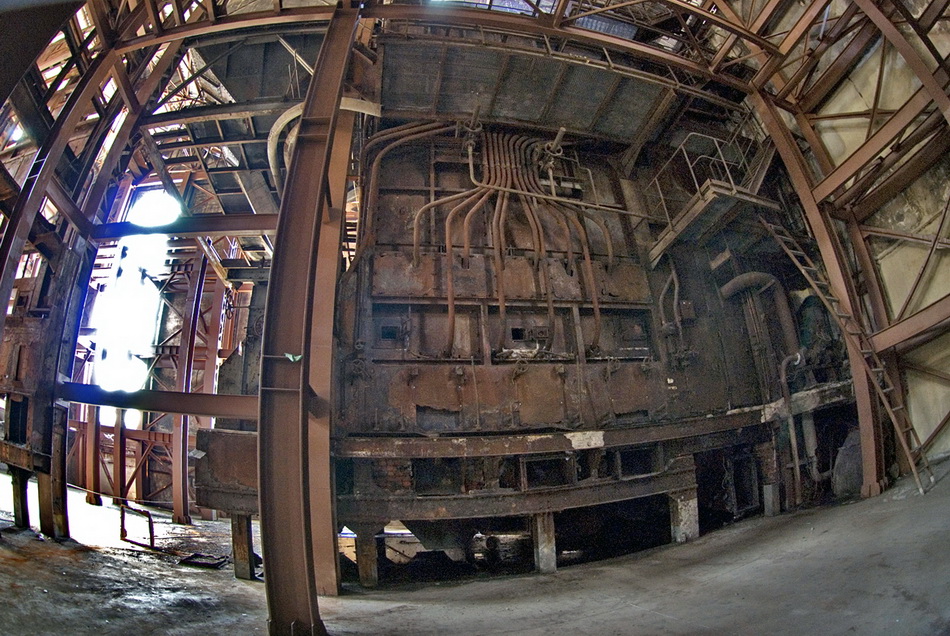
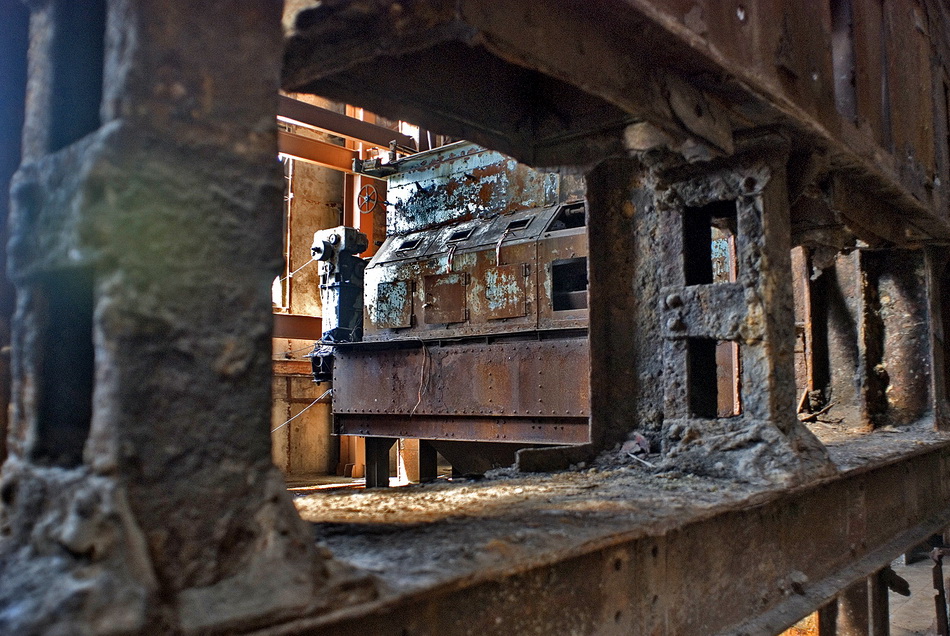
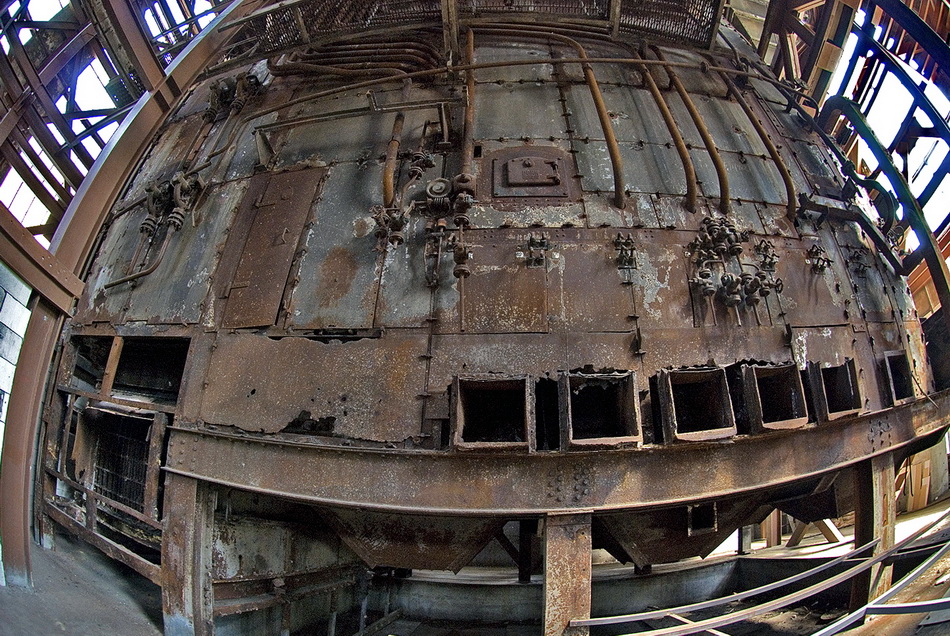
In the machine halls, the sheer scale of the generators and turbines conveys the engineering ambition of the station. Signs of wear, aging metal and traces of use are reminders that these were once working machines, not objects made for display.
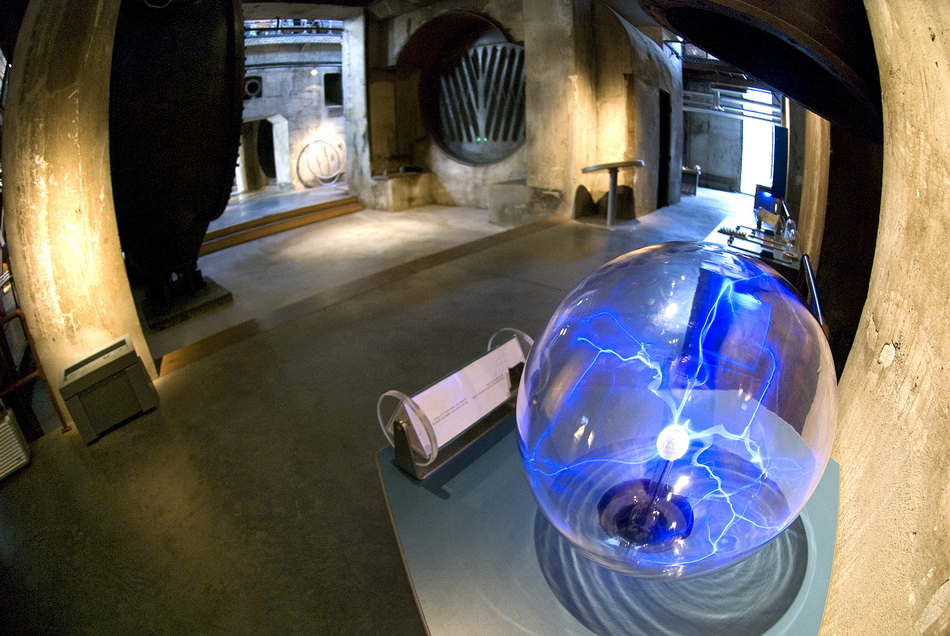
The museum also includes interactive exhibits through which visitors can explore electricity, magnetism and energy. It is therefore both a record of historic technology and a place for scientific learning. In 2012, the Energy Museum received the DASA Award from the European Museum Academy.
My Photographs of Silahtarağa — August 2008
Through my architect friend Nevzat Sayın, who took part in the transformation project, I had some opportunity to follow the conversion of Silahtarağa into a museum. While the work was underway, photographs I saw from time to time gave me an idea of how the former industrial buildings were being adapted. My own photographs, however, were taken after the project had been completed, during my visit to the Energy Museum in August 2008.
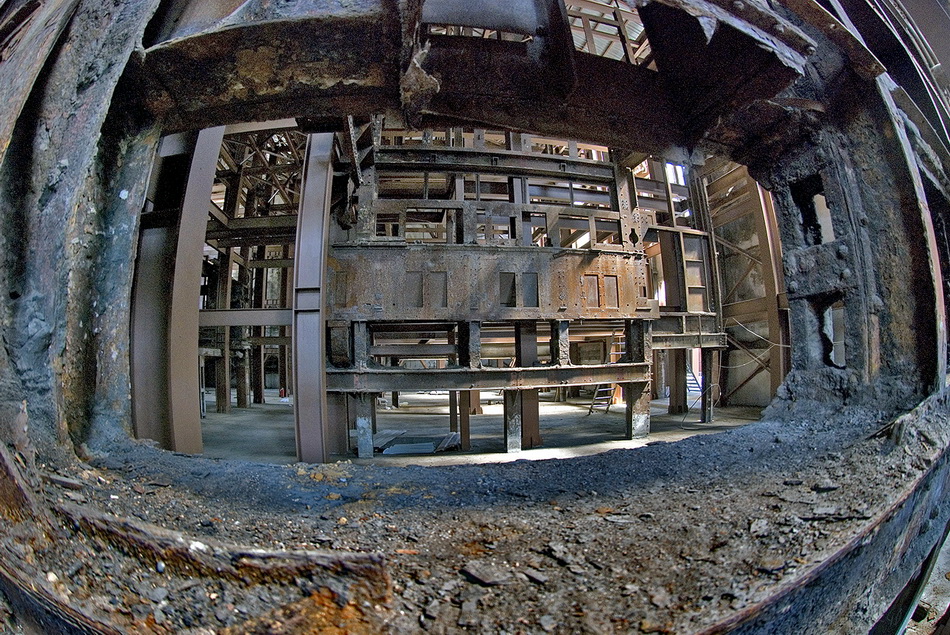
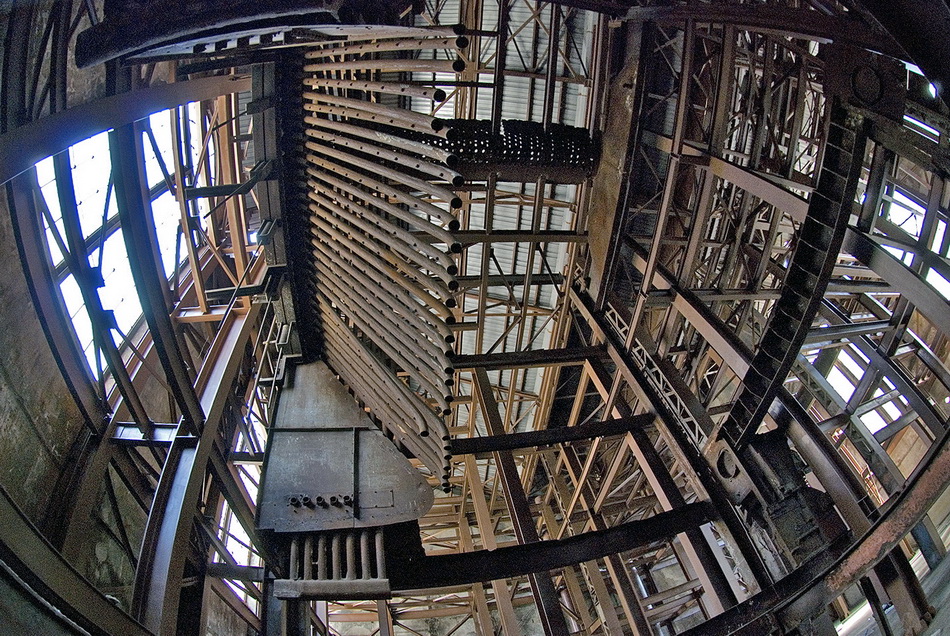
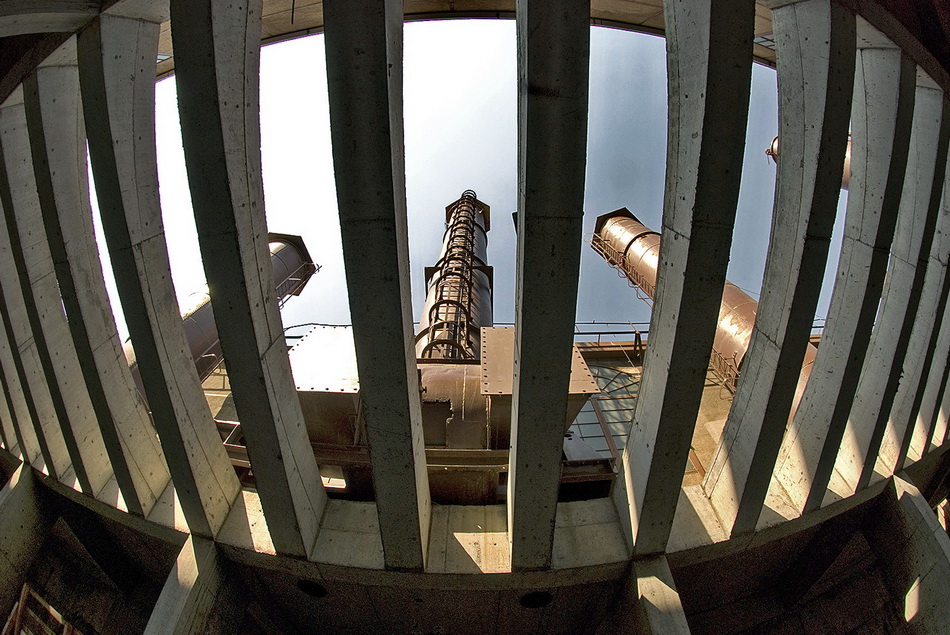
What interested me most was not only the size of the machines but also the architectural spaces surrounding them. High ceilings, broad windows, steel beams, narrow passages and platforms at different levels created a visual language distinctive to industrial buildings.
The instruments and switchboards in the control room showed how electricity production had once been managed. Walking around the enormous generators in the machine halls, I found myself thinking of the people who had worked there. The machinery now stood silent, but it had once been at the center of continuous movement, noise and concentrated human effort.
In my photographs, I tried to record not only the largest machines but also the details of the production system: pipes, valves, stairs, boiler-room elements, electrical panels and steel structures. Each was part of the greater industrial whole.
For me, the Silahtarağa Energy Museum was more than a display of obsolete technology. It was a tangible witness to Istanbul’s electrification, its industrial history, the knowledge of its engineers and the labor of its workers.
The power station that once illuminated Istanbul continues to live through a different purpose. Although electricity production has ended, its buildings and machinery still speak to students and visitors about the past. I made these photographs in August 2008 to document Silahtarağa’s journey from working power station to museum, and the preservation of an important part of Istanbul’s industrial heritage.