
Sirkeci Railway Museum — Istanbul | 2017 & 2021
A Railway Museum in the Historic Station
For many years, Istanbul’s historic Sirkeci Station was the final stop for trains arriving from Europe and the departure point for journeys heading west. Once filled with travellers, railway employees, luggage and the sounds of trains, the station remains an important part of the city’s cultural heritage.
I photographed the Istanbul Railway Museum inside Sirkeci Station in 2017 and 2021. After my photographic work at Haydarpaşa Station, I had the opportunity to explore railway history from another perspective: not primarily through the architecture of a station, but through the tools, documents and everyday objects that had survived from its working life.
The Railway Gateway to Europe
During the second half of the nineteenth century, the Ottoman Empire’s efforts to connect with the European railway network gathered pace. With the development of the Rumelian Railways, Istanbul became an important terminal for routes extending through the Balkans towards European cities.
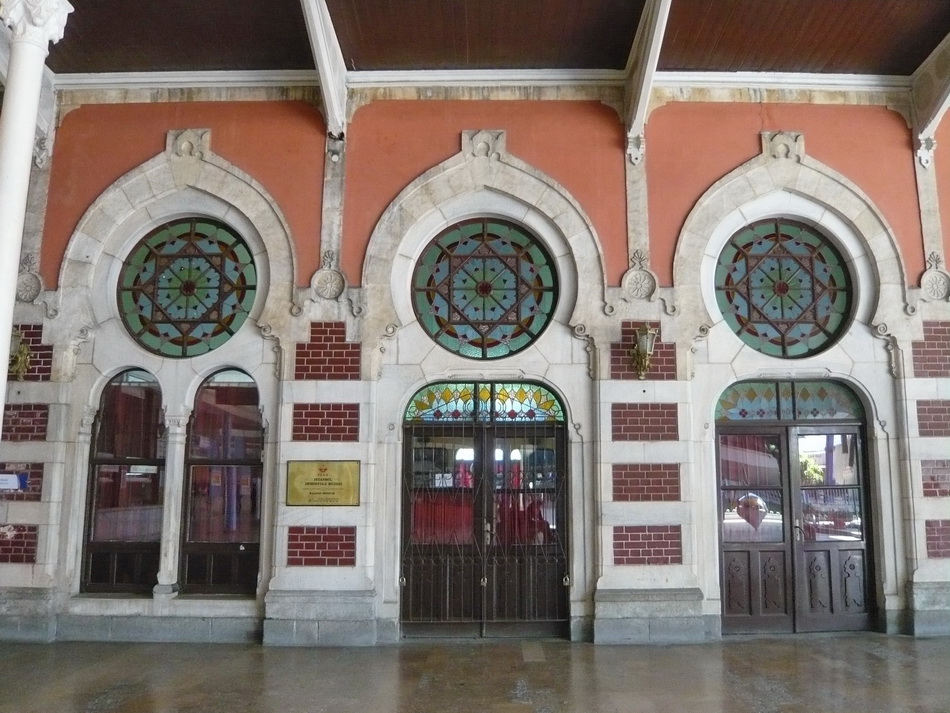
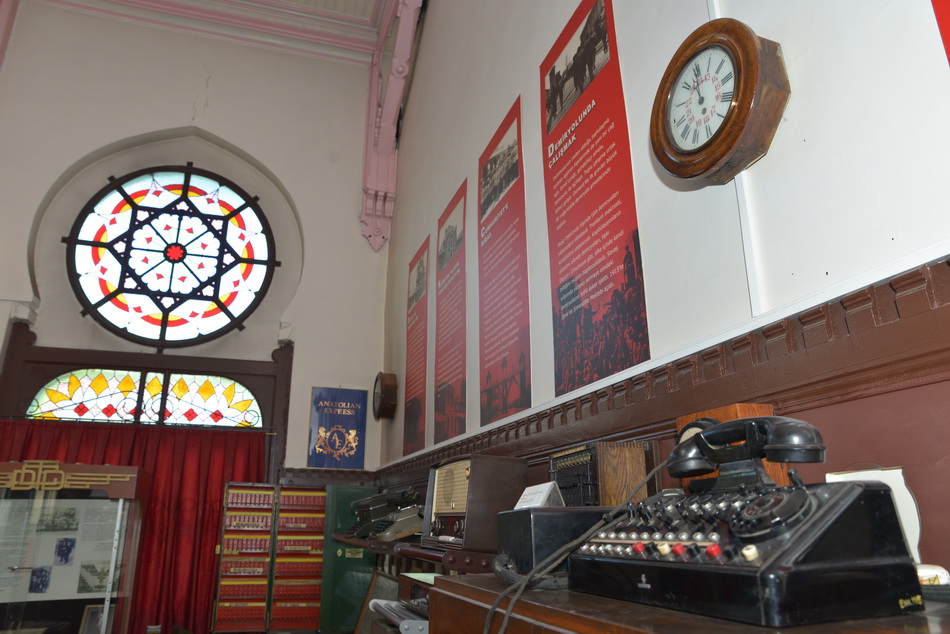
The foundation of the present Sirkeci Station was laid on 11 February 1888. Designed by the German architect and engineer August Jasmund, the building opened on 3 November 1890. Its Orientalist architecture brought together European construction methods and forms associated with the East. Stone and brickwork, arched windows, decorative details and stained glass still reflect that approach.
Sirkeci became internationally known through the Orient Express. The celebrated train connecting Paris and Istanbul was more than a means of transport: it became a symbol of cultural encounters between Europe and the city. Diplomats, merchants, writers and travellers arrived by rail, making Sirkeci one of Istanbul’s gateways to Europe.
For me, Sirkeci and Haydarpaşa are inseparable chapters in Istanbul’s railway history. Haydarpaşa opened towards Anatolia; Sirkeci towards Europe. Although the Bosphorus lay between them, passenger and freight services connected the two sides for decades.
Preserving the Memory of a Railway
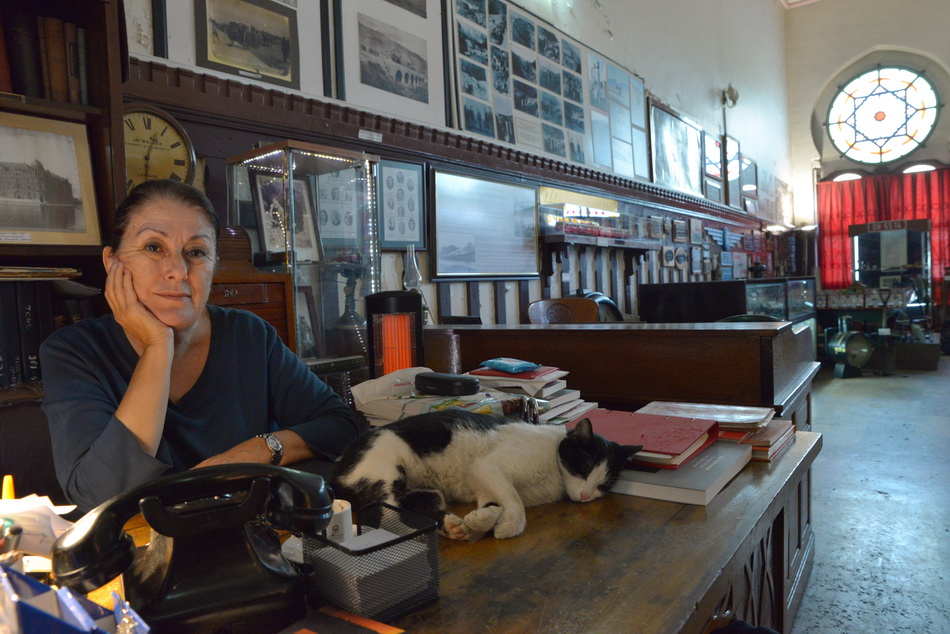
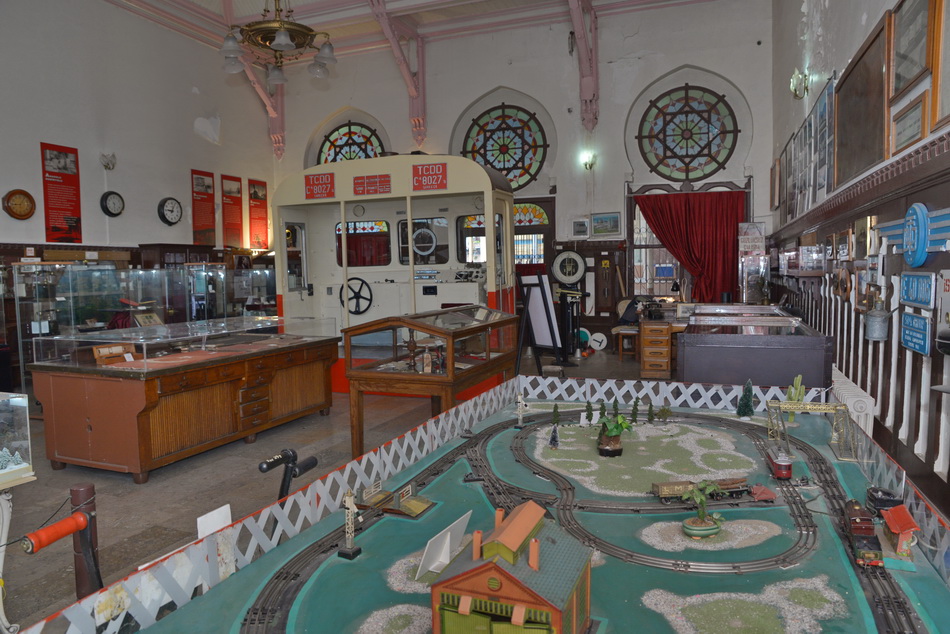
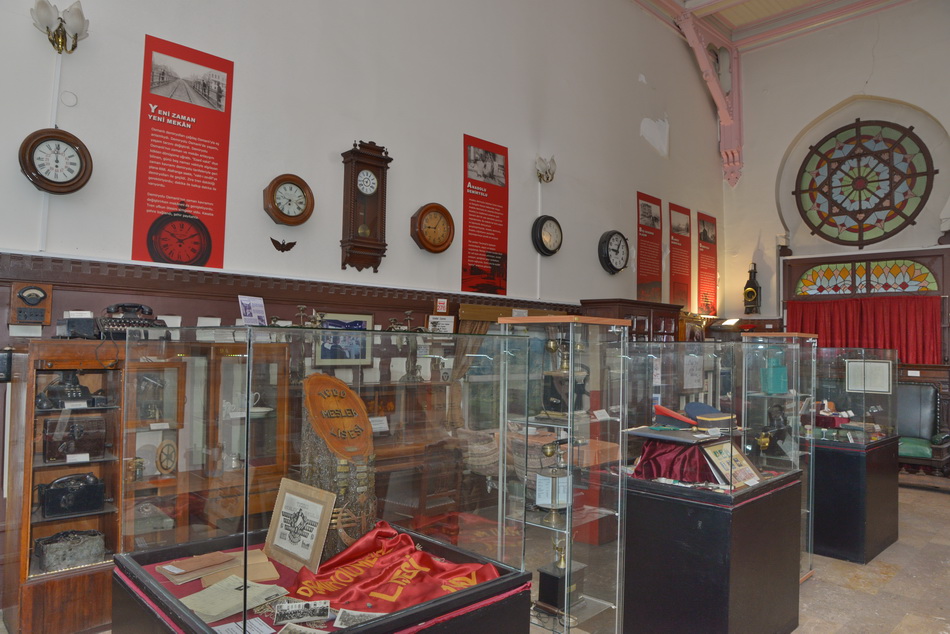
The Istanbul Railway Museum opened within Sirkeci Station on 23 September 2005 to preserve objects, documents and equipment once used on the railways. Established in an exhibition area of approximately 45 square metres, its original collection comprised around 300 items.
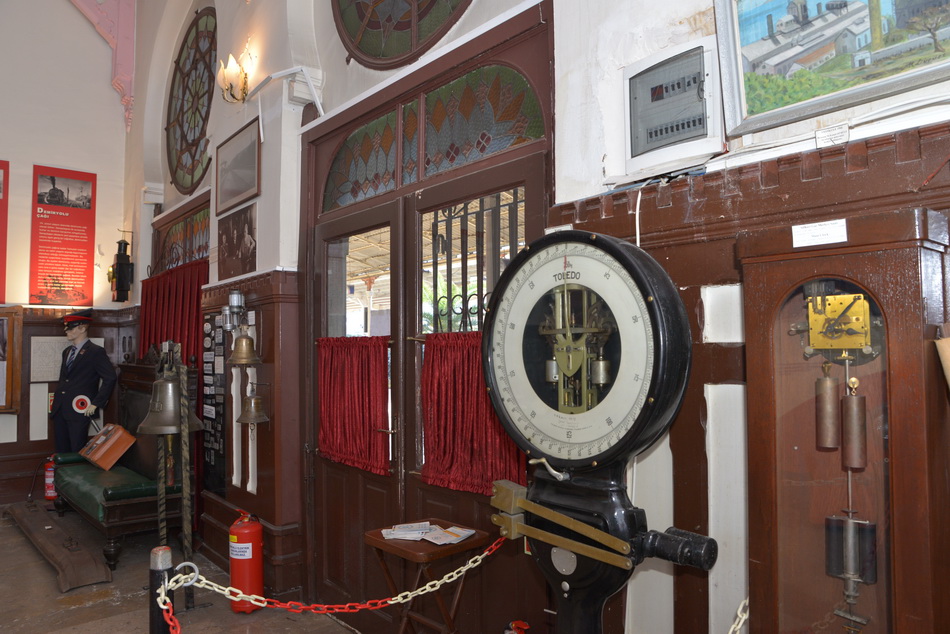
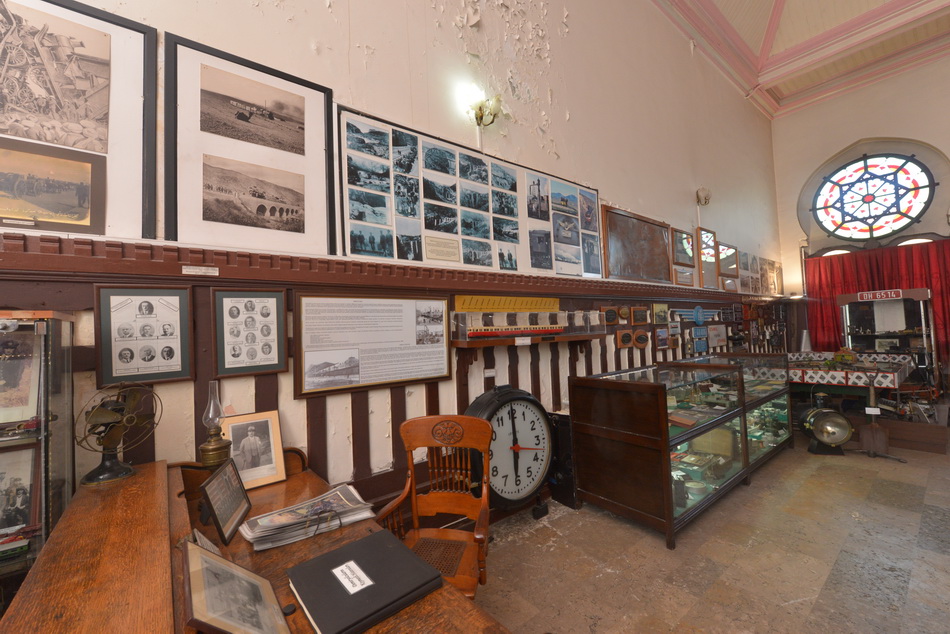
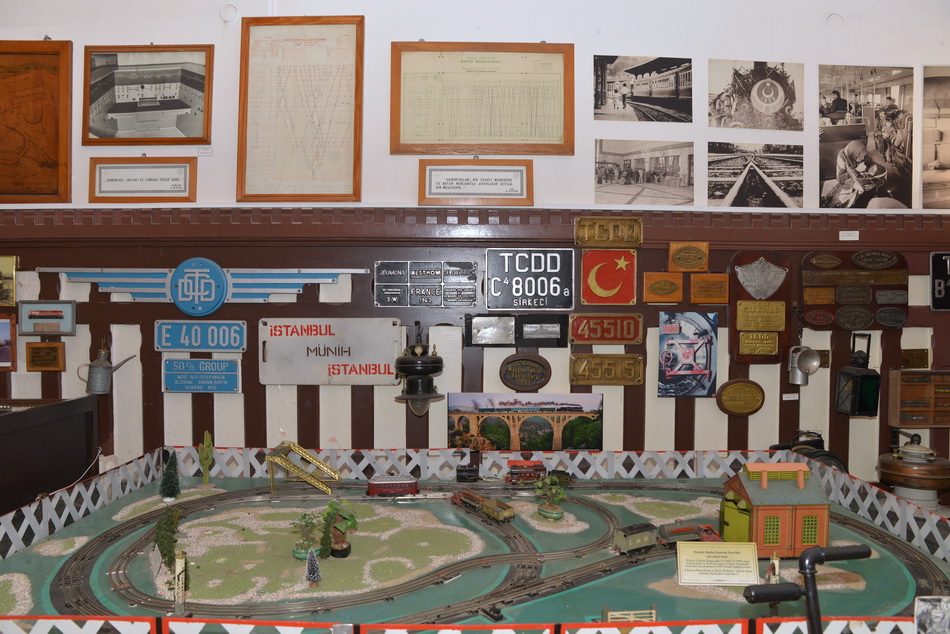
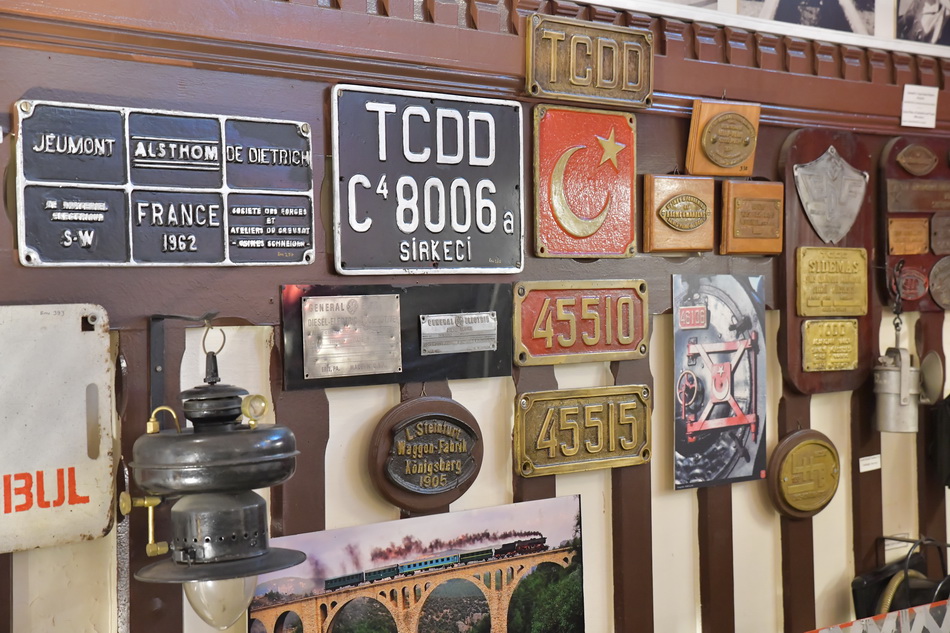
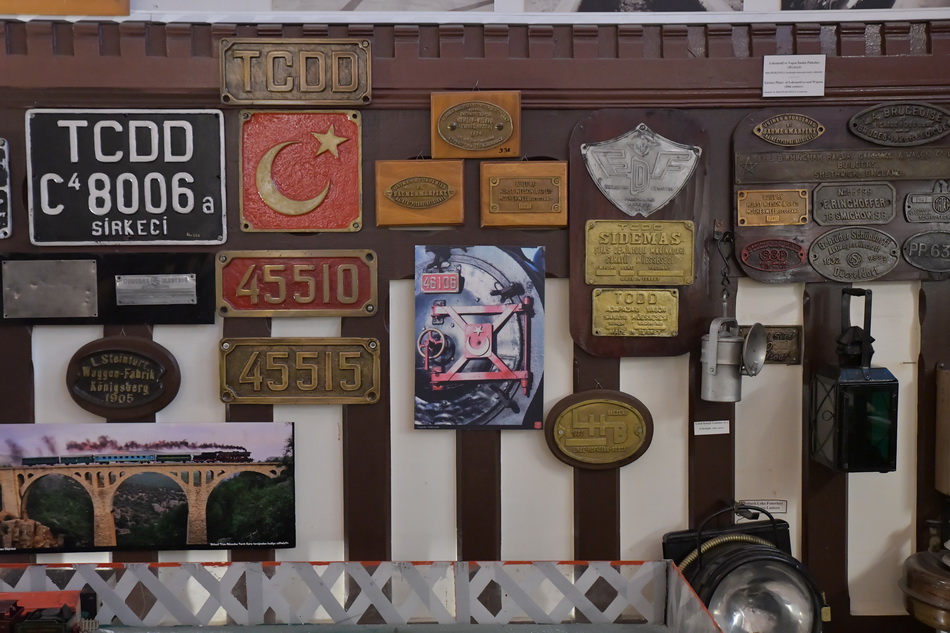
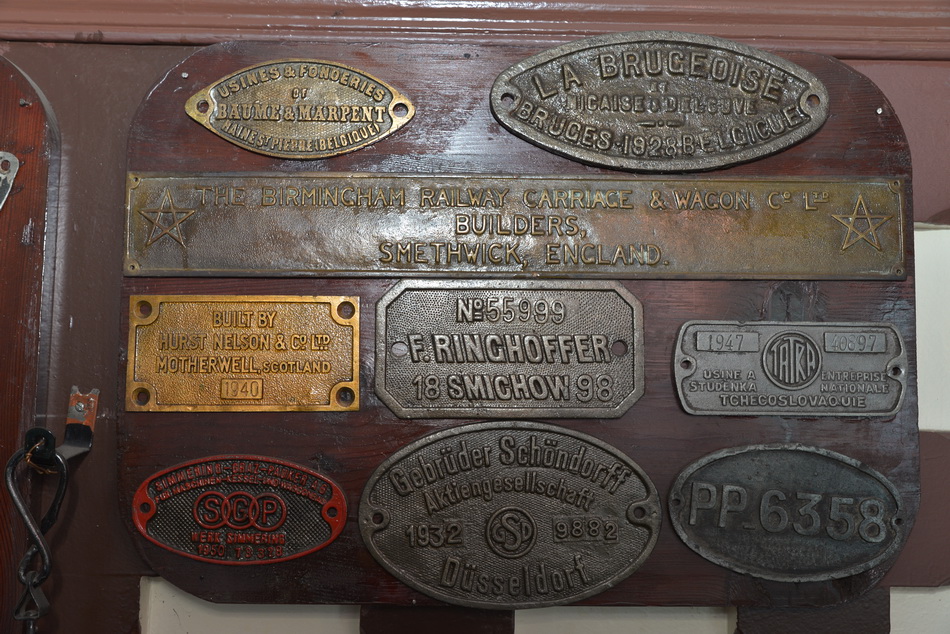
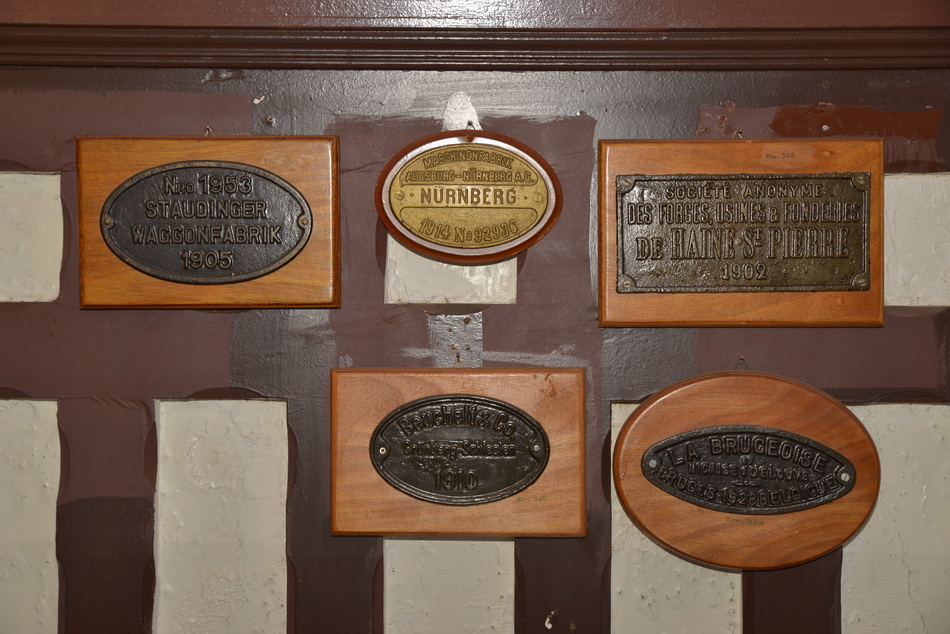
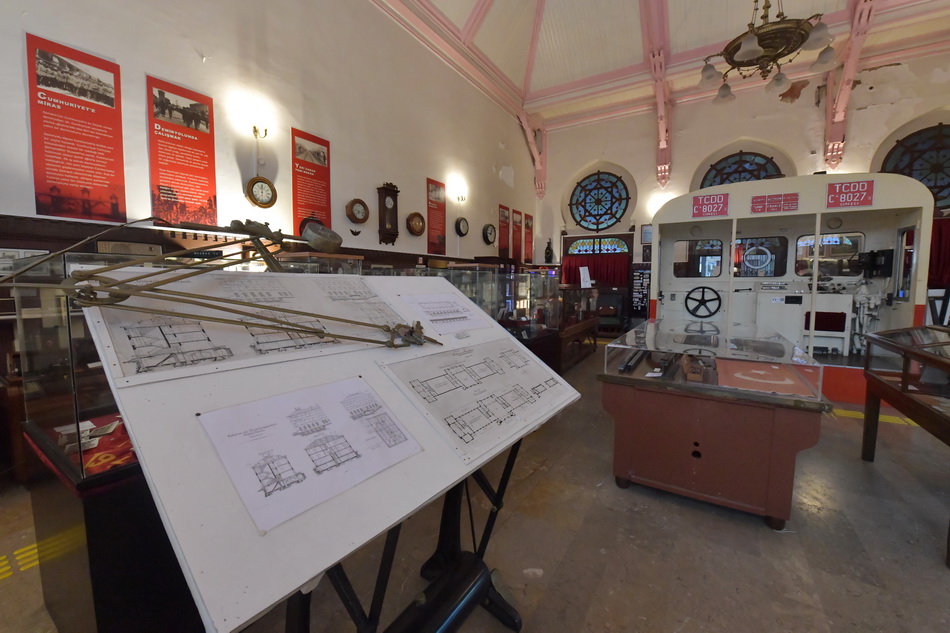
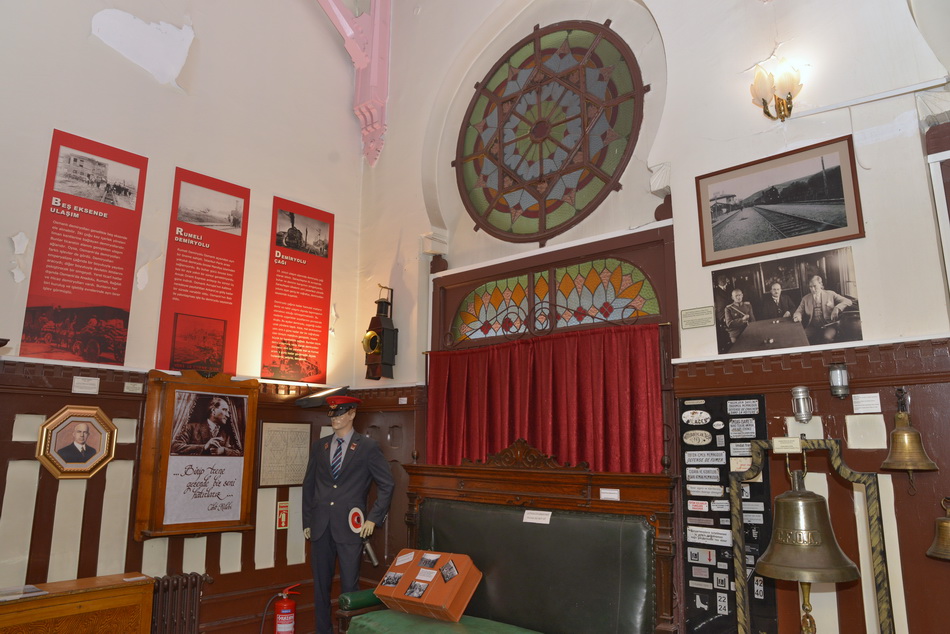
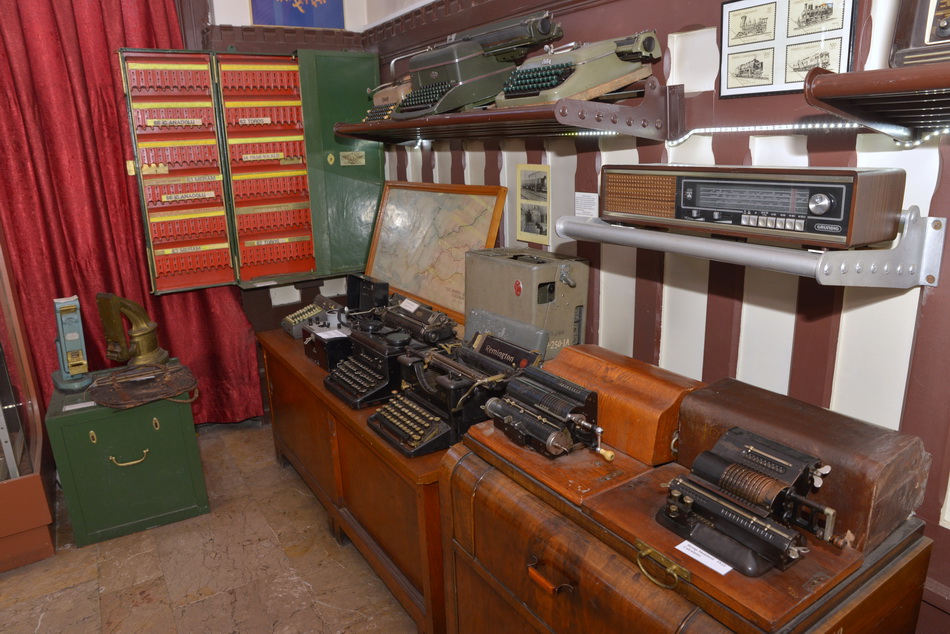
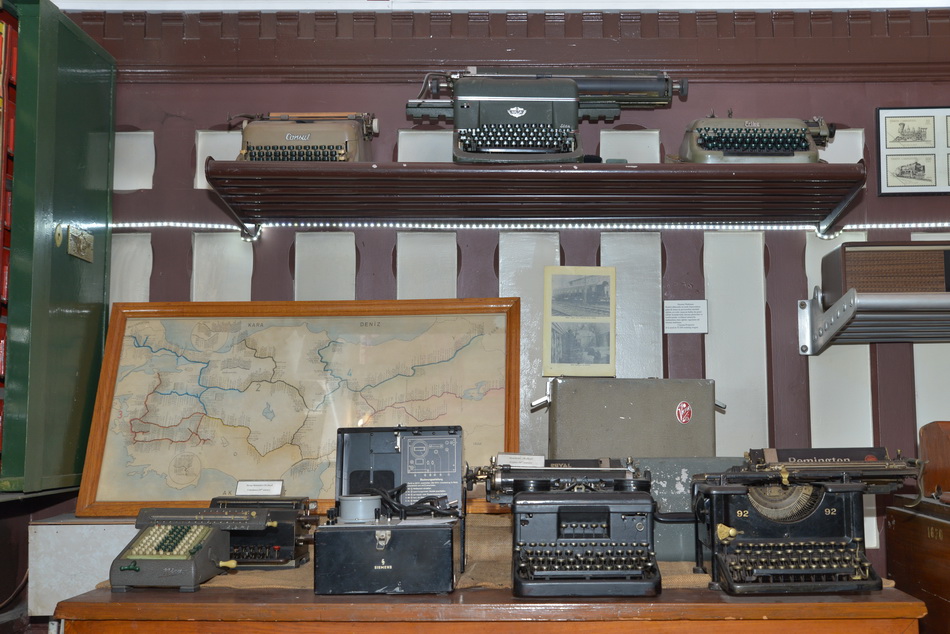
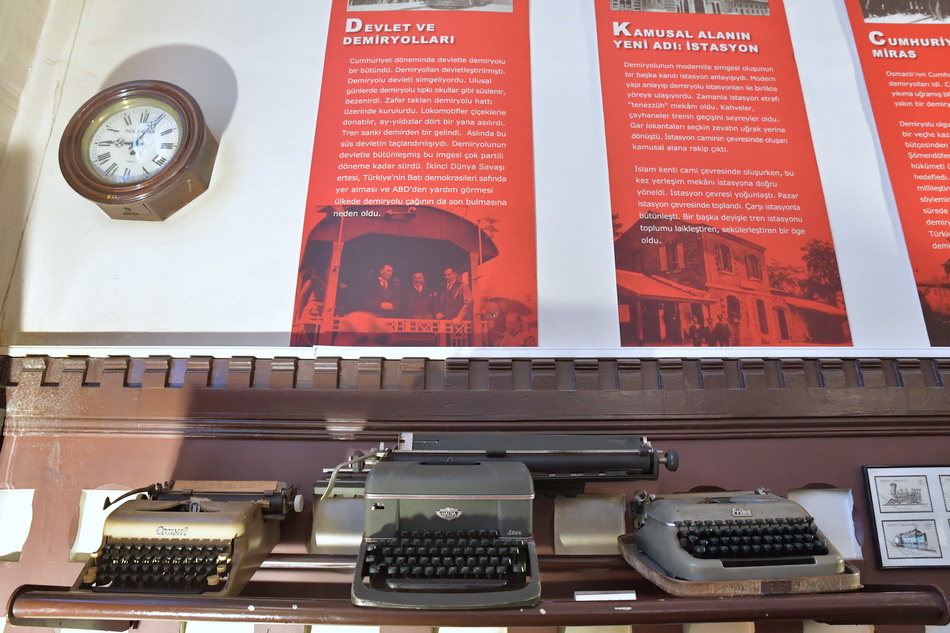
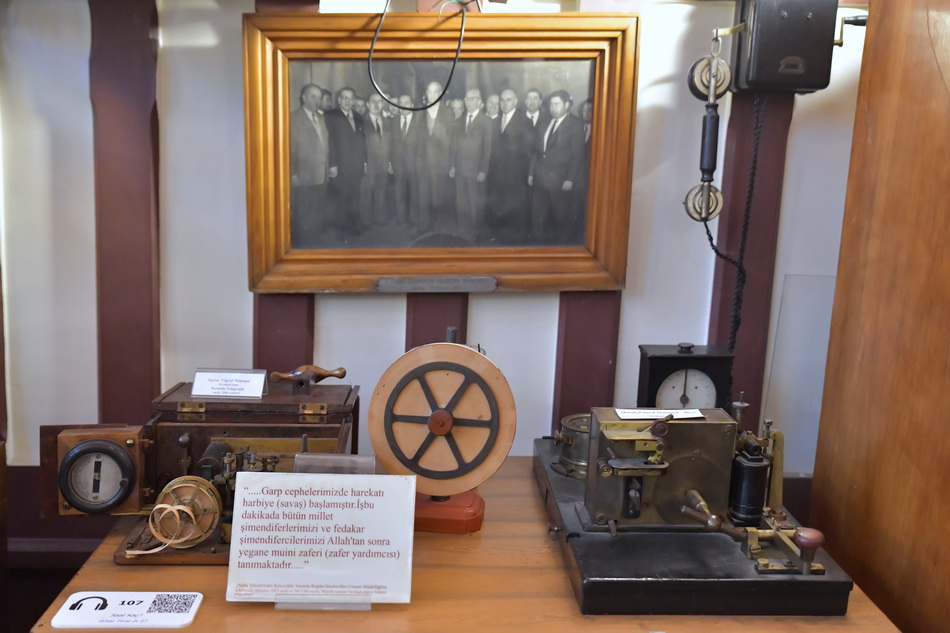
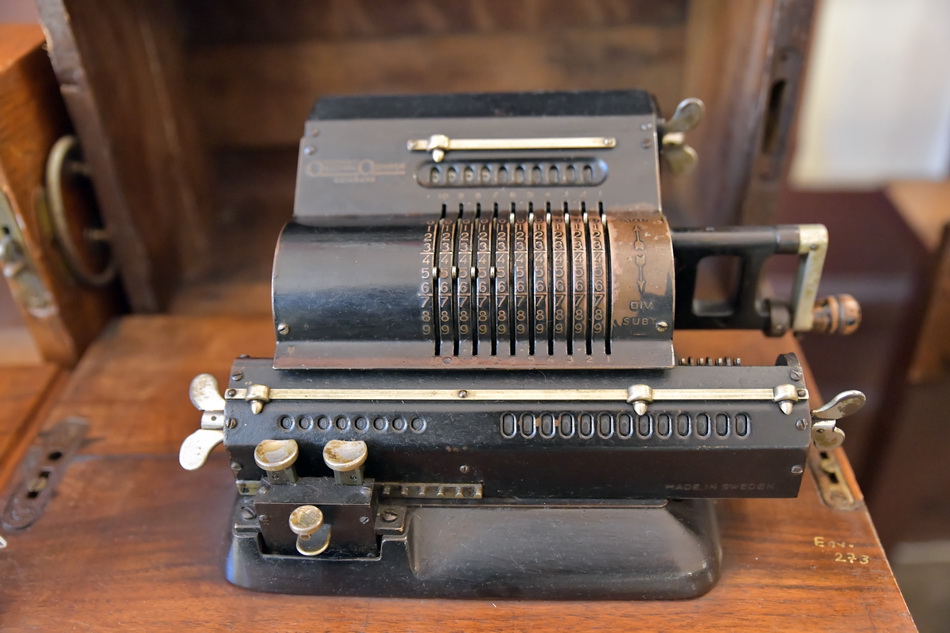
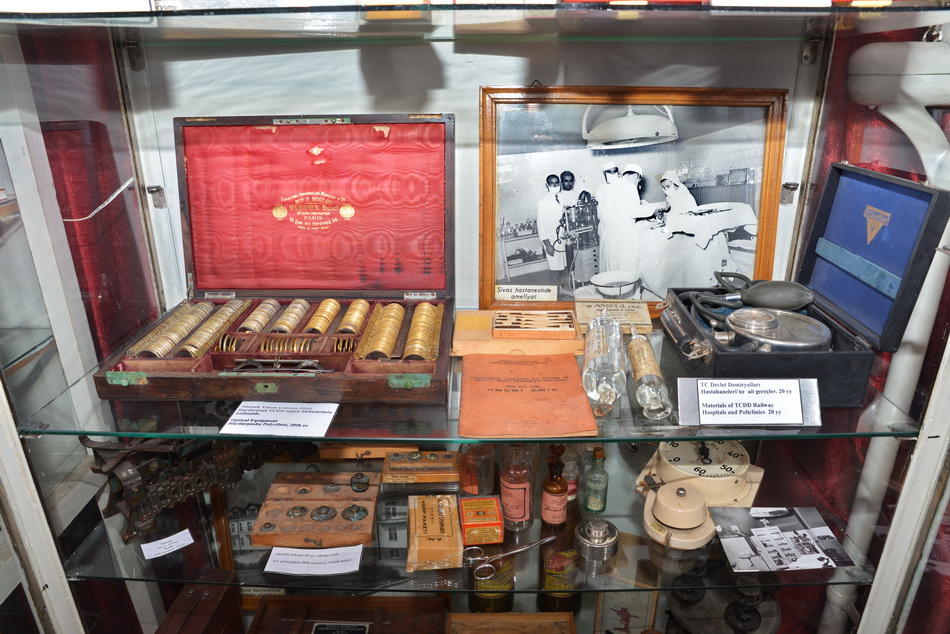
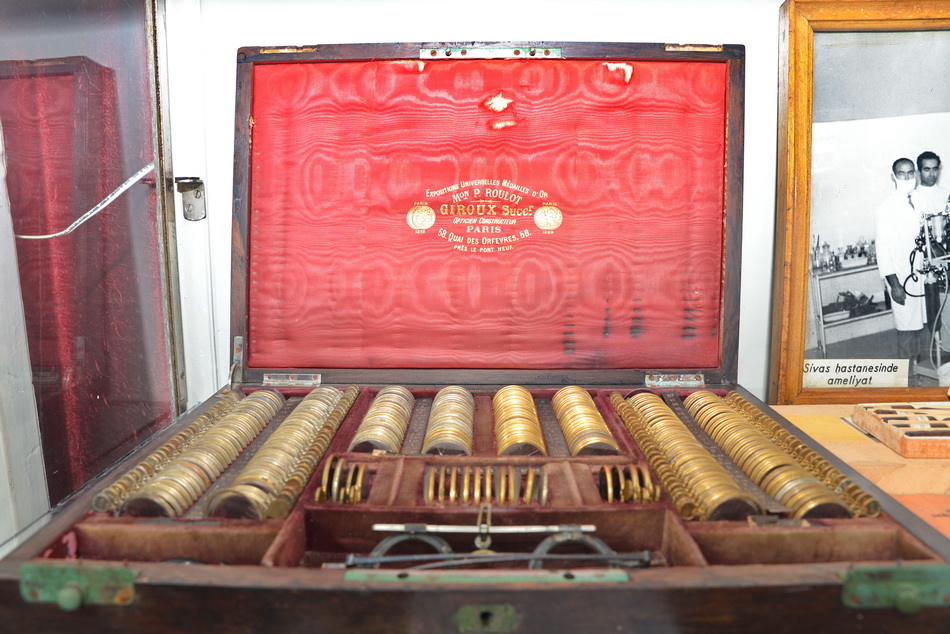
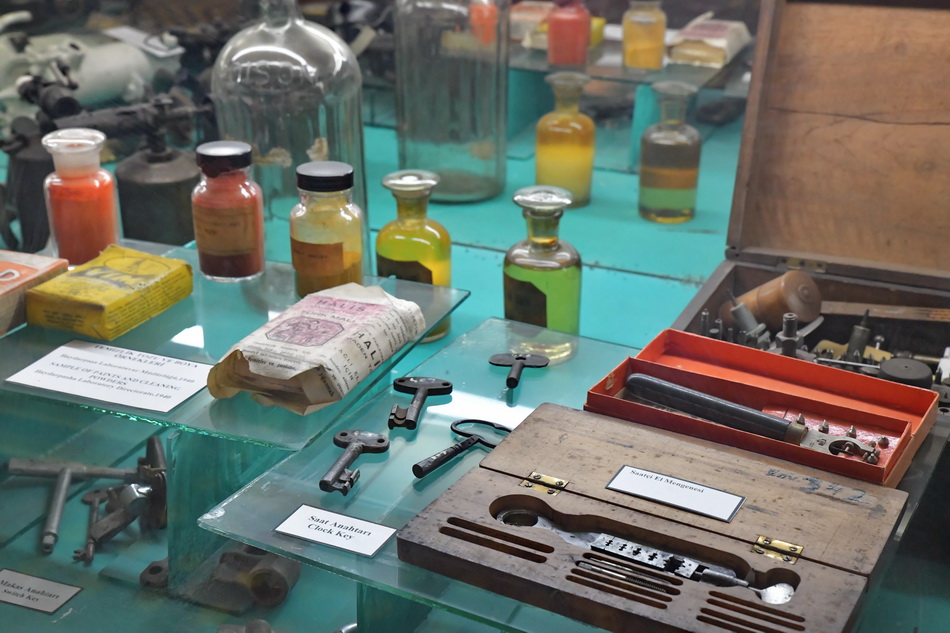
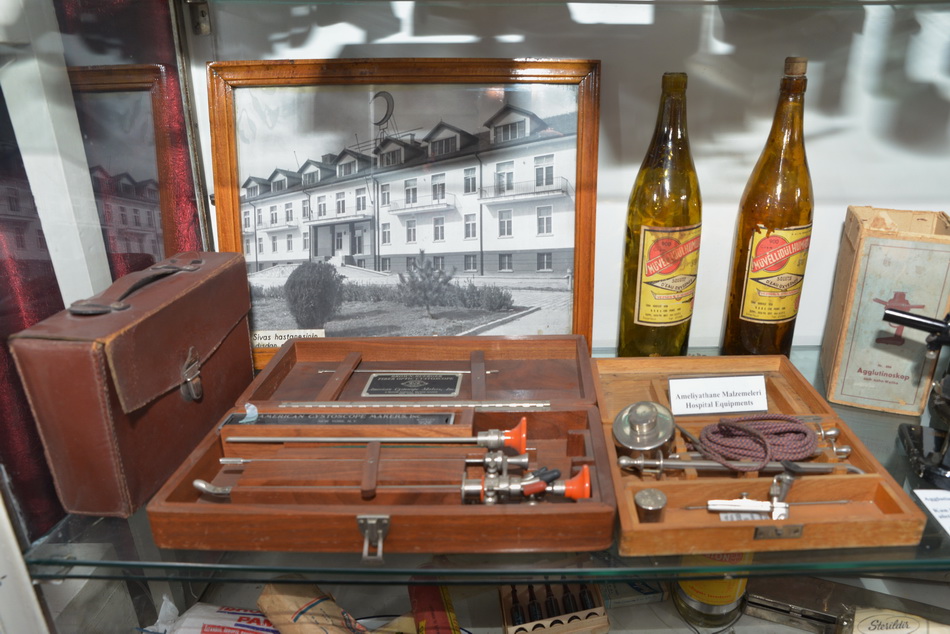
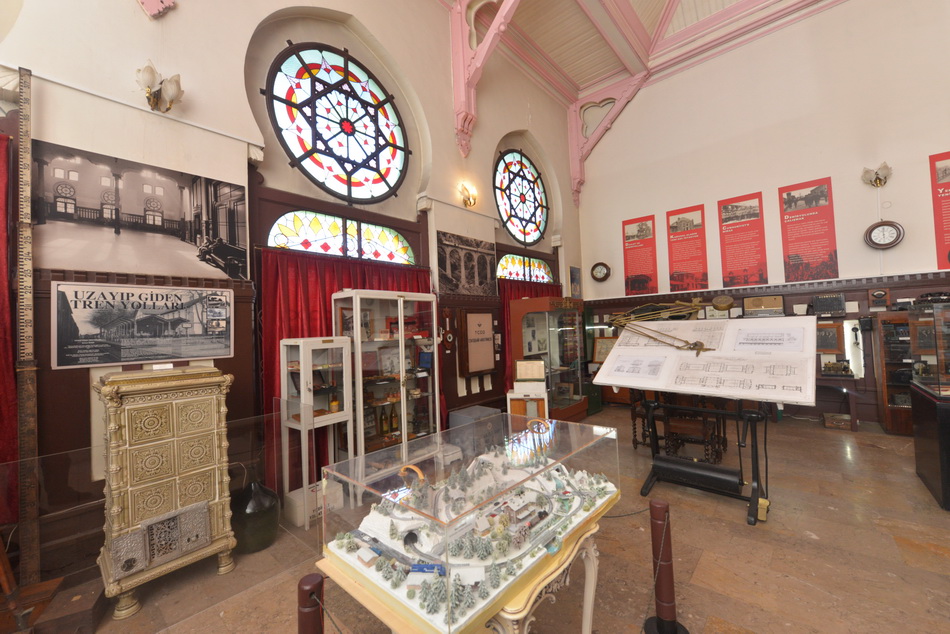
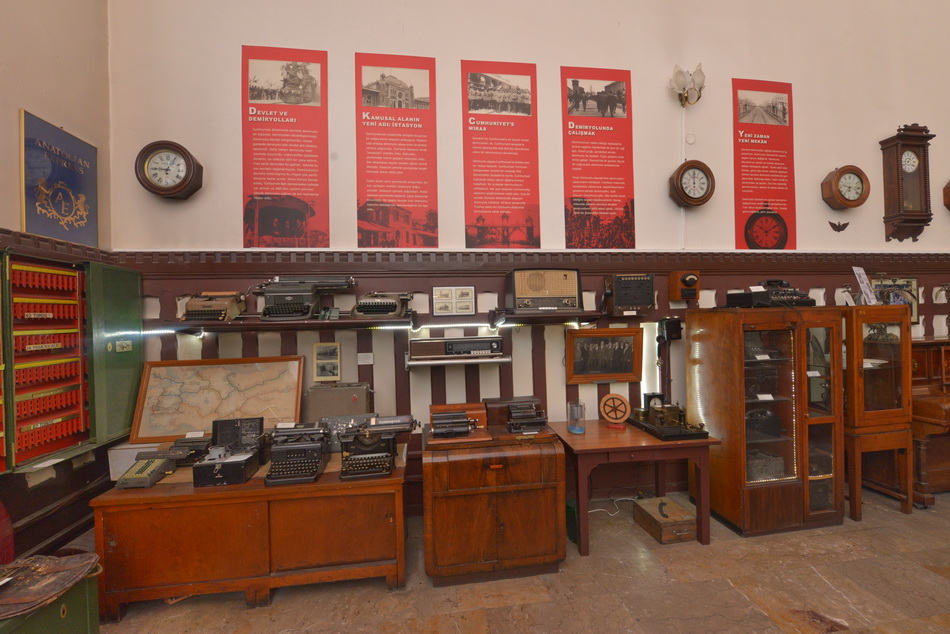
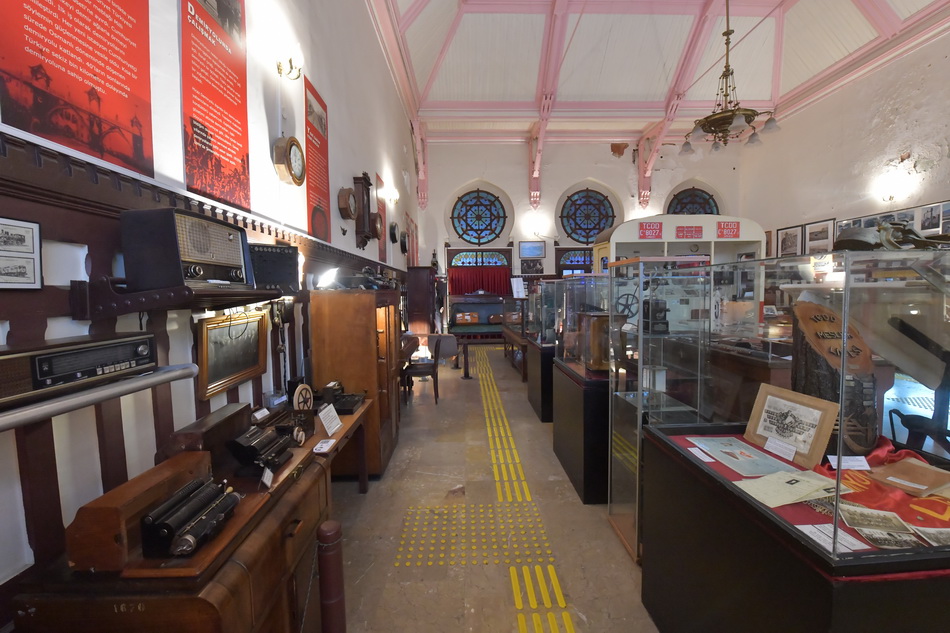
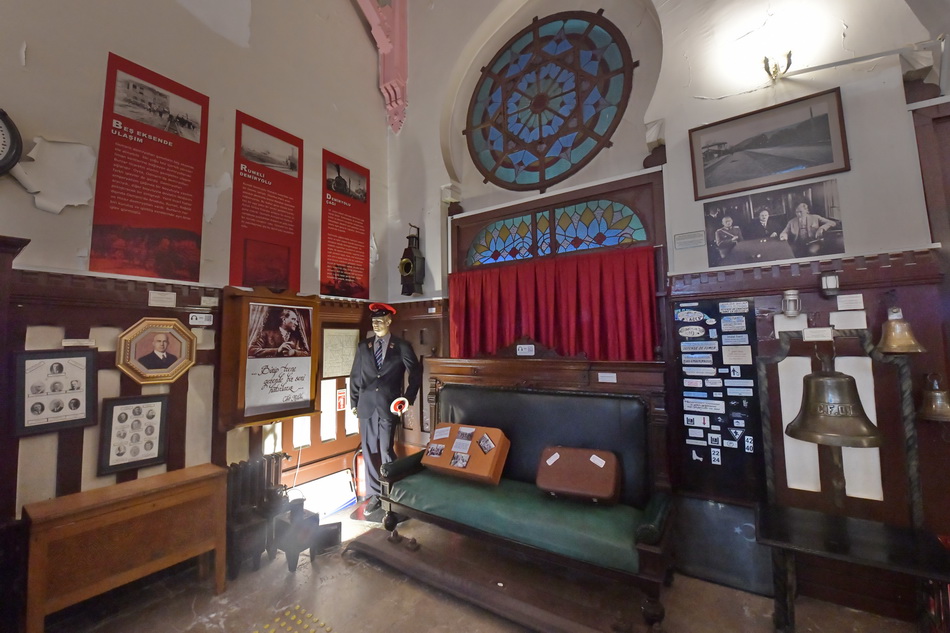
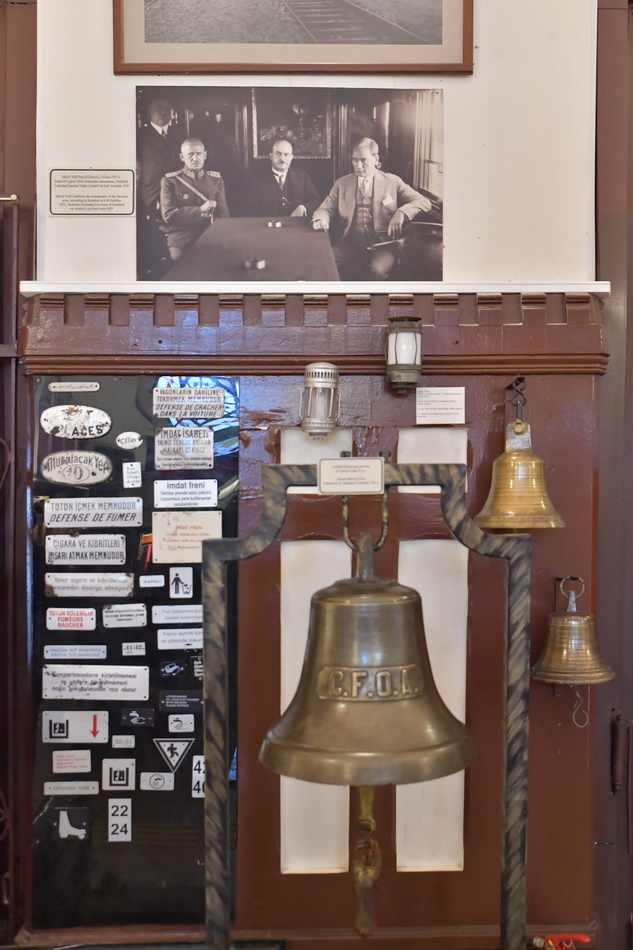
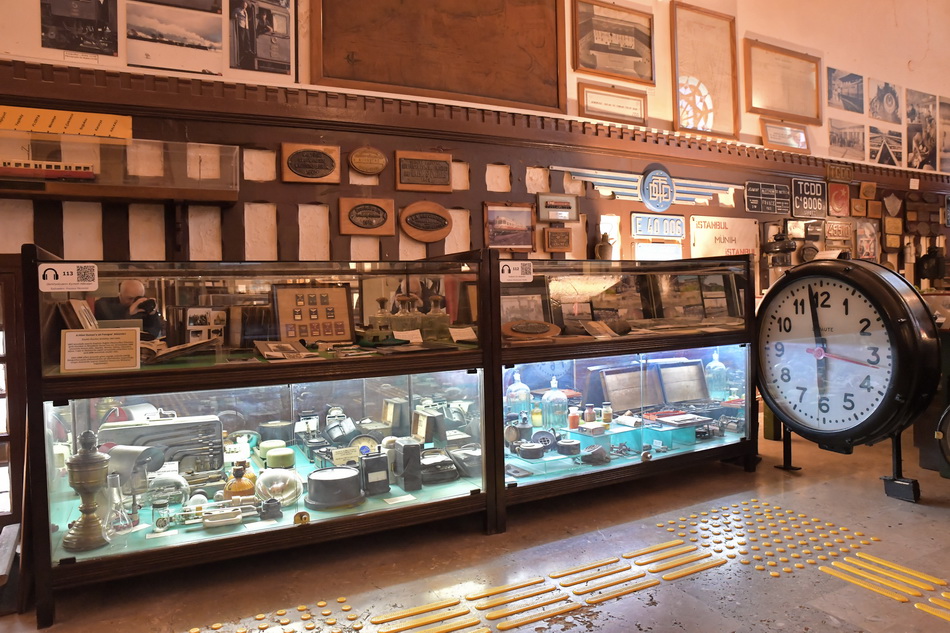
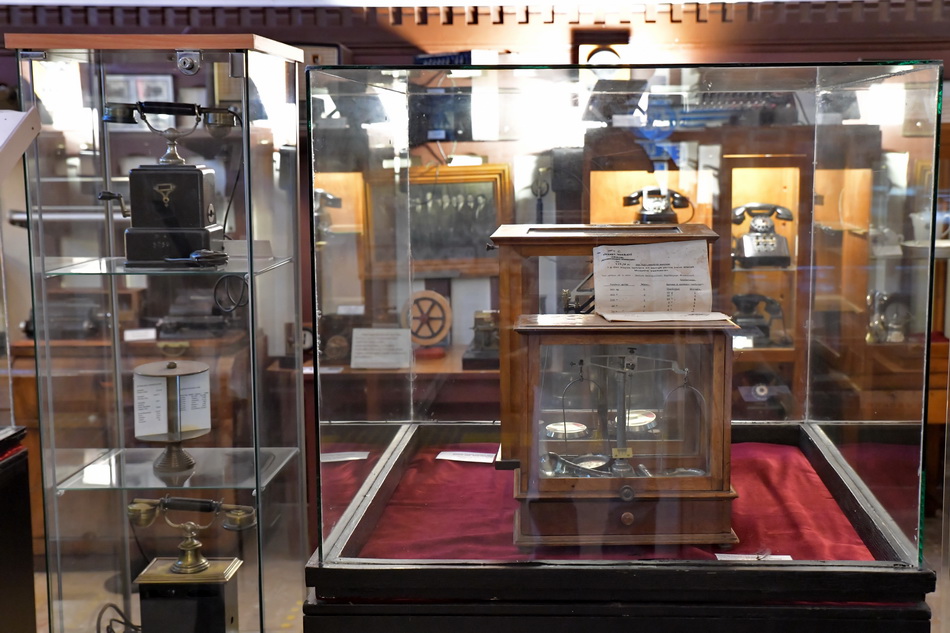
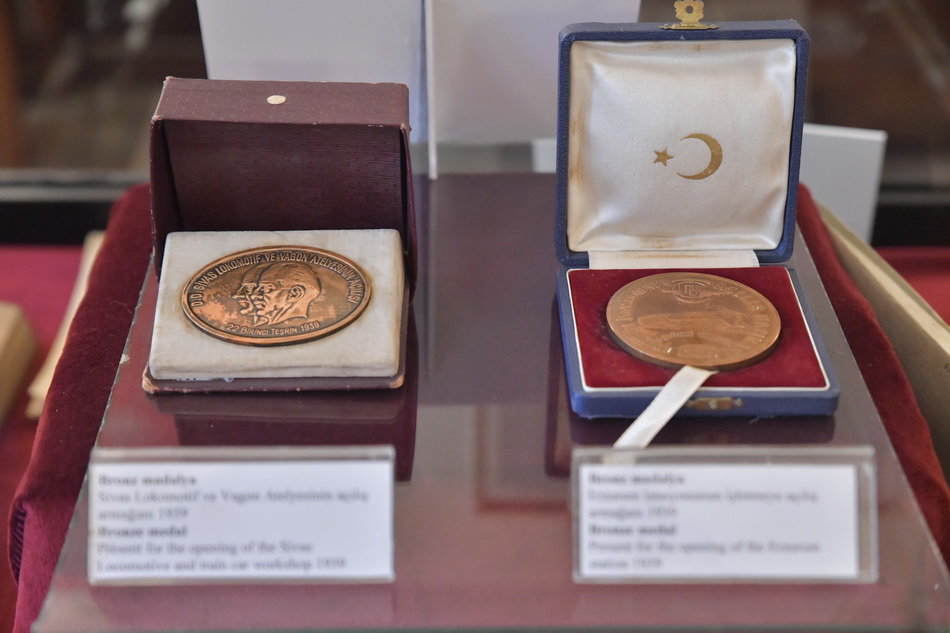
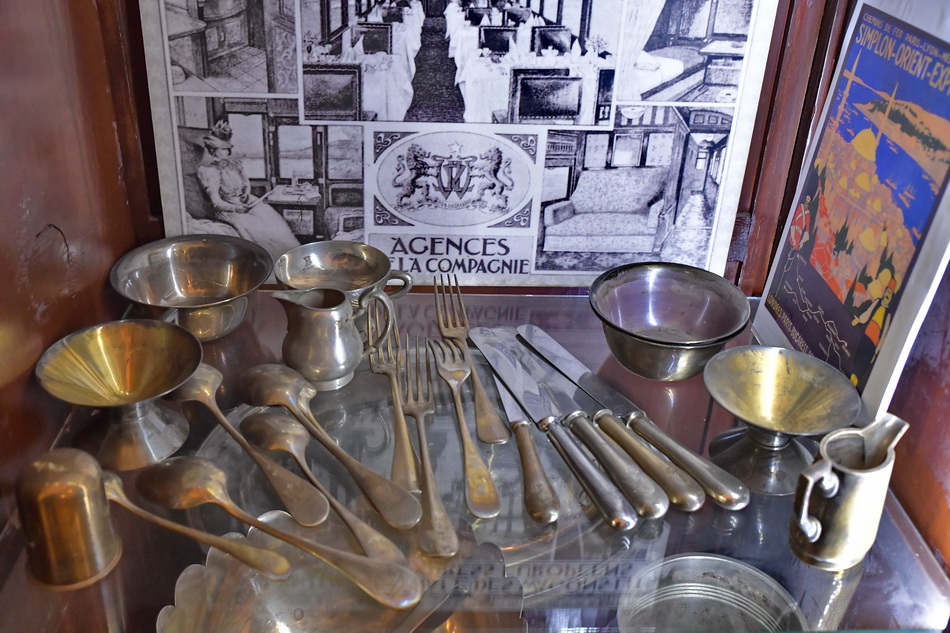
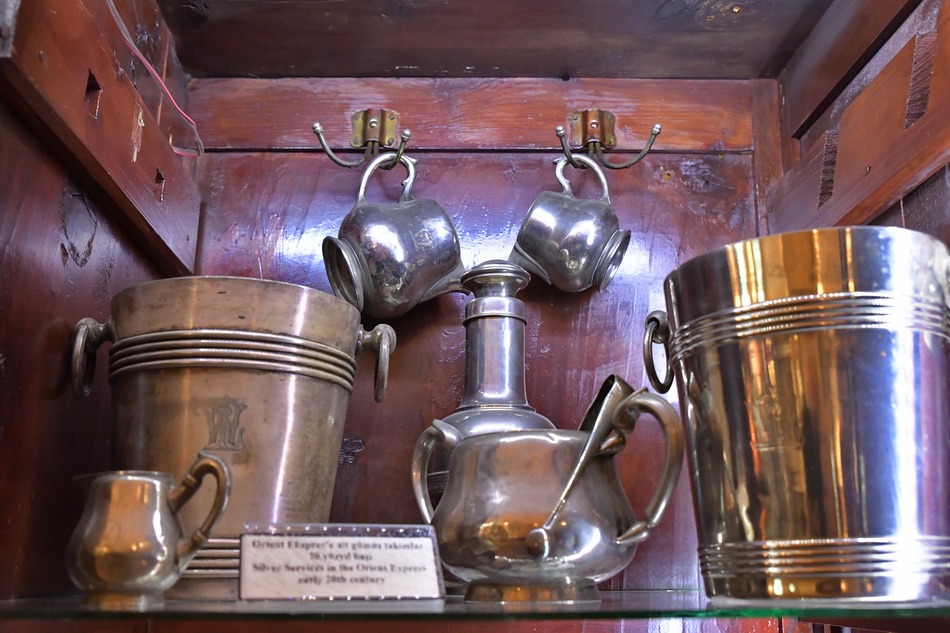
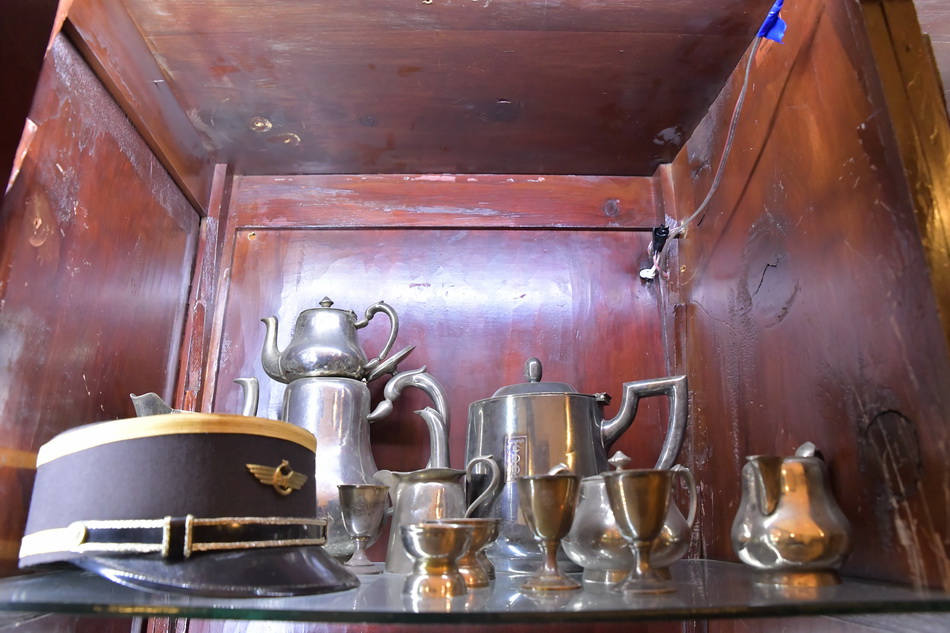
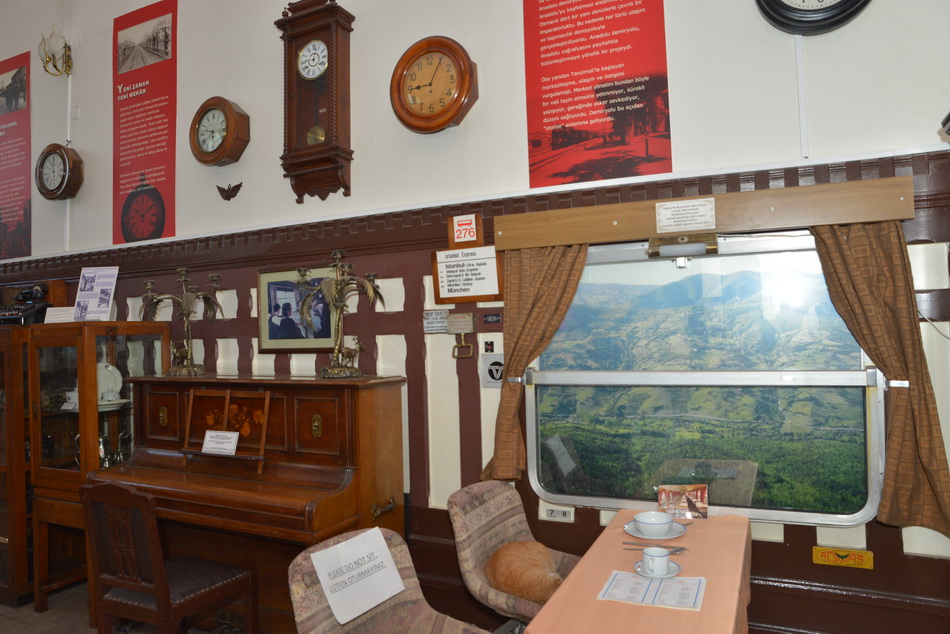
Despite its modest size, the museum brought together a remarkable variety of material: Ottoman-era documents, railway maps, station signs, equipment used on trains, communications devices, clocks, photographs and objects associated with the Orient Express.
As I photographed these exhibits, I was struck by how objects once essential to the everyday operation of the railway had become historical records.
The Everyday Working Life of the Railway
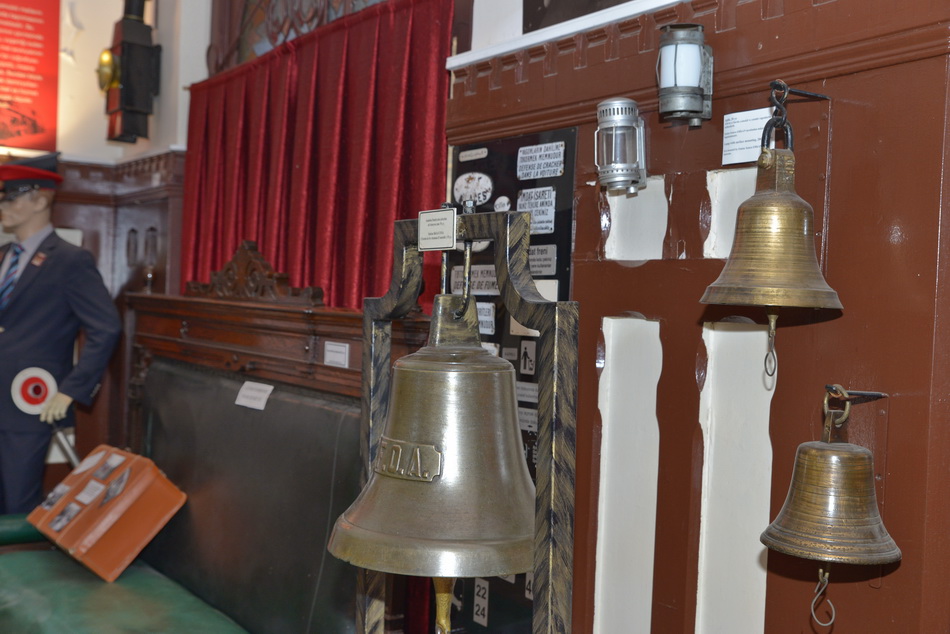
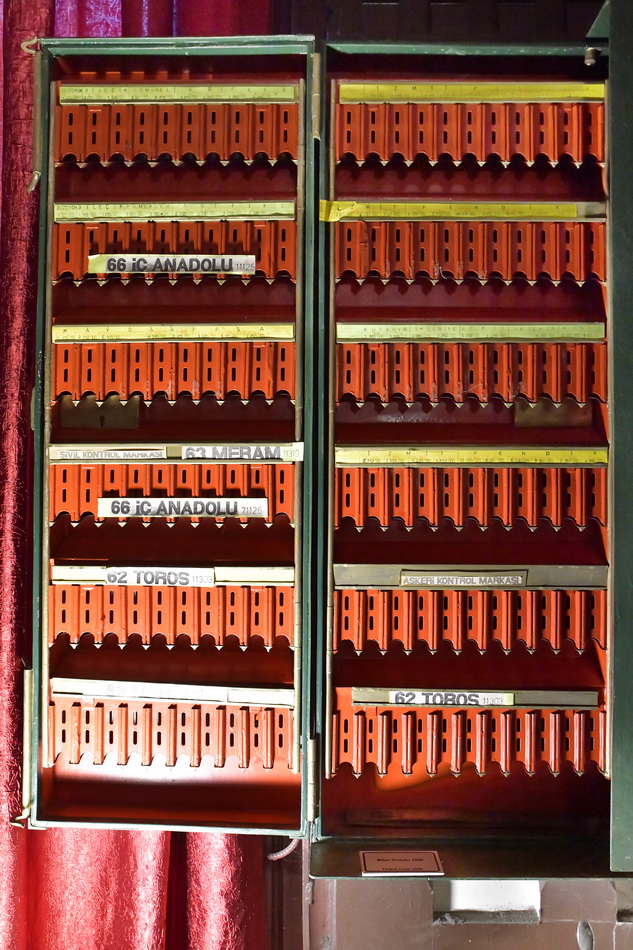
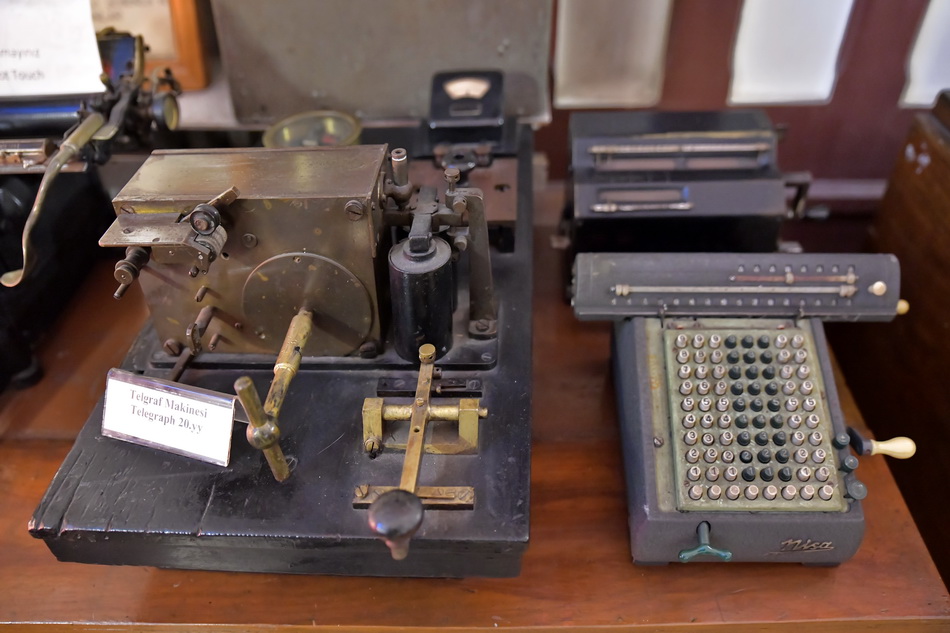
What interested me most was the way the collection showed that a railway is far more than its locomotives and carriages. Station signs, directional notices, devices used to manage train movements and early communications equipment offered clues to the organisation of railway work.
Telegraph and telephone systems were fundamental to communication between stations. The safe movement of trains depended not only on drivers, but also on station masters, dispatchers, points operators and communications staff working together.
Today, these items may look like ordinary old equipment. In their time, however, they were part of the system that kept a vast transport network operating. Documents and photographs also revealed the railway administration’s wider institutional life, including education and healthcare services for its employees.
From the Orient Express to Suburban Trains
Although the Orient Express is one of the first names associated with Sirkeci, the museum’s collection extends far beyond that famous service. Dining and sleeping-car objects evoke the distinctive culture of international rail travel, when meals, passenger comfort and the arrangement of carriages formed an important part of a long journey.
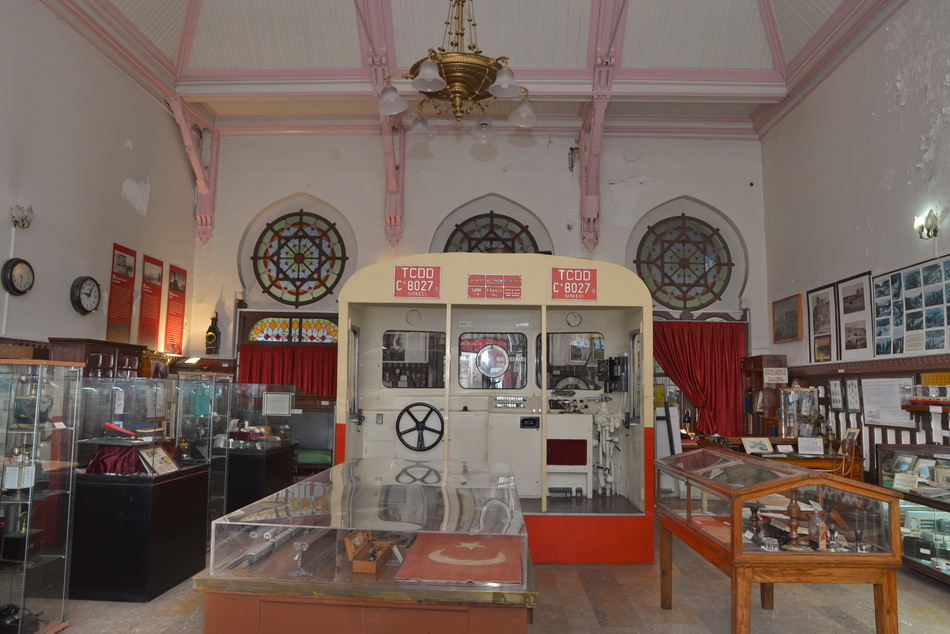
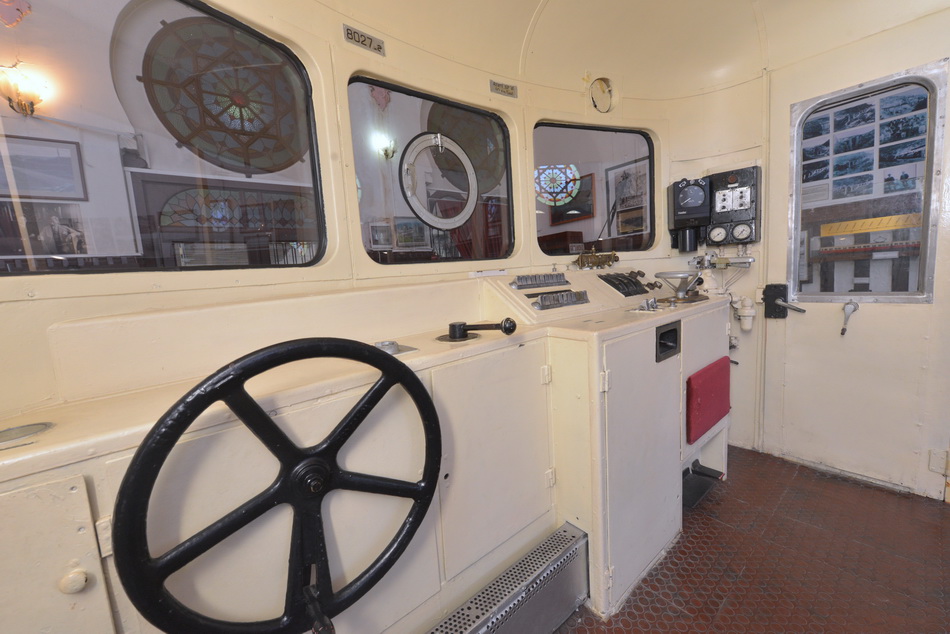
The museum also reflects the suburban trains that were so important in the everyday life of Istanbul. A driver’s cab from an early electric suburban train used on the Sirkeci–Halkalı line was displayed for visitors to examine at close range.
Model trains, carriage components and technical equipment bring different periods of railway history together. The models, in particular, help illustrate how stations, tracks and trains functioned as a connected system.
Details Preserved in Photographs
During my visits in 2017 and 2021, I tried to photograph the objects not simply as pieces in a collection, but as traces of the working environments in which they had once been used.
Old station signs, with their lettering and numbers, reflected different periods of railway history. Communications instruments and operational safety equipment told the story of changing technology. Framed documents, photographs and plans illuminated the institution behind those tools.
While photographing Haydarpaşa, I had learned the documentary value of details such as the carvings above doors, train movement charts and a small warning device known as a kestane fişeği, or railway detonator. I approached the exhibits at Sirkeci with the same attention.
The history of a railway is not told only by grand stations and powerful locomotives. Sometimes an old station sign, a communications instrument or a worn metal component can reveal a great deal about the ways people once worked.
Two Stations, One Shared History
Haydarpaşa and Sirkeci cannot be considered separately in the history of Istanbul’s railways. Opening towards Anatolia and Europe respectively, the two stations shaped the city’s transport life for generations.
At Haydarpaşa I documented the building’s architecture, the traces of travel and some of the distinctive details of railway operations. At the Sirkeci Railway Museum I encountered the same history preserved through equipment and documents that had passed out of everyday use.
Seeing these objects on display reminded me how quickly technology changes. But it is not only machines that change: travel habits, working practices and the transport patterns of cities change with them.
In bringing these photographs together, I wanted to do more than record museum exhibits. I wanted to remember the human labour, technical knowledge and railway culture behind each object.
For me, the Sirkeci Railway Museum is more than a small exhibition space filled with old equipment. It is a place of testimony, preserving part of the railway memory of Istanbul and Türkiye for future generations.