
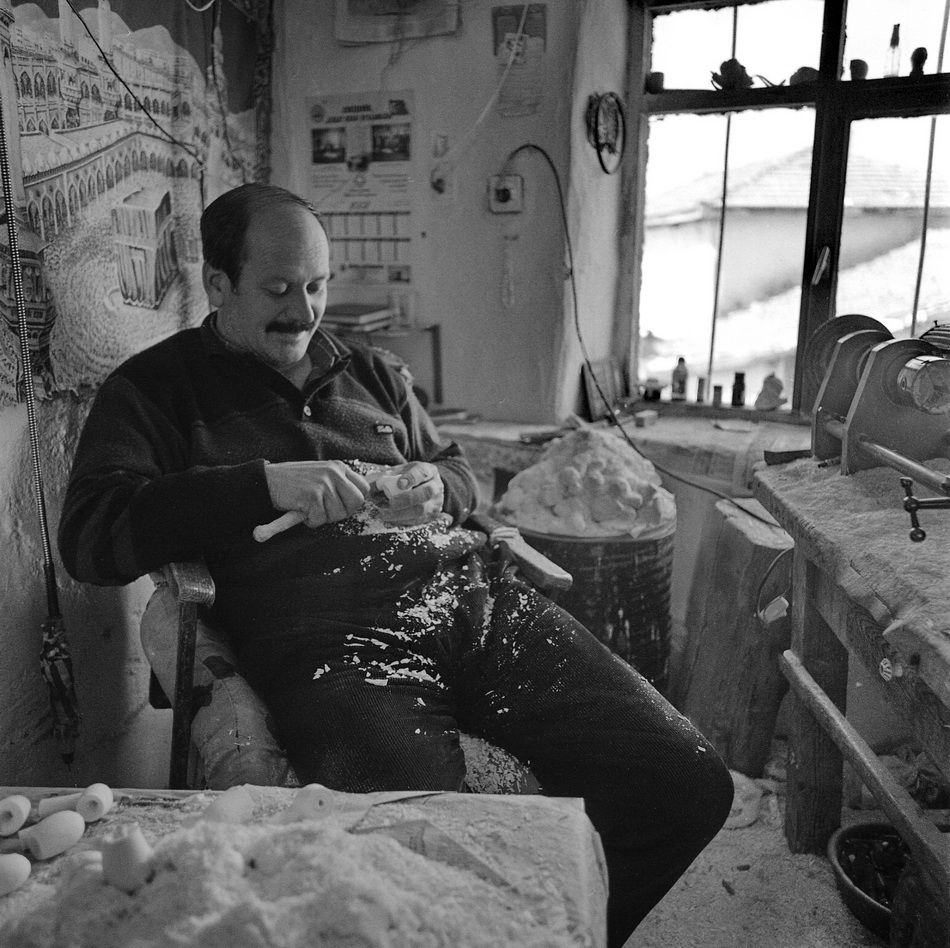
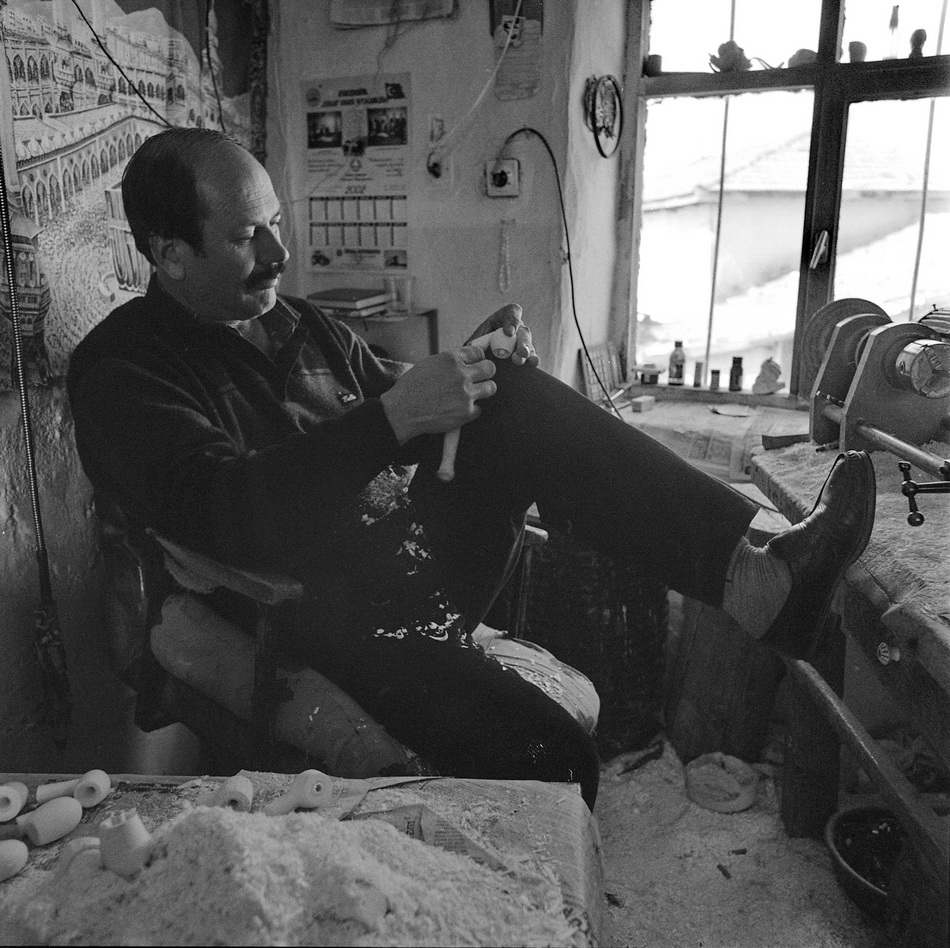
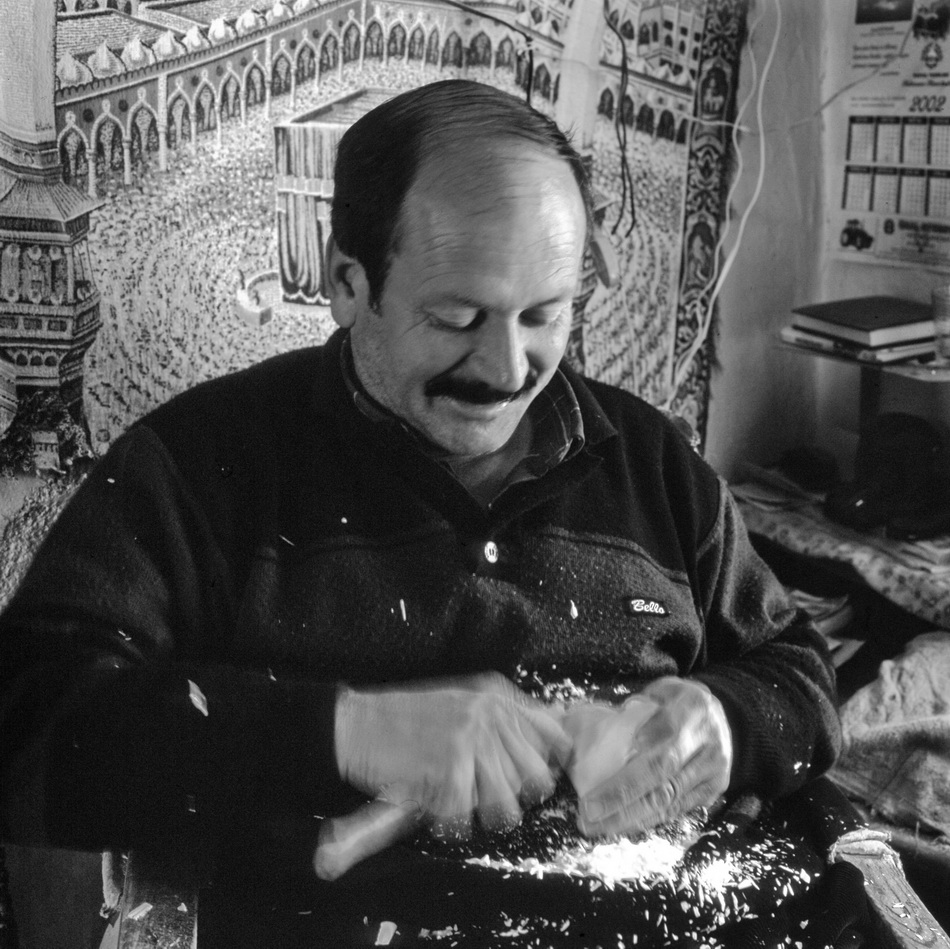
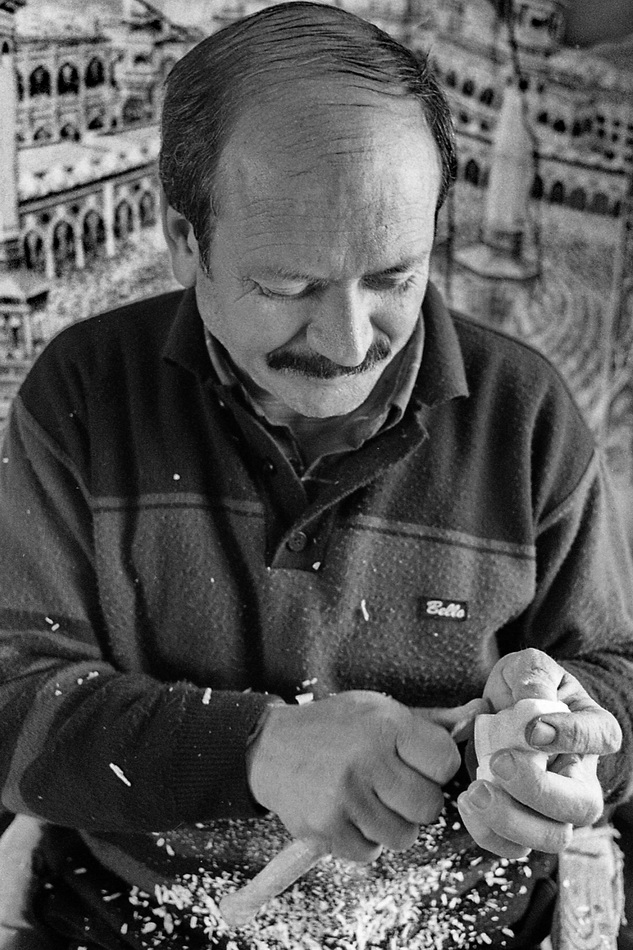
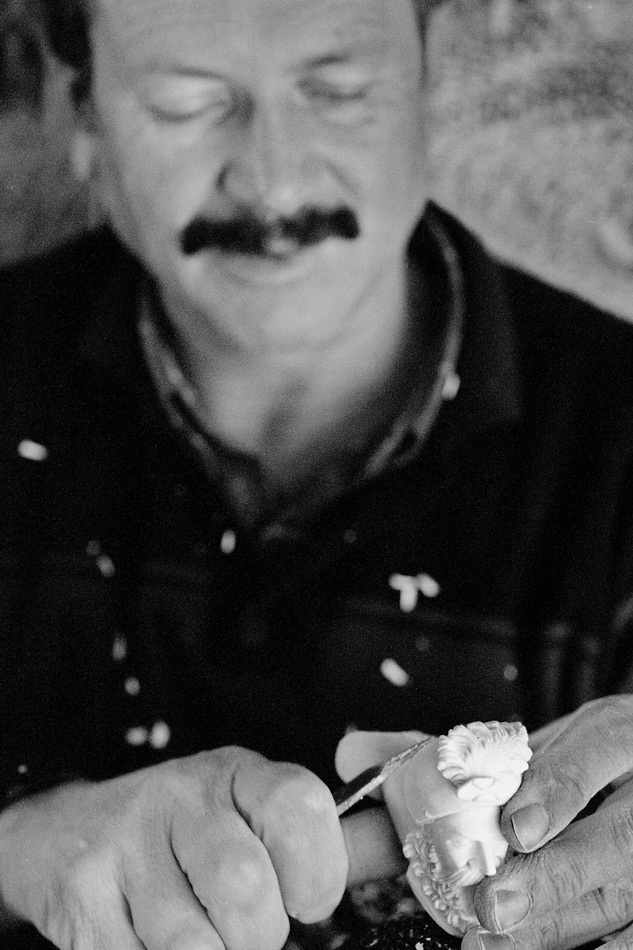
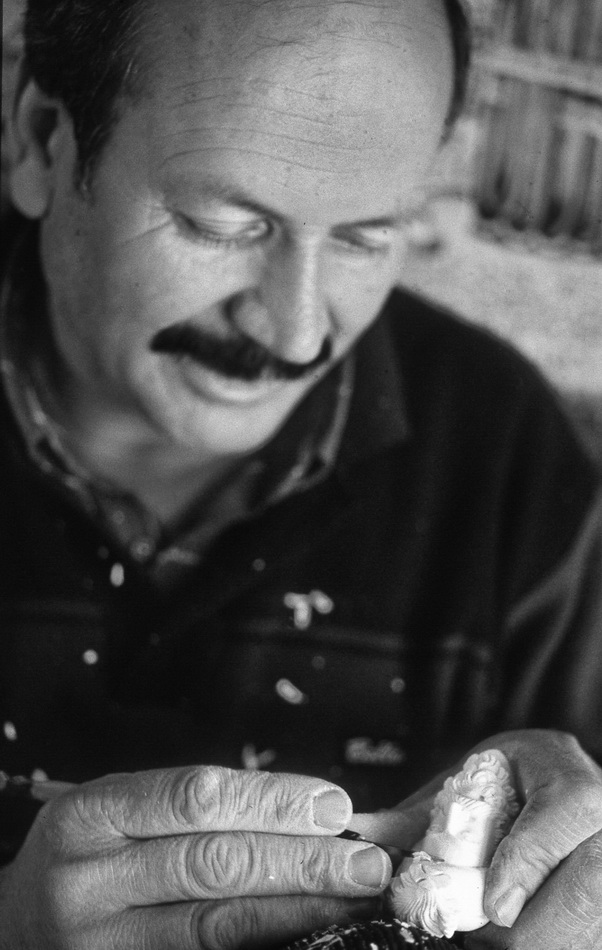
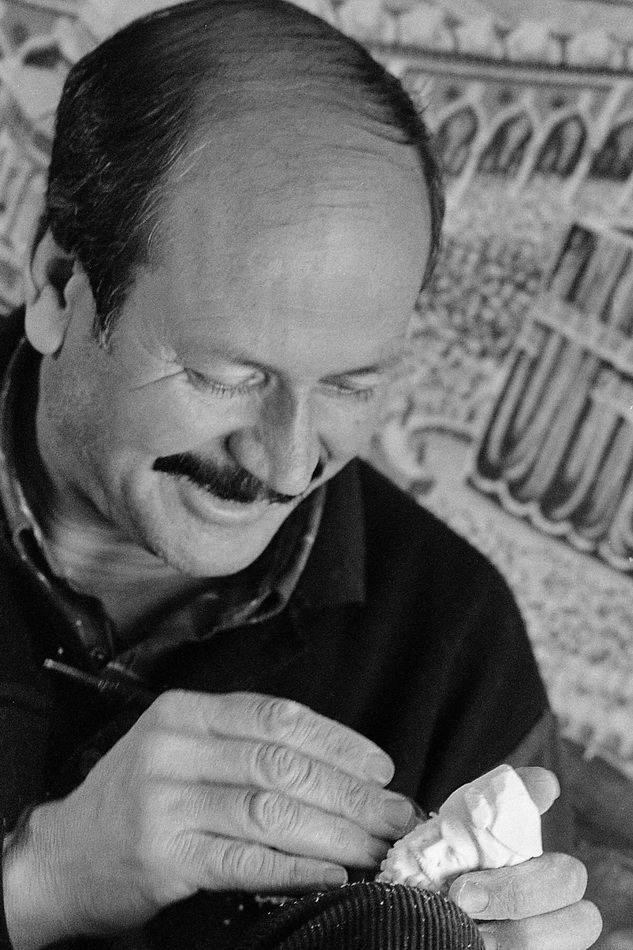
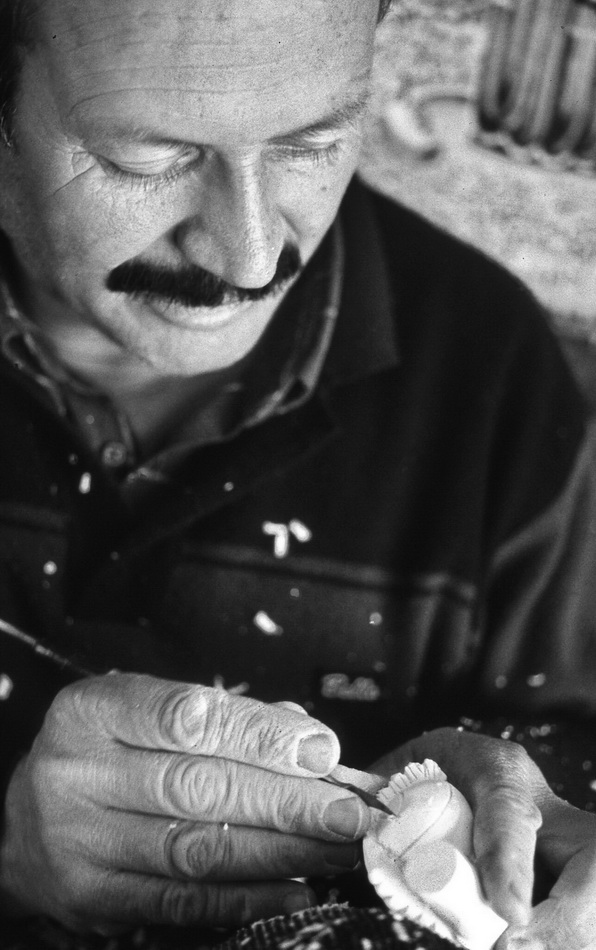
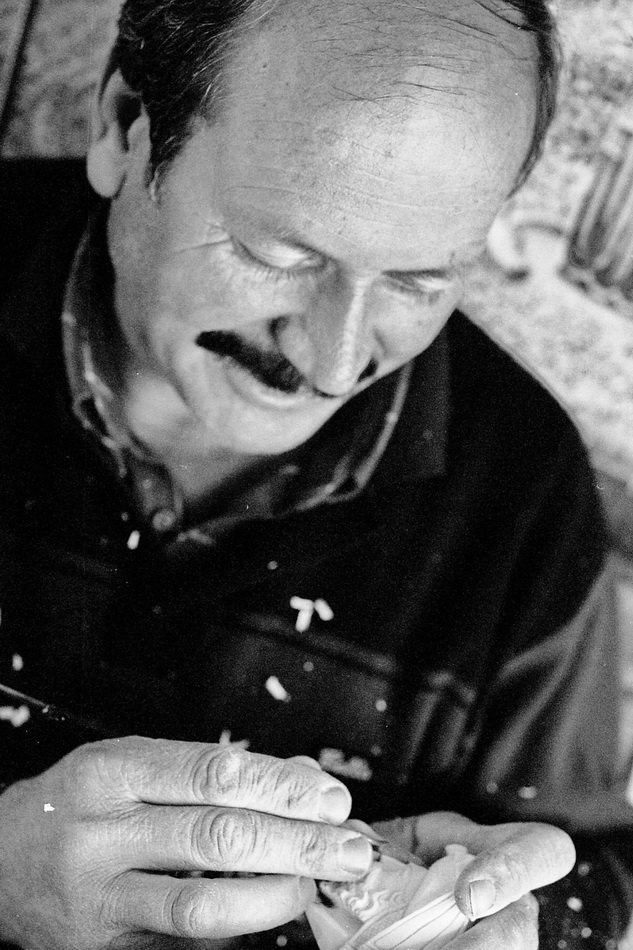
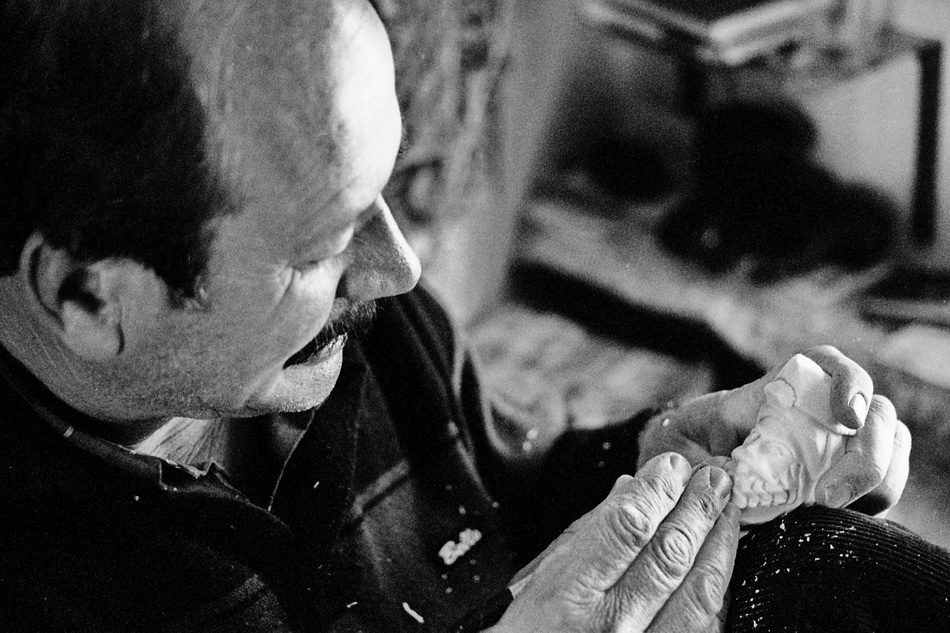
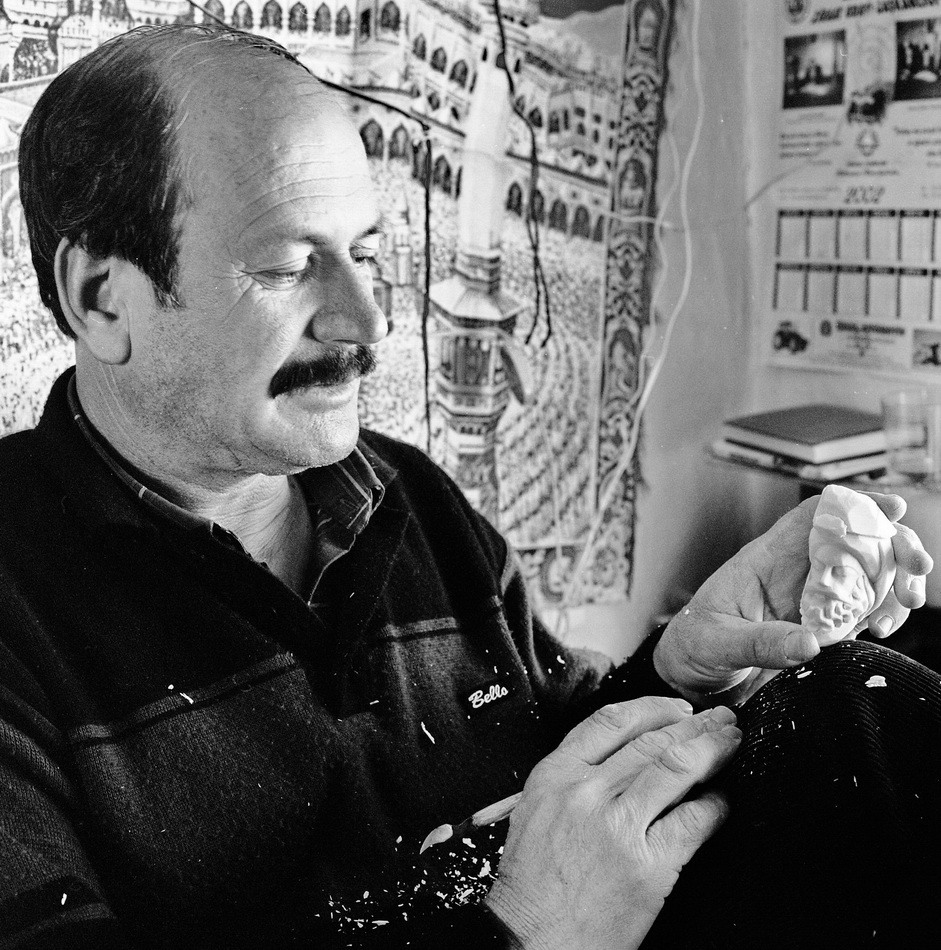
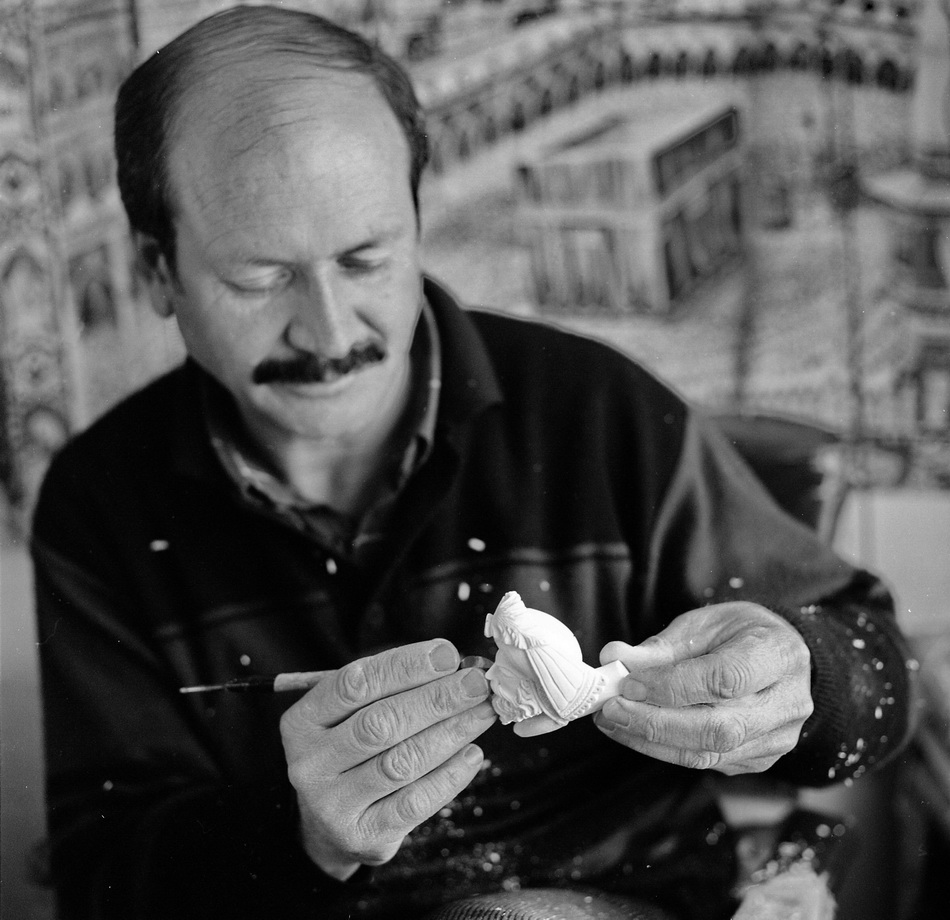
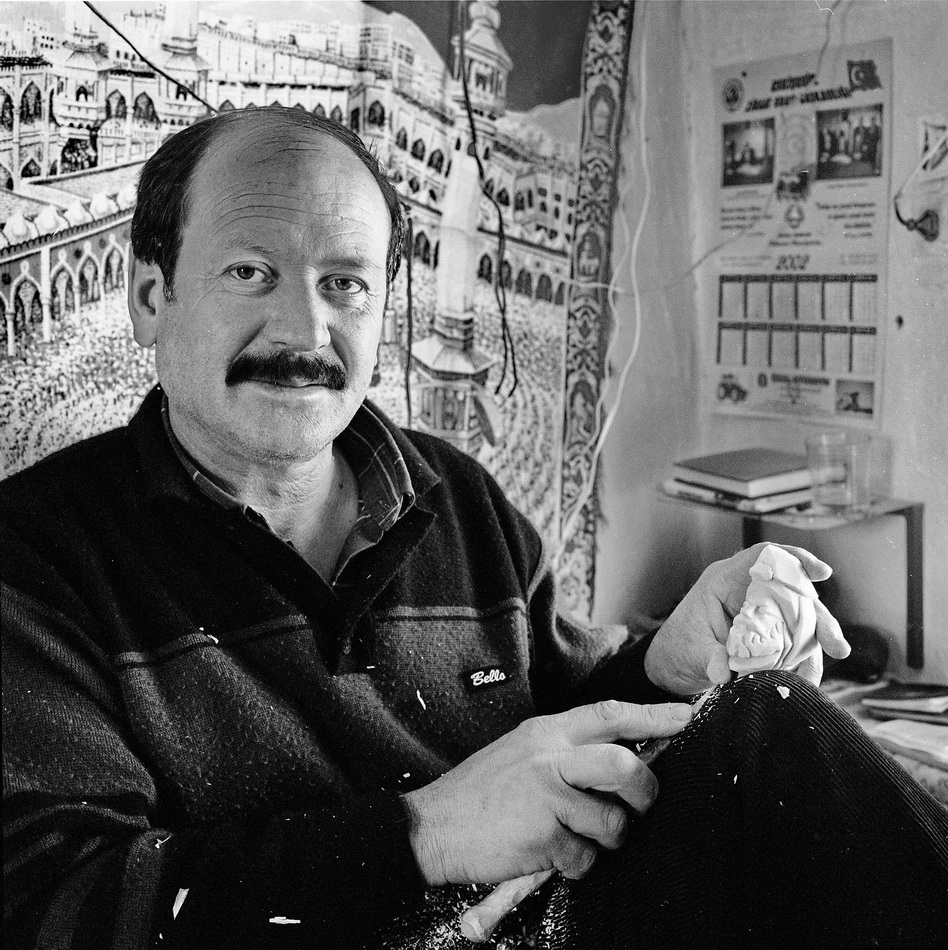
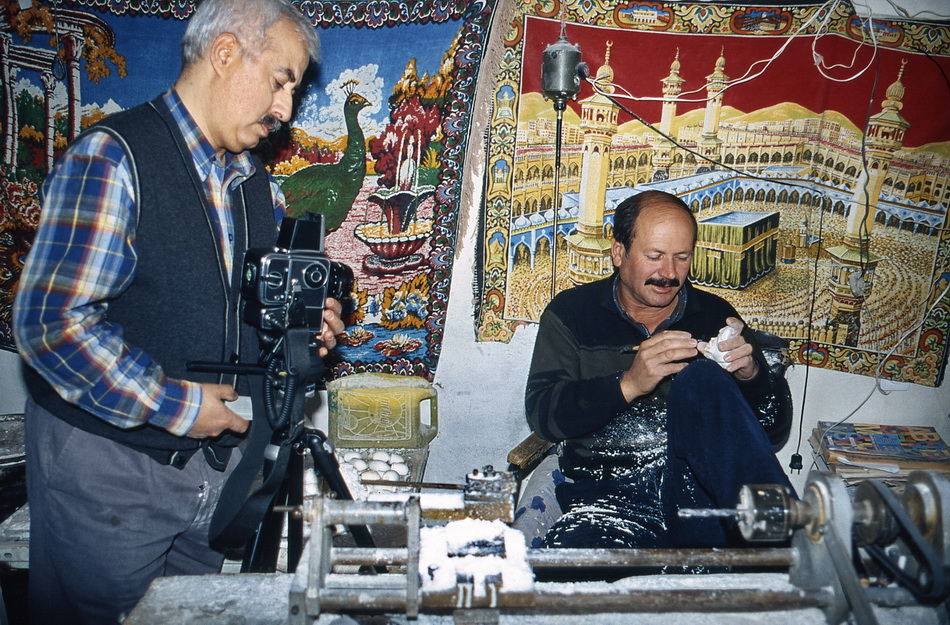
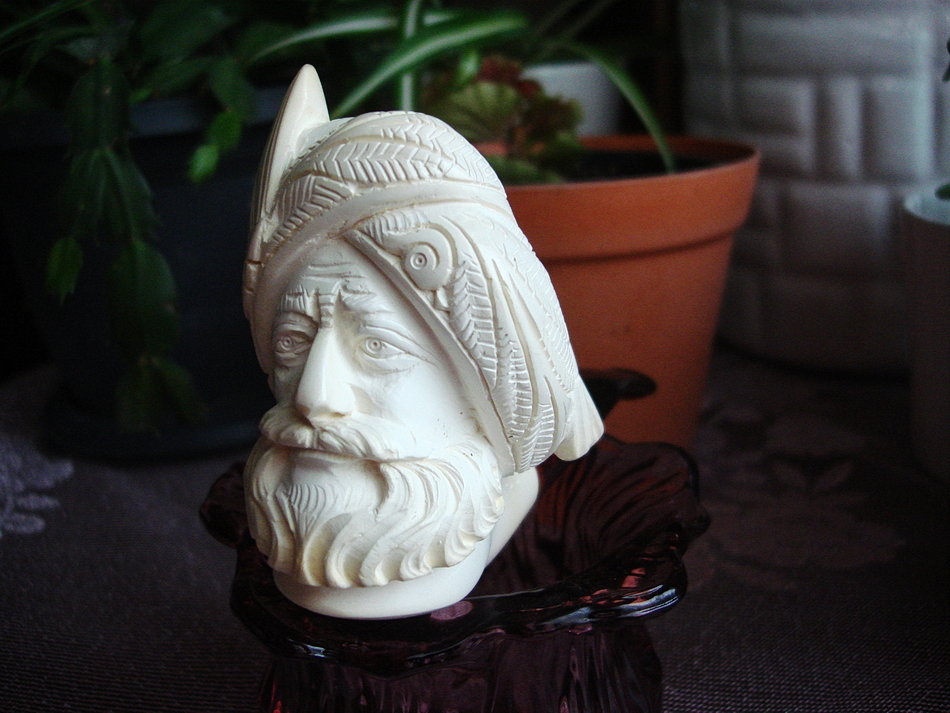
In 2002, I visited the workshop of İbiş Usta, a meerschaum carver in Eskişehir. It was impossible not to admire the human figures, expressive faces and intricately detailed small sculptures he created from modest pieces of stone. What impressed me most was how craftsmen without formal training in anatomy or sculpture could produce such remarkable work through observation and skills developed over many years. In İbiş Usta’s hands, an unassuming piece of stone gradually became a human face.
Meerschaum, closely associated with Eskişehir, is a light, porous and absorbent mineral known as sepiolite. Sometimes called ‘white gold’ locally, it is extracted from deposits around Eskişehir. Although the material has been known for centuries, it became especially popular in Europe from the eighteenth century onward, notably for tobacco pipes; stones from Eskişehir were exported to Vienna for many years. Today it is also used for mouthpieces, prayer beads, jewellery, human and animal figures, and decorative objects. Eskişehir meerschaum received geographical indication registration in 1999.
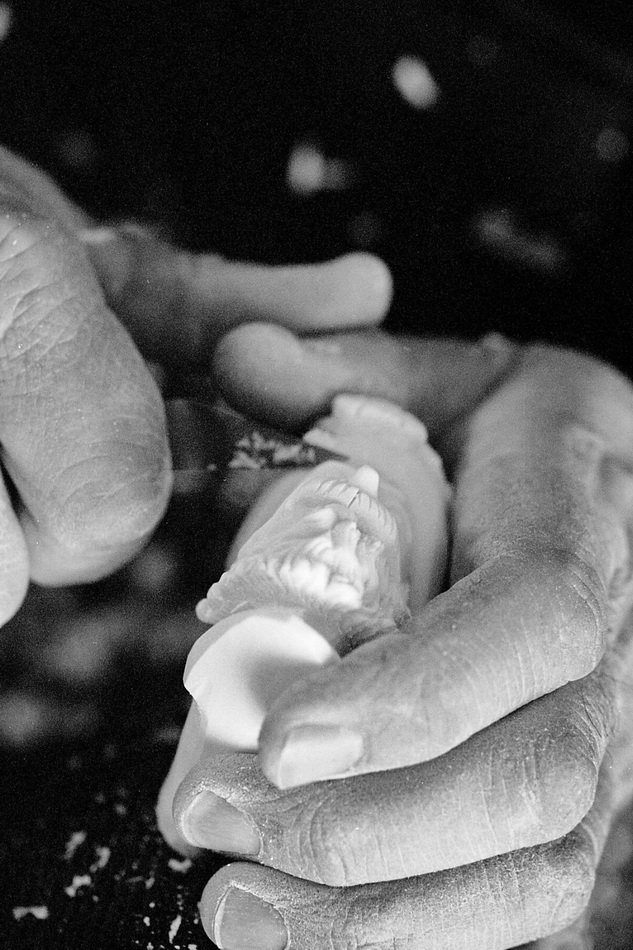
One of meerschaum’s most useful qualities is that it can be carved relatively easily while moist. The stone is comparatively soft when extracted and becomes harder as it dries. Before carving, it can be soaked in water to restore its workability. The craftsman shapes the damp stone using very simple knives, small chisels and pointed tools. First the main contours emerge; then the eyes, nose, lips, hair, beards and folds of clothing are carved with great care. The stone’s natural texture, pores and possible flaws also influence the work. Each piece presents its own challenges, making experience essential.
The most astonishing aspect of meerschaum carving is the contrast between the simplicity of the tools and the intricacy of the finished work. Watching İbiş Usta’s hands, I saw how the tip of a small knife could alter the expression of a face, and how a few careful movements could define an eye, a nose or the curl of a beard. This required more than manual dexterity: it called for an understanding of faces, an intuitive sense of proportion and the ability to imagine a three-dimensional form within the stone. His knowledge had grown less from formal instruction than from observation, practice and repetition.
After carving, the objects are left to dry. Their surfaces are then refined, rubbed smooth and, in traditional finishing methods, polished with beeswax. These final steps bring out the stone’s natural pale colour and delicate details. Every stage requires care, since a small mistake in a fine feature can undo hours of work. When a finished figure is placed in a display case, the once shapeless piece of stone has become an artwork bearing the craftsman’s individual interpretation.
Meerschaum carving was an important livelihood in Eskişehir for many years, as well as a tradition of skills passed from one generation to the next. Yet the difficulty of training new craftsmen, production costs and changing consumer habits have challenged its future. When I photographed İbiş Usta at work, I did not know what condition the craft would be in years later. Today, these images mean more to me because they document not only a method of production, but also the individual creativity that can emerge from traditional hand skills.
That day, I wanted to document not only finished objects but also the process through which they came into being. The way İbiş Usta held the stone, handled his knife, concentrated on his work and studied the figure in his hands mattered to me as much as the sculptures themselves. The time I spent photographing him showed me how a traditional craft could also become a deeply personal form of art. Looking at these photographs today, I remember the patience, imagination and hands of a craftsman who brought human faces out of stone in a small Eskişehir workshop.