
Anatolia in the 1970s: A Documentary of Rural Life and Architecture
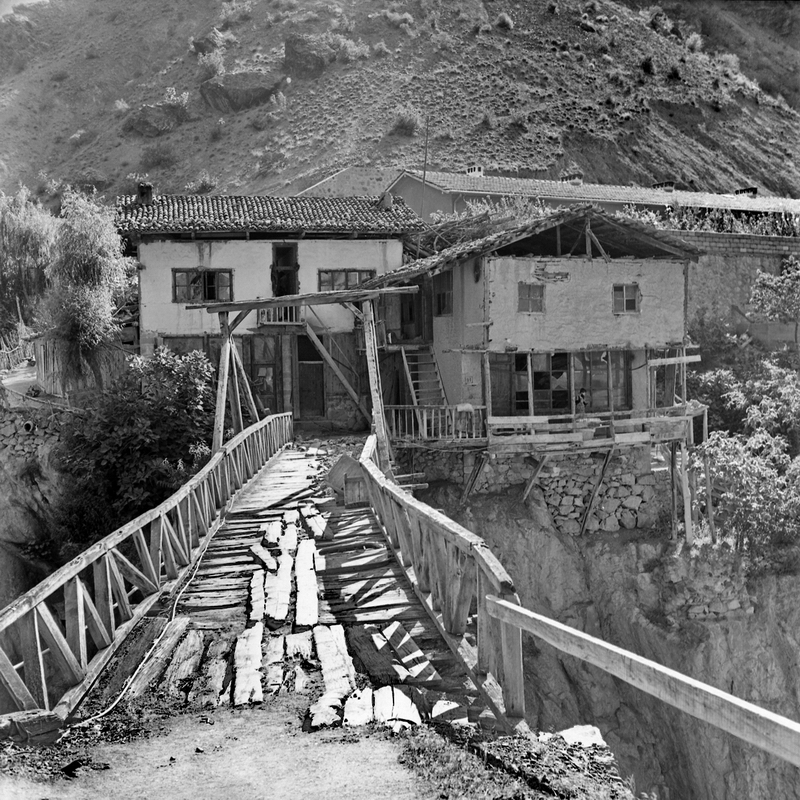
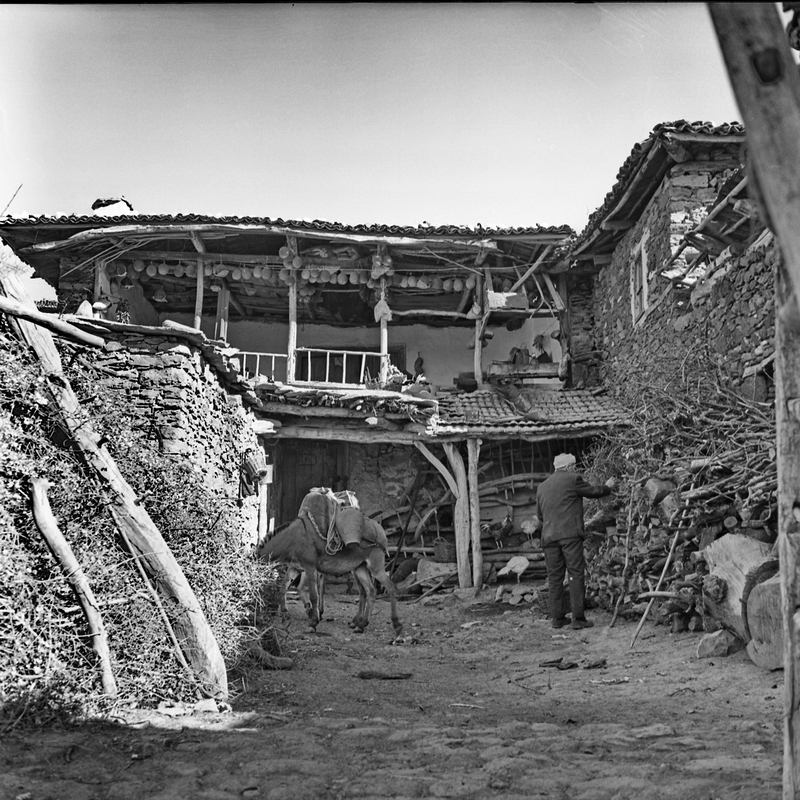
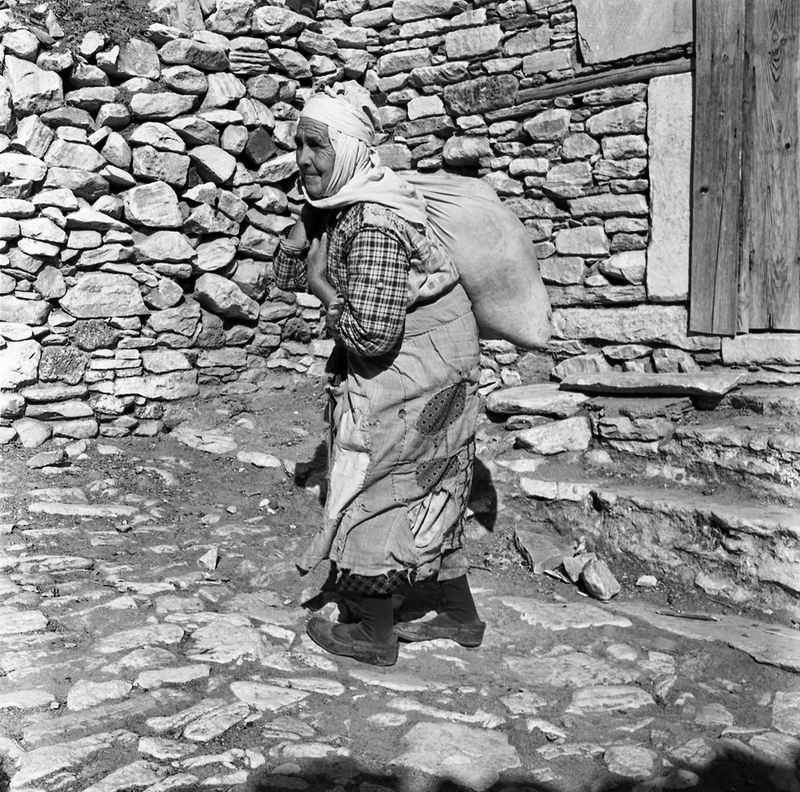
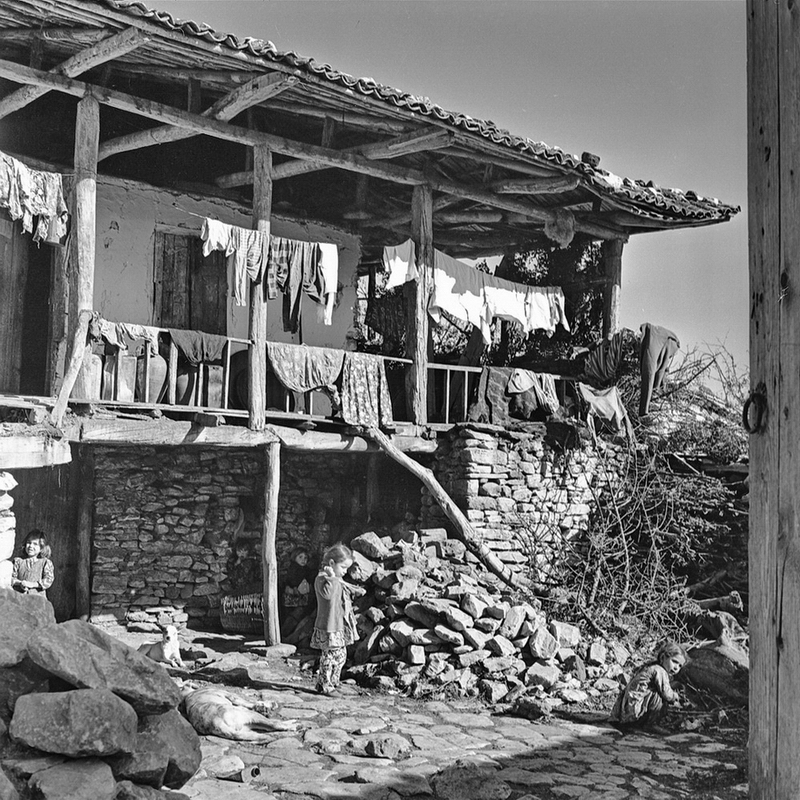
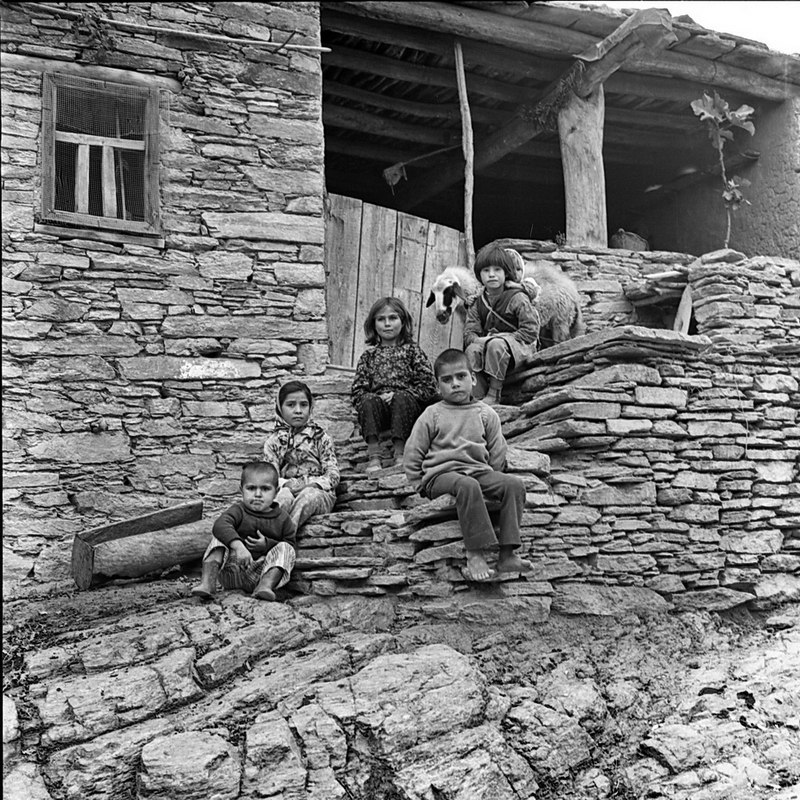
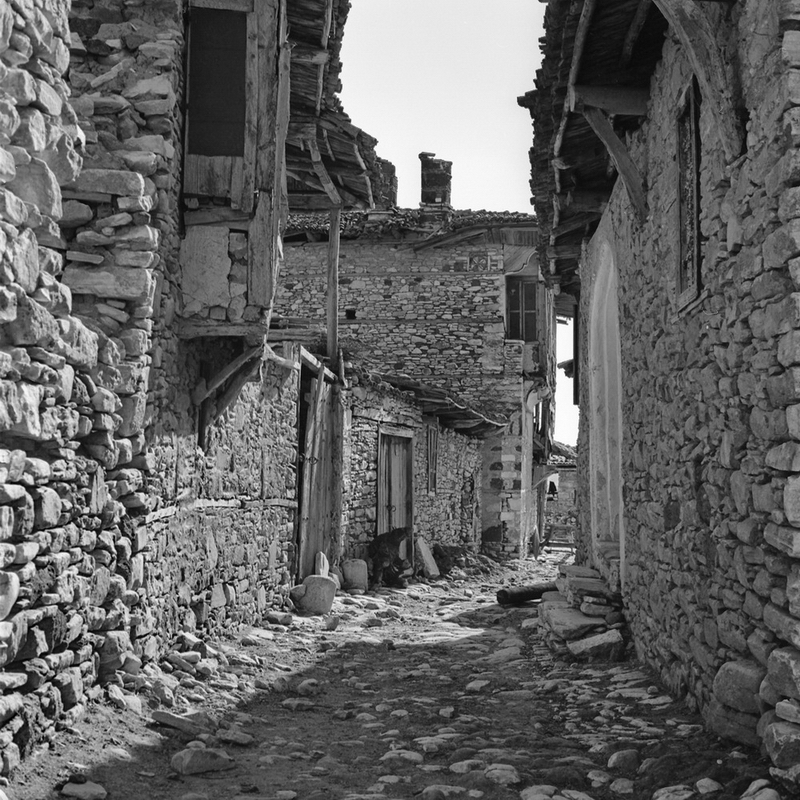
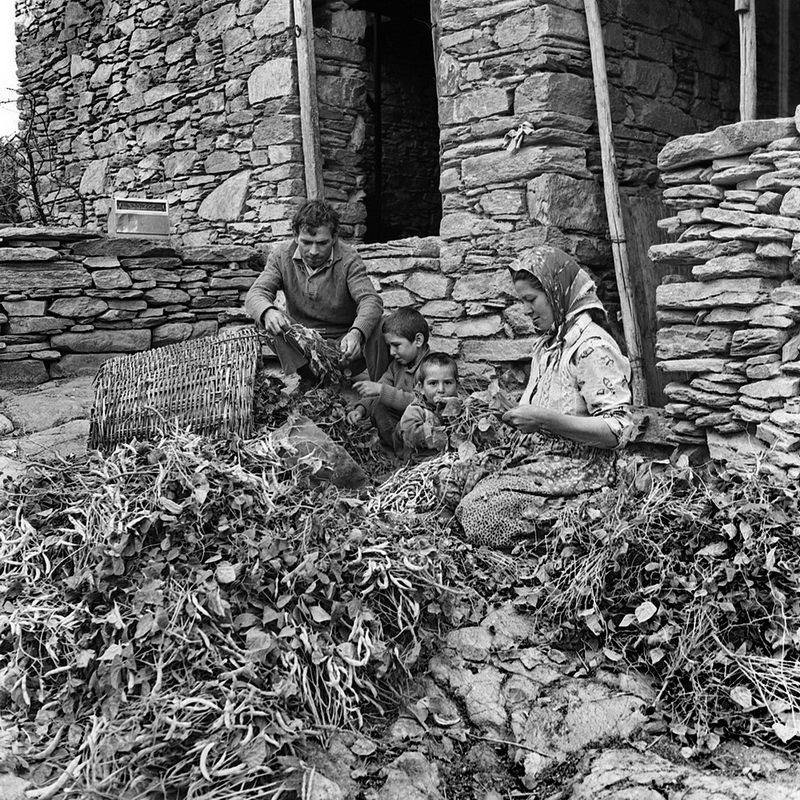
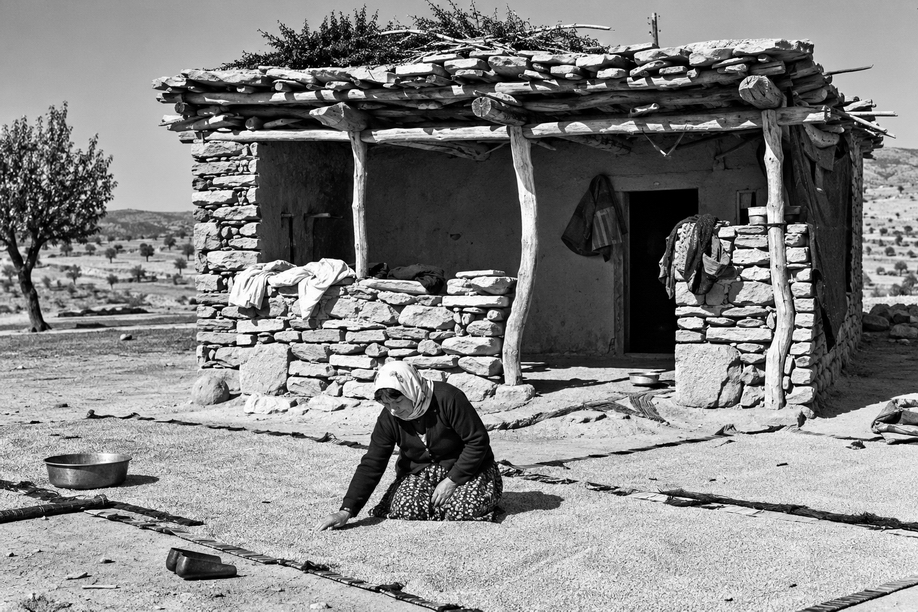
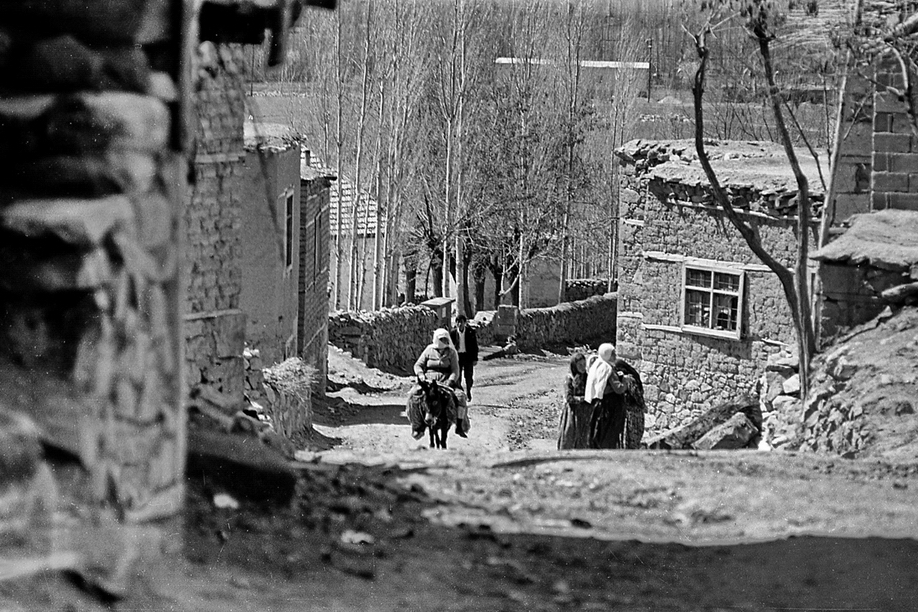
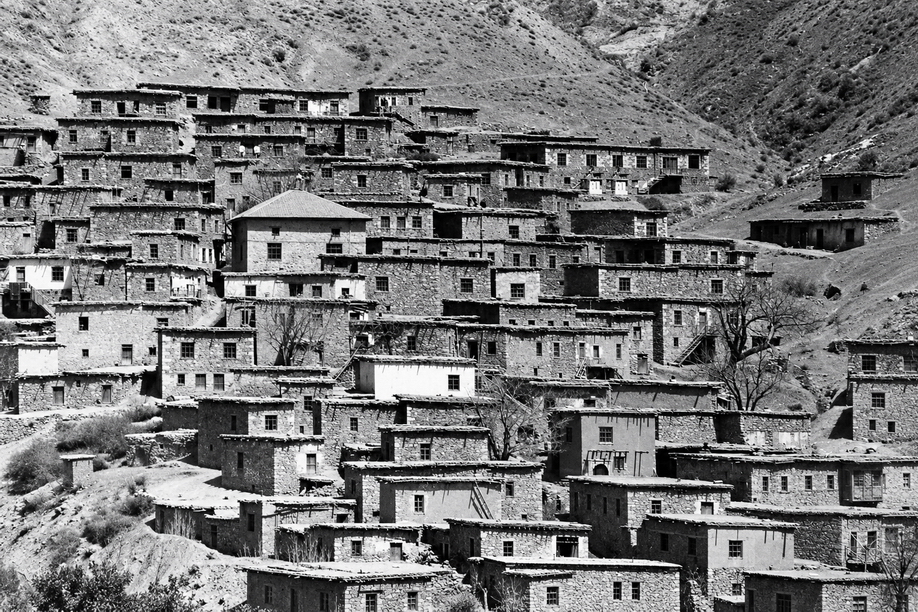
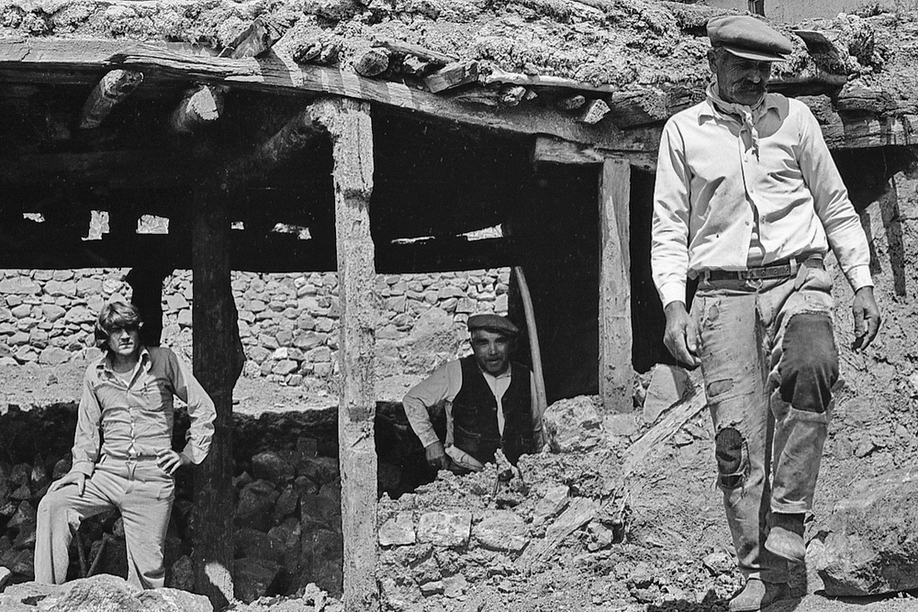
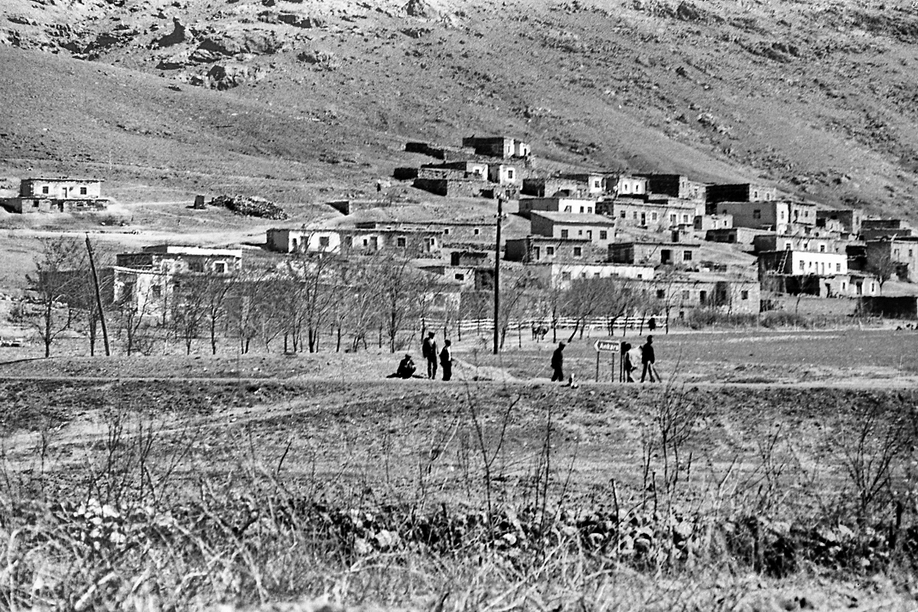
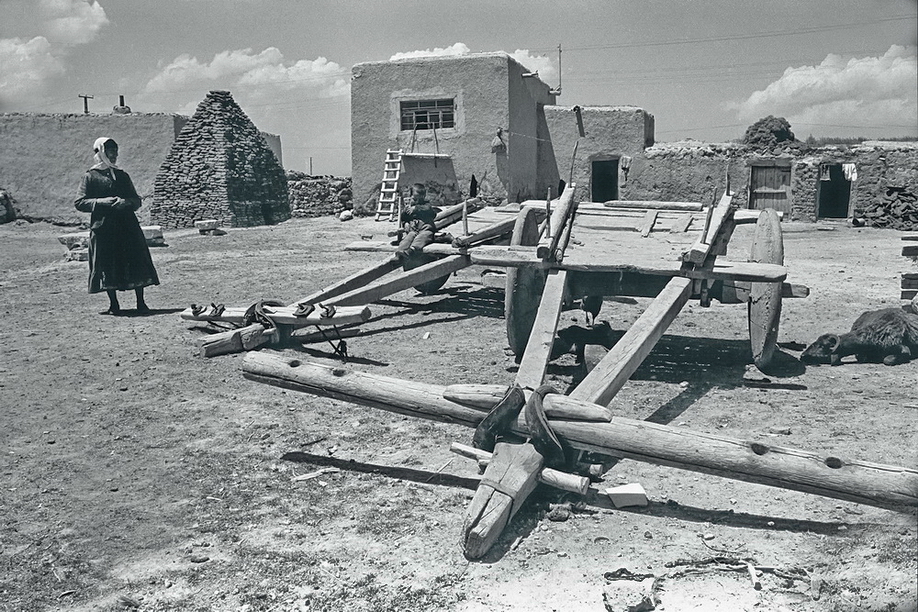
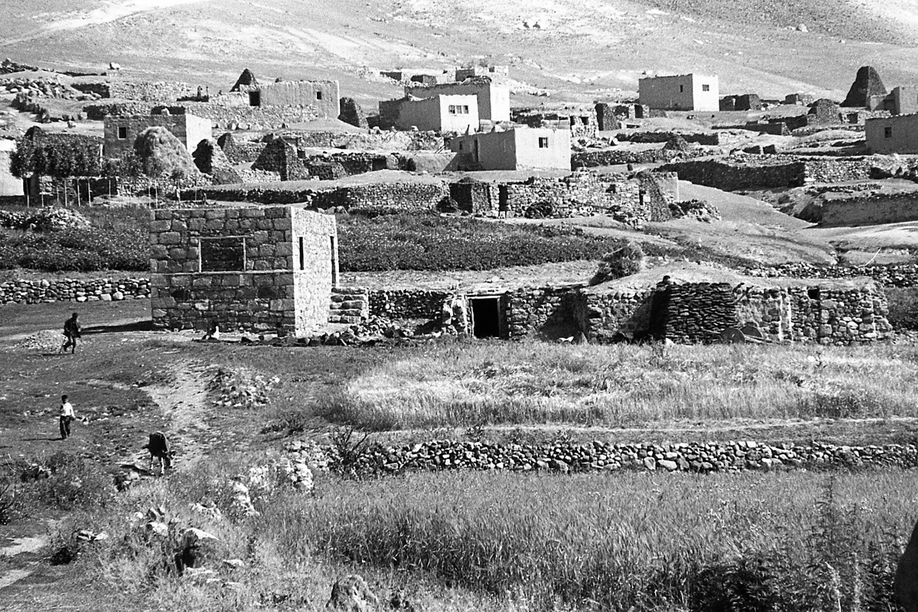
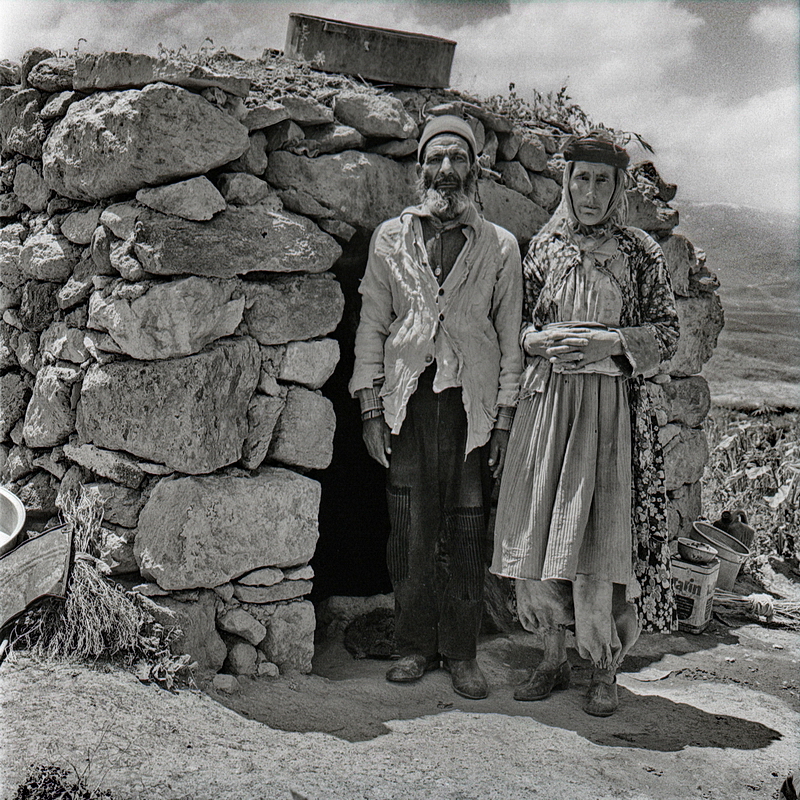
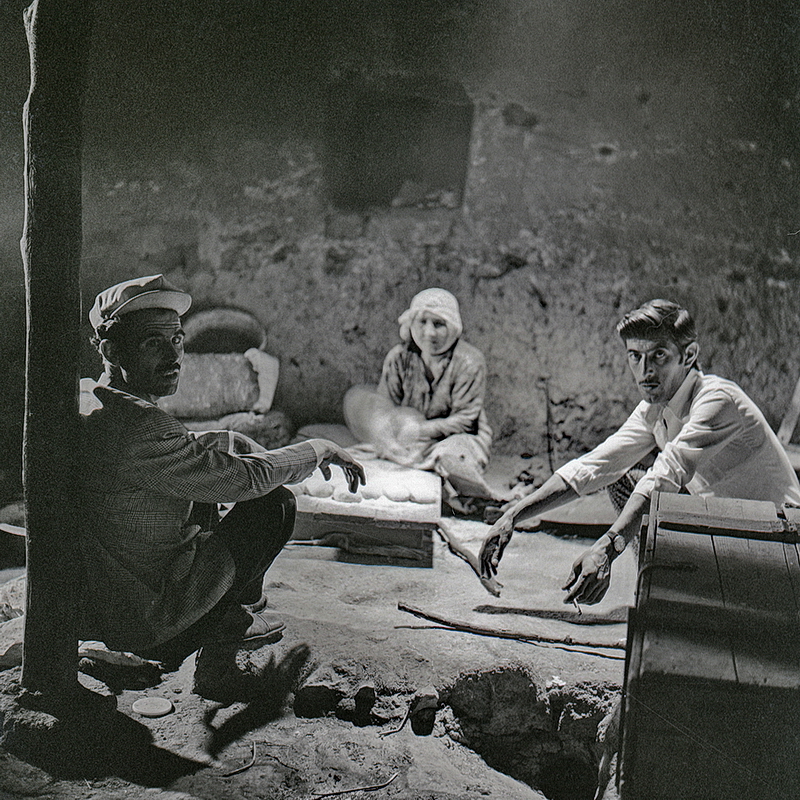
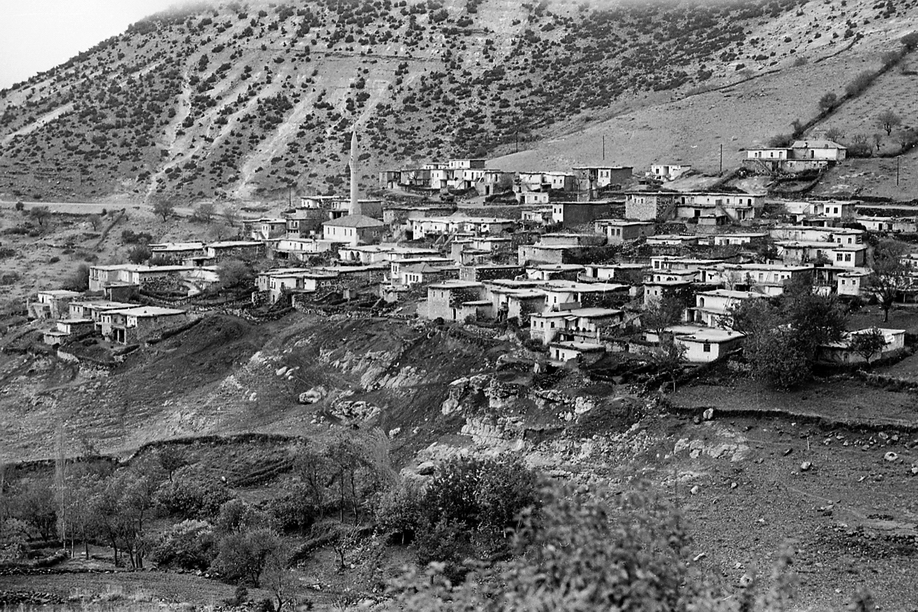
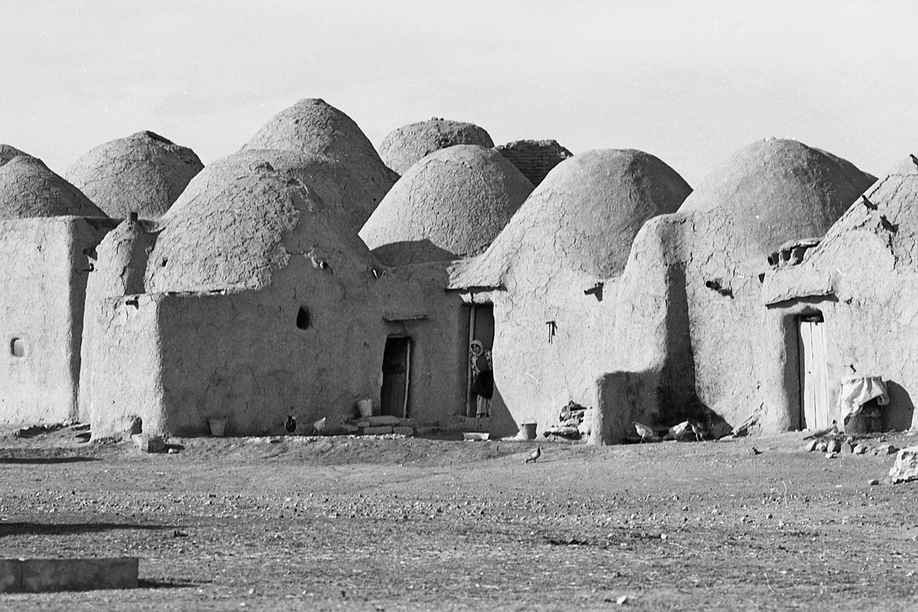
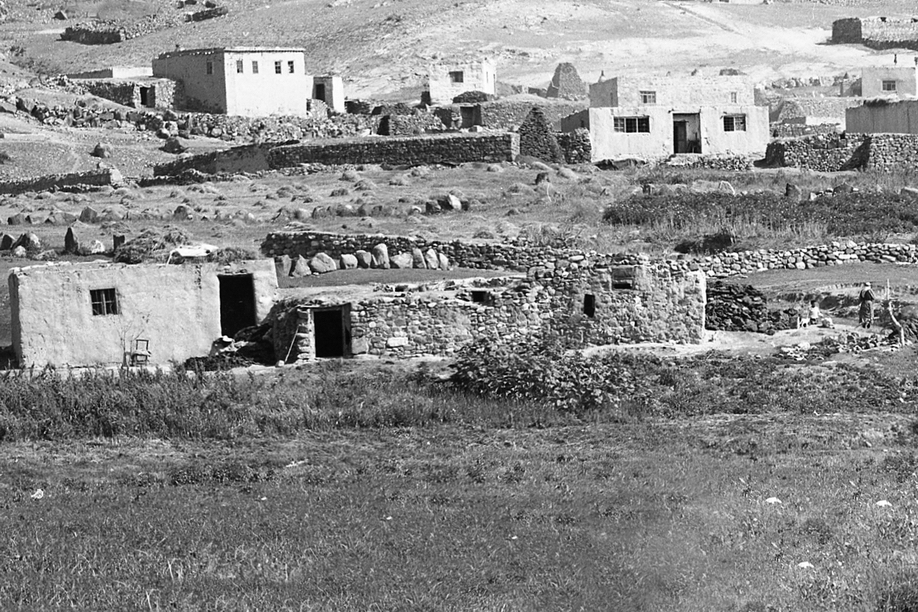
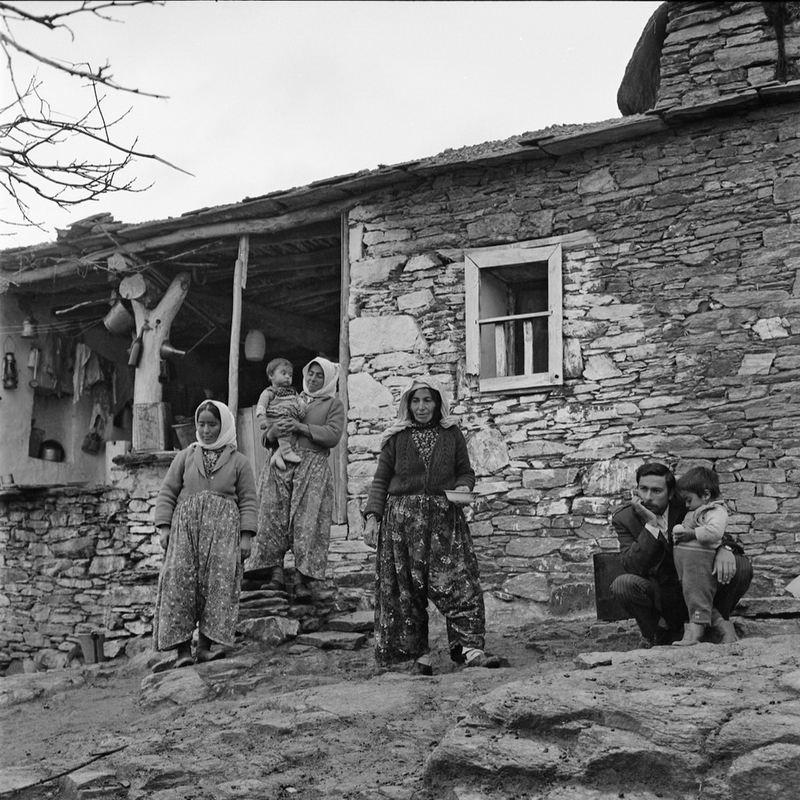
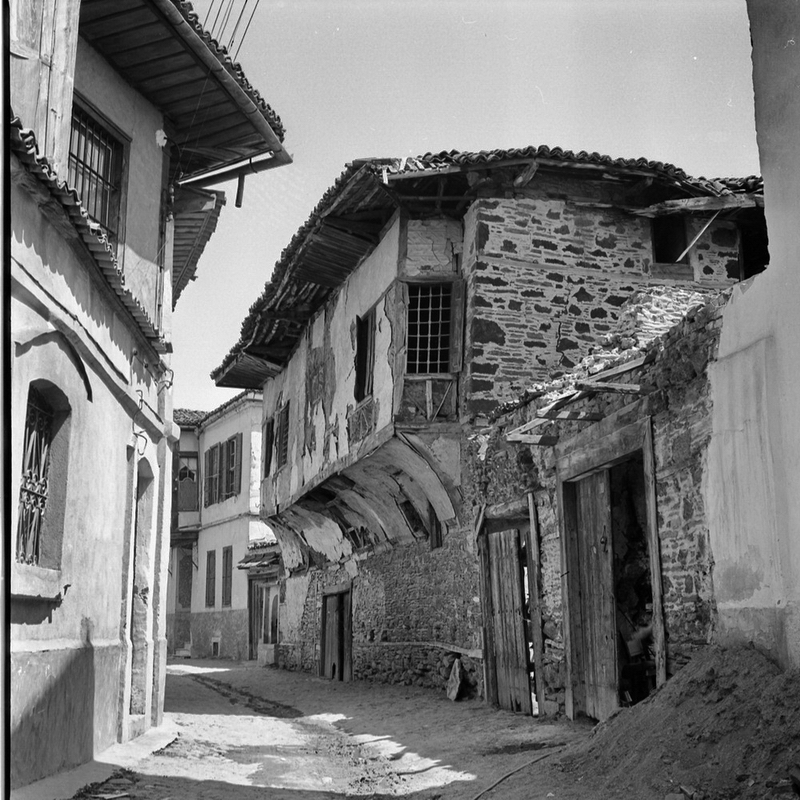
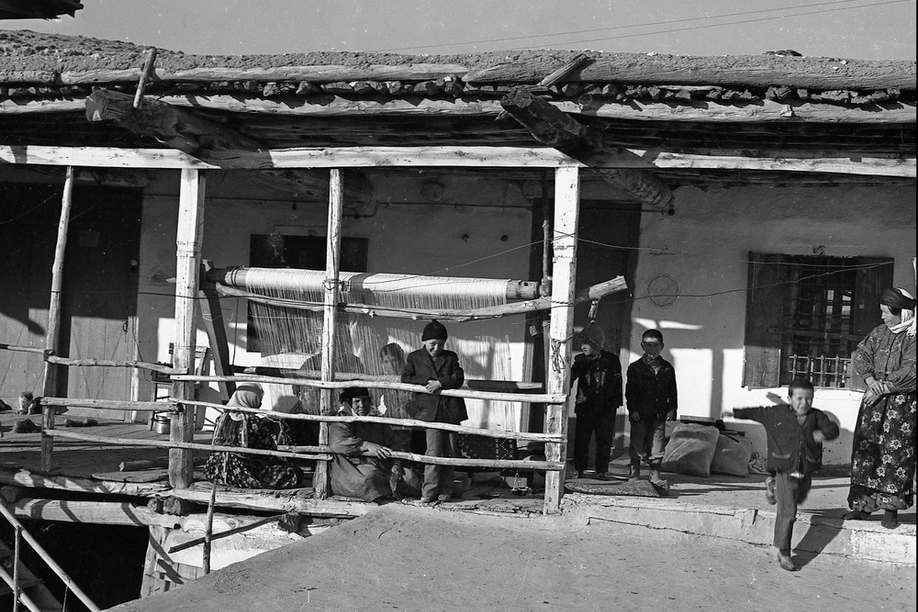
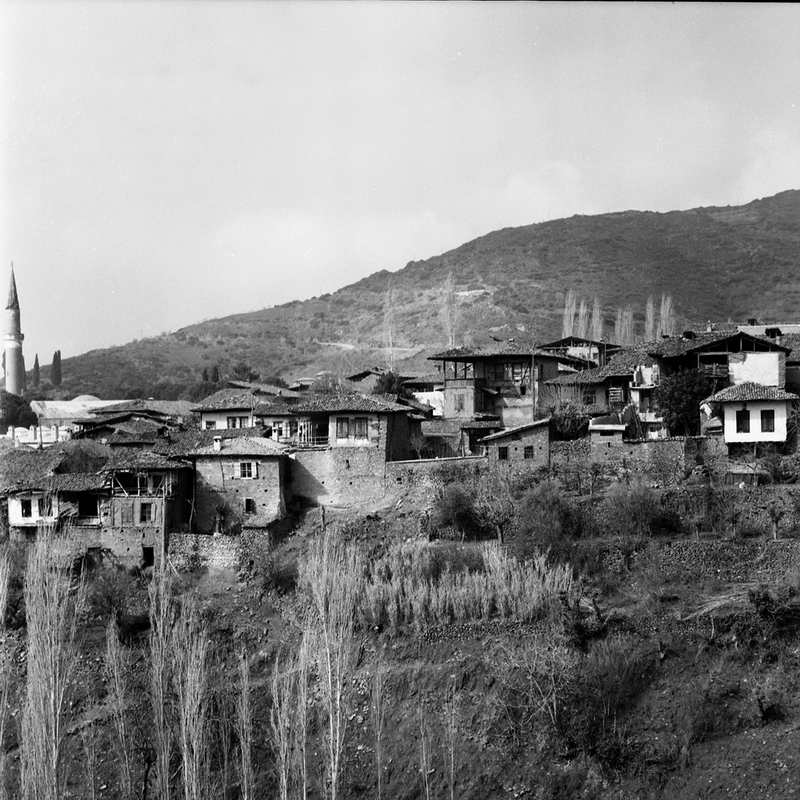
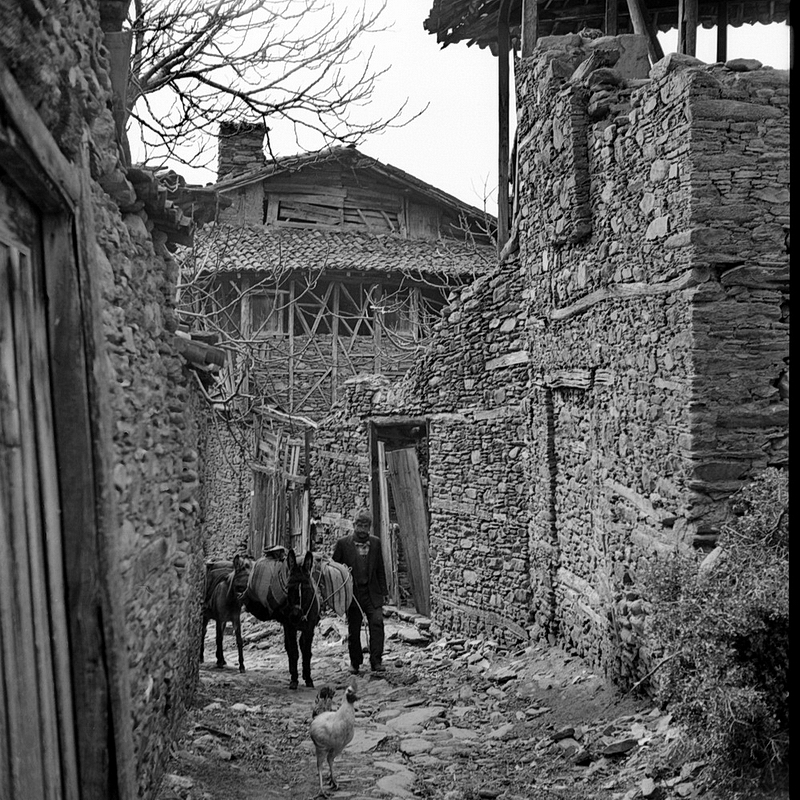
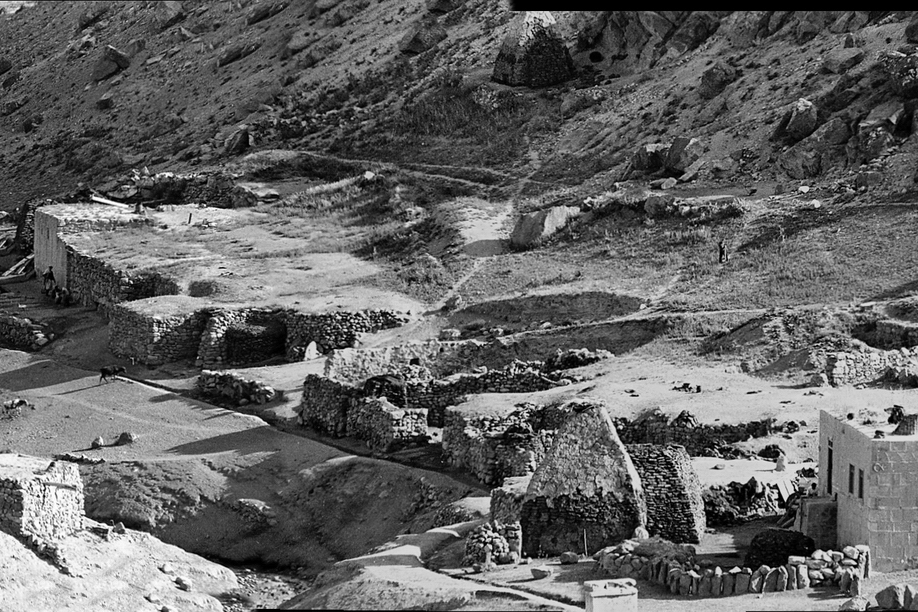
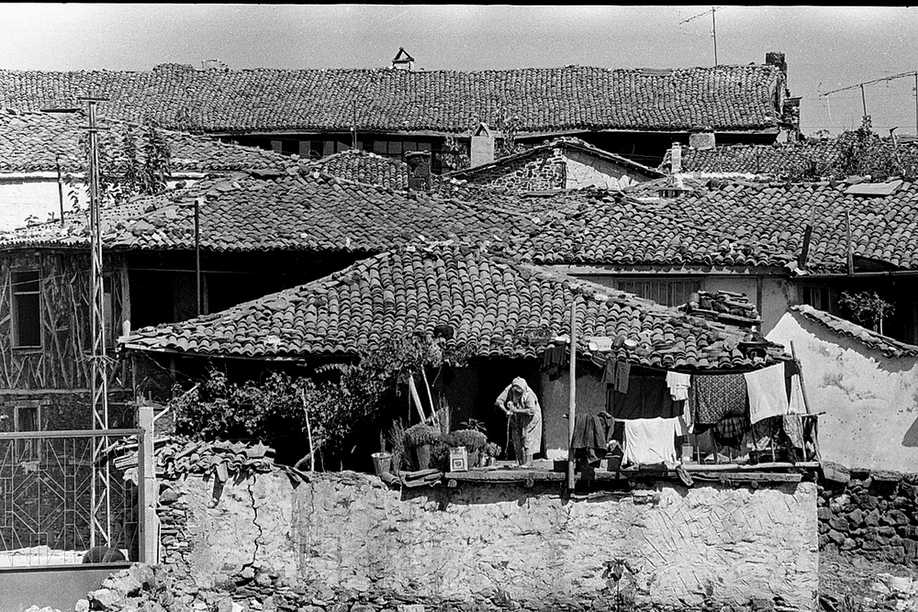
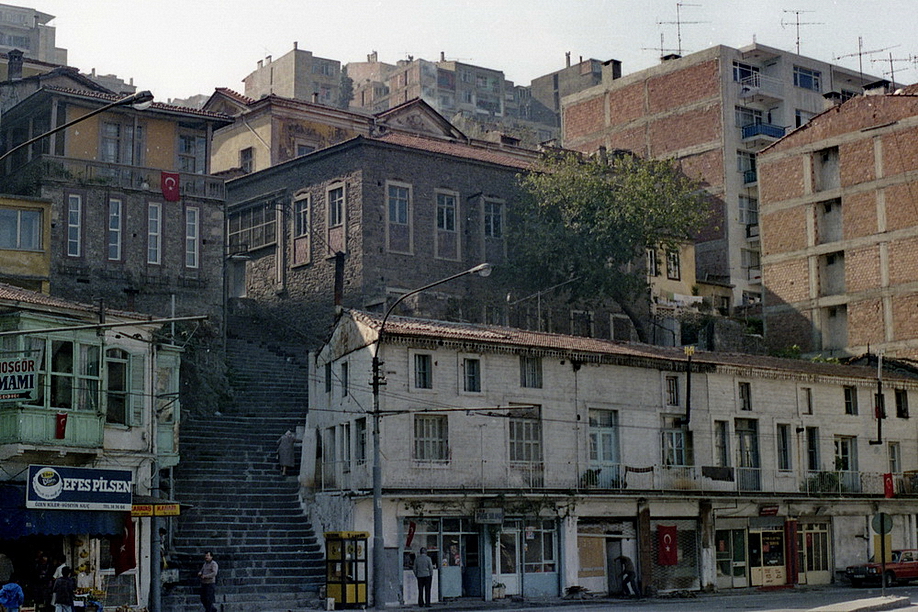
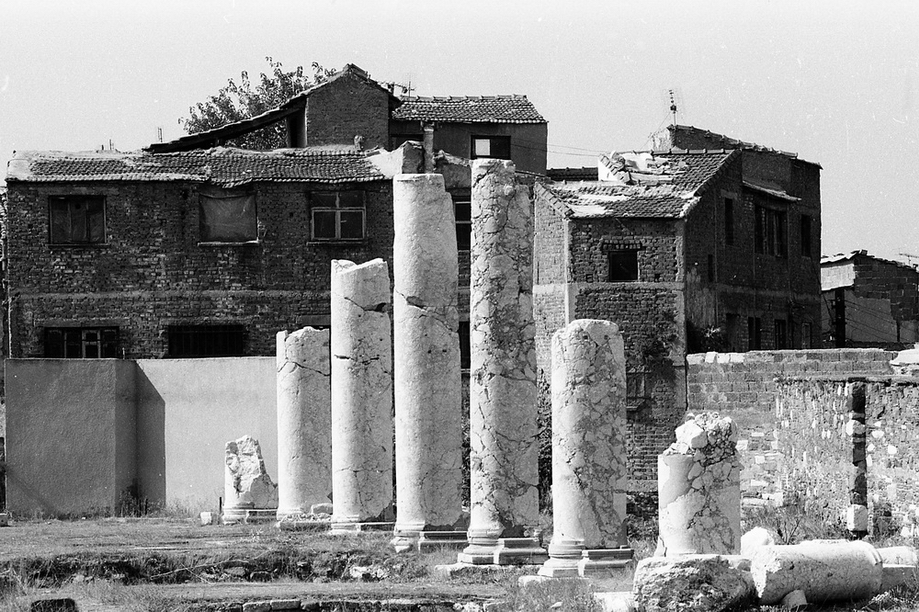
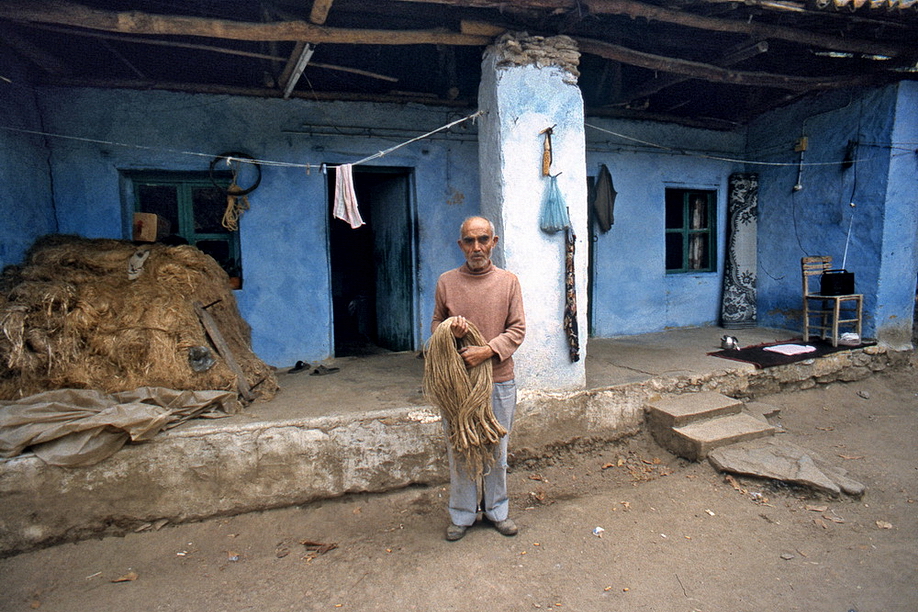
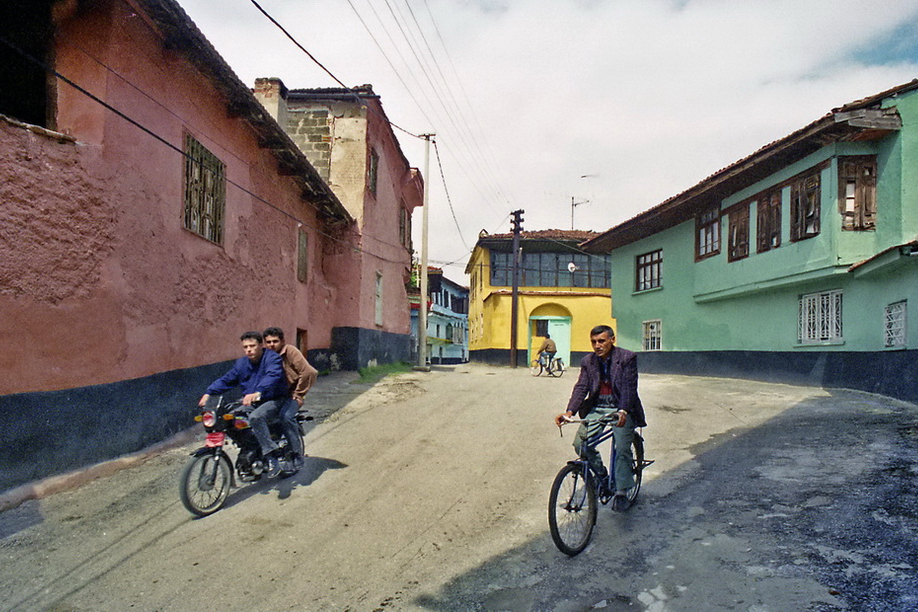
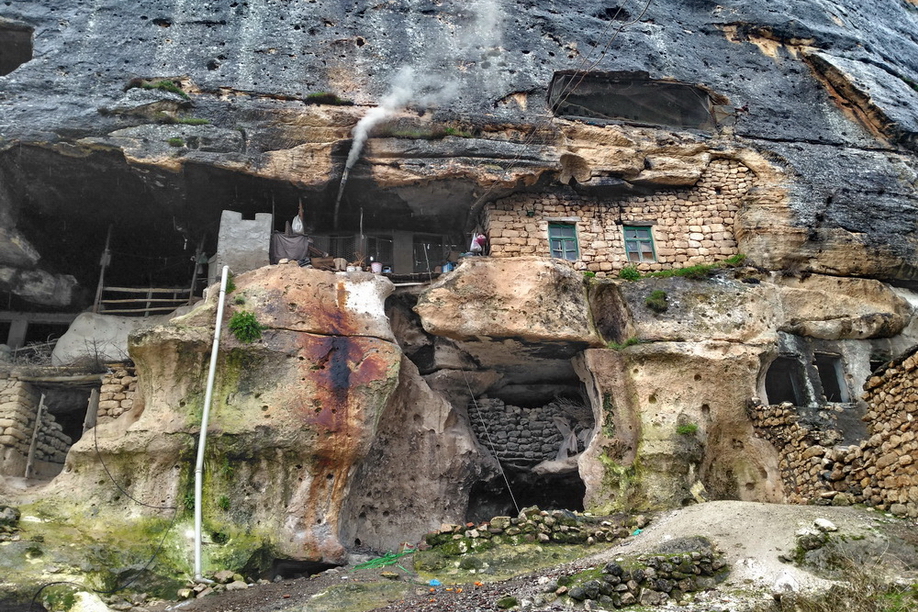
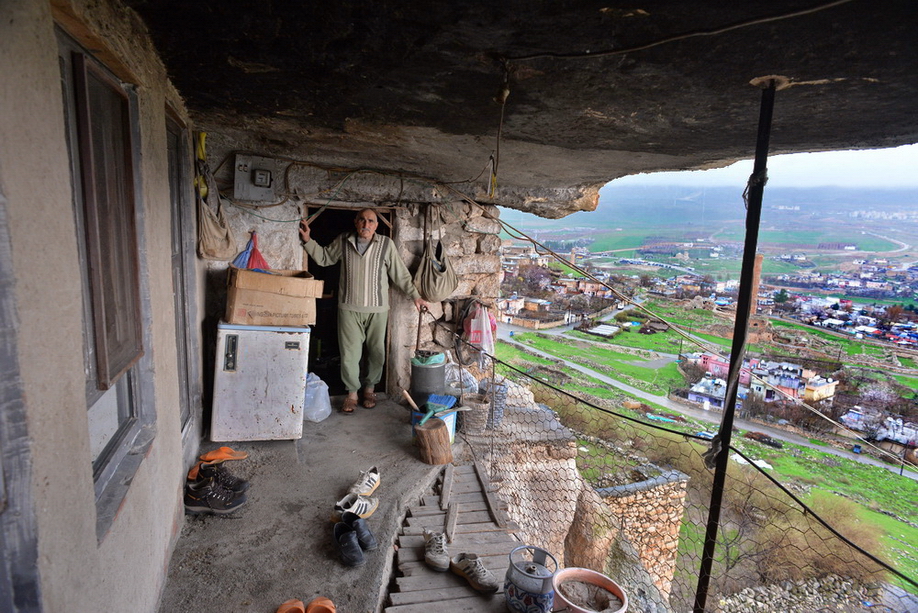
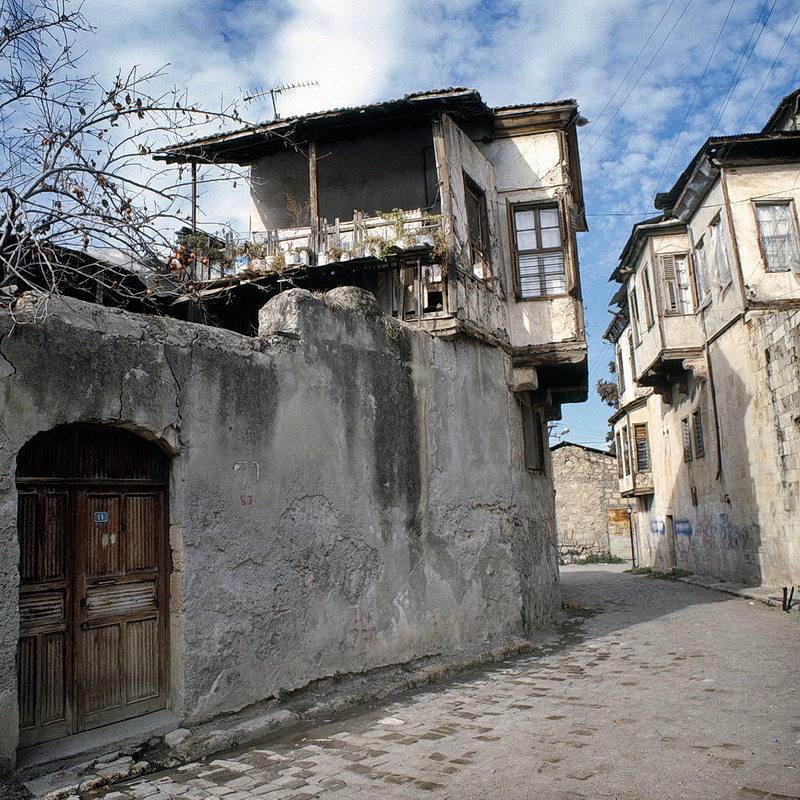
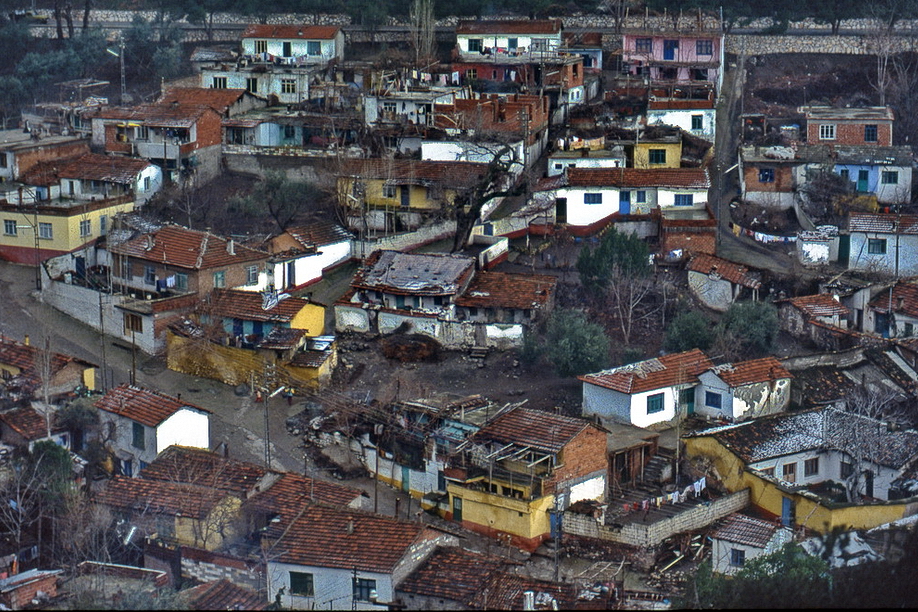
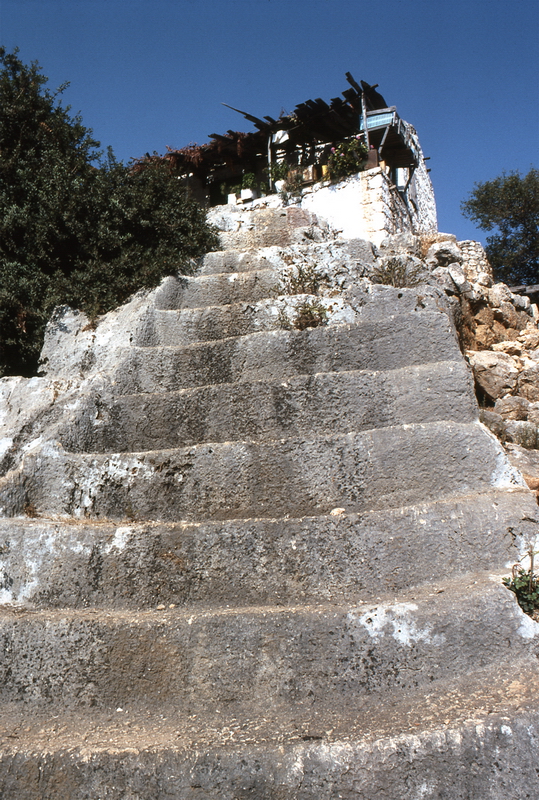
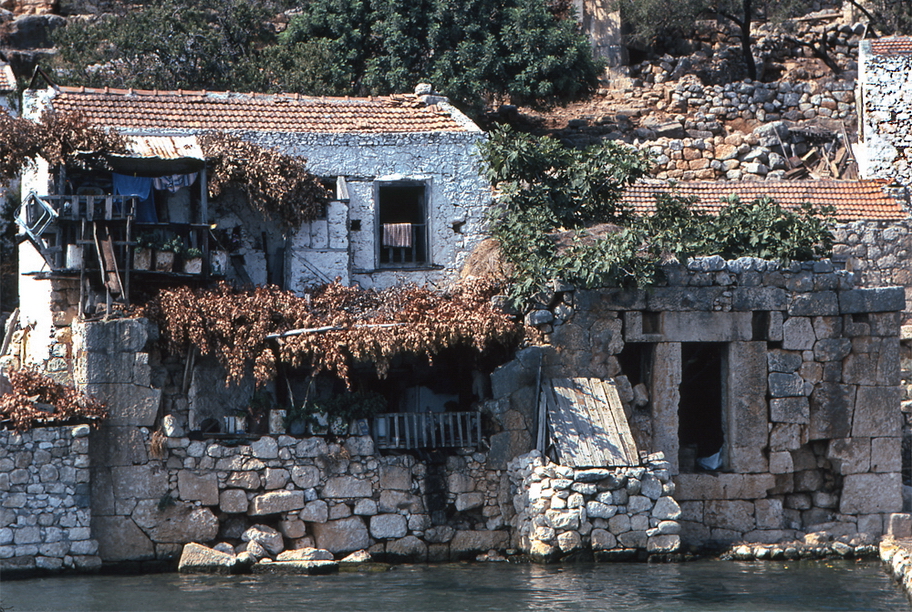
When I travelled through Anatolia in the 1970s, I did not fully realise that I was photographing a world that would change so rapidly. The stone houses, mud-brick buildings, wooden bridges, unpaved roads, courtyards and the everyday life shared with animals seemed quite ordinary to me at the time. I simply photographed the people and surroundings that caught my attention. Looking at these images again half a century later, I can see that they document not only people and buildings, but also a way of life that has largely disappeared. In these settlements, architecture was inseparable from its surroundings. Houses were generally built with stone, earth and timber obtained locally, while their form was determined by climate, terrain and the everyday needs of the people who lived in them. In some places there were houses with timber structures rising above stone walls; elsewhere there were mud-brick buildings or clusters of distinctive domed houses. A settlement on a mountain slope was very different from a village on the plain, yet they all shared a direct relationship between architecture and nature that we are gradually losing today. Rather than reshaping the land, buildings adapted themselves to it. Fields and gardens were divided by dry-stone walls, and paths followed the possibilities offered by the terrain. One of the most striking examples of this relationship was a dwelling created from a natural cavity in the rock. The massive rock formation was not simply a backdrop to the house; it was part of the house itself. The natural hollow had been turned into living space, stone walls had been added where necessary, and doors and windows completed the structure. Smoke from the hearth escaped from beneath the overhanging rock, while the man-made sections seemed almost to merge with the natural formation. Seeing, years later, that someone was still living there made it clear that this was not an abandoned relic but a form of dwelling that had continued in use. In the photograph taken from inside, the resident, his belongings and the plain visible through the opening all occupy the same frame. Nature, architecture and everyday life were literally inseparable. In some places, this relationship extended much further back into the past. Near ancient settlements I found stones and architectural elements from earlier periods incorporated naturally into village buildings. Dressed stones from ancient structures had become parts of new walls, while other fragments continued their lives with entirely different functions. At Kekova, one of the most remarkable examples was a house standing above an ancient staircase carved directly into the rock. Steps made and used by people thousands of years earlier were still part of the daily approach to a home in the 1970s. The clear boundary we tend to draw today between the archaeological past and contemporary life simply did not exist there. The past remained physically embedded in the environment in which people lived. People are as important in these photographs as the buildings themselves. A man working in his courtyard beside his donkey, a woman carrying a heavy load on her back, villagers walking along a road, people standing outside their homes, none of these scenes can really be separated from the architecture around them. The donkey was not merely a means of transport but an essential part of production and everyday life. Firewood, water and agricultural products were carried by people or animals. The scale of streets, courtyards, doorways and even houses reflected this way of living. In settlements where the motor vehicle had not yet become the dominant presence, architecture was shaped around the movements of people and animals. The village couple I photographed standing in front of their single-room stone house has become one of the most meaningful images in this series for me. They stand side by side before their very small dwelling. The simplicity of the house, their clothes and the expressions on their faces all belong to the same world. At the time, I simply wanted to make a portrait of them in the place where they lived. Today I see much more in that photograph. Beyond the portrait of two people, it records the living conditions of the period, its poverty, resilience and the scale of rural life. Even being able to compare the dimensions of the house with the bodies of its inhabitants gives the photograph a particular documentary value. The wider views of the villages reveal an even larger system beyond the individual houses. Fields, stone walls, haystacks, animal shelters and dwellings were not separate elements. There was no sharp division, in the modern sense, between the settlement and the areas of production. House, field, animal and human being were all parts of the same economic and spatial order. For this reason, it would be incomplete to look at the architecture in these photographs merely in terms of aesthetic form or building technique. These structures were direct expressions of the lives lived within and around them. Another aspect that strikes me today is the relative absence of reinforced-concrete construction from the rural landscape. Stone, mud brick, timber and earth almost merge with the colours and textures of the surrounding terrain. Seen from a distance, the villages appear to be extensions of the mountains and plains themselves. In the decades that followed, the rapid spread of reinforced-concrete construction across much of Anatolia would transform this landscape dramatically. This is one reason why a village panorama that seemed ordinary at the time has now acquired the value of a historical document. The cameras and films I used for many of these photographs were quite limited compared with the equipment available today. Some images show imperfections in sharpness, visible grain, variations in exposure or traces left on the film by the passage of time. After all these years, however, these imperfections matter much less to me. The real value of the photographs lies not in their technical perfection, but in the fact that they preserve people, buildings and living environments that can no longer be encountered in quite the same way. Looking back at this archive nearly half a century later, I realise that photographs I once considered independent images have gradually come together to tell a common story. A wooden bridge, a stone courtyard, domed mud-brick houses, a natural cave transformed into a home and the life continuing within it, a house reached by an ancient rock-cut staircase, a woman carrying a load on her back, a villager working beside his donkey, or an elderly couple standing in front of their single-room home, each is a different fragment of rural Anatolia in the 1970s. At the time, these were simply photographs of the life I encountered. Today, they have become witnesses to an Anatolia that has largely changed.