
Ahırkapı Lighthouse | Istanbul, 2006–2009
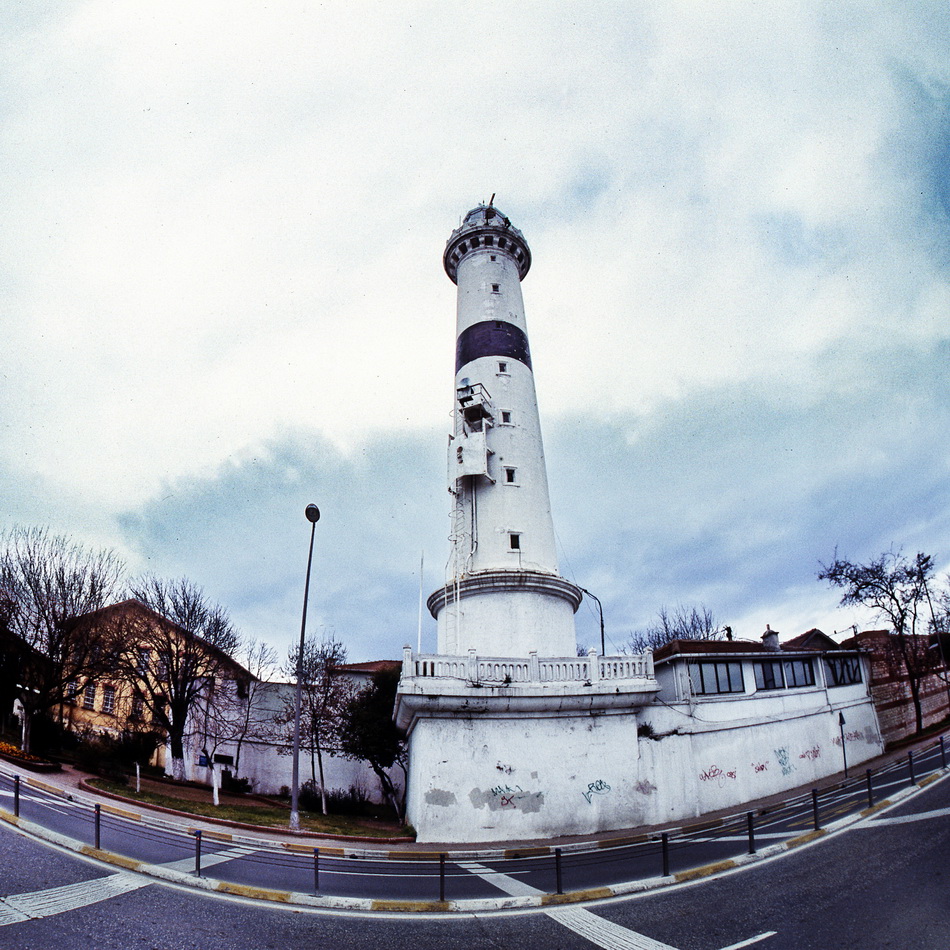
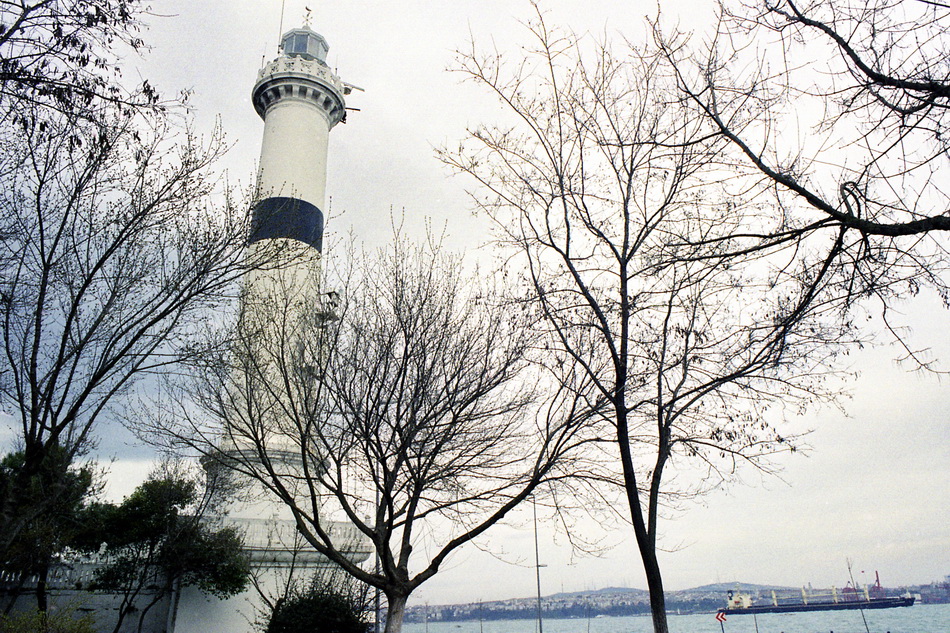
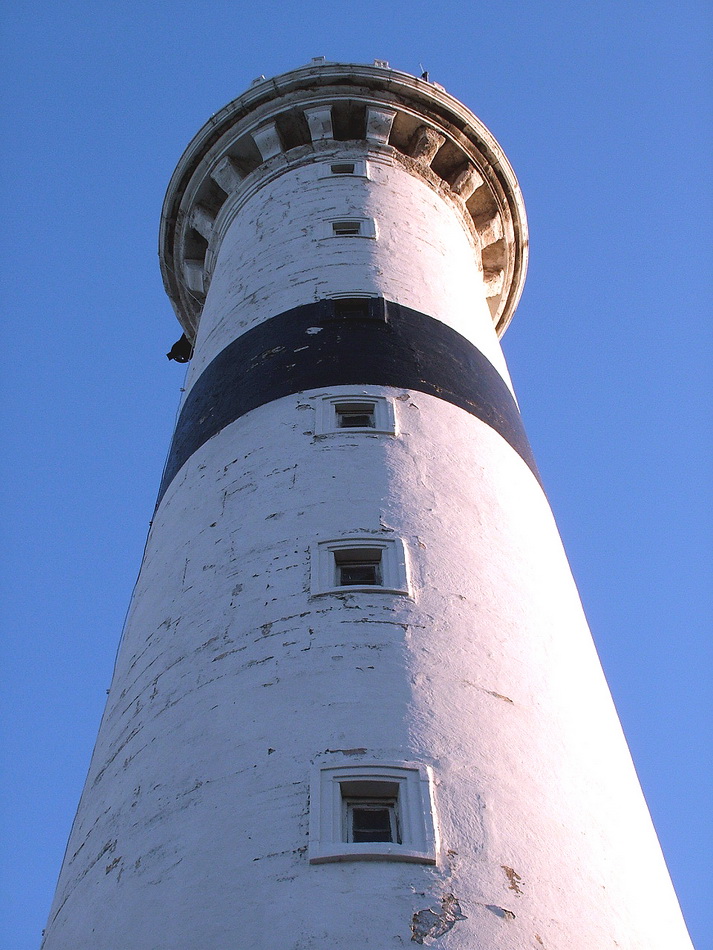
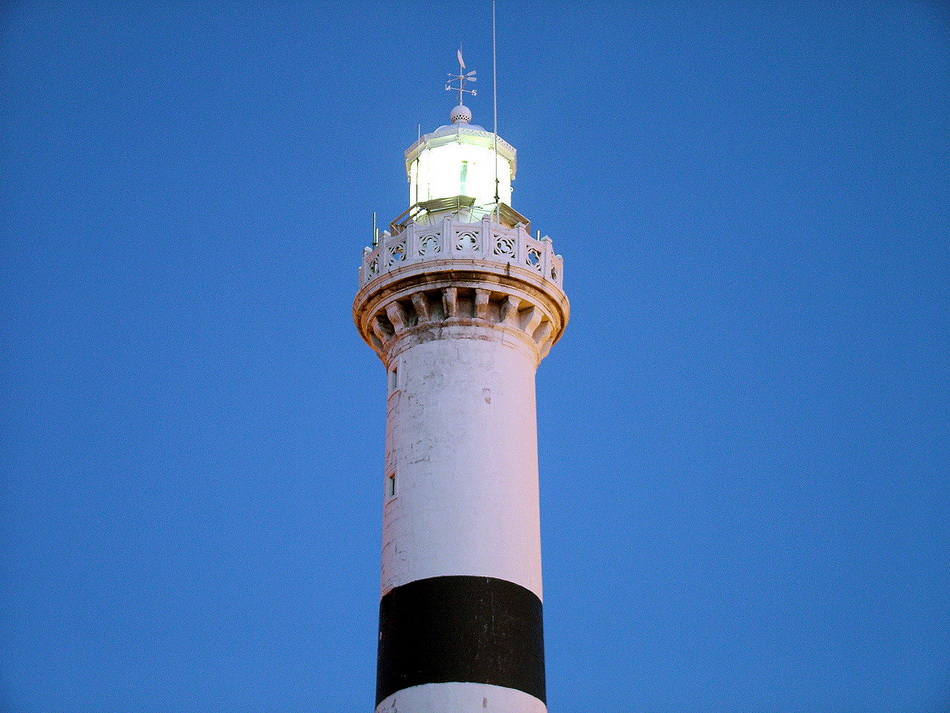
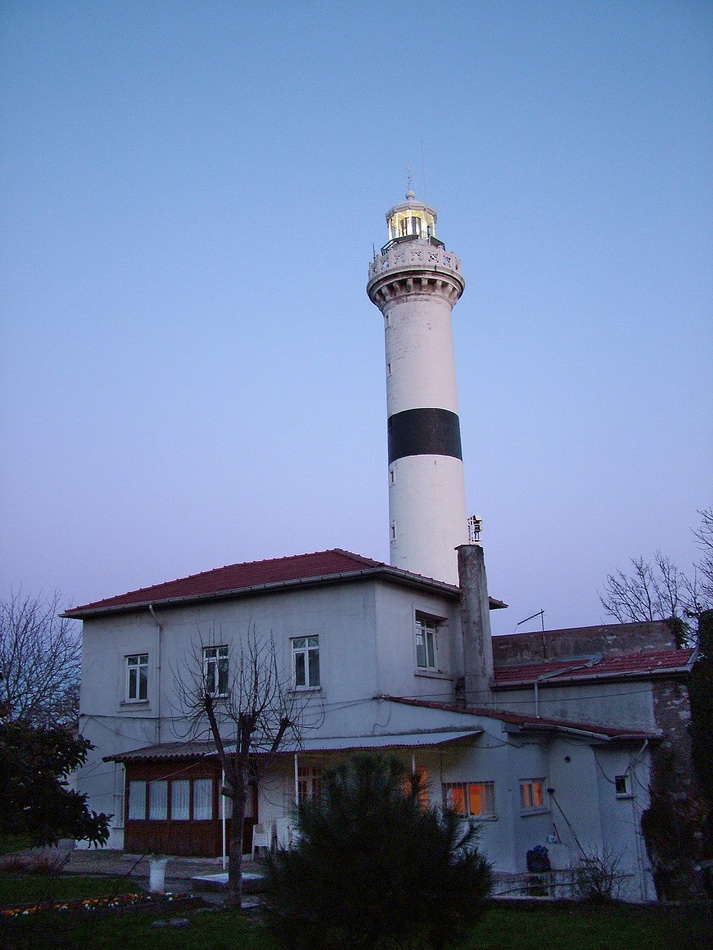
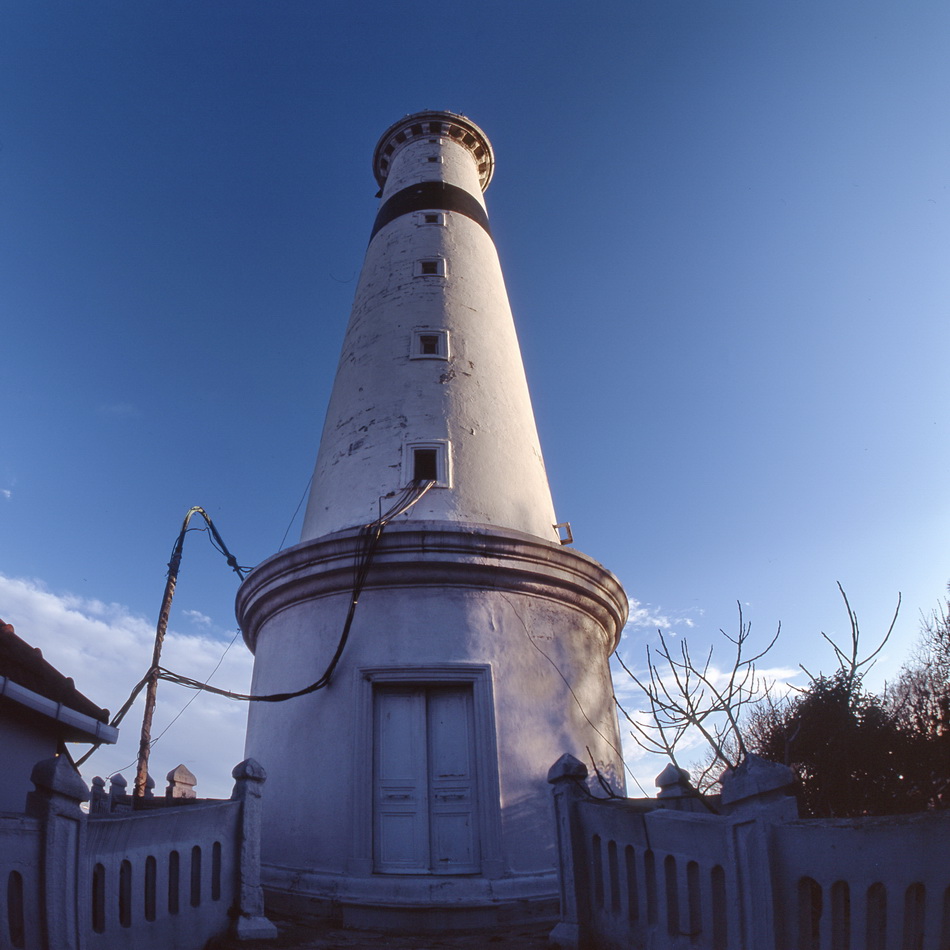
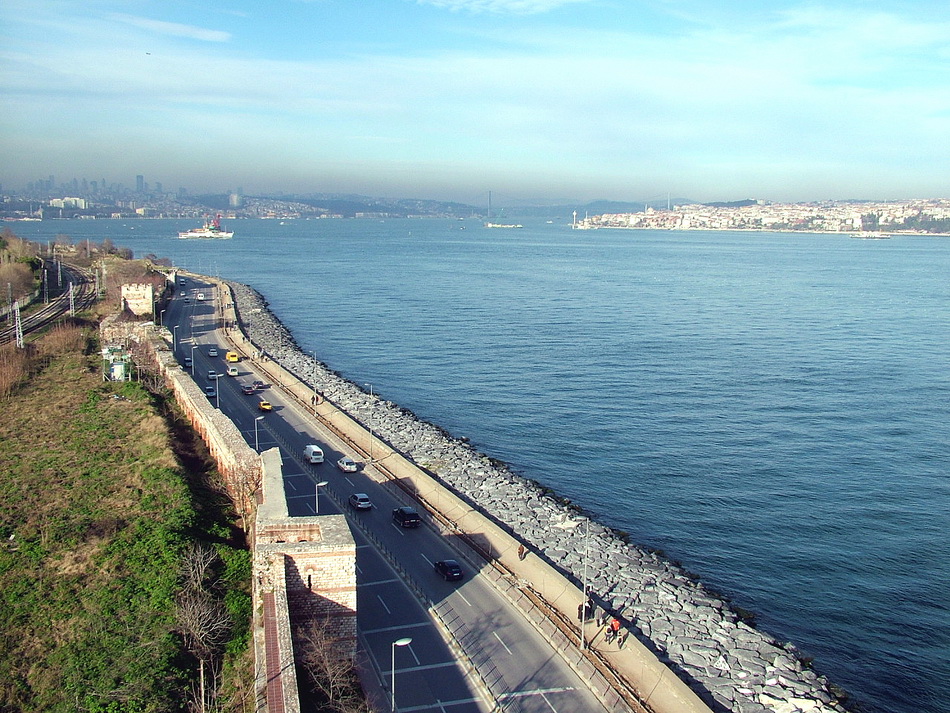
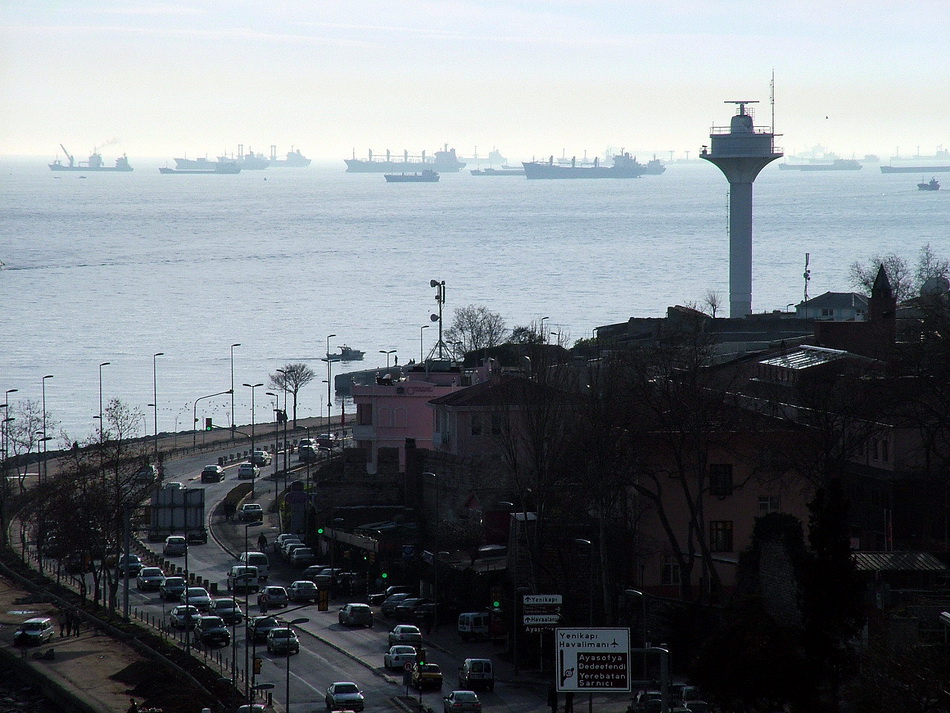
Standing on the Sea of Marmara coast of Istanbul’s historic peninsula, Ahırkapı Lighthouse is one of the principal navigational marks at the southern entrance to the Bosphorus. The story of a beacon at this site reaches back to the eighteenth century. Around 1755, after an Ottoman vessel bound for Egypt ran aground near Kumkapı in bad weather, Sultan Osman III ordered a lighthouse to be established on this shore. The masonry tower seen today was built in 1857, during the reign of Sultan Abdülmecid, by French contractors.
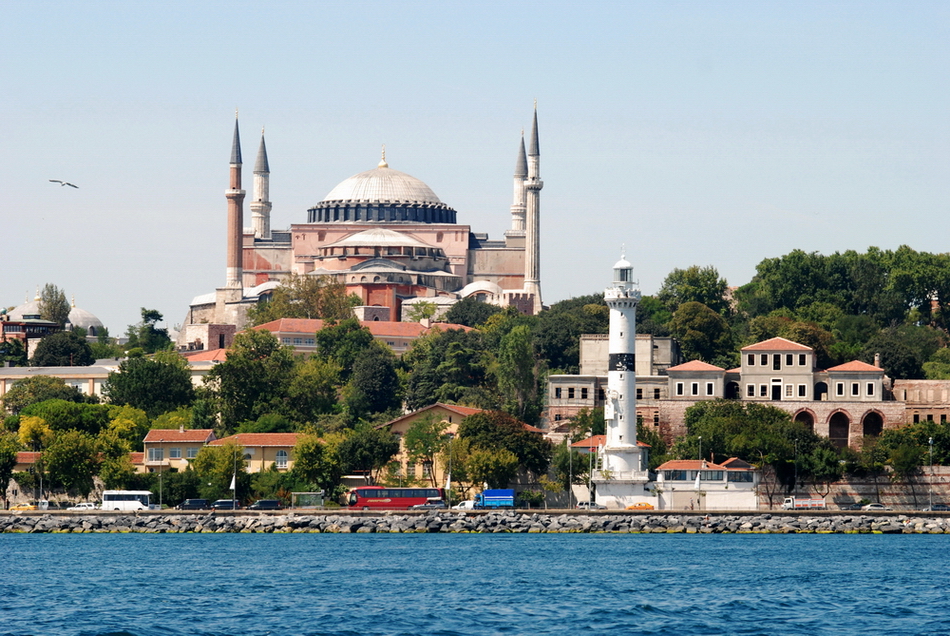
The lighthouse has a distinctive stone tower, approximately 26 metres high, marked by a prominent dark band, with the keeper’s building alongside it. Its light stands about 36 metres above sea level. Guiding vessels approaching Istanbul Harbour or the Bosphorus from the Sea of Marmara, Ahırkapı is more than a historic monument: it remains a working aid to navigation. The tower and its associated buildings form an important part of Istanbul’s maritime heritage.
Lighthouses can be identified by their individual light characteristics. Much like a visual code, the number of flashes, their duration and the intervals of darkness form a repeating pattern that mariners compare with nautical charts and lists of lights. Ahırkapı Lighthouse is described by the characteristic Fl W 6s: a single white flash every six seconds. The published sequence is approximately half a second of light followed by five and a half seconds of darkness. Recognising this rhythm helps sailors identify the beacon at the southern approach to the Bosphorus.
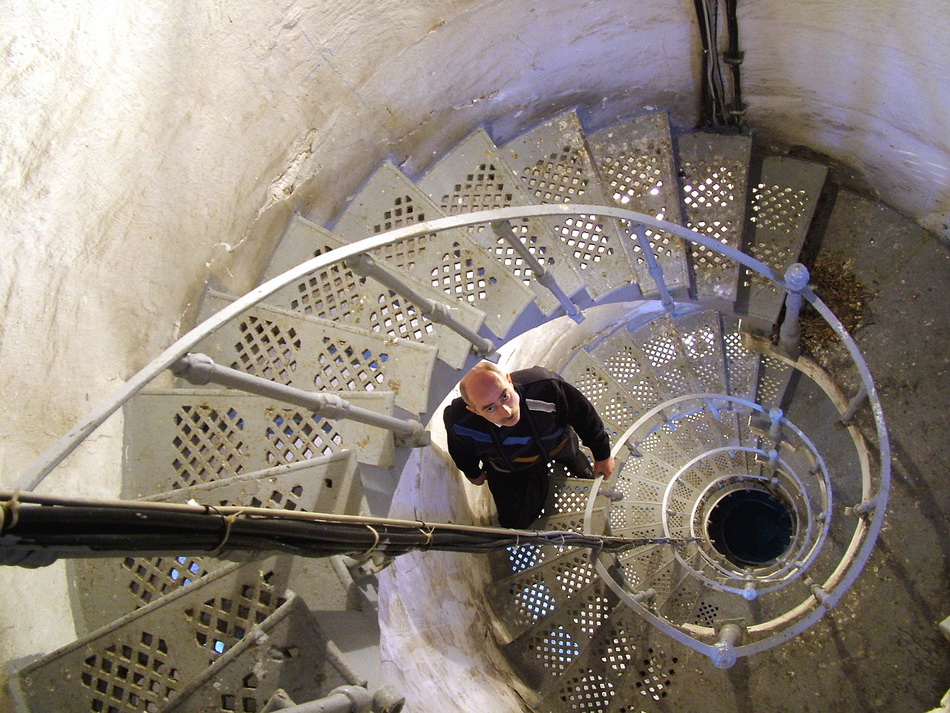
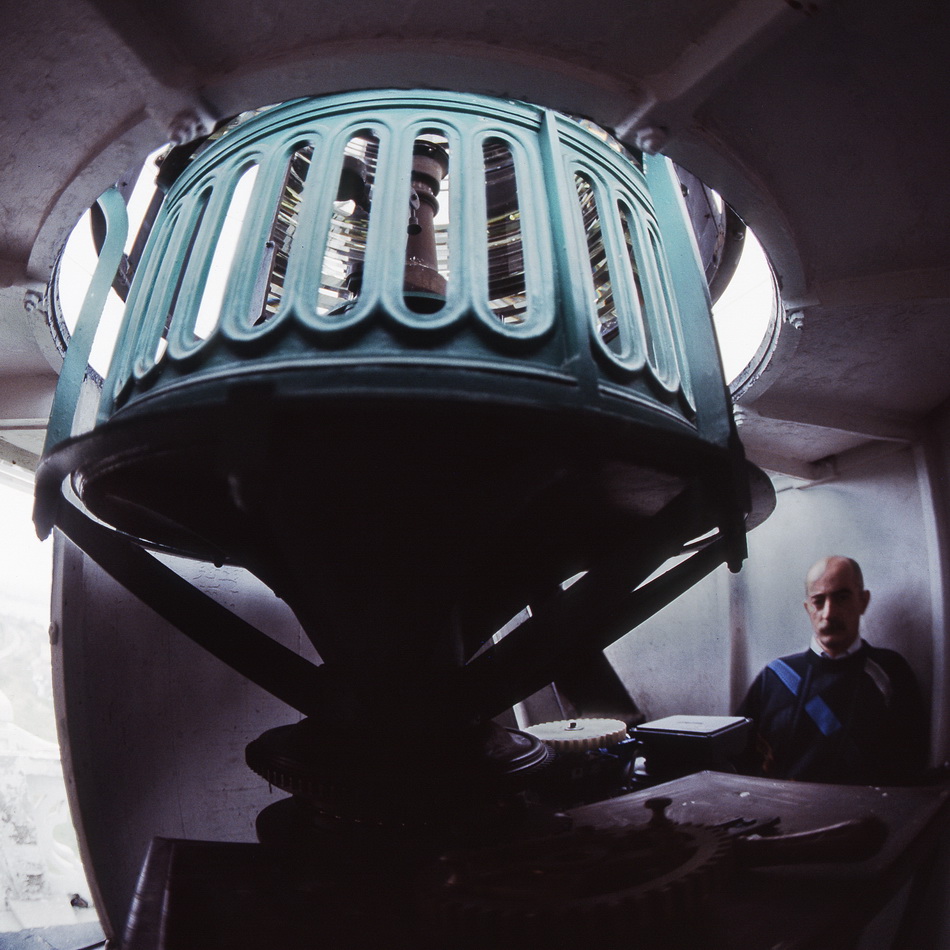
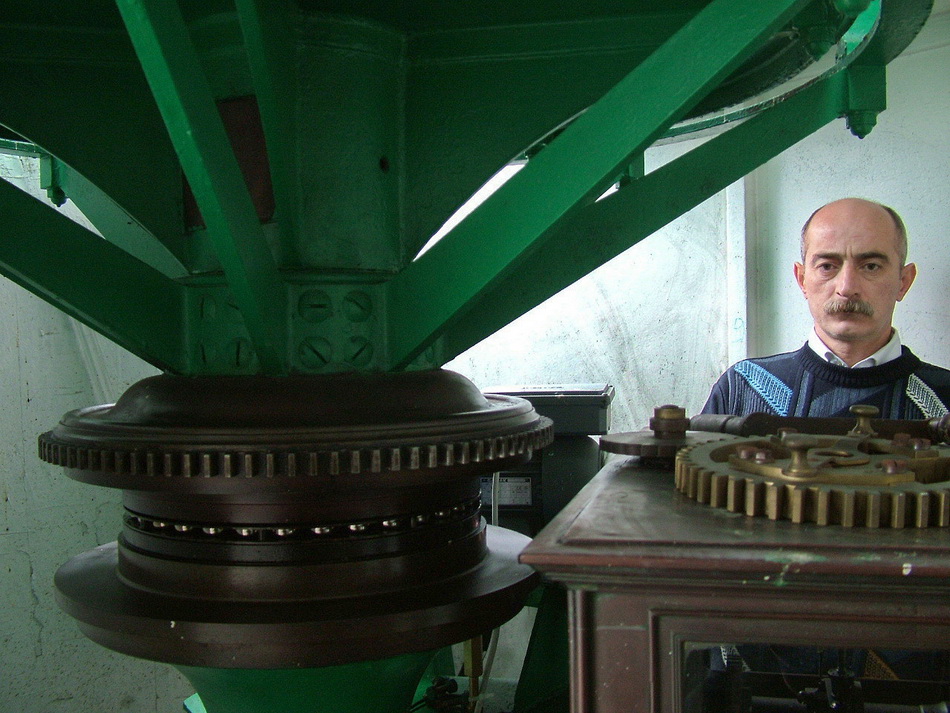
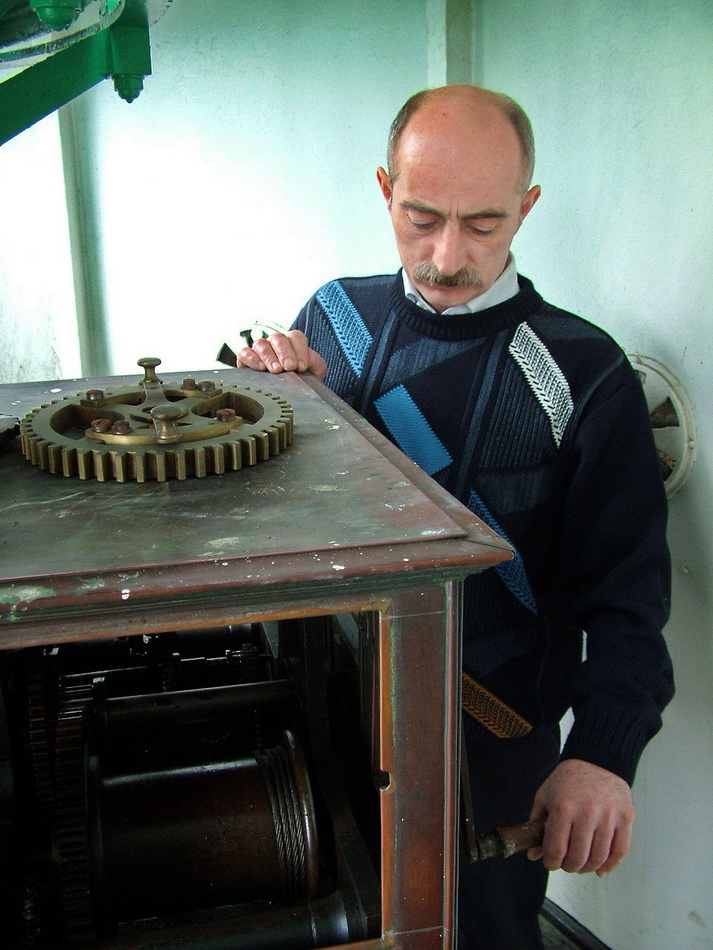
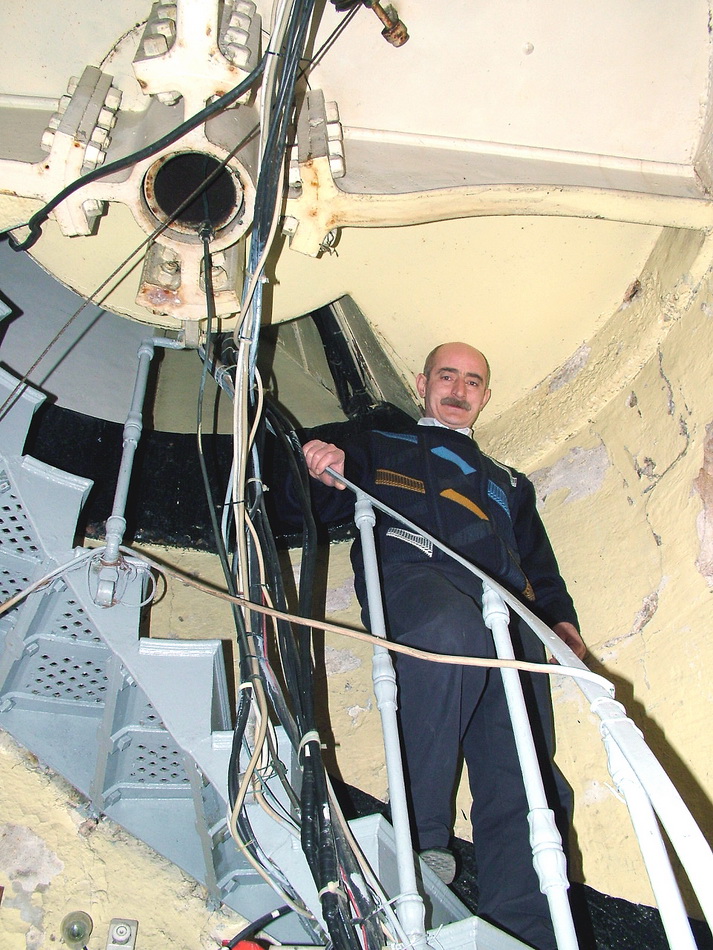
When I visited Ahırkapı Lighthouse in 2006 to photograph it, I climbed the many steps inside the tall, narrow tower to reach the lantern and its machinery. The climb itself left a strong impression. At the top, the lighthouse keeper showed me the old winding mechanism. He wound it up and demonstrated how it worked. Watching the gears and moving parts at close range made me realise that a lighthouse is far more than a tower with a lamp: behind its familiar signal lies a carefully engineered system.
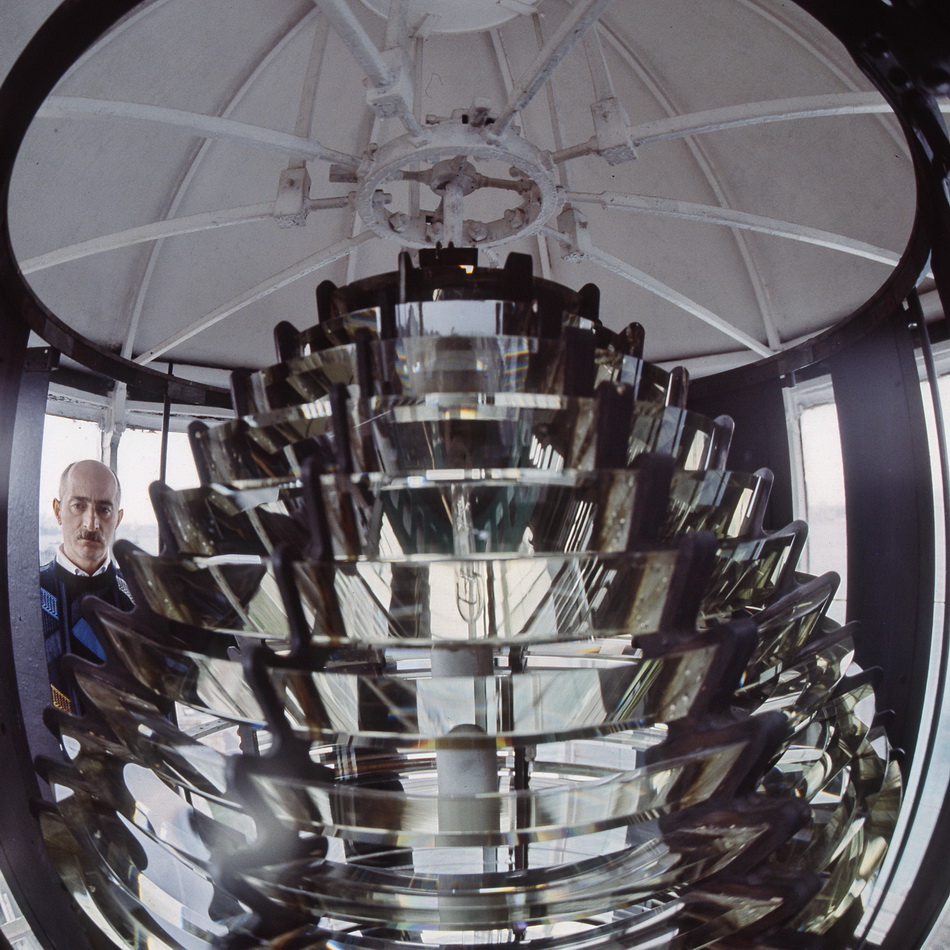
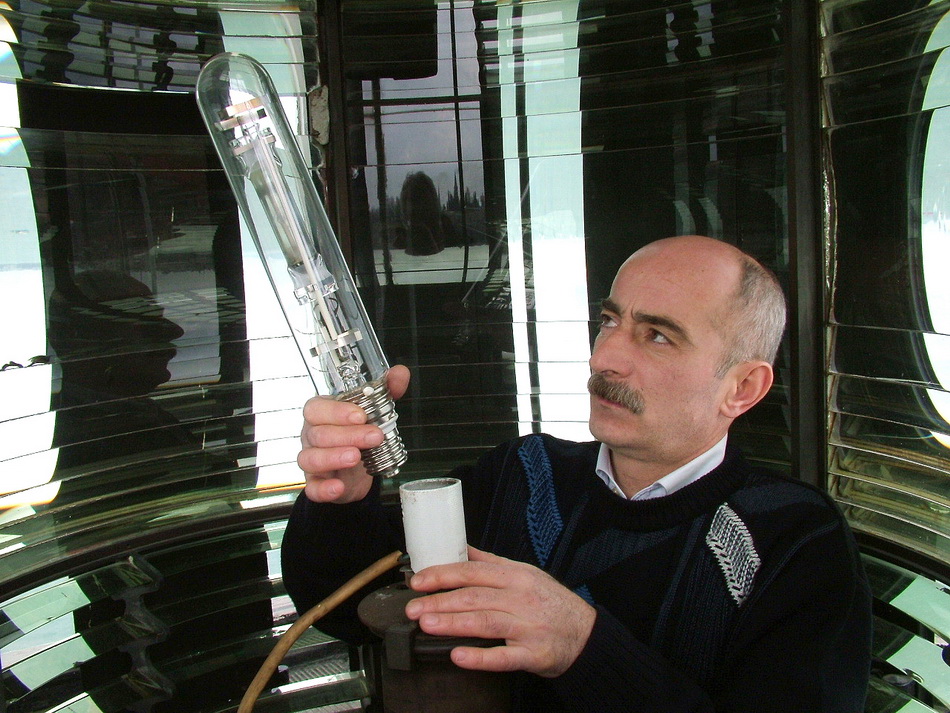
The lighthouse’s illumination evolved over time, from oil-wick lamps to gas lighting and eventually electricity. Parts of the historical mechanical system were nevertheless preserved. Rotating screens around the light could interrupt the beam at regular intervals, producing the characteristic flashes seen at sea. The clockwork mechanism the keeper demonstrated offered a rare glimpse of the practical knowledge and technology that once supported this vital service. The photographs record what I saw; they do not attempt to identify every individual mechanical component.
My photographs of Ahırkapı, taken in 2006, document not only the lighthouse’s exterior architecture, but also its staircase, optical and mechanical details, and the human presence behind its operation. For me, the most memorable part of this visit was being allowed inside a structure usually known only as a distant light on the horizon. The many steps, the keeper winding the mechanism, and the enduring purpose of the beacon all made Istanbul’s maritime history tangible. These sixteen images preserve something of that working tradition. In 2009, I photographed the lighthouse once more, this time from the Sea of Marmara. In that final view, Ahırkapı Lighthouse stands against the historic Istanbul skyline, with Hagia Sophia rising behind it. The photograph brings the portfolio back to the sea, where the lighthouse has long served as a navigational landmark.
Sixteen documentary photographs of Ahırkapı Lighthouse, Istanbul, 2006–2009. Click an image to enlarge.
← Back to Lighthouses