
Anadolu Lighthouse | Istanbul, 2006
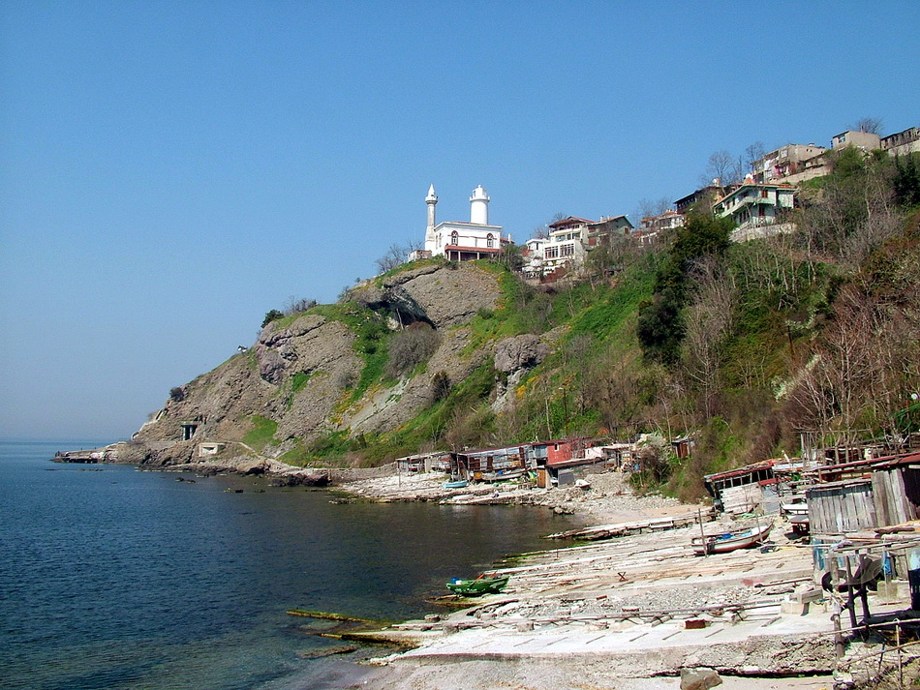
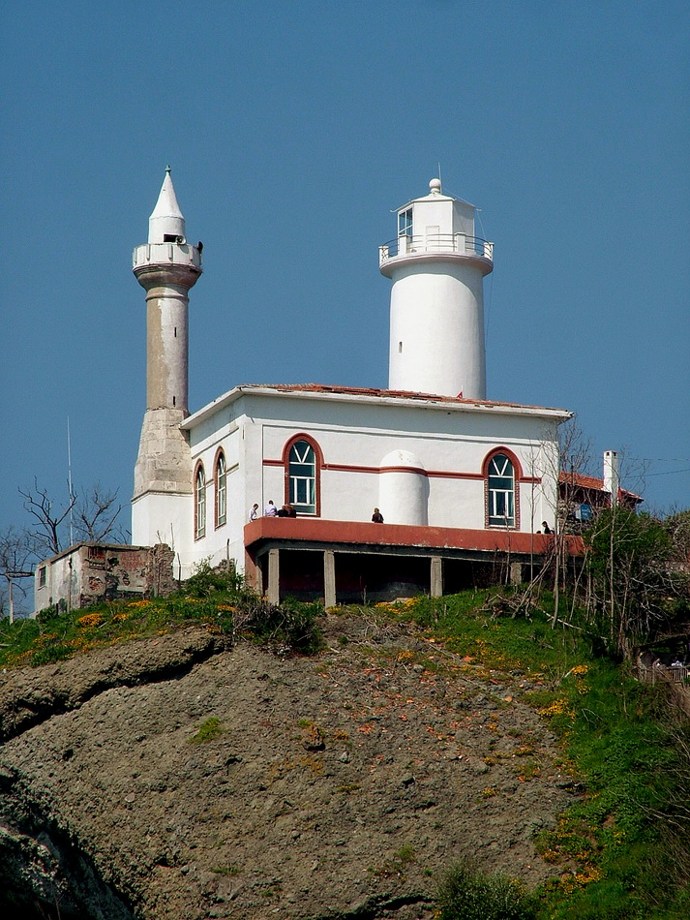
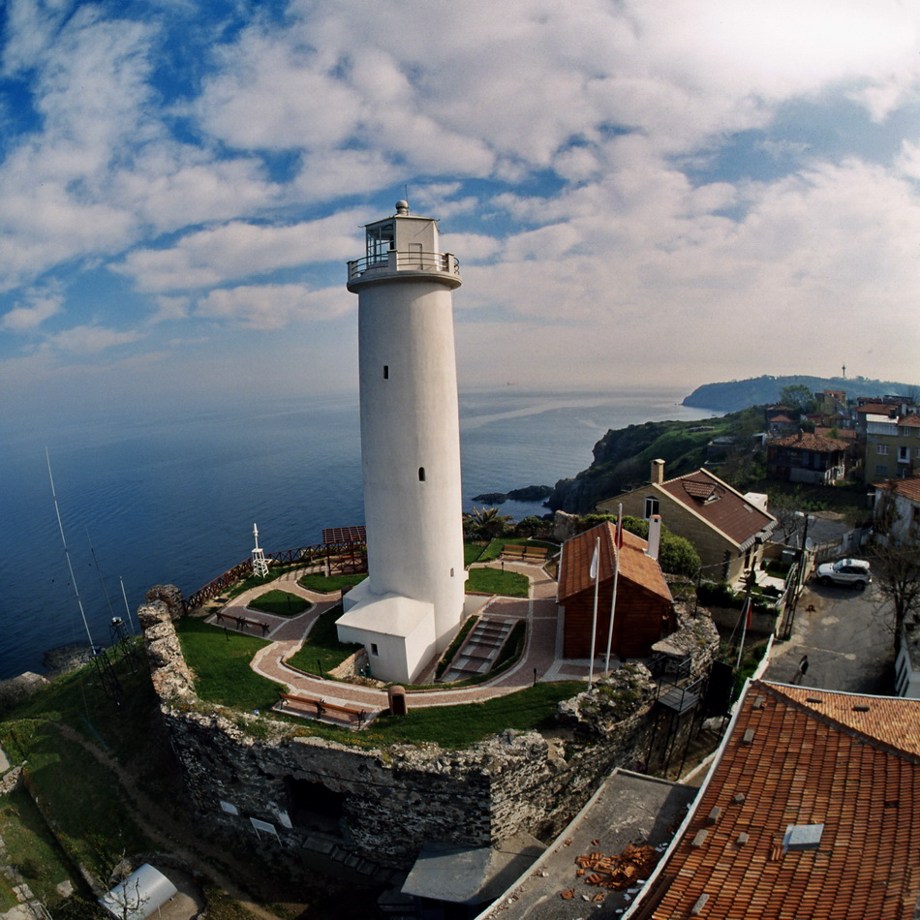
At the northern entrance to the Bosphorus, Anadolu Lighthouse rises above the rocky Asian shore of the Black Sea. Facing Rumeli Lighthouse across the strait, it marks one of the principal approaches to Istanbul’s waterways. The white tower is also part of a much older landscape shaped by coastal defence and maritime navigation.
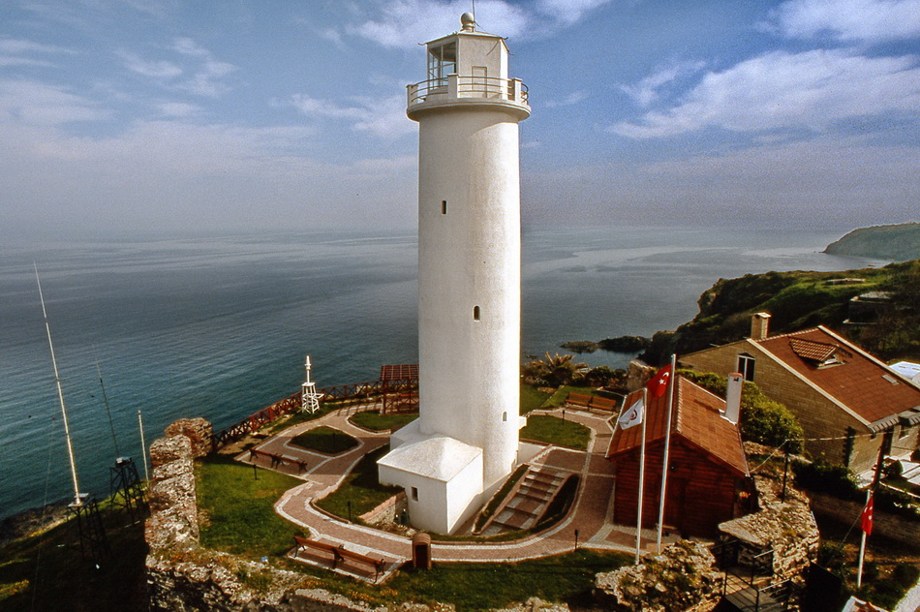
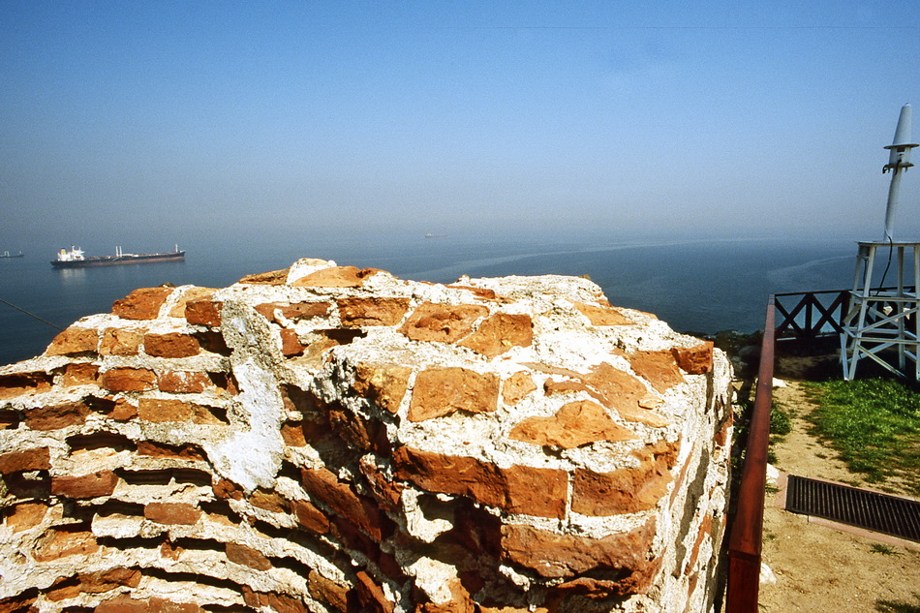
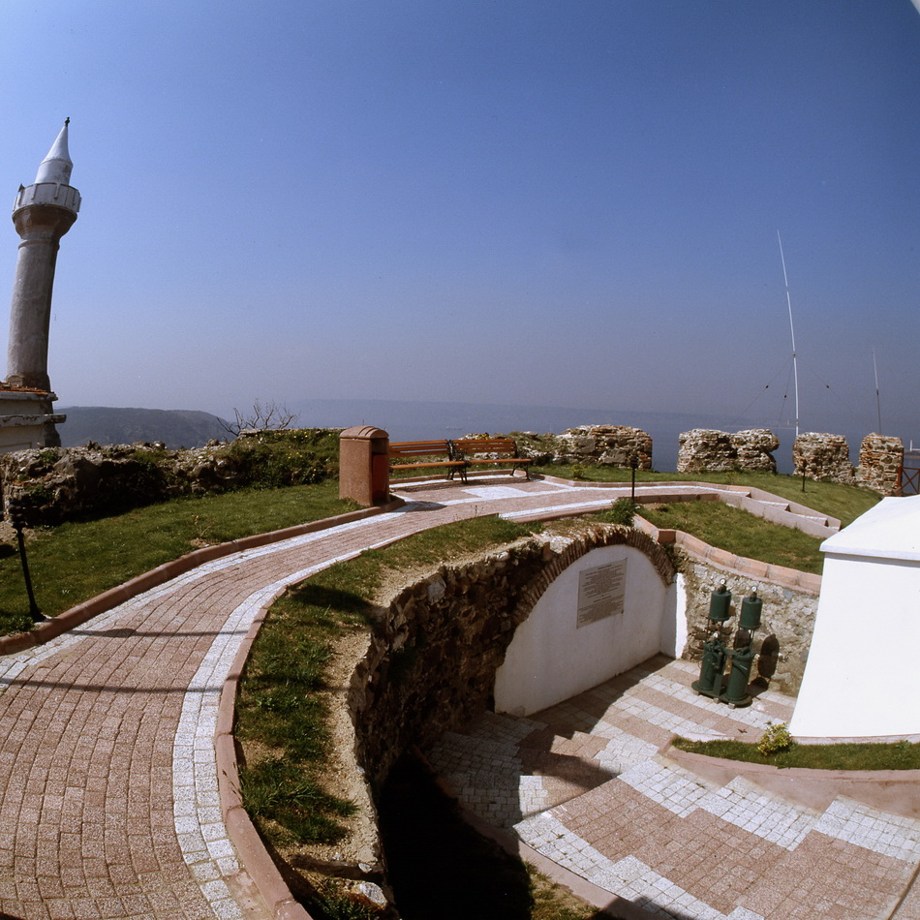
The lighthouse stands on the site of an Ottoman coastal fortress. An inscription dated 1768, from the reign of Sultan Mustafa III, records fortification works intended to protect the entrance to the Bosphorus. The wording suggests that an earlier defensive structure may have been renewed, although its precise origins remain uncertain. Surviving stone walls around the lighthouse still bear witness to this military history.
The present lighthouse was built in 1856, during the Crimean War period. Its cylindrical white tower is approximately 20 metres high, while the light stands about 75 metres above sea level. Under suitable conditions it can be seen from a distance of around 20 nautical miles.
Its published light characteristic is Fl W 20s: a white flash lasting two seconds, followed by eighteen seconds of darkness, repeated every twenty seconds. By recognising this pattern and comparing it with nautical charts, mariners can identify the lighthouse and use its known position as a navigational reference. Together with Rumeli Lighthouse, it helps identify the Black Sea entrance to the Bosphorus.
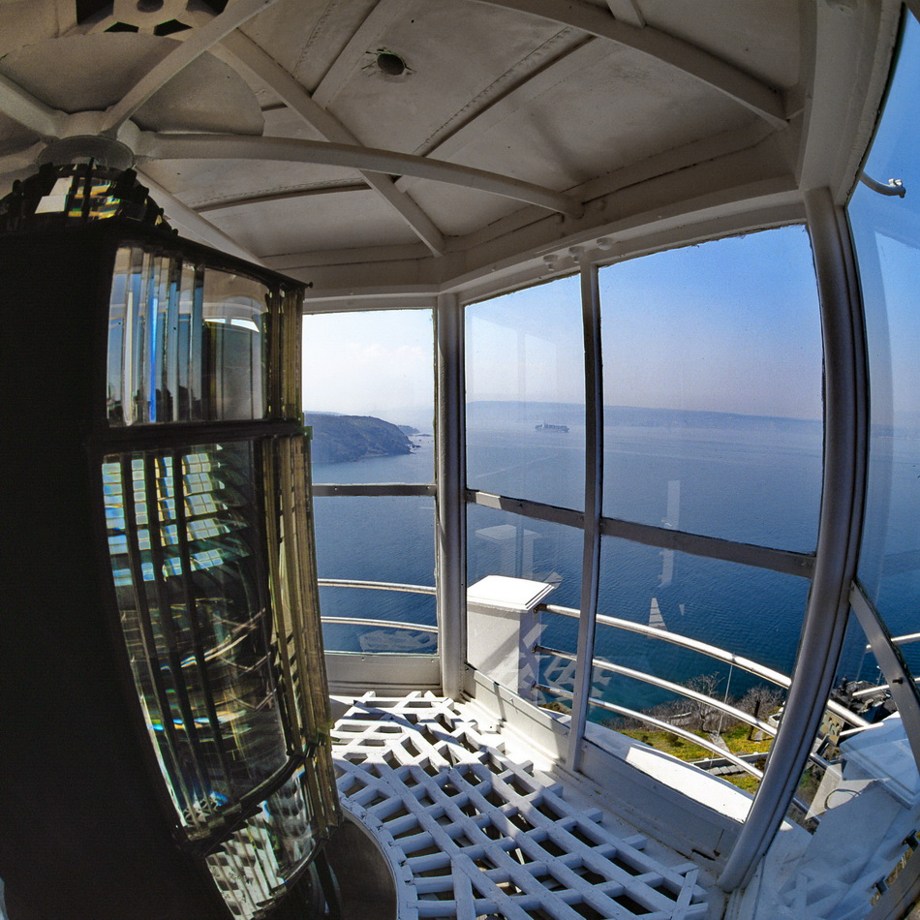
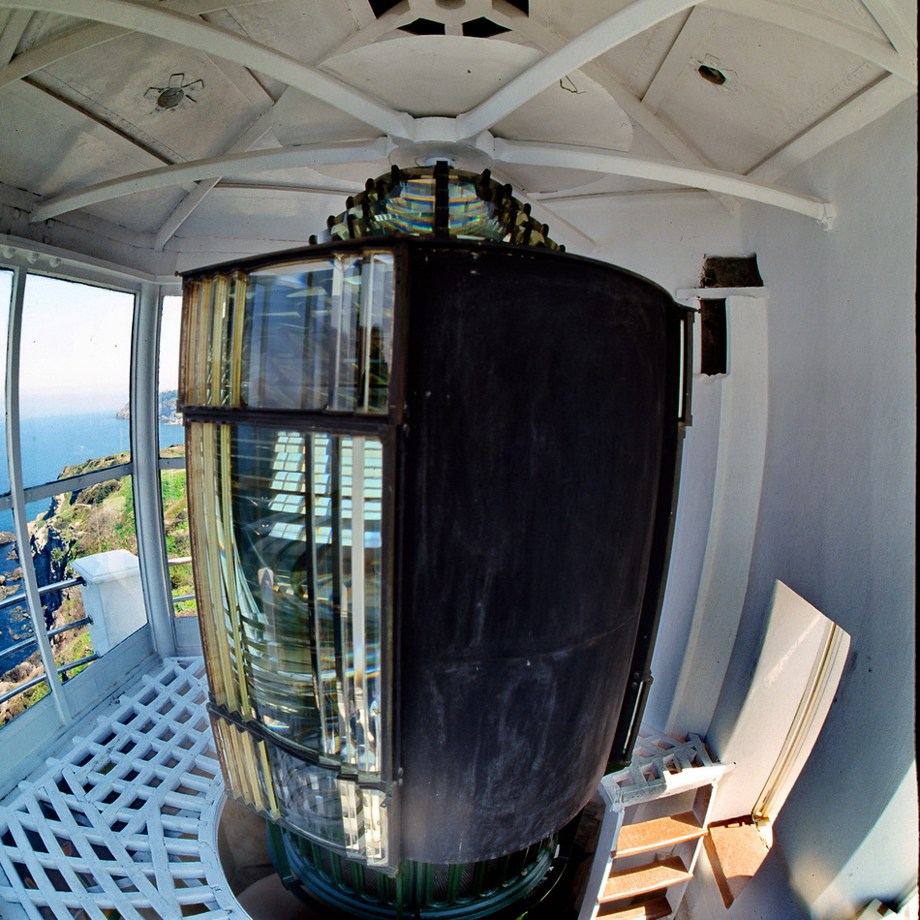
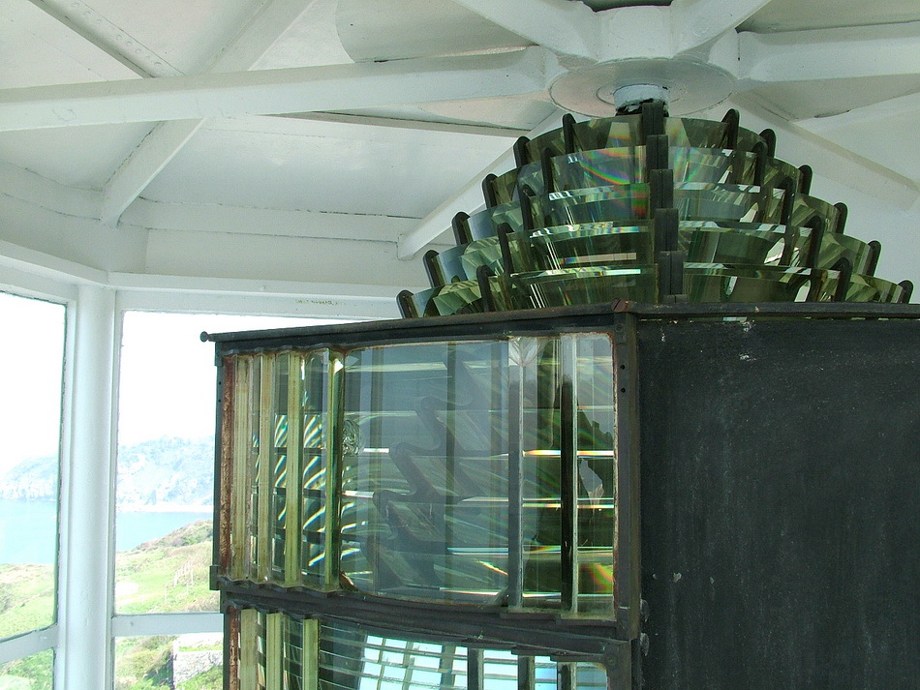
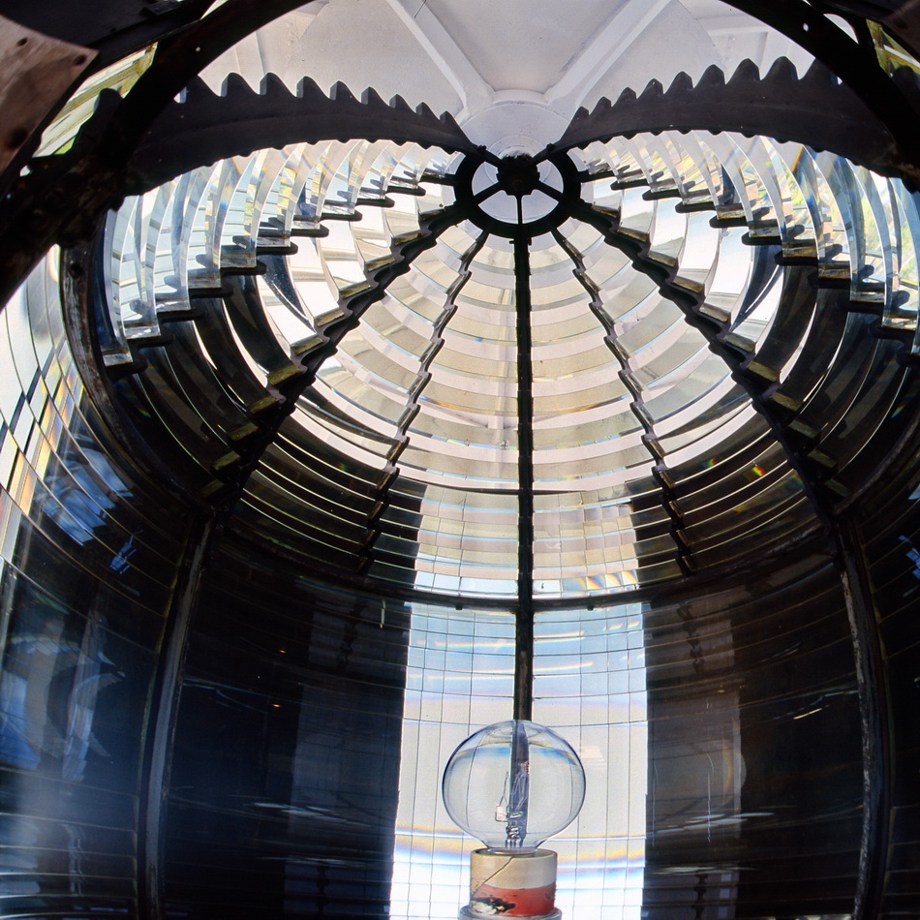
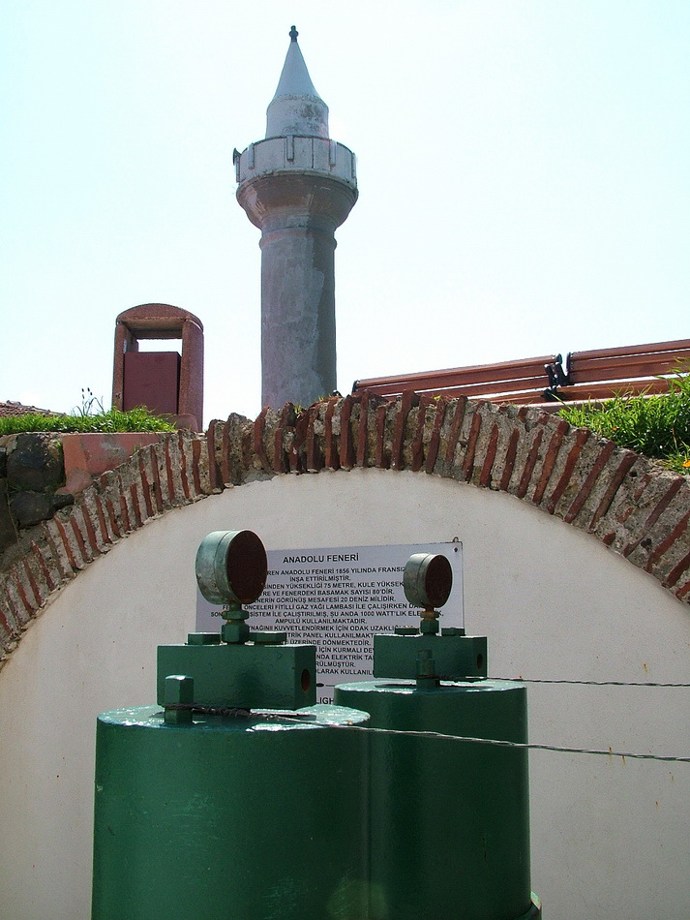
Inside the lantern room, a historic optical system of four catadioptric panels, with a focal length of 500 millimetres, collects and directs the light out to sea. The rotating apparatus was formerly driven by a weight-operated mechanism. In 2006, the lighthouse was converted to an electrically driven and photocell-controlled system while retaining its historic optical equipment. I do not know whether that change took place before or after my visit.
I visited Anadolu Lighthouse in 2006 with official photographic permission from the Directorate General of Coastal Safety and Salvage Administrations. As at the other historic lighthouses I photographed that year, I wanted to record more than the exterior of the tower. I was interested in the lenses, mechanical details, architecture and the surrounding coastal landscape.
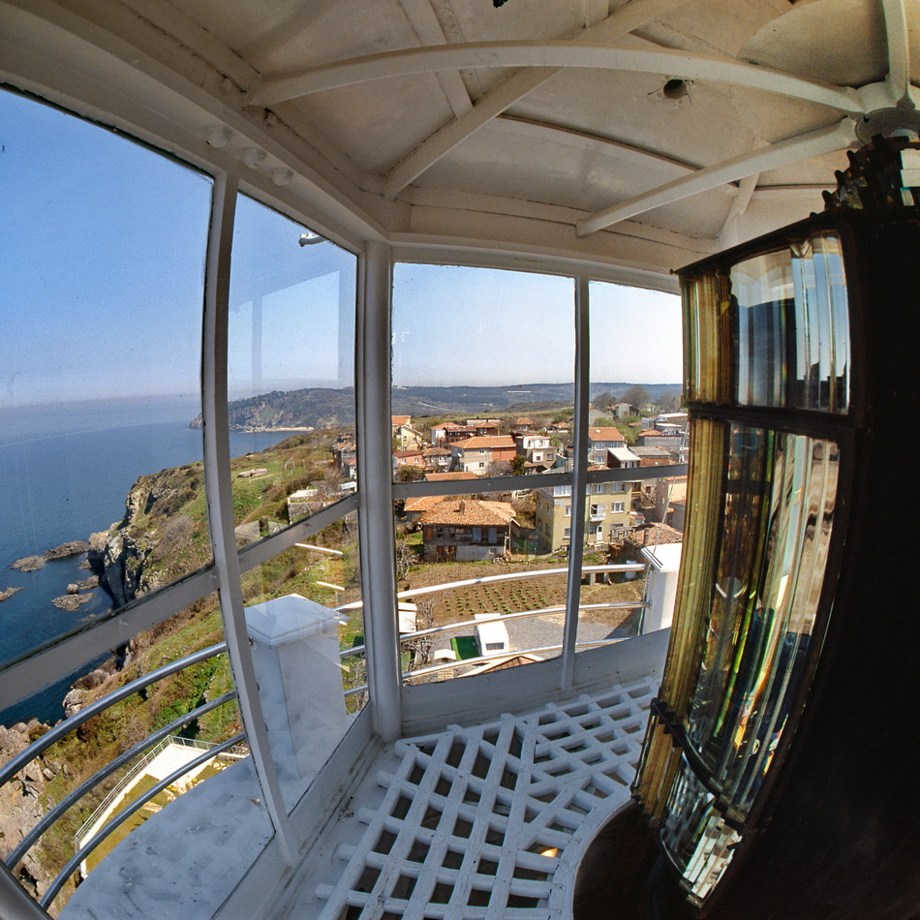
Inside the upper section, I examined and photographed the large optical assembly from several angles. The repeating glass prisms, metal supports and reflections revealed the precision of a system largely hidden from anyone looking at the simple white tower from outside. Through the lantern-room windows, the Black Sea appeared beyond the intricate glass surfaces.
Outside, the remaining fortress walls, paths and nearby buildings offered another layer of the story. The eighteenth-century defensive site and nineteenth-century lighthouse occupied the same headland, each reflecting a different chapter in Istanbul’s relationship with the sea.
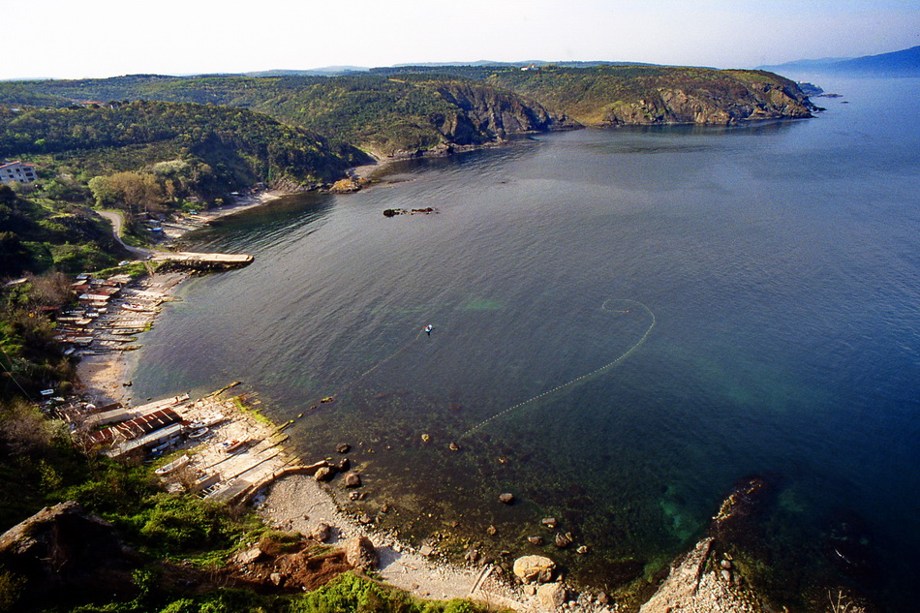
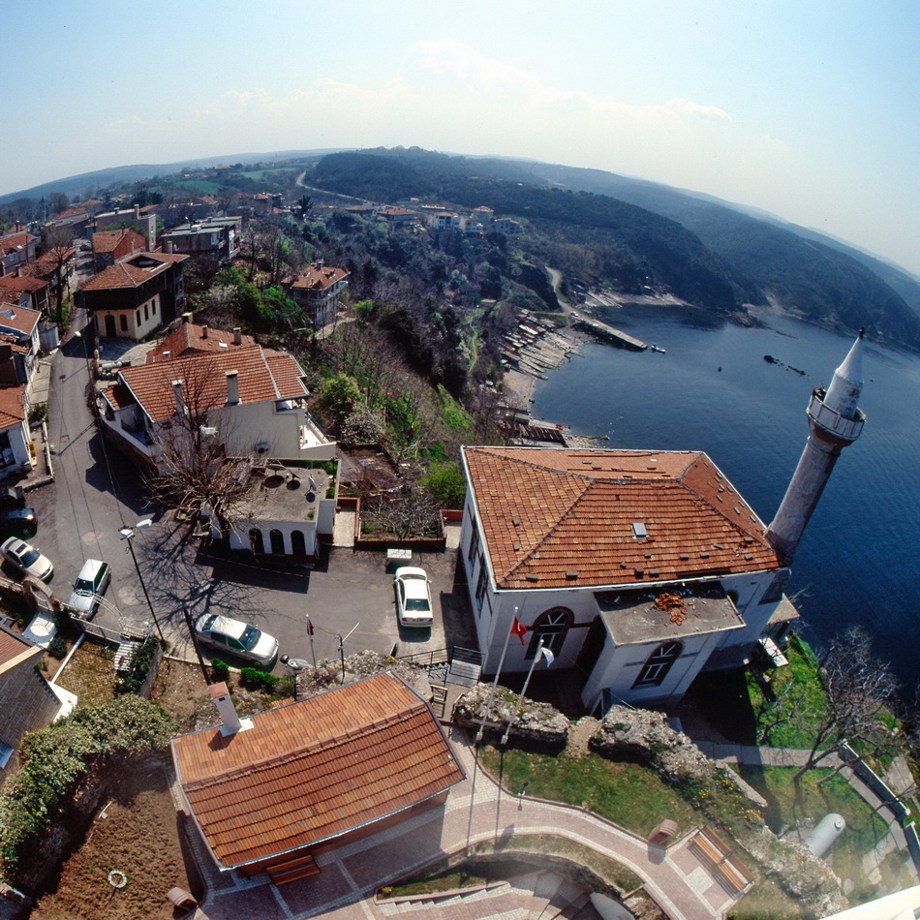
I wanted a wider view of the lighthouse and its surroundings. I therefore asked the imam of the neighbouring mosque for permission to climb its minaret. From there I photographed the white tower, the traces of the old fortifications, the nearby buildings and the broad horizon of the Black Sea within a single frame. These wide-angle photographs gave me a way to show the lighthouse in its full geographical setting.
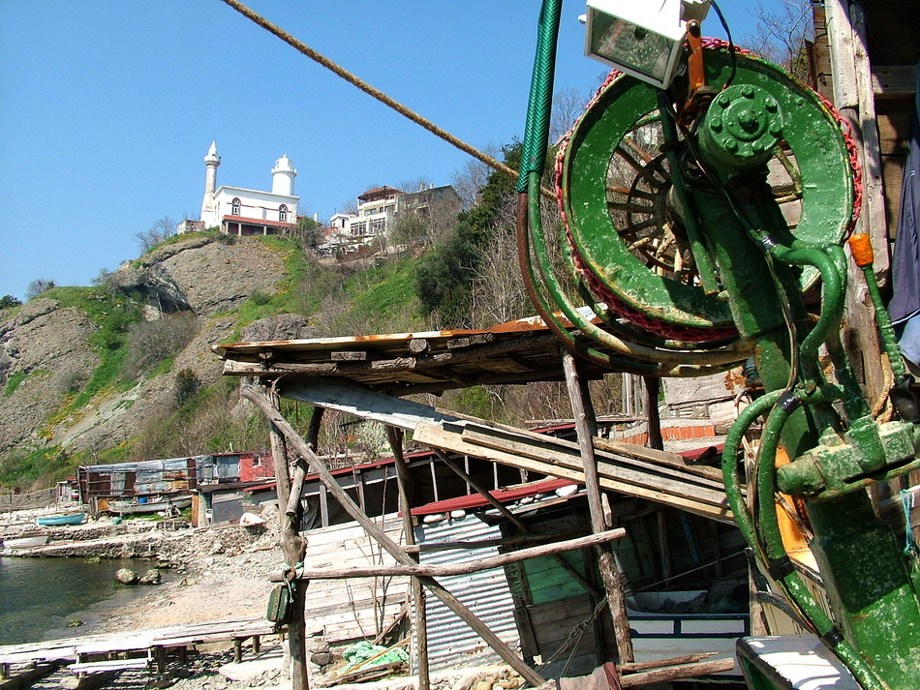
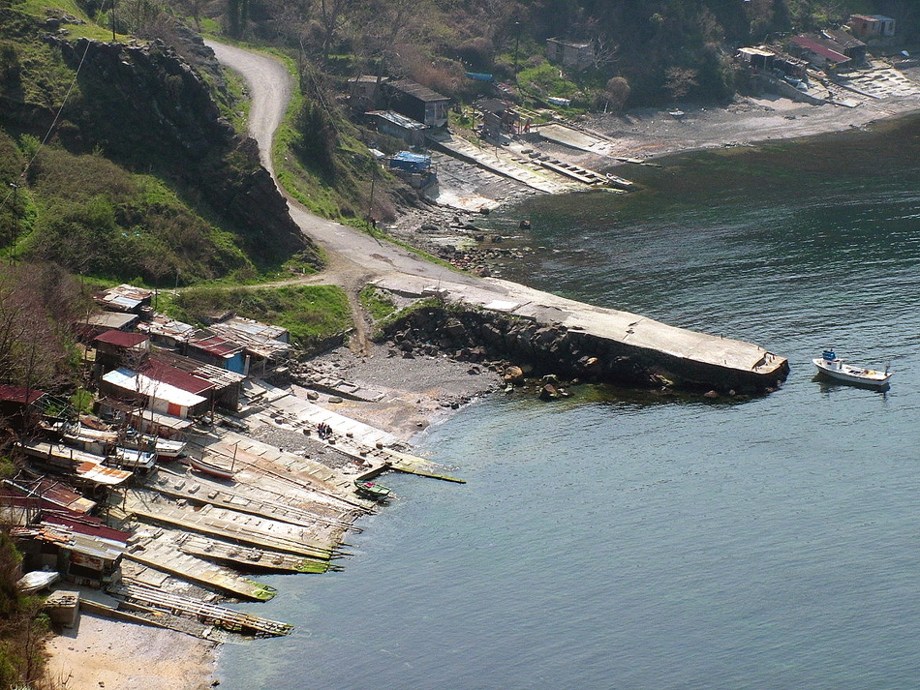
The surrounding fishing settlement, sheltered coves and rugged shoreline were also part of what I wanted to document. Anadolu Lighthouse was not an isolated monument, but a working maritime landmark embedded in the life of the coast.
This portfolio forms part of my photographic documentation of six historic Istanbul lighthouses in 2006. For me, Anadolu Lighthouse remains more than a white tower guiding ships: it is a meeting point of coastal defence, optical engineering, local life and the vast Black Sea landscape I saw from the mosque’s minaret.