
Fenerbahçe Lighthouse | Istanbul, 2006
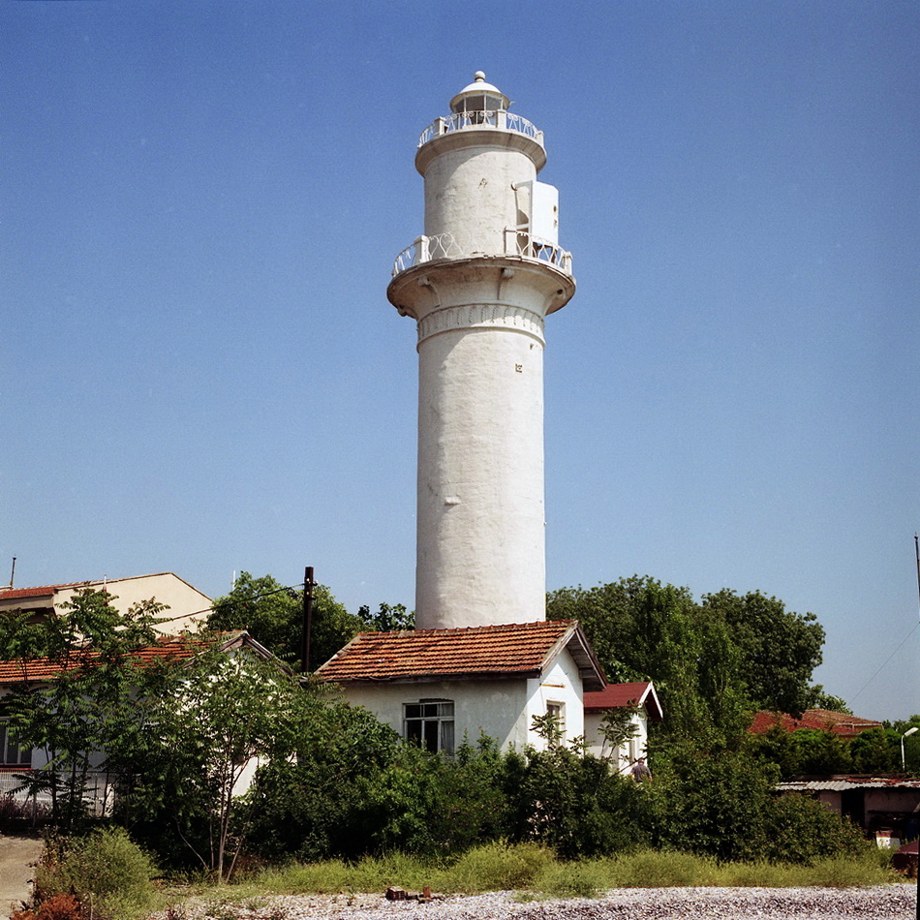
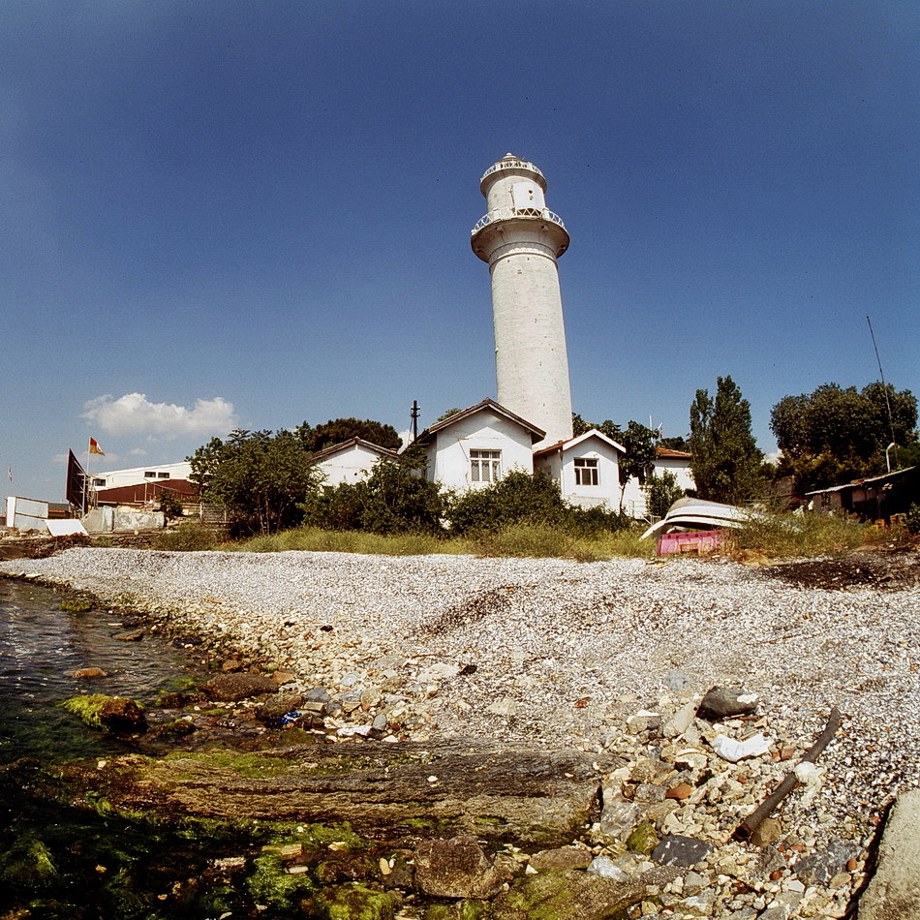
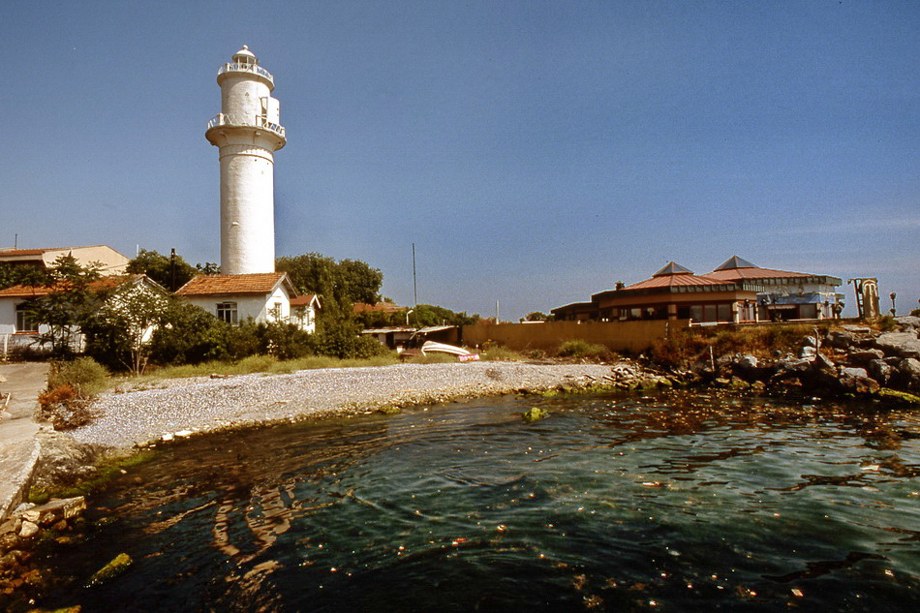
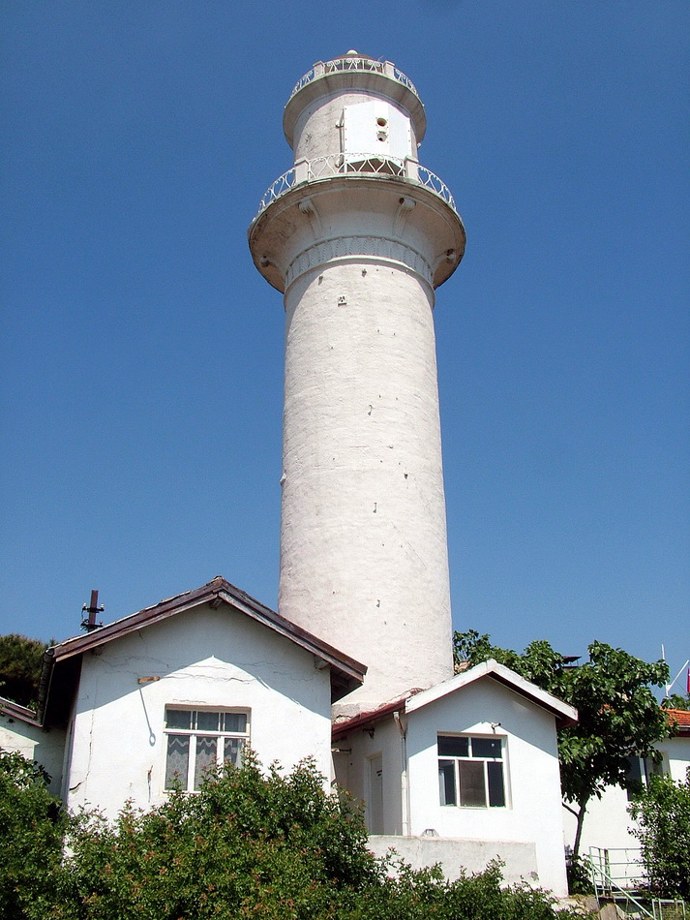
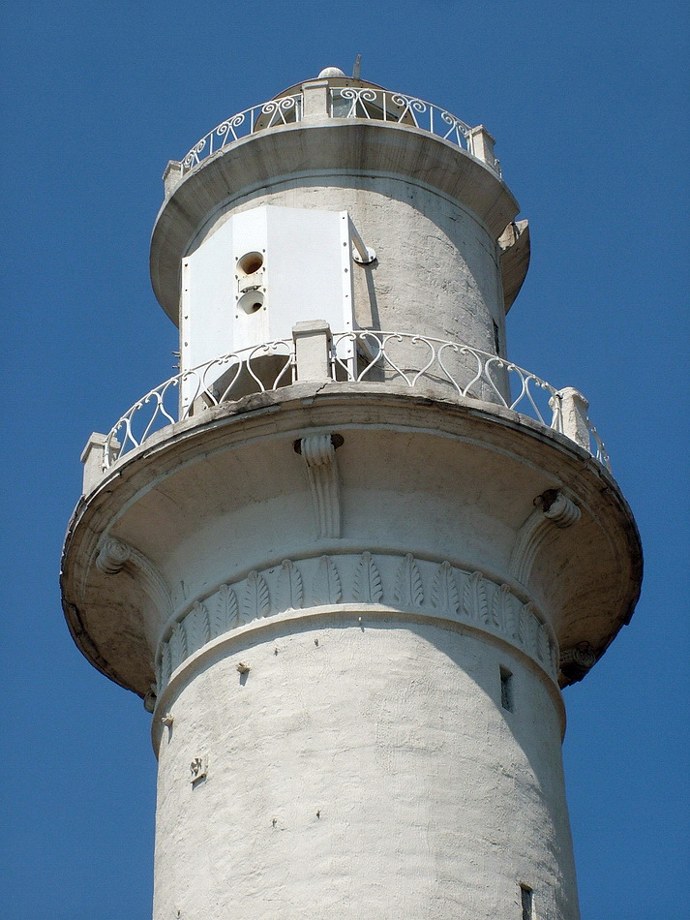
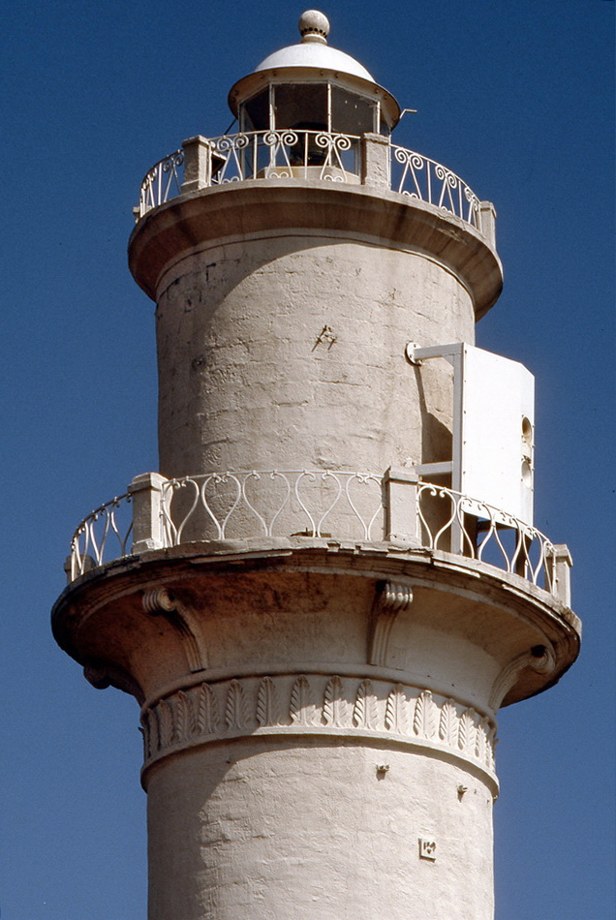
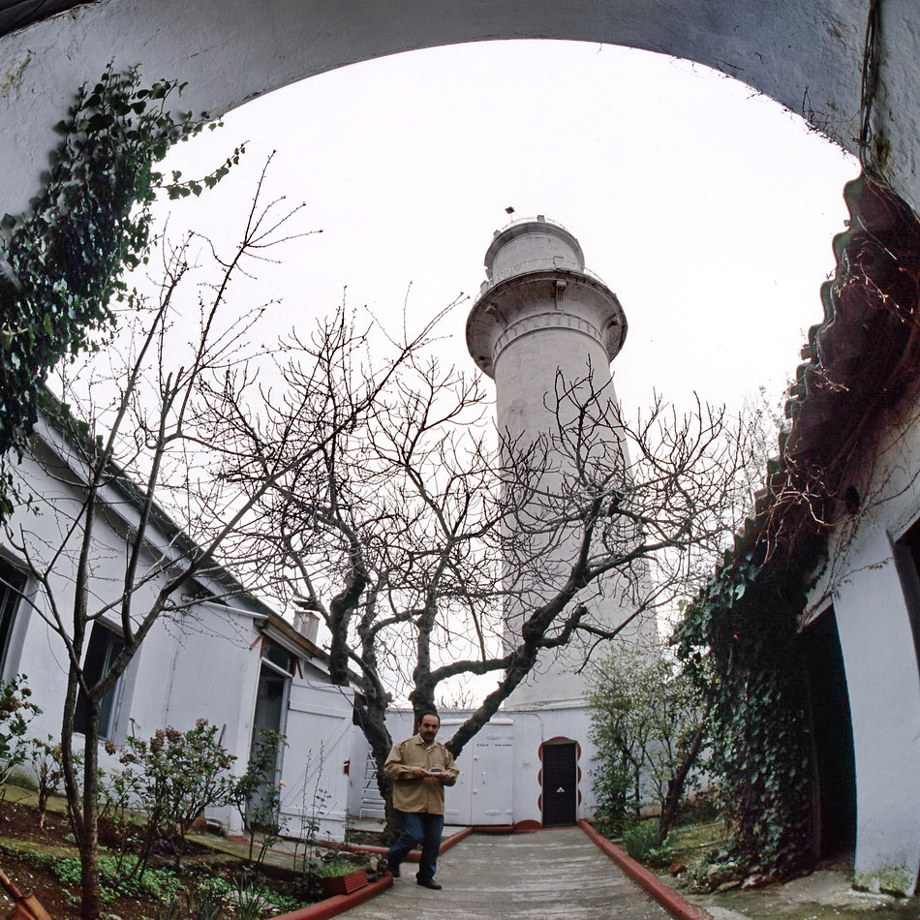
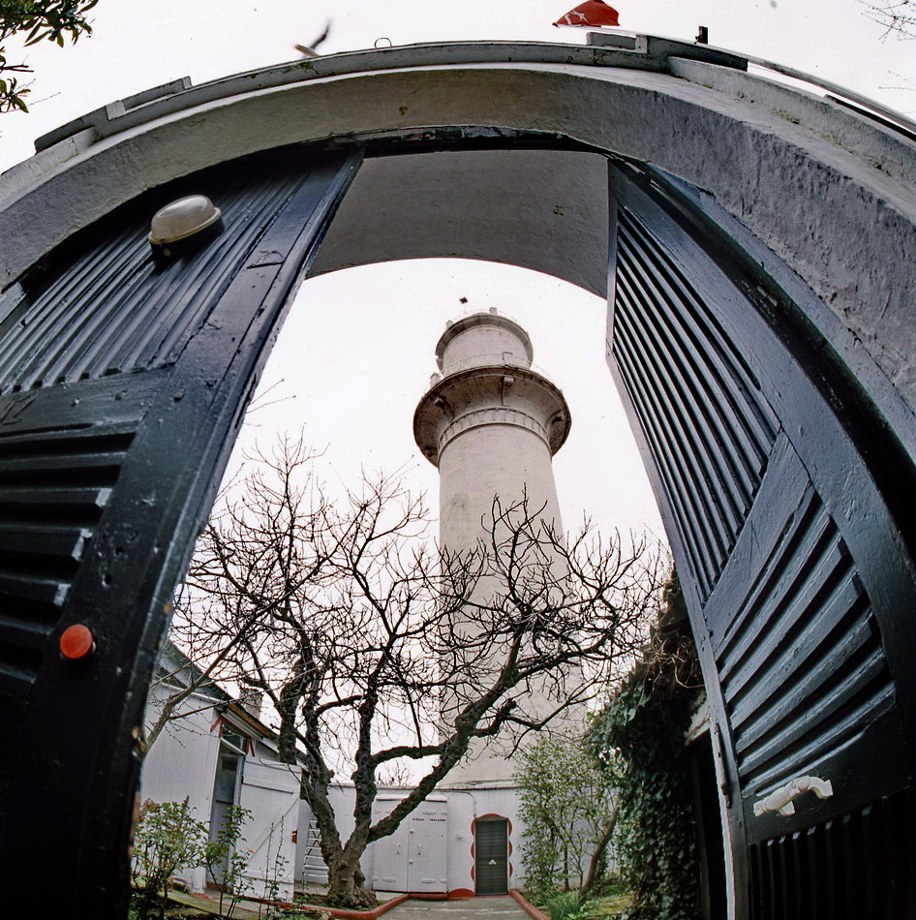
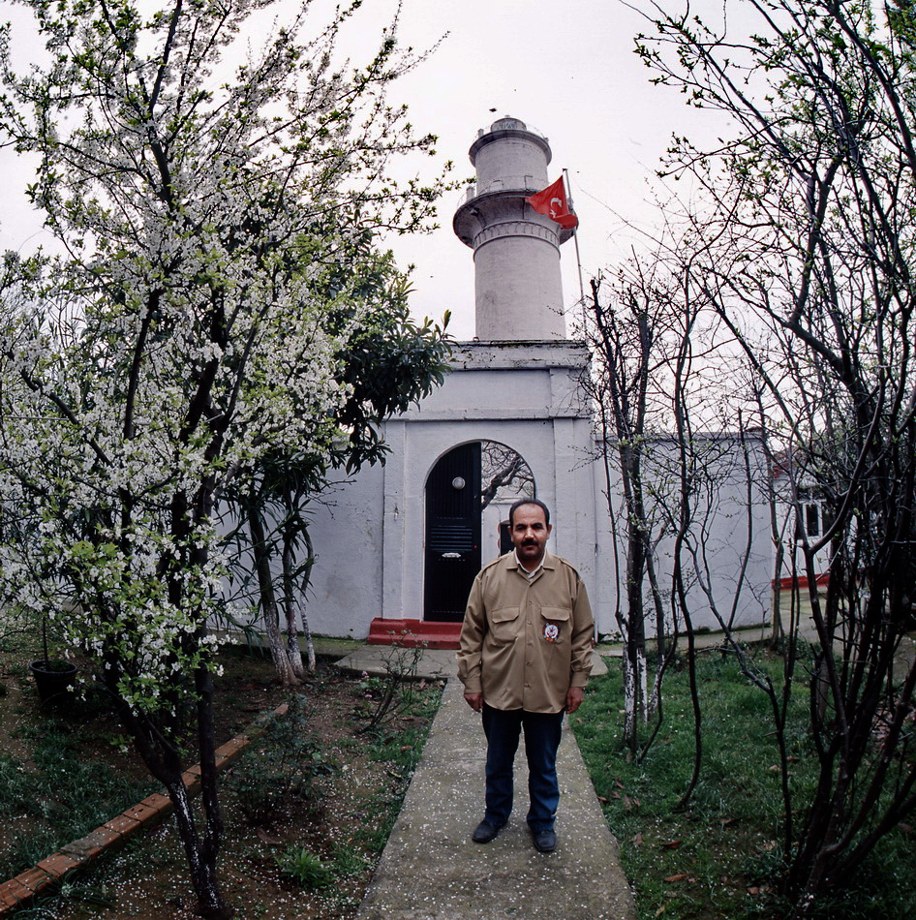
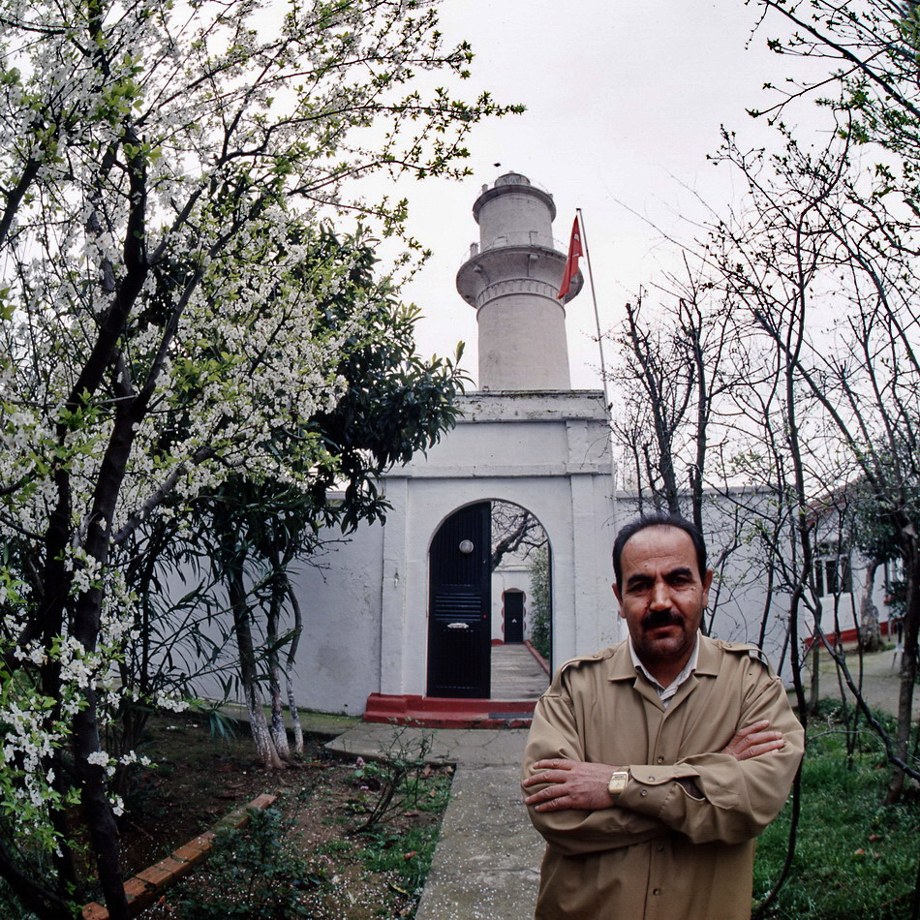
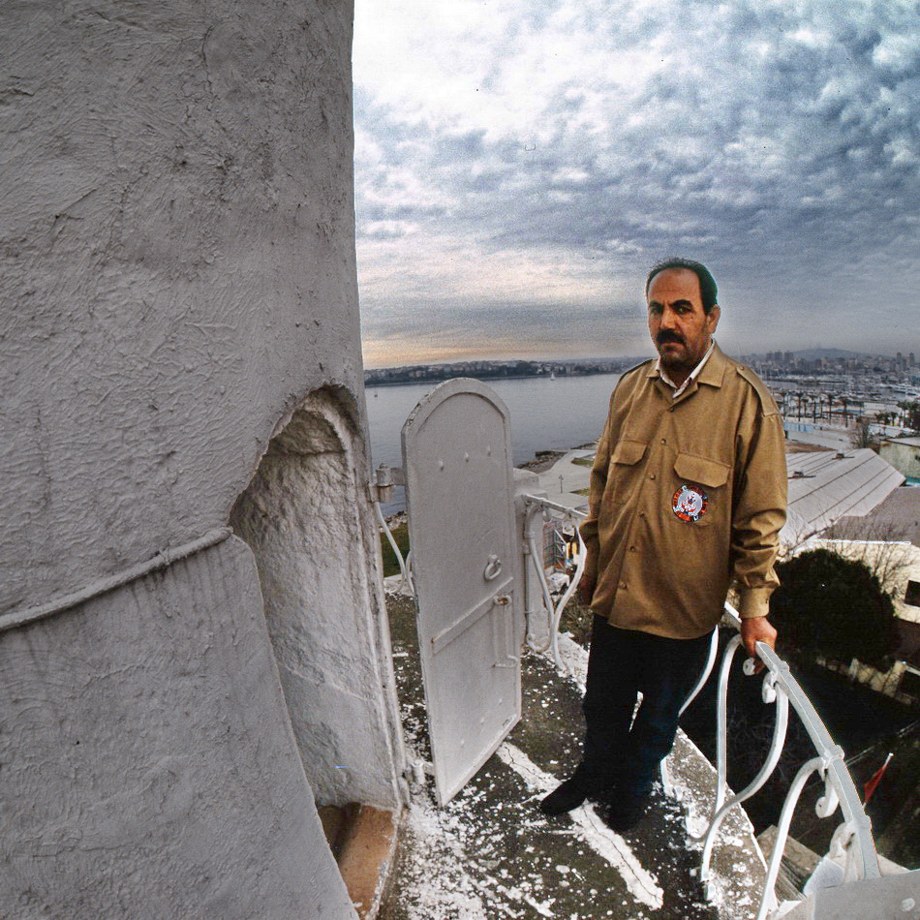
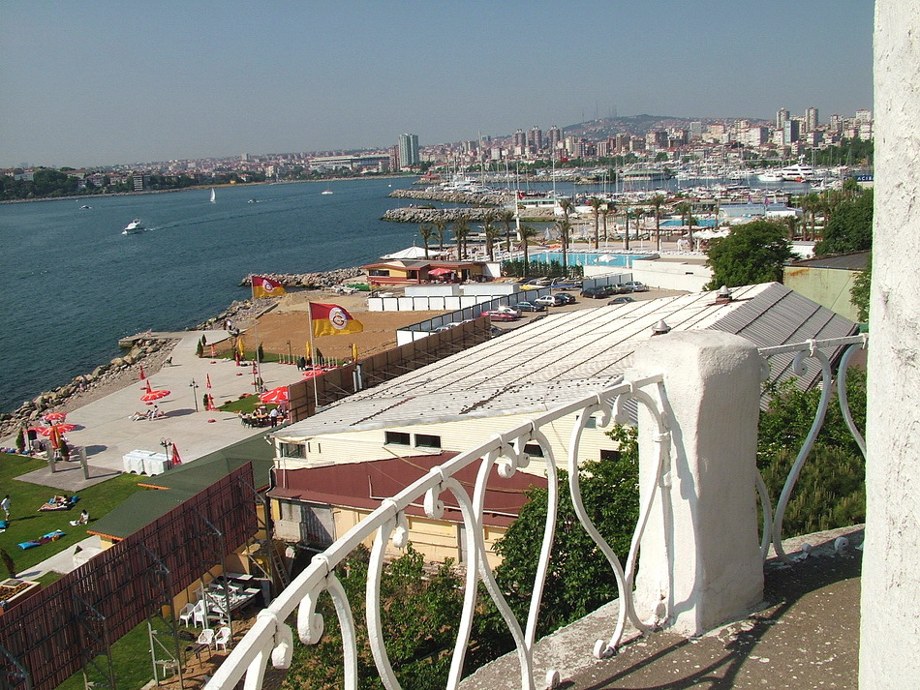
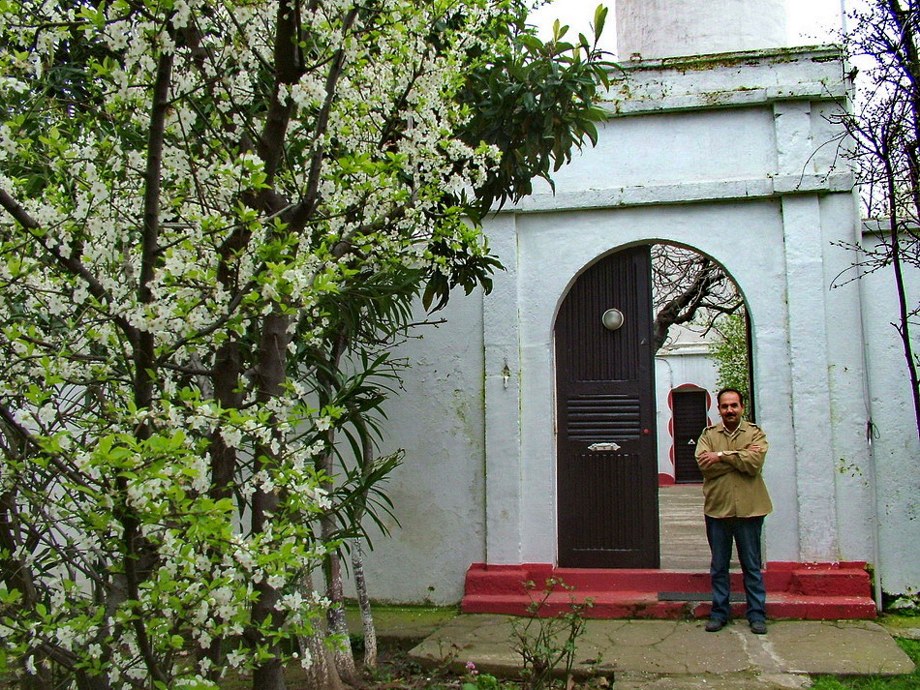
On Fenerbahçe Point, where Istanbul’s Asian shore reaches into the Sea of Marmara, stands one of the city's historic maritime landmarks. The use of this promontory as a navigational reference is older than the present tower. The lighthouse seen today dates from 1857, during the Ottoman period. Its position made it a valuable landmark for vessels navigating the approaches to Istanbul and the Sea of Marmara.
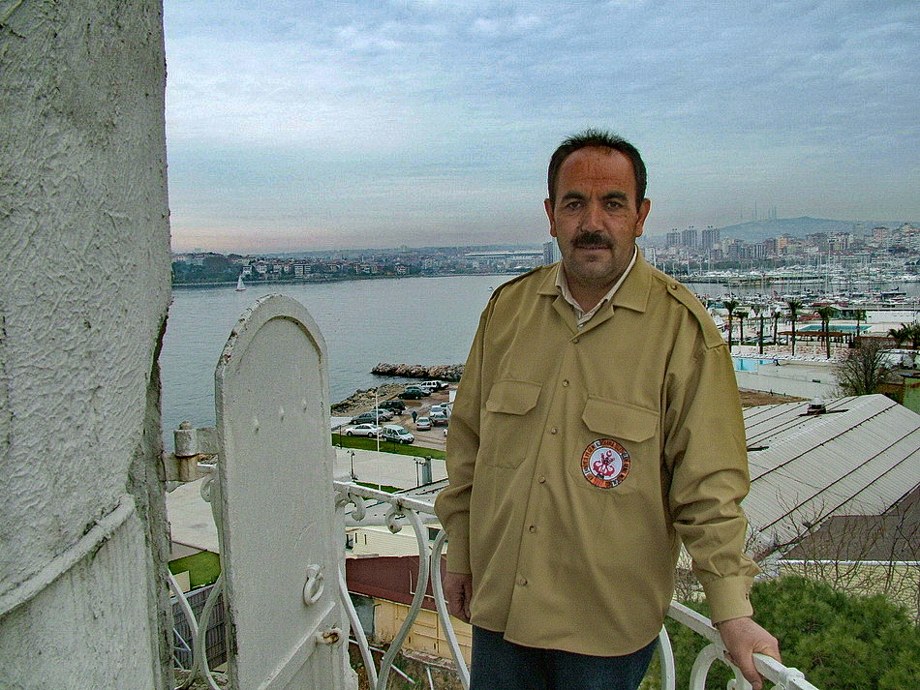
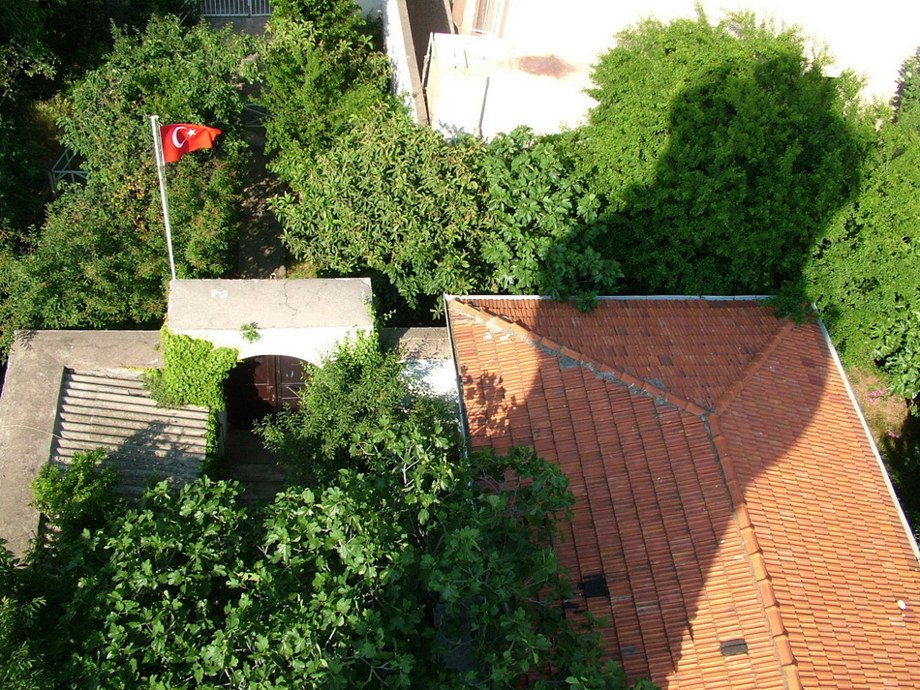
The white cylindrical masonry tower, its lantern room and the low buildings around its base form a distinctive coastal ensemble. The tower rises approximately 20 metres, while the light is about 25 metres above sea level. The architecture is practical rather than monumental: a high, visible tower for the light, and adjacent buildings for the people and equipment required to keep it operating. The site remains part of Istanbul’s maritime heritage.
A lighthouse is identified not only by its position but also by its characteristic pattern of light. Like a simple visual code, the flashes and intervening periods of darkness repeat in a recognizable sequence. The characteristic of Fenerbahçe Lighthouse is recorded as Fl W (2) 12s: a group of two white flashes repeated every twelve seconds. Mariners can compare this sequence with nautical charts and lists of lights to identify the beacon and use it as a reference when navigating the coast.
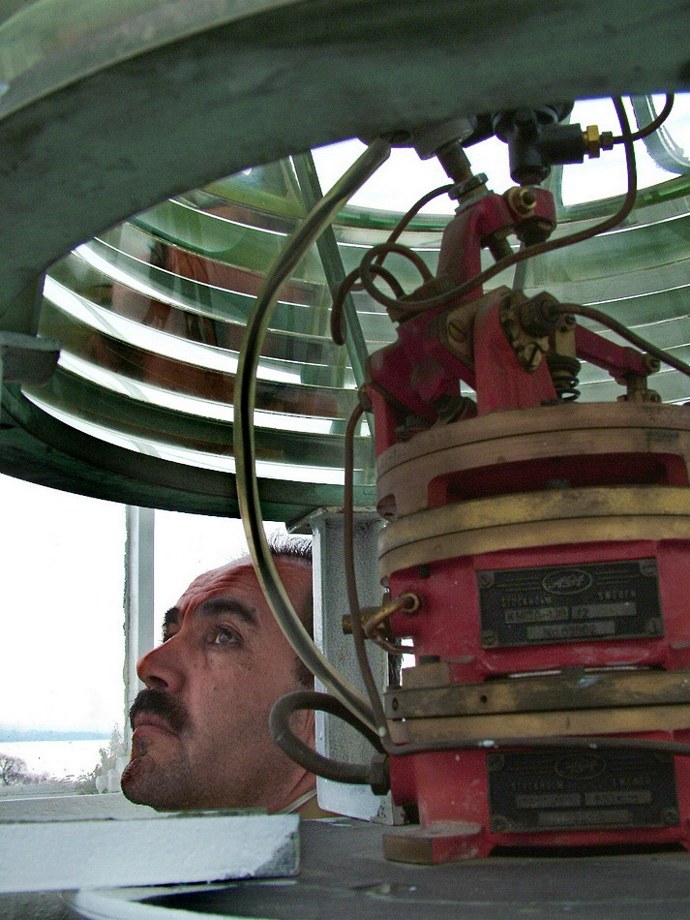
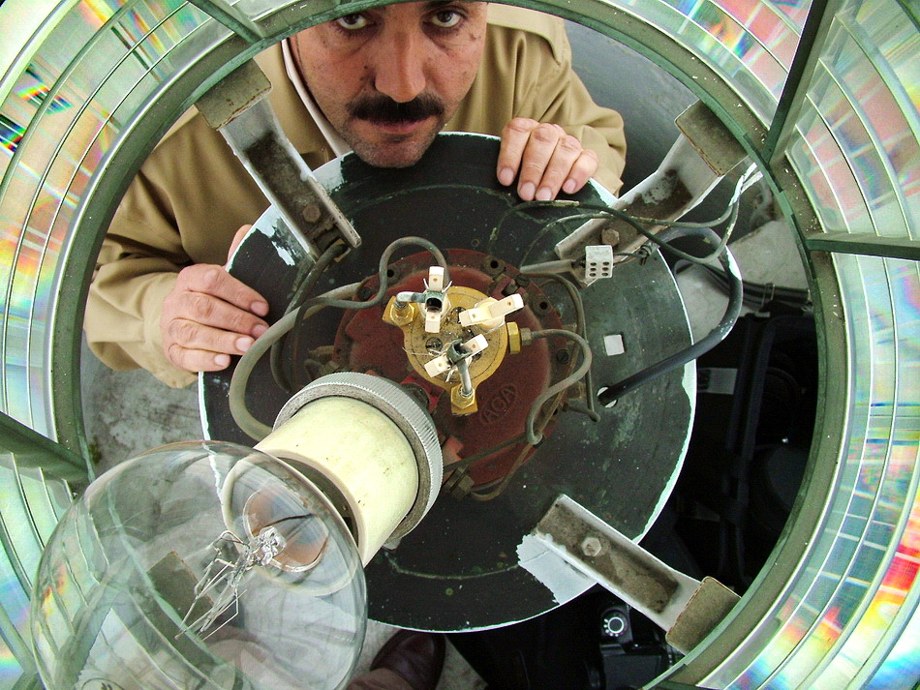
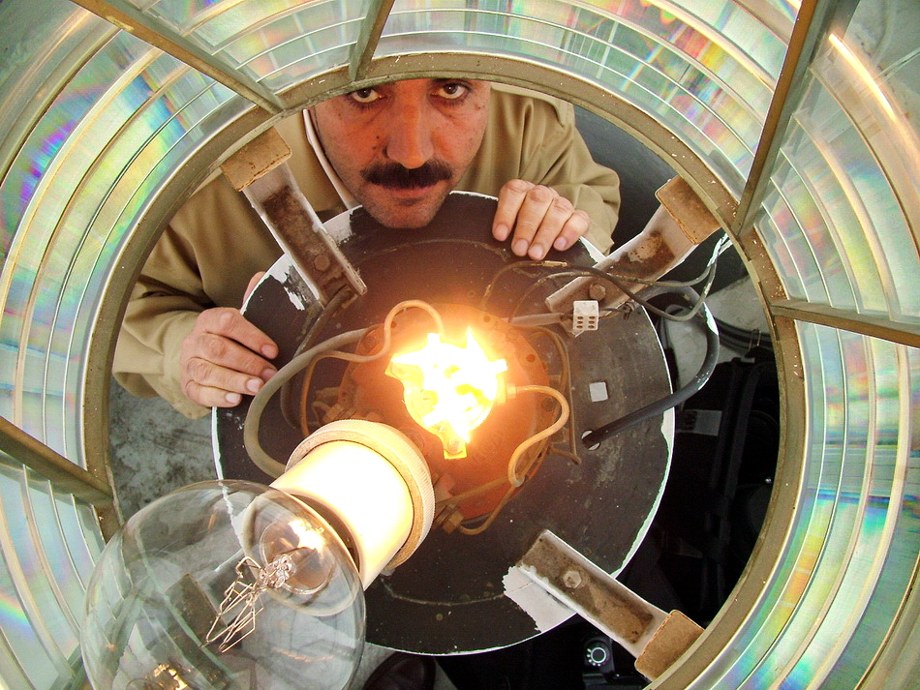
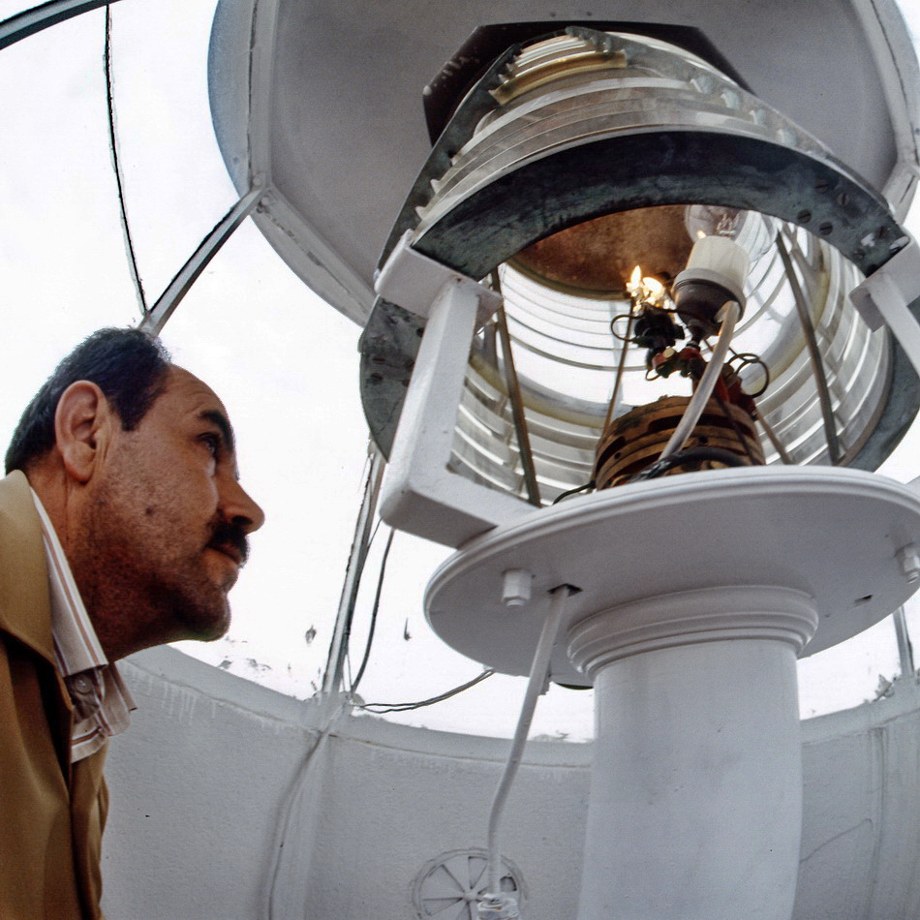
Over the decades, lighthouse technology changed from fuel-burning lamps to electric lighting. Optical lenses and prisms direct the light into a beam that can be recognized at sea. Fenerbahçe Lighthouse has been described as having a catadioptric optical system, combining refraction and reflection to concentrate the light. Behind the familiar appearance of the tower lies a history of engineering solutions intended to keep a dependable signal visible in darkness and poor conditions.
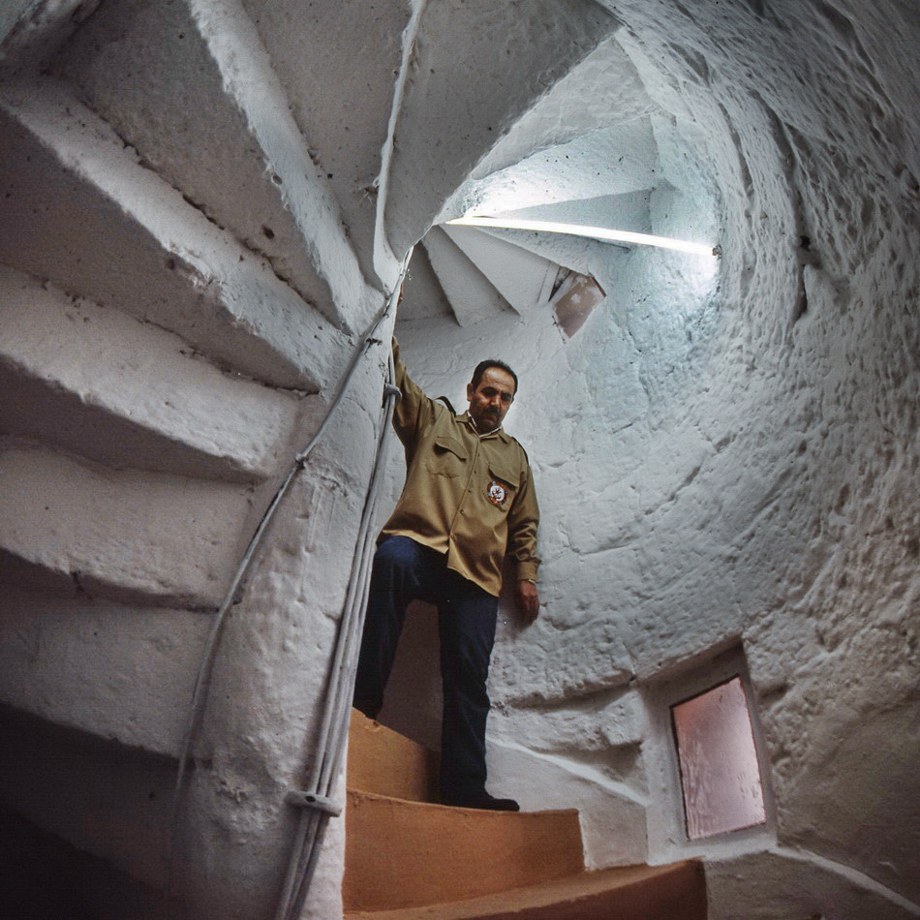
In 2006, with permission from the Directorate General of Coastal Safety, I photographed several of Istanbul’s lighthouses, including Fenerbahçe. Being allowed inside gave me the opportunity to document more than the tower’s exterior. I photographed the stairs, the lantern, the optical apparatus and the mechanical components. I wanted to understand not only how the lighthouse looked from the shore, but also how it had been operated and maintained.
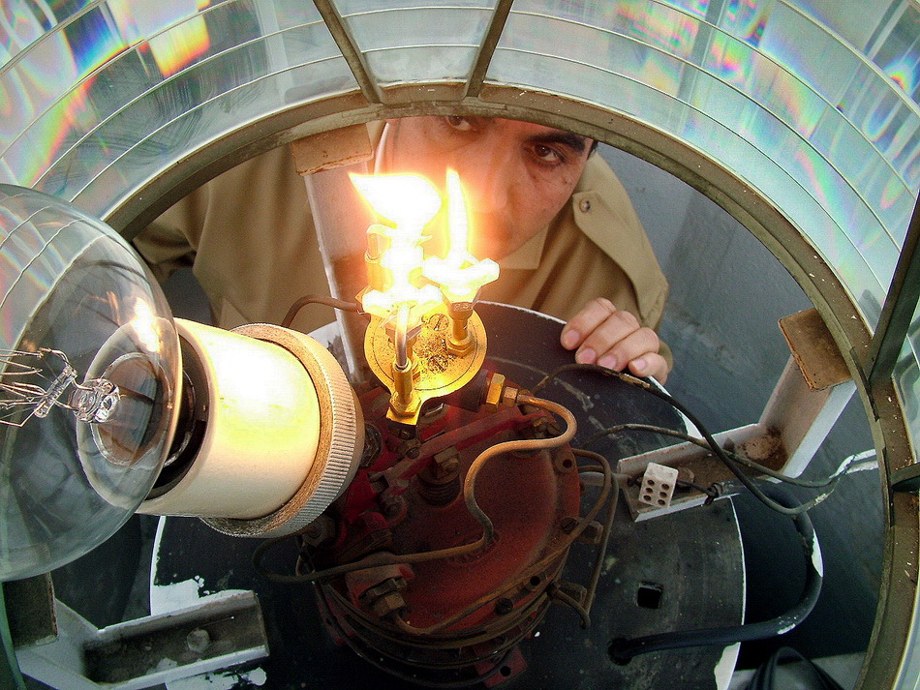
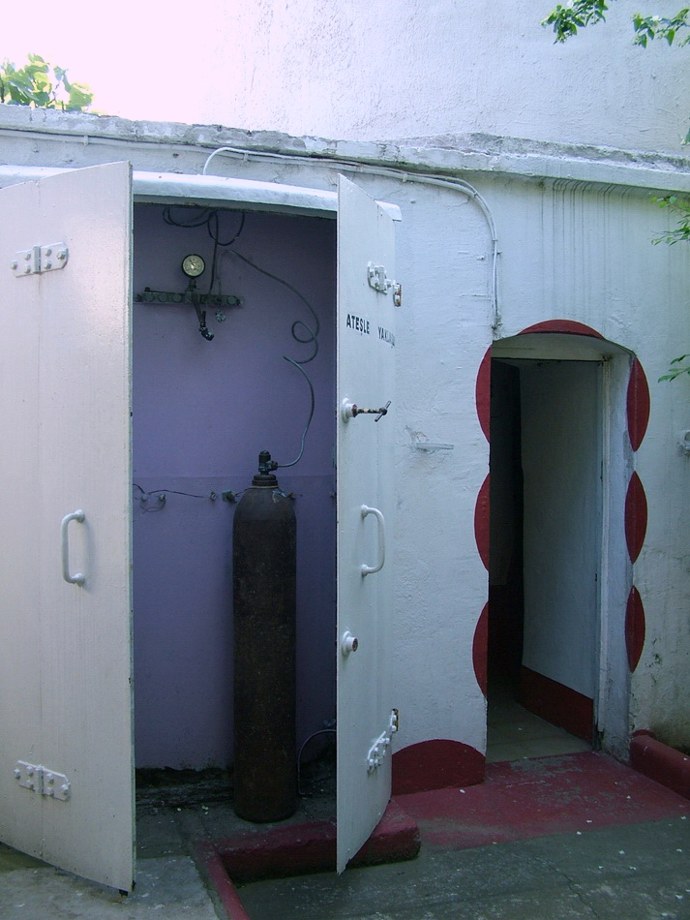
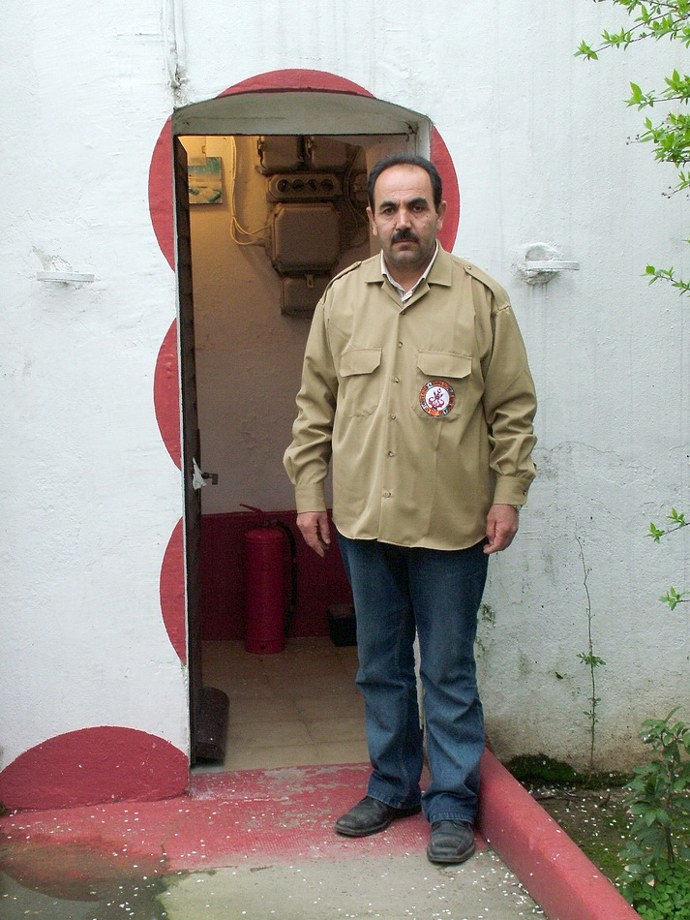
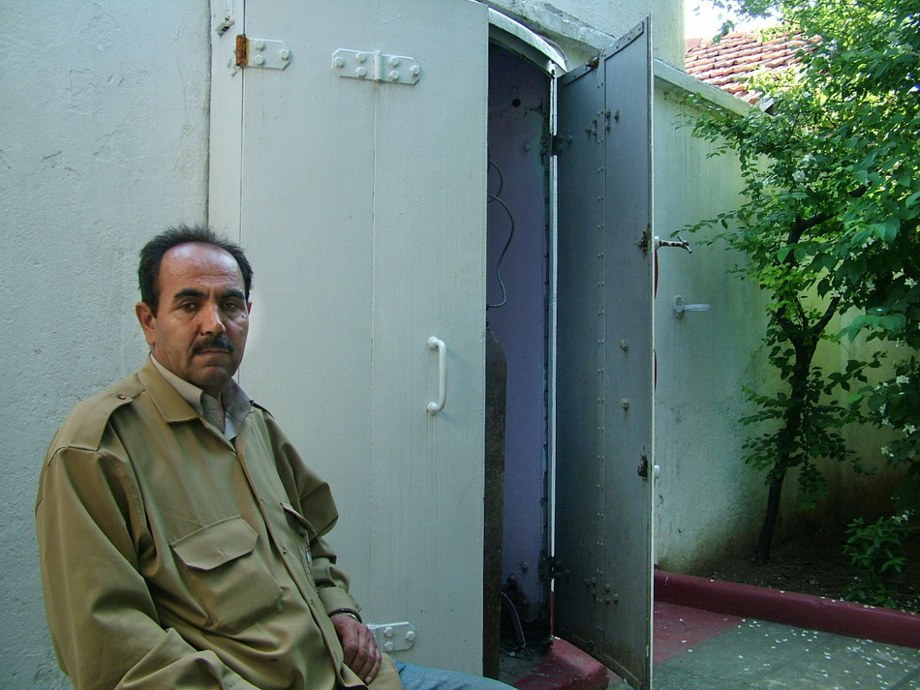
During my visit, the lighthouse keeper demonstrated the acetylene-gas backup lighting system used in the event of an electricity failure. He lit the acetylene lamp for me as a test. Seeing the flame and the equipment at close range was particularly memorable: the cylinder and lamp were not simply historical objects on display, but part of the lighthouse’s provision for keeping its signal available when the electrical supply was interrupted. I was able to photograph this rarely seen aspect of the lighthouse’s working life.
Older lighthouses also employed weight-driven clockwork mechanisms, rather like large wall clocks. A suspended weight was raised to wind the mechanism; as it descended, it drove gears that turned the optical assembly and produced a regular pattern of light. When the weight reached the bottom, the mechanism had to be wound again. As I recall, some of these systems could run for about two hours before requiring attention. Such arrangements help explain the vigilance and physical work that lighthouse keeping once demanded.
The work of lighthouse keepers is inseparable from the history of these buildings. Checking fuel supplies, maintaining lenses and machinery, winding mechanisms and responding to failures were all essential to the reliability of the signal. Before widespread automation, a lighthouse depended not just on its equipment but on the knowledge and care of the people responsible for it. The keeper’s demonstration at Fenerbahçe brought that human dimension into focus for me.
My photographs from 2006 record the lighthouse’s coastal setting as well as its stairways, optical and mechanical details, and backup acetylene equipment. Together, they document both a historic building and the technology and human labour behind its light. As lighthouse operation becomes increasingly automated, such photographs preserve traces of the practical knowledge that once sustained these indispensable landmarks of maritime navigation.