
Şile Lighthouse | Istanbul, 2006
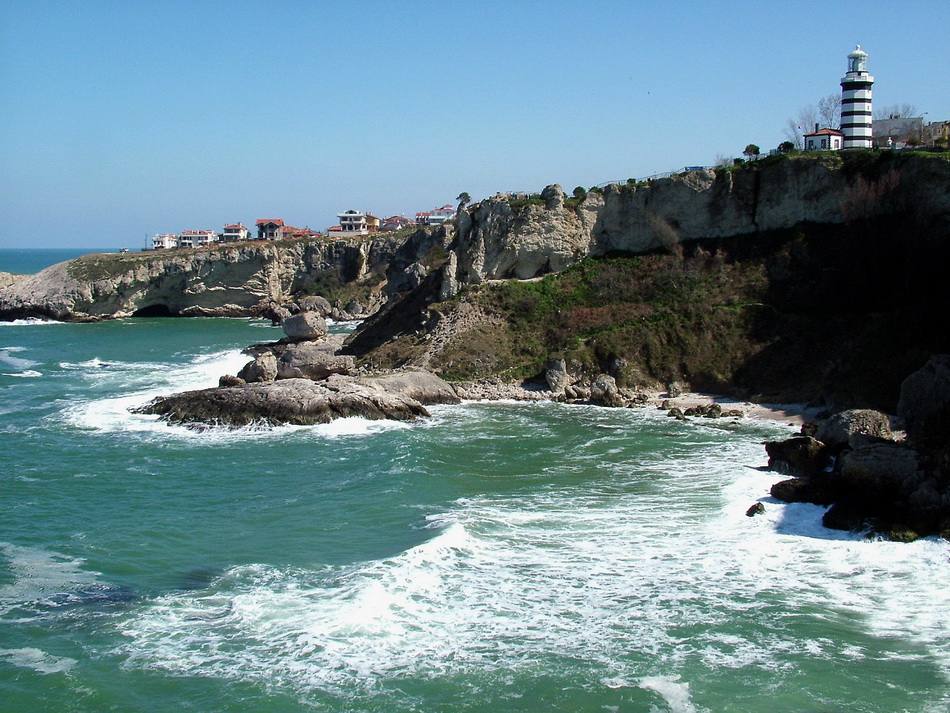
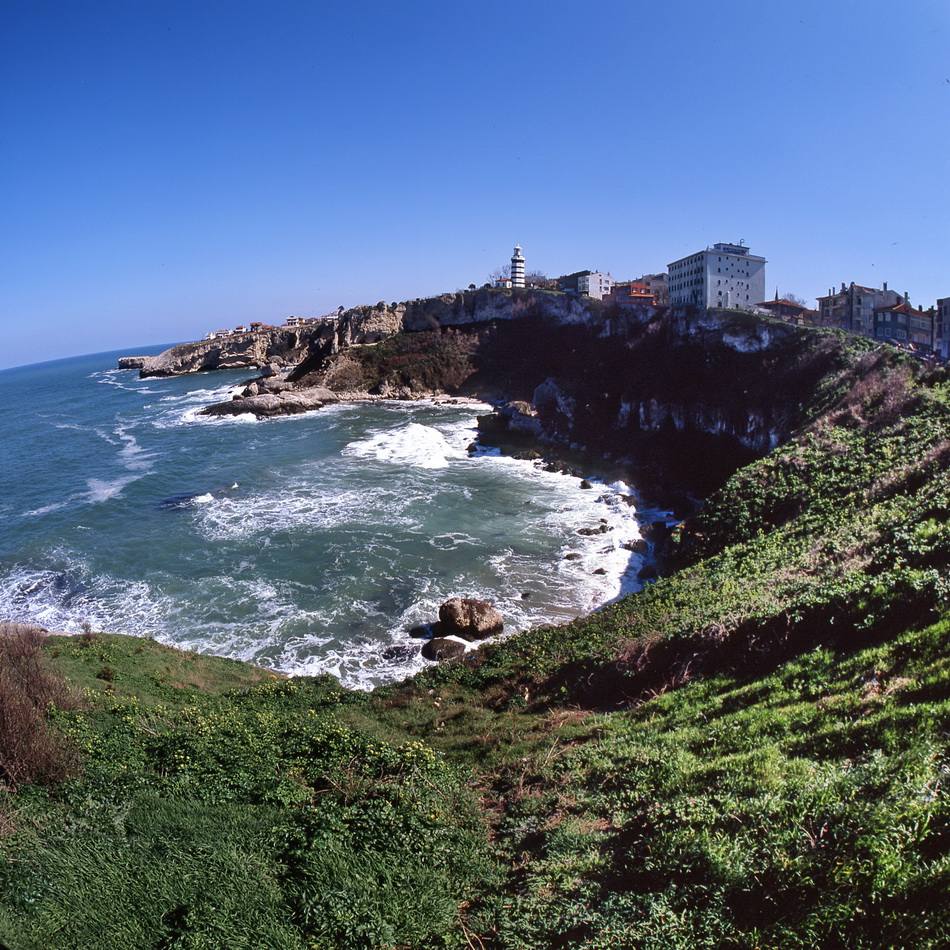
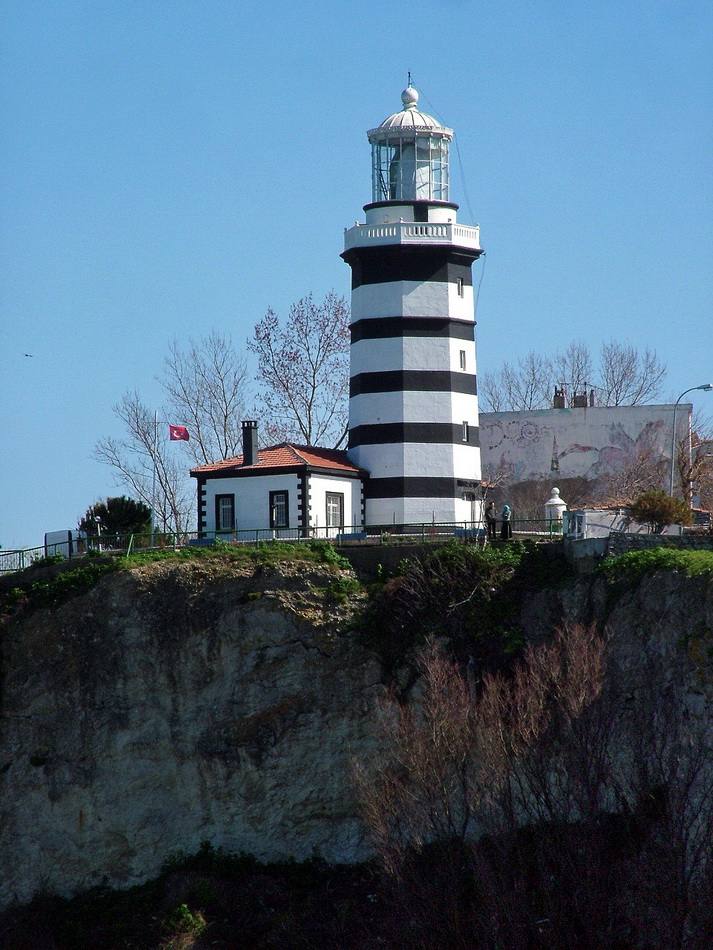
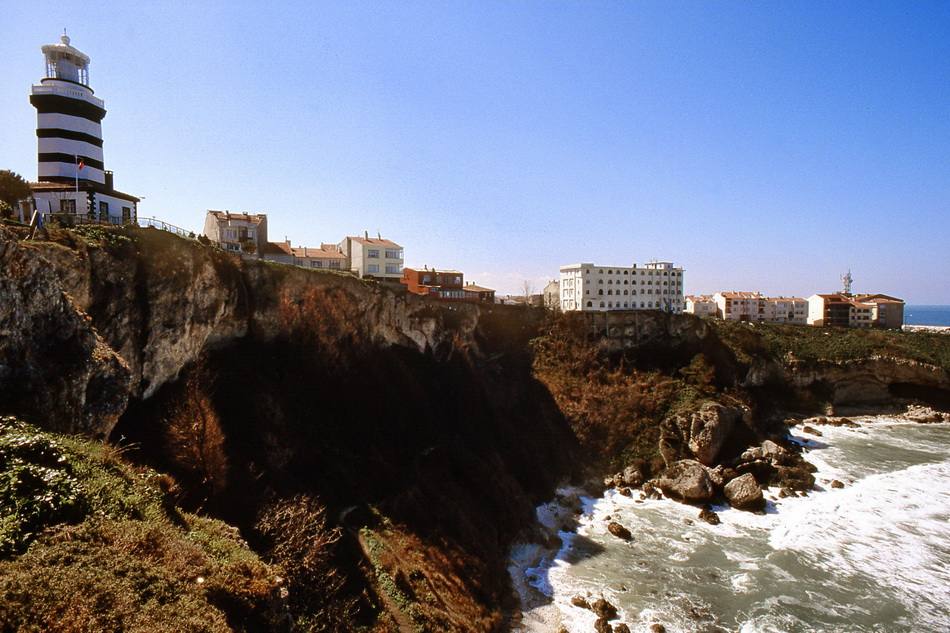
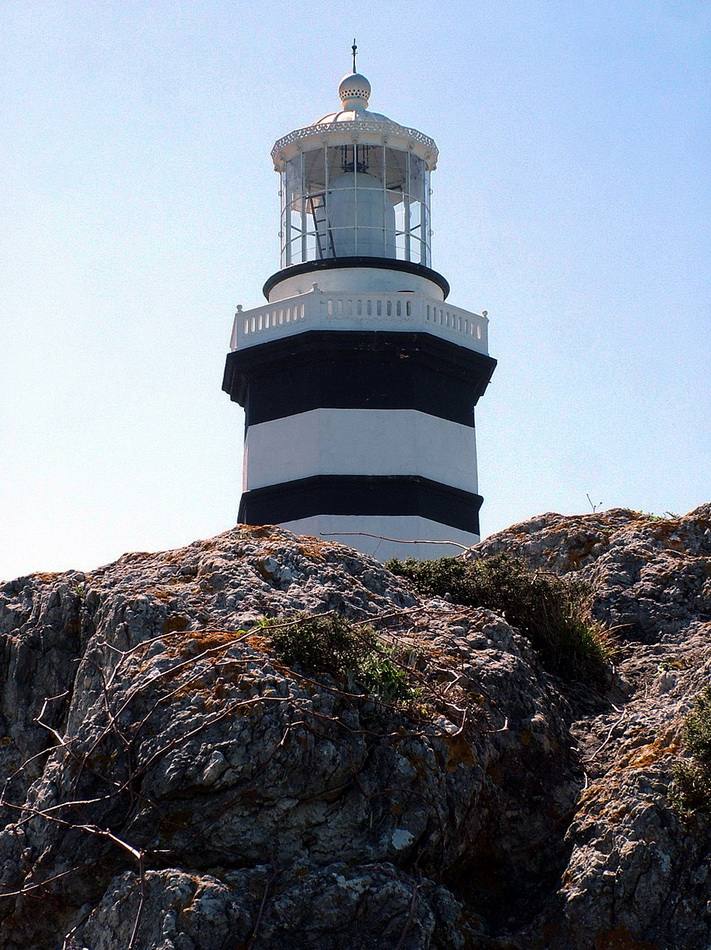
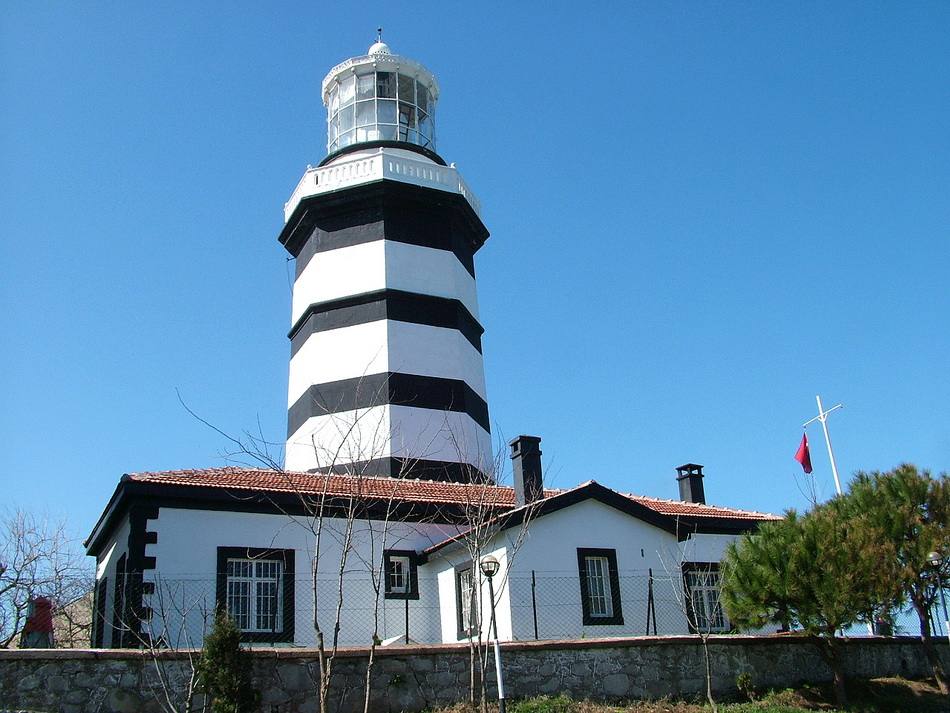
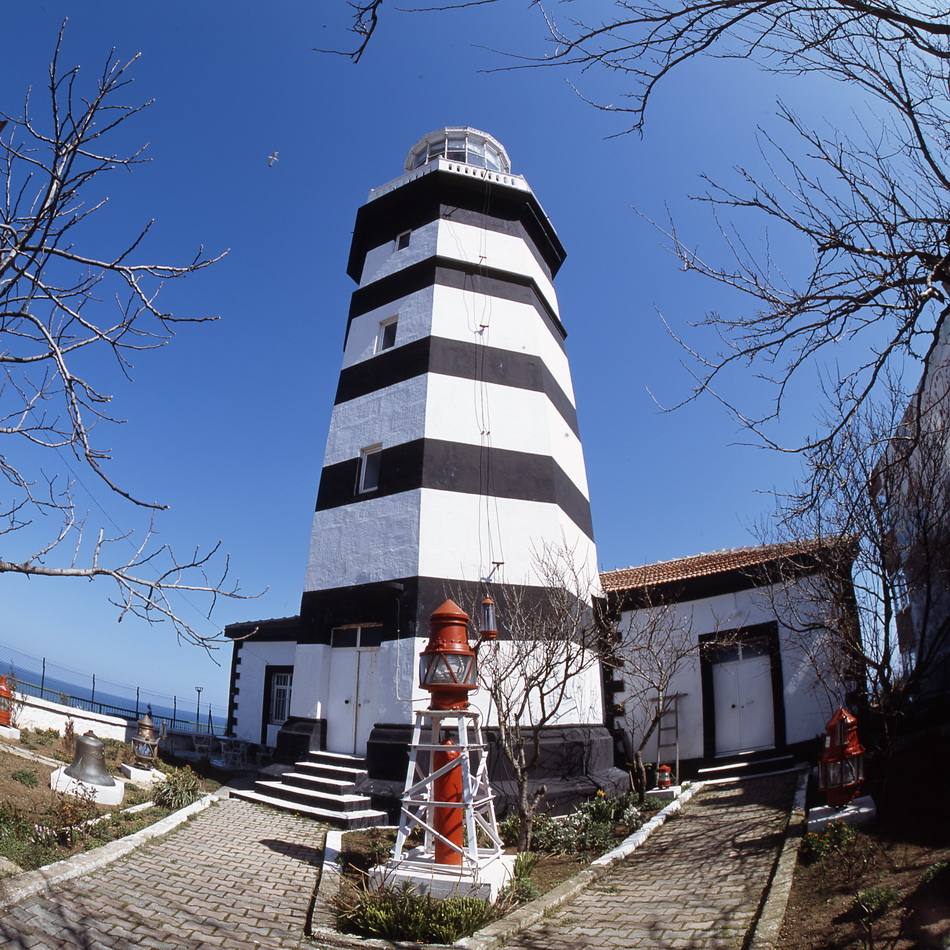
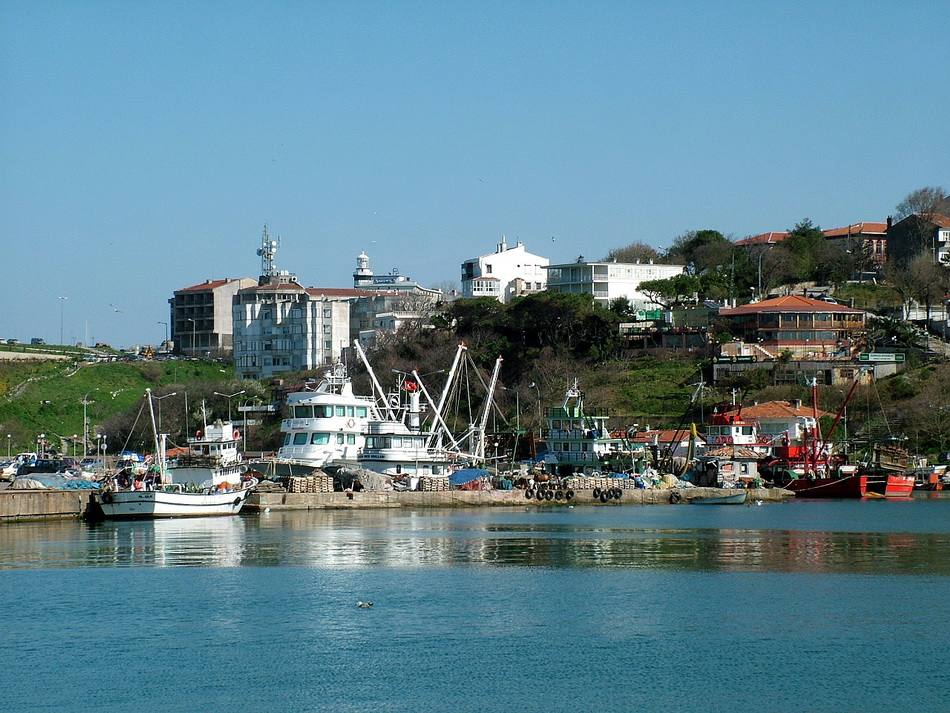
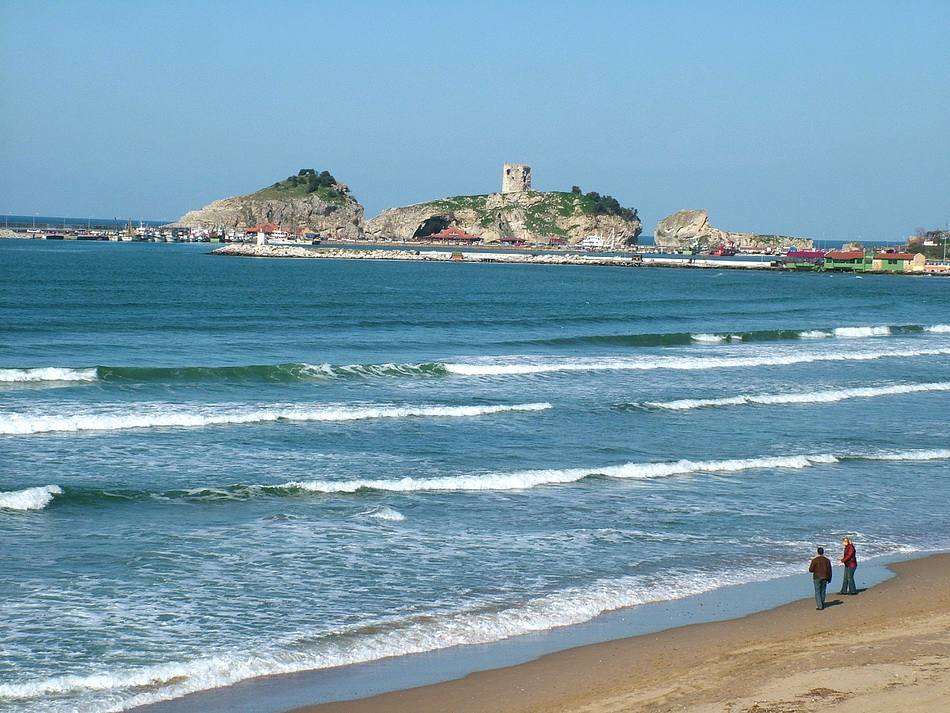
Rising above the rocky Black Sea coast of Şile, Şile Lighthouse is one of Türkiye’s most imposing historic lighthouses. Its distinctive black-and-white horizontal bands make it recognizable from a distance. More than a navigational landmark, the lighthouse is an important surviving example of nineteenth-century maritime engineering.
The lighthouse was built in 1859, during the reign of Sultan Abdülmecid, with French engineering expertise. Following the Crimean War, increasing maritime traffic between the Black Sea and the Bosphorus made reliable coastal navigation especially important. Together with the lighthouses at the northern entrance to the Bosphorus, Şile Lighthouse helped guide vessels approaching Istanbul from the Black Sea.
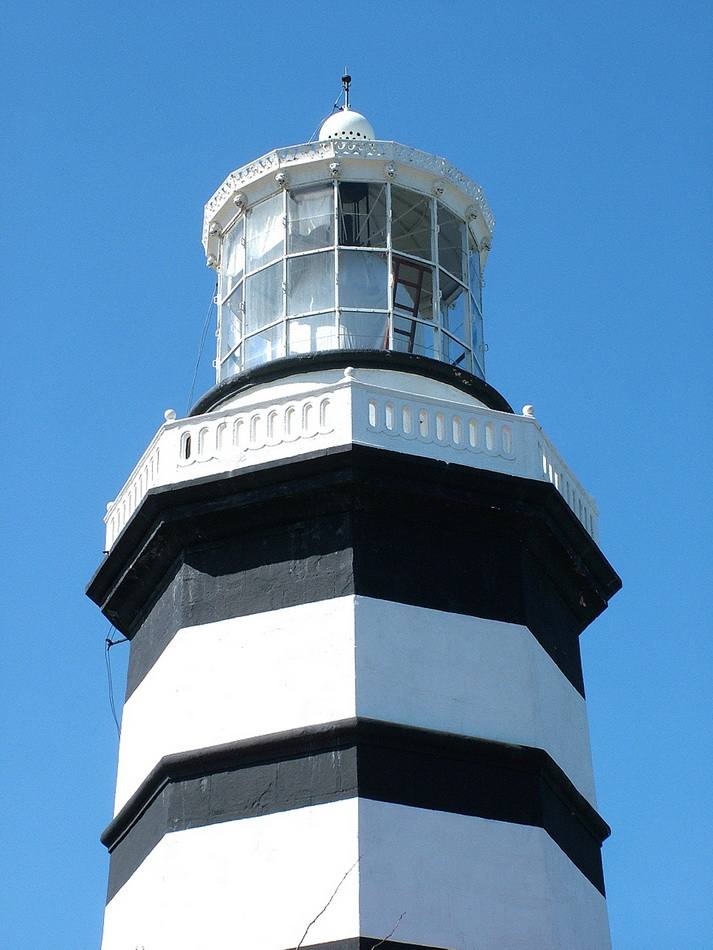
Standing on rocky ground approximately 60 metres above sea level, its octagonal stone tower rises 19 metres. The thick masonry walls were designed to withstand the exposed conditions of the Black Sea coast. The alternating black and white bands are not merely decorative: they also serve as a distinctive daytime identification mark. Beside the tower stands the former lighthouse keeper’s building, a reminder of the people who once lived and worked here.
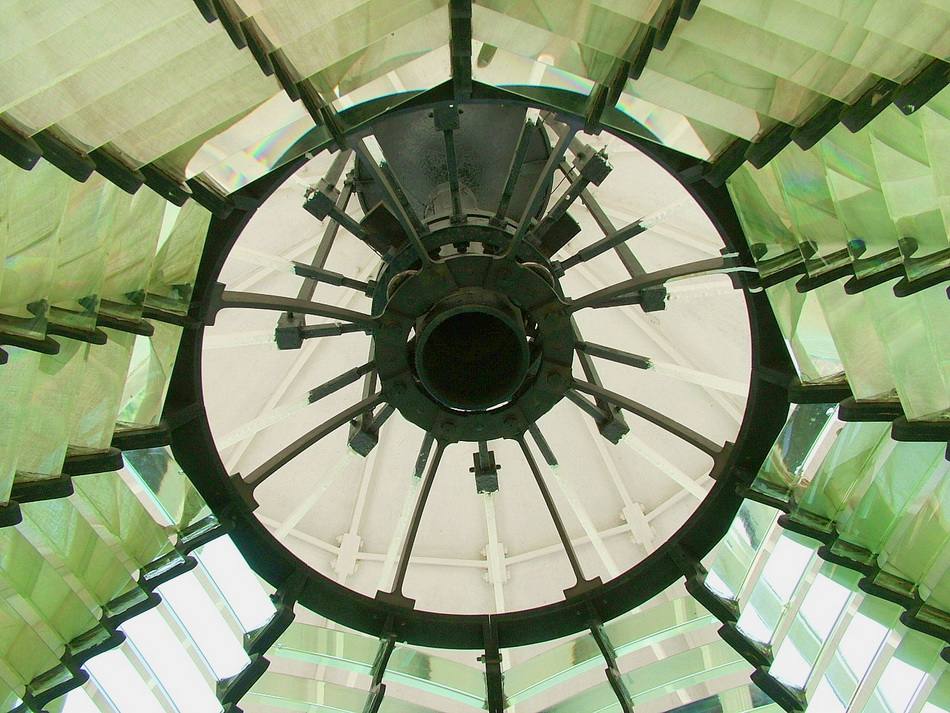
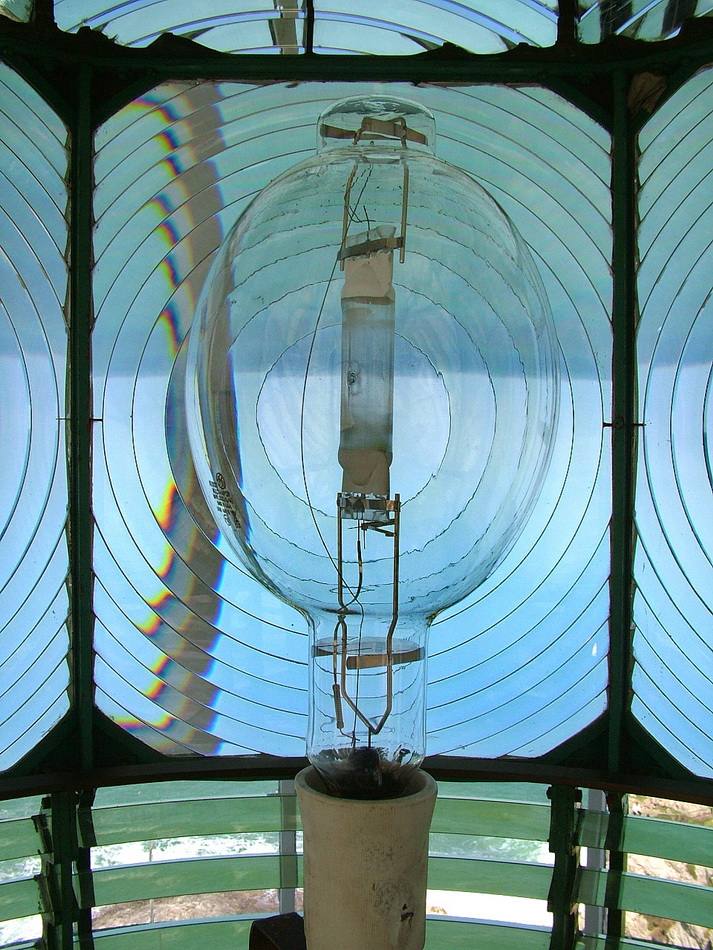
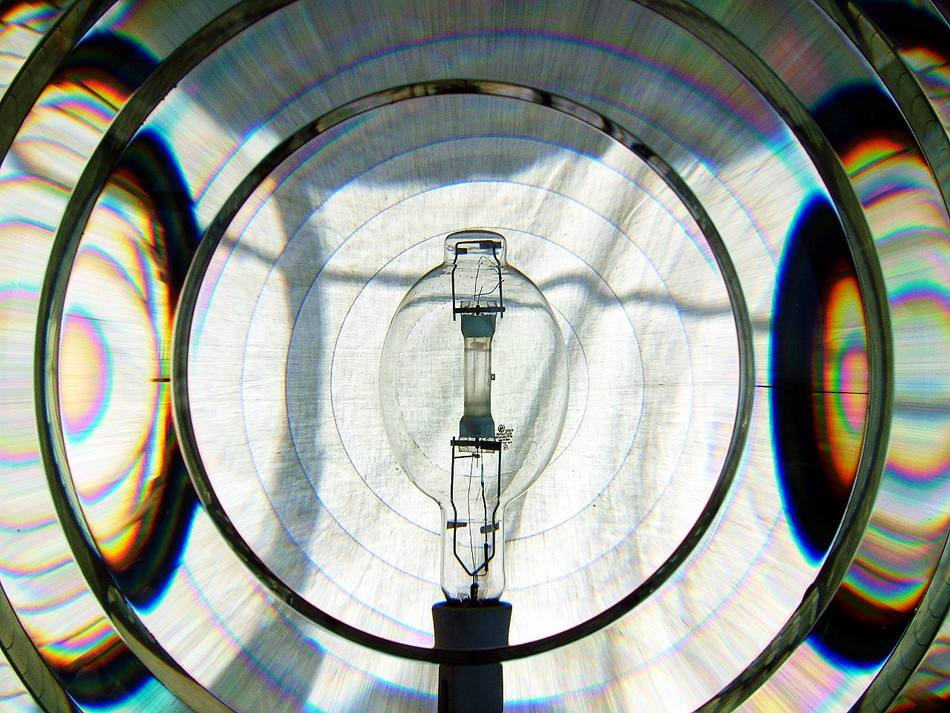
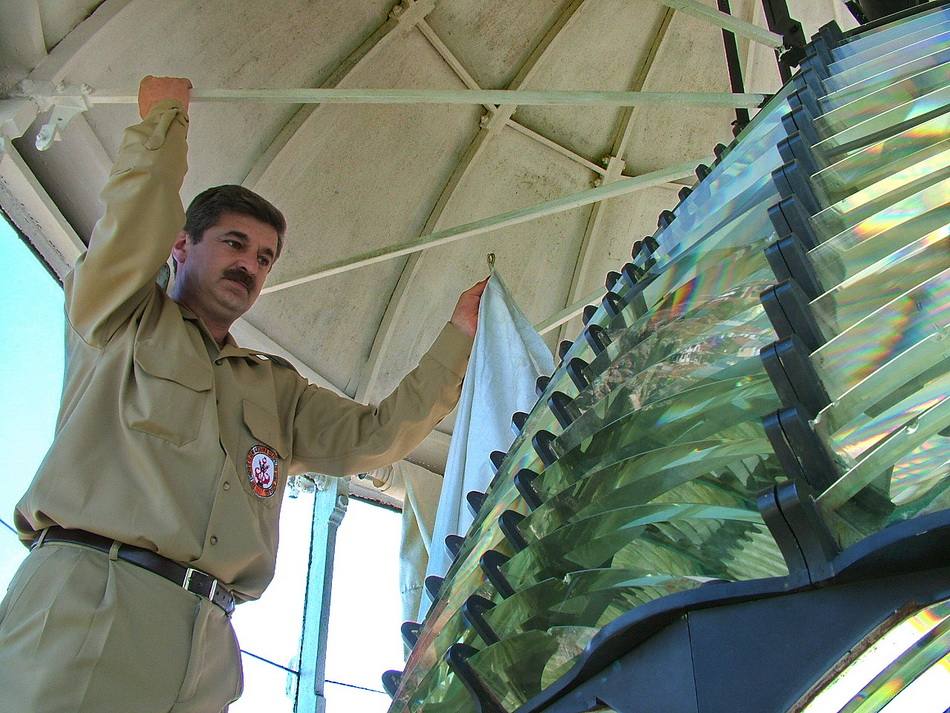
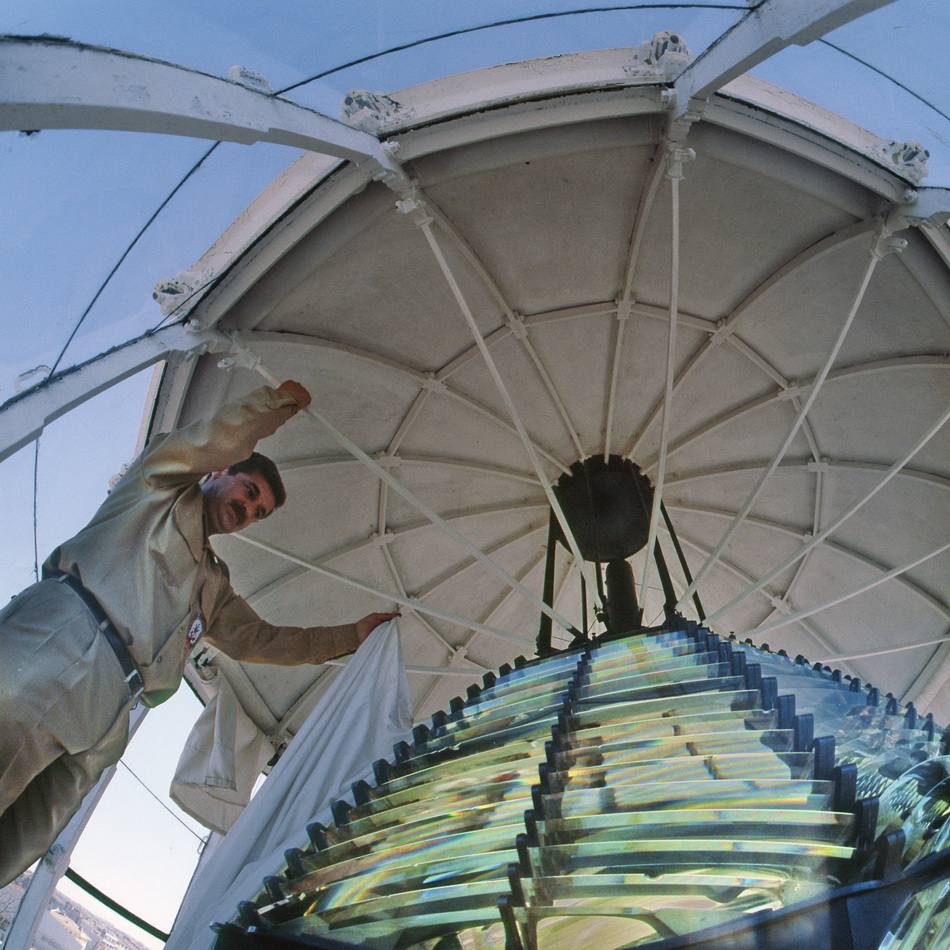
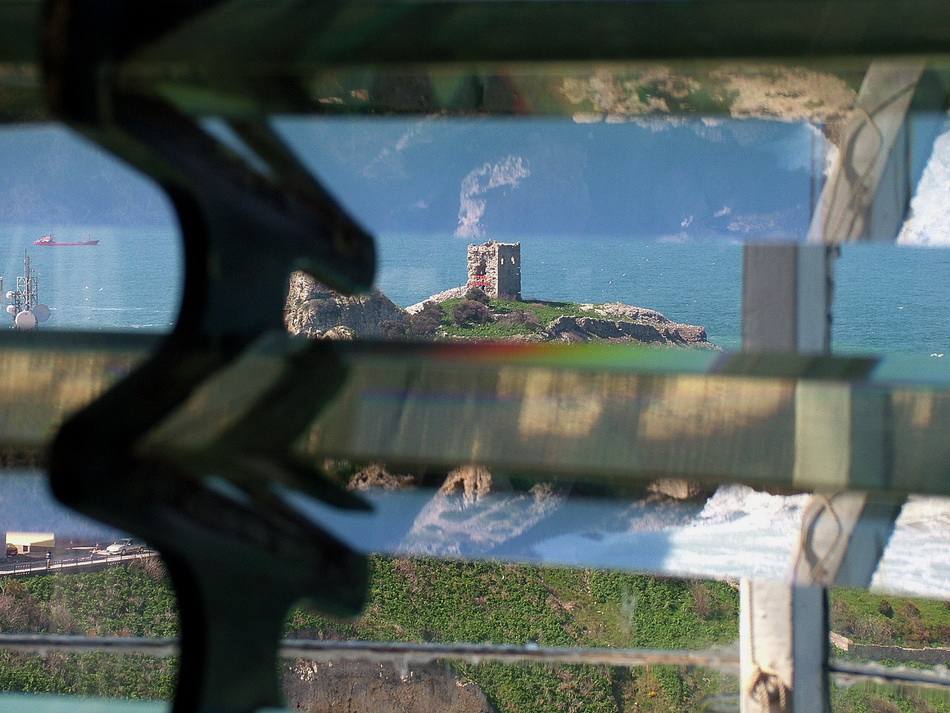
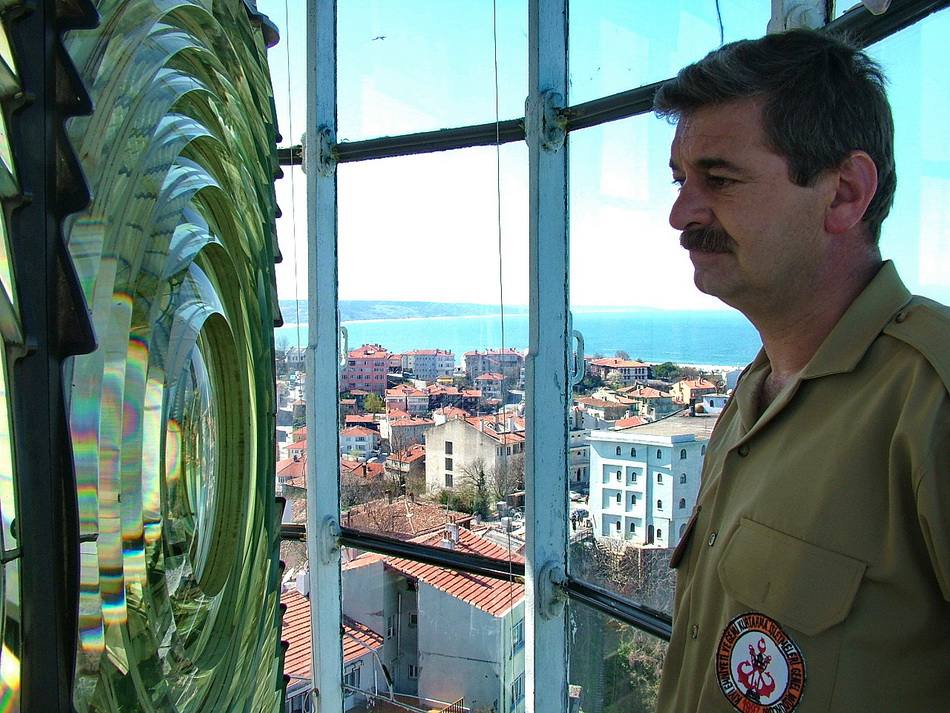
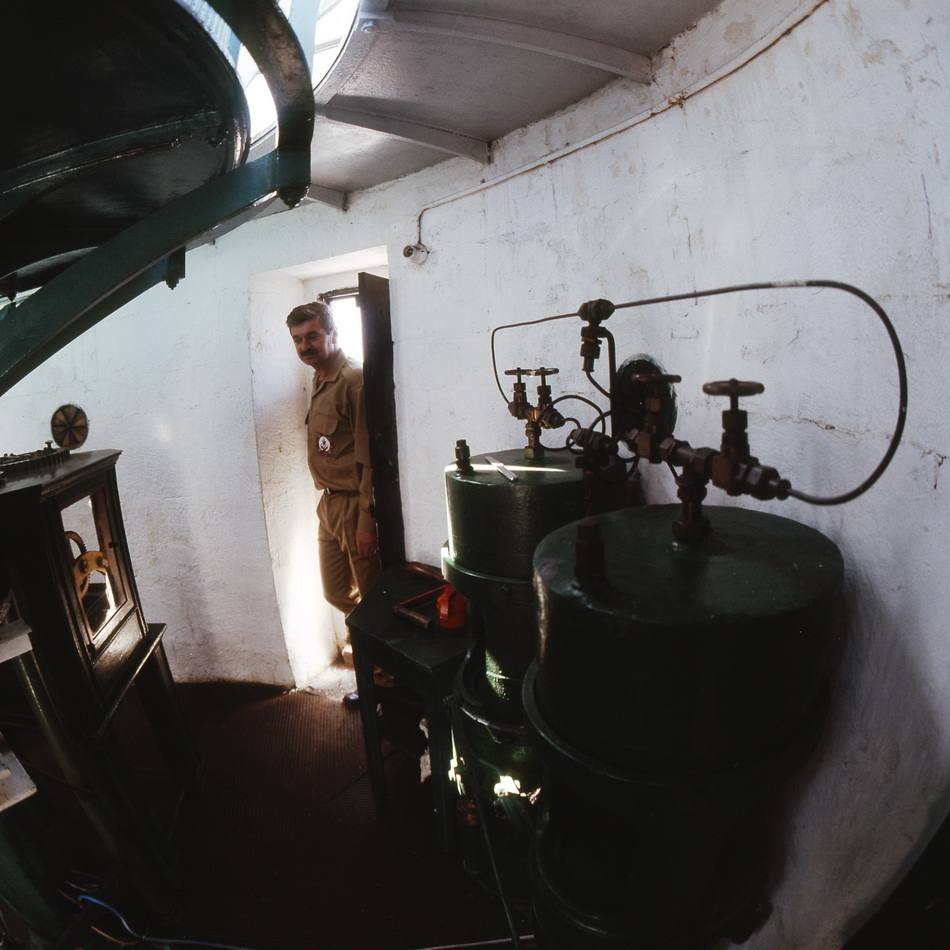
One of the lighthouse’s most remarkable features is its historic optical apparatus, manufactured in France. Its eight-panel catadioptric lens system gathers and directs light out to sea. Over the years, the original lamp technology was replaced by newer forms of illumination and eventually by electricity, while the historic optical equipment remained an important part of the site’s heritage.
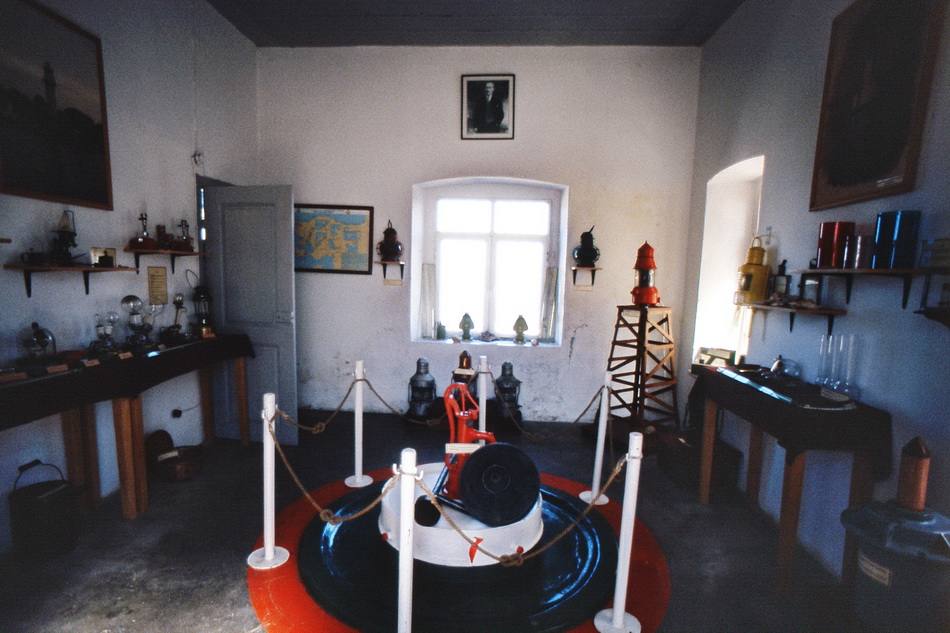
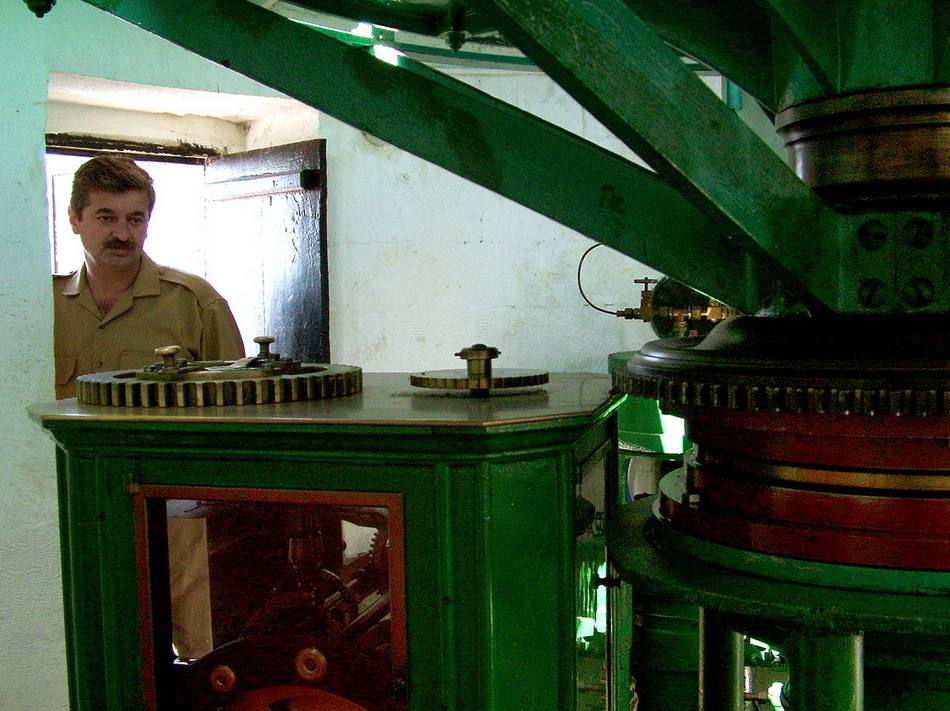
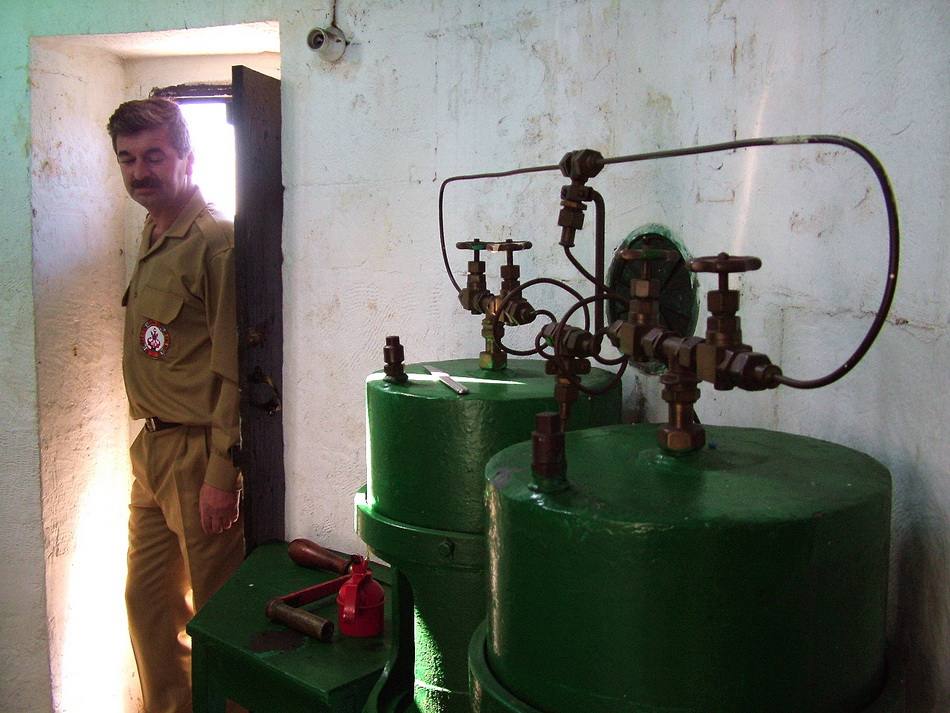
Among the details I photographed was the old winding mechanism. Before electric motors were introduced, a clockwork system of gears, shafts and descending weights rotated the lens assembly. Lighthouse keepers had to wind the mechanism at regular intervals, raising the weights so that their gradual descent could keep the machinery moving. This combination of mechanical precision and human labour ensured that sailors would see the light at its characteristic intervals.
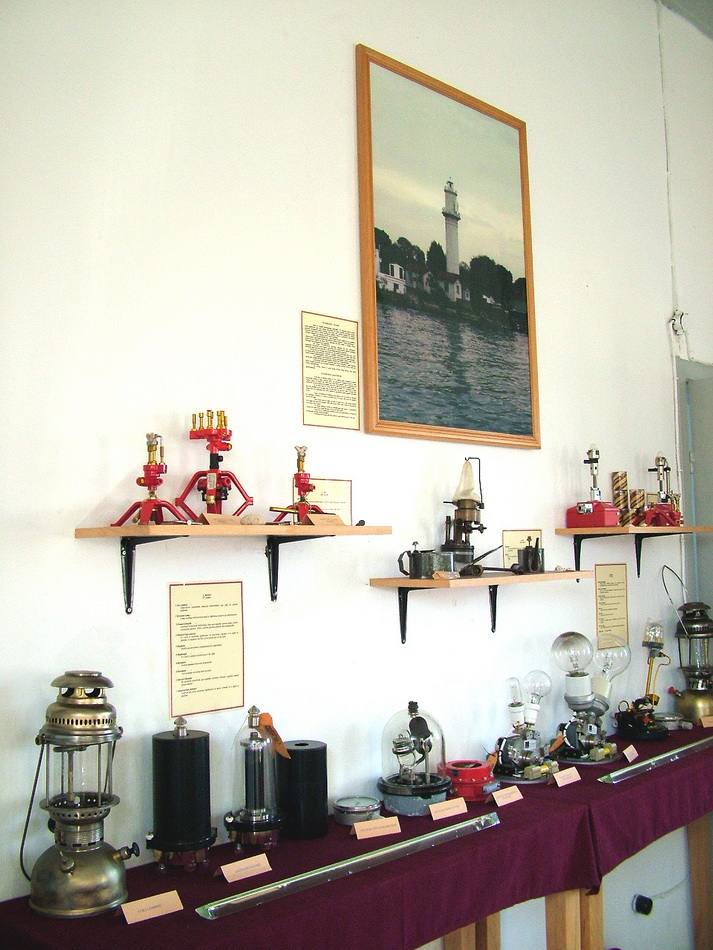
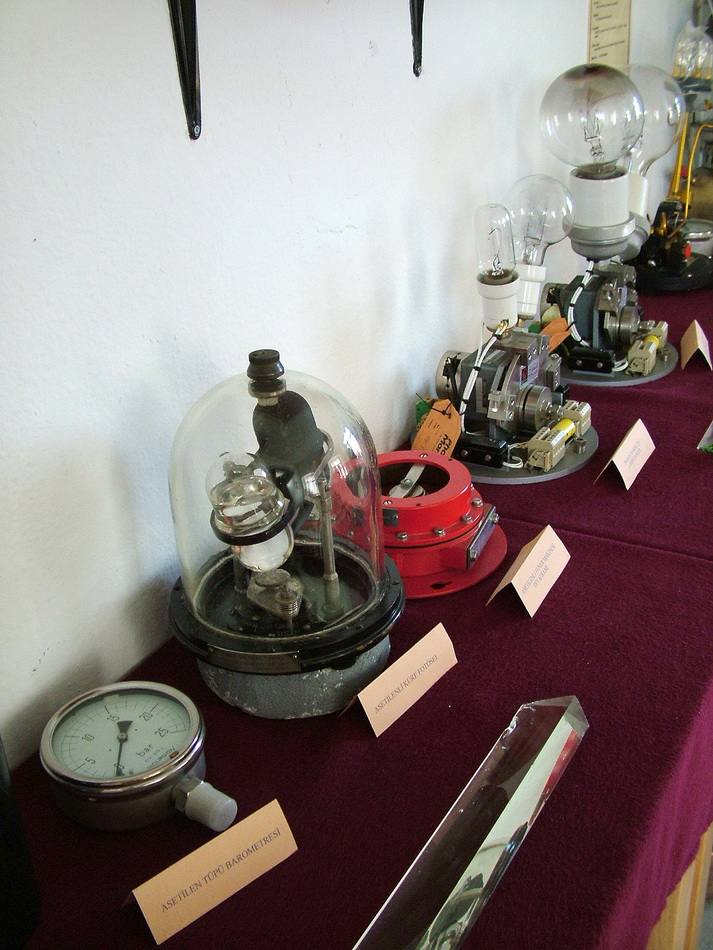
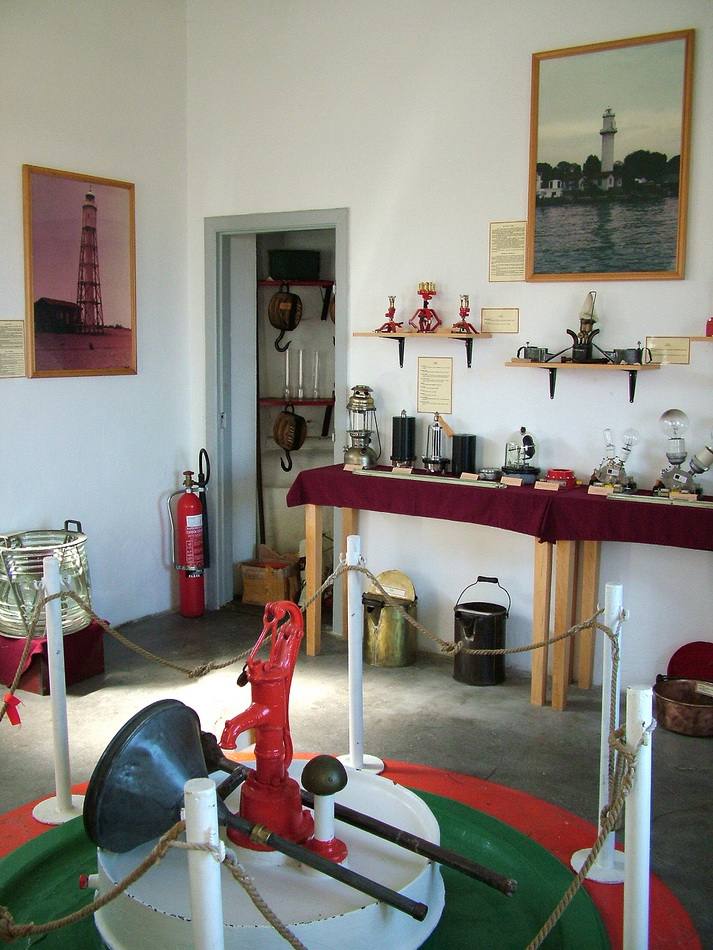
The historic lighthouse complex also houses a small maritime museum. Displays of old lighting equipment, technical components and objects associated with lighthouse service offer a glimpse into the working lives of earlier generations. The winding mechanism and optical apparatus are particularly evocative reminders of the era before automation. Inside the building, the lighthouse becomes not just a striking coastal monument but a place where the history of navigation can be experienced at close range.
The lighthouse is identified by its white flash at fifteen-second intervals, conventionally written as Fl.W.15s. Its nominal range is approximately 20 nautical miles, or 37 kilometres. Such distinctive light patterns allow mariners to identify individual lighthouses at night. Despite changes in technology, Şile Lighthouse continues to fulfil its essential navigational role.
Restored and maintained over successive generations, the lighthouse is both a working maritime aid and a significant part of Şile’s architectural identity. Its stone tower, optical equipment and surviving mechanical details preserve a chapter of the history of navigation on the Black Sea.
For me, Şile Lighthouse was the final stop on a photographic journey documenting Istanbul’s historic lighthouses, from the Sea of Marmara through the Bosphorus to the Black Sea. At each site I tried to record not only its architecture but also its history and relationship with the sea. At Şile, I was able to photograph the powerful striped tower as well as the old machinery and the maritime heritage preserved inside. The gears and weights once tended by lighthouse keepers now stand as silent witnesses to an earlier age of technology.
Şile Lighthouse is therefore more than the last stop on this journey. It is a meeting place of sea, architecture, engineering and human effort—and the final page of a photographic record.